Compostable vs. Biodegradable Coffee Pouches: What the Labels Actually Mean for a Small Roaster
Compostable vs. Biodegradable Coffee Pouches: What the Labels Actually Mean for a Small Roaster
Not every roaster knows this, but “compostable” and “biodegradable” aren’t interchangeable, not legally and not practically. One of them means something you can verify. The other means almost nothing on its own.
That distinction matters more than it used to. Coffee customers are paying closer attention to packaging claims than they were a few years back, and a bag that says “compostable” but doesn’t break down the way the customer expected does real damage to how much they trust everything else printed on it. If you want more information about that, you need to read the full blog.
What Do These Labels Actually Mean?
Biodegradable might be the least useful word in packaging. It technically means a material breaks down over time through natural processes, but it doesn’t say how long. Everything’s biodegradable eventually, even standard plastic, given enough decades and the right conditions. That’s why a bag labeled “biodegradable” with nothing backing it up doesn’t actually tell you anything. Could be a few years. Could be several decades. Nobody reading the label can tell.
Compostable is a stricter, testable claim:
- Breaks down into non-toxic components. Nothing harmful is left behind once the process is complete.
- Within a defined window. Typically 90 to 180 days, not “eventually.”
- Under specific composting conditions. The claim only holds under the conditions it was tested against.
- No microplastics left behind. Part of the standard itself, not an optional extra.
- A real US standard sits behind it. ASTM D6400 covers industrial composting; ASTM D6868 kicks in when there’s a paper component involved.
Why the Gap Between These Two Words Matters
“Biodegradable” costs a supplier nothing to say. No test to pass, no proof required. “Compostable” costs them something, either they’ve got a certificate, or they don’t. Ask, and you’ll find out fast which one you’re actually dealing with.
Worth keeping in mind:
- Biodegradable has no fixed timeframe or testing standard attached to it.
- Compostable requires certified testing under a standard like ASTM D6400.
- Home compostable and industrial compostable are not the same thing.
- A mislabeled claim can create real legal exposure in some states.
- Certification is what actually protects you from a greenwashing complaint.
Home Compostable vs. Industrial Compostable: The Part That Trips People Up
This is the distinction that catches out more roasters and more customers than anything else in this conversation.
Industrial compostable materials need the sustained heat and controlled conditions of a commercial composting facility to actually break down within their certified timeframe. Toss one into a home compost bin instead, and it can sit there mostly intact for years, since a backyard pile rarely gets anywhere near the temperature an industrial facility maintains. Industrial facilities typically run at 130 to 160 degrees Fahrenheit and manage moisture and turning on a schedule, conditions a home compost pile simply isn’t designed to replicate.
Home compostable is the certification that actually matters here. Standards like TÜV Austria’s OK Compost Home are built for an ordinary backyard compost pile; no industrial conditions are needed. For a direct-to-consumer roaster, this is the one to chase, since most customers are composting at home, not sending bags off to a facility.
A real example of what goes wrong. We worked with a roaster last year who’d been printing “compostable” on bags certified only for industrial composting. A handful of customer complaints later, it turned out none of those customers had access to an industrial facility anywhere near them. Technically accurate, practically useless.
The label wasn’t false, just incomplete. That gap alone was enough to lose customer trust.
And honestly, it’s rarely deliberate. Most small roasters just take whatever film the supplier hands them labelled “compostable” and don’t push for which certification is actually behind it, partly because the supplier’s own marketing doesn’t draw that line clearly either. The whole industry’s been slow to separate these two claims in plain language, which means it’s the roaster left holding the risk when a customer eventually figures it out for themselves.
Home Compostable vs. Industrial Compostable at a Glance
| Home Compostable | Industrial Compostable | |
| Breaks down in | A standard backyard compost pile | A commercial composting facility only |
| Conditions needed | Normal outdoor temperature and moisture | High sustained heat, controlled humidity |
| Common certification | TÜV Austria OK Compost Home | ASTM D6400 |
| Best suited for | Direct-to-consumer roasters | Roasters supplying facilities with industrial composting access |
| Risk if mislabeled | Low, most bags get home composted anyway | High, the bag may sit intact for years in a home bin |
What Actually Works for Coffee
Coffee has a specific technical problem that makes all of this harder: a compostable bag still needs a real oxygen and moisture barrier to keep the coffee fresh, and compostable films have historically struggled to match the barrier performance of standard foil or plastic laminate.
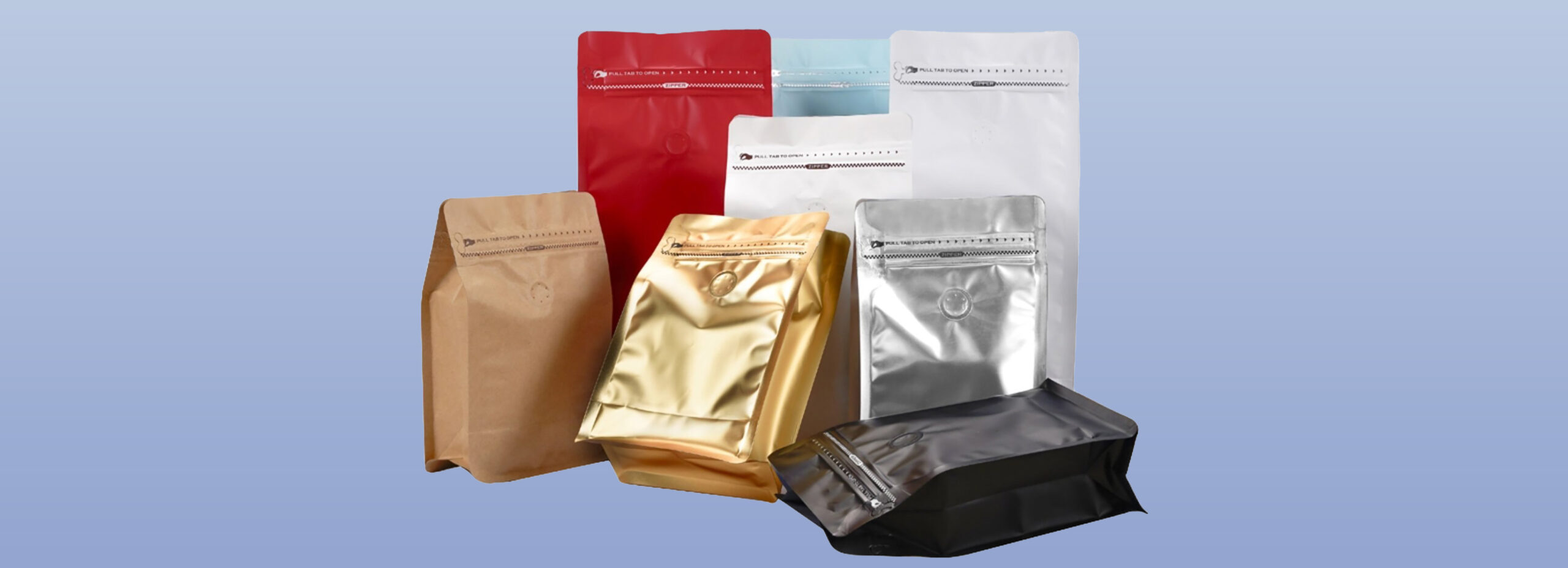
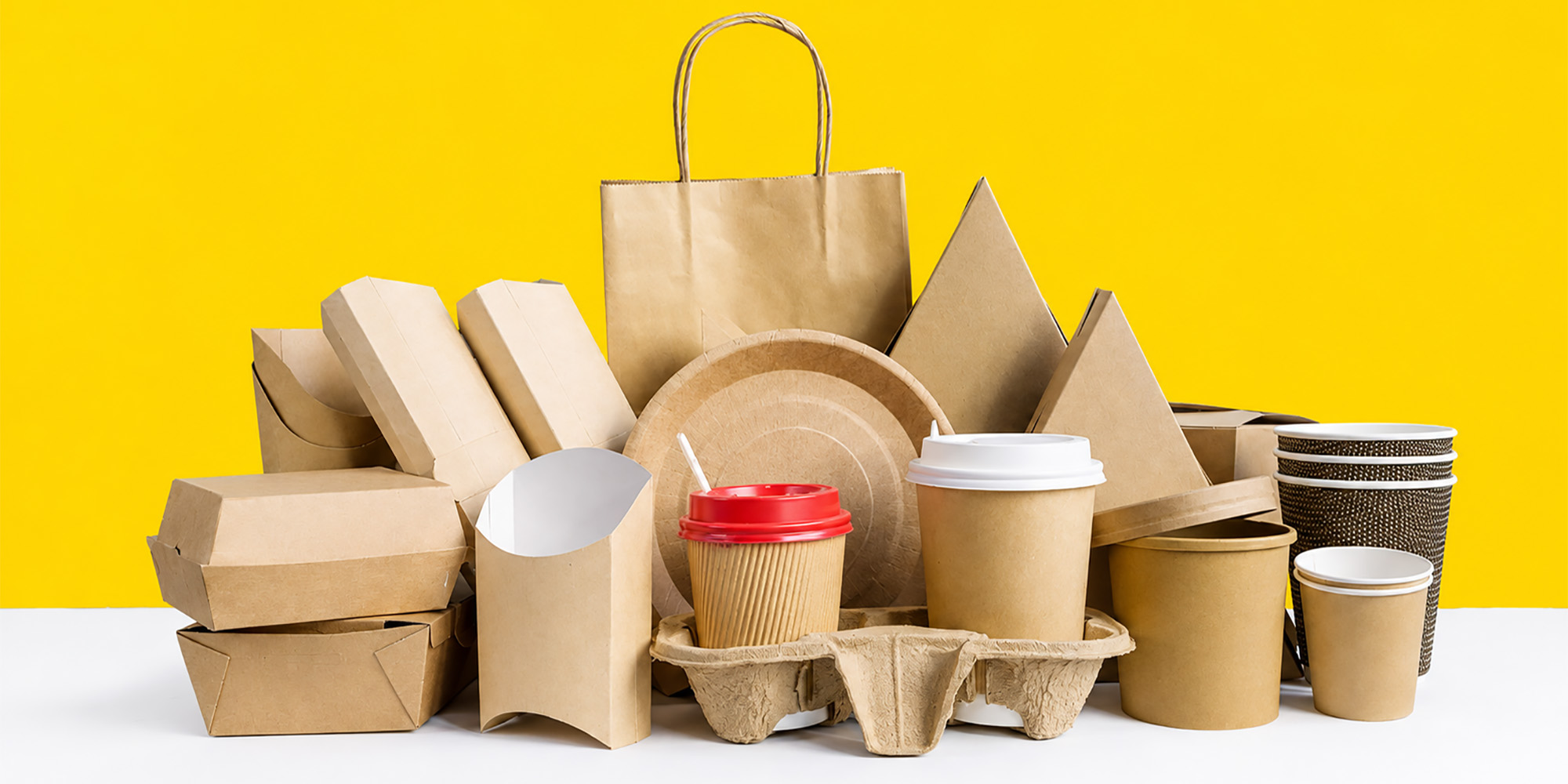
- PLA-lined kraft paper is the most common compostable structure for coffee right now, generally certified industrial compostable. Barrier performance has improved a lot in recent years, but still tends to fall short of foil laminate on long shelf-life products.
- PHA-based films are closing that gap. Unlike PLA, several are certified home compostable rather than industrial-only, a genuinely better fit for a small roaster whose customers are composting at home.
- The real tradeoff is shelf life vs. sustainability positioning. Fast-moving coffee sold directly within a few weeks can usually get away with a slightly weaker barrier for a home-compostable claim. Coffee sitting on a retail shelf for two or three months needs the barrier to hold up first, with the compostable claim as a secondary consideration.
- Verify before you print. The Biodegradable Products Institute, the main certifying body for compostable claims in the US, says this exact mix-up- home versus industrial- is one of the most common problems they see from smaller brands just getting into this. Don’t take a supplier’s word for it. Ask for the actual paperwork.
Why This Matters Beyond the Environmental Angle
A compostable claim that doesn’t hold up in practice is a trust problem before it’s anything else. A customer who puts an “industrial compostable” bag in their home compost, watches it sit there untouched for two years, and eventually works out why, doesn’t just stop believing that one claim. They stop believing every sustainability claim your brand makes after that.
It’s increasingly a legal question too. Several states, California among the most active, have tightened rules around compostable and biodegradable labelling specifically because greenwashing complaints became common enough to draw regulatory attention. Making a compostable claim without the certification behind it is a real legal risk now, not just a marketing overreach.
For a small roaster, that’s actually good news buried in a warning. Most competitors either aren’t making a compostable claim at all, or they’re making one nobody’s checked, which means getting the label genuinely right is one of the few ways to stand out in a market this crowded. It’s basic due diligence, but hardly anyone’s doing it.
Skip the vague green messaging. A real certification mark on the bag, with a line or two explaining what it actually means, builds more trust than any amount of leafy graphics ever will. Worth putting on the bag where there’s room:
- The certification body and standard used
- Whether it’s home or industrial compostable
- The expected breakdown timeframe
- Basic disposal instructions
What This Actually Costs in 2026
You’re looking at roughly $0.15 to $0.35 a unit for industrial compostable PLA bags, just a touch more than standard foil. Home compostable PHA films run higher, closer to $0.25 to $0.55 a unit, mostly because the material’s still newer and production hasn’t scaled up the way PLA has. Certification itself is a one-time fee rather than something you pay per bag, usually landing between $500 and $2,000. And the hardware side, valves and the like, ends up costing about the same whether you go compostable or standard.
The price gap is smaller than it looks. For a few thousand bags a year, home compostable might only cost a few hundred dollars more than industrial. Worth picking the one that actually matches how your customers dispose of the bag, not just the cheaper option.
Before printing “compostable” on a bag, ask: Home or industrial? Does the bag make that clear? Has the supplier actually shown proof, not just said it’s compostable? Does the barrier hold up for the coffee’s shelf life? And does the material match how your customers really compost?
Conclusion
“Biodegradable” is close to meaningless without a certified timeframe behind it. “Compostable” means something real, but only when it’s backed by actual certification, and only when the roaster is upfront about whether that certification is home or industrial. Getting this right protects the environment and your brand’s credibility, two things a vague label does neither for.
None of this requires a total packaging overhaul overnight. It starts with a single question to your current film supplier: which standard is this actually certified to, and can you send the documentation? If the answer is vague, that’s the signal to look elsewhere before the next print run rather than after a customer notices.
Check the certification, match it to how your customers actually dispose of the bag, and don’t print a claim your material can’t back up. That one habit does more for a small roaster’s long-term reputation than any amount of green packaging ever will.
Written by the Hale Path Packaging team, packaging specialists with over a decade of experience supplying coffee, speciality food, and sustainable packaging materials to roasters and food brands across the United States, working directly with roasters on compostable film certification and barrier testing before a claim goes on the bag.