Frozen & Chilled
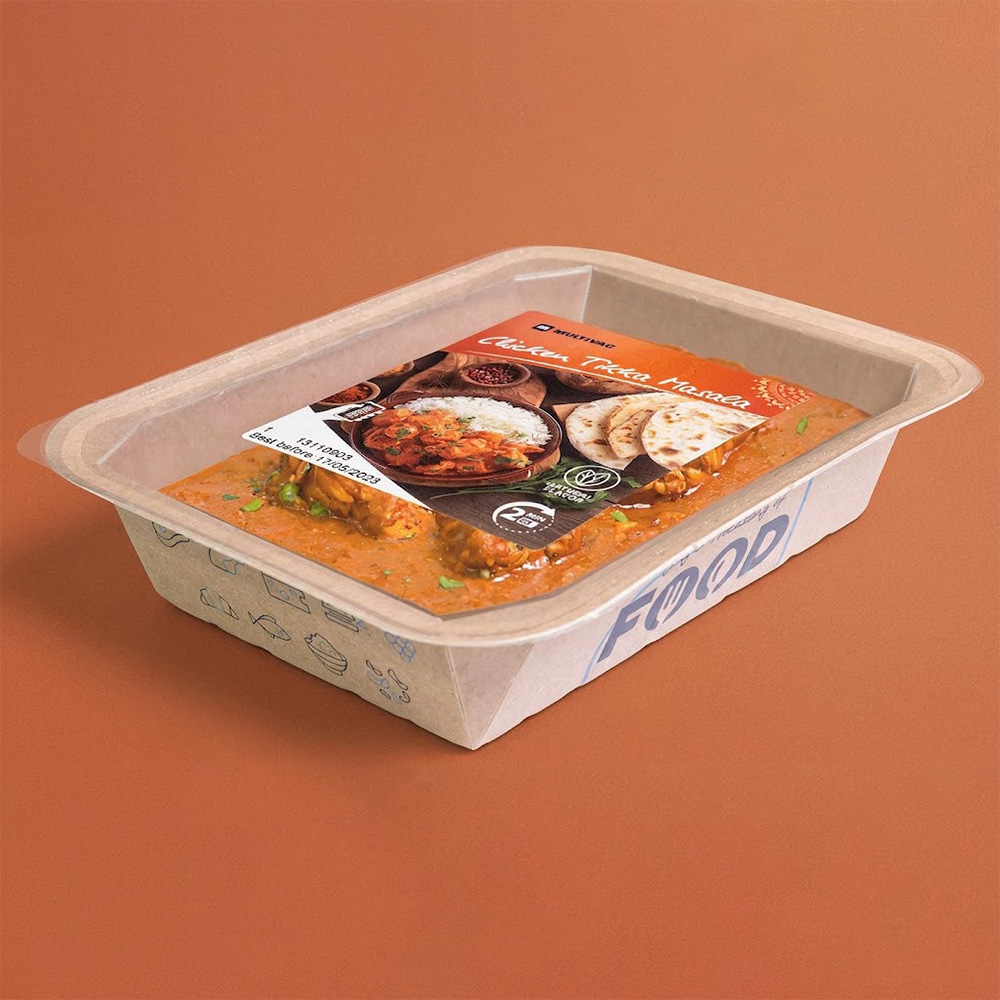
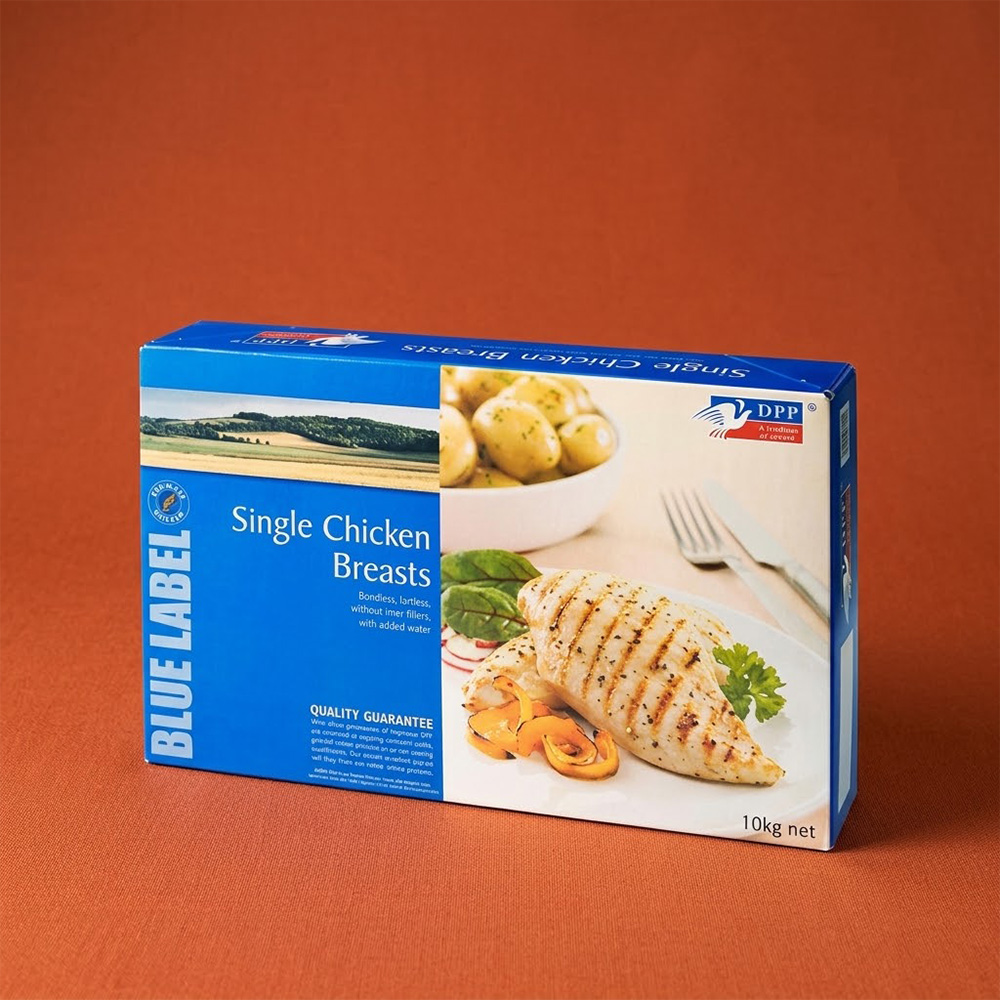
A carton that works at 38°F can fail at 0°F, so frozen and chilled food needs different builds. Hale Path Packaging makes both in custom sizes and print, from frozen dinner and dessert sleeves to chilled meat and poultry boxes.

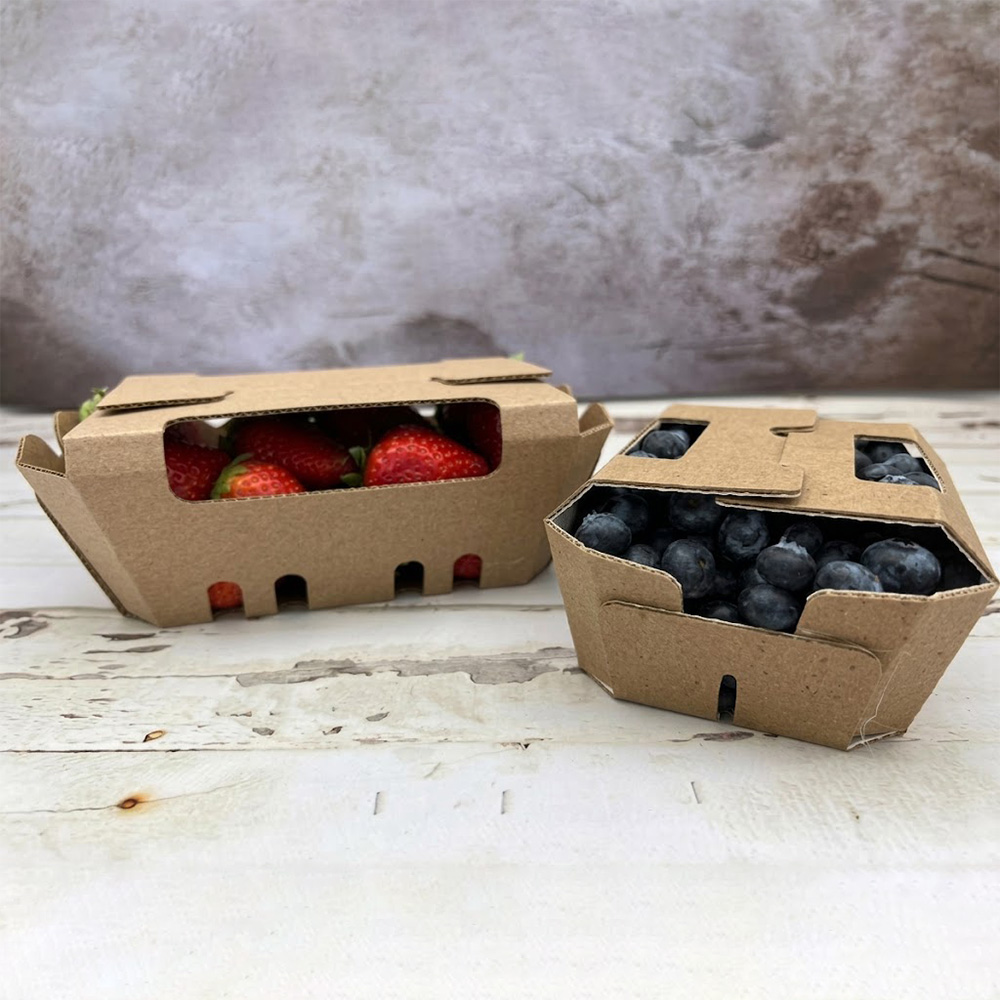
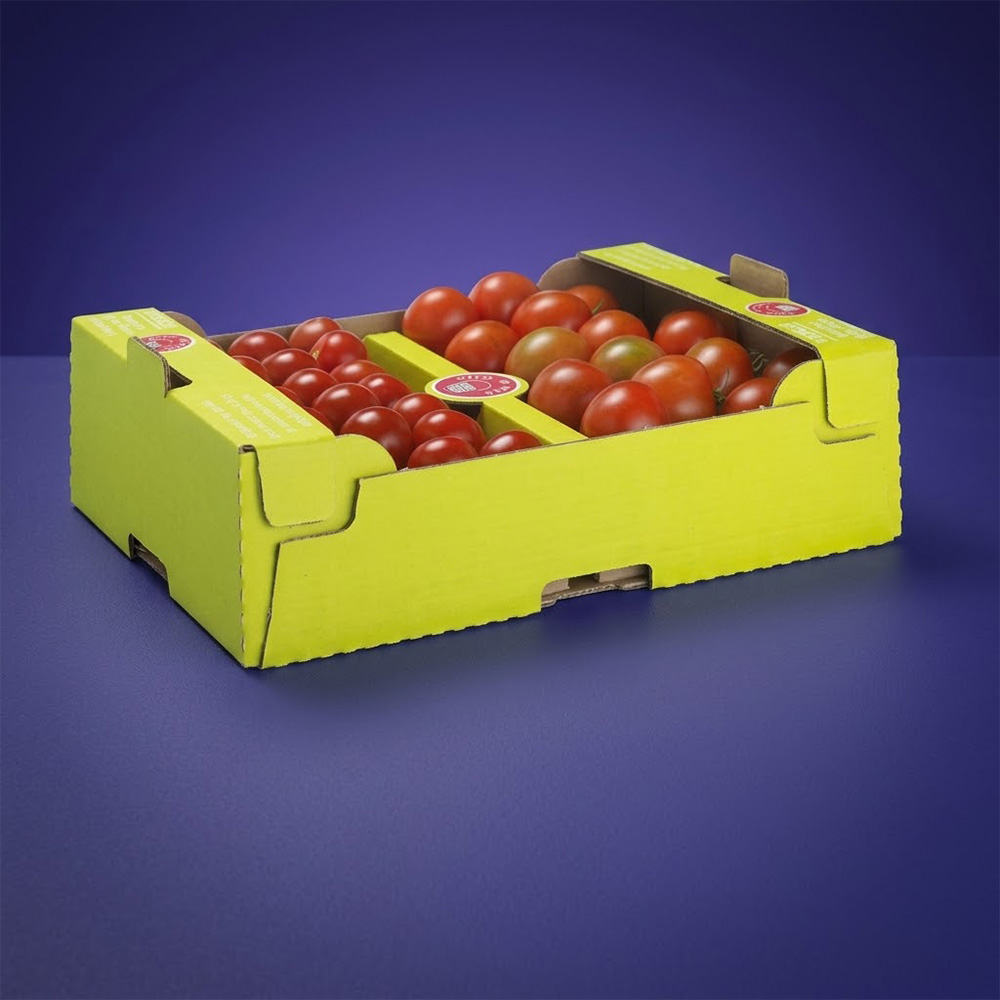
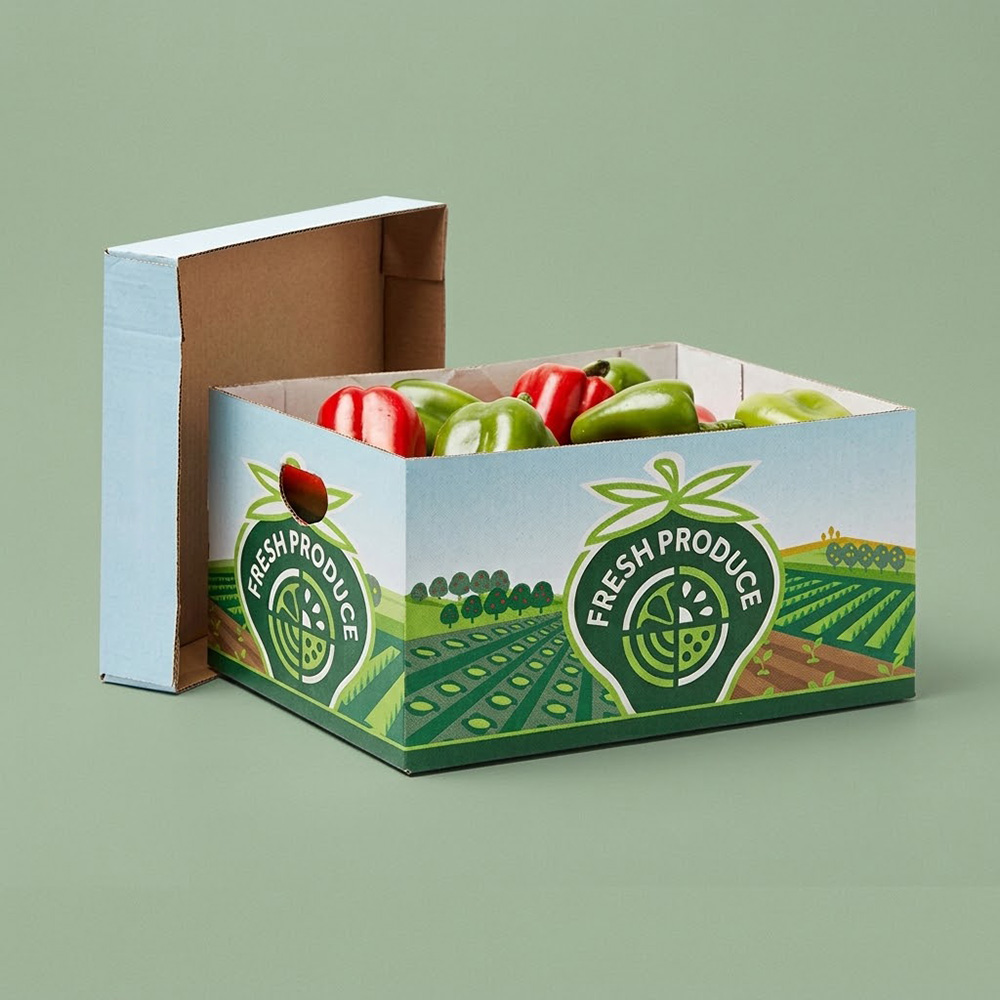
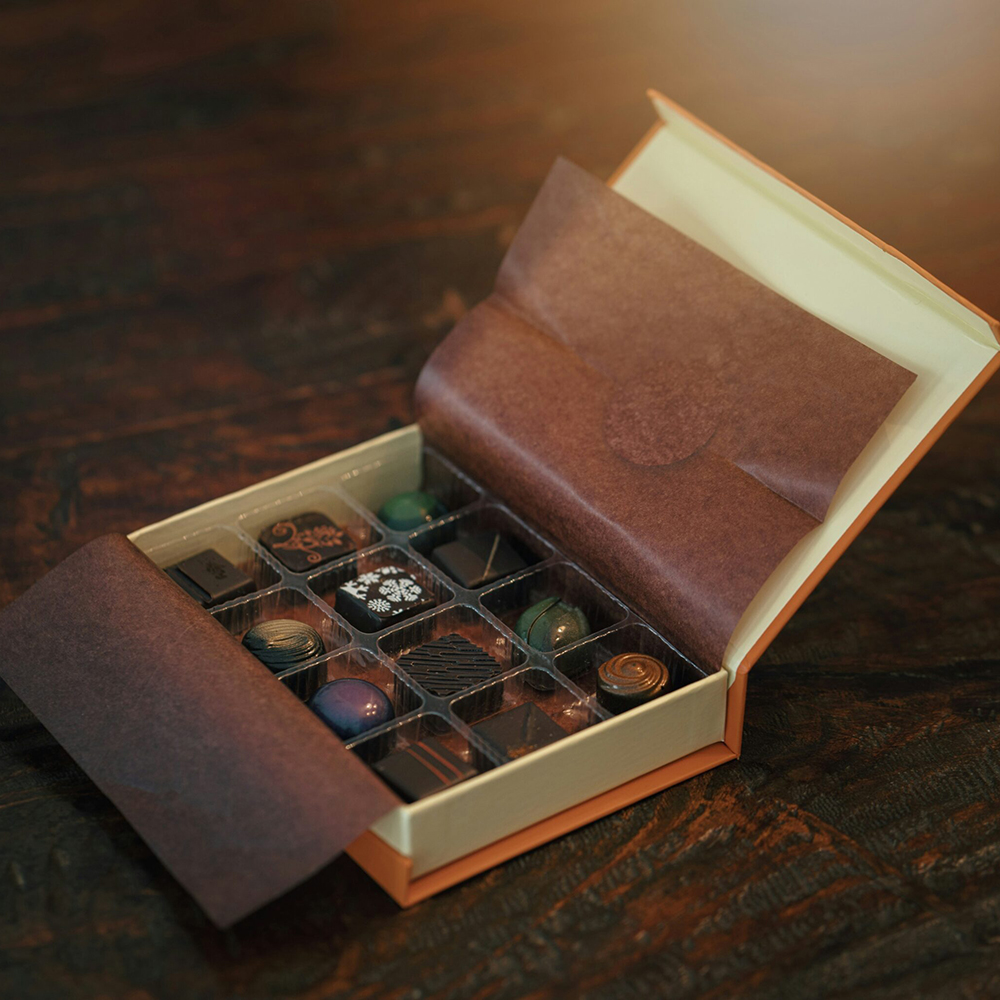
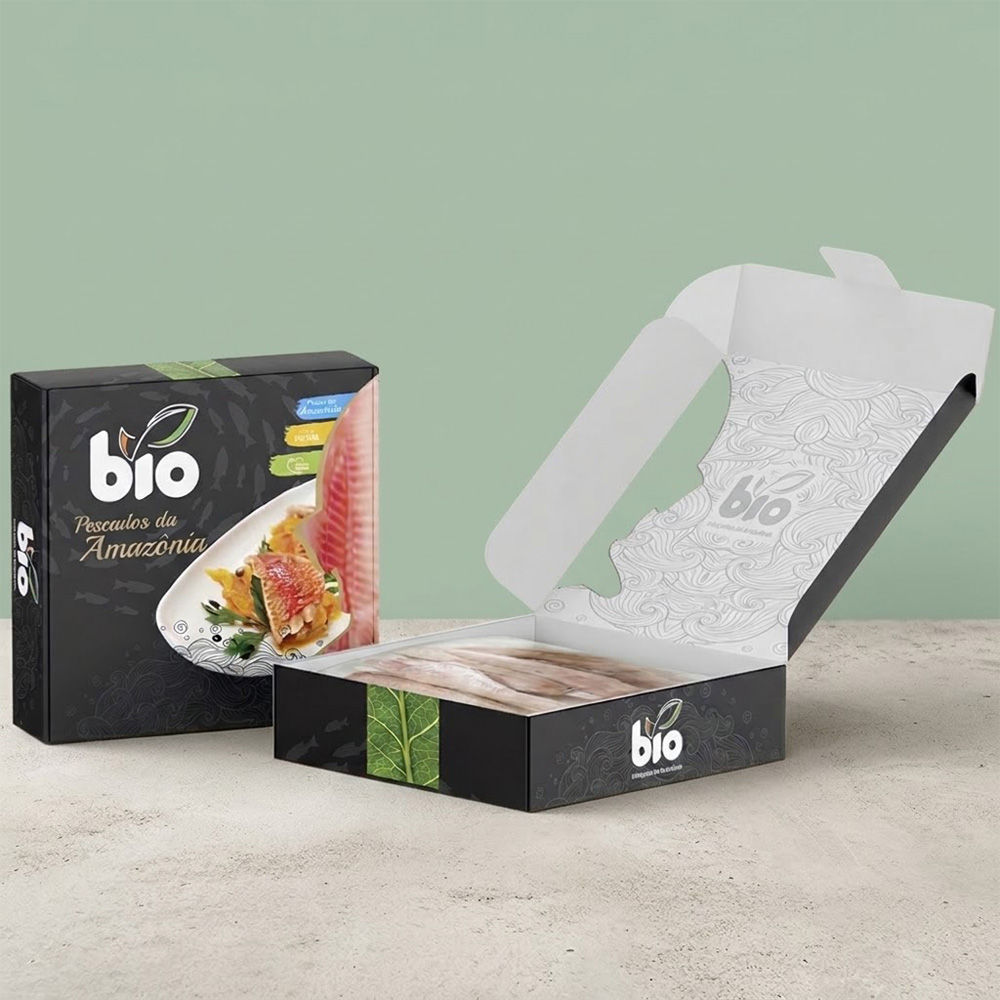
Display boxes in the USA are manufactured using high-quality cardboard, Kraft paper, and rigid materials. Provided employing eco-friendly, biodegradable, and sustainable materials to meet the green standard
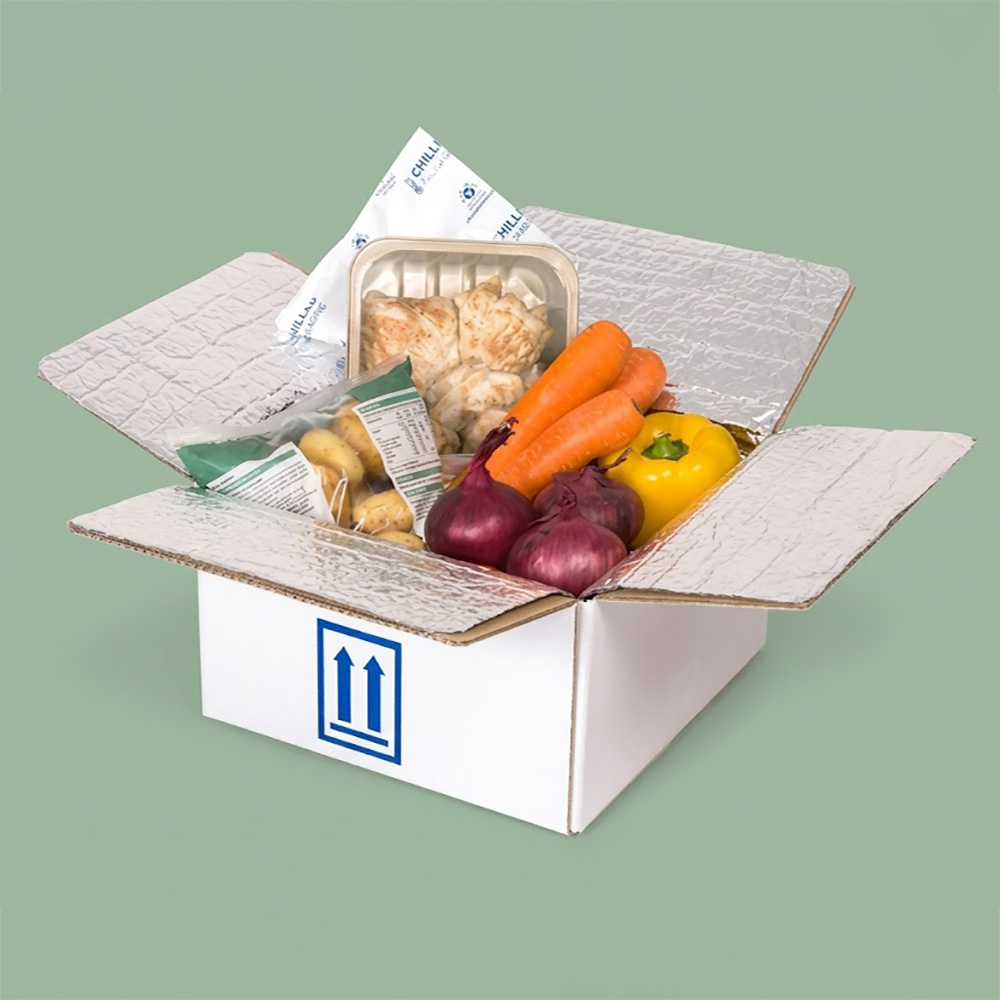
A standard carton doesn’t last long in a freezer. Frost builds up on it, moisture soaks into the board, and every door opening lets in warm air. Frozen products need freezer-grade cartons that stay flat and sealed at 0°F. Chilled products face a different problem: damp. They need chilled food packaging that holds up in a fridge. Many brands sell both, so we make matching formats for each. We size every format around your product and storage temperature. One quote from us covers your frozen and chilled lines.
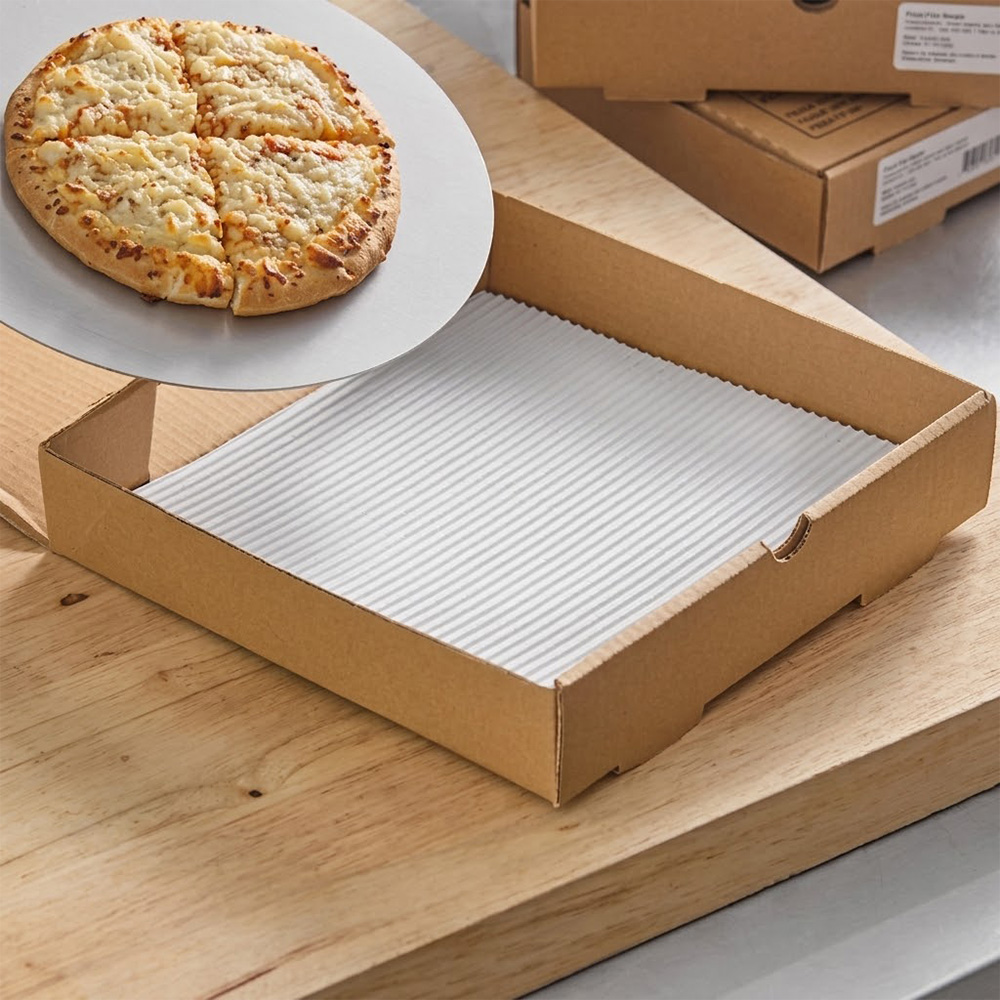
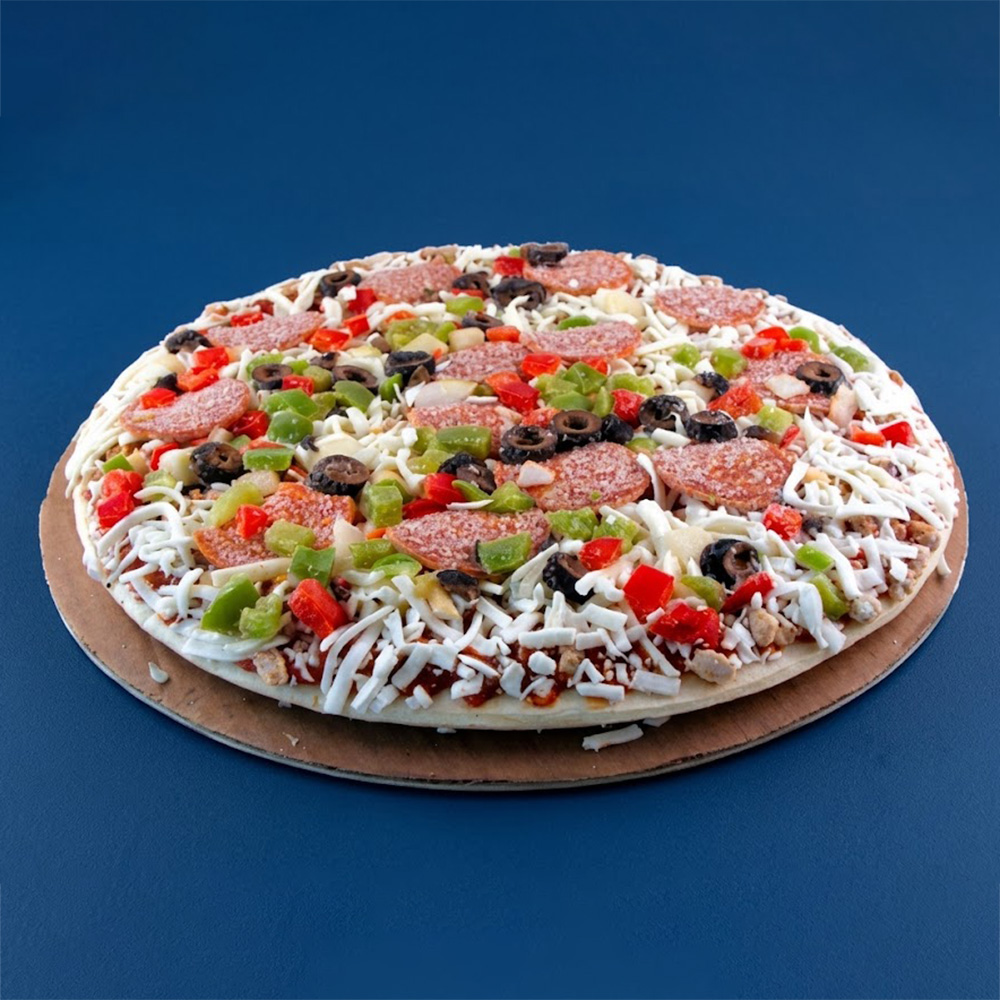
We make frozen cartons from coated paperboard, usually 16 to 20 pt SBS with a barrier coating on the food side. Chilled shippers use wet-strength corrugated, and each board grade gets a Cobb water-absorption test before we quote it. Seams close with a low-temperature adhesive that keeps its grip below 0°F. Frozen pizza and other greasy items need grease-resistant cartons, and pizza box liners add a second barrier.
One frozen dessert brand had cartons sticking together on the retail shelf. Frost bonded the bare print of neighbouring cartons, and pulling one out tore the ink off the next. We added an overlay varnish for frost-resistant printing, and the cartons now lift apart cleanly. Every sample goes through three freeze-thaw cycles before it reaches you. We also run a score-crack check on each fold line, and if a weak spot shows, we change the coating or glue first.
Shoppers see your carton through frosted glass for a second or two, so strong contrast and one clear image matter. Every one of our custom frozen food boxes gets a varnish so colors do not scuff or turn cloudy. We print with water-based freezer-safe inks, and each ink and varnish combination goes through a tape-pull adhesion test after freezer exposure. Before you design, we send a dieline with the nutrition panel and barcode zones marked. Your proof also shows the varnish areas, so you know how the finish will look.
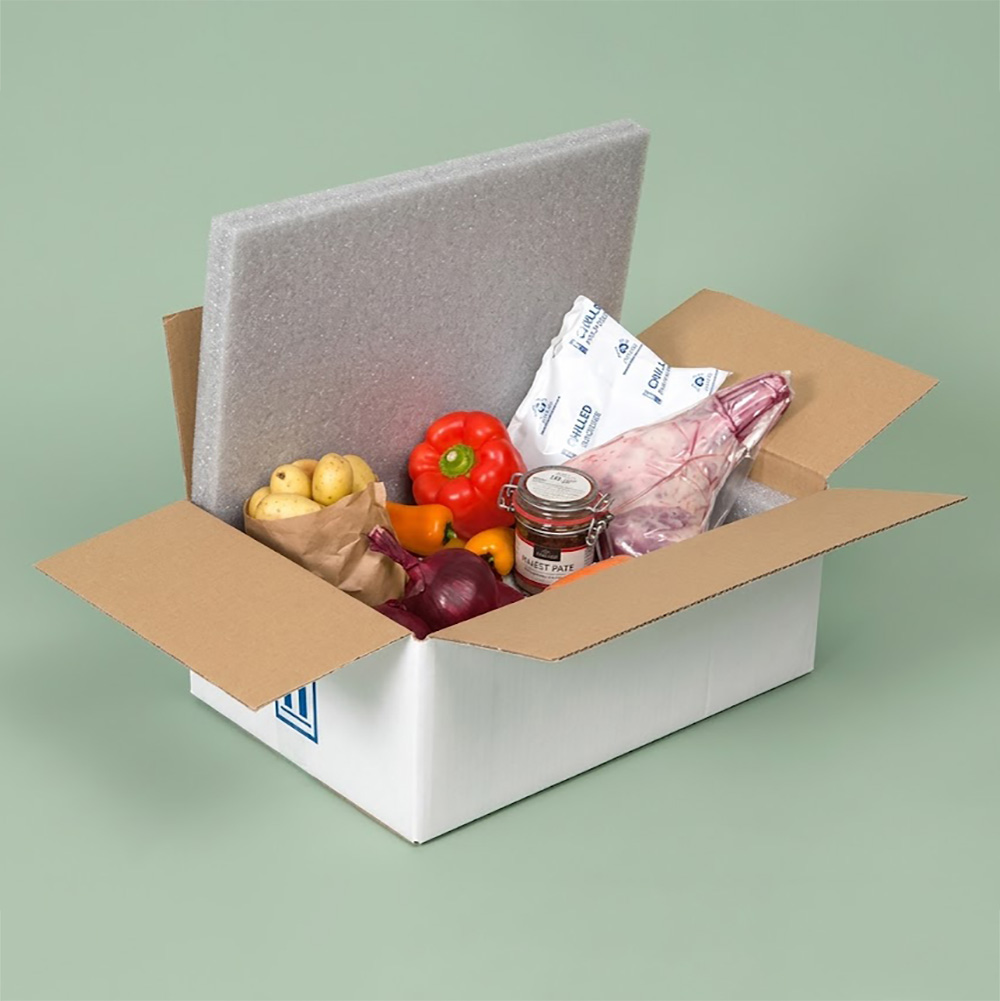
A first frozen range and a warehouse contract need different setups, so we plan each order around your volume and your freezer. Orders start at 100 units and arrive in 7 to 14 working days, which suits frozen food startups testing a first range. For home delivery, large cardboard boxes take an insulated liner and gel packs, which covers direct-to-consumer frozen shipping. We suggest a pilot run first. Freezing a few cartons was slightly off, because you freeze the product, not the carton. The new version says what to do and what to look for, so the reader doesn’t have to guess.
Distributors want wholesale frozen food packaging that survives a cold warehouse and rough pallet handling. Full overlap slotted boxes make strong master cases, and we customize size, coating, and print. Co-packers need co-packer packaging that erects cleanly on the line, so we can run a trial erect first. We handle sampling and proofing ourselves, and we flag any spec change before it reaches your line.
Hale Path Packaging has five years of packaging experience across the USA and Texas. Glue seams get a fibre-tear check after overnight freezer conditioning, and varnished print gets a frost-rub test before we approve it. For bulk frozen cases, our cardboard bakery tray carries the load. Tell us your product and storage temperature, and we will recommend a board and coating. We quote frozen and chilled lines together, so your cartons match across both.
It is a carton built to stay strong at 0°F and below. Three parts matter: the board, the coating, and the glue. Most freezer-grade cartons use coated SBS paperboard. A barrier layer keeps moisture out. A low-temperature adhesive keeps the seams shut.
Standard glue turns brittle in the cold. Seams then pop open. A low-temperature adhesive stays flexible and keeps holding. We test this by freezing sample seams and pulling them apart. If the board fibres tear, the bond is good.
Frozen packaging has to handle frost and brittle board at 0°F. Chilled packaging has a distinct problem: damp. At 35 to 40°F, condensation forms on the carton. So chilled cartons use wet strength board, which remains rigid when it gets wet.
Paperboard prints better. With a water-based barrier coating, it is also easier to reclaim. That makes it a good choice for sustainable frozen food packaging. Plastic holds liquid nicely, so it fits soups and sauces. Paperboard works for dry or boxed items.
Examine it for at least 24 hours at 0°F. Then bring it out and open it. Bend the boards and refold the carton. Look at the board, the seams, and the print. Do they still hold?
Yes. We leave clear zones for nutrition panels, cooking directions, and barcodes, and mark them on your dieline.