Plastic Free Carriers
- Delivery across the USA, fast
- Satisfaction guaranteed on every order we ship
- A design team that carries a brief through to final artwork

Display boxes in the USA are manufactured using high-quality cardboard, Kraft paper, and rigid materials. Provided employing eco-friendly, biodegradable, and sustainable materials to meet the green standard

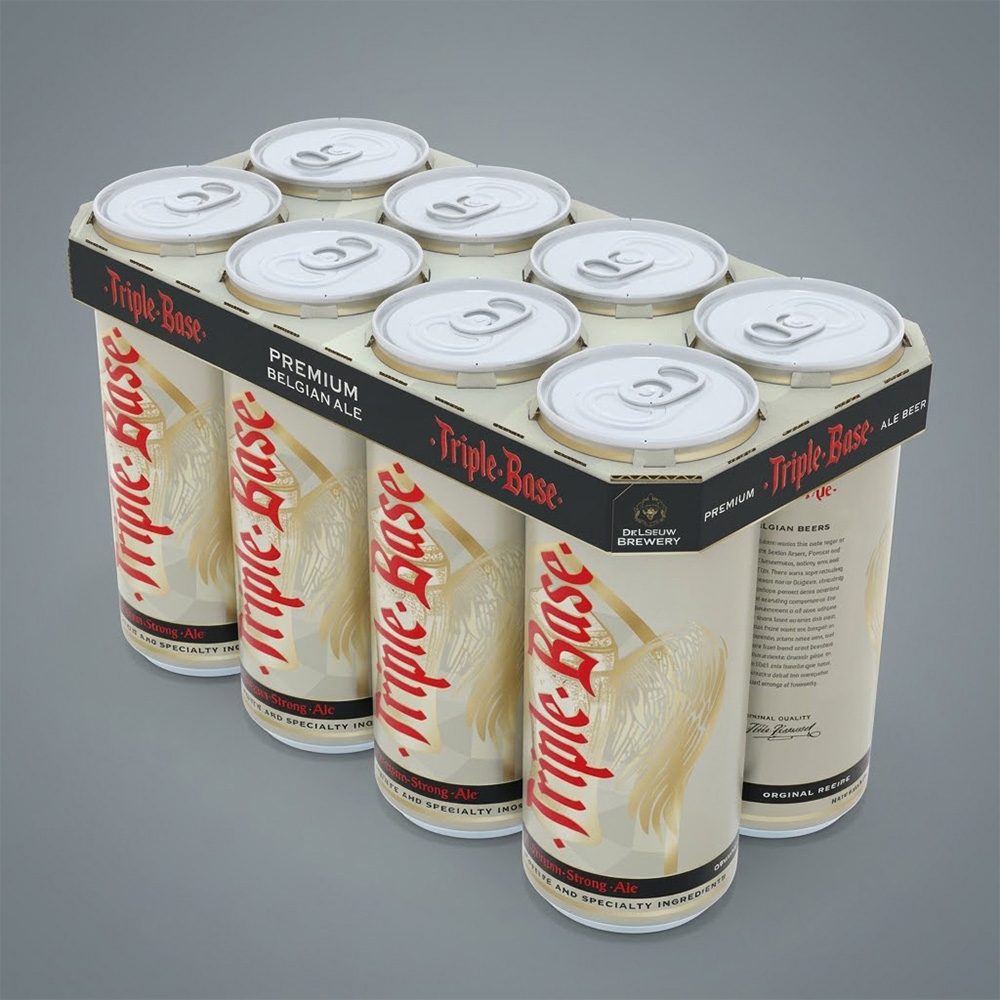
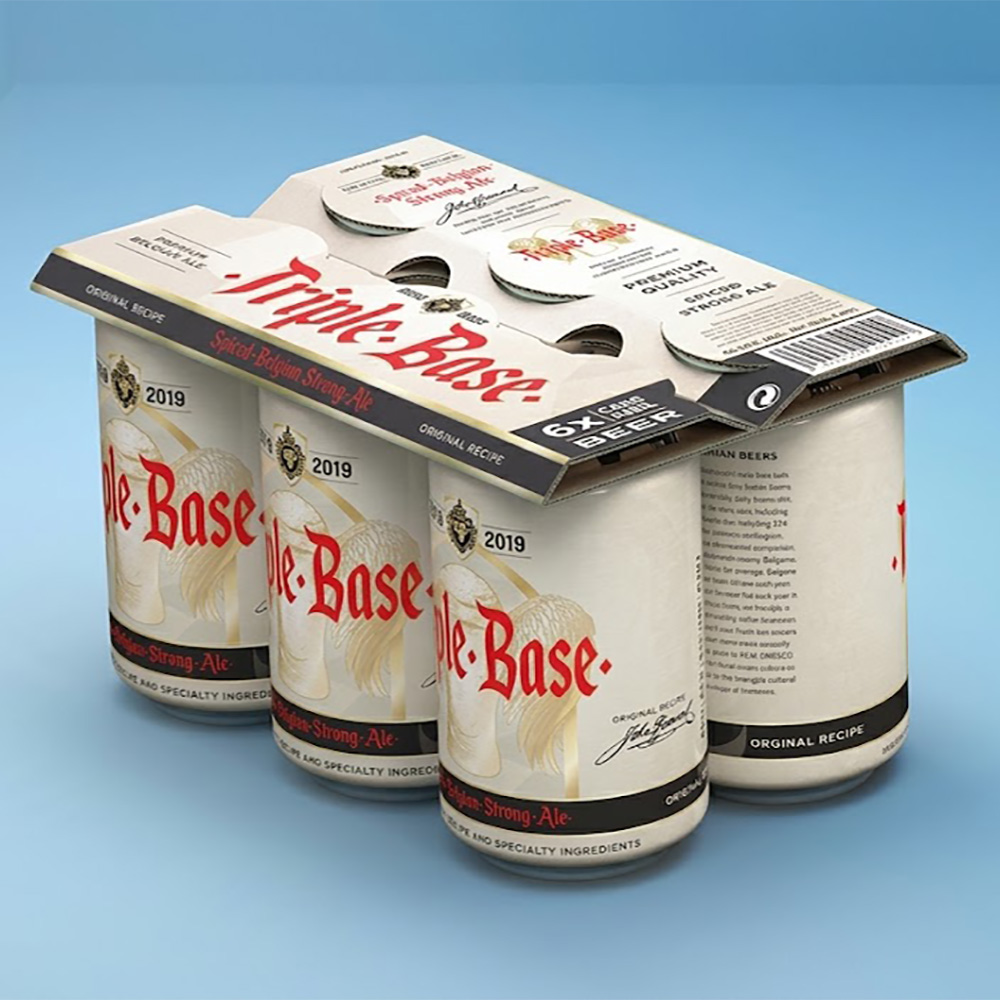
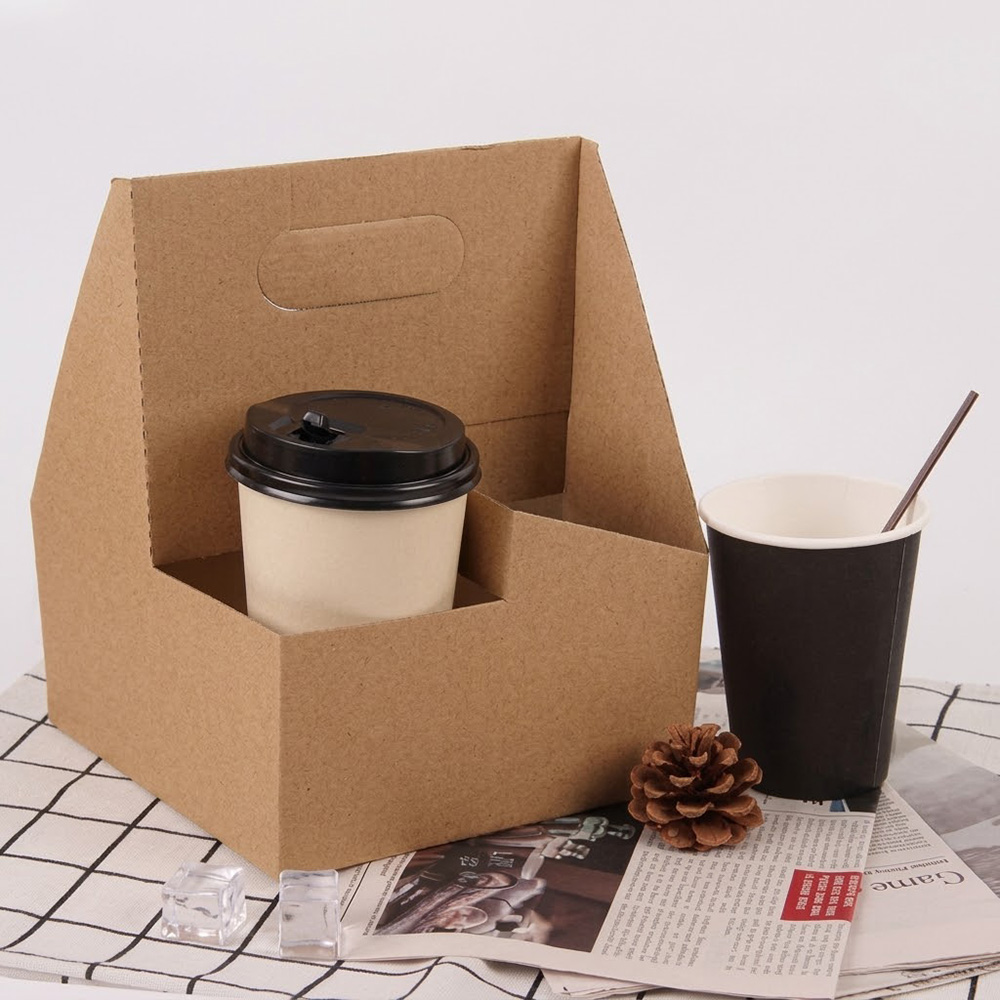
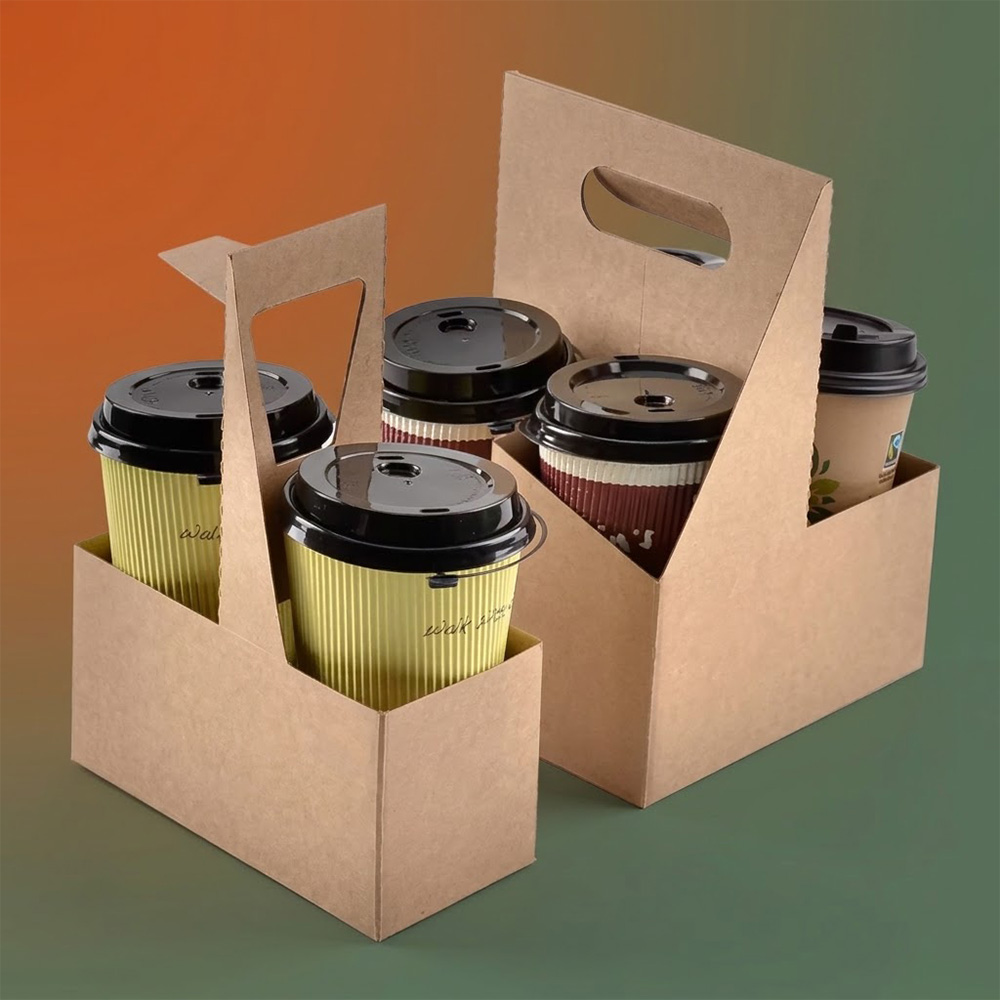
One of the biggest challenges when moving away from plastic is assuming the new packaging can follow the same design. Brands sometimes keep the same can spacing and dimensions, then simply switch to a different material. That approach often runs into trouble because paperboard and plastic handle strength in very different ways. Our durable services provide many more for your brand. Plastic can flex and stretch under pressure, while paperboard cannot. Its strength has to come from the right fold geometry, board structure, and glue placement.
Design, structural engineering, and printing all happen at our own facility. When a plastic-free carrier needs a small adjustment, a tighter glue point or a different fold angle, we can make that change ourselves rather than waiting on a separate supplier.
We work with breweries in Asheville and bottled water brands in San Diego, building a plastic-free water carrier, and the strength question comes up in almost every conversation. With the right fold design, a plastic-free carrier can match or exceed a plastic version, but it has to be engineered for paperboard from the start- the same precision behind our Custom Rigid Boxes USA line.
Cost is the other common question. Plastic-free carriers can run higher per unit, mainly due to board weight for fold strength. Many brands find that offset by the marketing value of going plastic-free, plus avoiding the disposal questions plastic increasingly raises.

A brewery in Asheville switched from plastic rings to paperboard to meet a sustainability goal, but kept the same can spacing used for the plastic version. The fold points weren’t positioned for how paperboard flexes, and carriers started tearing at the handle within the first few uses.
We redesigned the fold pattern specifically for paperboard, moving stress points away from the weakest part of the original fold. Tear complaints dropped sharply, and the brewery moved its full line over without further handling problems.
Brands that swap plastic for paperboard without rethinking the structure often end up with a carrier that tears at the fold, as the Asheville case shows. Paperboard strength comes from a different place than plastic does, so the fold pattern has to be built around that from the start. That’s the same reasoning behind the structural testing on every Tri Wall Boxes USA order we run for heavier loads.
Most early tearing problems trace back to a plastic-spec design simply rebuilt in paperboard, not any real flaw in the material. We now treat every plastic-free switch as its own design project, not a substitution. That same thinking carries into our Bag-in-Box Outer Packaging USA work too.
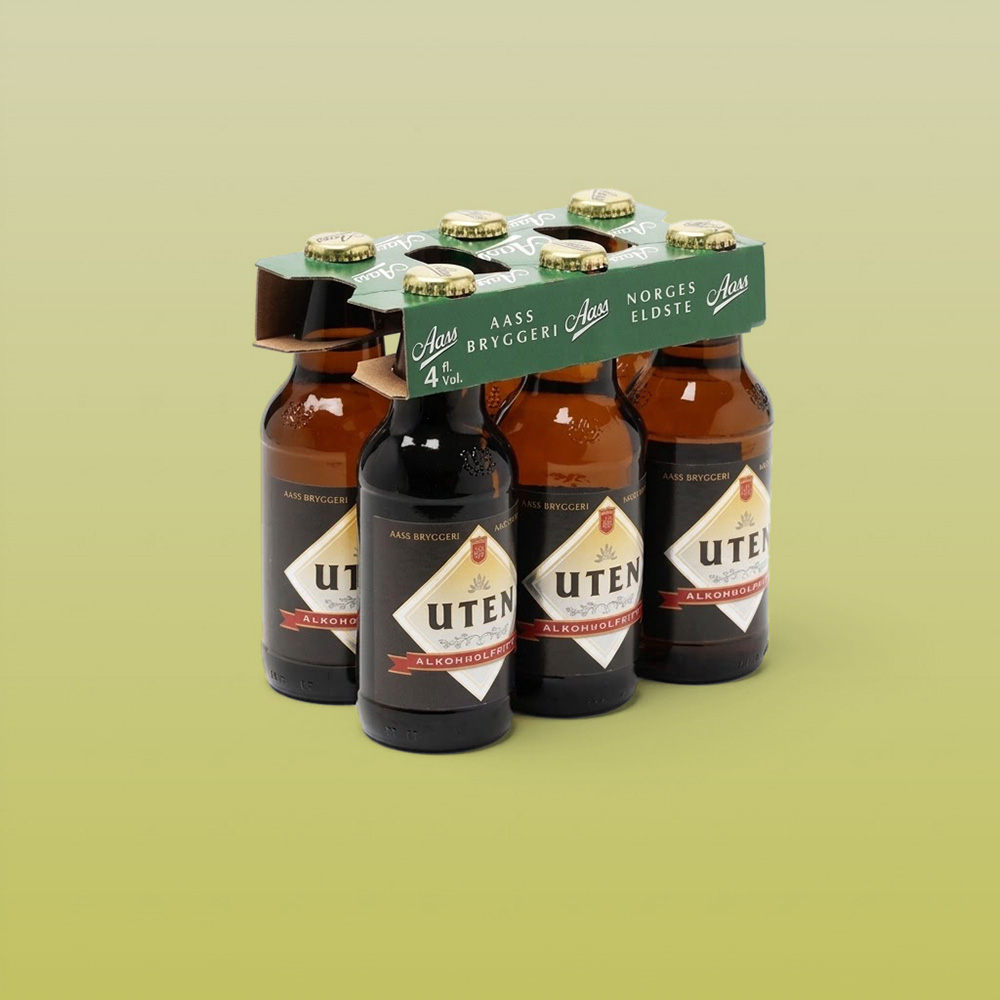
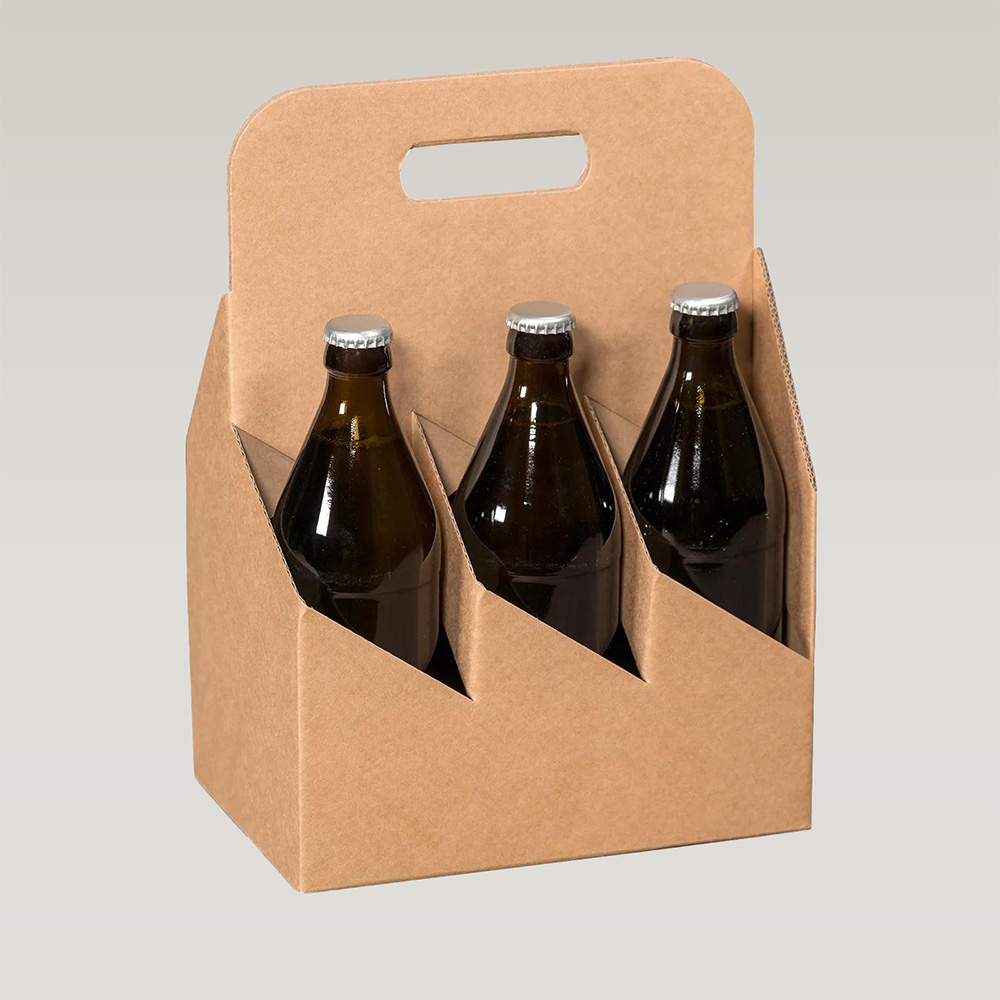
Our Beverage Multipacks USA line covers standard paperboard multipacks. Our Bottle Carriers Packaging USA team can build a plastic-free option for glass bottles too.
With the right fold design, yes, but it has to be built for paperboard specifically, not copied from a plastic design.
Usually yes, at least the fold pattern. Keeping a plastic-spec layout with paperboard is the most common reason a switch runs into trouble.
It can cost more per unit, though many brands offset that with marketing and compliance value.
Yes. Spacing and fold pattern differ between the two, but the same approach applies.
We keep it workable for a brand testing its first plastic-free run.
Usually two to three weeks from artwork approval. Hale Path Packaging builds plastic-free carriers engineered for paperboard strength, not adapted from a plastic design.