Bux board, also called CCNB (Clay Coated News Back), is a duplex paperboard made mostly from recycled fiber, newsprint and paper waste pressed and layered into a single sheet. The front gets a clay coating so it can hold clean, sharp print. The back stays uncoated and shows its recycled origin as a grey or brown surface. That’s the whole trick of the material: one good looking side, one honest, unglamorous side, and a price point that sits comfortably below premium virgin paperboard while still holding a print well.
There’s also a natural, uncoated version of bux board, stiff and brown all the way through, which skips the printing step entirely and gets used where a rustic, protective look matters more than a printed graphic. It’s stiffer than the coated version but genuinely harder to print on cleanly without adding a lamination or coating pass first, which is a detail most competitor pages skip entirely.
Where It Actually Gets Used
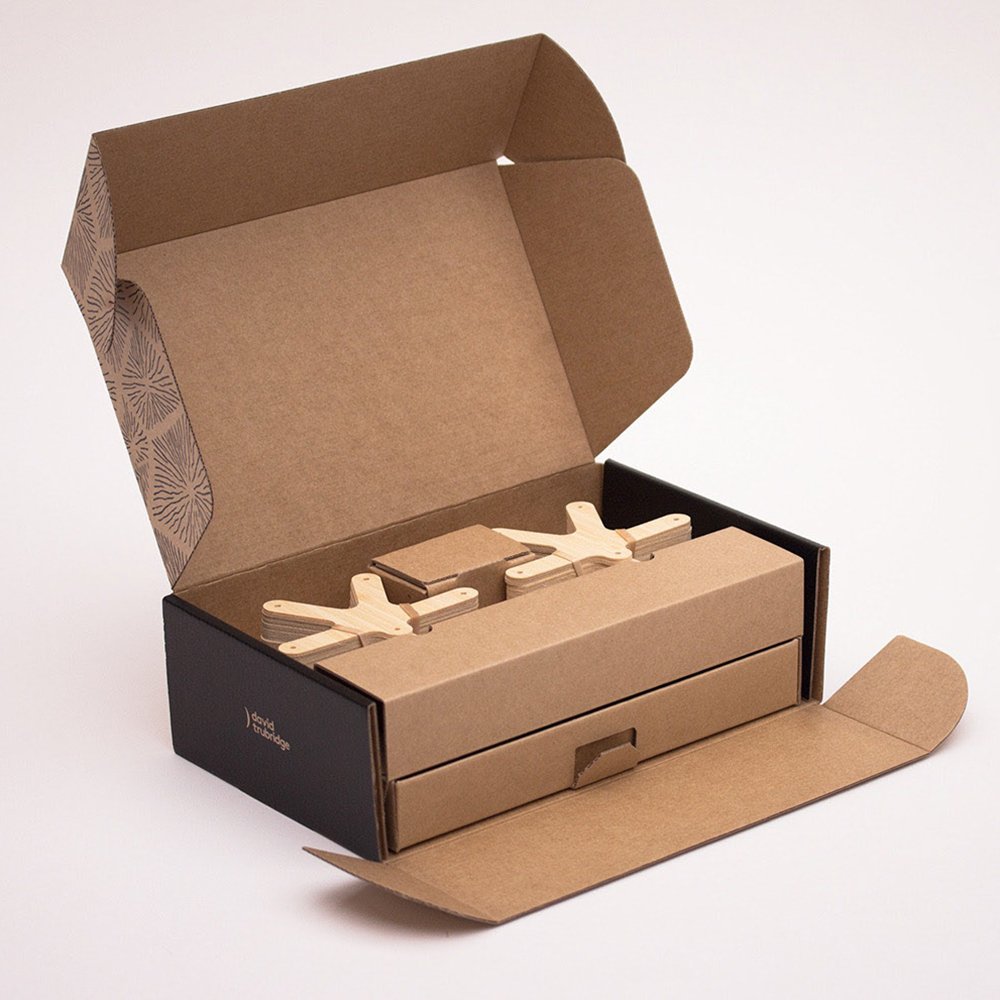
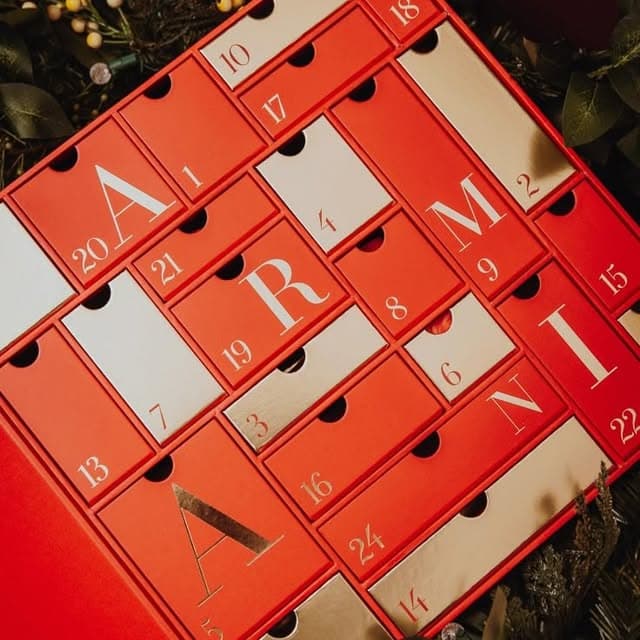
Bux boards show up constantly in retail and consumer goods packaging precisely because it’s a cost to perform sweet spot. Folding cartons, cereal and dry goods boxes, cosmetics packaging, and general retail cartons lean on it heavily. It’s also a common structural choice for a regular slotted container, the standard rectangular box shape most people picture when they hear “cardboard box,” since bux board’s stiffness holds that shape well without the added cost of full virgin paperboard.
If your product needs shelf presence with sharp printed graphics but doesn’t need a premium cosmetic-grade board, this is very likely the material a good supplier would already be steering you toward.
The Sizing Detail That Actually Saves You Money
This gets missed constantly. Carriers now bill by dimensional weight, box size, not just actual product weight, which means a bux board carton sized loosely around your product is quietly costing you more per shipment than a tightly sized one, even though the material itself is identical. Getting the box dimensions right against your actual product, not a generic size chart, is where the real savings sit, more than any material upgrade or downgrade would get you.
Is Bux Board Recyclable?
Yes. Since it’s built from recycled fiber to begin with, bux board is one of the more straightforwardly recyclable packaging materials available, provided it isn’t heavily laminated or contaminated with food residue or grease.