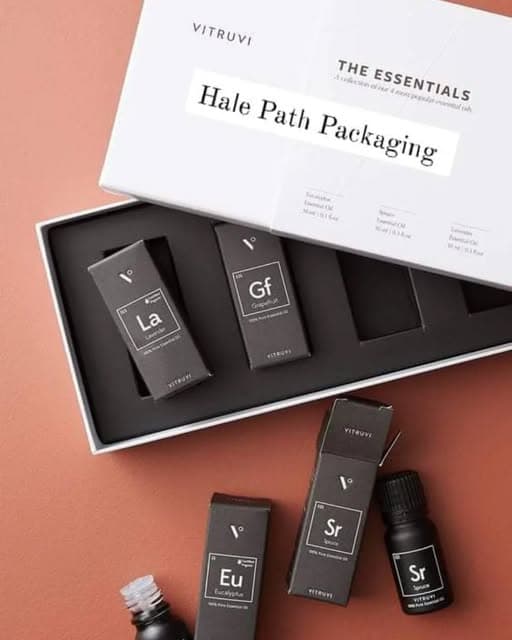
Display boxes in the USA are manufactured using high-quality cardboard, Kraft paper, and rigid materials. Provided employing eco-friendly, biodegradable, and sustainable materials to meet the green standard
121°C, or 250°F, held for at least 50 to 55 minutes, is the real commercial sterilization threshold a pouch has to survive intact. Pet food runs slightly differently, generally 110°C to 130°C for 7 to 20 minutes depending on the product and pack size. Hitting that number isn’t about the outer film alone, it’s about the full multi-layer laminate structure, typically a barrier film bonded to aluminum foil or a high-barrier polymer, holding its seal integrity under sustained heat and internal pressure at the same time. A pouch rated for standard flexible packaging use will not survive this process, the seam will fail under the combined heat and pressure long before 50 minutes is up.
This is also the structure that makes retort pouches genuinely harder to recycle than a standard mono-material pouch, worth saying plainly rather than glossing over. The multiple bonded layers doing the sterilization work are the same layers that complicate single-stream recycling, a real tradeoff, not a flaw hidden behind vague sustainability language.
Roughly 60% of canned pet food worldwide is now packed in retort pouches rather than metal cans, and the reasons are practical, not just aesthetic. A pouch takes a fraction of the storage and shipping volume a can does, cuts real freight cost at scale, and opens without a can opener, which matters more than it sounds for a product bought in bulk and used daily. The format traces back to 1960s military ration development, tuna in a pouch was one of the earliest commercial applications, and pet food adopted the same sterilization science once the packaging cost came down.
If your product is a pet food or treat line specifically, our pet food packaging category covers sizing and format questions beyond the retort spec itself, since fill weight and dispensing needs vary a lot between a single-serve pouch and a multi-pound bag.
A spouted retort pouch suits liquids and semi-liquids needing controlled pouring, sauces, broths, purees. A stand-up gusseted pouch holds shelf presence for a product sold retail rather than shipped direct. A flat retort pouch costs less to produce and suits single-serve or bulk-packed applications where shelf standing isn’t the point. Our spout pouch options cover that format specifically if pouring control is the priority for your product.
Straight answer: not safely, and this is worth being direct about rather than vague. Flexible retort pouches need a consistent, precise atmosphere of pressure throughout the entire sterilization cycle, something a home pressure cooker or stovetop setup cannot reliably maintain. Without that precise pressure control, a pouch is genuinely at risk of bursting mid-process. Commercial retort equipment exists specifically to hold that pressure and temperature combination steady for the full cycle, which is not a corner worth cutting for a food safety process. If your goal is home food preservation, that’s a different product and process than commercial retort packaging entirely.
Pricing depends on film structure, spout or closure option, print complexity, and volume. Our minimum order for custom retort pouches is 100 units, with turnaround running 7 to 12 business days from proof approval, longer for fully custom multi-layer structures built around a specific product’s sterilization profile. Full color printing works across the film structure the same way it does on our custom printed cardboard boxes line, without compromising the barrier layers doing the actual sterilization work underneath.
If your retort pouches are selling into retail rather than shipping direct, our flexible packaging hub covers broader film and closure logic across the wider pouch category, and if you need a rigid outer carton for retail display or bulk shipping, our shipping cardboard boxes page covers that separately from the pouch itself.
Every order gets a digital proof, and for a first retort run specifically, confirming the film structure survives your product’s actual sterilization cycle with a physical sample matters more here than with almost any other packaging format, since a seal failure only shows up under real heat and pressure, not on a spec sheet.
Shelf-stable wet food that needs commercial sterilization, ready meals, soups, sauces, and pet food, where roughly 60% of the global market has shifted to pouches over traditional cans.
The multi-layer laminate construction that lets them survive sterilization also makes them harder to recycle than a single-material pouch, a real tradeoff worth knowing upfront.
Yes, when processed with proper commercial retort equipment holding precise temperature and pressure for the full cycle. The safety risk comes specifically from attempting the process without that equipment.
Another name for the same product, a flexible pouch rated to survive commercial sterilization at 250°F (121°C) for a minimum of 50 to 55 minutes without seal failure.
Yes. Properly retorted food is shelf-stable for up to 12 months without refrigeration or preservatives, since the sterilization process eliminates the microbes that would otherwise cause spoilage.
We'd genuinely advise against it. A home pressure cooker or stovetop setup can't reliably hold the precise pressure a retort pouch needs throughout the full cycle, and the pouch can burst without it.
A multi-layer laminate, commonly combining a barrier film with aluminum foil or a high-barrier polymer, built to hold seal integrity under sustained heat and pressure simultaneously.
100 units, with turnaround running 7 to 12 business days from proof approval, longer for fully custom film structures.