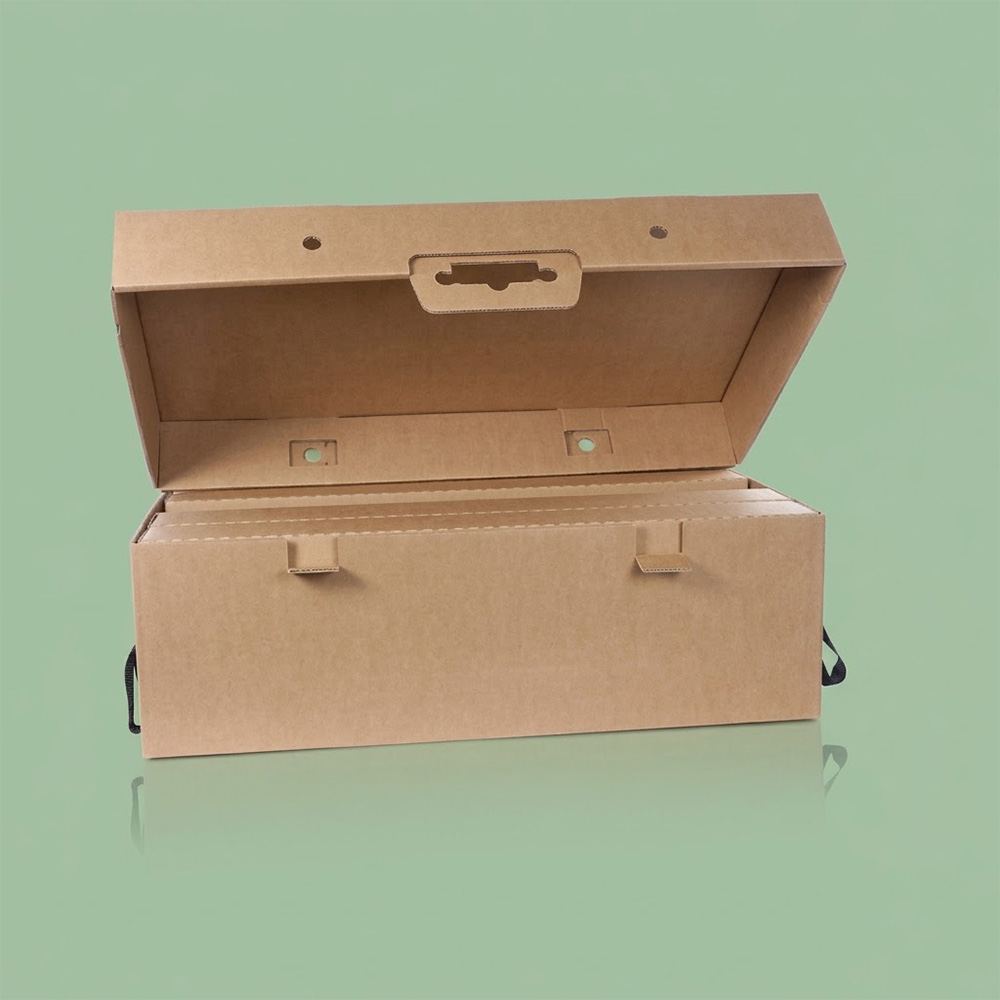
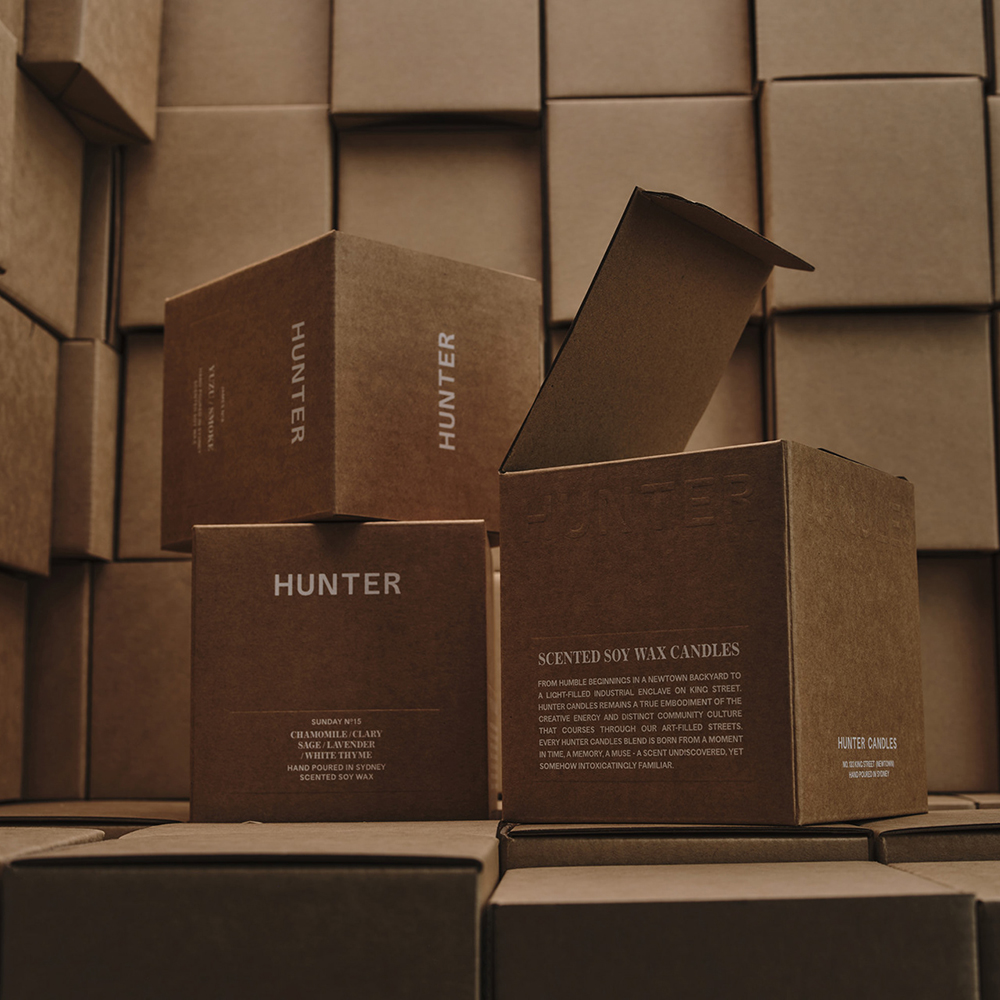
Display boxes in the USA are manufactured using high-quality cardboard, Kraft paper, and rigid materials. Provided employing eco-friendly, biodegradable, and sustainable materials to meet the green standard

Heavy duty boxes are constructed from rigid cardboard boxes. Manufacturers, logistics companies, and storage facilities use them to store, craft, and stack products that are dense, overweight, or high-value. We construct ours from single-wall and double-wall corrugated board. It is thicker than the board in a standard carton, so the box does not lose its shape when it’s loaded up or stacked. We can also size each box to the product inside, so parts stay put in transport. They work nicely for products that are heavy for their size, like:
Start with the packed weight. That tells you how much board the box requires. Then think about how light the product is, how high the boxes will be stacked, how the pallet is laid out, and how far the pack has to be transported.
A rigid presentation box fits small, high-value objects like cards or gifts better than a heavy-duty carton. Our credit card rigid boxes and clamshell rigid boxes are an adequate fit for those.
For weighty objects, corrugated board is the standard material, and double wall is the standard starting point. Board is fluted paper between flat liners, and each added layer increases crush resistance.
| Construction | Layers | Typical use |
| Single wall | One fluted layer, two liners | Moderate loads and everyday shipping |
| Double wall | Two fluted layers, three liners | Heavy items and stacked storage |
Rigid boxes are produced differently. Instead of fluted layers, they are constructed from solid board, like our book-style rigid boxes and rigid book sleeve boxes. They’re better for presenting a product than for carrying heavy freight.

Check the internal dimensions first. Too big and heavy parts slide around. Too tight and the walls bulge and lose strength. We size from internal dimensions because the outside measurements shift with the thickness of the board.
If you ship pouch products, measure the whole packed stack, because a single pouch doesn’t tell you much about the carton. This applies to cosmetic pouches and sheet mask pouches as well.
A tool distributor packed cast fittings in a stock carton with too much space. The parts moved in transit, and the bottom boxes on each pallet were bowed within a few weeks. A custom-sized double-wall box filled the gaps and kept the stack upright, and the damage reports dropped.
Order through our quote form. Send your product details, and we will reply with a recommended build and price. We supply industrial packaging and deliver to business addresses all over the USA. Your quote will spell out the delivery details for your location.
Standard parcel boxes struggle with heavy, bulky loads. The base splits, the stack bows, and parts shift in transit. That is why buyers bring these orders to us. Every quote starts with packed weight and stacking height, and the board grade is chosen from that weight. Internal dimensions are checked against your product before production begins, so the box fits the load it will carry. Hale Path Packaging has many years of experience building custom boxes for loads like these. The minimum order is 100 units, and turnaround takes 7 to 14 working days. We also make packaging for the products that go inside the carton, like Mylar weed bags.
The distinction is in the board. It is thicker, it has more walls, and it holds a higher advantage crush test rating. That allows the box to carry heavy loads and hold its shape in a stack.
Industrial packaging retains corrugated boxes, pallets, crates, drums, stretch cover, strapping, border protectors and foam inserts. The box holds the product. The rest hold it protected and protected.
Most buyers choose double wall corrugated board for boxed heavy items. It's strong, reasonably priced and not too heavy to ship.
Primary packaging is the layer that handles the product instantly. Secondary packaging groups several of those items for storage and transport. Industrial boxes are constructed from secondary packaging.
Paper and cardboard, plastic, glass and metal are the four materials most packaging is made from. Industrial boxes belong to the first group.
A second fluted layer supports the box to withstand crushing and punctures. Choose a board grade based on your packed weight and stack height.
Triple wall is worth considering when double wall can't carry the load. That means very heavy, bulky or tall stacked freight. Unsure? Ask us whether it fits your product.
Start with the longest borders of your product, and decide whether it requires dividers or padding. Then order by internal size. A snug fit is the goal, with nothing pressing on the walls.
Add your internal sizes and packed weight to the quote request. We will check the fit and suggest a formation that fits your load.
Start by loading space so nothing can move. Place heavy objects low and in the midpoint of the box, and use tape rated for the load. Add dividers for delicate parts. Also check the height of your pallet stack.
Board grade, wall type, box size, quantity, inserts and printing all impact the price. A custom size or richer construction costs more than a standard box.
Send the internal sizes, packed weight per box and quantity. It also helps to add stacking and pallet details, storage conditions and any printing you need.