Load Sharing Wraparounds

Load Sharing Wraparounds

A load sharing wraparound is a corrugated case folded around a group of products, where the products themselves help hold up the stack. The board holds the cans together, but it's the cans that take much of the weight from the pallet layers above. Hale Path Packaging makes these cases to your product size; we offer booster packaging with your artwork on them, and set up the blank to run on your packing line.

Explore Packaging Solutions

Display boxes in the USA are manufactured using high-quality cardboard, Kraft paper, and rigid materials. Provided employing eco-friendly, biodegradable, and sustainable materials to meet the green standard

What Are Load Sharing Wraparound Boxes and Which Products Do They Fit Best?

What Are Load Sharing Wraparound Boxes and Which Products Do They Fit Best?

A regular shipping box has to hold up the pallet layers above it on its own walls. A wraparound doesn’t. It sits tight against the products, so weight from above travels down through the cans, jars or beer packaging as well as the board. That’s the load sharing part.

This only works when the product is strong top to bottom and already filled and sealed. Empty cans and soft pouches don’t. They crush, so they need a heavier box or inserts. And if the box has to take the whole load by itself, you want our corrugated gable boxes instead.

How Do Load Sharing Wraparound Boxes Keep Products Stable Inside the Package?

The size requires to be reviewed carefully. A small distinction can adjust the total width. For example, if the cans has half millimeter wider for four cans and the same in the 2nd row are half a millimetre wider. Calculate products from the production line before deciding the blank size. Checking one sample alone can miss these distinctions. A loose cover also lets the pack move, which means the products do not support each other properly. We provide rigid shaped boxes that stable your products during transport.

How Much Compression Strength and Product Protection Do Wraparound Boxes Offer?

A case gets its strength from the board, meaning its edge crush rating and flute, and from the products inside. An empty box tells you very little, so test the filled case. That’s what the pallet actually presses on. Damp air weakens corrugated board too, so try to test under conditions close to your real storage.

The wrap covers the sides and ends of the group, so scuffs, dust and everyday handling don’t reach the products

Why Is Wraparound Packaging a Good Fit for Automated Packing and Palletising?

But that works if the blank is cut accurately and remains flat. Store blanks dry and flat. Warped or damp board is a common cause of feed problems. On the pallet, same-size cases stack square. On a 48 x 40 in pallet, a few millimetres of case length can change how many cases fit on a layer. Stacking pattern matters too. Column stacking keeps the product walls lined up so the load goes straight down, which suits load sharing packs. The trade-off is stability, so plan on stretch wrap or corner protection. For more information, see our shipping cardboard boxes.

Get Custom Quote
How Do Custom Wraparound Boxes Get the Right Size, Board and Print?

How Do Custom Wraparound Boxes Get the Right Size, Board and Print?

To recommend a box, we need:

  • Product dimensions and weight
  • Pack count and arrangement
  • The machine or line it runs on
  • Pallet size and stack height
  • Where the boxes will sit in storage (damp, cold or dry)

Once we have those details, we pick the board grade and flute and work out the blank size. It’s never just the product size plus a margin, because the board thickness and the folds take up room too.

You can print a simple one-colour mark, or go to full graphics if the pack is headed for a retail shelf. Handling marks, barcodes and product information can go on the same run. We provide the retail display boxes that protect your retail products.

Which Packaging Needs Do Load Sharing Wraparounds Suit Best?

Multipacks. A 6-pack or 24-pack held in a fixed layout. Shops can sell it whole or split it up and sell single items. Retail ready packaging. Add an open or tear-off front panel and the case can go straight onto the shelf. Staff don’t have to unpack anything, and the products are on display as soon as the panel comes off.

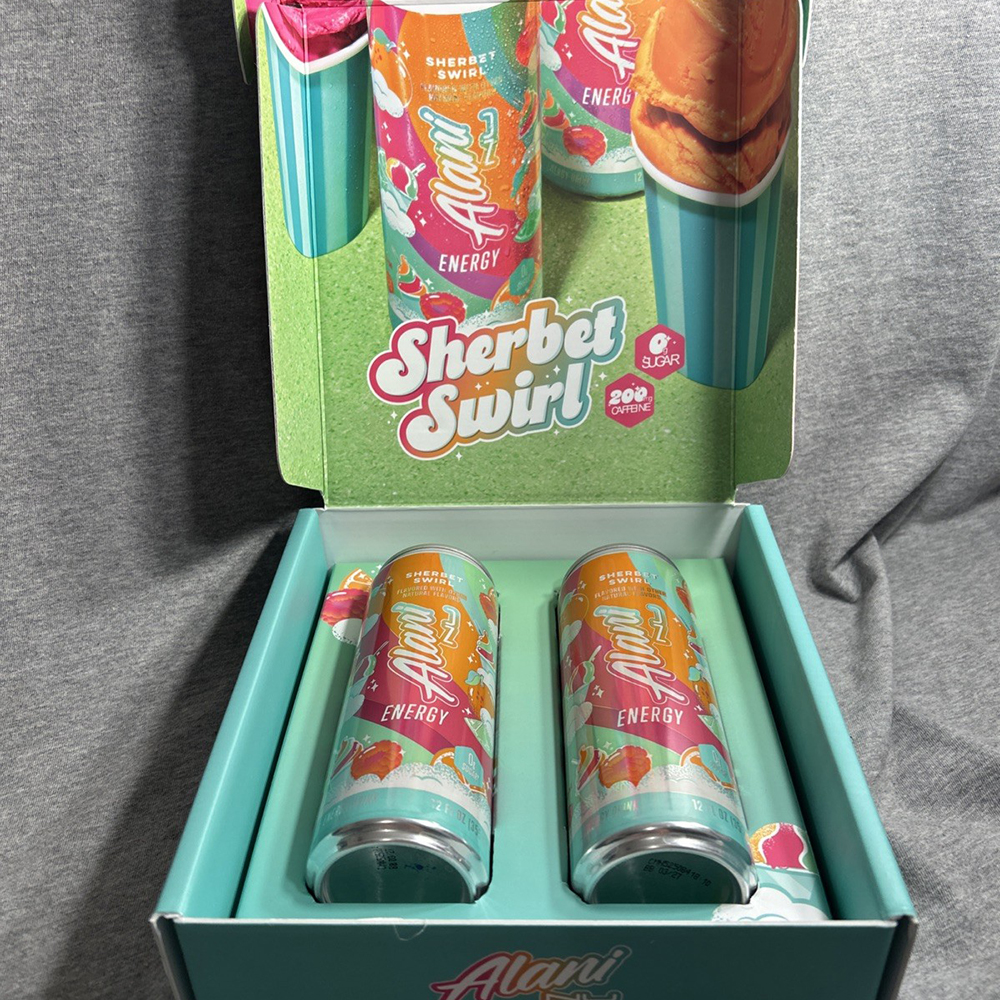
Food and beverage packaging. Cans, bottles and jars are the classic load sharing products because they’re rigid, uniform and sealed. The board is normally secondary packaging and doesn’t touch the food.

How Do Wraparound Boxes Help With Space and Transport? 

When the case fits closely around the products, there is less wasted space. You can then get more products onto a pallet or into a truck. Bottom boxes blanks are easier to store too because they take up less room than boxes that arrive assembled. 

Before selecting the format, think about where the boxes will go. How high will you stack the pallets? Will the boxes be kept somewhere cold or damp? Are they travelling by road or sea? A sea container can get quite humid, and that may mean you need a different board grade.

Why Choose Load Sharing Wraparounds Over Standard Boxes?

For rigid products on an automated line:

  • Same-size cases that stack square on the pallet

Got your product dimensions, weight, pack count and machine? Send them over and we’ll recommend a board grade and size. Request a quote with Hale Path Packaging today.

FAQs

Get Custom Quote

Instagram Posts

Instagram Post 1Instagram Post 2Instagram Post 3Instagram Post 4Instagram Post 5