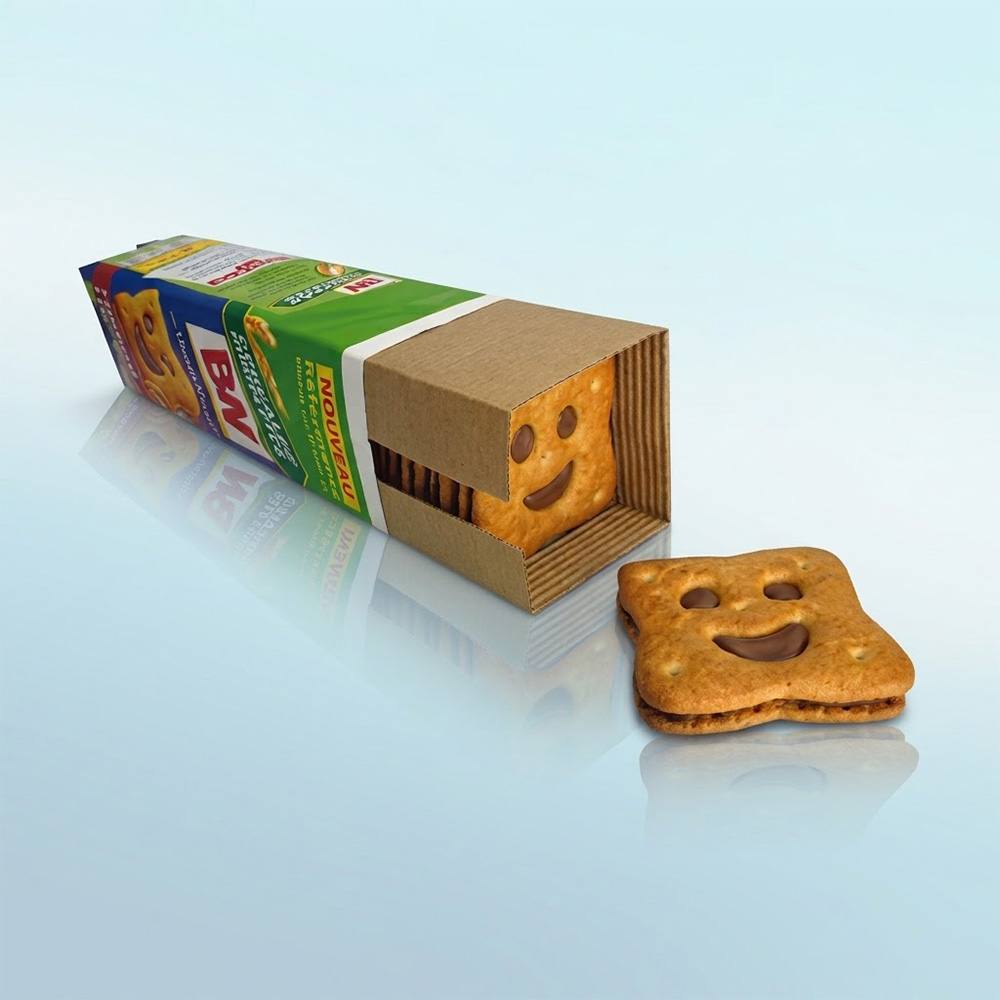
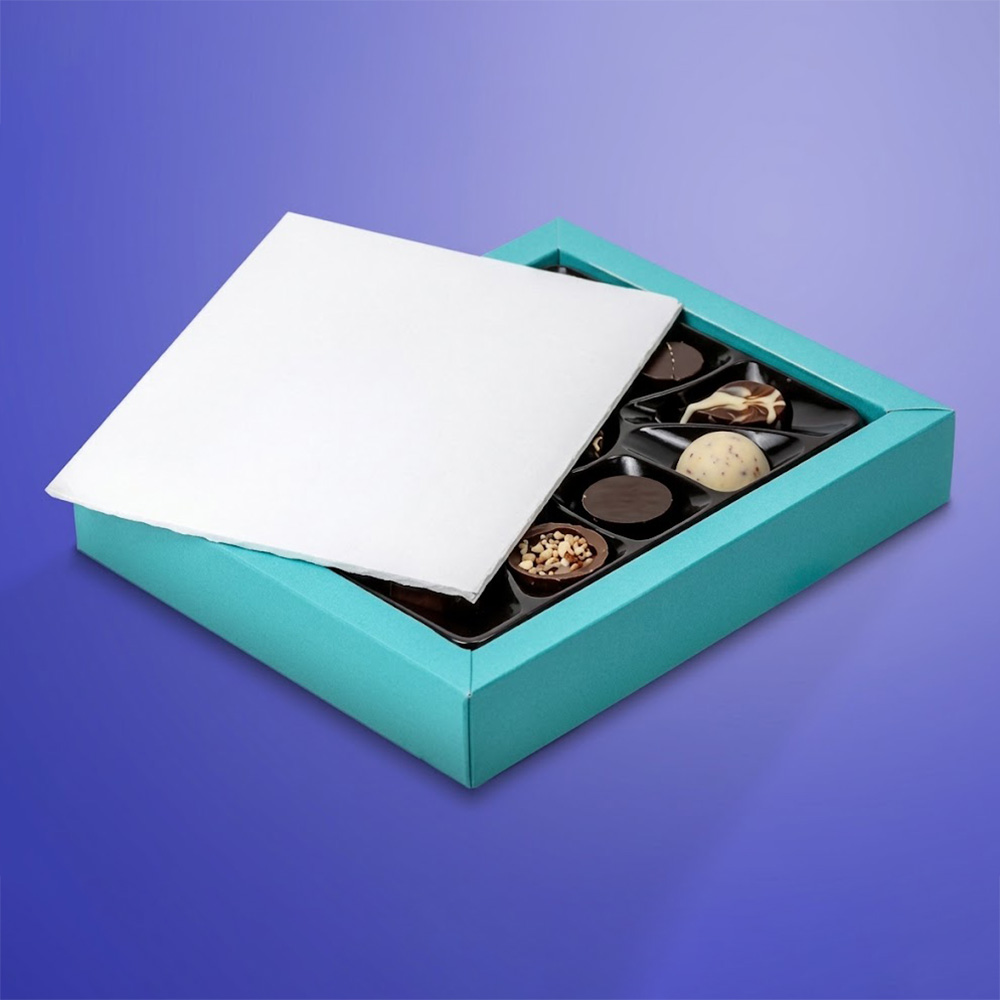
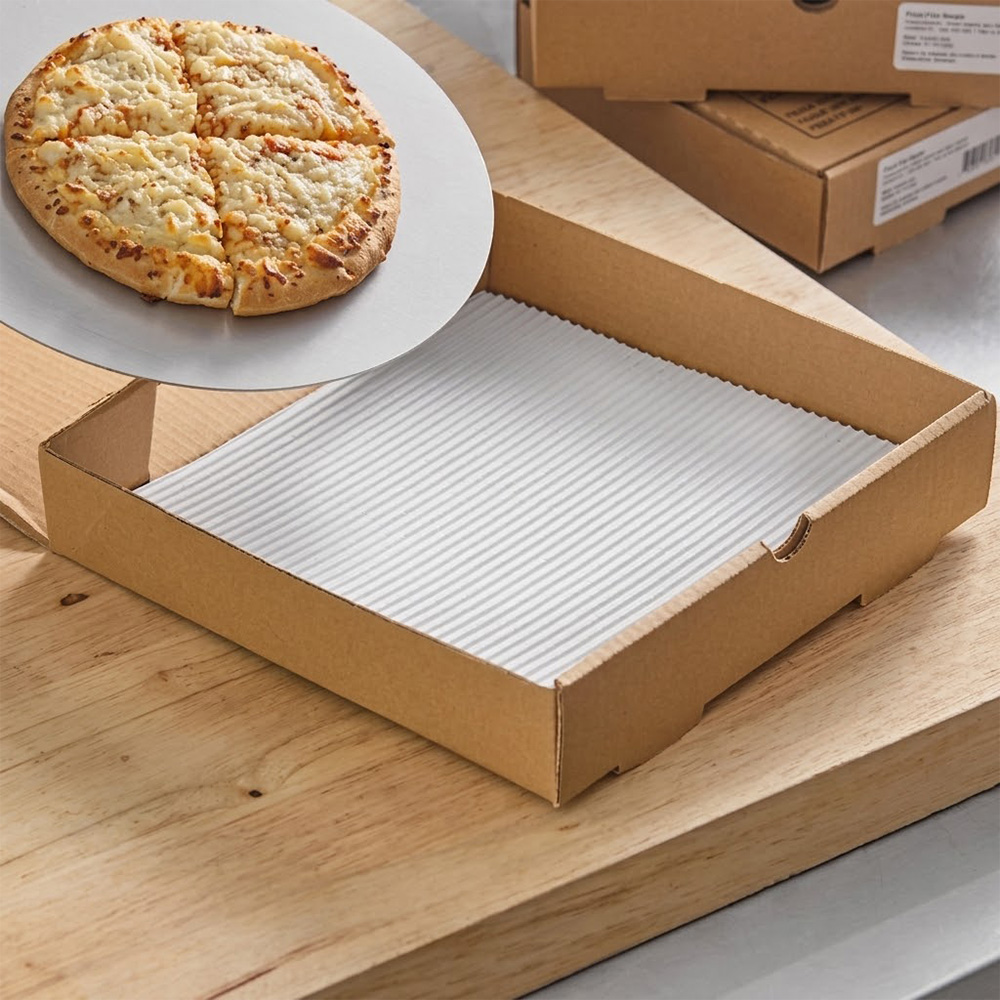
Dry and cupboard foods are the products that sit in a pantry for months: cereal, coffee, cookies, candy, and chocolate. Vapour, air, and strong smells are what spoil them, so the packaging has to keep those out. Shelf-stable food packaging works best when the barrier fits the food; a biscuit goes soft while coffee goes flat. Crisp foods require humidity protection, and coffee requires aroma retention. We match each format to how your product goes stale. One quote from us covers cartons, liners, and print together.
What Keeps Food Fresh: Barrier Films, Board Grades, and Clean Inks
For cartons, we use SBS or CUK paperboard in 16 to 24 pt, paired with a barrier bag or liner where the food requires one. Coffee goes in foil laminate bags with a one-way degassing valve, which allows roasted beans to release gas without letting air in. Thin biscuits sit on biscuit cushion pads so they do not snap in transport. We choose films by water vapor transmission rate, not by thickness alone.
The old cookie cartons looked perfect, but one brand kept hearing that the cookies tasted faintly of ink. We moved the print off the food-facing side and switched to low-odor water-based inks. After that, the complaints stopped. Every sample sits sealed for 24 hours before we open it and check for smell, board first and food second. That taint test catches problems before your run starts.
Print and Finishes That Get Your Carton Noticed in the Cupboard Aisle
Shoppers give a carton about two seconds. Bold color blocks and one clear image get noticed faster than a busy layout. We print with food-grade inks and keep heavy dark solids away from food-contact panels. We check barcode contrast on every proof, because a carton that will not scan causes trouble at checkout. Foil and varnish areas show on the proof too.
-
- Matte laminate with foil stamping gives custom coffee packaging a premium look, as on our custom coffee boxes.