Regular Slotted Containers
- Fast delivery, nationwide
- Satisfaction guaranteed on every order
- Structural design support from first spec to final production

Display boxes in the USA are manufactured using high-quality cardboard, Kraft paper, and rigid materials. Provided employing eco-friendly, biodegradable, and sustainable materials to meet the green standard

An RSC uses less board than most other box styles for the same amount of strength, since the flap overlap distributes weight evenly across the top and bottom. That efficiency is exactly why it became the default shape across so many industries, from food distribution to industrial parts. We work with manufacturers in Fort Worth and distributors in Charlotte, and RSC is usually their first ask, simply because it’s the shape their equipment and processes are already built around- the same reliability behind our Standard Shipping Boxes USA line.
The flap length on an RSC needs to overlap enough to support weight properly, without wasting board on flaps that are longer than they need to be. Get that flap overlap wrong, and a box either underperforms on strength or costs more than it should in material.
Every RSC we produce comes from our own facility, with flap dimensions calculated to the product’s actual weight and stacking needs, not a generic proportion pulled from a catalogue- the same product-first thinking behind our Amazon Compatible Packaging USA work.

A manufacturer in Fort Worth had been ordering RSCs with flap length sized by a rough percentage rule, without checking it against their specific product weight. Boxes toward the bottom of a pallet started bowing under stacked weight. We recalculated flap overlap specifically for their product’s weight and stacking height, the same load-specific approach behind our Custom Rigid Boxes USA line. Bowing complaints stopped after the next production run.
Most RSC problems trace back to flap length chosen by a rough rule of thumb rather than the product’s real weight. We calculate flap overlap for every new spec instead of reusing a standard proportion. That same calculation-first approach carries into our Bulk Solutions USA work too.
As common as this style is, it isn’t the answer for everything. Products with an irregular shape, very heavy items needing extra stacking strength, or anything that needs a tool-free closure might be better served by a different structure. If that sounds like your product, our Can Multipacks Packaging USA line covers specs built outside the standard RSC format.
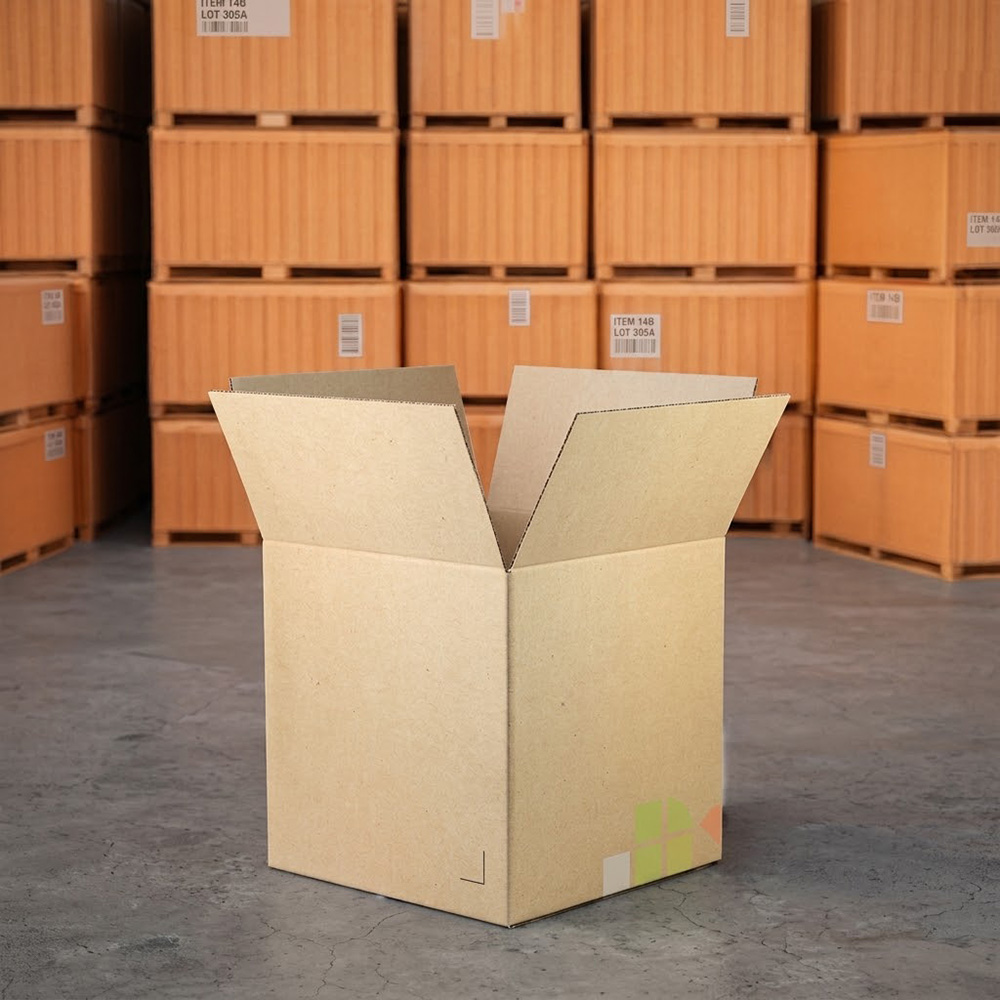
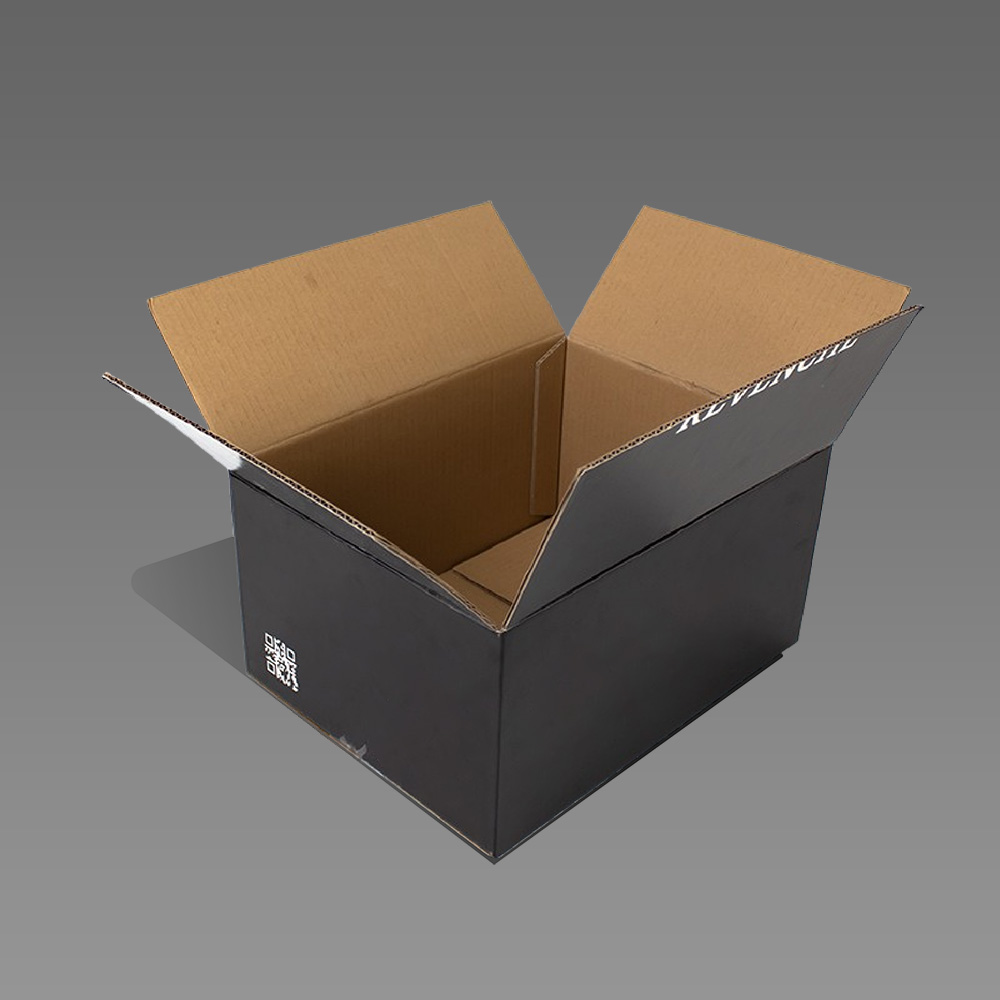
Regular slotted container. It's the standard box shape most people picture when they think of a cardboard box, with four flaps meeting at the centre on both the top and bottom, rather than a telescoping lid or a separate top and bottom piece.
Not always the strongest pound for pound, but it's usually the most efficient for its strength. A die-cut box or a telescoping style can outperform it in specific situations, but for general use, the RSC gives you the best balance of strength, material cost, and ease of assembly, which is exactly why it's so widely used across industries.
Yes, printing is available on the outer panels of any RSC we build, from a simple one-colour logo to full-coverage artwork. The flap structure itself doesn't limit print options much, since most branding sits on the flat side panels rather than the flaps.
We keep it workable for a smaller manufacturer placing a first order, with volumes that can scale up once your spec is finalised and you're ready for ongoing production.
Usually two to three weeks from approved specs, though a completely custom flap calculation can add a little time upfront if we need to test against your specific product weight first.
Yes, we build dimensions around your existing case erector, taping machine, or manual packing station so a new box doesn't require new equipment.
Yes, standard corrugated board recycles easily almost anywhere in the USA, regardless of flap length or flute selection. Hale Path Packaging builds regular slotted containers with flap and flute specs calculated for your actual product, not a generic proportion. Next step: Get in touch for a free sample, or send us your product weight and stacking needs for a quote.
Yes, they're safe for most heavy items, as long as you pick the right board grade. An RSC's strength comes from its wall type and the board's edge crush rating. Single wall handles everyday products without any trouble.