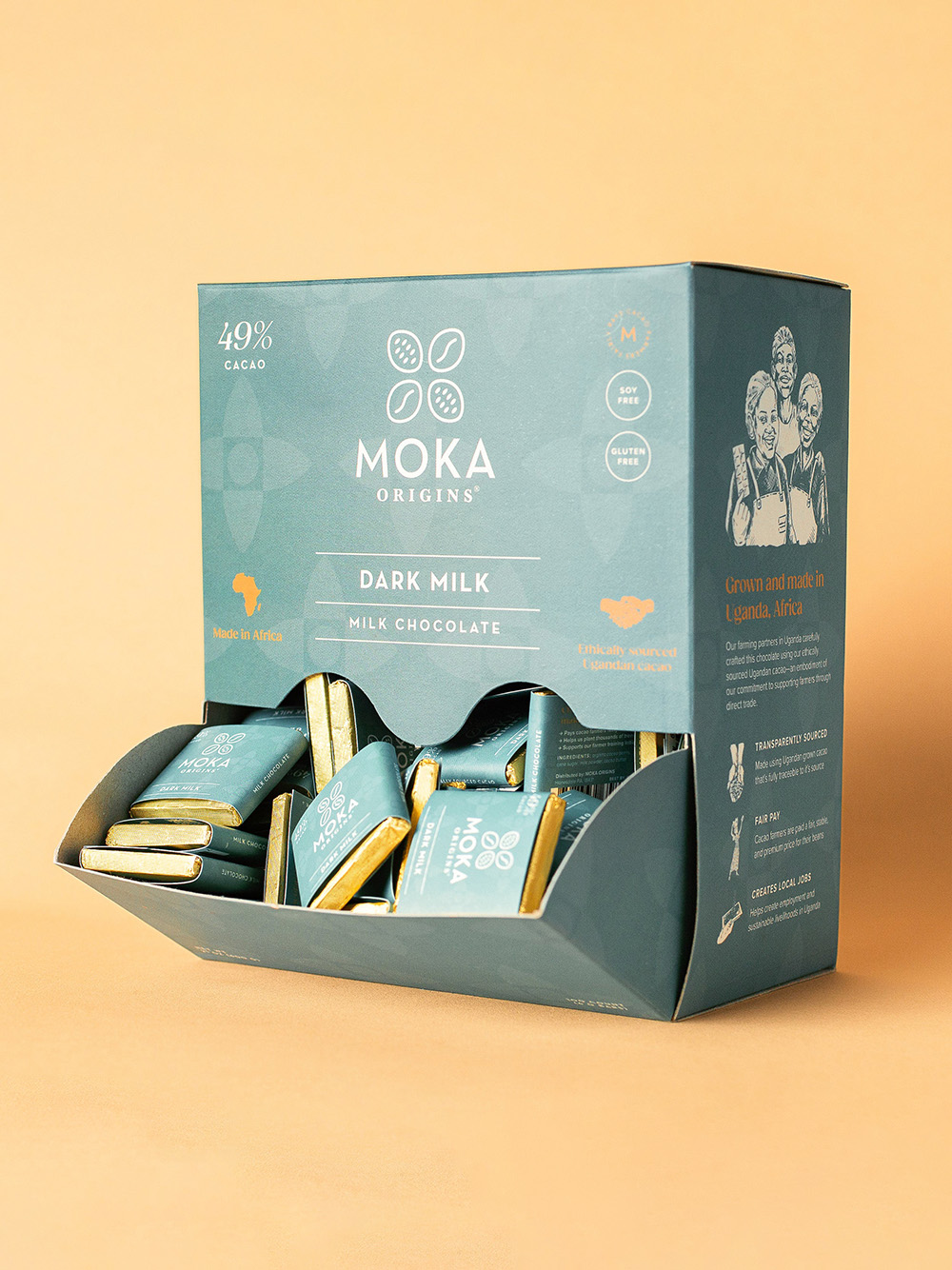
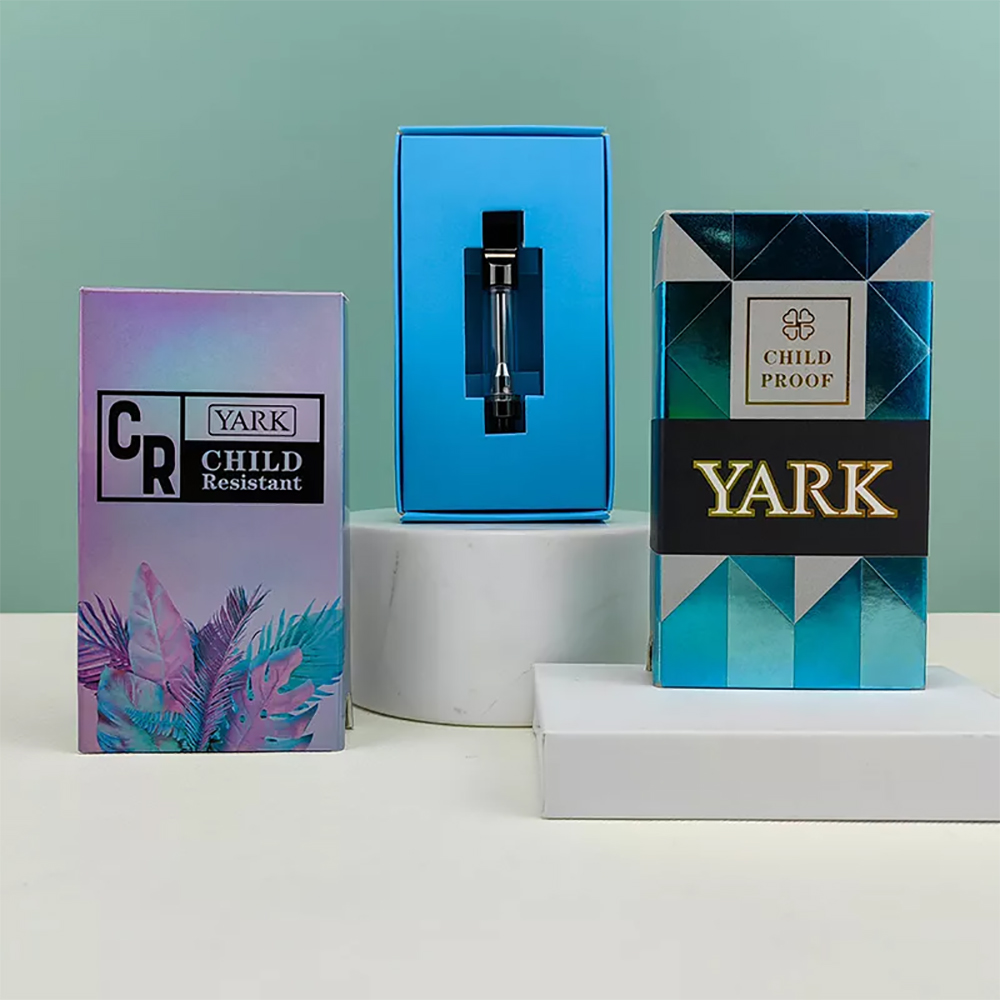
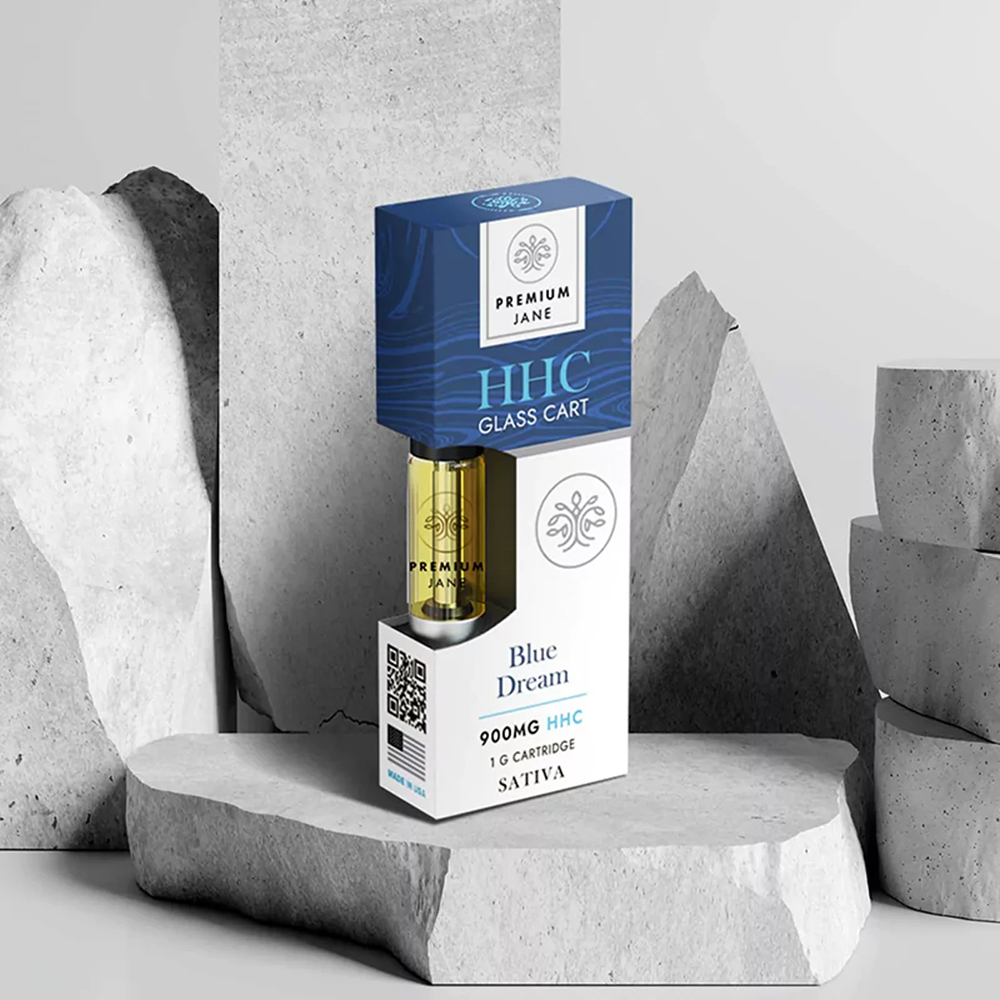
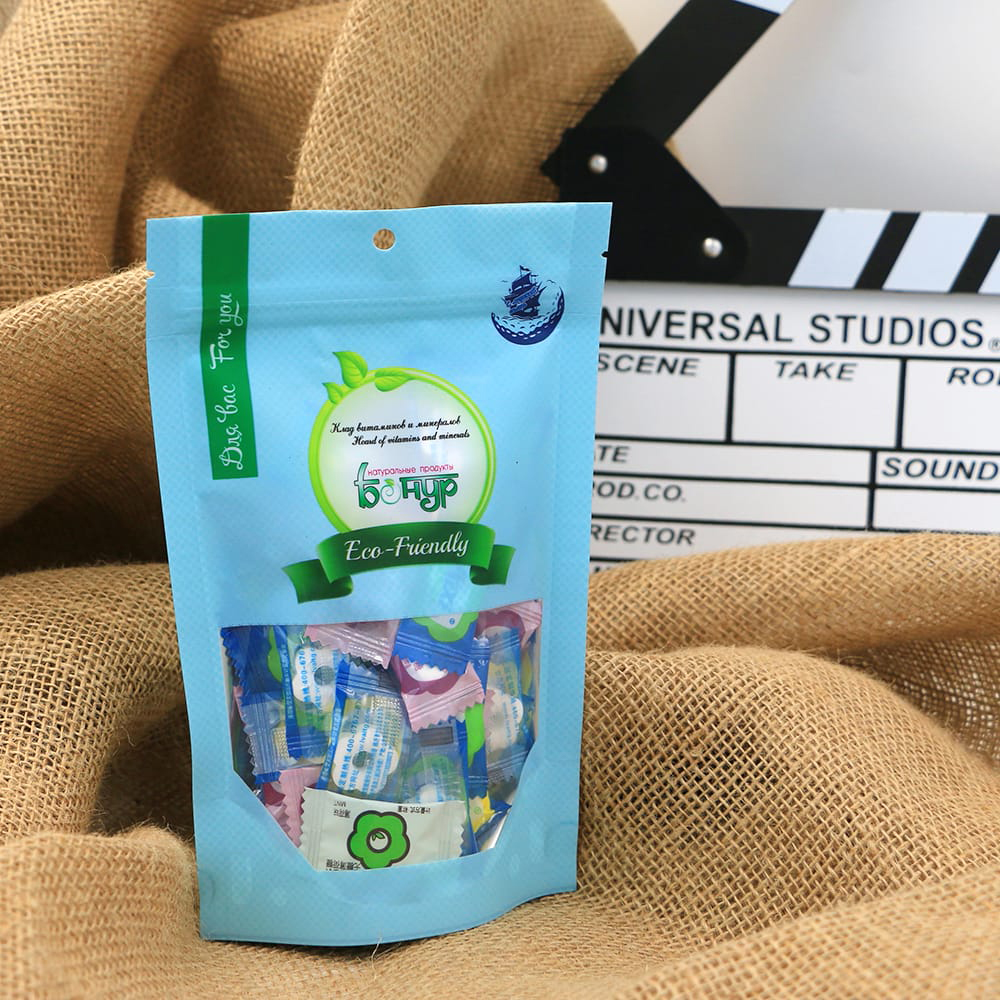
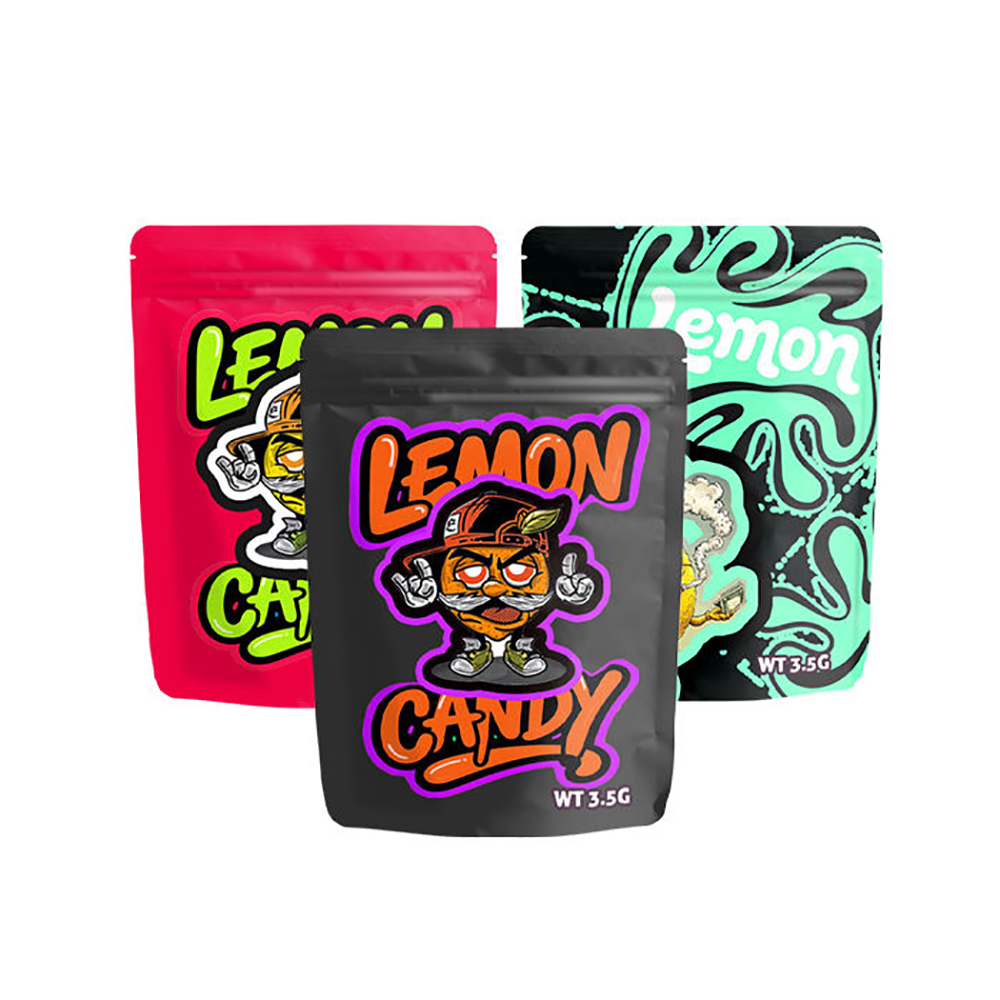
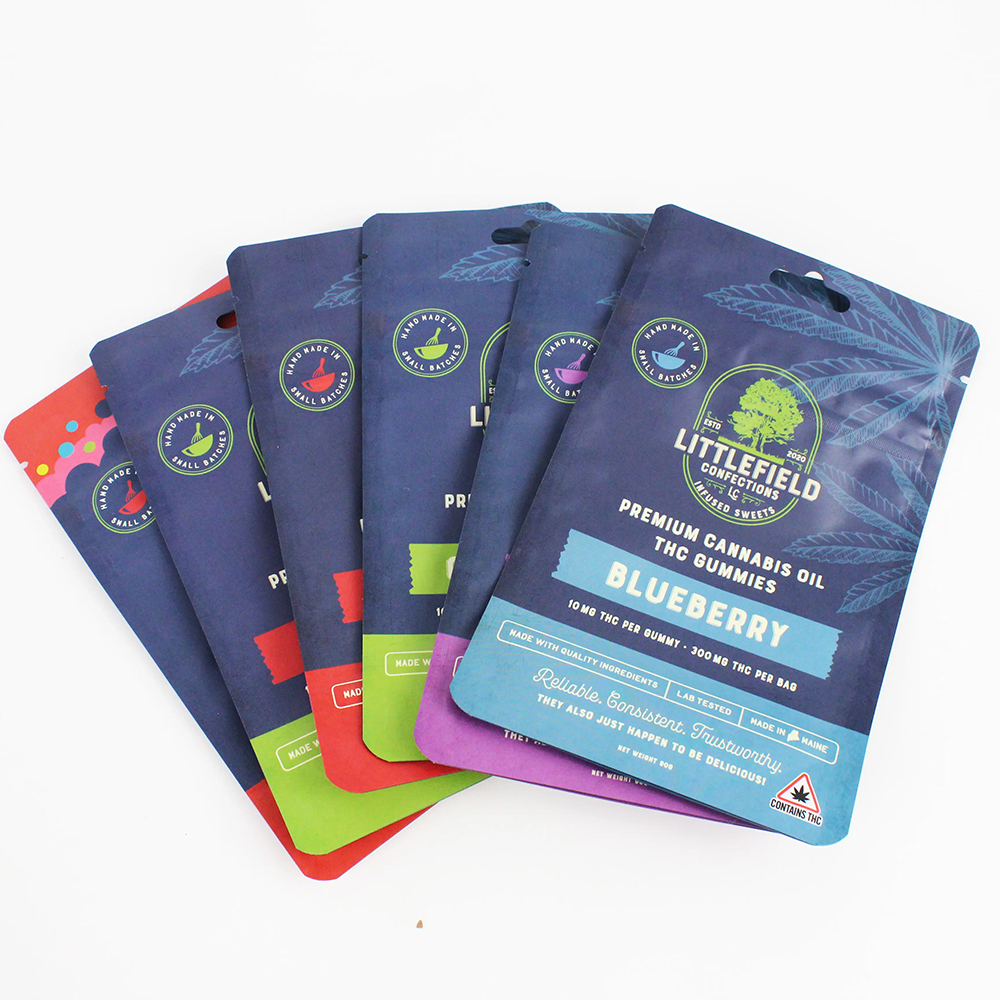
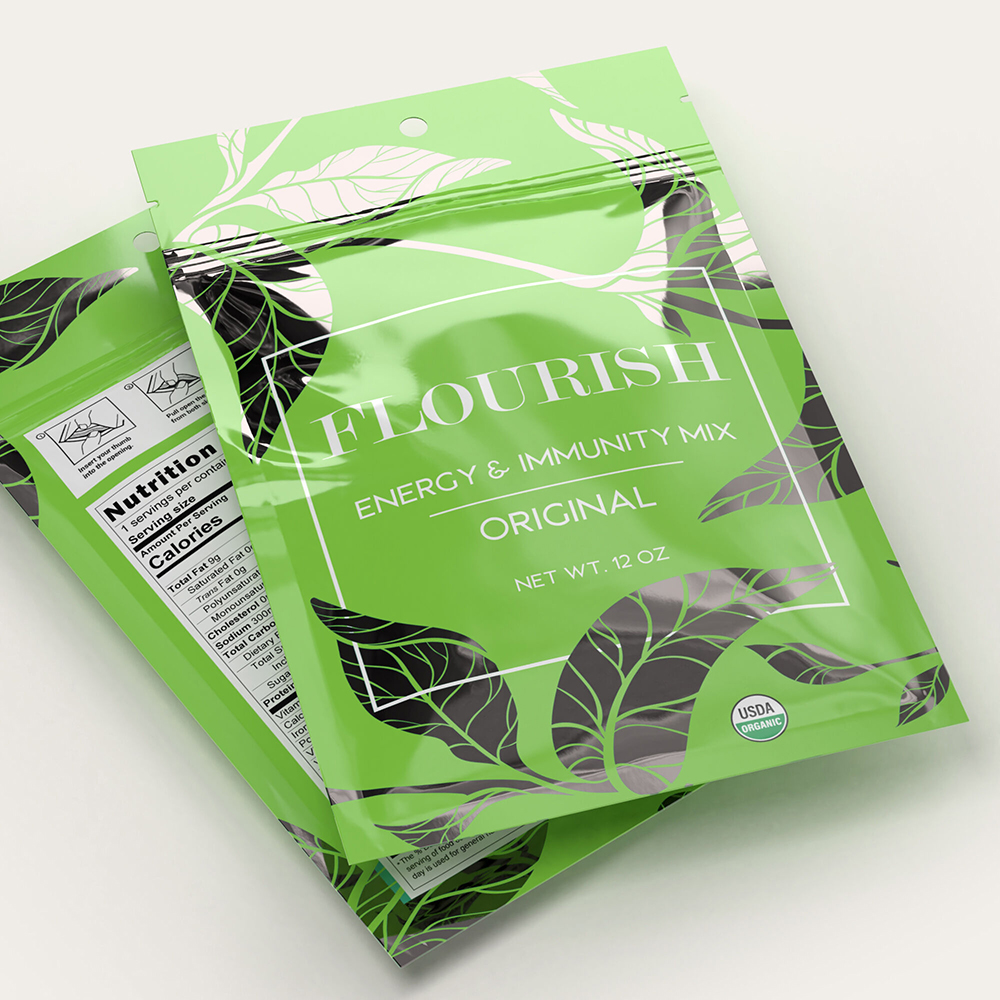
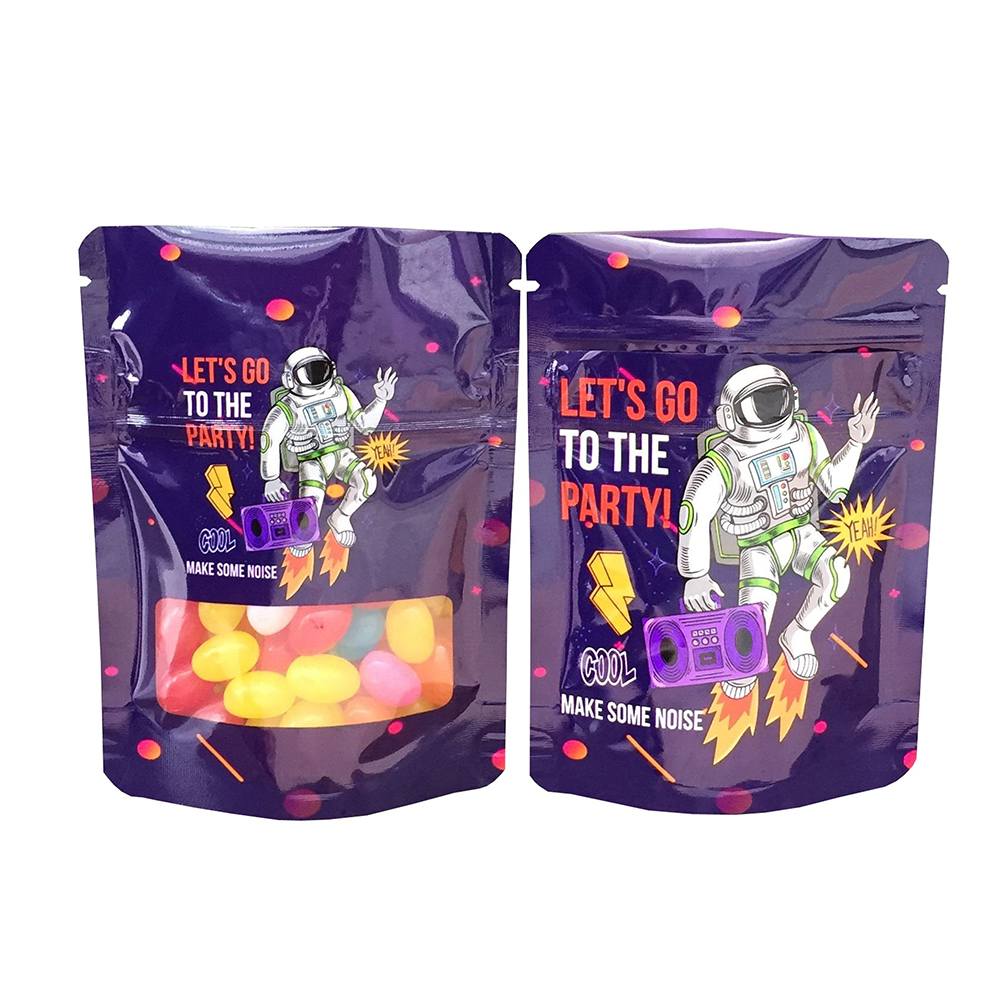
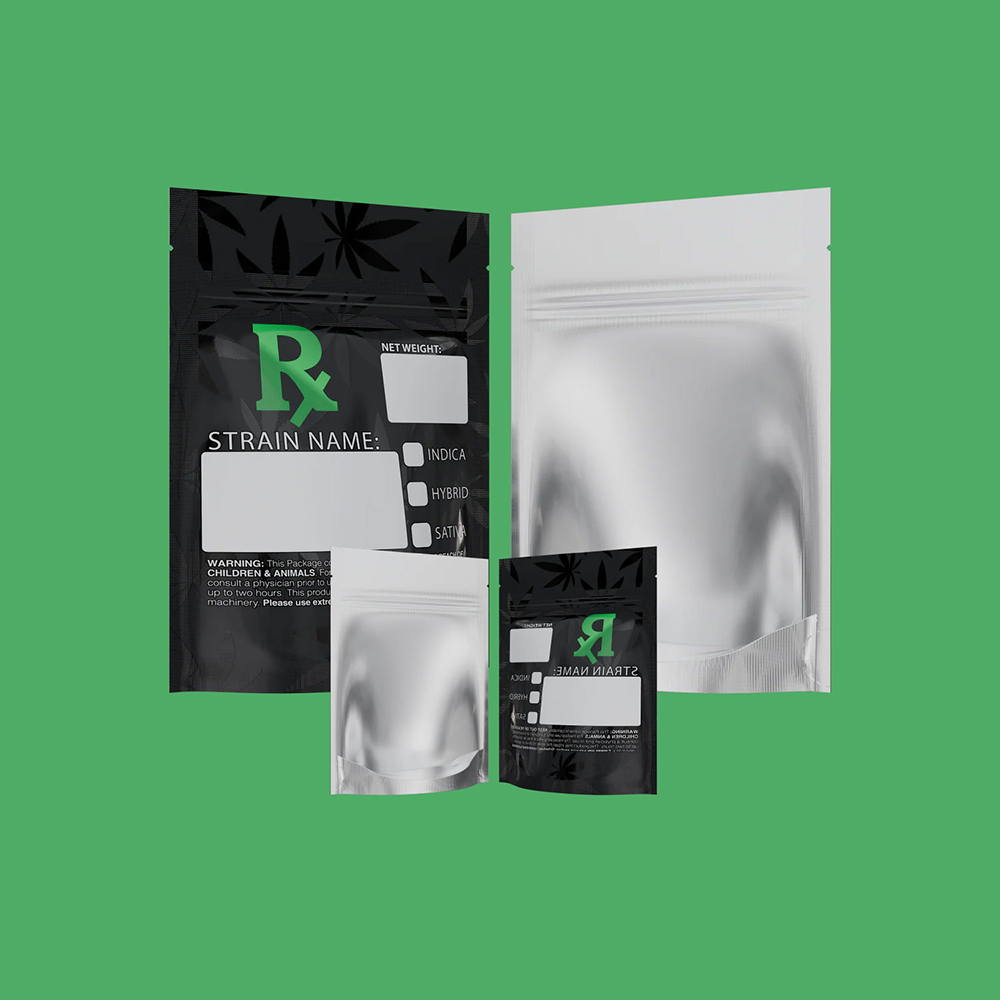
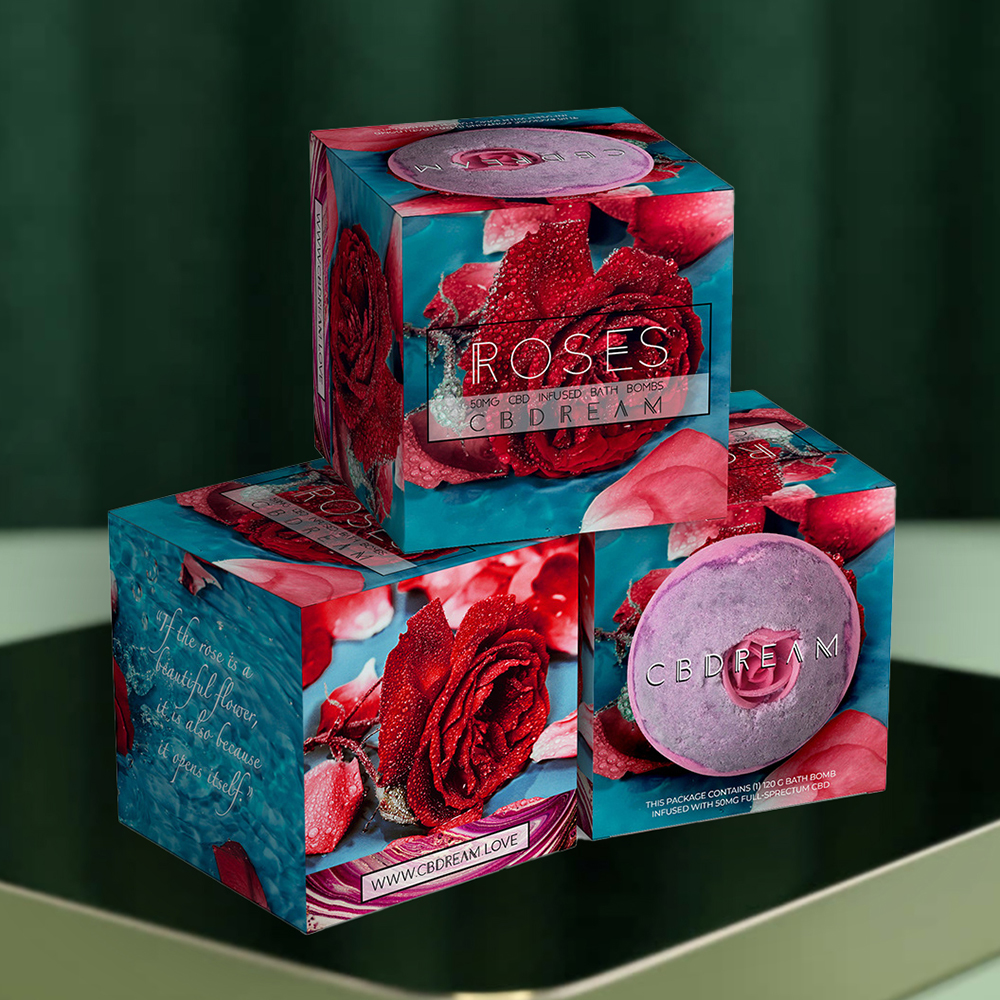
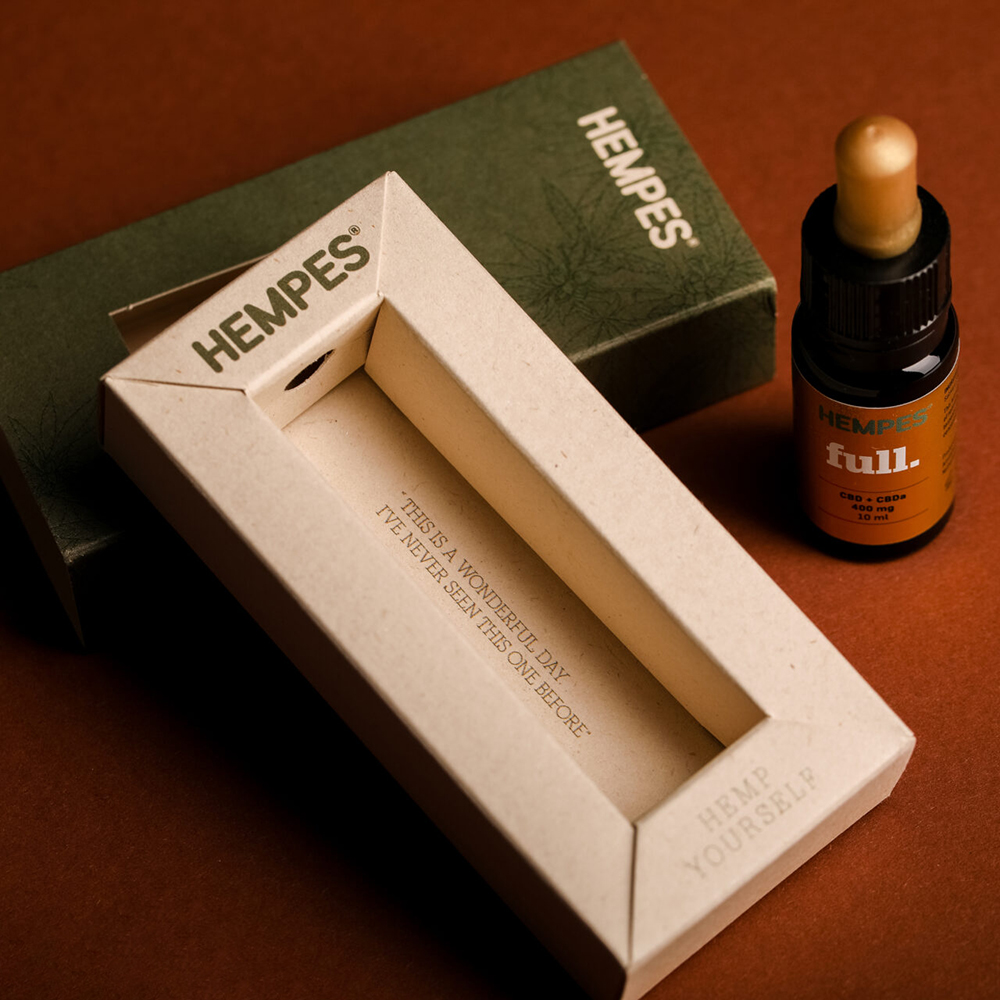
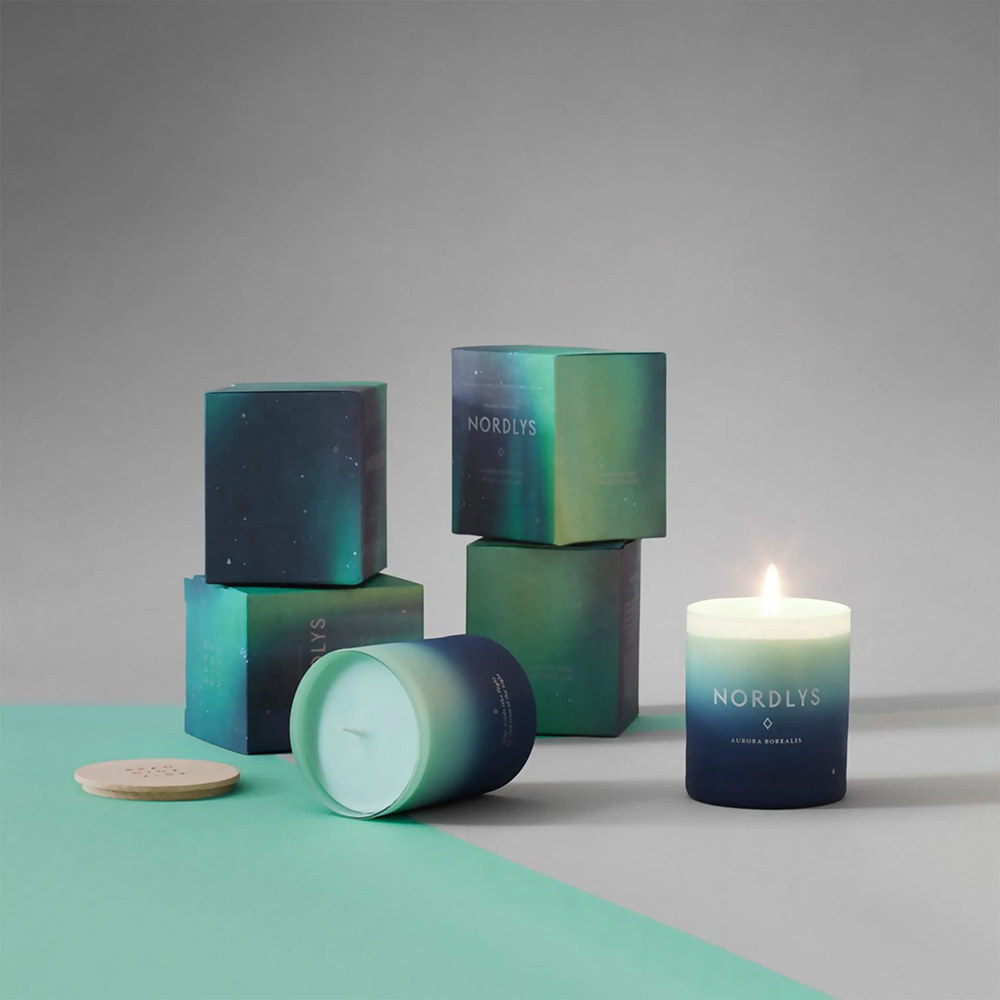
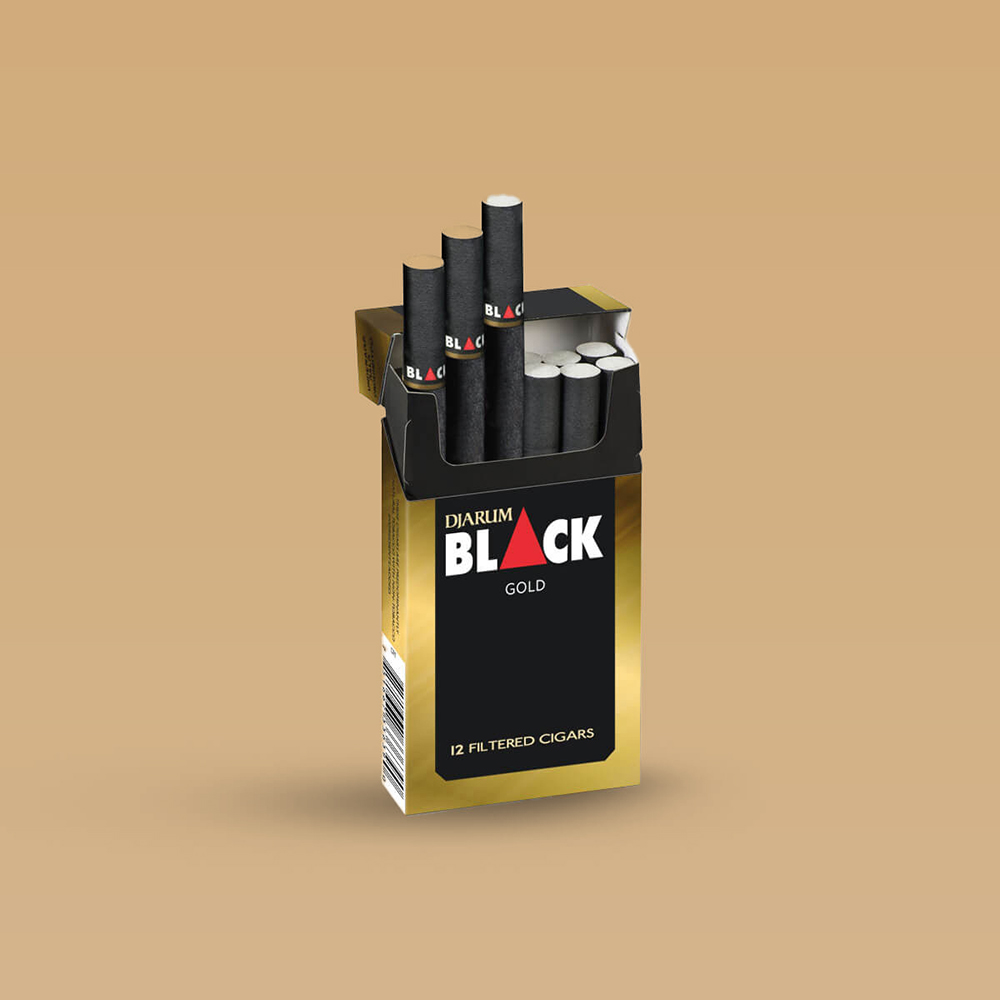
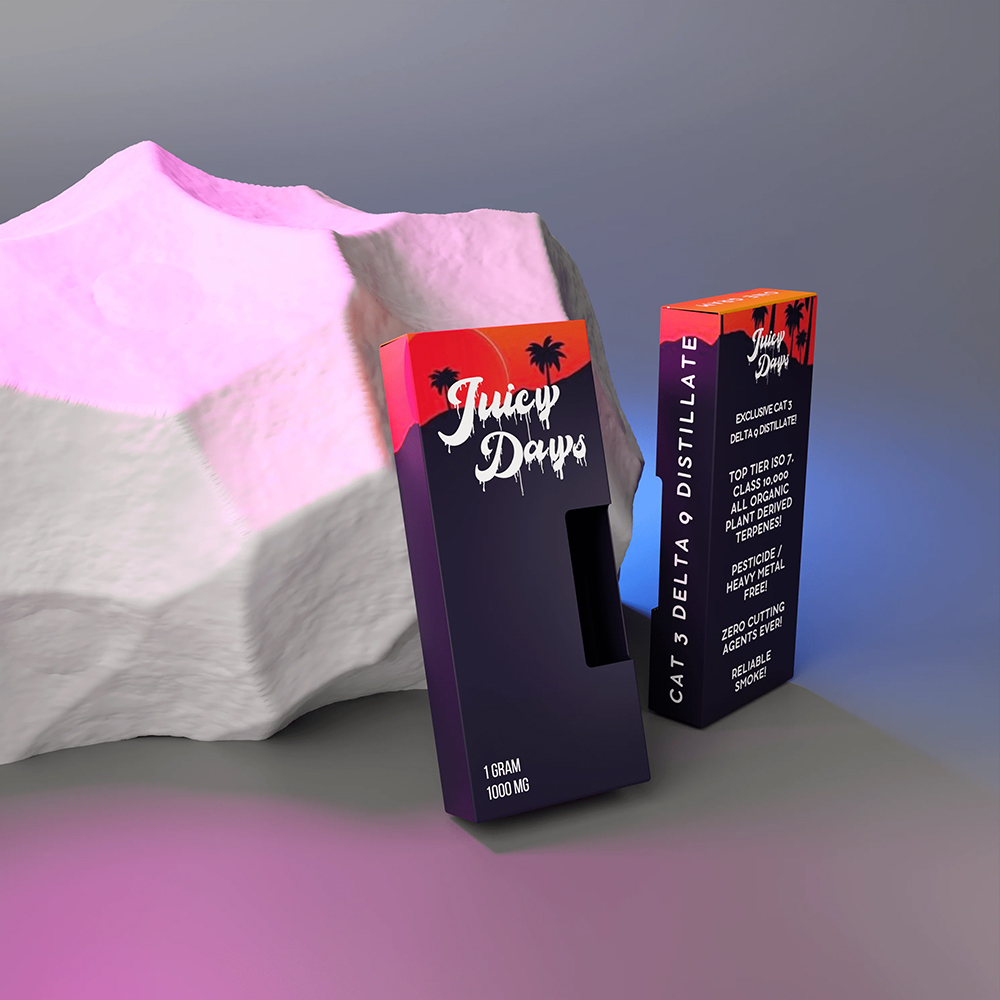
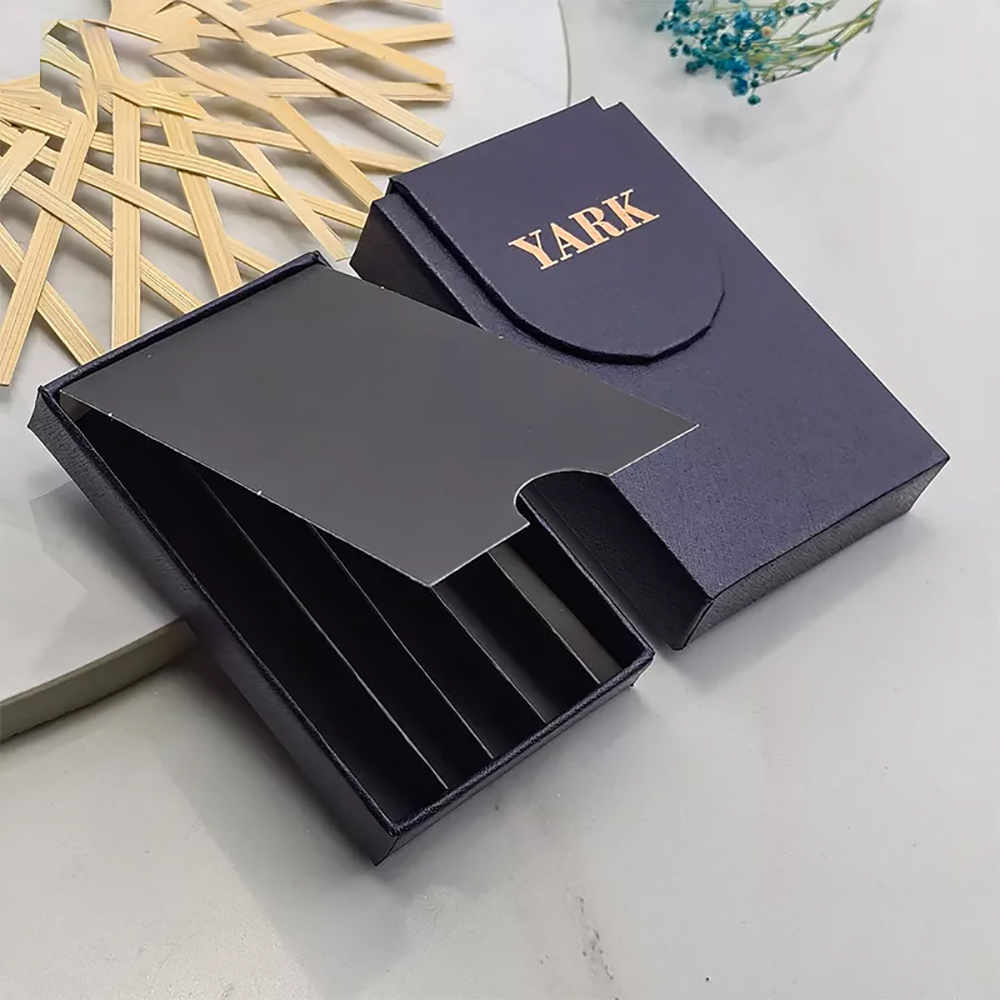
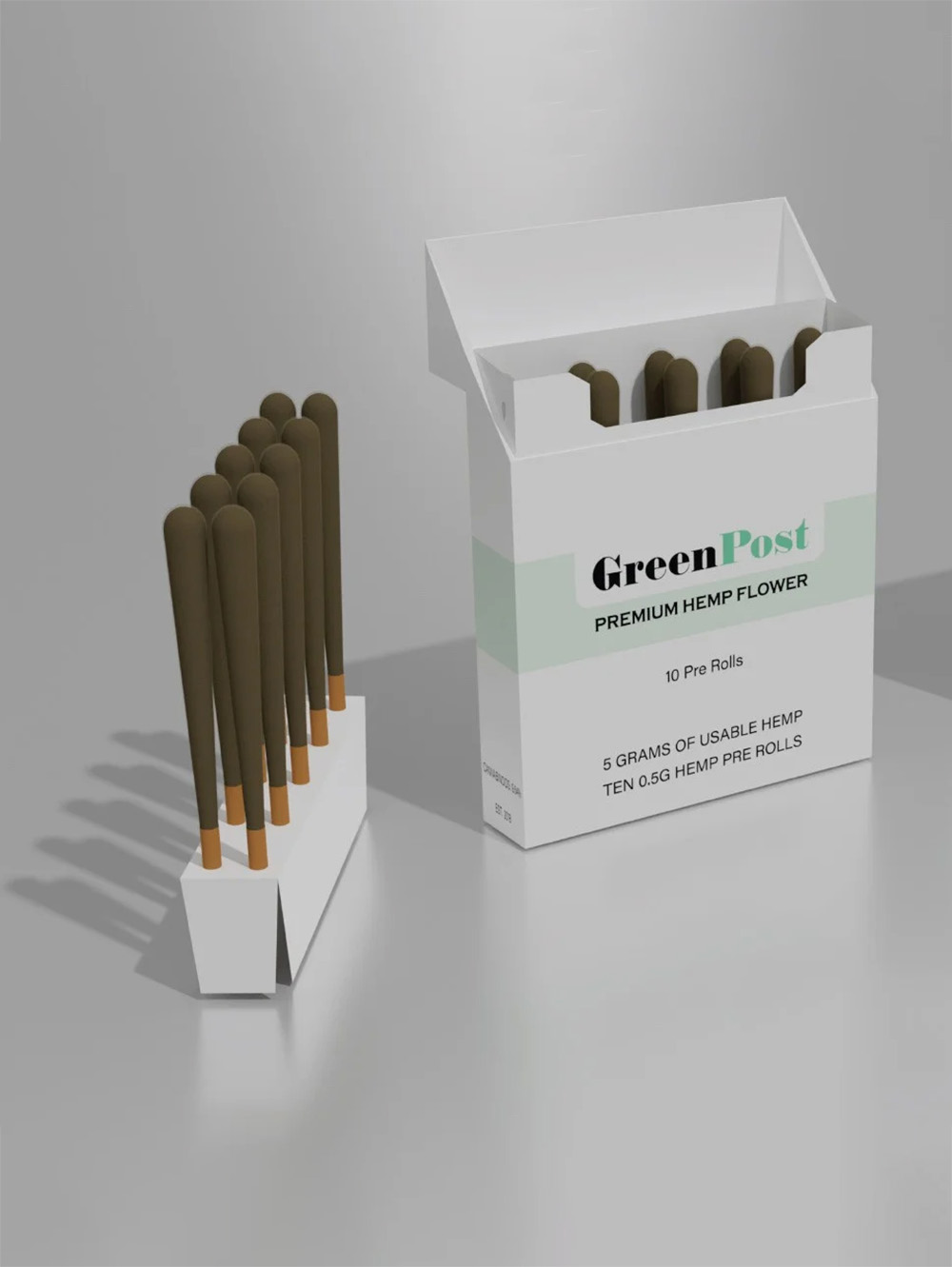
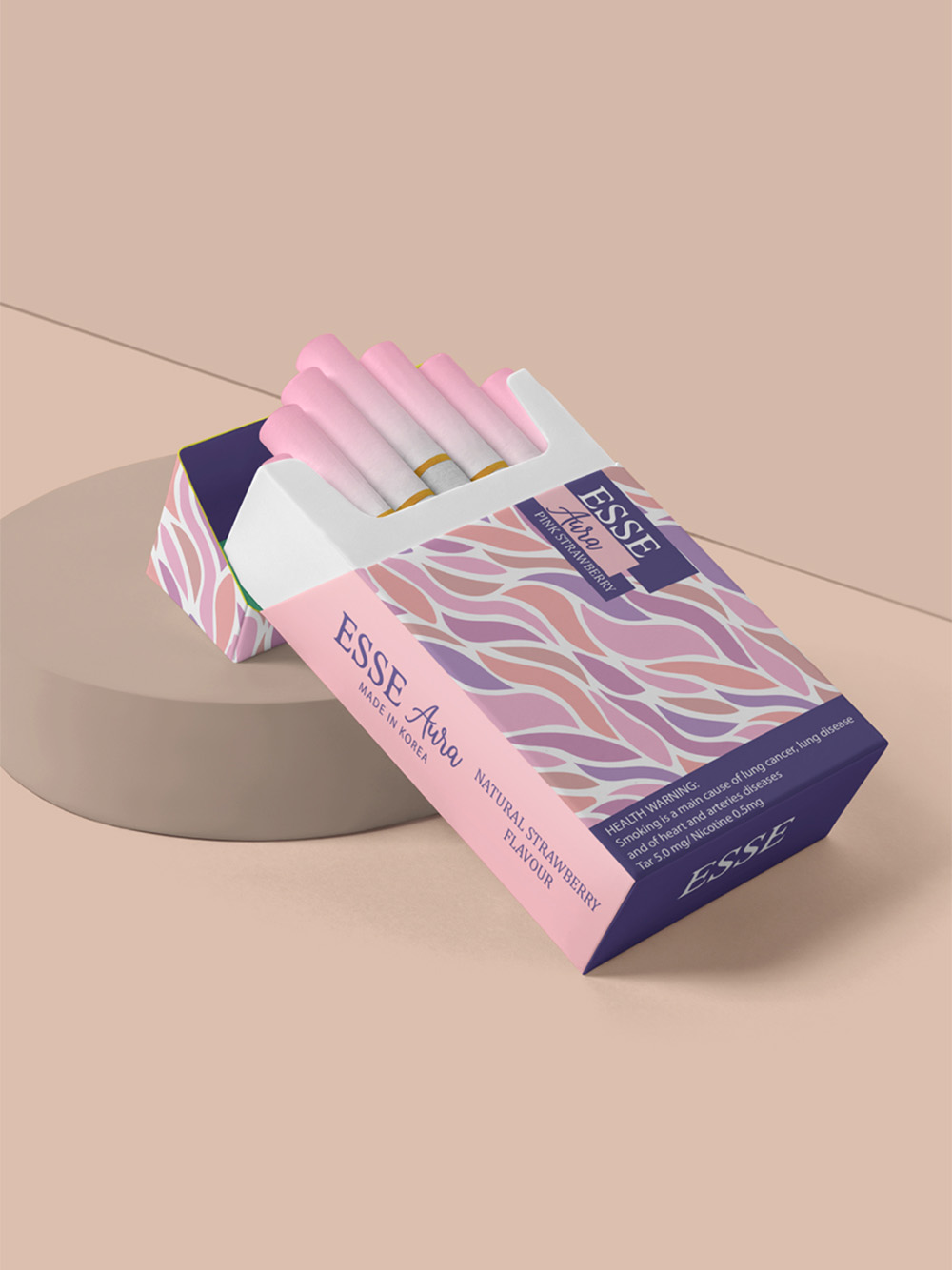
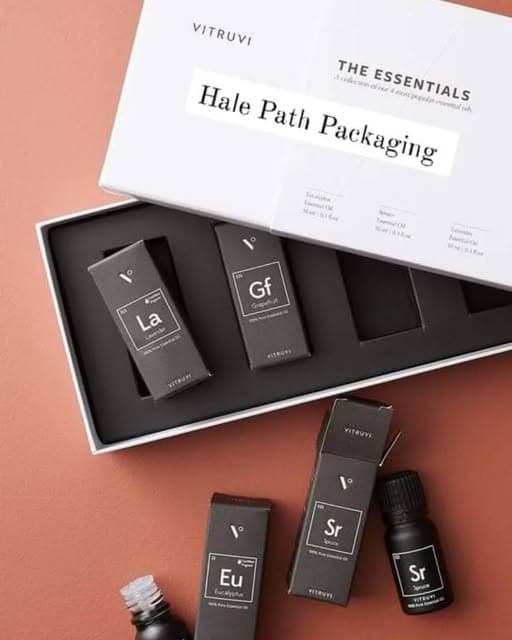
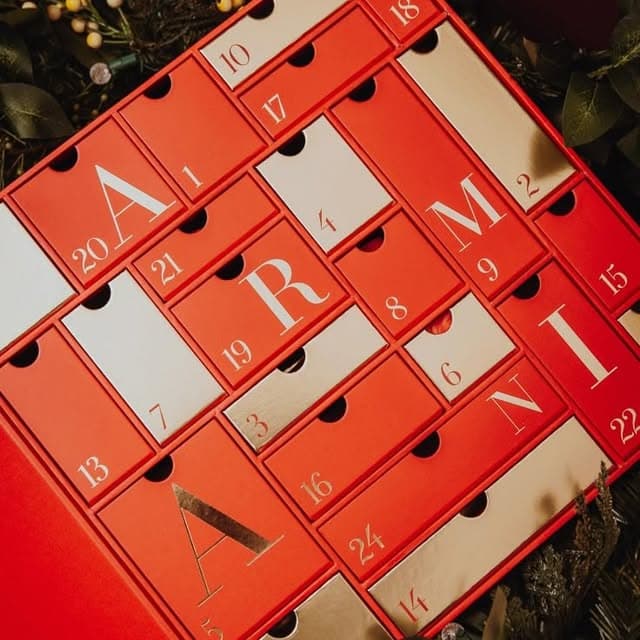
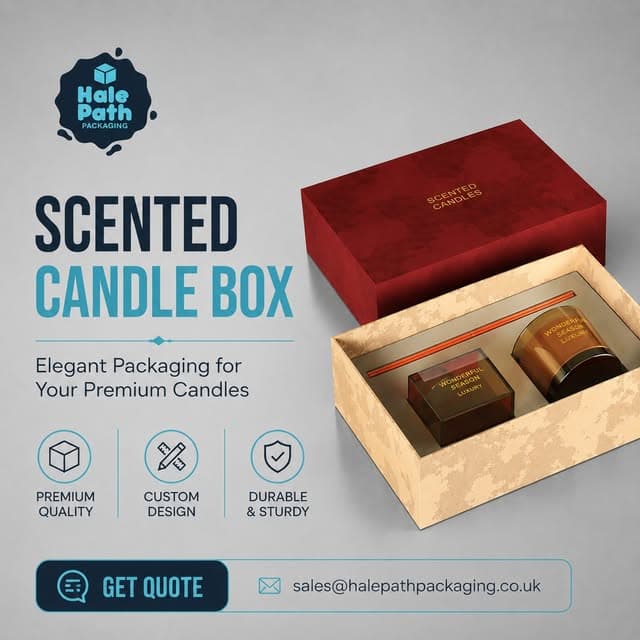
Display boxes in the USA are manufactured using high-quality cardboard, Kraft paper, and rigid materials. Provided employing eco-friendly, biodegradable, and sustainable materials to meet the green standard

A 0.4mg THC ceiling on the finished product sounds like a labeling footnote, but it isn’t. A full spectrum gummy jar that used to legally carry 2mg or 5mg of total THC can now be classified as marijuana for shipping purposes if it goes over that line, regardless of what the label says or what state you’re shipping from. That reclassification happens at the carrier and inspection level, not after a complaint. Two things follow directly from this. First, container sizing sometimes needs to shrink, since a smaller container capping fewer gummies or a lower concentration keeps the total mg count compliant without changing your formulation. Second, isolate and full spectrum products need to be visibly distinguished on the outer carton, not just the ingredient panel, because that’s what an inspector is checking first.
A QR code linking to your Certificate of Analysis used to be a nice-to-have trust signal. In 2026 it functions closer to a passport. We build the QR placement into the layout from the first proof, not as an afterthought sticker, because a COA code that’s cropped, blurry, or missing entirely is one of the fastest ways a compliant product gets treated like it isn’t.
Carrier handling for hemp is not uniform, and this is the single most common frustration we hear from CBD sellers, usually after it’s already cost them a delayed order. USPS is generally the most workable for hemp shippers but requires self-certification on file. UPS commonly requires Adult Signature Required for anyone 21 and up. FedEx is the strictest of the three and often wants a signed Hemp Shipper agreement before it will move your product at all. A box that doesn’t declare what’s inside clearly enough for a carrier to process quickly is a delay waiting to happen, and that’s a packaging design problem just as much as a shipping account problem.
Cannabinoid content, batch number, dosage, warnings, and a COA QR code all need to sit on packaging that’s often no bigger than a lipstick tube, and this is where a lot of CBD packaging goes wrong before printing even starts. It’s a layout problem as much as a legal one. We map out where every required line of copy sits before a single design element gets placed, so a logo or color scheme isn’t fighting the legally required text for space once the box is already at print. Full color CMYK or single color logo printing works the same way here as across our custom printed cardboard boxes line, but the compliance copy has to win that layout fight first.

This is a real decision, not a right or wrong answer, and it’s one almost no supplier talks through with a buyer directly. Bold, branded packaging builds shelf recognition and repeat purchase behavior. Plain, low profile packaging avoids unwanted attention during shipping, which matters more to some sellers than others depending on where and how they’re selling. Both are legitimate choices, and which one is right depends entirely on whether you’re optimizing for shipping discretion or shelf presence.
Yes, and treating them as interchangeable is a common and avoidable mistake. If your CBD line is going into a dispensary, wellness store, or boutique shelf rather than shipping direct, that’s a genuinely different spec than a mailer box. Our retail cardboard boxes and display box options are built for shelf visibility and in-store handling, while a shipping-first box is built to survive transit and carrier handling. A brand selling both retail and direct to consumer usually needs both specs, not one box doing double duty.
Pricing depends on board type (rigid vs. standard corrugated), the child resistant mechanism if one is required, print complexity, and volume. Our minimum order for custom CBD packaging is 100 units, low enough for a new or small brand to launch a real first run without committing to a wholesale volume they aren’t ready for yet. Turnaround runs 7 to 12 business days from proof approval, with rush production available if you flag a launch date early.
Every order gets a digital proof, and given how much legally required copy has to fit cleanly on these boxes, I’d genuinely push for a physical sample before a full run, not just a screen mockup. A QR code that scans fine on a monitor can print slightly differently on coated stock, and that’s not something you want to discover after 5,000 units are done.
This page is written for packaging and labeling guidance only and is not legal advice. CBD regulations vary by state and change frequently. Confirm your specific compliance requirements with legal counsel before finalizing packaging for sale.
In several states, yes, specifically for cannabinoid products, not only high THC items. Requirements vary by state, so confirm what applies to where you're selling before finalizing your box design.
Federal law currently caps finished consumer products at 0.4mg of total THC per container. Products exceeding that can be treated as marijuana for shipping and legal purposes, which affects both formulation and container sizing.
It's not universally mandated everywhere, but it's become close to standard practice and a real trust signal with both retailers and carriers. We build the QR placement into the layout from the first proof.
Generally yes, but each has different requirements. USPS typically requires self-certification, UPS often requires Adult Signature Required, and FedEx is usually the strictest, sometimes requiring a signed Hemp Shipper agreement.
Use opaque or UV resistant packaging stock. Light and heat exposure degrade CBD oil's potency and color over time, and that degradation starts as soon as the product leaves for shipping if the box isn't protected against it.
100 units, which is enough for a small or new brand's first real production run without forcing a volume commitment before the brand has found its footing.
Yes. Discretion and bold branding are two different, valid choices depending on whether you're prioritizing shipping privacy or shelf recognition, and we can build either.
Yes, beyond our 100 unit minimum we scale into full wholesale volumes with consistent color and print matching across production runs.