Pet Food Packaging

Pet Food Packaging

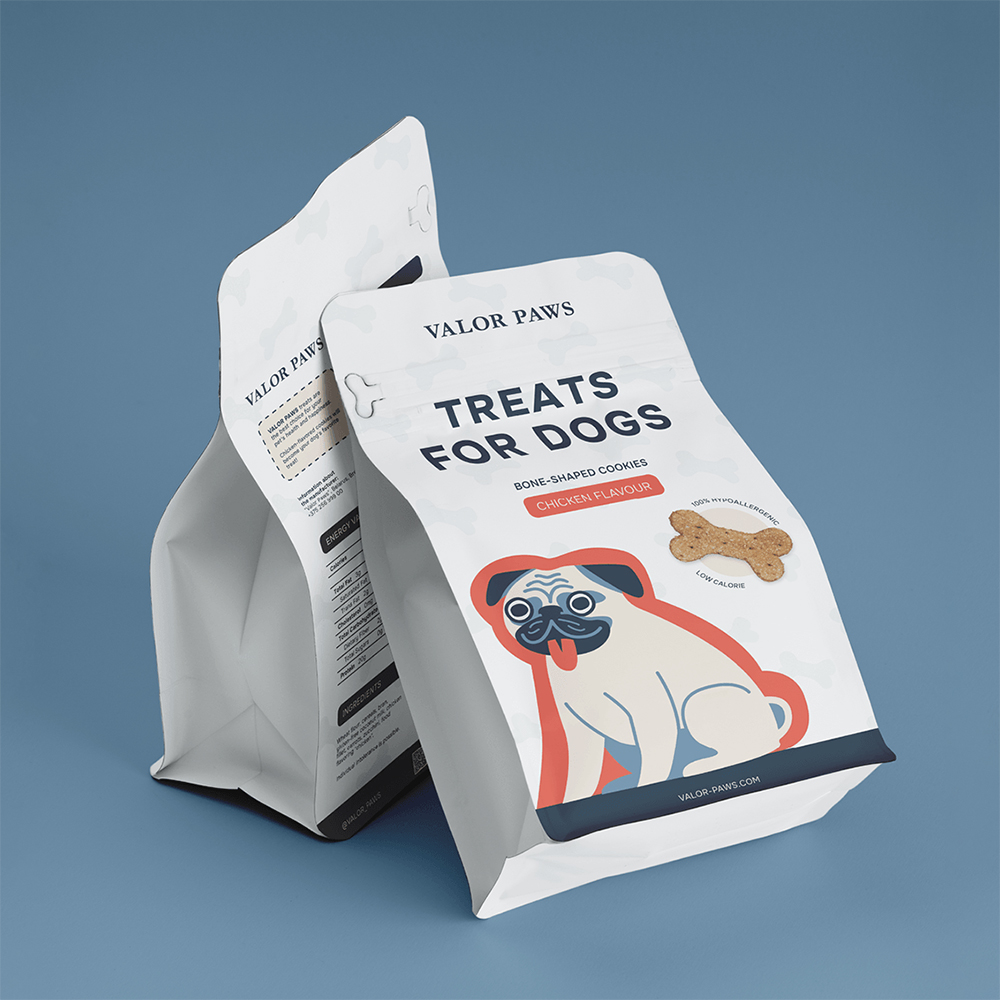
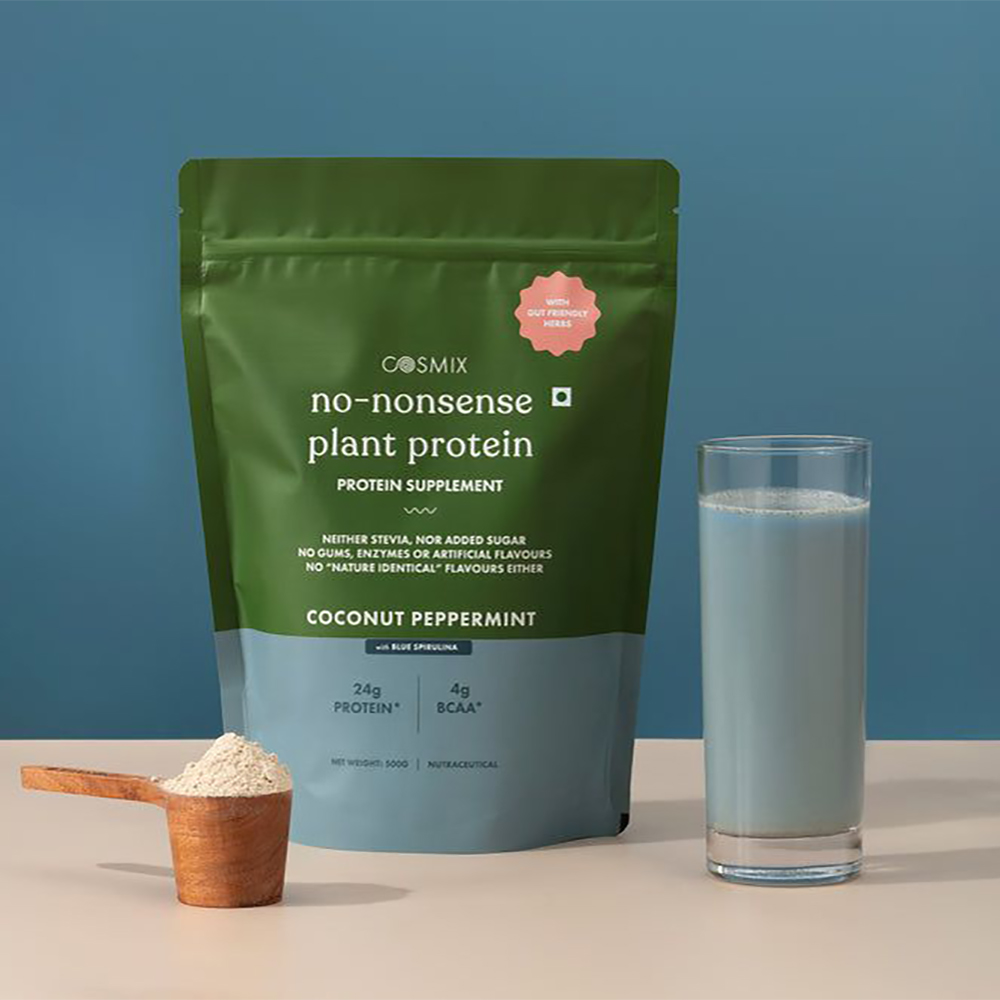
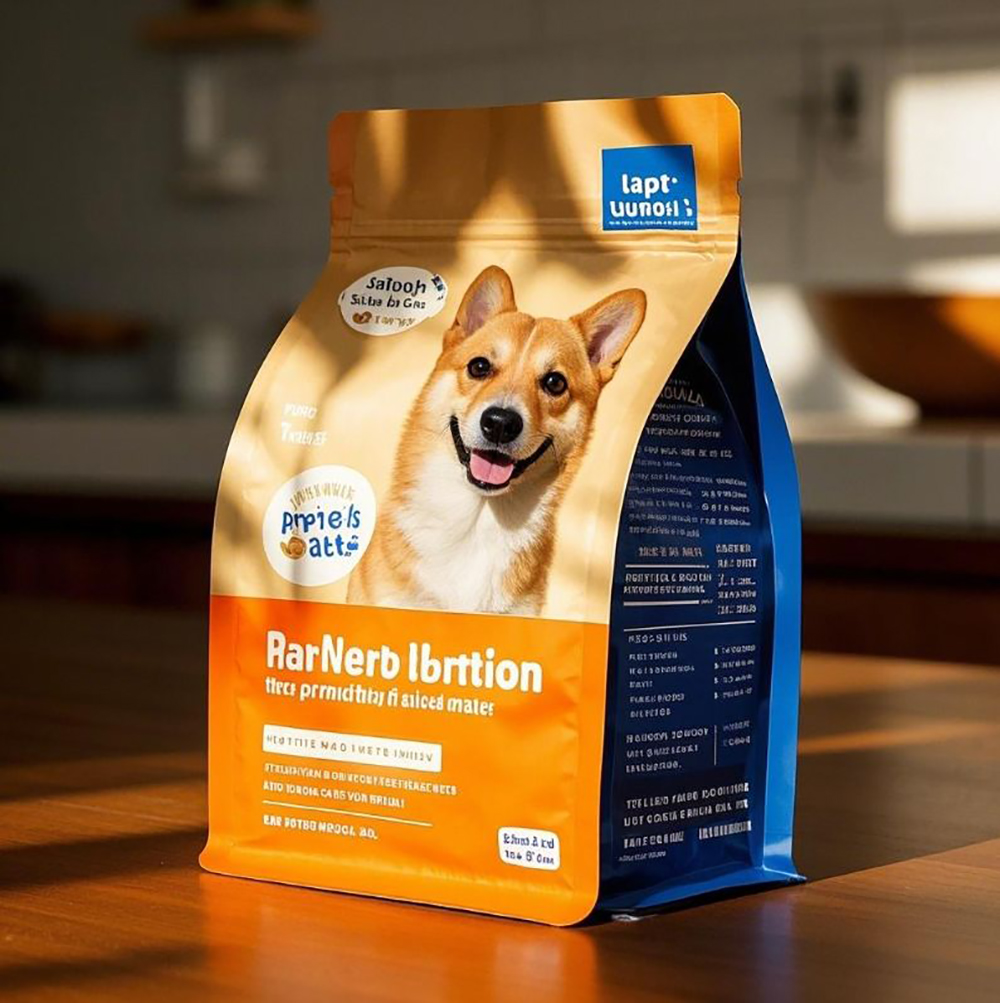
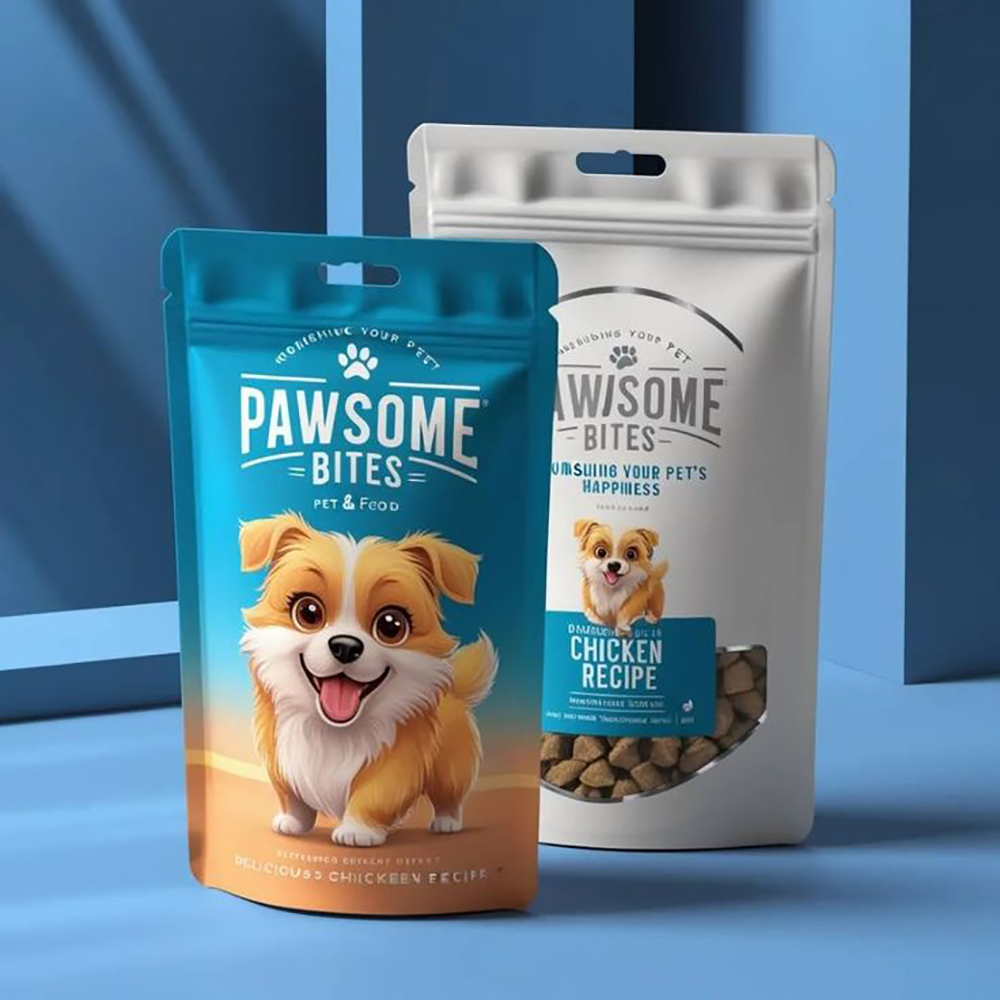
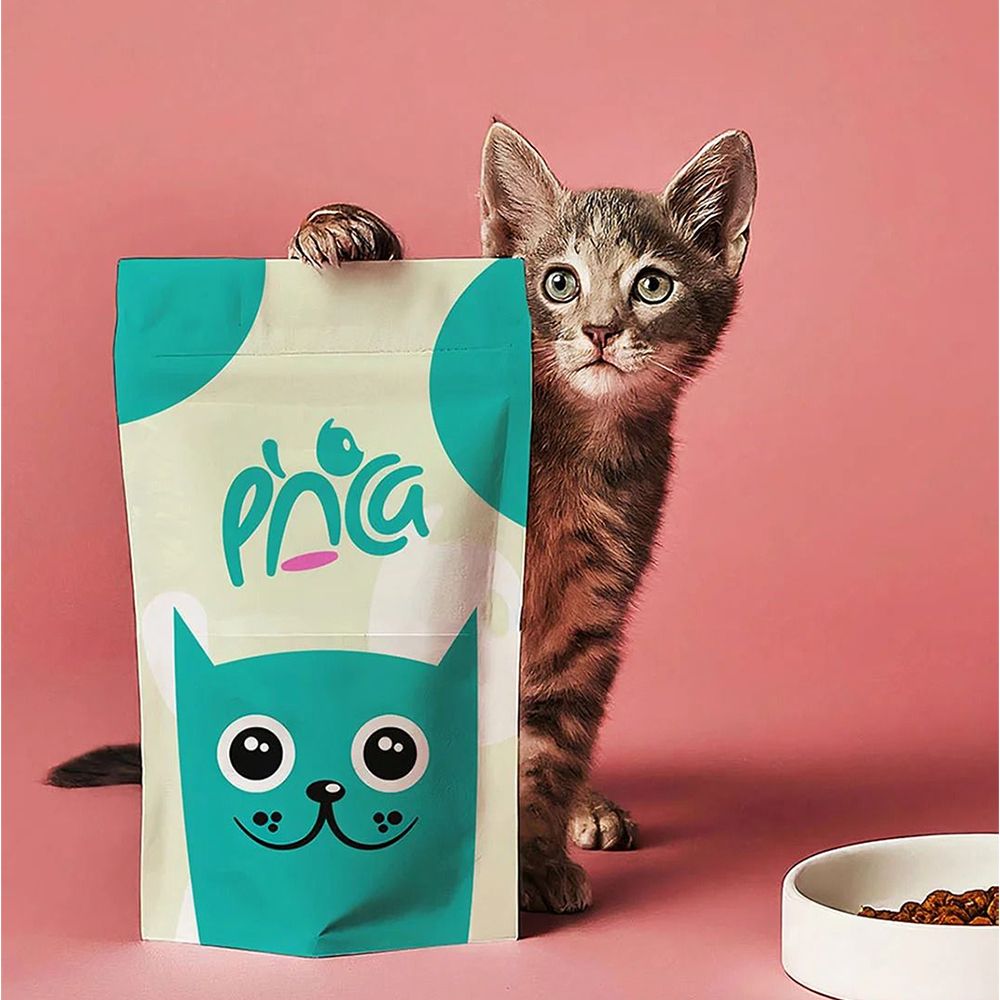
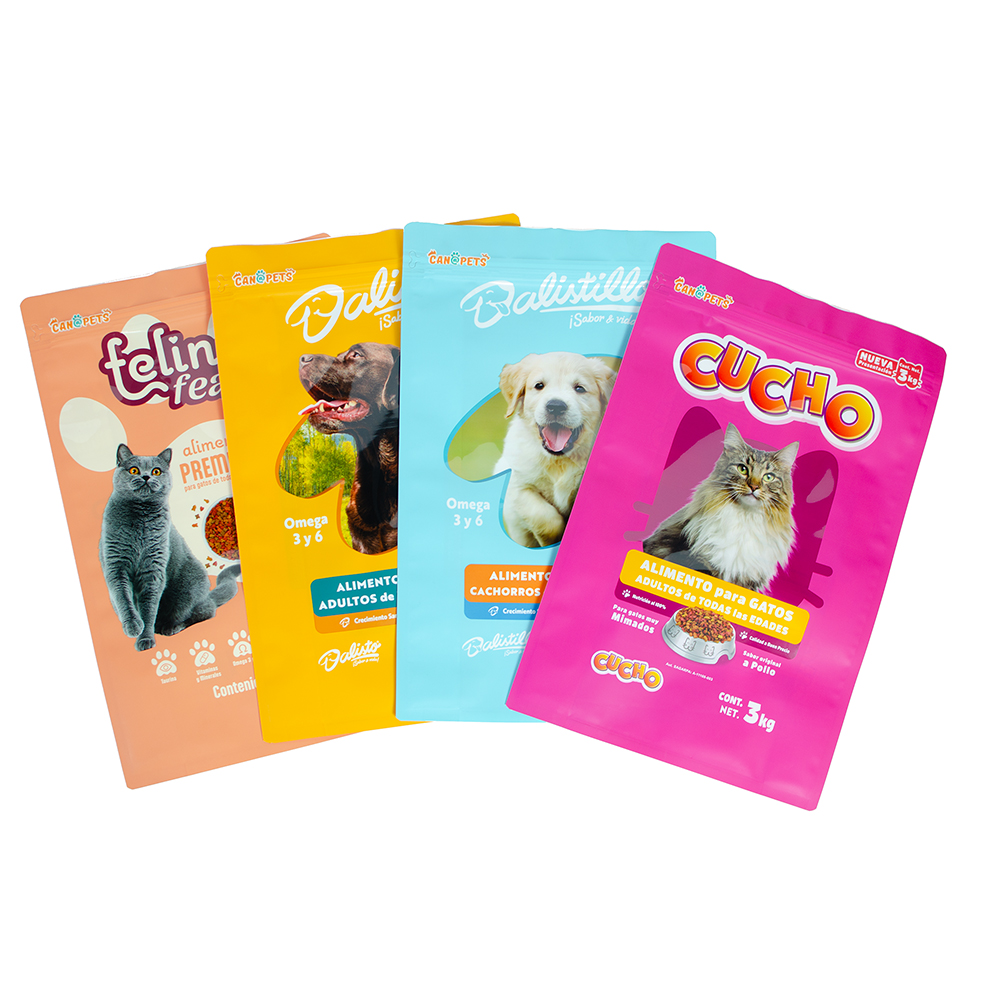
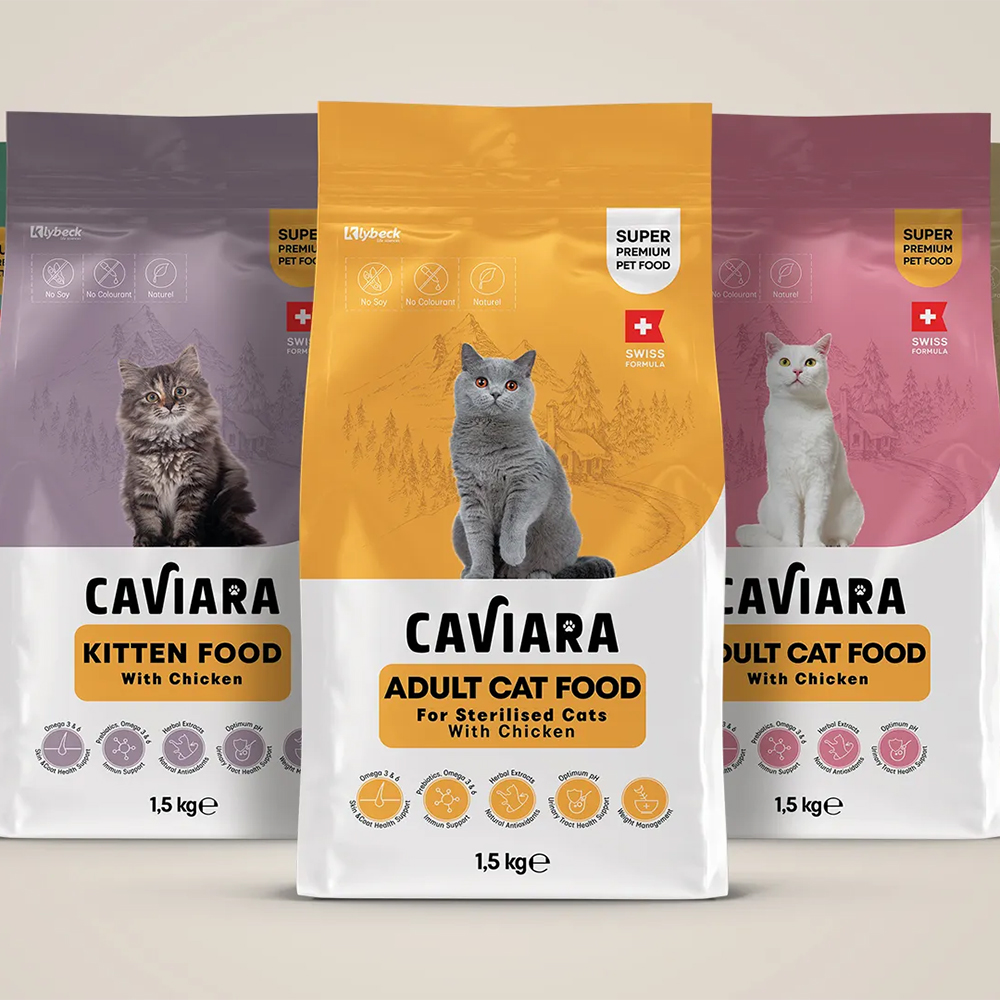
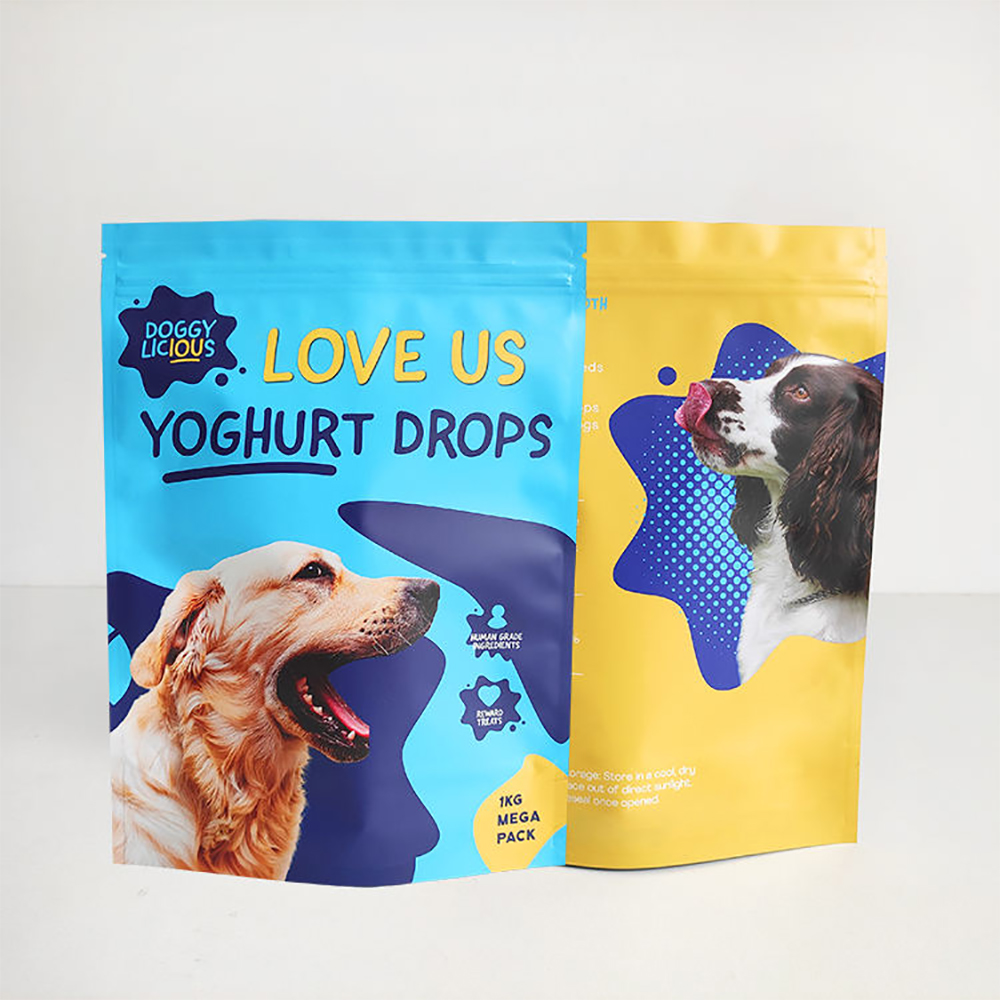
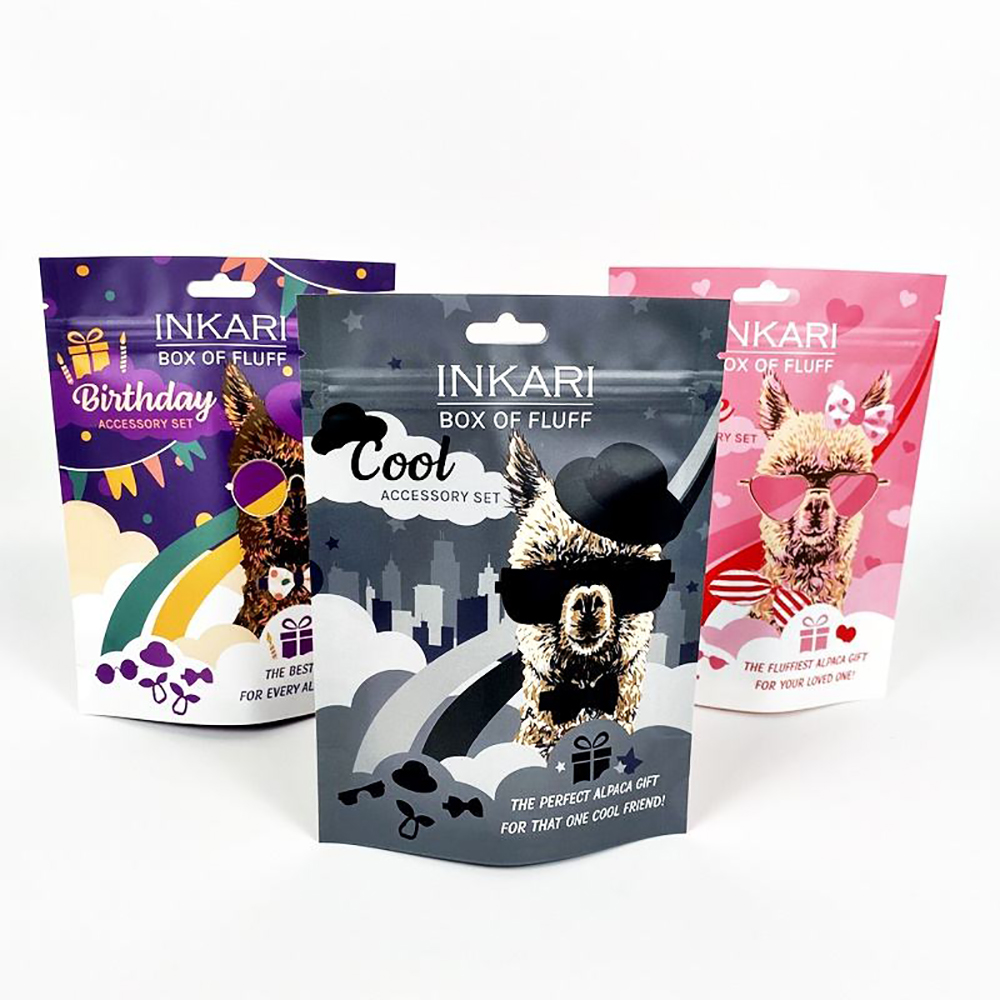
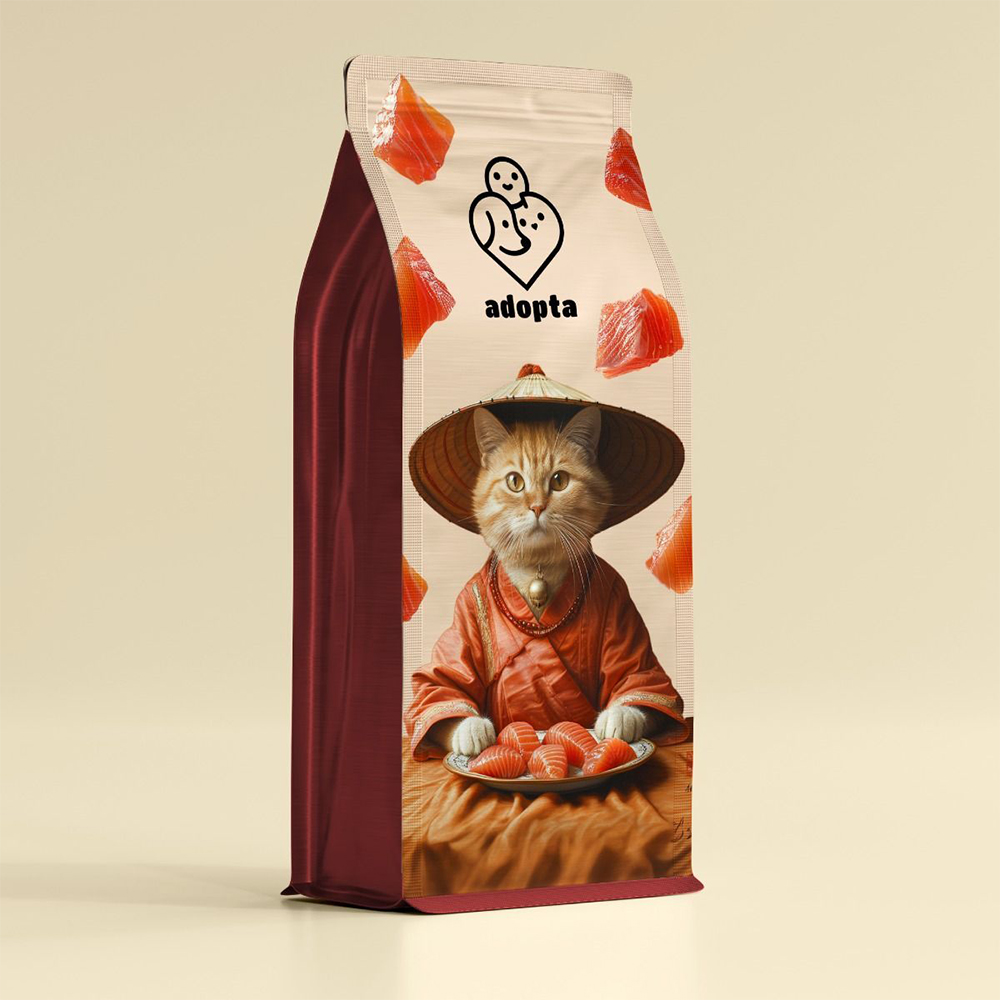
Explore a comprehensive selection of pet food packaging built for impact. We offer a range of custom-printed & plain stock for pet food pouches with customisable options, available in different sizes and shapes. Most pet food packaging fails in one of two ways: either the bag can't physically hold everything AAFCO requires on the label, or it looks fine on day one and starts leaking grease, losing zipper strength, or cracking in the freezer within weeks of daily use.

Explore Packaging Solutions

Display boxes in the USA are manufactured using high-quality cardboard, Kraft paper, and rigid materials. Provided employing eco-friendly, biodegradable, and sustainable materials to meet the green standard

Does Your Pet Food Packaging Actually Have Room for What AAFCO Requires?

Does Your Pet Food Packaging Actually Have Room for What AAFCO Requires?

Pet food labeling isn’t optional copy, it’s regulated, and the space it needs has to be designed into the bag before the first proof, not squeezed in afterward. AAFCO’s naming rules dictate how much of a named ingredient actually has to be in the product: the 95% rule for a simple name like “Beef Dog Food,” the 25% rule for names using “Dinner,” “Platter,” or “Entree,” and a 3% rule for products using “with” in the name, for example “Cat Food with Salmon.” Get the name wrong relative to the recipe, and the label itself becomes a compliance problem no amount of good packaging design can fix.

Beyond naming, AAFCO and FDA require eight elements on the label: product name, intended species, net weight, guaranteed analysis, full ingredient list, a nutritional adequacy statement, feeding instructions, and manufacturer or distributor contact information. FDA further splits this across two zones, the principal display panel facing the customer, and the information panel carrying the denser required detail. A bag sized without that split in mind usually ends up cramming everything onto one panel, which looks cluttered and makes the required information harder to read, not easier.

This page is written for packaging and labeling guidance, not legal advice. AAFCO enforcement is handled state by state, confirm your specific label requirements with a qualified compliance resource before finalizing packaging for sale.

Will This Bag Survive Grease, Freezer Storage, and Being Opened Every Single Day?

Pet food packaging takes more daily abuse than almost any other food category, and most of the real complaints trace back to one of four specific failure points. Grease from kibble coatings and treat fats migrates through uncoated or under-laminated film over time, leaving a bag that looks stained and feels weak at the seams within weeks. Zipper strength matters more here than on almost any other product, since a pet food bag gets opened and closed daily, sometimes multiple times a day, and a zipper rated for occasional use will fail well before the bag is empty. Puncture resistance matters for kibble specifically, sharp edges inside a dense fill can wear through a thin film from the inside. Freezer and refrigerator compatibility is a newer but real requirement, raw and gently cooked pet food is a growing category, and a film that goes brittle in cold storage isn’t fit for that product regardless of how well it performs at room temperature.

We spec laminate structure, commonly a PET/PE or PET/metalized/PE combination depending on fat content and shelf life target, against these four failure points directly, rather than defaulting to one generic film across every recipe.

Get Custom Quote
Paper, Foil, or Recyclable Film, Which Material Actually Fits Your Recipe?

Paper, Foil, or Recyclable Film, Which Material Actually Fits Your Recipe?

Material choice should follow the product, not the brand’s visual preference alone. A high-fat treat or wet food pouch needs a genuine grease and oxygen barrier, typically a foil or metalized layer, regardless of how the exterior looks. A dry kibble with lower fat content has more flexibility, and can often use a lighter laminate or a kraft paper exterior with a functional inner barrier layer for a more natural look without sacrificing protection. Fully recyclable mono-material structures are increasingly available for brands prioritizing end-of-life recyclability, though they generally suit lower-barrier-need products better than a high-fat treat requiring heavy-duty grease protection.

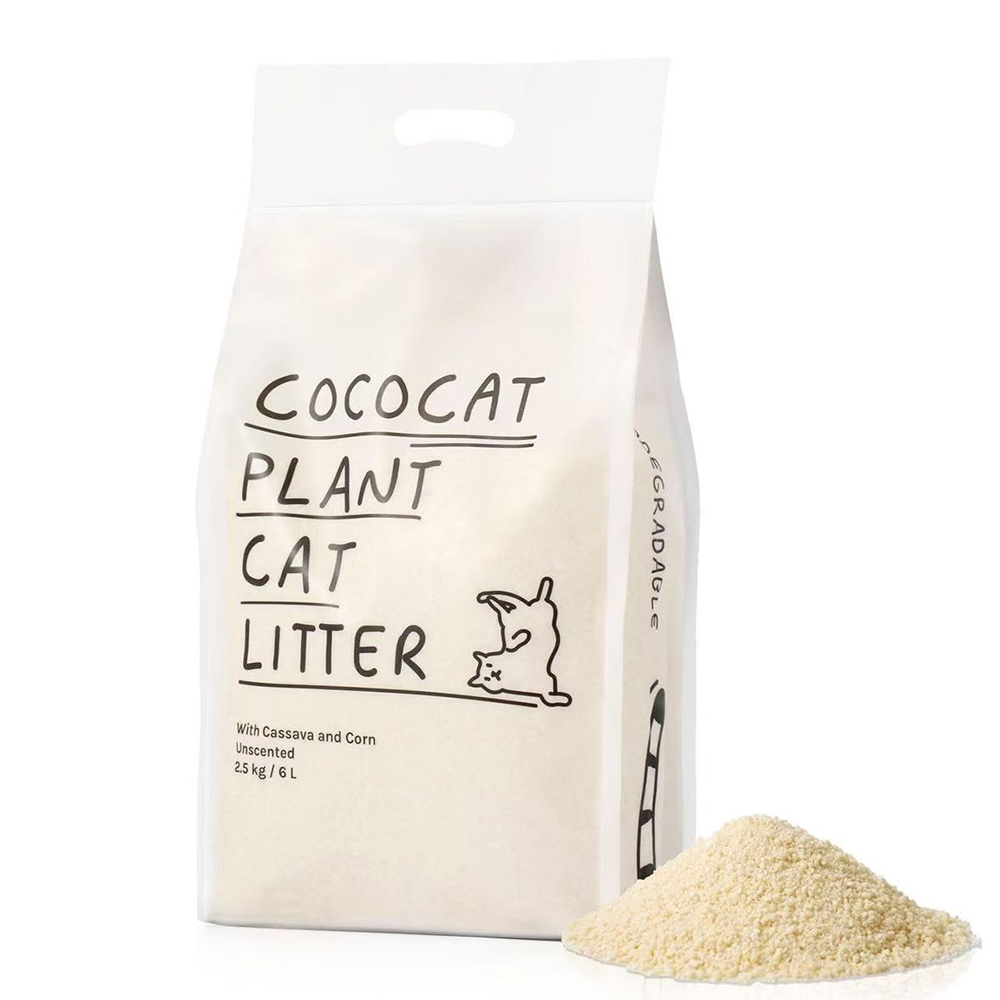
If your brand also sells a liquid pet product, a bone broth or supplement, our spout pouch options cover that format directly. For cat-specific litter and non-food pet products, our cat litter packaging category covers a related but distinct material and bulk-weight spec.

Format Options Beyond a Standard Stand-Up Pouch

Quad seal construction, the same corner-sealed, side-and-bottom-gusseted format used in our quad seal coffee bags, works well for higher fill-weight kibble bags needing a stable, upright shelf presence. Side gusset bags suit lighter treat and sample sizes. Our broader flexible packaging hub covers the full format range if your line needs more than one size or style across a product family.

Getting From Recipe to Retail Shelf: Samples, Minimums, and Turnaround

Pricing depends on laminate structure, format, print complexity, and volume. Our minimum order is 100 units, with turnaround running 7 to 12 business days from proof approval, longer for a fully custom barrier structure built around a specific fat content or shelf life target. Full color printing runs across kraft, foil, and recyclable film options the same way it does on our custom printed cardboard boxes line.

We’d recommend a physical sample before a full production run, particularly for a first recipe launch, since grease resistance and zipper durability only show up under real daily use, not on a spec sheet. If your product also needs a retort-stable structure for a wet or shelf-stable format, our retort pouches page covers that separate, higher-heat spec directly.

Get Custom Quote