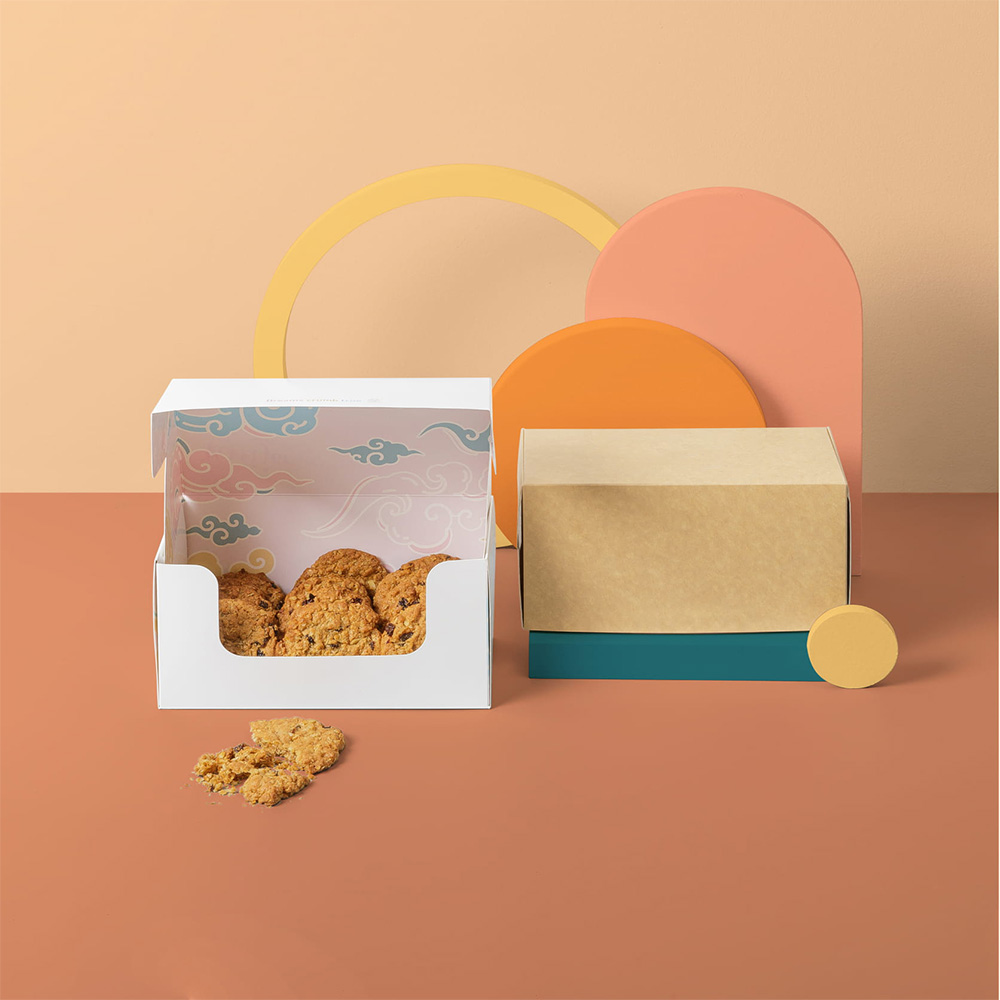
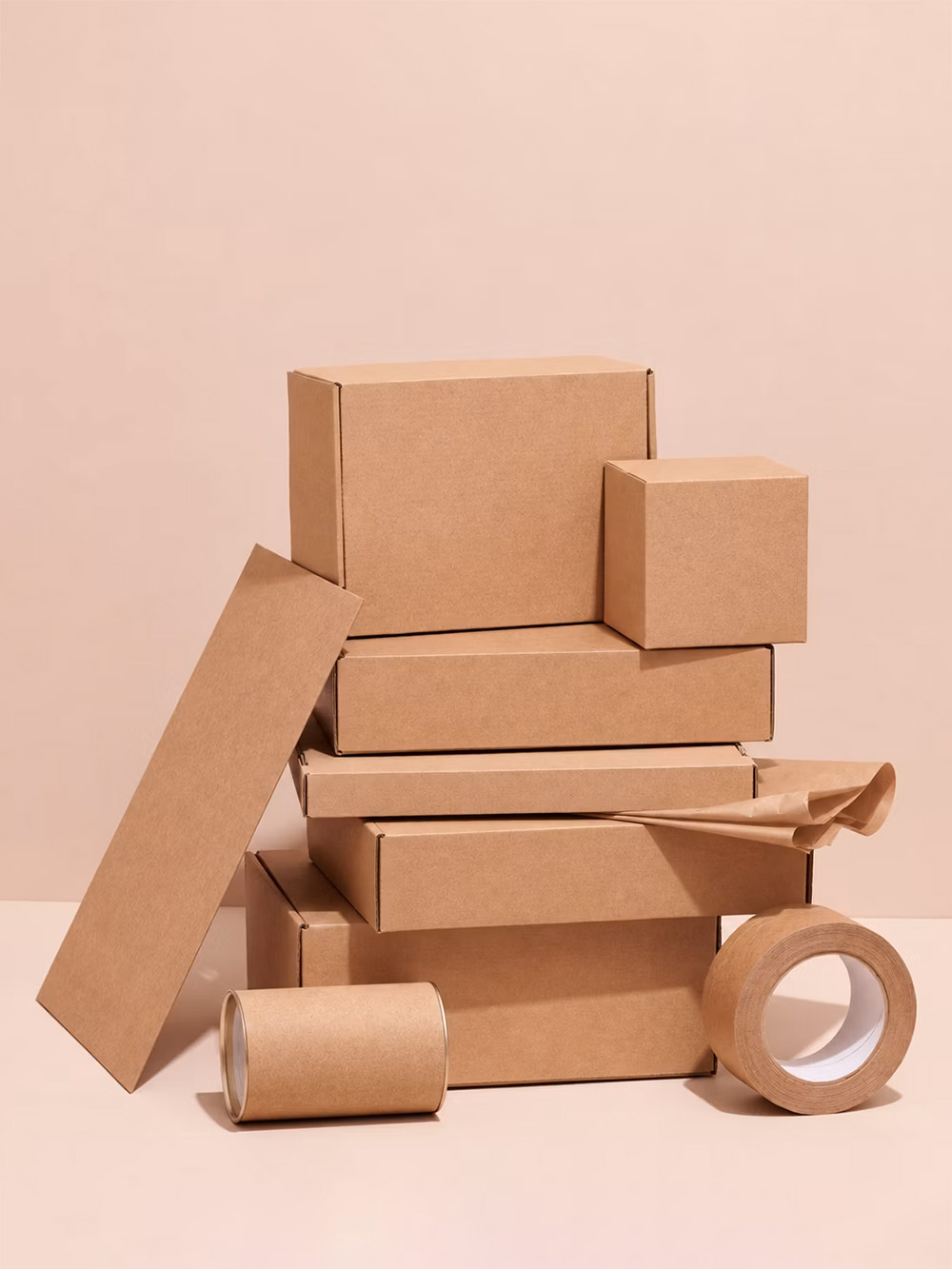
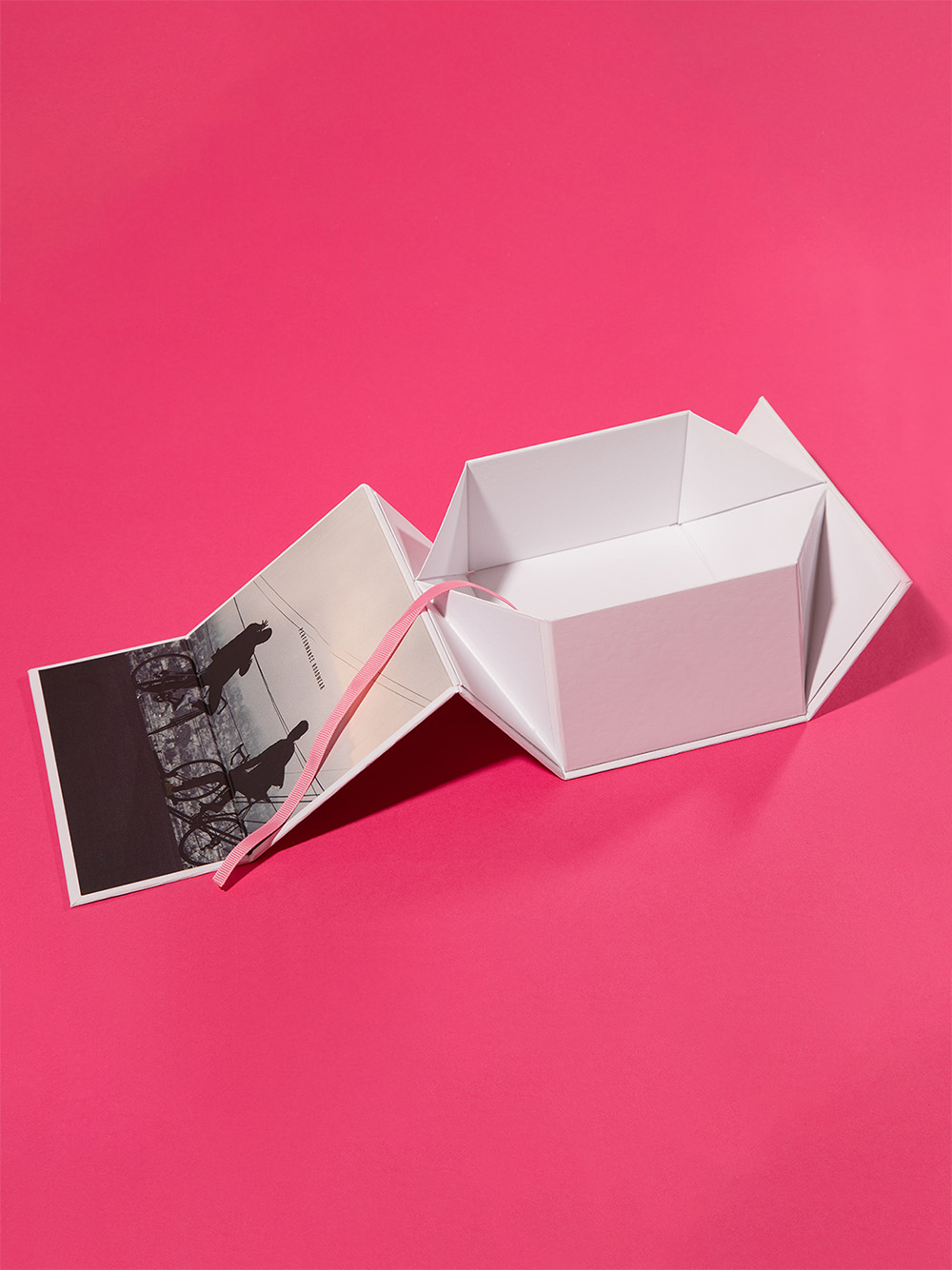
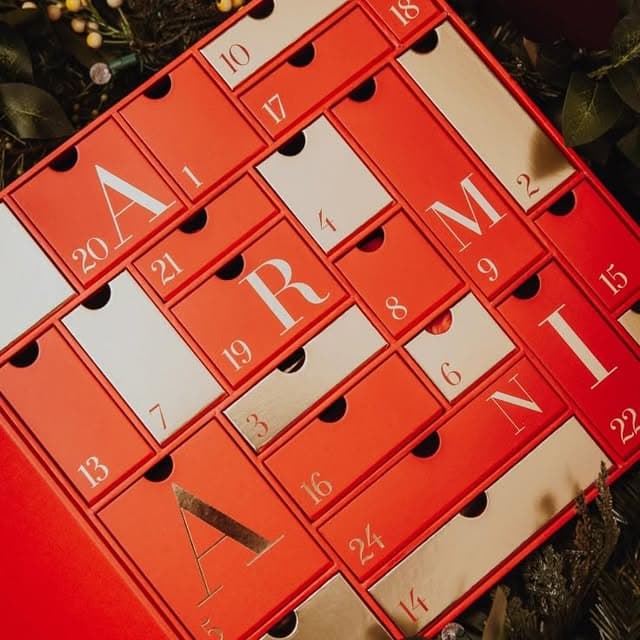
Display boxes in the USA are manufactured using high-quality cardboard, Kraft paper, and rigid materials. Provided employing eco-friendly, biodegradable, and sustainable materials to meet the green standard

A folding carton is a single-layer paperboard box, die-cut, scored, and glued along one seam, that lies flat until it’s popped into shape for filling. A corrugated box uses a fluted middle layer sandwiched between two liners, built for crush resistance under real shipping weight. That structural difference sets a real ceiling on folding cartons: paperboard thickness generally tops out around 0.81mm, past that weight and handling stress, corrugated becomes the right call, not a thicker folding carton.
This is the mistake we see most often. A brand picks a folding carton because it looks clean and prints sharp, then loads it with a product heavy enough that it needed corrugated from the start. If your product is right at that edge, our die-cut cardboard boxes process can build a custom structural test before a full run commits you to the wrong construction.
Style follows use case, not preference. Tuck end suits fast hand assembly and repeat access. Auto-lock bottom holds heavier fill weight than a tuck end without extra assembly steps, common for retail and food products. Snap bottom sits between the two, quick to assemble with more base stability than a simple tuck. Reverse tuck is the standard for a clean, branded retail presentation where the seam needs to stay hidden.
Material grade matters just as much as style. SBS paperboard prints the sharpest for retail-facing graphics. CCNB, also known as bux board, costs less and suits everyday packaging where print quality can flex slightly. Food-grade board is required for any direct food contact application, not a nice-to-have finish choice. Kraft suits a natural, unbleached look that pairs well with eco-forward branding. Our material guide breaks each of these grades down further if you’re specifying board for the first time.
Folding cartons aren’t limited to a single product box. Perforated folding carton stock is a common, cost-effective option for point of sale displays, giving retail staff a header card and shelf-ready presentation without ordering a separate corrugated display structure. Our cardboard display boxes page covers the fuller display format if a folding carton alone isn’t enough structure for your product weight.

For most buyers, national shipping works fine. For anyone on a tight production timeline, launching around a retail reset date, or wanting to see and approve a physical proof in person before a full run, working with a supplier who actually manufactures locally in the Dallas-Fort Worth area removes a real freight and communication delay that a national-only supplier can’t close. We manufacture from our own facility in Dallas, TX, not a subcontracted overseas run, so a local proof pickup or a same-week production conversation is a real option, not a marketing line.
This matters directly for brands and retailers across the wider DFW region, Irving, Garland, and the broader metroplex, as well as businesses further out across Texas in Laredo, Weslaco, and Texarkana who want a domestic, Texas-based manufacturing partner rather than routing an order through a distant national supplier.
Pricing depends on board grade, style, print complexity, and volume. Our minimum order is 100 units, with turnaround running 7 to 12 business days from proof approval, faster for standard styles, longer for fully custom die lines. Full-color CMYK or single-color logo printing runs across every folding carton style, the same standard we apply on our custom printed cardboard boxes line. If your product also needs a separate outer shipping carton beyond the retail-facing folding carton itself, our shipping cardboard boxes page covers that separately, since the two boxes solve different problems even when they travel together.
Every order gets a digital proof before production, and for anything going to a new retail account, we’d recommend confirming board weight against your product’s actual fill weight before that proof is approved, not after a batch of cartons arrives under-specified.
A single-layer paperboard box that's die-cut, scored, and glued flat, then popped into its final shape for filling, lighter and less expensive to ship flat than a rigid or corrugated box.
Buy directly from a manufacturer who can confirm board grade and style based on your product's actual weight, rather than a single generic folding carton offered across every product type.
Large national players include Graphic Packaging and SupremeX, alongside regional manufacturers. For Dallas-Fort Worth specifically, Hale Path Packaging manufactures locally rather than routing orders through a distant facility.
The four most common styles are tuck end, auto-lock bottom, snap bottom, and reverse tuck, each suited to different assembly speeds and reopening needs.
Folding cartons are split by material grade as much as by style: SBS for sharp retail print, CCNB or bux board for cost-effective everyday use, food-grade for direct food contact, and kraft for a natural look.
Folding cartons are single-layer paperboard suited to lighter products and sharp print detail. Corrugated adds a fluted middle layer for crush resistance under real shipping weight, the right choice once a product exceeds what folding carton board can support.
Yes, from our facility in Dallas, TX, serving the DFW metroplex and businesses across Texas, including Irving, Garland, Laredo, Weslaco, and Texarkana.
100 units, with turnaround running 7 to 12 business days from proof approval.