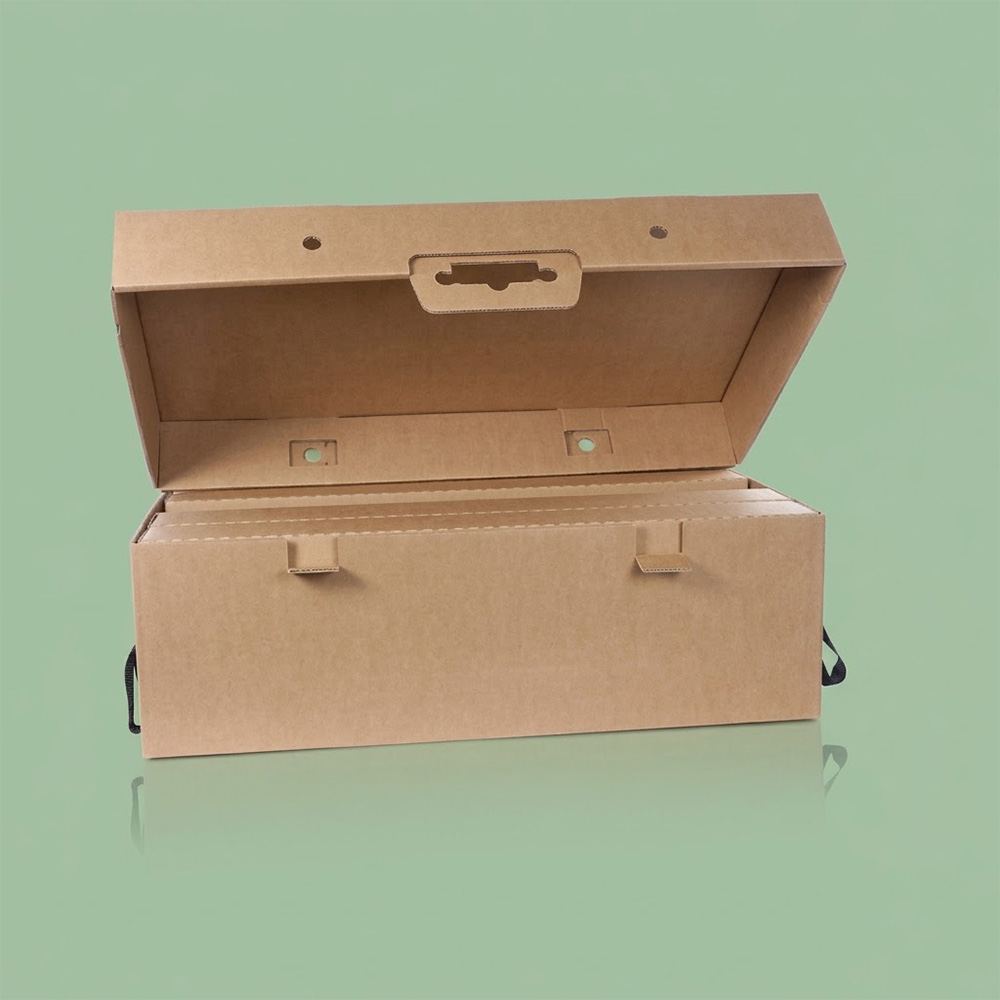
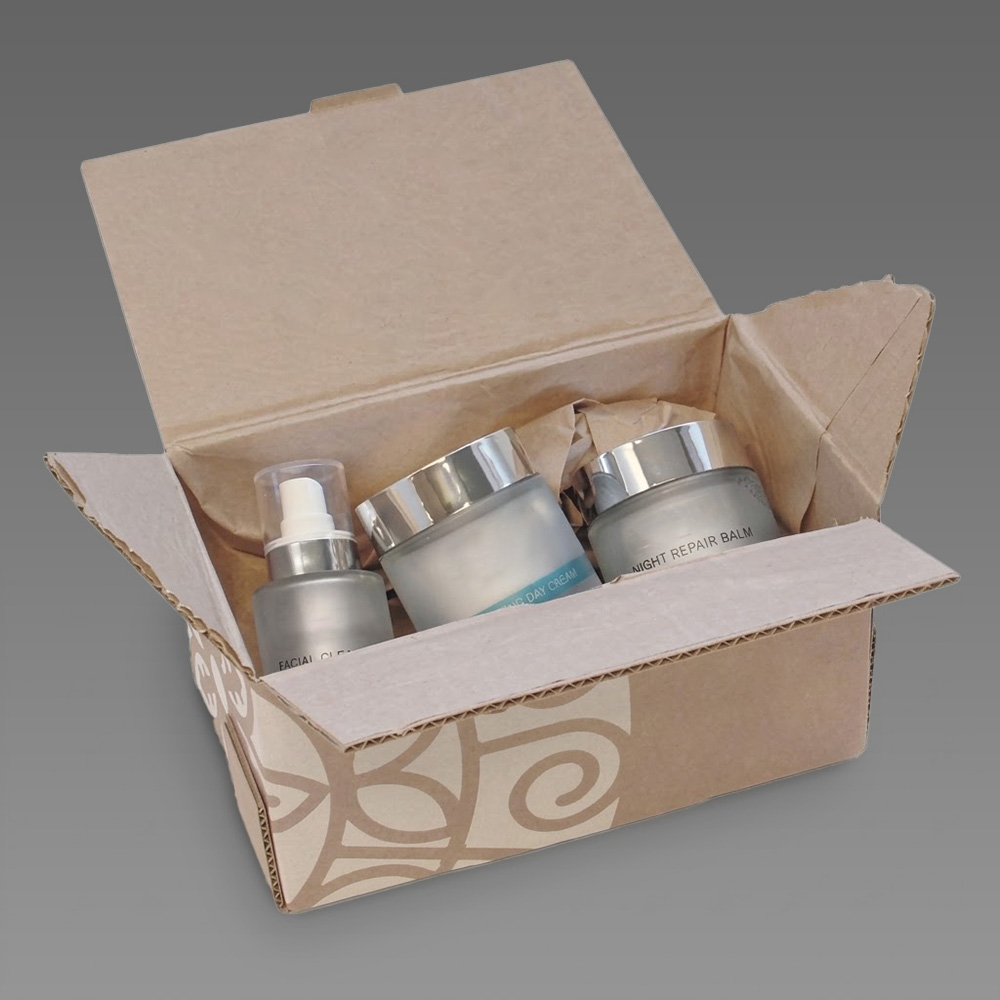
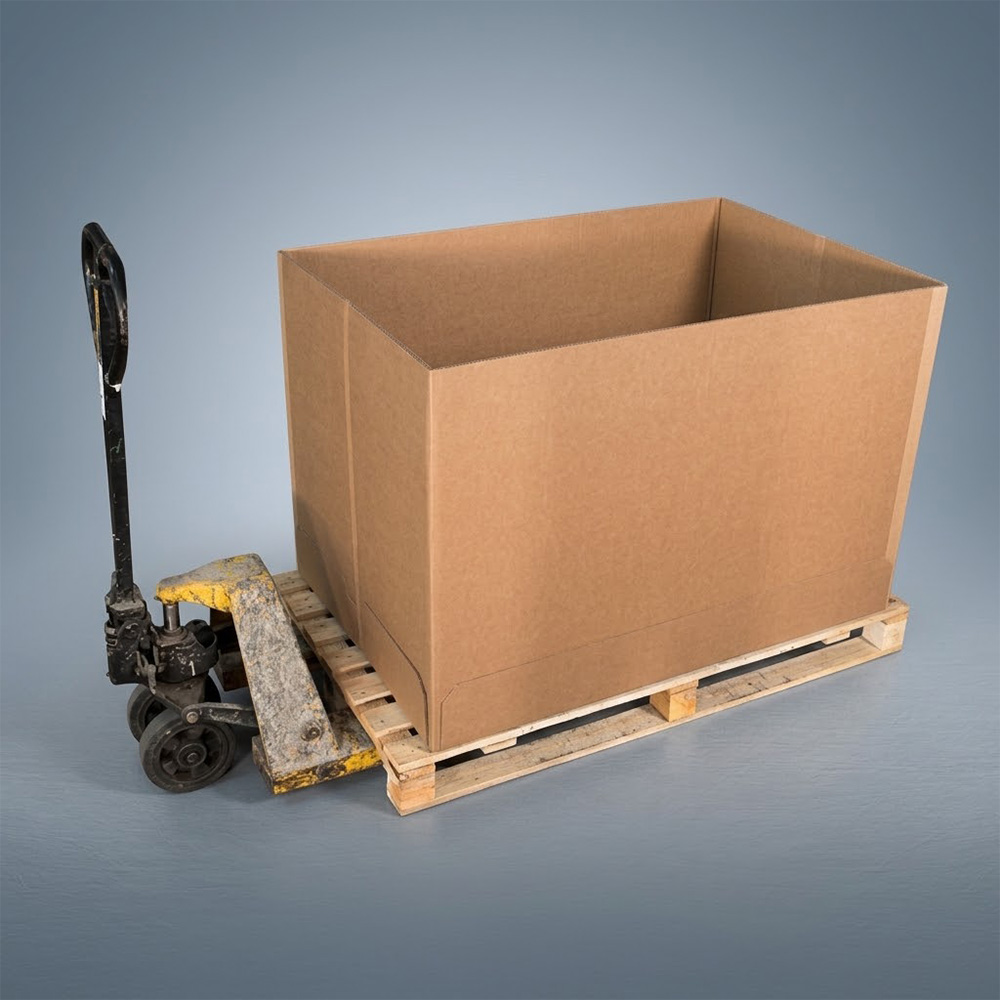
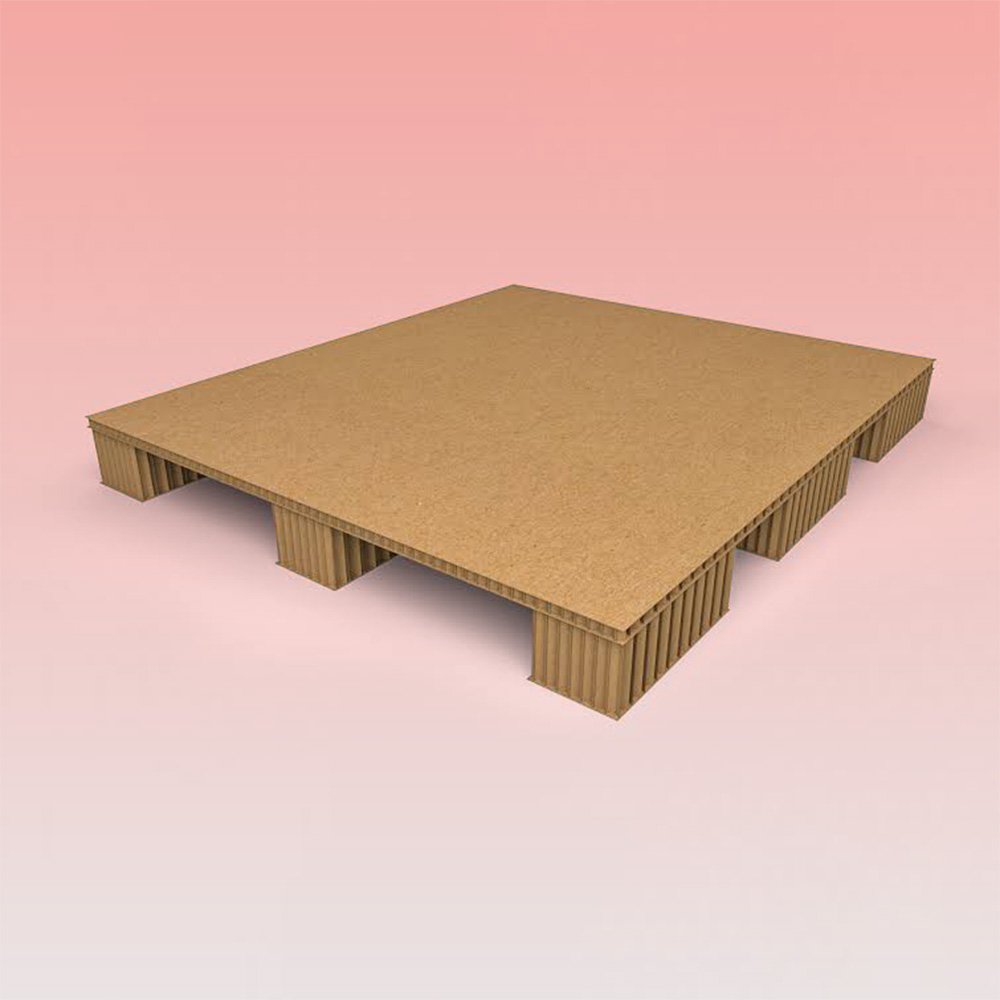
Display boxes in the USA are manufactured using high-quality cardboard, Kraft paper, and rigid materials. Provided employing eco-friendly, biodegradable, and sustainable materials to meet the green standard
Inserts and dividers hold each product where it belongs. Neighbouring items stay clear of each other. That means less movement, less rubbing and fewer knocks in transit and storage. Our range covers cardboard box divider inserts, cell box dividers, corrugated partitions and pads. All come in standard sizes or custom builds.
Dividers stop items from scratching or knocking into each other. Inserts give each item a fixed spot. Cushioning is a different job. It absorbs the shock of drops and impacts, and some designs do both. Pins are a good example of small items that slide around. So custom enamel pin packaging often gives each piece its own spot.
Cardboard box divider inserts are corrugated strips that slot together inside a box. They split the space into neat sections. Cell box dividers form a grid of compartments for items that ship in sets, such as bottles, jars, or tins. We also supply these formats:
Here are six checks to run before you choose:
Flat, soft items like holographic mylar bags usually sit better on a pad. Separate compartments are rarely needed.
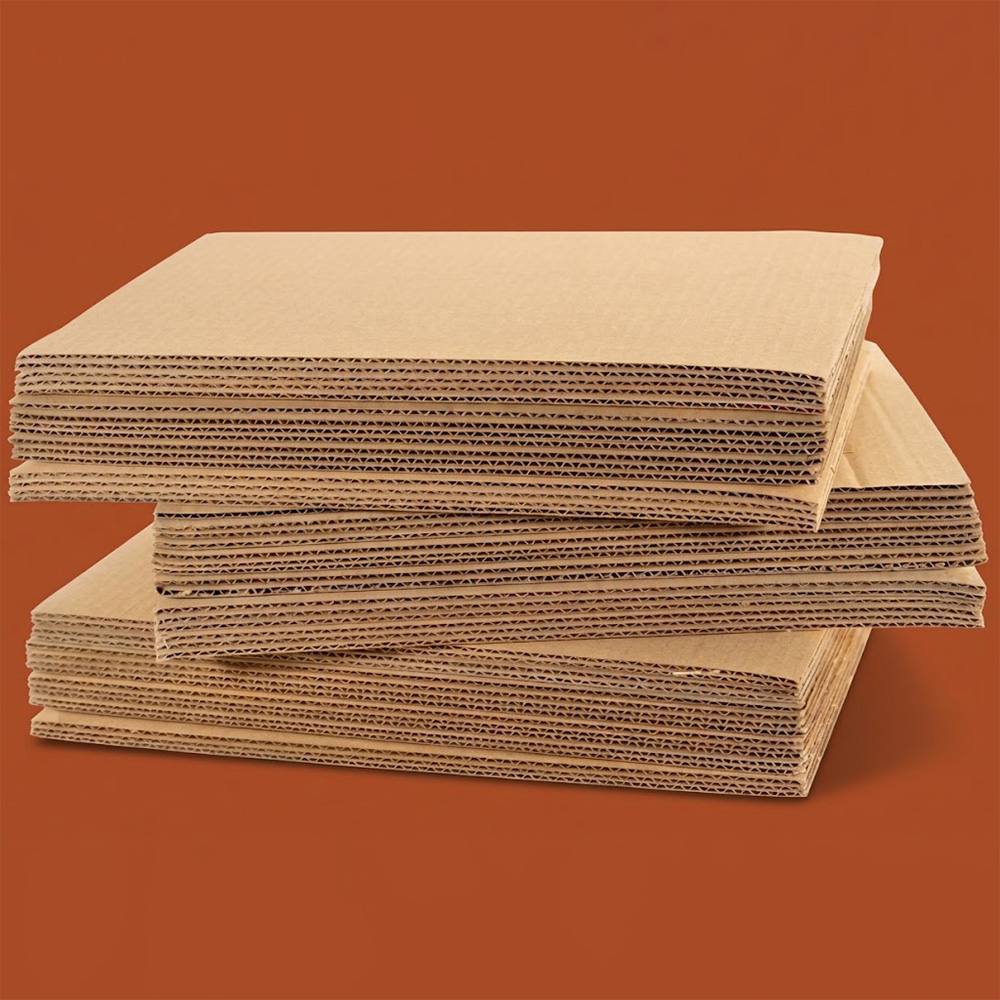
Corrugated cardboard is the main material for our dividers and partitions. It is light and easy to size. A simple corrugated pad keeps stationery sets flat. Custom wedding card boxes are a good example.
Foam and plastic are available for some product ranges. Food contact, antistatic protection and recyclability vary by product. Check each one with us before you order.
We have five years of packaging experience and deliver across the USA. You can order standard sizes, or send us your measurements for a custom option. One supplier covers your boxes, inserts and dividers. That keeps fit and sizing consistent. We also offer menu printing, so printed material can come from the same supplier.
You can order directly from Hale Path Packaging. To get a quote, start with the inside dimensions of your box. Then add the product’s size and weight, and how many items go in each box. Got a compartment layout? Attach it. Then tell us the material you prefer, how many you need and where they are going. If you are packing printed cards, such as custom conservation cards, tell us how many sit in each stack. Our minimum order quantity is 100 units, and turnaround time is 7 to 14 working days.
A drawing or photo helps. We read through your details and send back a quote. Final specifications and pricing are confirmed in that quote.
Inserts are shaped or cut components that hold a product in place inside a box. They stop movement and give the product a fixed position.
An insert holds a product in one set position and is often shaped to fit it. A divider splits the box into sections so items stay apart.
They are also called partitions, cell dividers, separators or dividers. A cell divider forms a grid of compartments.
It is the packaging layer that limits movement, contact and shock during shipping and storage. Inserts, dividers and pads are all part of it.
They can be, for separation. They stop items hitting each other. A basic divider may not hold up for heavy or very delicate products. If you want our cardboard packaging boxes, first of all, you inform us what you ship and we will suggest what works.
Pick foam when a product needs shock absorption or a cut-out to sit in. Pick cardboard when items only need to stay apart.
Yes. Send us the inside dimensions of your box and we will quote a divider that fits it.
Send the inside length, width and height of your box. Add the size of your items and how many you pack per box. Add the product weight if possible.
It depends on the box size and the item size.
Plastic is often chosen for repeat use, but only if we offer it for your product.