Eco-Friendly Christmas Gift Boxes: What “Certified” Really Means for Your Brand
Eco-Friendly Christmas Gift Boxes: What “Certified” Really Means for Your Brand
If you sell candles, coffee, food gifts, or cosmetics, you’ve probably thought about putting “eco-friendly” on your Christmas packaging this year. So has almost everyone else. The problem is that nothing stops a brand from printing “green” or “sustainable” on a box with no proof behind it, and most customers can’t spot the fake from the real thing just by looking. A claim nobody’s checked isn’t a claim. It’s just text on a box.
Why Does Certification Actually Matter?
Certification is proof. Without it, “sustainable” is just a word a brand chose to print. Nothing stops that from being untrue. Certification changes that. An outside organisation checks the material, traces where it came from, and confirms it meets a real standard. Nobody just takes the brand’s word for it. Here’s why chain-of-custody documentation matters for Christmas packaging specifically:
- Proves a sustainability claim instead of just stating it
- Builds customer trust that carries into repeat purchases
- Protects the brand from being called out for greenwashing
- Applies across paper, ink, void fill, and finishing materials, not just the box
Trying to make Christmas packaging genuinely sustainable rather than just labelled that way? This guide walks through what certification actually covers, which certifications are worth paying attention to, and how all of that plays out differently across product categories, so you can order eco-friendly Christmas gift boxes you’re actually able to stand behind.
The Certifications That Actually Mean Something
Compostable certification (BPI, or similar third-party bodies) is what actually confirms biodegradable packaging materials are what they claim to be. Not every “compostable” label deserves equal trust. A real certification means the material’s been tested to actually break down within a set timeframe under real composting conditions, whether that’s industrial or home, depending on which certification applies. A “compostable” claim with no certifying body standing behind it is worth a raised eyebrow.
Recyclable content verification, a core part of post-consumer recycled content claims. Rather than a vague “recycled content” claim, some suppliers will actually verify what percentage of the board is recycled material. That number is what gives a brand something real to say in its own marketing, instead of a claim that falls apart under any scrutiny.
What This Looks Like for a Christmas Gift Box Specifically
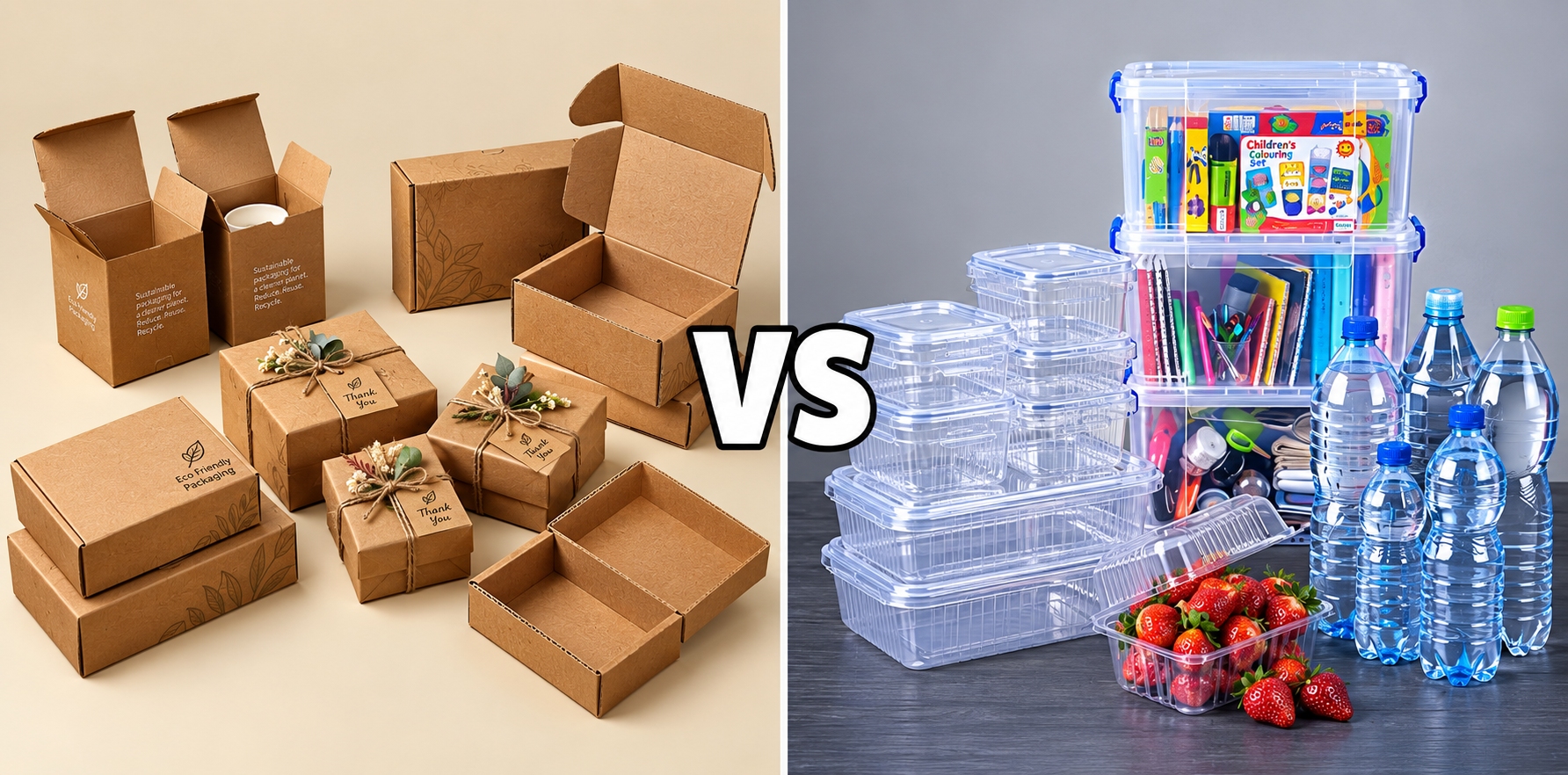
A genuinely certified eco-friendly Christmas box tends to show up as some combination of the following: verified responsibly sourced paperboard on the outer structure, sustainable void fill materials in place of plastic air pillows, soy-based printing inks rather than solvent-based ones, and as little non-recyclable material- foil lamination, plastic windows, as the design can get away with.
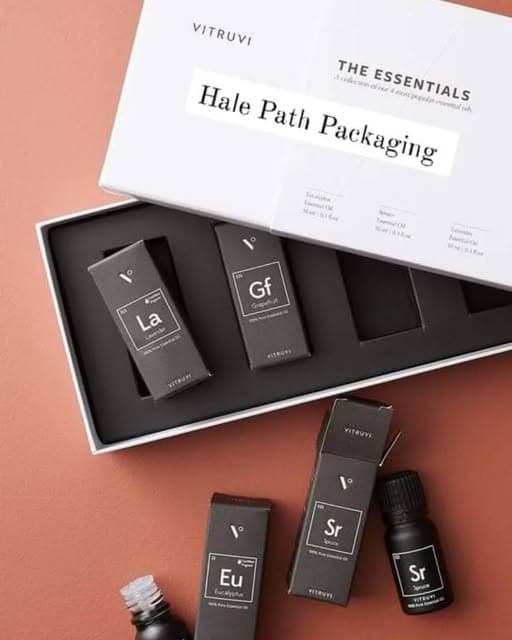
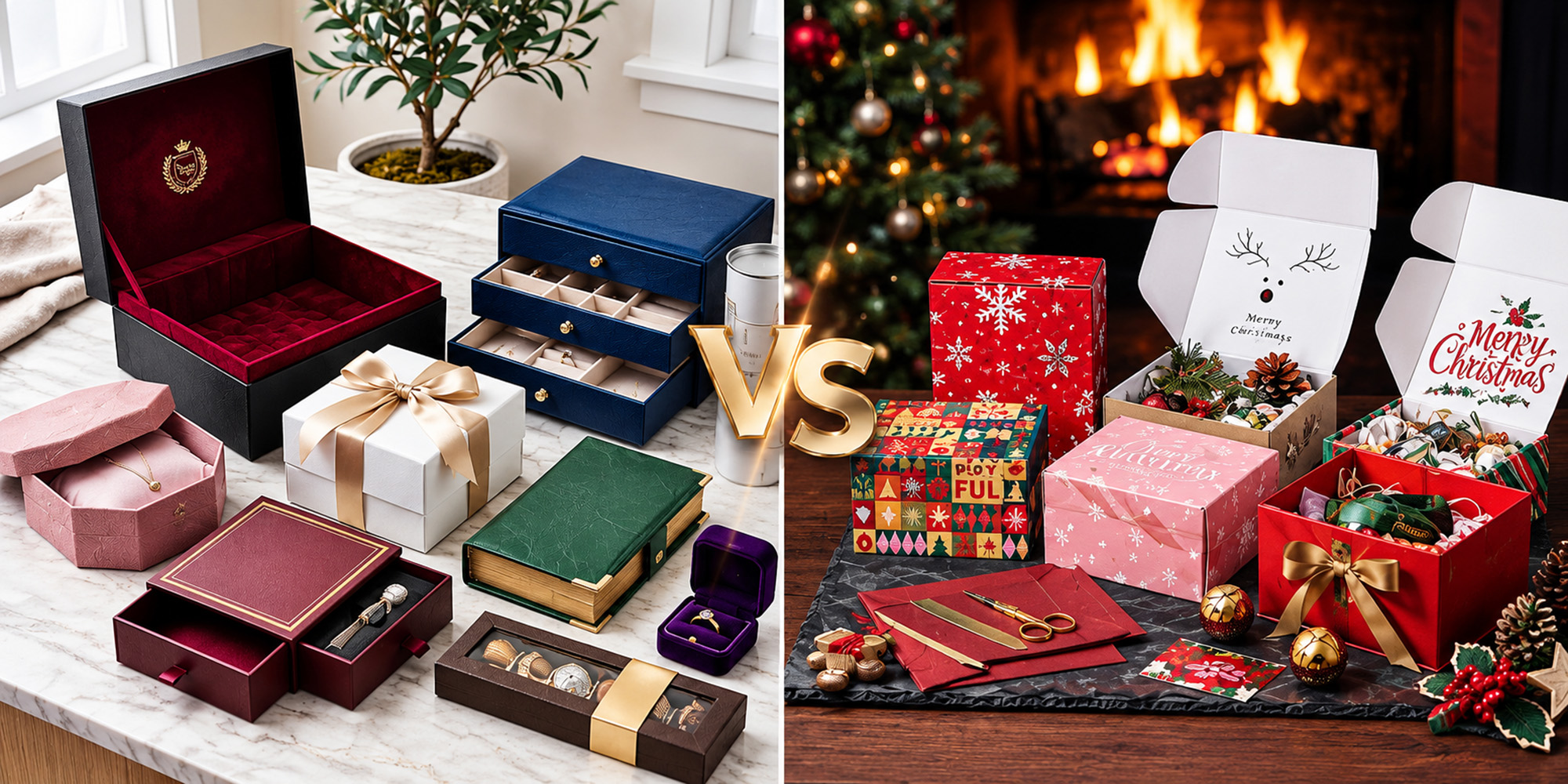
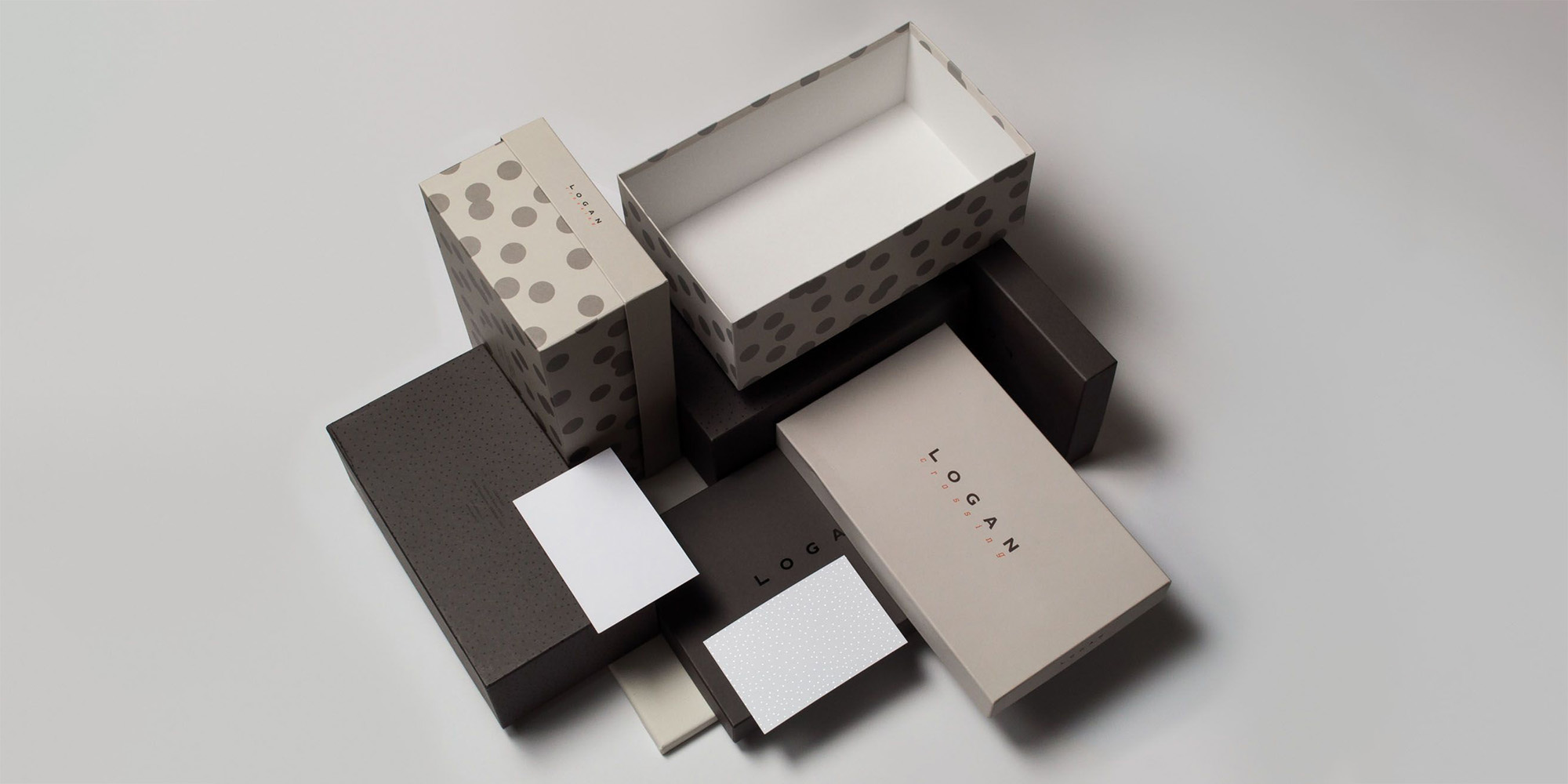
None of that means giving up the premium look. A Luxury Rigid Box USA still holds onto its weight and presentation with verified sustainable board and a compostable divider system inside; the certification is about where the materials come from, not how the finished box feels in someone’s hands.
Certification and Product-Specific Packaging
Certification isn’t just relevant to plain gift boxes. It applies across almost every sustainable holiday packaging format a brand might use over the holidays.
- Food and snack brands: Seasonal treats packed into Popcorn Packaging Bags USA or Rice Packaging Bags USA do best when the product’s own marketing already leans thoughtful or better-for-you. The packaging claim and the product claim need to line up, once anyone reads past the front of the bag, a mismatch there is one of the quickest ways to lose their trust.
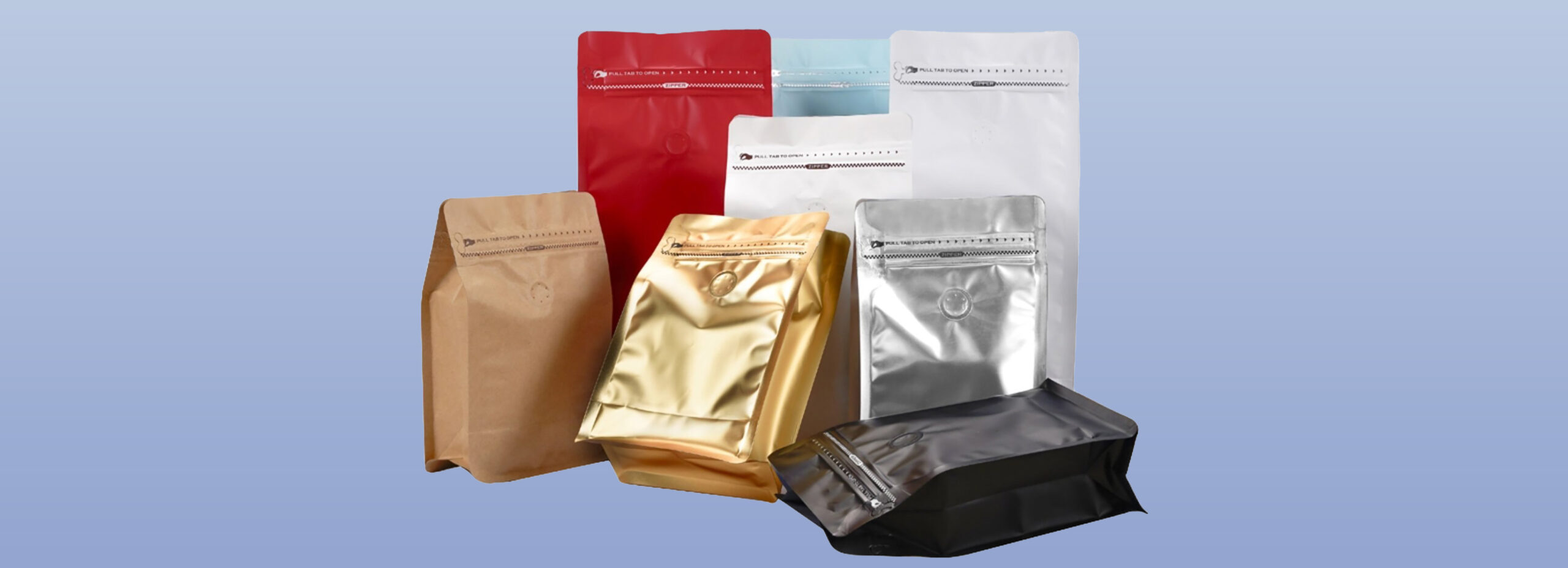
- Coffee brands: Holiday gift sets built around Flat Bottom Coffee Bags USA deserve a closer look, since coffee packaging usually pairs a barrier-film layer with a paper layer, and certification often only covers the paper side unless the supplier has separately verified the film. Don’t assume the whole bag is covered, ask.
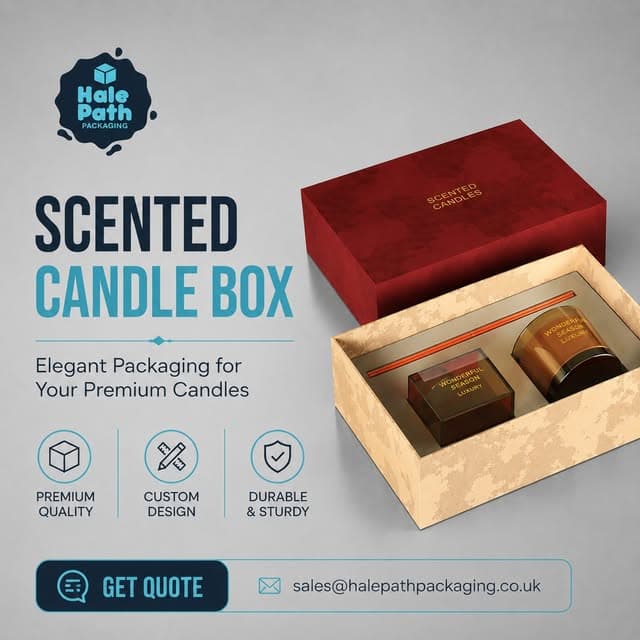
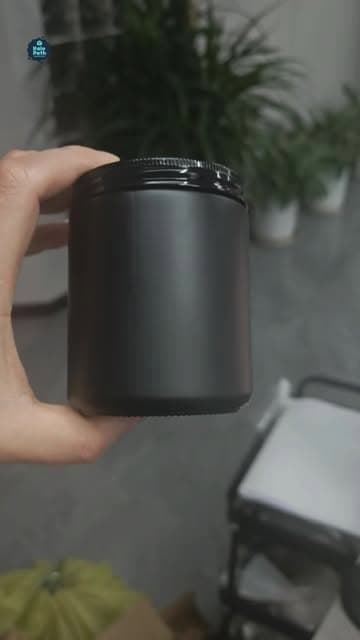
- Candle brands: Premium presentation matters most here during Christmas, and Candle Kit Boxes USA and Candle Shipping Boxes USA can both carry certified sustainable board. For brands running dividers to protect glass jars, a compostable moulded pulp option checks the certification box while still doing the structural job a plastic insert would otherwise handle.
- Pet and specialty gift brands: Even niche seasonal categories benefit from the same scrutiny, a certified paper stock and recyclable void fill work the same way regardless of what’s inside the box, so the certification question is worth asking on every format, not just the obvious ones.
Certification Doesn’t Stop at the Box
A Christmas gift often involves more than one packaging component, and certification claims fall apart fast if only one piece of the puzzle is actually certified while the rest quietly isn’t.
Ribbon Boxes USA and any decorative finishing elements deserve the same scrutiny as the box itself. A certified box tied with a synthetic, non-recyclable ribbon sends a confusing message. Anyone paying attention will notice. A genuinely sustainable gift means every visible piece meets the same bar, not just the easy ones to certify.
The same logic applies to resealable or zippered formats used for smaller gift items. A Food Packaging Pouch with Zipper USA with a recyclable structure supports the same brand story a certified outer box is telling, rather than working against it.
Structural formats matter here too. A Flip Top Rigid Boxes USA style can be built with certified board just as easily as a standard telescoping box, so switching to a more premium closure doesn’t mean stepping away from a sustainability commitment.
6 Tips for Getting Certification Right This Season
- Ask for real documentation, not just a logo. A certification mark sitting on a spec sheet doesn’t count for much unless there’s a certificate number or chain-of-custody paperwork to back it up.
- Find out exactly what’s covered. Board being verified doesn’t automatically mean the ink, void fill, or ribbon that comes with it meets the same standard.
- Match the packaging claim to the product claim. A certified box around a product with no sustainability angle of its own can read as inconsistent rather than convincing.
- Verify percentages, not just labels. “Recycled content” without a number attached is a lot easier to challenge than a supplier-confirmed percentage.
- Ask early, not after the order ships. Lead times on certification paperwork can push out a production schedule, so it’s worth confirming that documentation exists well before the holiday crunch hits.
- Hold every visible element to the same standard. Ribbon, void fill, printed inserts, the box itself, all of it needs to clear a comparable bar, or the weakest piece drags down the whole claim.
How to Design Exclusive Gift Packaging for Christmas That Sells
A few practical points make the real difference in packaging that actually helps a business grow:
- Get the size right: The box should fit the product snugly. Too big, and it looks empty and cheap. Too small, and the product simply won’t sit right inside it.
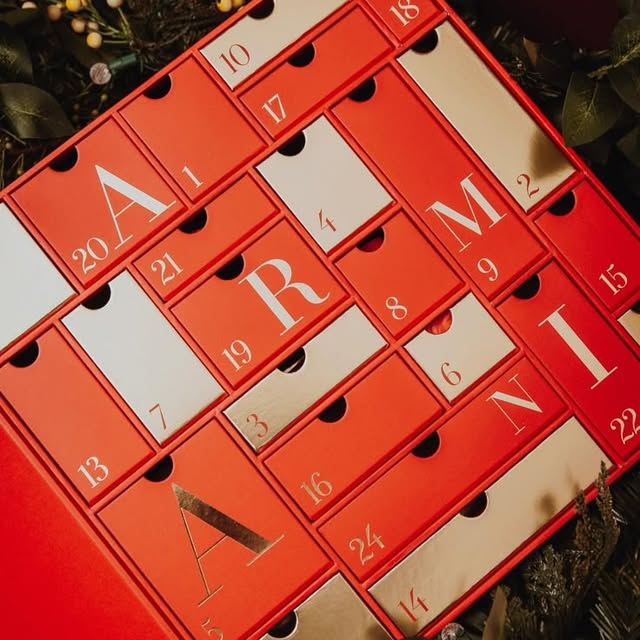
- Colors and artwork that still work: Red, green, gold, and white haven’t stopped selling at Christmas. A star, a snowflake, or Santa Claus does the rest of the work.
- Branding people can spot fast: Logo, brand colors, a slogan, whatever gets a customer to recognize the product without reading a word.
- Less is usually more: Cram too much onto a box and nothing stands out. Pull back and the important parts get noticed.
- Print quality shows: Vivid, sharp colors look expensive. Faded or muddy ones look cheap, no matter what’s inside.
- A finishing touch goes a long way: Foil, embossing, a matte coat, small details that make a box feel worth more than it cost.
Cost Benefits of Ordering Custom Christmas Gift Boxes
You might be worried that custom packaging will cost too much. In practice, custom boxes can save money while bringing real value:
- Bulk ordering: Ordering in larger amounts results in a lower per-box cost.
- Reduced wrapping costs: Custom boxes replace the need for expensive, time-consuming extra wrapping.
- Less damage, fewer returns: A box that actually protects the product means fewer replacements coming out of the budget.
- Repeat buyers: Packaging people notice does more than look nice, it builds the kind of loyalty that brings customers back.
- Marketing at no extra cost: Your branded holiday box works like free advertising.
At Hale Path Packaging, we offer competitive pricing and discounts on bulk orders, making it easy and cost-effective for your business to get custom Christmas gift boxes.
Questions Worth Asking a Supplier Before You Order
Is the certification specific to the actual board or paper going into this order, or does it just apply broadly across the supplier’s catalogue?
Can they provide a certificate number or chain-of-custody documentation, rather than just a logo sitting on a spec sheet?
Does the certification extend to ink, void fill, and any ribbon or finishing elements, or only the primary board?
If this is a first order and you’re still working through what a custom packaging timeline actually looks like, it’s worth reading through our guide on first time ordering custom Christmas packaging alongside this one, since certification lead times can sometimes affect the overall production schedule.
Why This Matters More at Christmas Than Any Other Time of Year
No other season puts eco-conscious gift packaging through this much scrutiny. People keep gift boxes around, take photos of them, sometimes find a second use for them. Any other month, packaging gets torn open and tossed without a second thought, but in December, a certification claim that doesn’t hold up gets noticed, and that costs a brand more than it would at any other time of year.
This isn’t about following a trend. It comes down to one test: is the claim on the box in November still true in December? Brands that apply that test to every packaging decision, not just the seasonal ones, are the ones who actually earn the trust a green label carries, instead of just borrowing it for a few weeks.
What Happens to a Brand That Gets This Wrong
Overstating a sustainability claim doesn’t stop being a risk once the holiday rush ends. A customer unwraps a gift, notices the packaging doesn’t quite live up to what’s printed on it, and goes looking for answers. That gap tends to stick in their memory longer than the gift itself does. One mismatched claim, a “compostable” box with no certifying body behind it, a “recycled” label with no greenwashing prevention check, can undo months of careful brand positioning in a single social media post or review.
This matters even more for brands that have spent real time and money building a sustainability story across their other marketing.
- A Christmas gift box is often the most physical, most photographed touchpoint a brand has all year, which makes it the easiest place for a gap between claim and reality to get noticed.
- Getting certification documented before the holiday season starts isn’t just a compliance exercise. It’s protection for everything else the brand has already built.
- A supplier who’ll hand over a certificate number or chain-of-custody paperwork is worth more than one who just says the right words. That paperwork is what a brand can actually put in front of a customer, a journalist, or a regulator who wants proof, not just an answer.
Conclusion
Certification isn’t a checkbox. It stops a claim from falling apart the moment someone asks a real question. Getting Christmas packaging right means third-party certification standards back the “eco-friendly” label, every piece matches, box, ribbon, void fill, ink, and the design still looks good enough to sell. Get that right, and sustainable packaging costs a brand nothing in premium feel or margin. It builds both, and gives a customer a reason to come back next year.
Sustainable packaging done right makes a gift feel more special and gives customers real peace of mind. This guide covered what certification actually means and how it plays out across different product types, worth passing along to another brand gearing up for the season.
Written by the Hale Path Packaging team, packaging specialists with over a decade of experience supplying certified sustainable packaging to candle, gift, food, and seasonal brands across the United States, working directly with clients on certification documentation and material sourcing ahead of the holiday season.