Mascara and Small Cosmetic Boxes: Getting Low-MOQ Cardboard Packaging for the Smallest SKU in Your Line
Mascara and Small Cosmetic Boxes: Getting Low-MOQ Cardboard Packaging for the Smallest SKU in Your Line
A mascara box is small enough that FDA rules actually change the required ingredient type size (1/32 inch instead of 1/16 inch under 12 square inches), and MoCRA’s small-business exemption doesn’t automatically apply to eye-area products. Getting low-MOQ cardboard packaging right for a launch SKU means matching print run to real sell-through, not defaulting to the same volume tier as an established bestseller.
A note on scope: this guide is written around US FDA and MoCRA requirements, since that’s the regulatory framework a mascara launch selling into the US market has to meet – worth flagging if you need the UK/EU equivalent (Cosmetic Products Regulation, INCI labelling under UK/EU rules) instead.
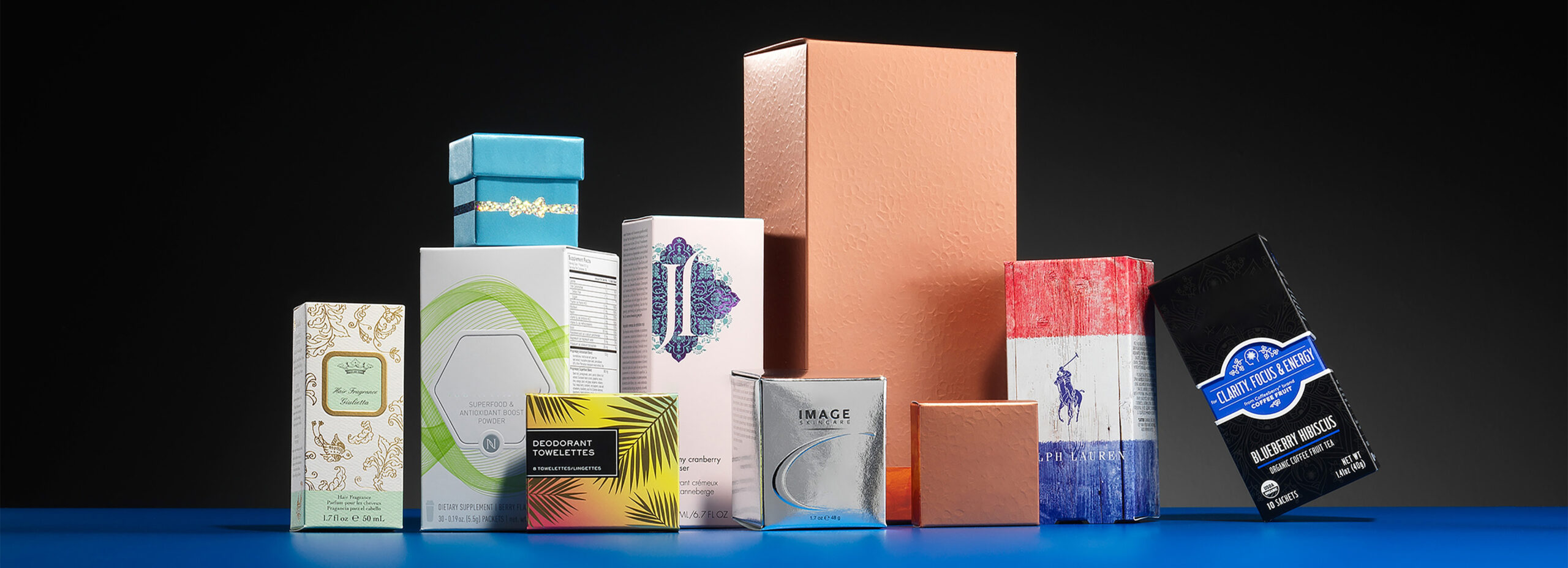
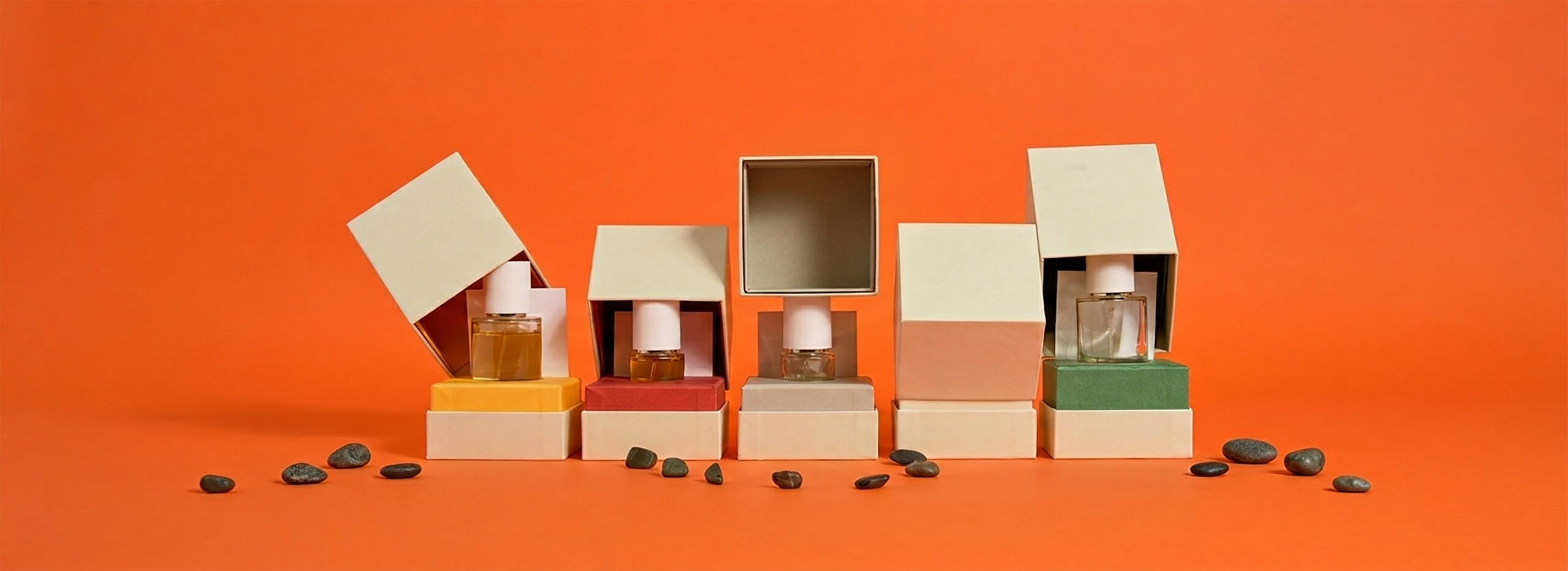
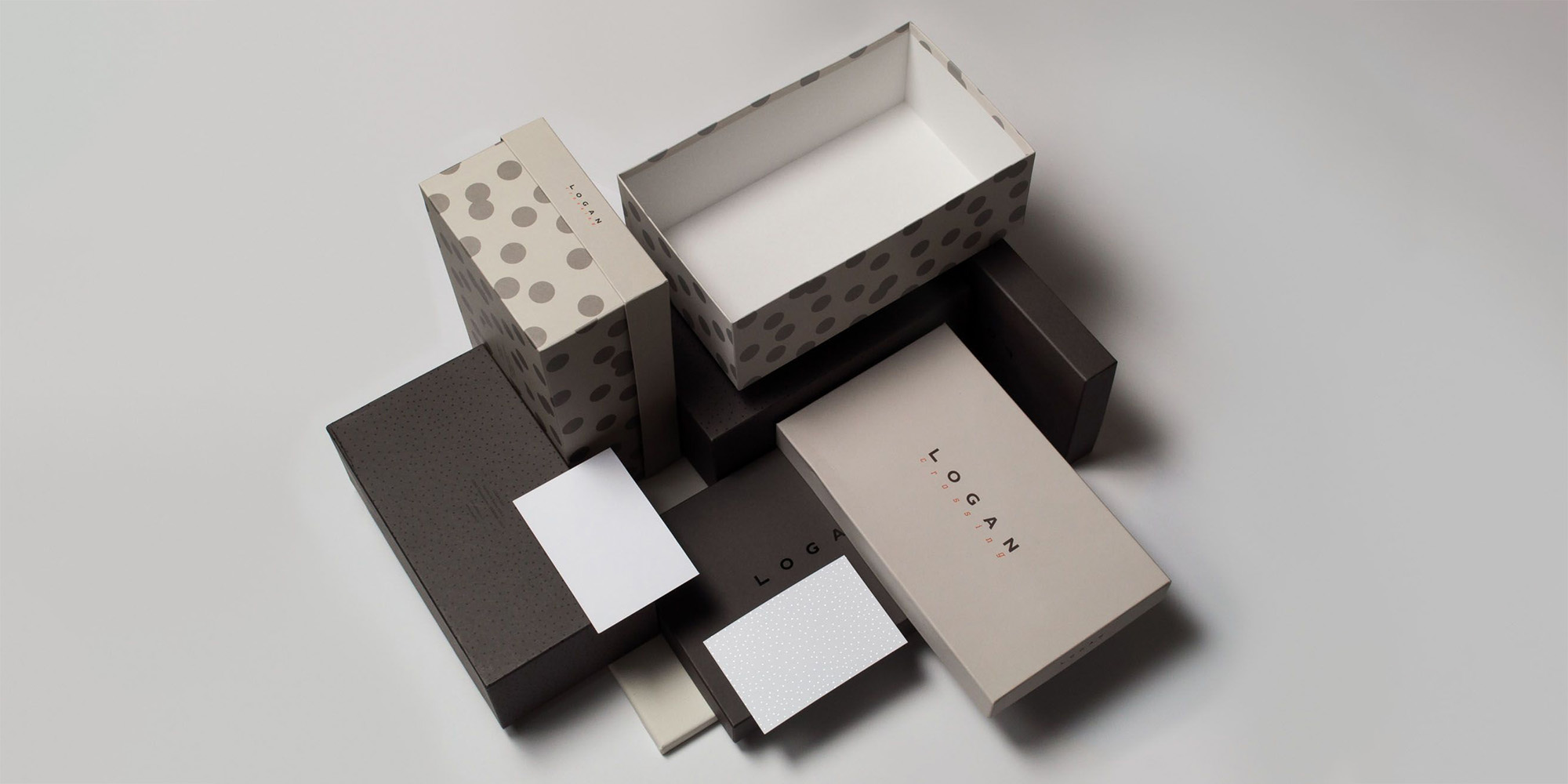
A mascara tube is one of the smallest items a beauty brand ships. It is also one of the hardest to package well. The box has to carry a logo, a full ingredient list, and enough shelf presence to compete with established brands – the same frame presence problem retailers face on their own custom counter display boxes. All of that on a print smaller than a credit card. For brands sourcing low-MOQ mascara small cosmetic boxes, the real work is finding a printer who treats a 100-unit order with the same respect as a large run. Our small run print experts field this query weekly from brands testing a new SKU for the first time.
Why the Smallest SKU in Your Line Deserves Its Own Packaging Plan
A full product line usually has a hero SKU and a long tail of smaller, less predictable items. Mascara almost always sits in that second group. Order volumes swing with a single influencer mention or a seasonal shade drop. That makes a large print run riskier here than it is for a bestselling moisturiser.
The Problem With Treating Every SKU the Same
Printing every box at the same volume tier wastes budget on the slow movers. It also underinvests in the ones that could scale. A brand ordering 5,000 units of its selling foundation and 5,000 units of a new mascara launch is overcommitting on the mascara. Small cosmetic packaging for newer products almost always benefits from starting small and reordering once real sales data comes in.
Why This Counts More for Brands Right Now
Independent beauty brands’ in-store sales grew 11.2% year-on-year, against flat (+0.1%) growth for conglomerate-owned brands, according to NielsenIQ data for the 52 weeks ending November 2025. A new SKU can be traded out for one social post. That kind of swing is exactly why committing to a large print run before launch is risky. Testing a new SKU before committing to a full production run is what keeps a launch financially sane.
What Counts as Low-MOQ Cosmetic Packaging?
Low MOQ cardboard packaging means a supplier will print custom boxes below the 500 to 1,000 unit range that large format corrugated printers require. For a folding carton the size of a mascara box, that threshold is much lower.
| Supplier type | Typical minimum order | Best fit |
|---|---|---|
| Large corrugated printers | 500 to 1,000+ units | Shipping cartons, bulk retail packaging |
| Standard cosmetic box printers | 50 to 100 units | Established SKUs with steady reorders |
| Low-MOQ digital printers | 10 to 50 units | New launches, limited editions, sampling |
Digital printing produces the lower end of that range. There’s no plate to produce, so a folding carton press can run a short digital job economically. A litho or flexo press can’t do the same. That’s why printed packaging with no minimum order has become such a standard search term among small beauty brands testing a new shade or format.
How Much Does a Custom Mascara Box Cost?
Price depends far more on print method and finish than on the size of the box. A mascara carton uses so little material either way.
| Print run | Typical cost per unit | What drives the price |
|---|---|---|
| 10 to 50 units, digital | $1.50 to $3.00+ | No plate cost, but setup is spread over very few units |
| 250 to 500 units, digital or short-run offset | $0.80 to $1.50 | Setup cost starts spreading across more units |
| 1,000+ units, offset | $0.40 to $0.90 | Plate cost is fully amortised, unit price drops sharply |
The jump from 50 units to 1,000 units looks dramatic per box. It rarely changes total spend as much as it seems, since the smaller run is a smaller total investment to begin with. Compare total cost at your actual expected volume, not the headline unit price a supplier quotes at their best tier.
Folding Carton or Rigid Box: Does a Small SKU Require It to Look Expensive?
Many brands assume a small, premium-feeling product like mascara needs a rigid box to compete on the shelf. That assumption can push a new SKU’s packaging cost far higher than the launch requires.
When a Folding Carton Is the Smarter Starting Point
A custom-printed folding carton with a soft-touch or matte layer can read as genuinely premium. It costs a fraction of a rigid box and turns around faster. It’s also far more forgiving of low order volumes. Rigid boxes carry higher minimums and slower turnaround because of the wrapping and assembly process, which suits them better to a mascara SKU that’s already proven repeat demand. Some brands pair a folding carton mascara box with a rigid box for a boxed set; the everyday SKU stays on the faster, cheaper format, and the rigid structure is saved for limited editions.
The FDA Labelling Rule Most Suppliers Don’t Mention for Small Boxes
Most packaging guidance stops at MOQ and print cost. What they miss: a box this small runs into a specific FDA cosmetic labelling threshold, and it changes what has to fit on the board physically.
The 12 Square Inch Rule
Under FDA regulation 21 CFR 701.3(b) and (p), ingredient declarations on a retail cosmetic must appear in type at least 1/16 of an inch in height. If the total labelling surface available is under 12 square inches, that minimum drops to 1/32 of an inch. Mascara cartons fall under that threshold. On a box that small, this is often what makes a full INCI ingredient list fit, honestly, without shrinking the logo to make room.
| Package labelling area | Minimum ingredient type size | Practical effect |
|---|---|---|
| 12 square inches or more | 1/16 inch | Standard panel layout usually fits comfortably |
| Under 12 square inches | 1/32 inch | Smaller type is permitted, so a full ingredient list still fits |
Our small-run print specialists see this exact board layout problem trip up more new mascara launches than any other single issue. Brands lock in artwork before checking whether the ingredient list actually fits the panel, and then have to reprint once the compliance review catches it.
If a product’s package surface is under 12 square inches and the product isn’t enclosed in an outer container like a folding carton, FDA rules under 21 CFR 701.3(i) allow the ingredient declaration to go on a tag, card, or accompanying leaflet instead of the package itself – but that alternative explicitly doesn’t apply once the product is enclosed in a printed carton. The carton itself becomes the label the moment that happens. Getting the board layout right the first time avoids a reprint once the ingredient block doesn’t fit on artwork proofs.
MoCRA Adds a Second Layer Beyond the Box Itself
The labelling threshold isn’t the only rule that changed recently. The Modernization of Cosmetics Regulation Act (MoCRA) now requires the brand named on a mascara box, not just the contract manufacturer, to register as the FDA’s responsible person for that product, list its ingredients with the agency, and keep that listing current.
There’s a small-business exemption for companies under roughly one million dollars in average annual US cosmetic sales over the previous three years, but FDA guidance is explicit that this exemption does not apply to products that regularly come into contact with the mucous membrane of the eye under customary conditions of use – which is directly relevant here, since mascara is applied at the lash line and can reasonably be expected to contact that area. A growing indie brand launching mascara specifically should not assume the small-business exemption applies without checking this exclusion first.
The box design doesn’t change because of this. The timeline does: packaging and compliance now need to move together, since a box that ships before its product listing is current creates a real problem.
When It’s Worth Scaling Up From a Small-Run Box
Starting small is right for a launch. It isn’t meant to be endless. The signal to move up a volume level is the reorder frequency, not a fixed timeline.
- A SKU that reorders twice within its first two quarters is a strong candidate for the next volume level
- A shade or format that consistently outsells its siblings justifies a larger, cheaper per-unit commitment sooner
- A SKU that sells inconsistently a year after launch is often best left on a smaller, flexible print run indefinitely
- A seasonal or limited-edition SKU rarely needs scaling at all, since a short, controlled run is the whole point
Is it worth switching to bulk cosmetic packaging once a SKU proves itself? The unit price drop at higher volumes is large enough that a proven, reordering SKU pays back the extra upfront commitment within one or two print cycles. Our order planning team typically flags this crossover point as soon as a second reorder comes through, rather than waiting for the brand to ask.
A Quick Look at How This Plays Out for a New Launch
A small beauty brand launched its first mascara alongside three existing skincare SKUs. It started with a 100-unit digital print run, priced to match a limited first batch sold mostly through the brand’s own site. That batch sold out in six weeks. Once reorders started coming through a retail partner, the brand moved to a 1,000-unit run on the same design, cutting the per-unit print cost by more than half without changing the box structure. The skincare SKUs stayed on their existing larger runs the whole time. Matching each SKU’s packaging to its own sales pattern kept the mascara launch from overspending early or running out of stock.
Sustainability Always Matters at a Small Scale
A small print run doesn’t have to mean a plastic-covered, non-reusable box. Uncoated or lightly coated paperboard, printed with water-based inks, stays recyclable at almost any volume. It rarely costs much more than a laminated equivalent at the low end of the MOQ range. Sustainable packaging is something customers actively look for now, and a small first run is the affordable point in a SKU’s life to build that in, instead of retrofitting it later.
Foil stamping, spot UV, and soft-touch lamination can still work on a small run without giving up recyclability, as long as the layer stays thin enough that the board doesn’t need to be reclassified as a compound material. A supplier who checks that at the proofing stage saves a brand from discovering later that a finish choice complicated its recyclability claims – worth asking directly whether reusable cosmetic packaging is available at low MOQ.
Questions to Ask Before You Request a Small Run Box
- What is my realistic sell-through for this SKU in the first 90 days, and does my order size match that?
- Does my ingredient list fit the panel at the type size my package size allows?
- Am I paying a premium for a rigid structure my SKU doesn’t need yet?
- Has my printer quoted a per-unit price at both my launch volume and a likely reorder volume?
- Does my supplier support a digital print run small enough to match my real launch size?
Conclusion
The smallest SKU in a product line doesn’t need to be the hardest one to package. Match print volume to real sell-through. Choose a folding carton over a rigid box until the data says otherwise. Get the ingredient panel sized correctly from the start. These decisions count for more on a mascara-sized box than the headline unit price a supplier quotes. A launch that starts small and scales with real demand almost always ends up cheaper and less risky than one that commits to a large run too early.
Hale Path Packaging produces face wash boxes and white Gift Rigid Boxes USA alongside low-volume window cosmetic boxes for beauty SKUs, so a brand can size its packaging to its actual launch volume and scale up on the same design once reorders confirm demand.
Written by the Hale Path Packaging team