Cups Printing
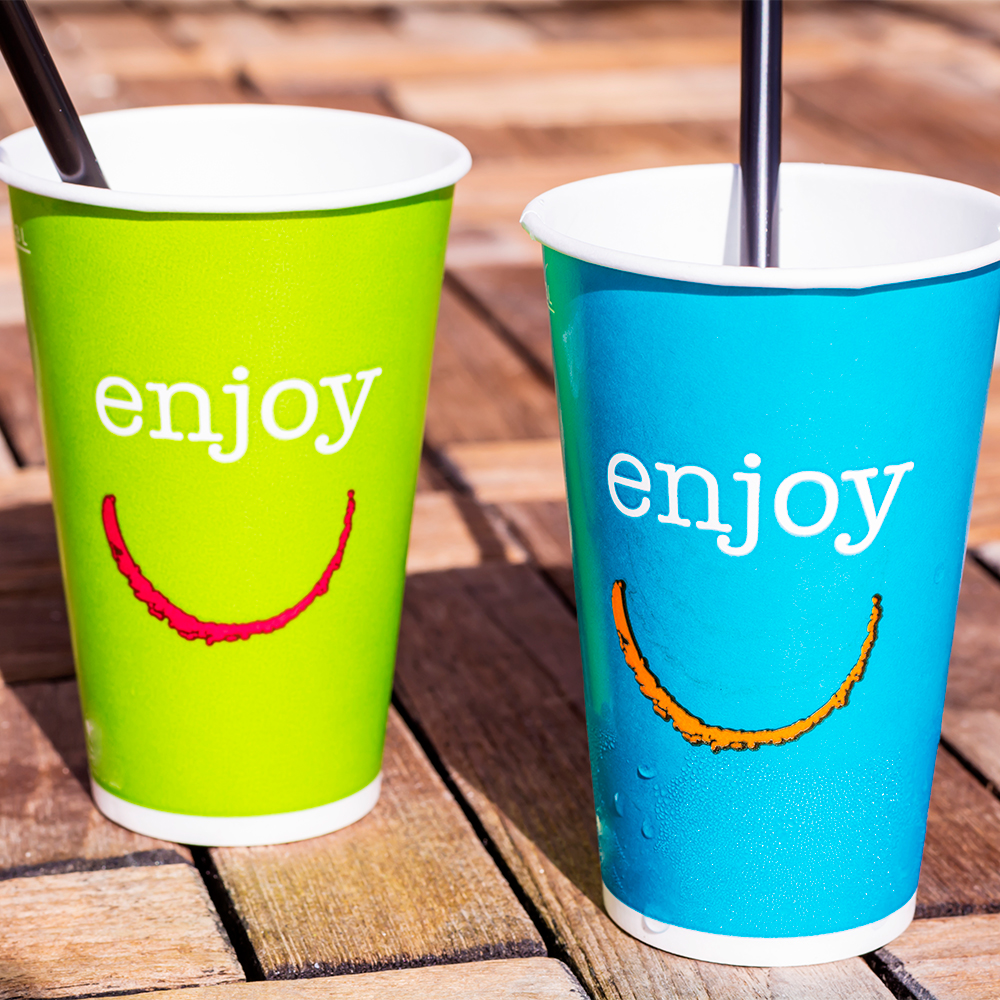
Cups Printing USA covers paper and plastic cup customization through digital, offset, or flexographic methods, each suited to a different order volume and design complexity. Hale Path Packaging runs domestic print production with fast US shipping, low-minimum digital runs, and finishing add-ons like double-wall construction available from the start.
Cups Printing Gallery
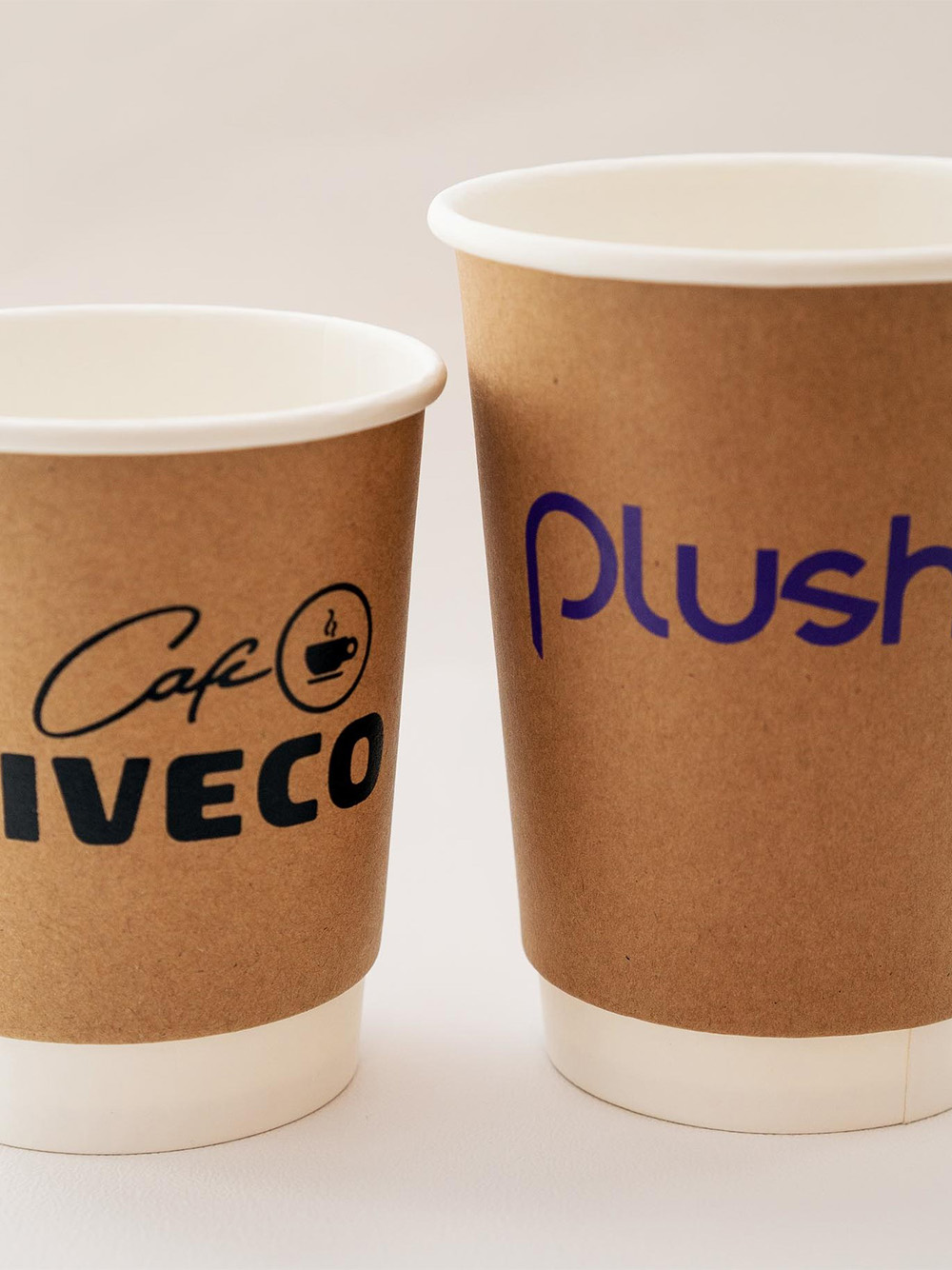

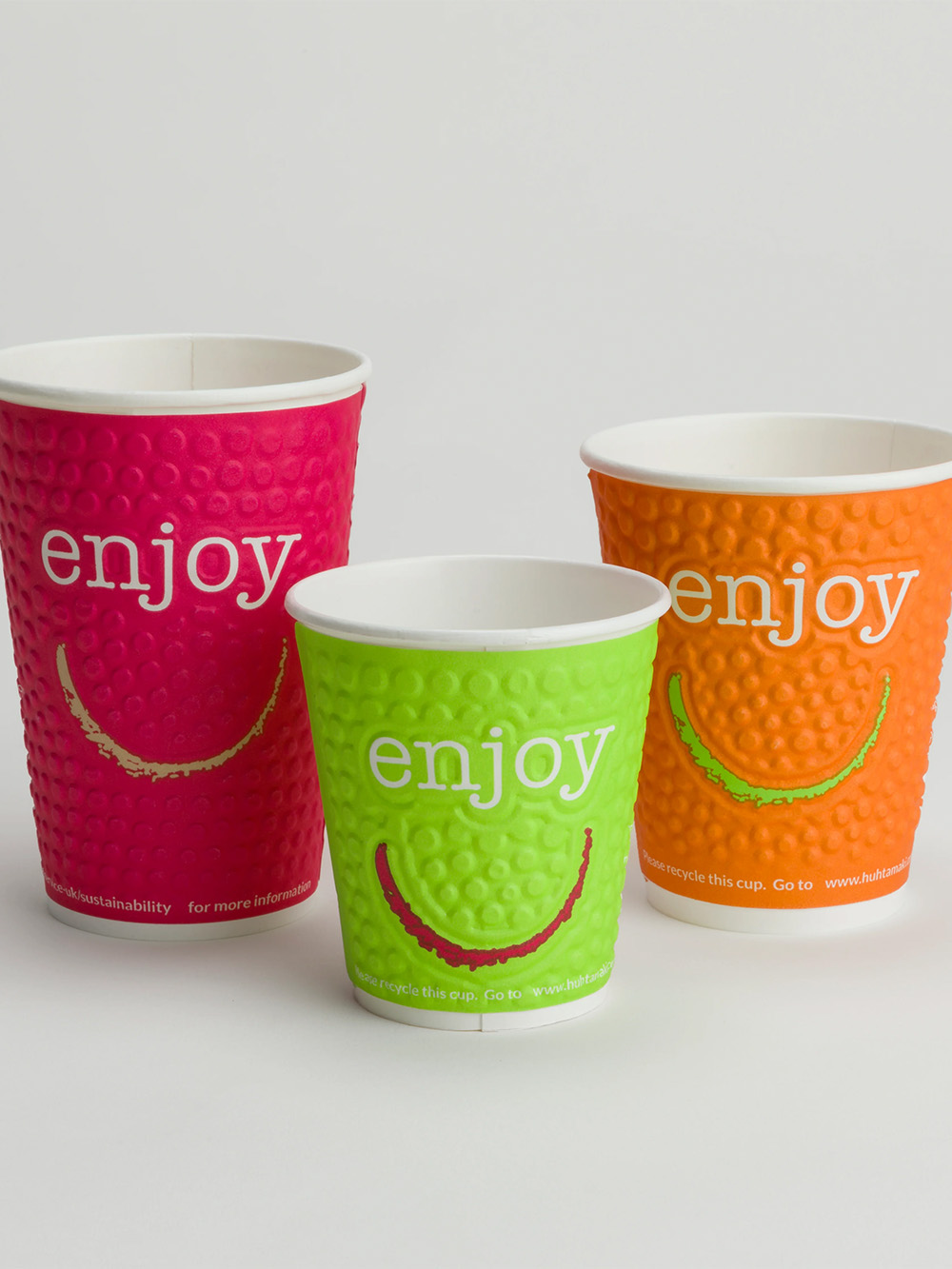
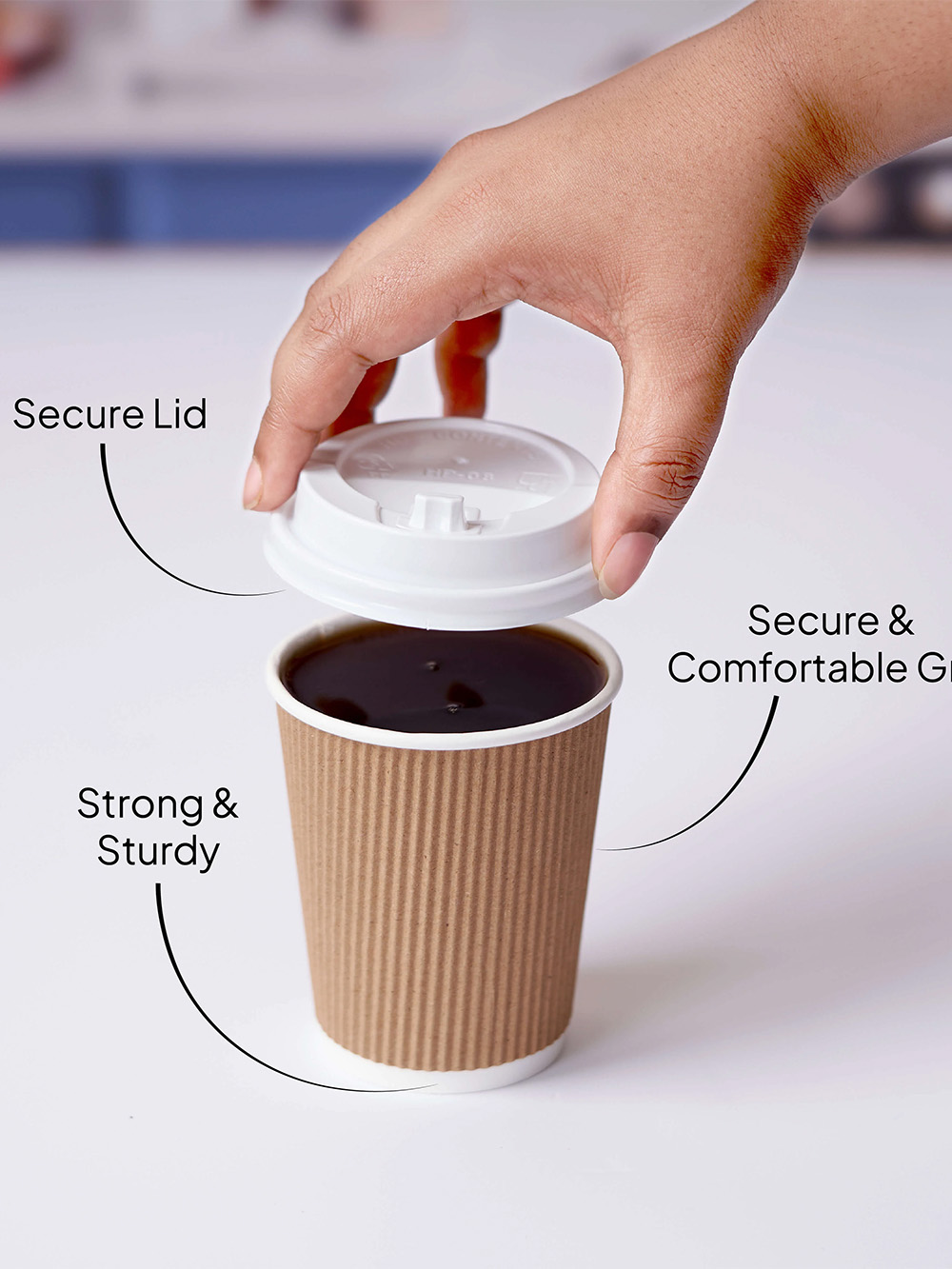
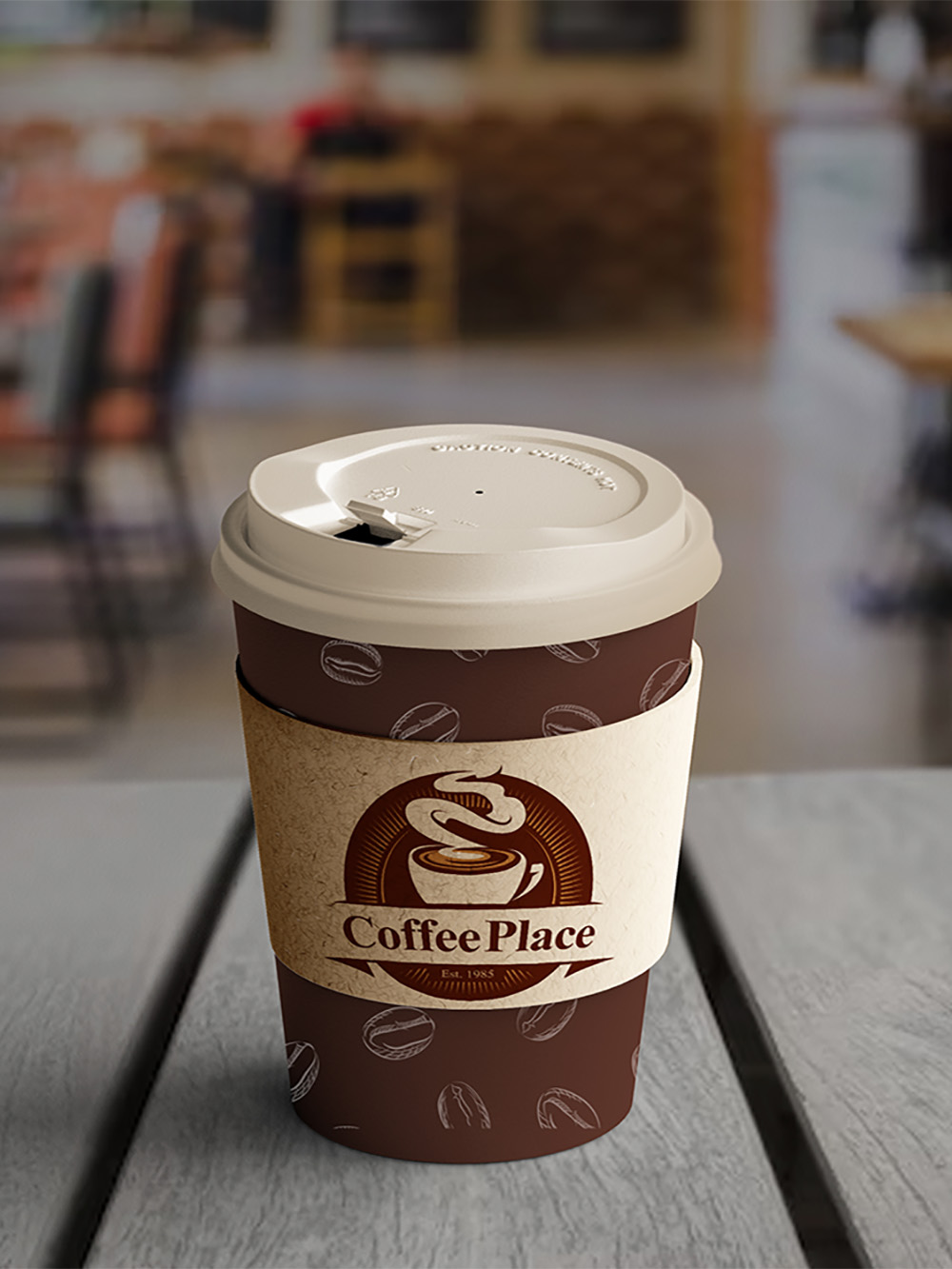

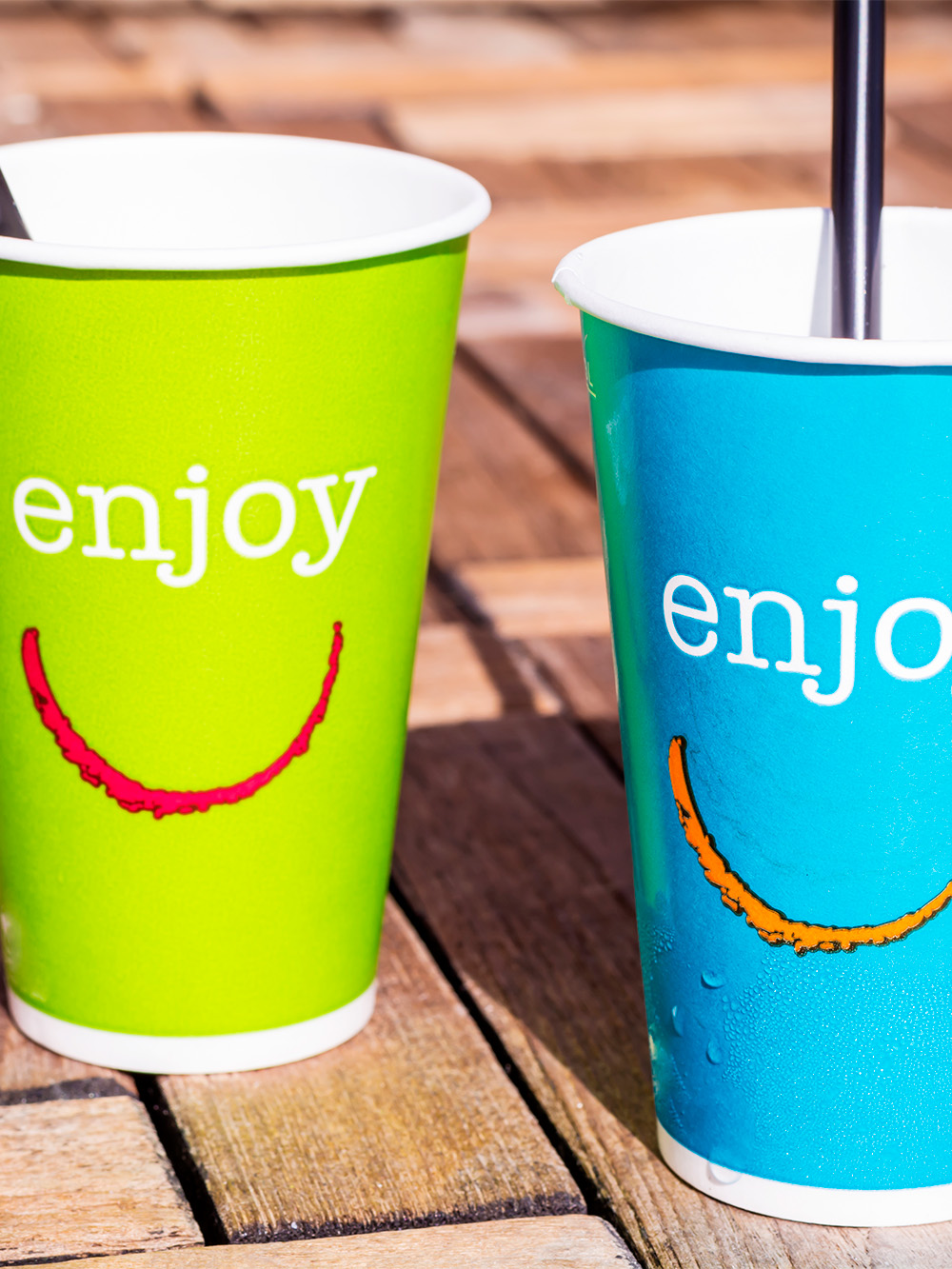


Cups Printing USA: Choosing the Right Method for Your Order
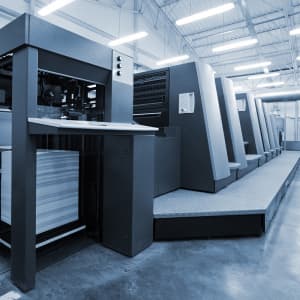
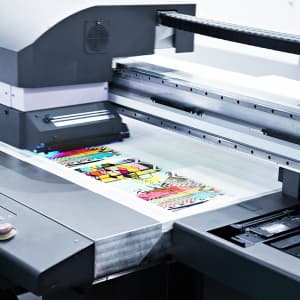
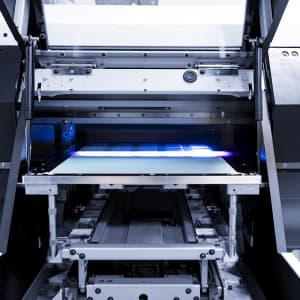
Cups printing USA covers three main methods: digital, offset, and flexographic, and picking the wrong one for your order volume is the most common way brands overpay or undersell their design quality. Digital printing skips plate costs entirely and suits smaller runs or multi-design orders, making it a practical choice for foil pouches USA in shorter quantities, though it caps out at lower colour vibrancy on some substrates. Offset and flexographic printing require plates paid upfront, which only pays off once volume is high enough to spread that cost thin, but they deliver sharper colour consistency and better registration across a full production run. For larger orders, wholesale printed cups USA can make these production methods more cost-effective.
- Digital printing for smaller runs, multi-design orders, or fast turnaround without plate costs
- Offset printing for sharp color accuracy and consistent registration at higher volumes
- Flexographic printing for large-volume runs with strong per-unit cost efficiency
- Full-color, spot-color, and single-color print options across all three methods
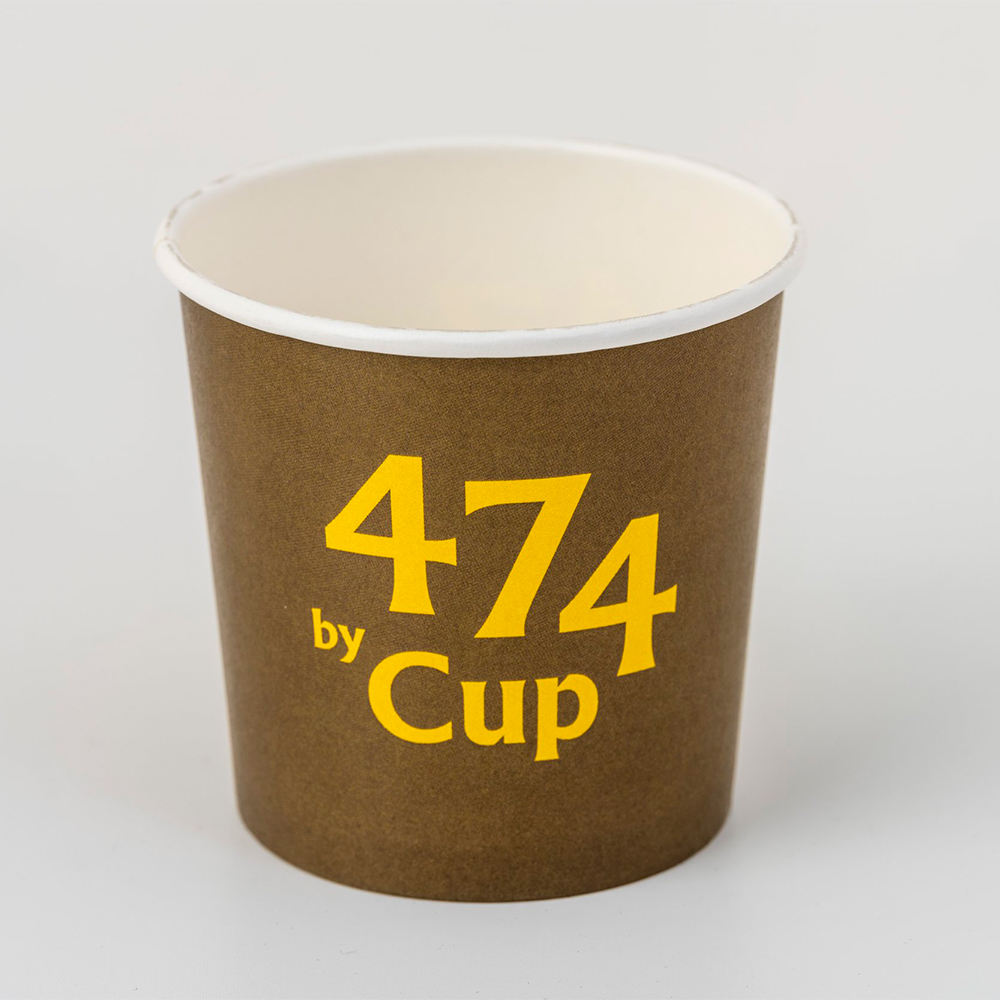
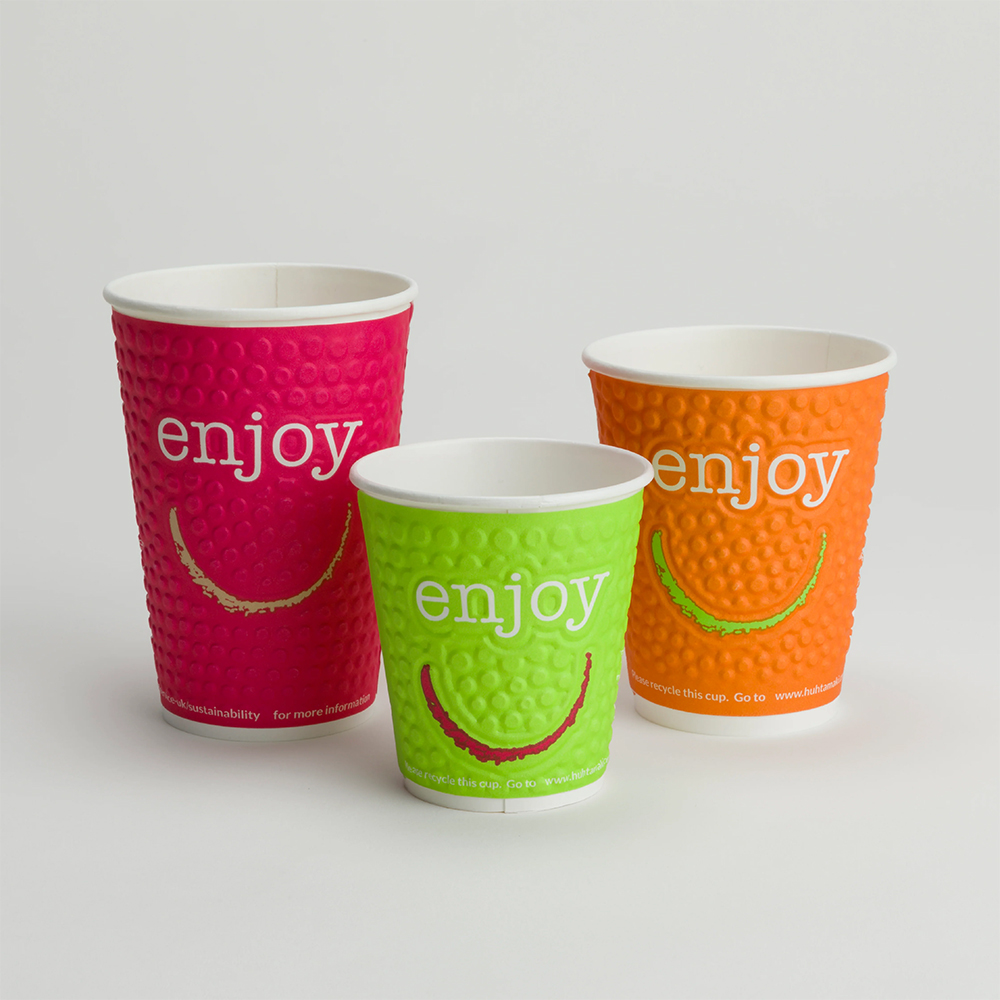
- Custom cup sizes from espresso shots to large soft drink formats
Single Wall or Double Wall: Which Construction Honestly Holds Heat?
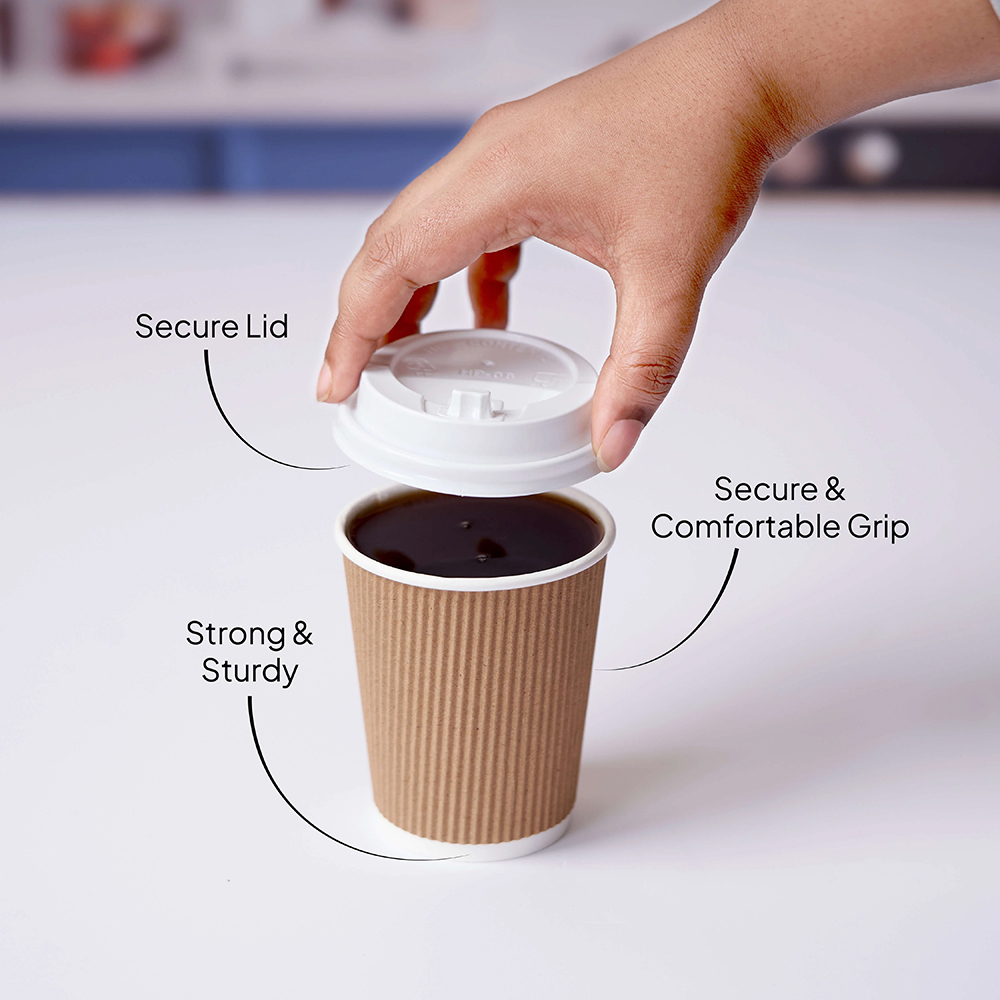
Custom paper cups USA rely on wall construction, not just a surface coating, to manage heat transfer to the hand. A single-wall cup uses one layer of paperboard, typically 8 to 12 point stock, and requires a separate sleeve for hot beverages since the cup wall alone won’t insulate. For businesses looking for branded options, Standup Pouches With Zipper can combine practical wall construction with consistent brand presentation. A double-wall or ripple-wall cup adds a second layer or a corrugated air-gap layer, which insulates directly without a sleeve, at a higher per-unit cost. Choosing based on the coating finish alone, without checking the wall construction, is why some insulated cups still burn hands within minutes of a hot pour.
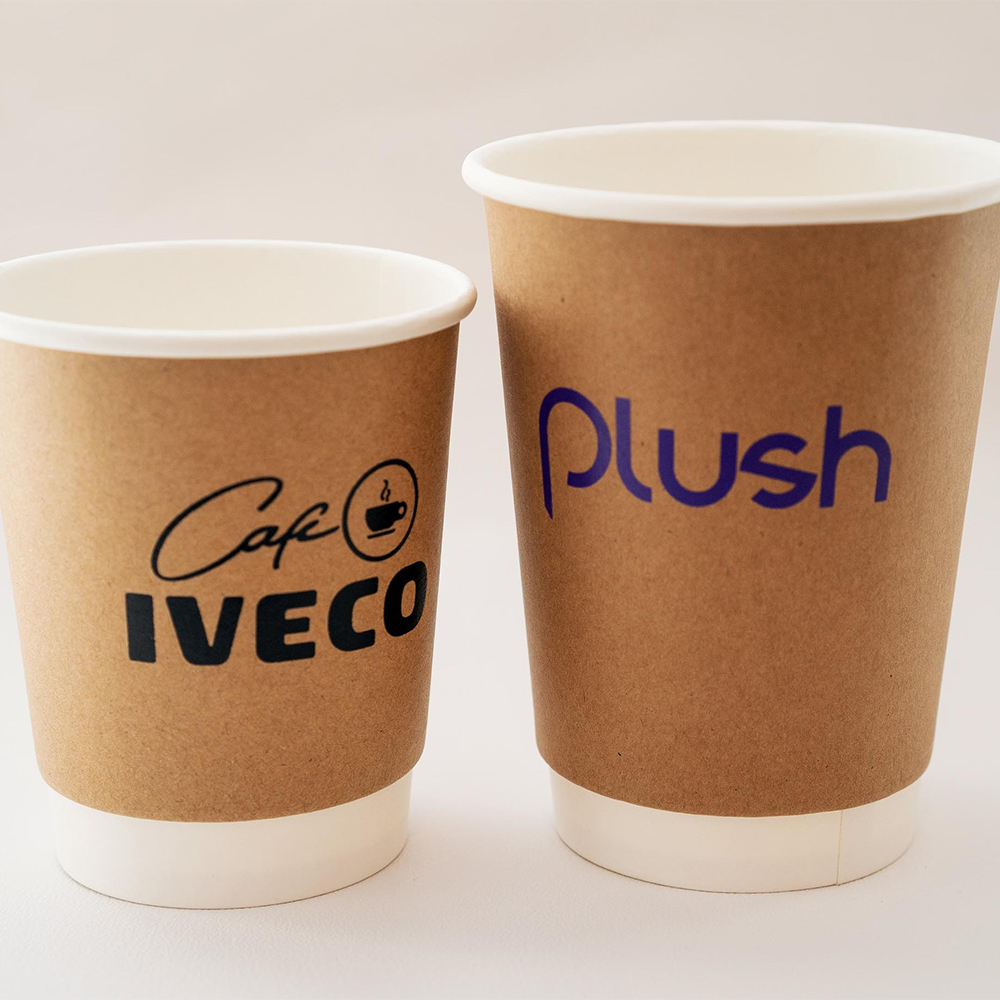
Printed Cups USA: Matching Lining and Finish to Product Type
Wholesale printed cups in the USA need a lining that matches what’s going inside, since the wrong lining fails faster than the print does. A PE-lined cup handles both hot and cold beverages reliably and stays the standard choice for most food service use. A Silver Foil Boxes option can also help brands maintain consistent visual identity across their beverage packaging. A PLA-lined cup is compostable under industrial composting conditions, which matters for brands making a sustainability claim. Still, it isn’t rated for the same heat tolerance as PE and needs to be specified correctly at the order stage
- PE lining for standard hot and cold beverage service across most cup types
- PLA lining for compostable cups rated for industrial composting facilities
- Matte or gloss print finish available on both paper and plastic cup formats
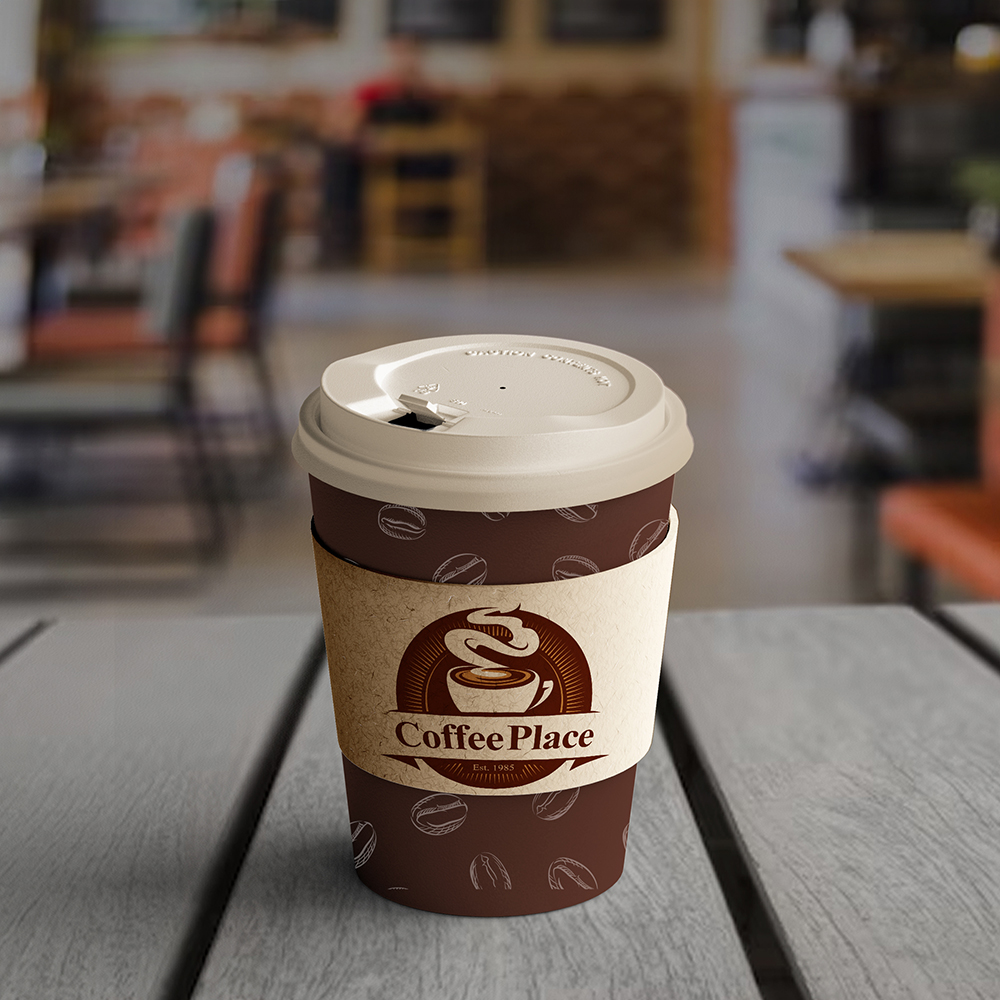
- Full-bleed edge-to-edge printing or partial wraparound design options
- Lid compatibility confirmed against cup rim diameter before production
Why Hale Path Packaging for Custom Cups USA
A coffee shop’s previous hot cup order came back with the logo cracking and peeling near the rim within days of regular hot-fill use, since the ink hadn’t been tested for repeated heat exposure at that print location. Hale Path Packaging reprinted the run using a heat-tested ink formulation and shifted the logo placement lower on the cup body, and the brand has reordered the same spec for two more production runs with no print failures reported. Orders start from 100 units on digital runs, with US production and a standard turnaround of 7 to 14 working days, plus sampling before a full production run. Brands looking to protect hot cups on the go can pair this order with our Folding Carton USA line. For fully compostable beverage packaging beyond the cup itself, see Liquid Pouch With Spout USA, and for cold-fill options with a resealable lid, check our Aluminium Spout Pouches range.
Frequently Asked Questions
What lining do Cups Printing use?
Most paper cups use a PE lining, which handles both hot and cold potables reliably and remains the standard option across most food service applications. A PLA lining is used instead when a brand wants a cup rated for industrial composting.
What sizes are available for Cups Printing?
Sizes range from small espresso formats via standard coffee and tea sizes up to large cold drink and soft drink cups, and are selected to match your product volume and serving necessities.
Single-wall or double-wall: which should I select?
Single-wall works nicely when paired with an added sleeve, holding unit cost lower for volume takeaway service; double-wall costs per cup but ignores the sleeve entirely and protects on its own, which some brands prefer for a cleaner customer facing production.
PE lining or PLA lining: which is right for my Cups Printing?
PE lining works for standard hot and cold beverage service where maximum heat tolerance and dependability matter most; PLA lining provides brands prioritizing an industrial-compostable claim, provided they are satisfied with its slightly lower heat tolerance compared to PE.
Can I obtain a sample before ordering in bulk?
Sampling is known before dedicating to a full display run, so you can fit color exactness, print placement, and cover fit before finalizing a larger demand.
Can I order multiple cup sizes in one design run?
Provided the artwork is revised and finalized per size ahead of the print run, each cup size requires its own file to support the structural balances and print registration accuracy.
Is there a compostable cup choice?
PLA-lined cups are compostable under industrial conditions, but they require access to an establishment that processes industrially; without that entrance, a PLA-lined cup does not break down quicker than a standard cup in a standard dump or backyard compost structure.
Does the lining impact how the cup should be disposed of?
PE-lined Cups Printing belong in standard trash unless a recycling schedule in your area receives them; PLA-lined cups require an industrial structure instead of home composting or standard recycling to break down as arranged.