
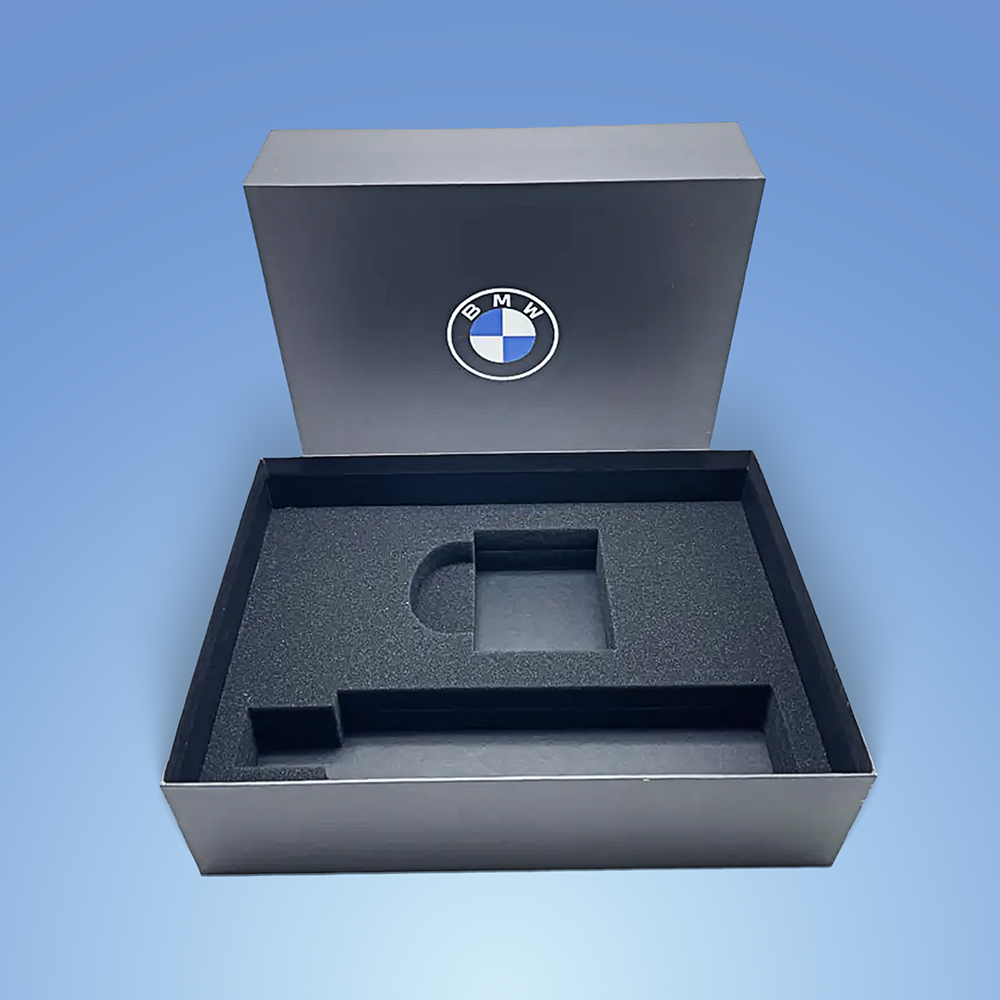
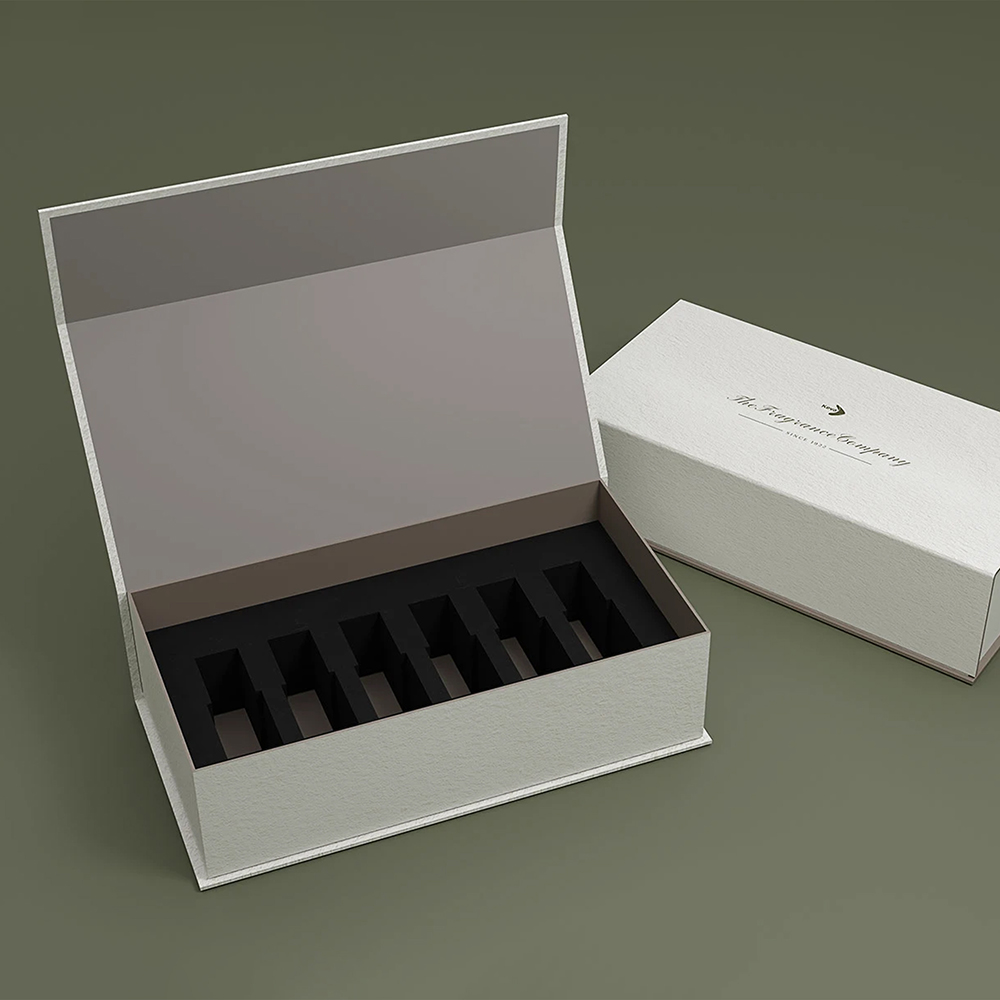
Custom Boxes With Foam Insert
A watch brand in Dallas was losing 5% of shipments to transit damage every quarter. They switched to custom boxes with foam inserts cut to each watch model, and returns dropped to near zero within two months. Same watches, same courier, just packaging that actually held them in place.
Custom Boxes With Foam Insert Gallery
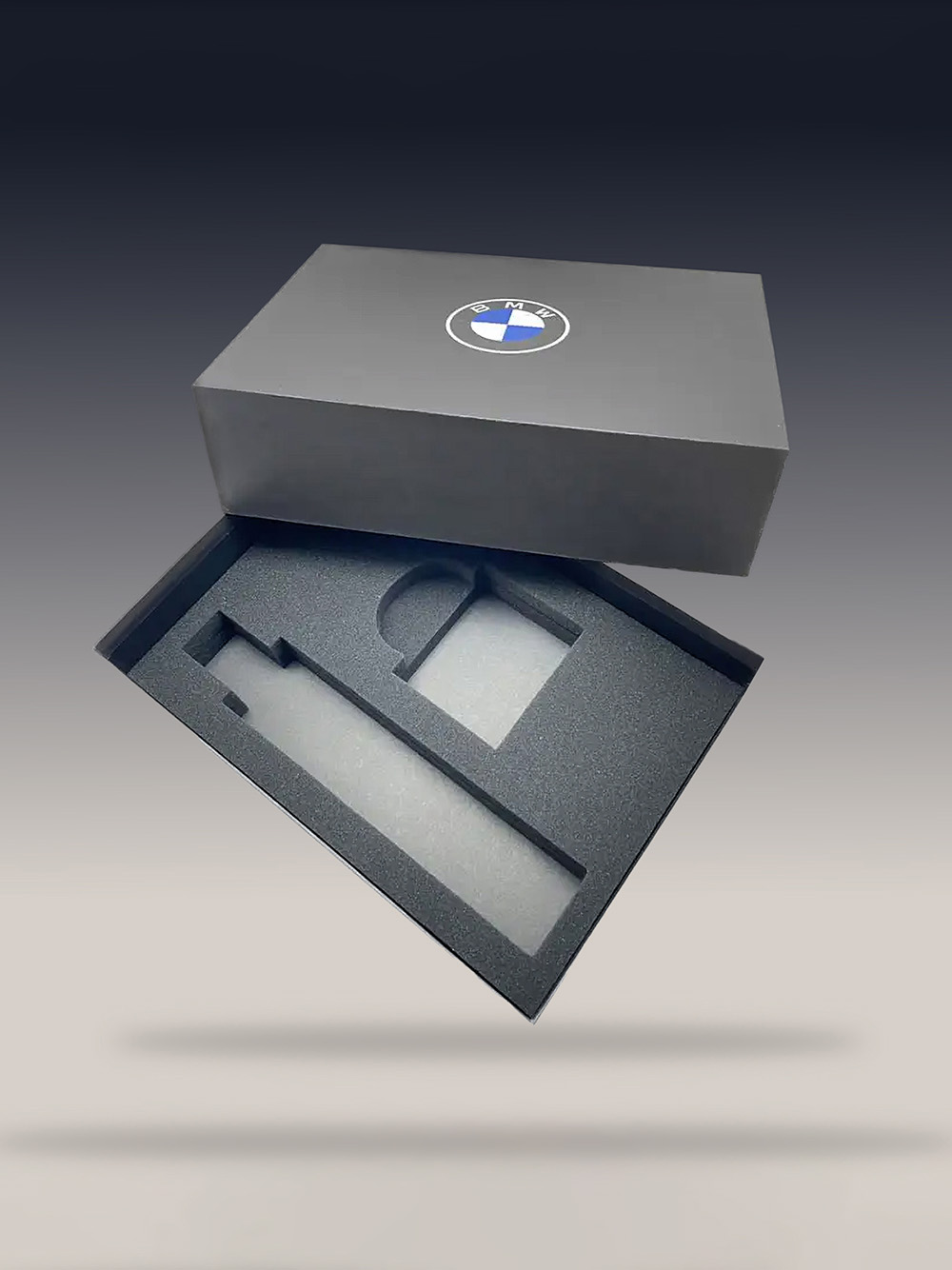
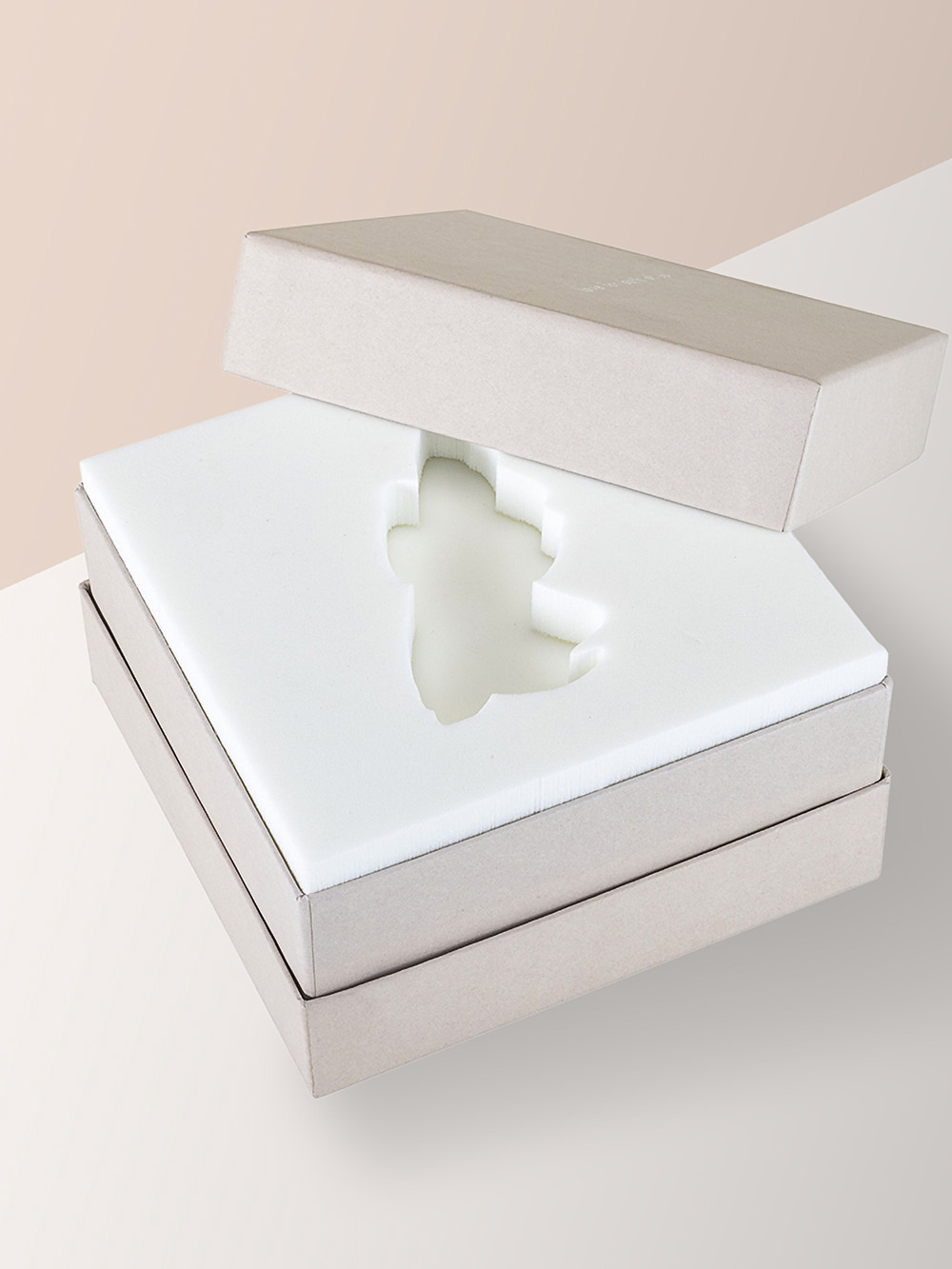
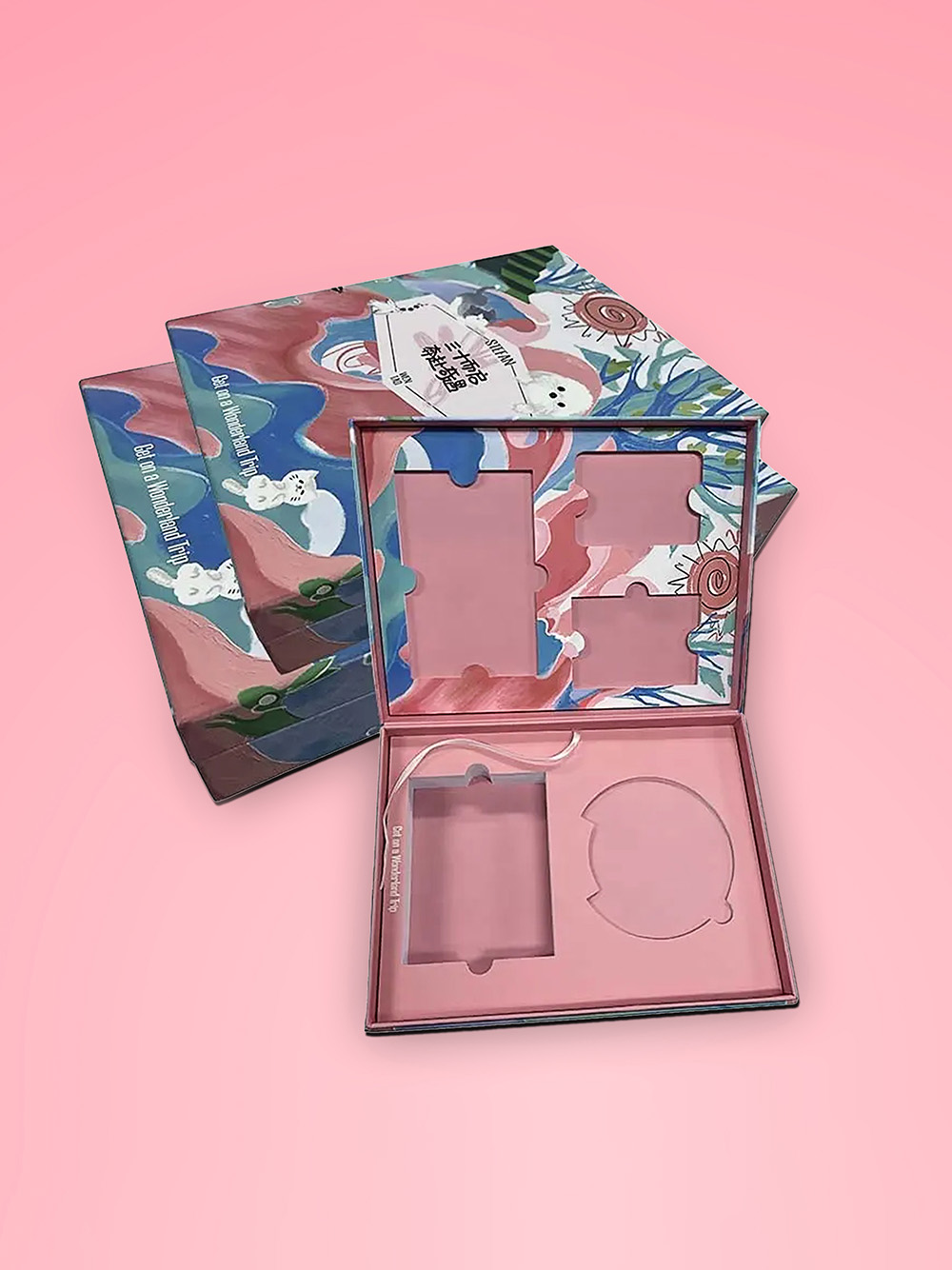
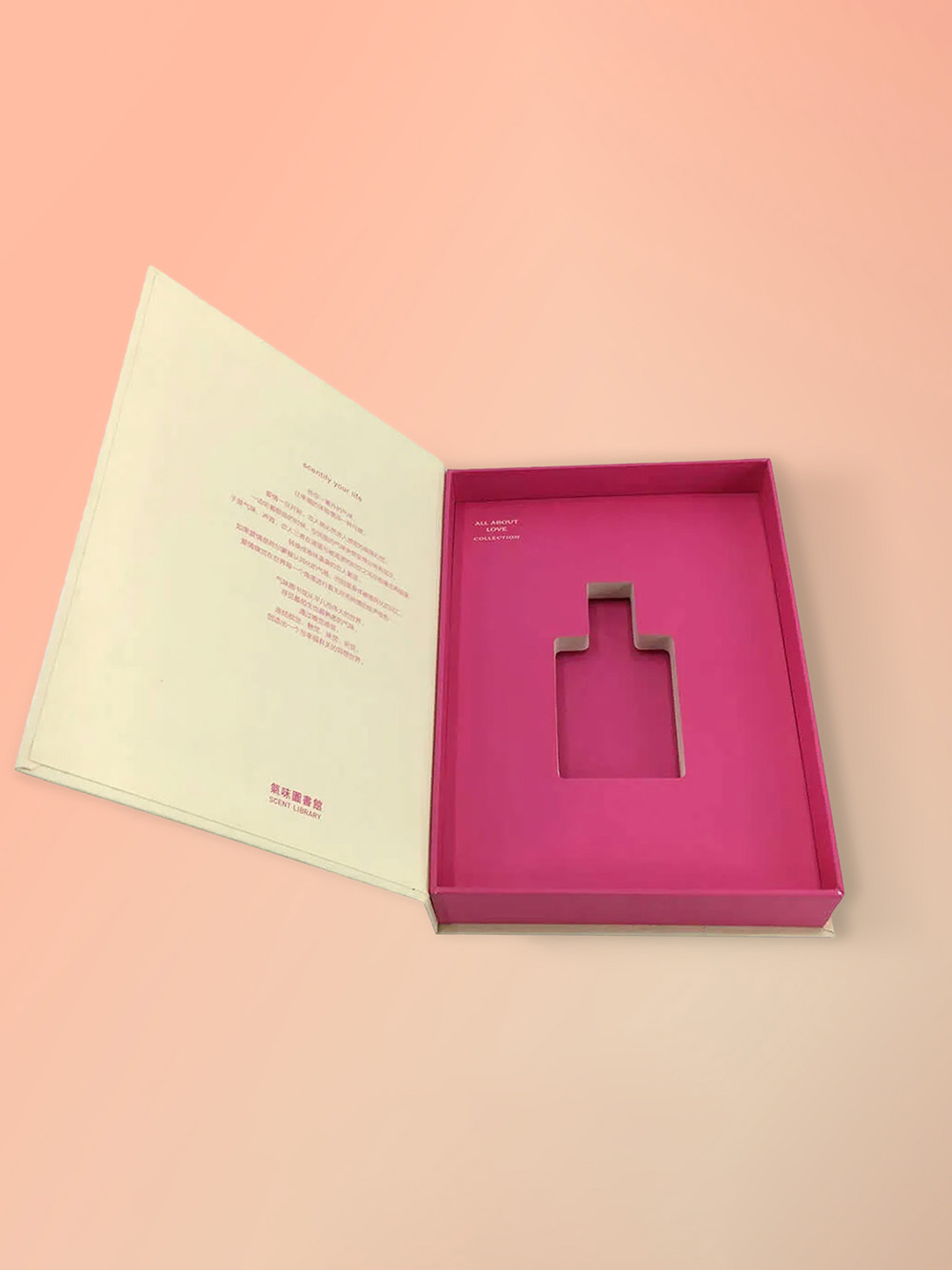
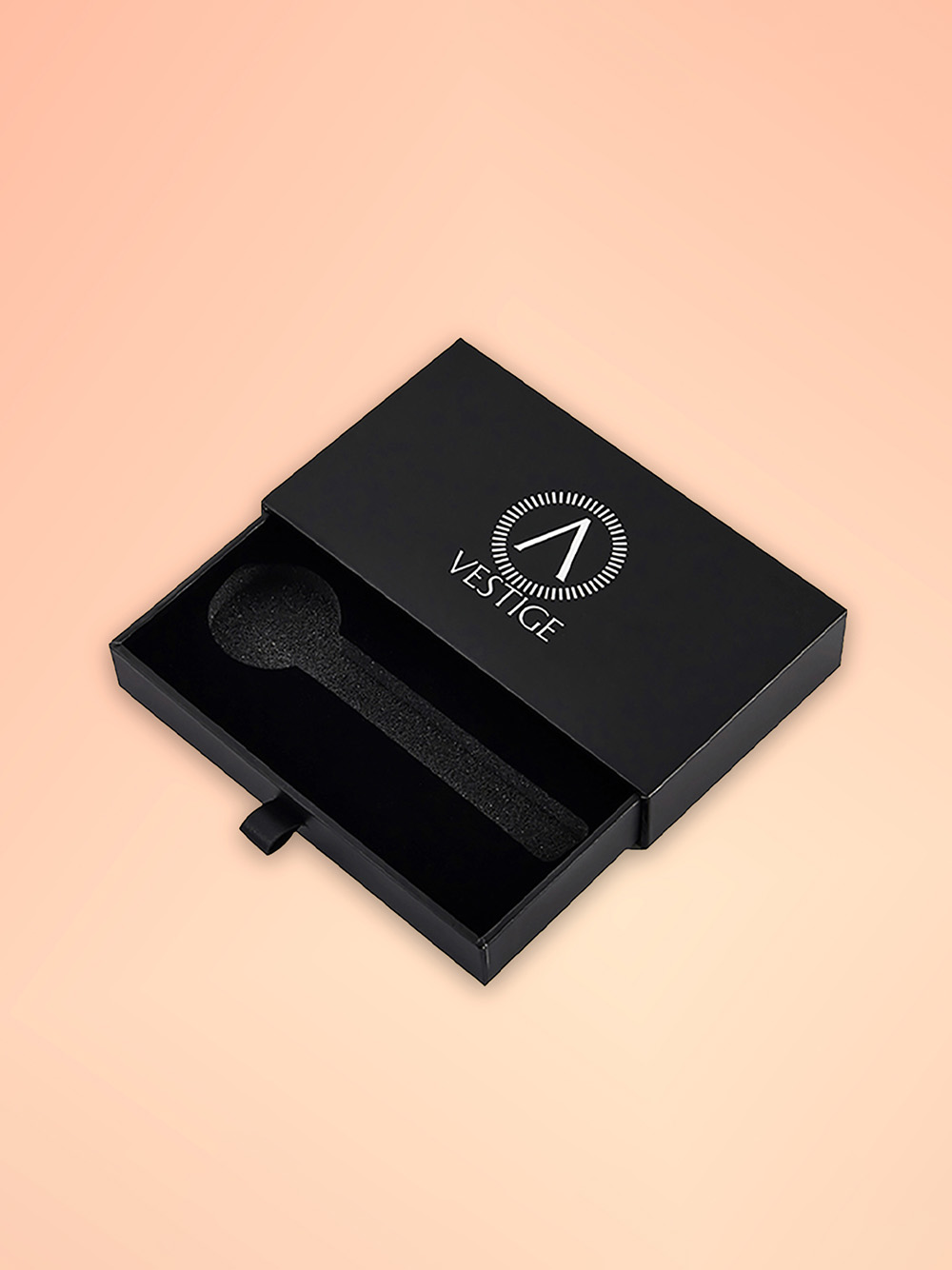
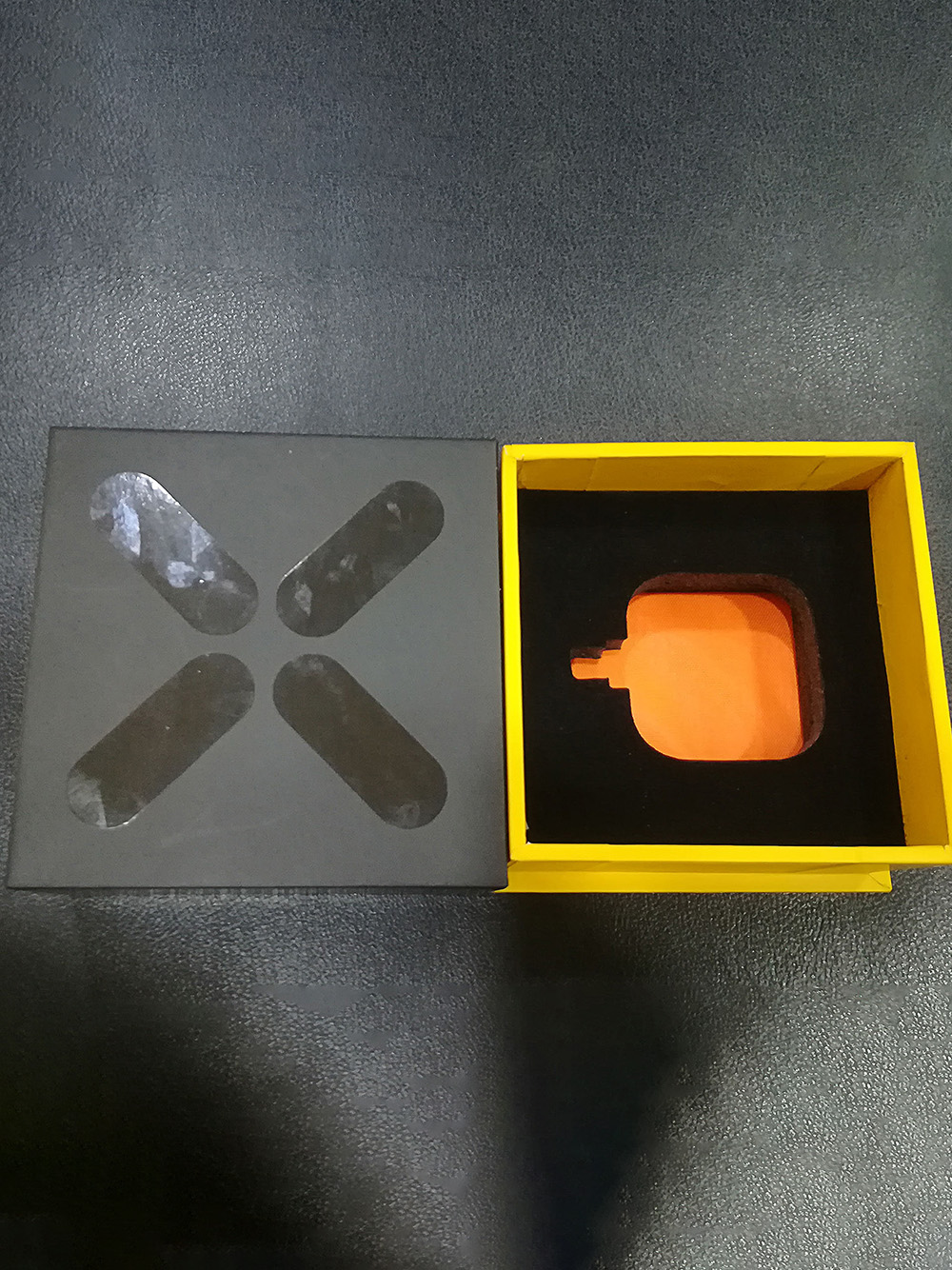
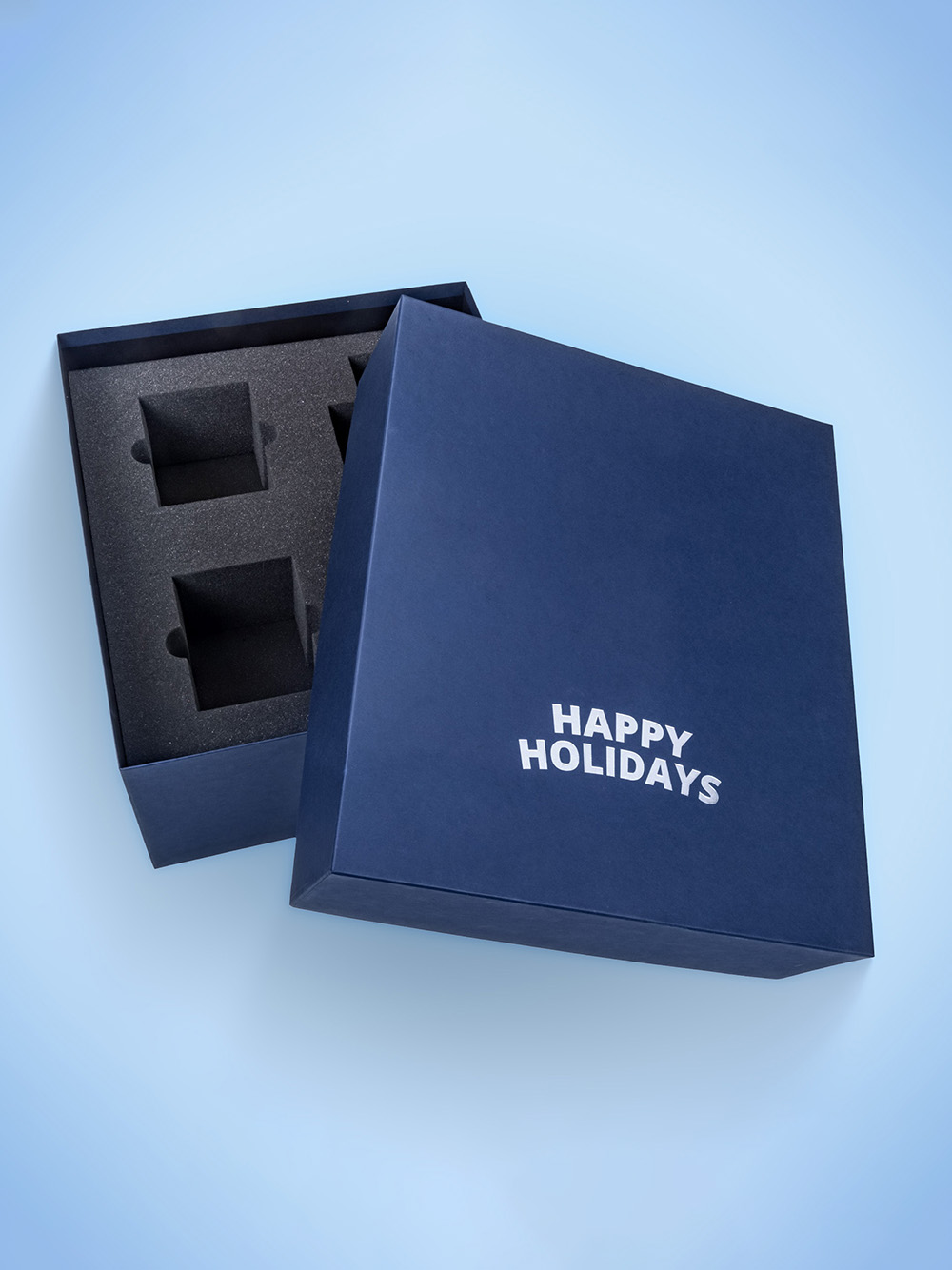
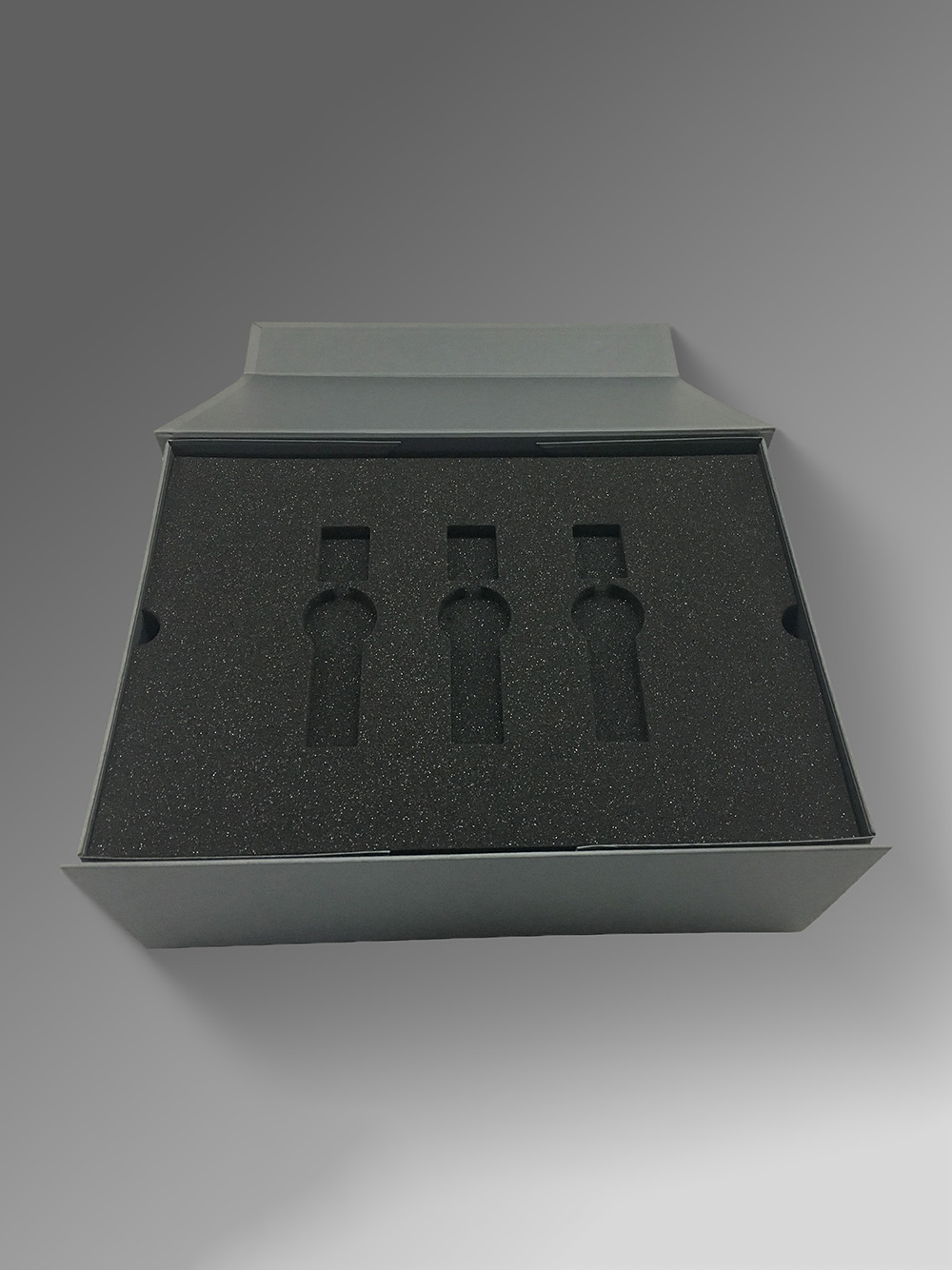
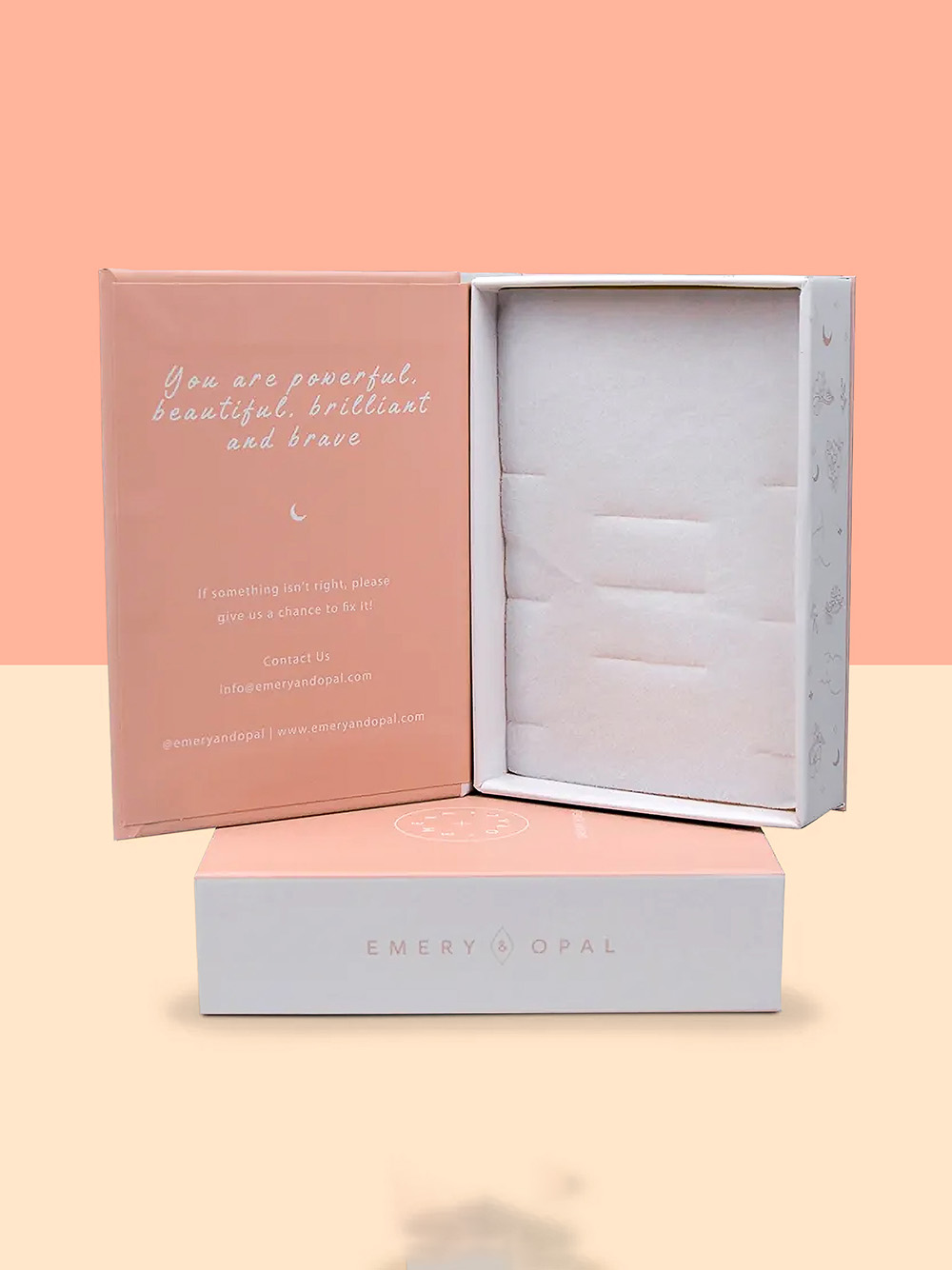
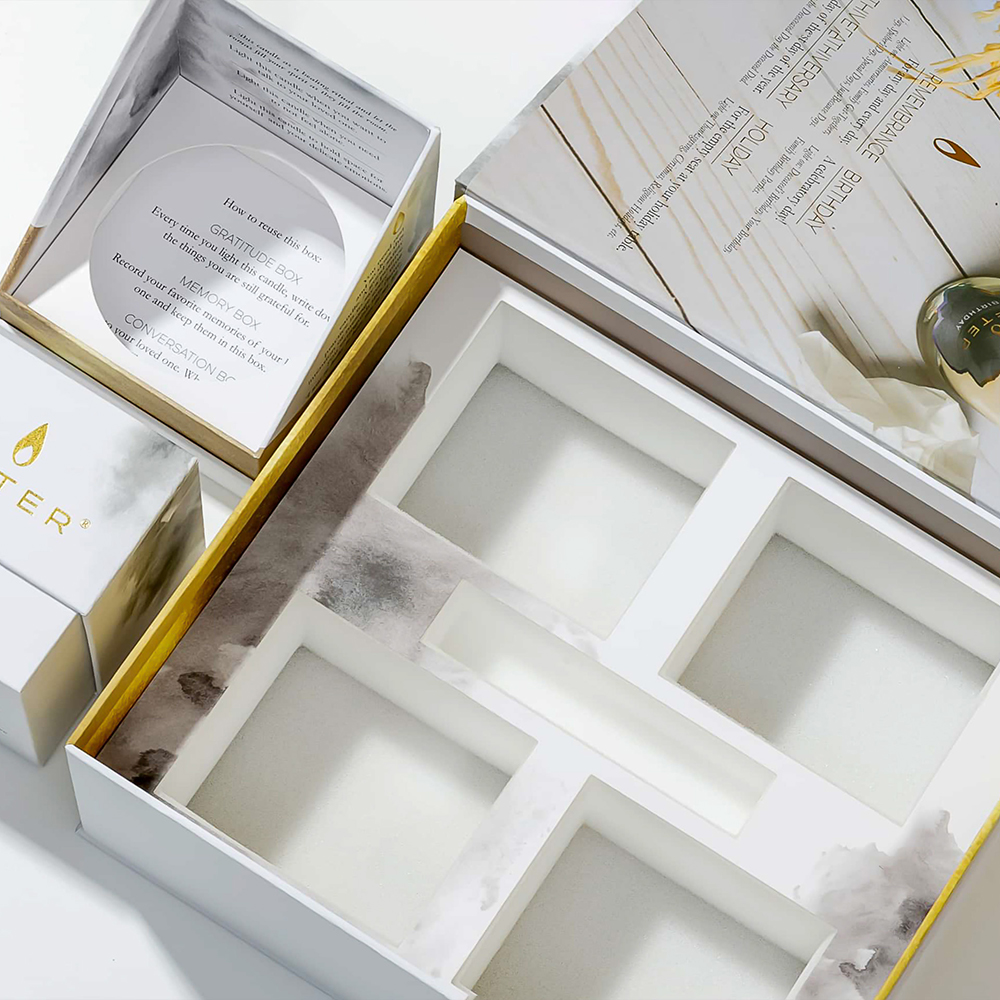
Order Custom Boxes with Foam Inserts USA at Wholesale Prices
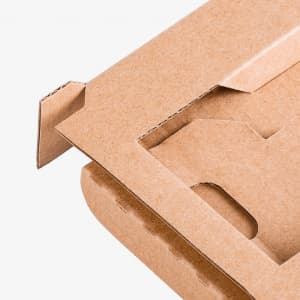
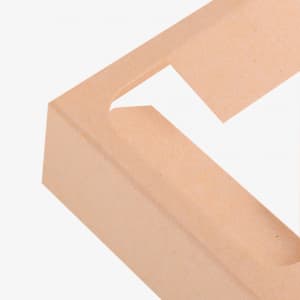
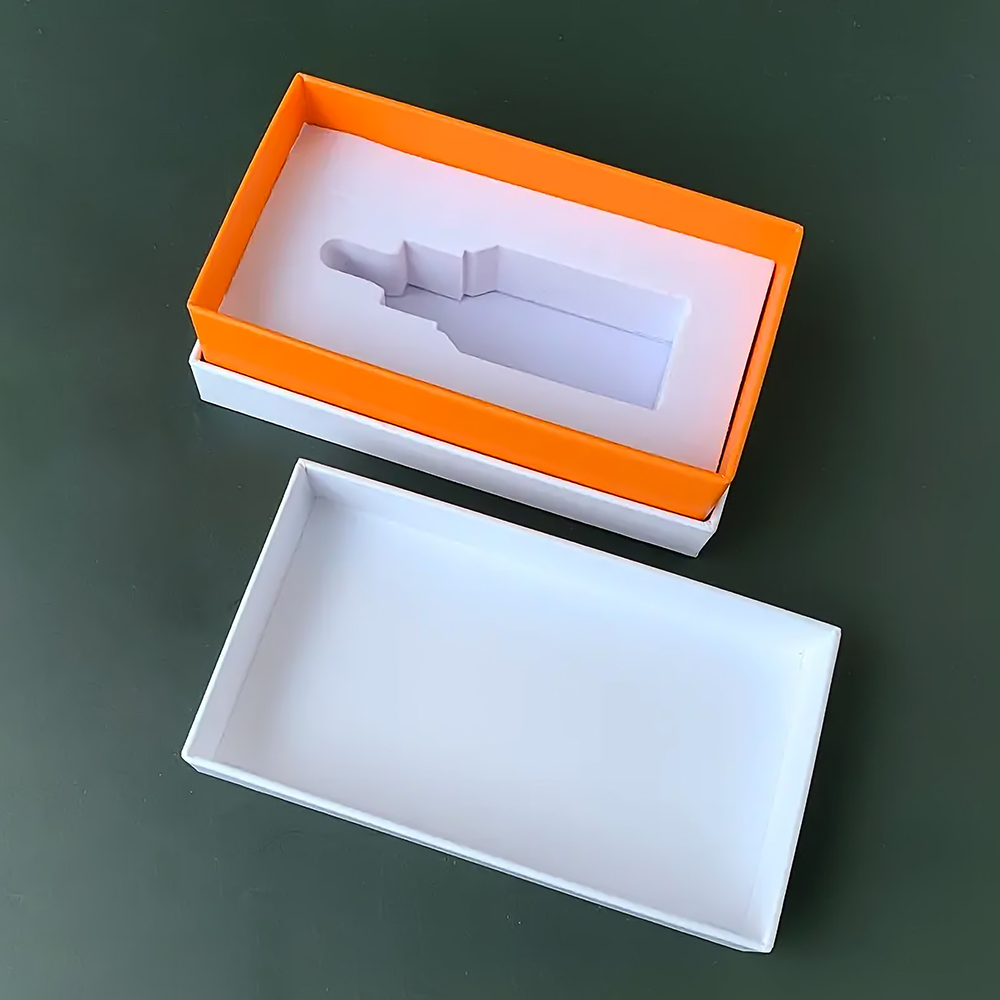
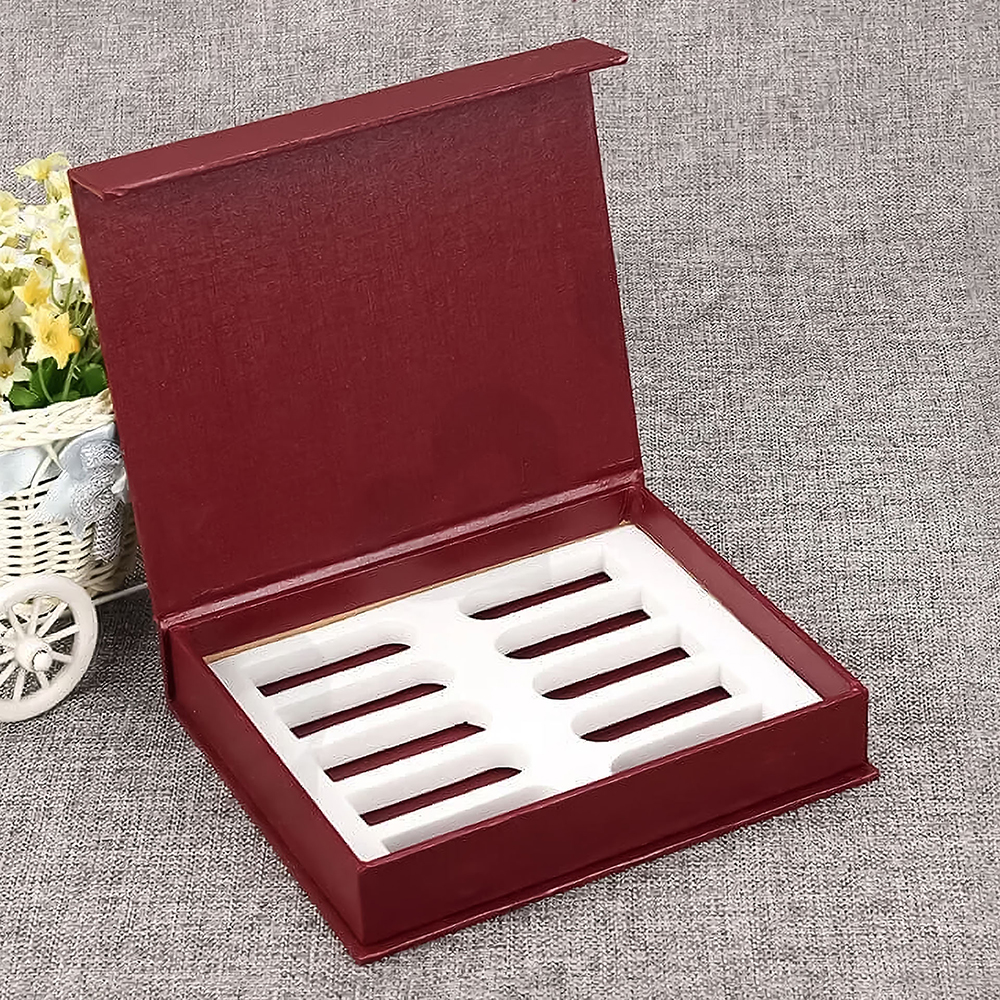
Bubble wrap keeps things from moving around. A foam insert stops movement entirely. Die-cut foam inserts USA uses for fragile or high-value products are shaped to the exact product dimensions, so the piece can’t shift, tilt, or rattle no matter what the courier does to the box. Custom foam packaging is a different level of protection from anything that pours or wraps.
- Die-cut foam shaped to your exact product dimensions for a fit that holds the piece completely still.
- Polyethene, polyurethane, or EVA foam options, each suited to different product weights and fragility levels, are the foundation of proper custom boxes with foam inserts in the USA.
- Custom-printed outer box with logo, branding, and finish for a complete custom foam box packaging presentation.
- Free delivery across the USA in 8 to 10 business days, from Dallas to Seattle.
- No strict minimum order; trial runs are available before committing to full production volume.
Why Did a Dallas Watch Brand’s Transit Damage Rate Drop After Switching to Custom Box with Foam Insert?
A watch brand shipping through a regional courier had been using a standard rigid box with tissue paper and loose fill for two seasons. Around five per cent of shipments arrived with damage complaints, scratched crystals, loose crowns, and bent straps. Switching to custom boxes with foam inserts cut to each model changed everything. The watch landed in the same position every time; nothing moved, nothing scratched. Returns from transit damage dropped to near zero the following quarter, same packaging box with foam insert budget, just foam that actually did the job.
Brands Across the USA Trust Hale Path Packaging For Jewelry, Electronics, and Gifting
A foam insert that looks right in a sample but compresses too easily under a courier drop offers no real protection. An insert cut a millimeter too loose lets the product shift just enough to scratch against the box wall. With Custom boxes with foam inserts, the order we produce gets the foam density and cut tolerance confirmed against the actual product weight and fragility before anything goes into production. Electronics brands in Los Angeles, jewelry lines in New York, gifting companies from Chicago to Miami- they all come to us for the same reason: a custom Styrofoam box where the product stays put from the moment it’s packed to the moment it’s opened.
How Foam Density and Cut Tolerance Affect Whether an Insert Actually Protects
Foam density is the first call, and it’s easy to get wrong in both directions. Too soft and it compresses under the product’s own weight before a courier’s even touched it. Too firm, and it stops absorbing shock, passing it straight through to whatever’s inside. Cut tolerance follows: the gap between the product and the shipping boxes with foam inserts wall determines how much movement is possible during transit; too tight, and the product can’t be removed cleanly; too loose, and it shifts. Cardboard box with foam insert should hold the product firmly in place, absorb impact on a drop, and release the product cleanly when the box is opened.
- Foam density matched to the product weight, fragility, and expected drop height during transit.
- Cut tolerance is kept within tight margins so the product sits still but lifts out cleanly, essential for any foam-lined gift boxes USA.
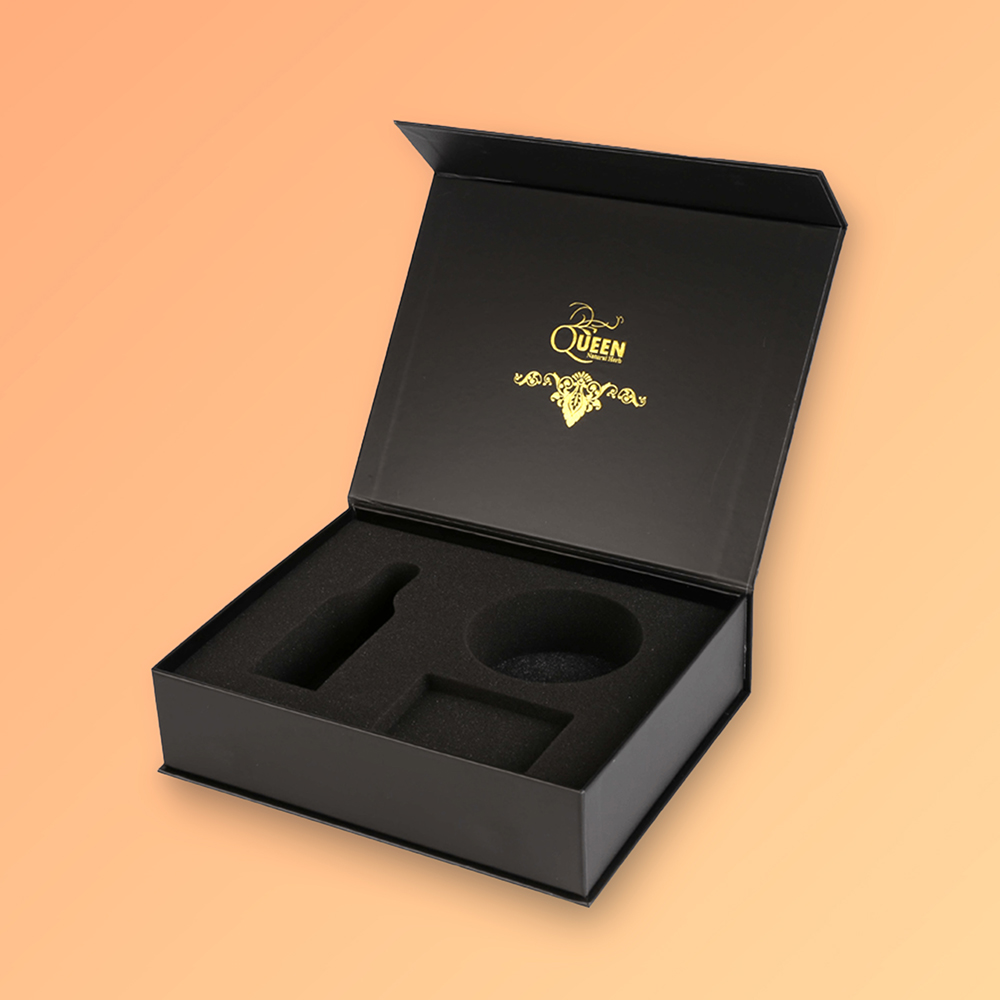
- Foam packaging box color options include black, white, and custom colors to match the brand aesthetic inside the custom insert boxes.
- Layered foam construction available for multi-piece sets or products with multiple components needing individual protection.
- Certified board custom protective packaging are available for brands building toward eco-friendly packaging boxes without sacrificing product protection.
Hale Path Packaging has spent years supplying custom foam lined boxes to electronics, jewellery, and gifting brands across the USA.
Frequently Asked Questions
What Types of Foam Are Used in Custom Box Inserts?
Three come up the most. Polyethene for anything hard and heavy, polyurethane where softer cushioning suits the product better, and EVA for lighter items that need a firm hold without too much rigidity. What you're shipping and how far it's going usually make the choice fairly obvious.
Can Foam Inserts Be Cut to Any Product Shape?
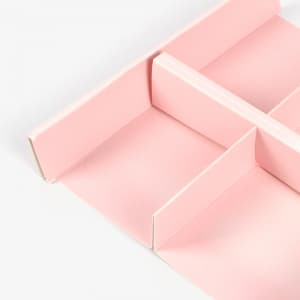
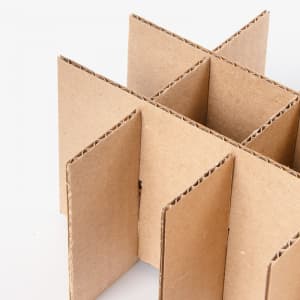
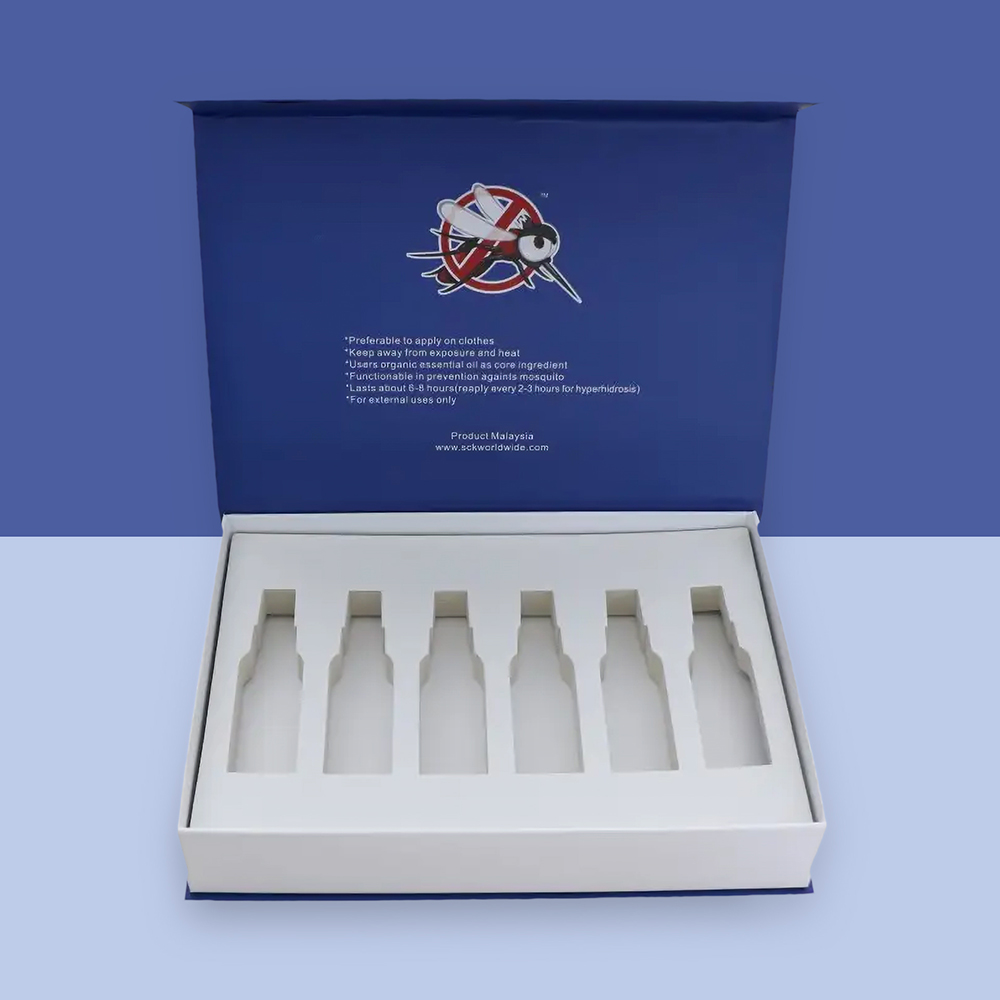
Pretty much yes. Die-cutting handles most shapes, including irregular outlines, multi-cavity layouts for sets, and recessed slots for bottles or tubes. Anything with a consistent shape across a product run can be cut to fit it.
Do Foam Inserts Add Much to the Box Cost?
Per unit, the addition is modest, and it tends to pay back quickly in lower damage rates and fewer returns, which cost more than the insert would have in the first place.
What's the Difference Between a Foam Insert and a Molded Pulp Insert?
Different jobs, really. Foam grips the product and takes the impact on a drop, which is why it suits hard, fragile things like watches or electronics. Molded pulp is better when the product is lighter, and you mainly need it to sit snugly rather than survive a rough courier ride.
Can the Same Foam Insert Work Across Multiple Box Sizes?
Not usually. An insert is cut to the internal dimensions of a specific box, so changing the box size means a new cut spec. That said, the same foam density and colour can run across a full product range consistently.
What's the Best Way to Get Started With a Foam Insert Box Order?
Just send us the product dimensions, a rough idea of how fragile it is, and how many you need. We'll sort the foam density, cut spec, and outer box, then come back with pricing — wherever you're based across the USA.