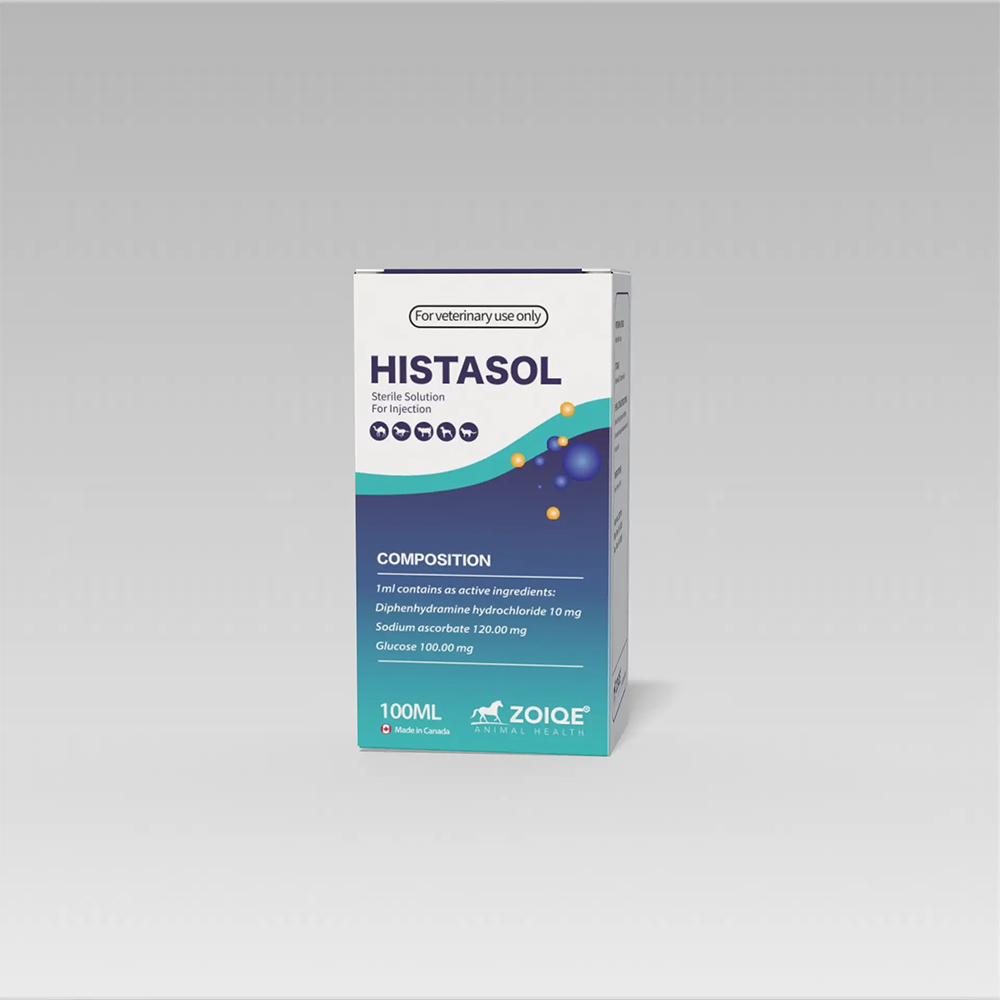
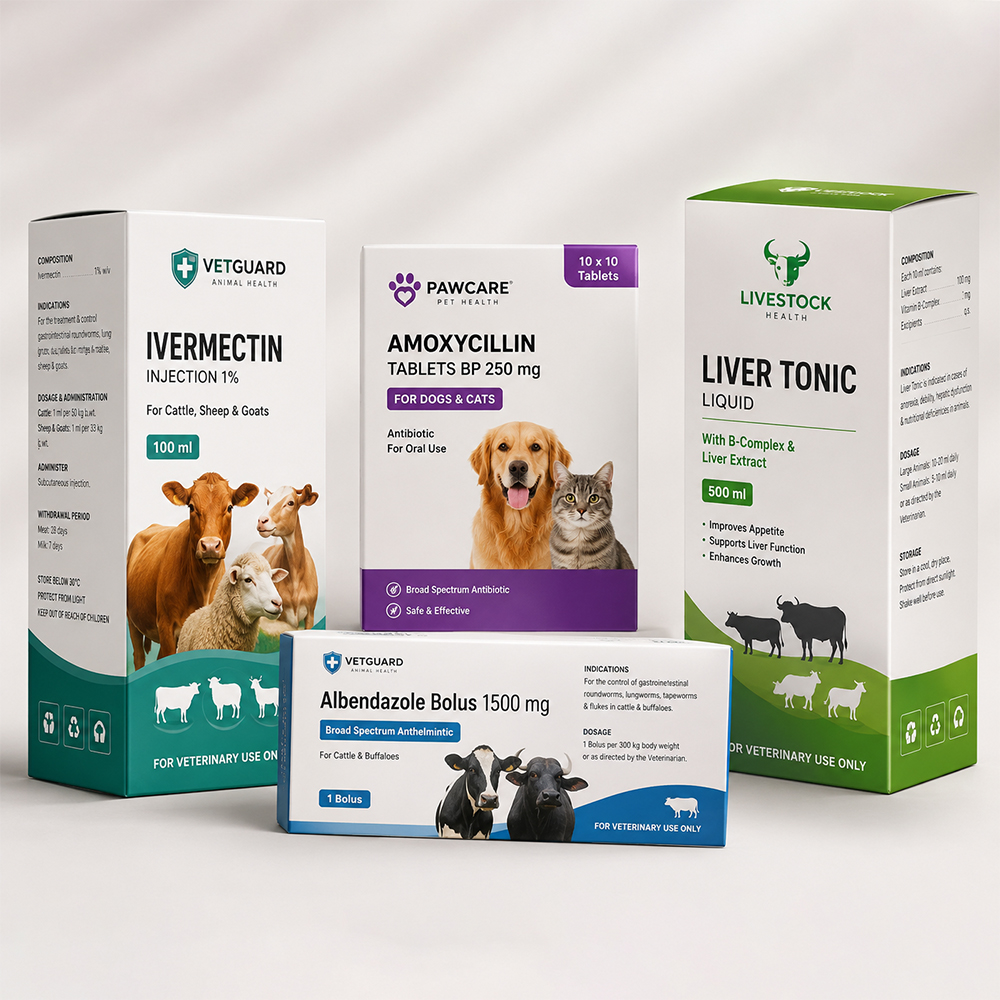
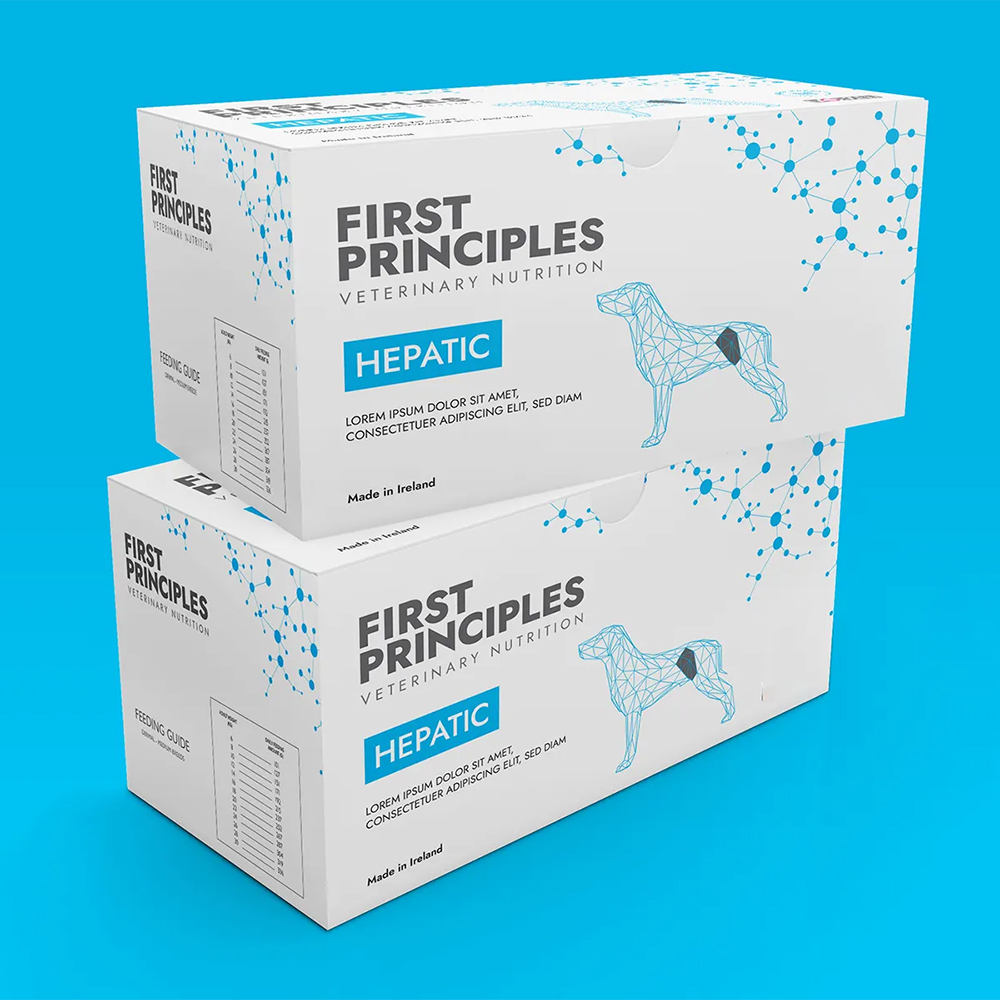
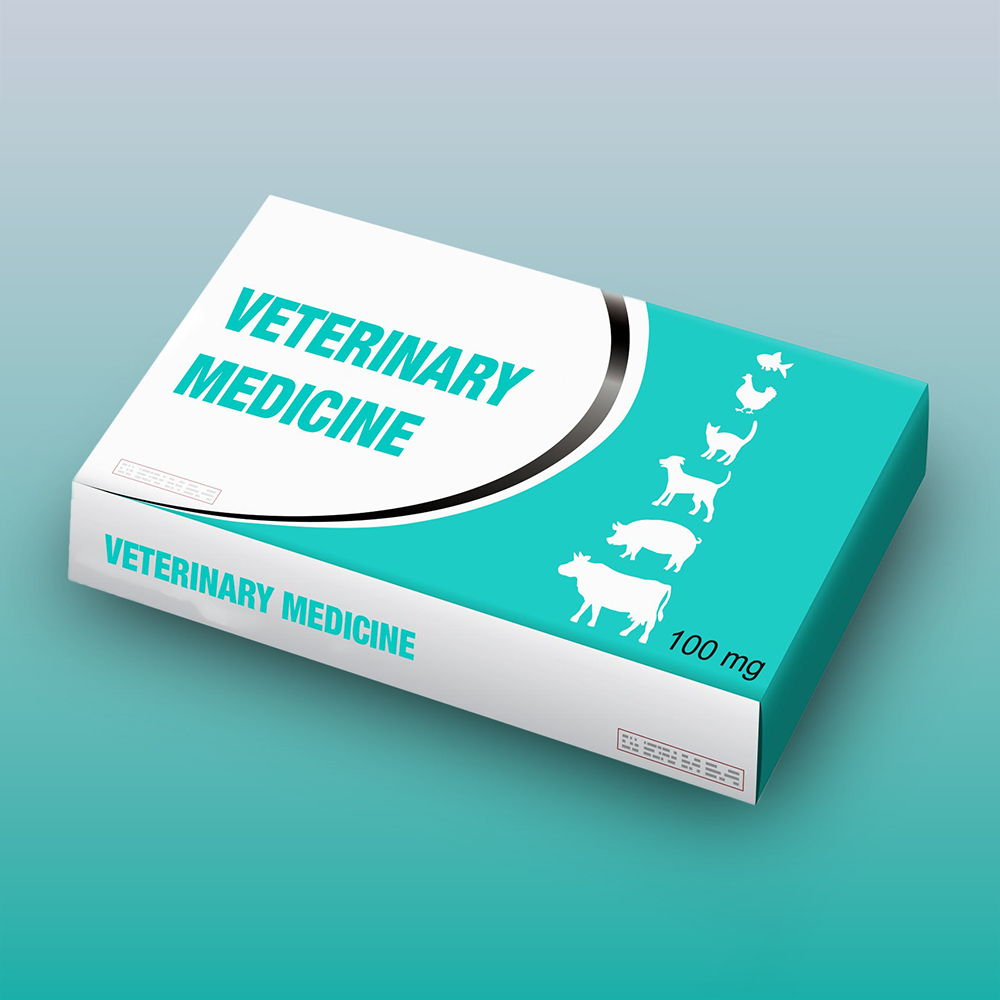
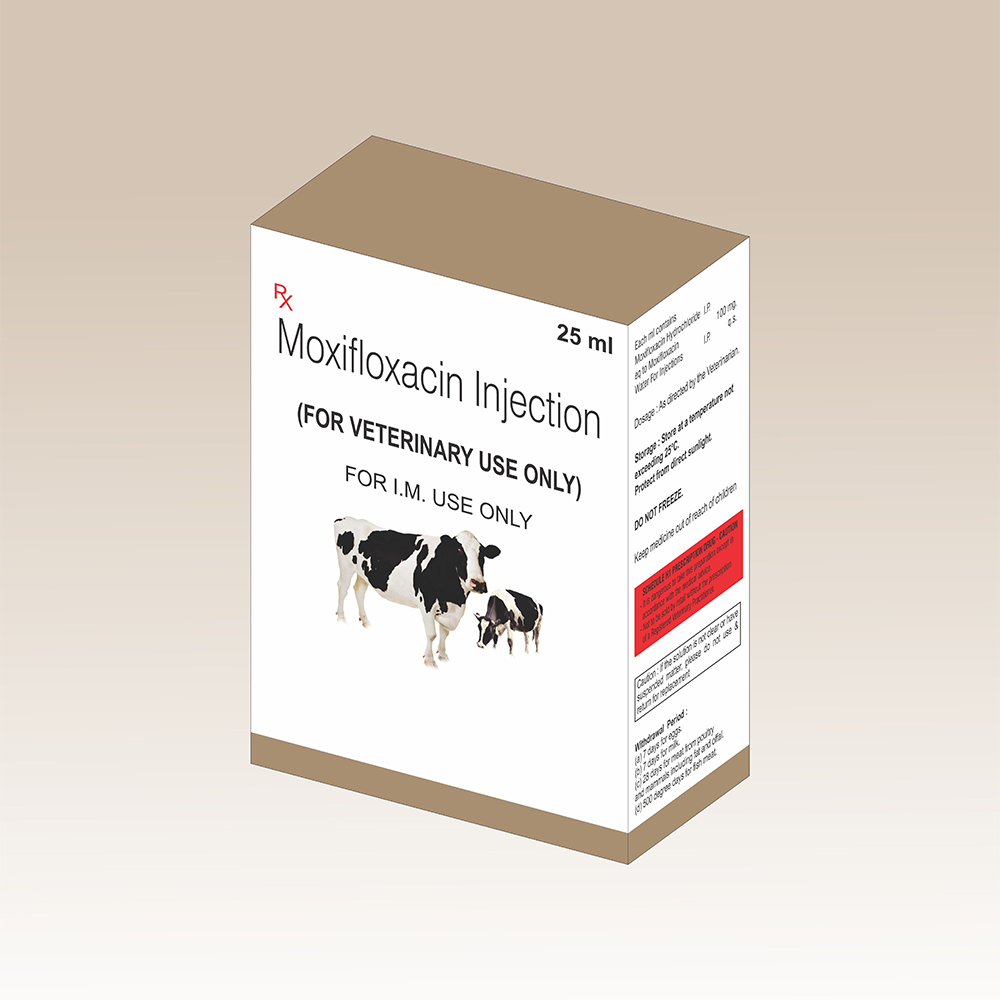
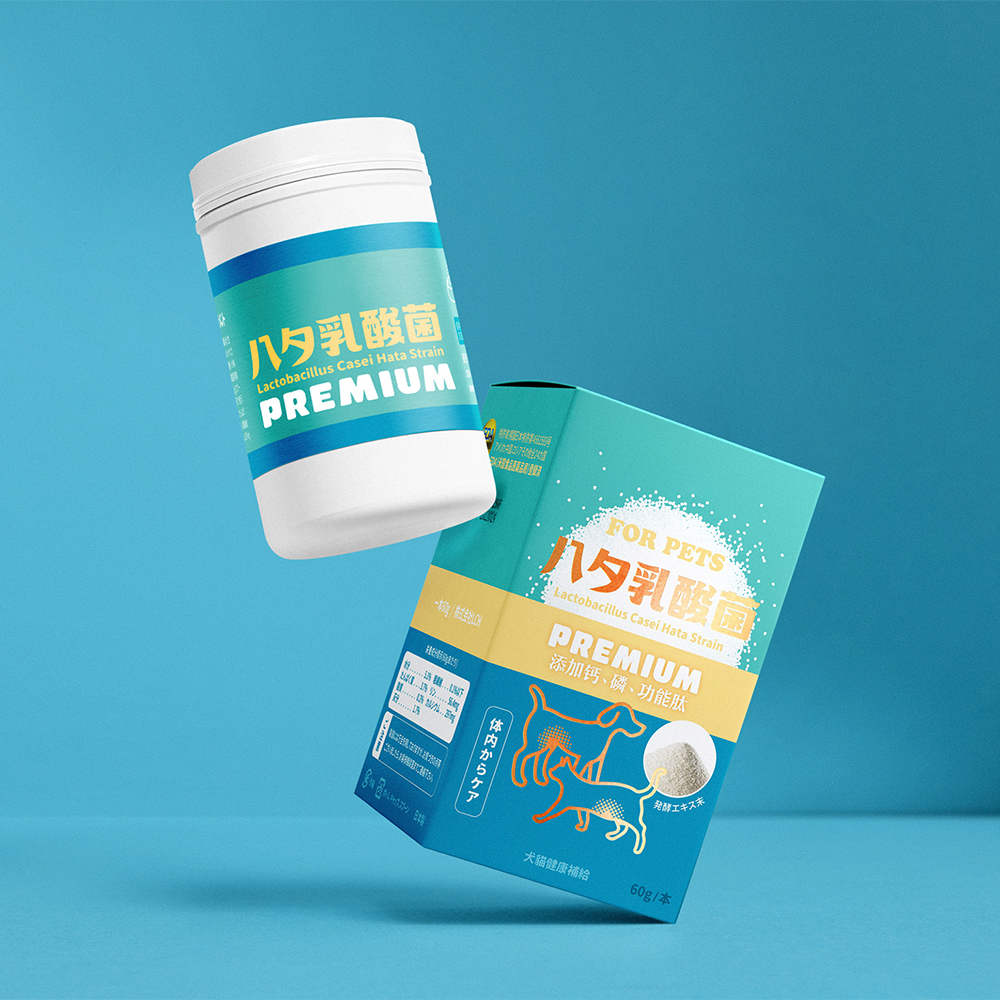
Custom Veterinary Medicine Boxes
Custom veterinary medicine boxes protect pet and livestock medications from the warehouse to the clinic shelf. Hale Path Packaging builds these cartons around real shipping conditions, not just a printed template, drawing on child-resistant pouch experience from our other regulated packaging lines.
Custom Veterinary Medicine Boxes Gallery
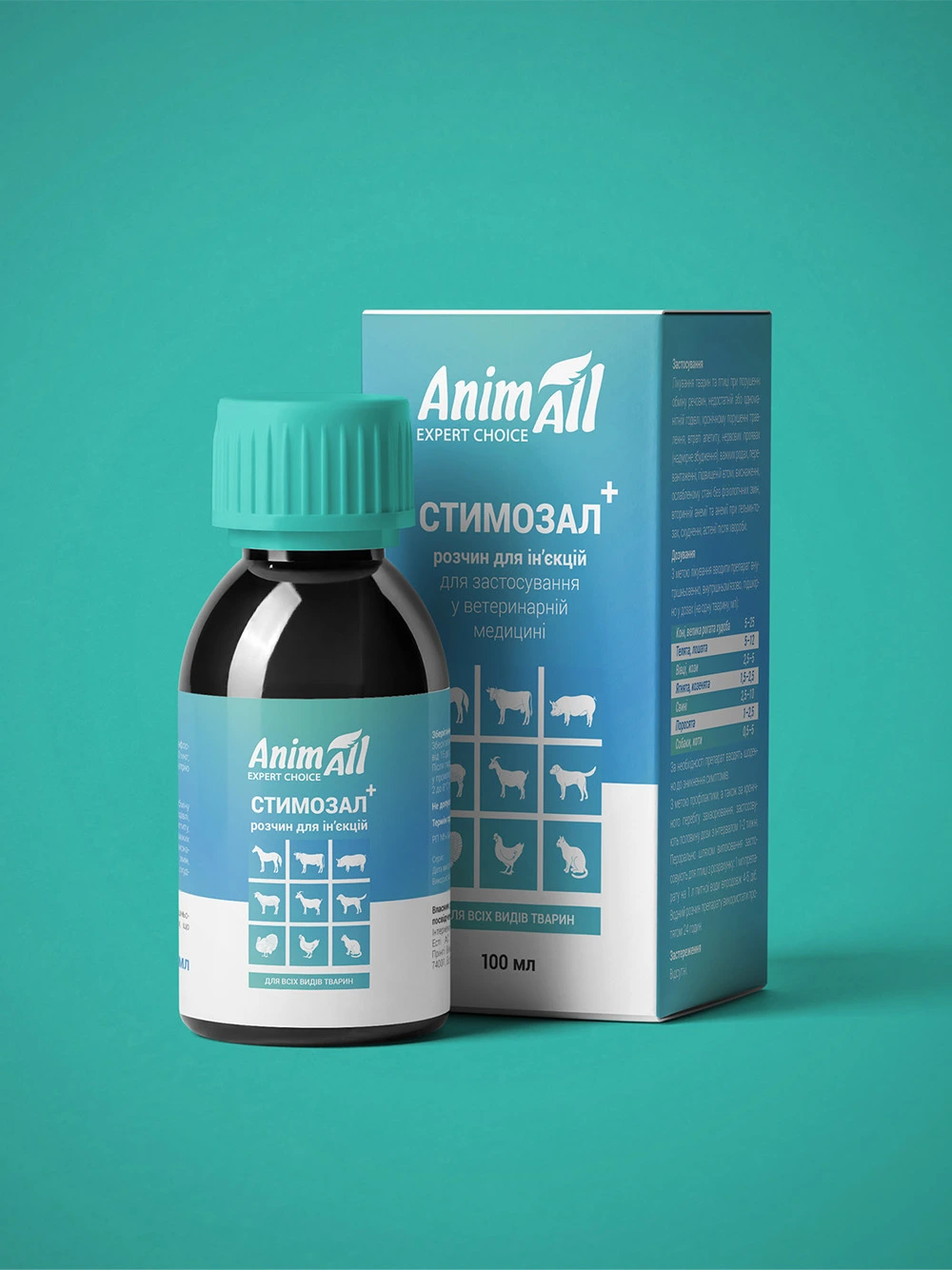
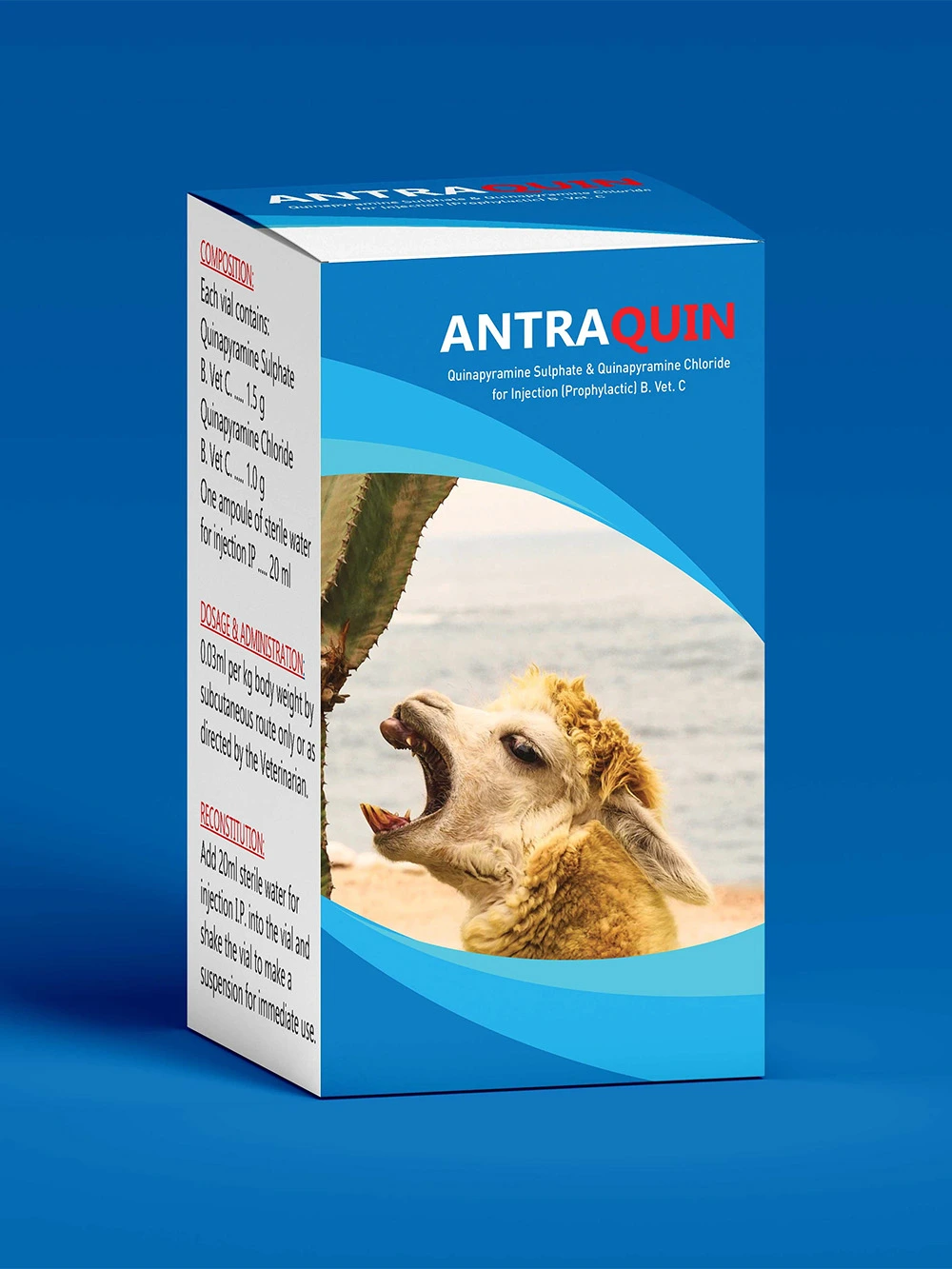
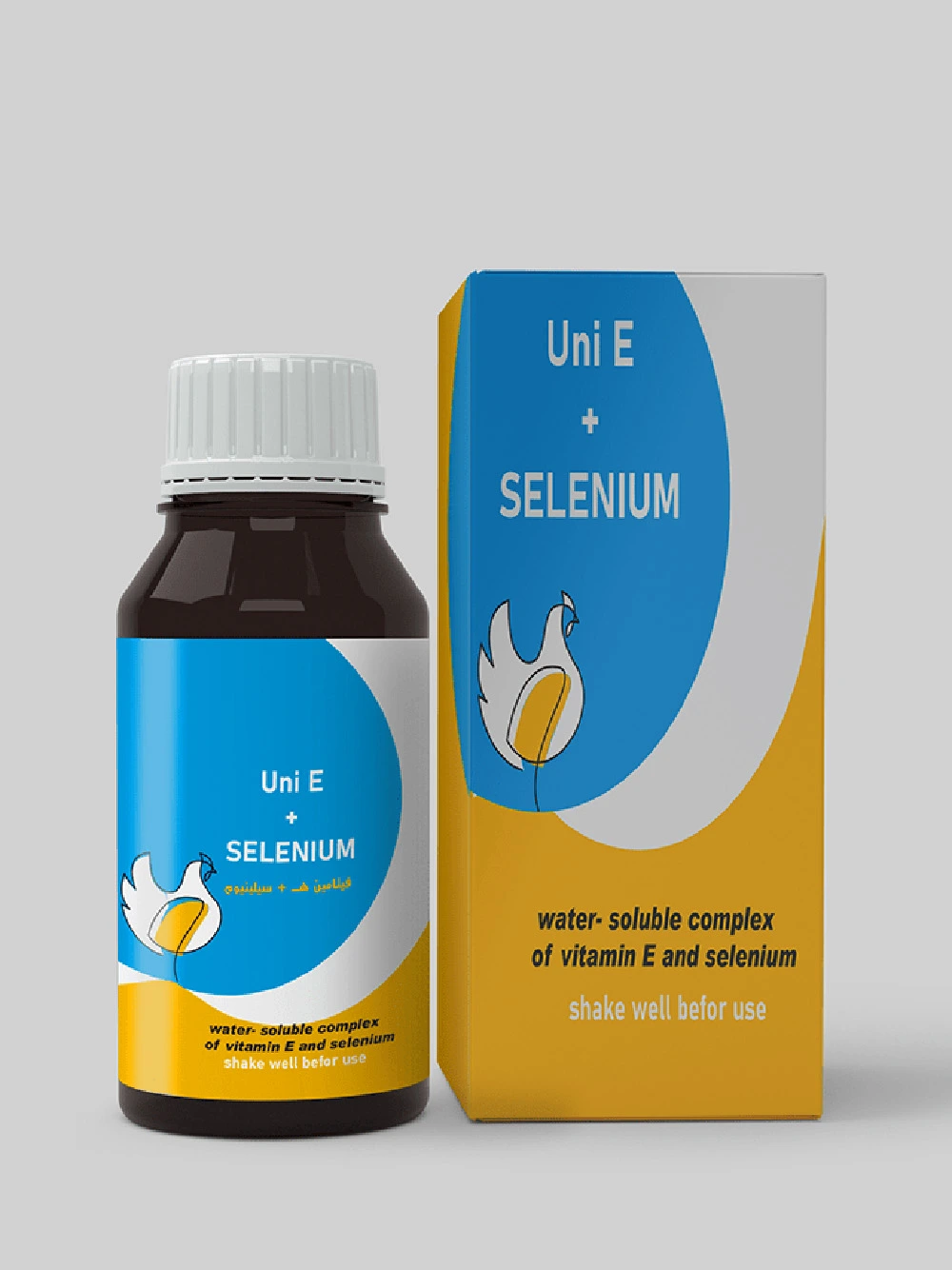
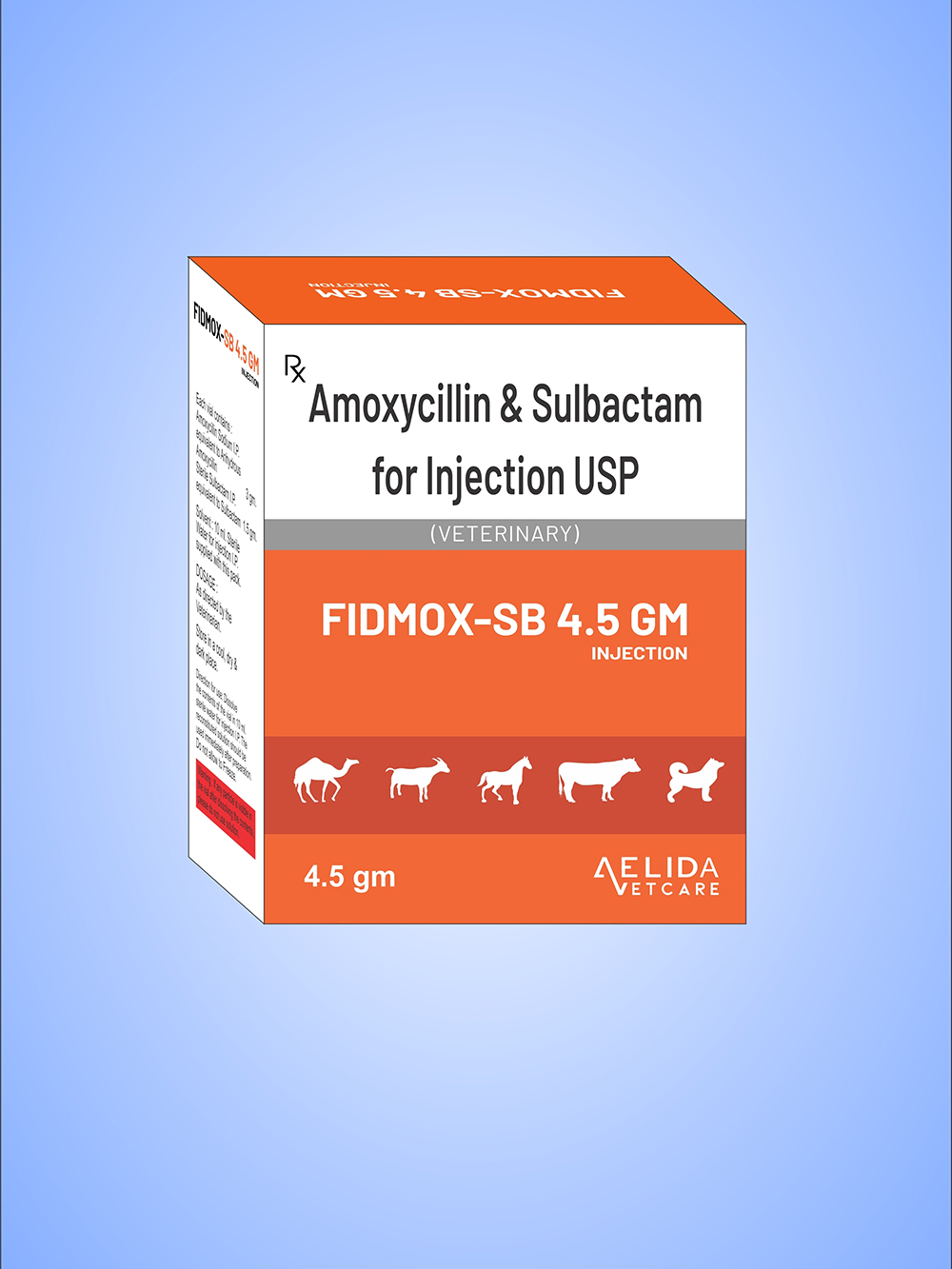
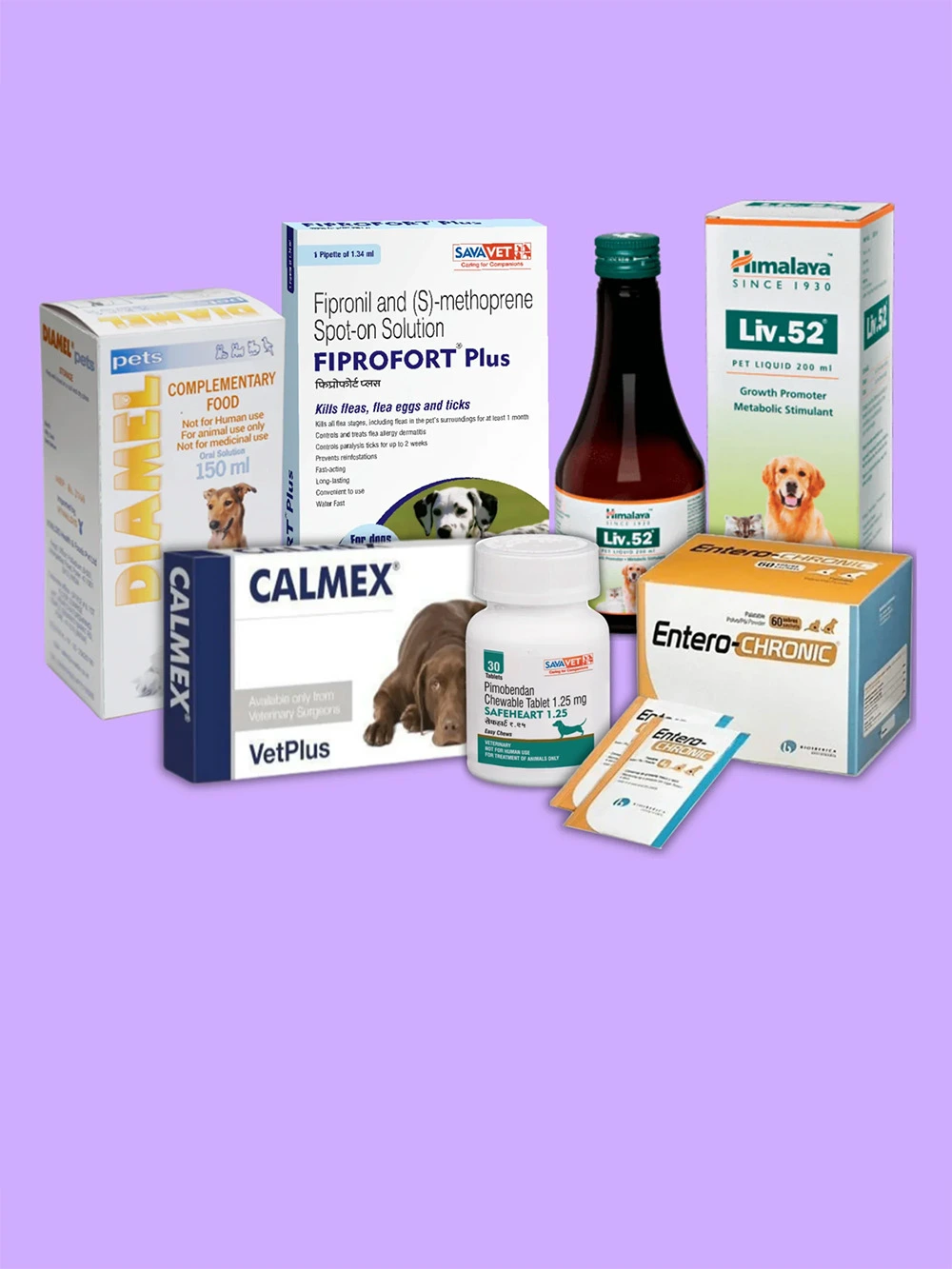
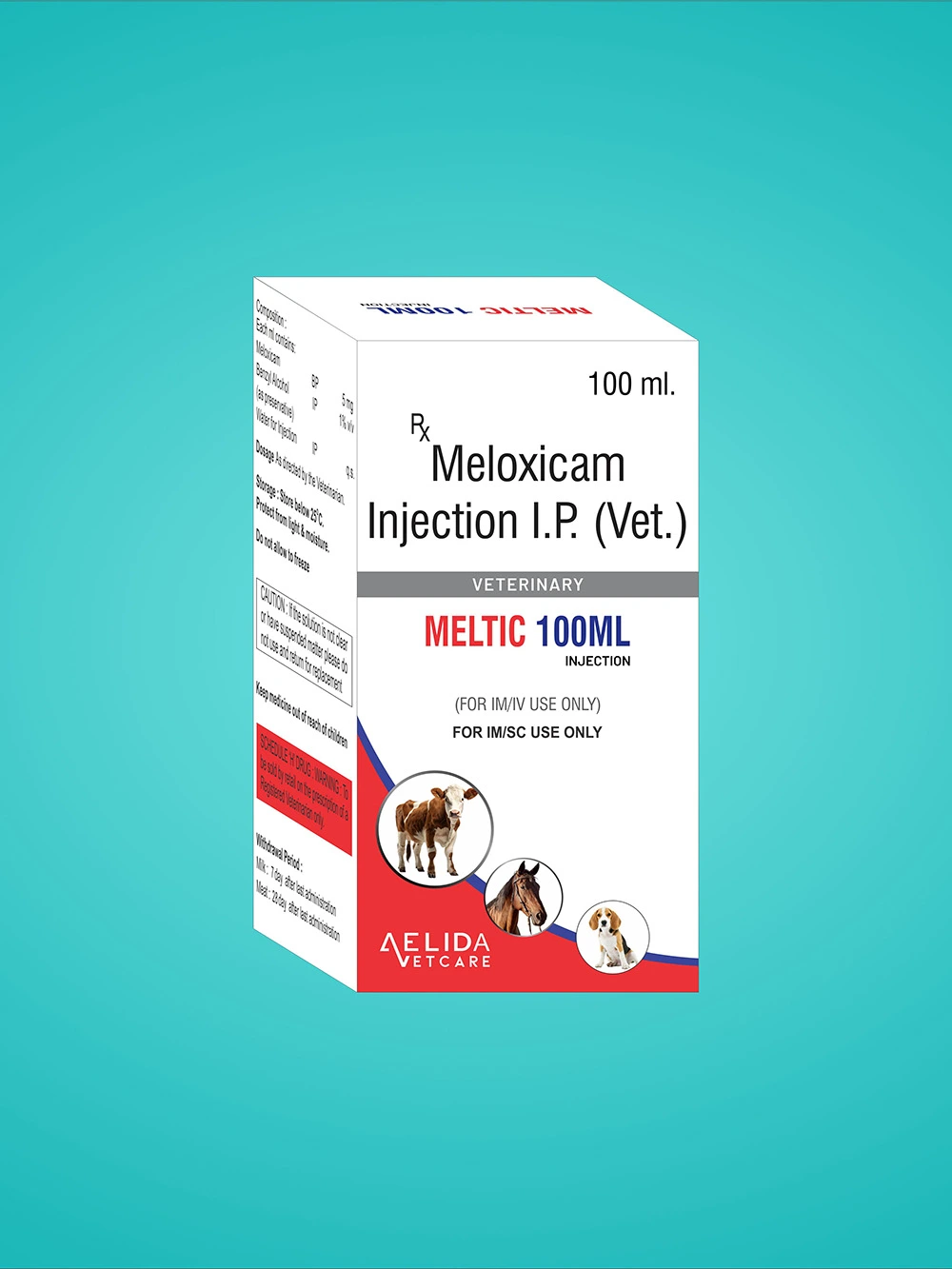
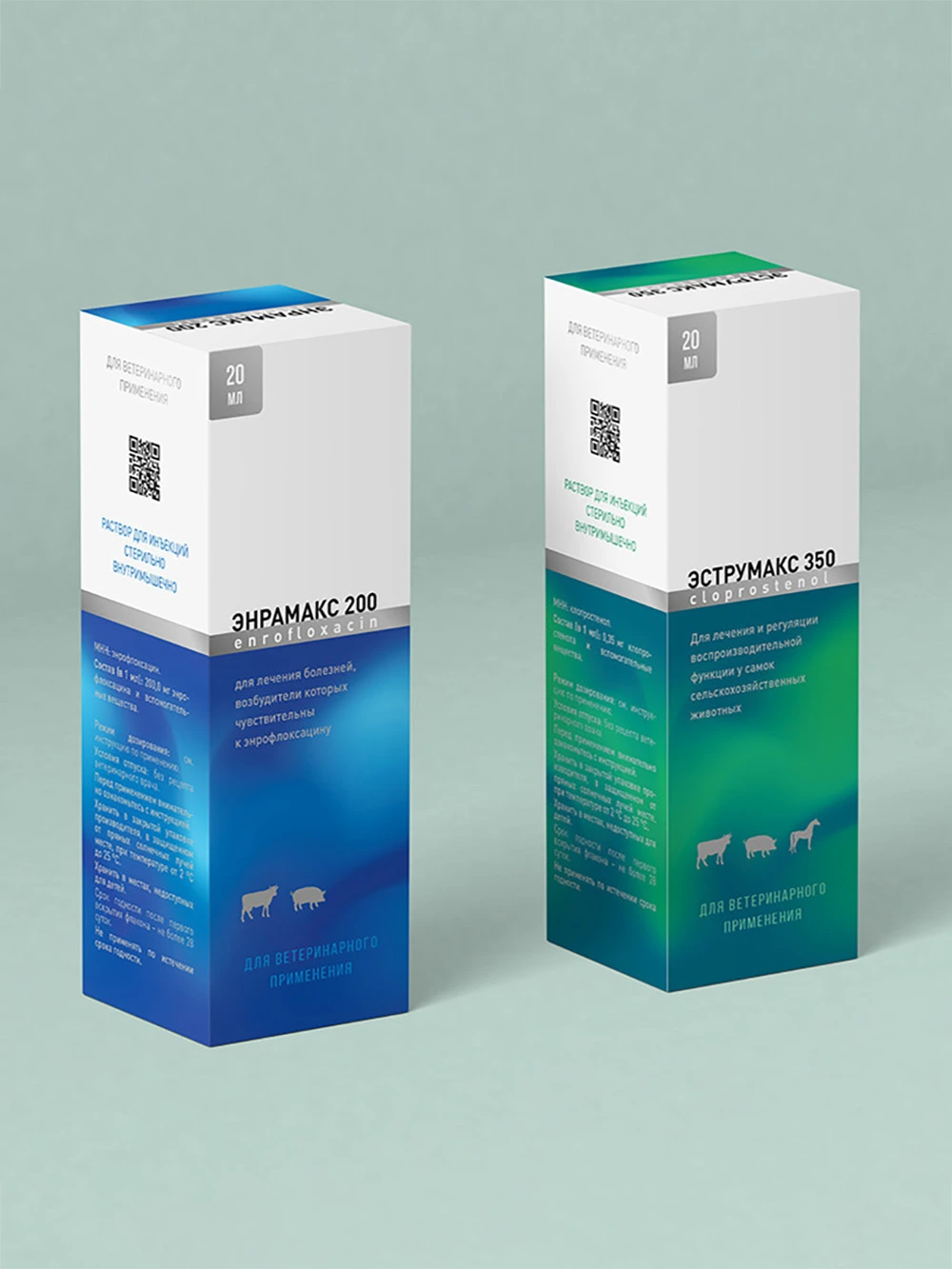
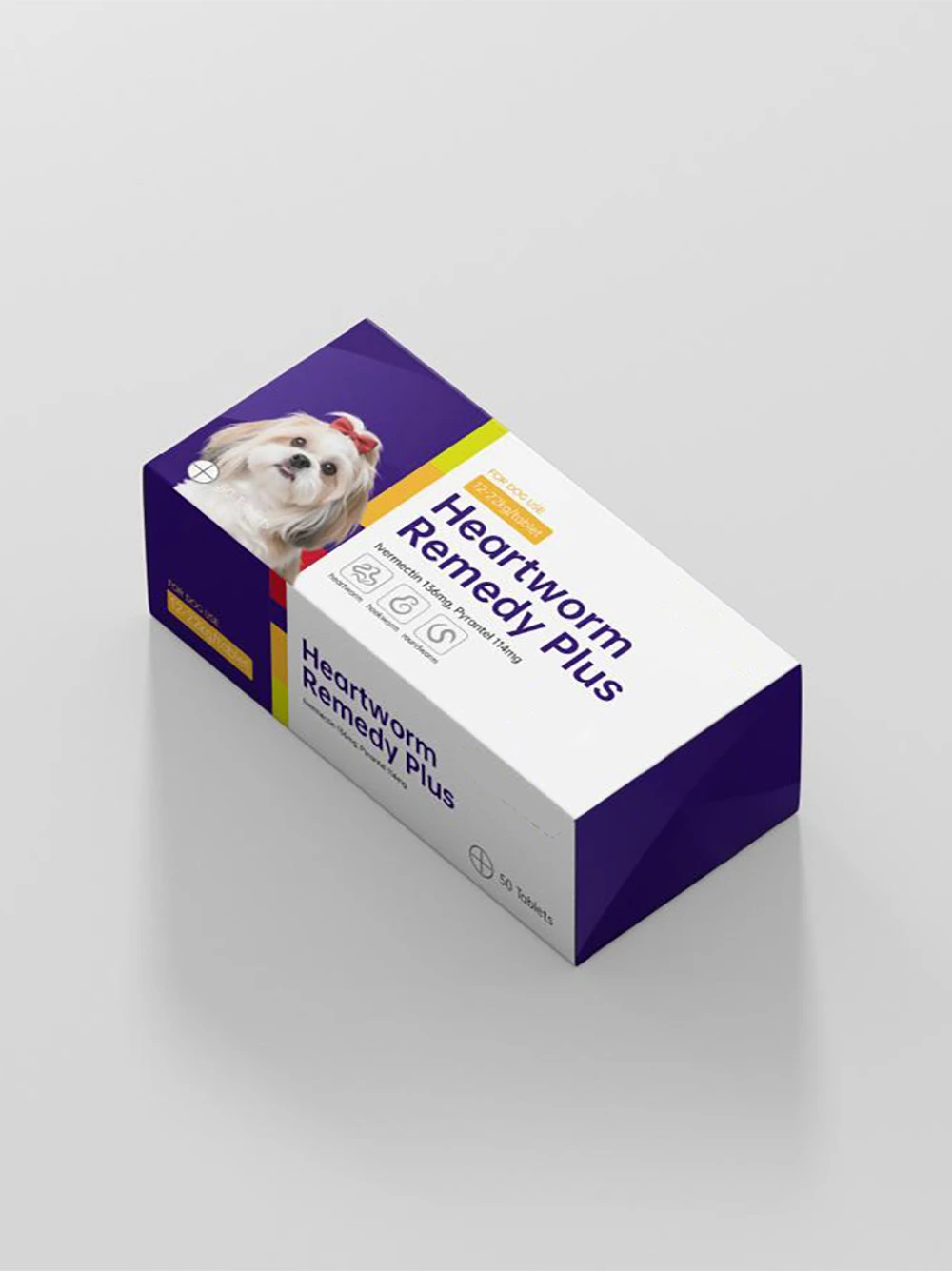
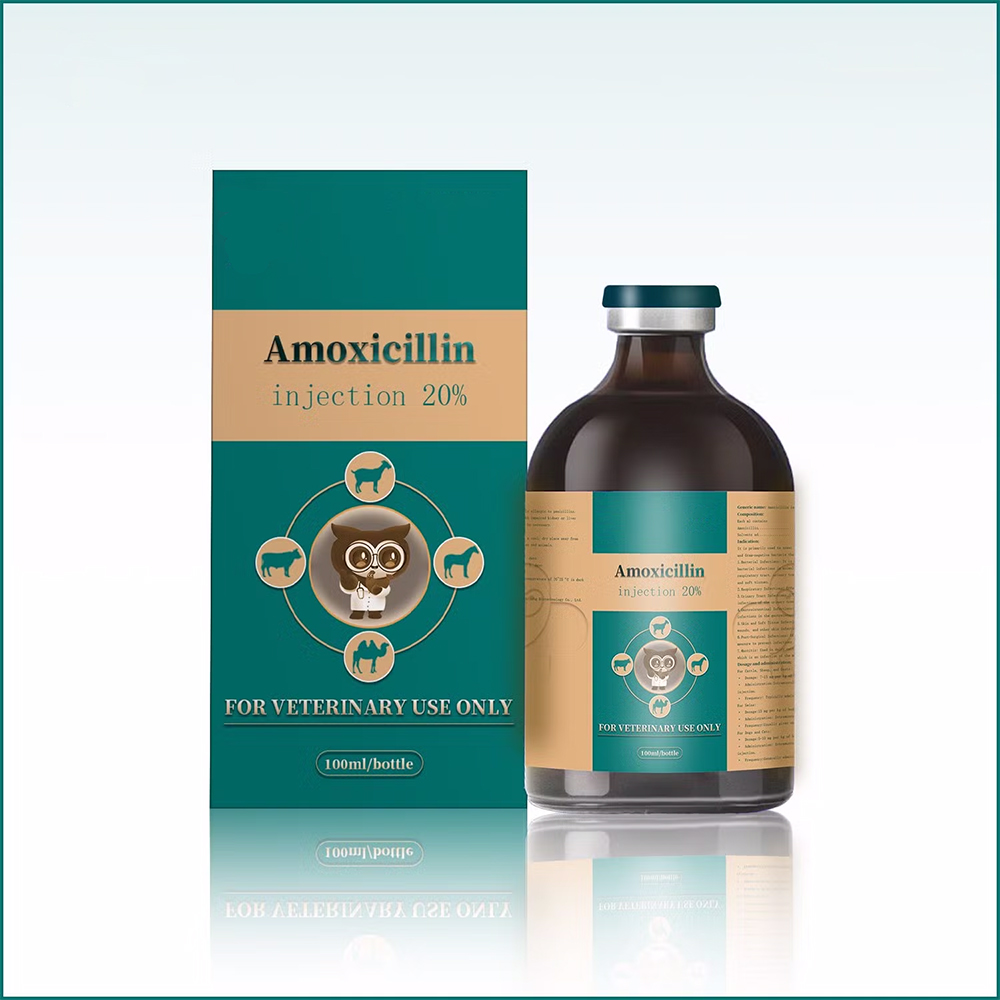
Custom Veterinary Medicine Boxes: Built for Regulated Animal Health Products
- What do buyers actually want to know about veterinary medicine boxes?
- What actually goes into building one?
Most buyers want to know whether the box will hold the veterinary medicines boxes, whether the product is still in transit and meets labelling rules without a redesign later. Building one starts with the primary container itself, the vial, bottle, or blister pack, since insert size, board weight, and closure type all get decided around that, not around a generic template.
A veterinary medicine box has to hold the vial, bottle, or blister pack in place, even after a wild lift on a delivery cart. Dosage labelling, child-resistant Mylar bags, and tamper-evident seals matter too, but none of it benefits if the container inside shifts and cracks along the way. Our carton engineers size every insert to the real product sizes, checking actual vial and bottle measurements instead of relying on a single spec sheet number.
- Tamper-evident tuck locks and perforated tear strips, flagged clearly with bolded tamper-evident carton terminology for label reviewers
- Child-resistant locking tabs built to meet Poison Prevention Packaging Act expectations for flea, tick, and NSAID class pet medications
- Custom insert cavities sized against measured product tolerance, not catalogue dimensions, checked by our structural fit team
- Space reserved for species-specific warnings, batch numbers, and expiry dates without crowding the panel
How Do You Choose the Right Board and Insert for Custom Veterinary Medicine Boxes?
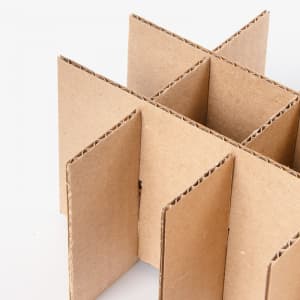
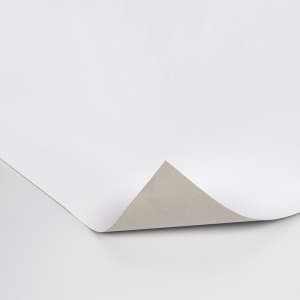
SBS paperboard suits retail-facing cartons with crisp print. Kraft paperboard fits clinic or bulk-shipped product. Corrugated board handles multi-unit shipping cases. Our custom boxes with foam insert design process starts from the vial itself, measuring diameter variance across a sample batch before the die line is cut.
- 300-400 GSM cardboard for lightweight tablet and capsule cartons
- Rigid board up to 1,200 GSM for premium injectable or multi-dose kits
- Foam or die-cut paperboard inserts for glass vials and syringes, tested against drop-impact standards
- Moisture-resistant coating for topical treatments and liquid formulations stored in humid clinic settings
Why Insert Tolerance Matters More Than Box Size
Glass vials vary slightly in diameter, even from the same supplier. A cavity die-cut to nominal size alone can leave a vial loose enough to knock and chip in transit, a flaw no flat proof would ever catch.
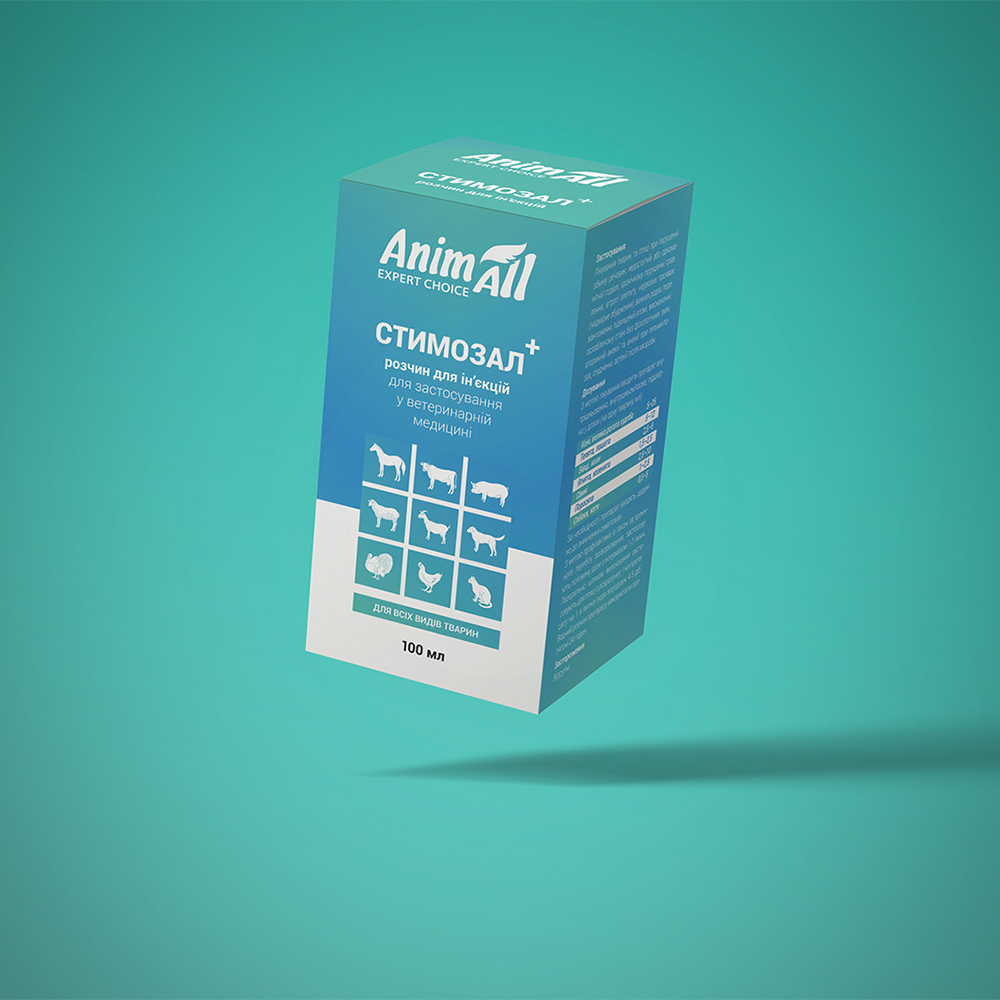
Printing and Branding on Custom Veterinary Medicine Boxes
The label has to work as hard as the box. If a vet can’t read the dosage line in five seconds, the packaging failed.
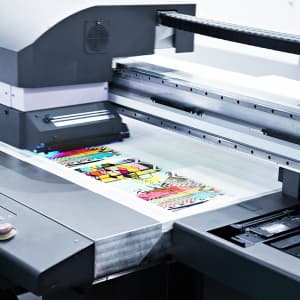
Clear hierarchy matters more here than on almost any other small rigid boxes category we print. Dosage instructions, active ingredient, and species warnings need their own visual weight, separate from logo and brand color. Our prepress team checks every proof against a readability pass before plates are cut, catching small type or low-contrast warning text before it reaches the clinic frame. Spot UV on the brand mark, matte lamination on the information board separation alone cuts misread complaints on packaging we have reworked for repeat clients.
Why Hale Path Packaging Is a Trusted Custom Veterinary Medicine Boxes Packaging Partner
Regulatory-ready labelling only works if the box behind it holds up in transit. On one recent order, our quality auditors caught a child-resistant tab that loosened after repeated open-reclose cycles in clinic use, a wear pattern flat testing never showed. Repeat-cycle testing found the fold weakening past 40 opens, so the tab fold was reinforced before the batch shipped. That same custom rigid sleeve packaging level of testing runs on every animal health order we build, not just the ones flagged by a customer. 100-unit minimum order, 7-14 working day turnaround, and 7 years building packaging for regulated categories across the USA.
Explore more of our related packaging products from Hale Path Packaging:
Frequently Asked Questions
What is a Custom Veterinary Medicine Boxes made from?
Most brands choose SBS paperboard for retail cartons, kraft paperboard for clinic or bulk product, or corrugated board for shipping cases holding multiple units.
How is a veterinary medicine box different from a general pharma carton?
Veterinary packaging requires species-specific warning space, since a dosage safe for a dog is toxic to a cat, plus panel room for weight-based dosing that human pharma cartons rarely require.
Do these boxes require child-resistant features?
Flea, tick, and NSAID class pet medications fall under Poison Prevention Packaging Act expectations when sold directly to pet owners, so child-resistant locking tabs are standard on retail-facing cartons.
What MOQ applies to a custom veterinary medicine boxes order?
Our standard minimum is 100 units, with most orders exporting in 7-14 working days once artwork and insert sizes are approved.
Can inserts be sized for glass vials specifically?
Our structural fit team measures a sample batch of vials before cutting the die line, since glass diameter varies slightly between production runs even from the same supplier.
Is FSC-certified paperboard available for Custom Veterinary Medicine Boxes cartons?
Our SBS and kraft board choices carry FSC Chain of Custody certification for brands that require traceable sourcing on file for retail partners.
Do veterinary medicine boxes require tamper-evident features?
Most retail and clinic-dispensed products do. Tamper-evident tuck locks and perforated tear strips provide a visual signal if a carton has been opened before it reaches the end user.
Are these boxes appropriate for transport directly to veterinary clinics?
Corrugated shipping cases paired with individually inserted cartons hold multi-unit orders stable in transit, which matters for clinics receiving bulk restocks rather than single units.