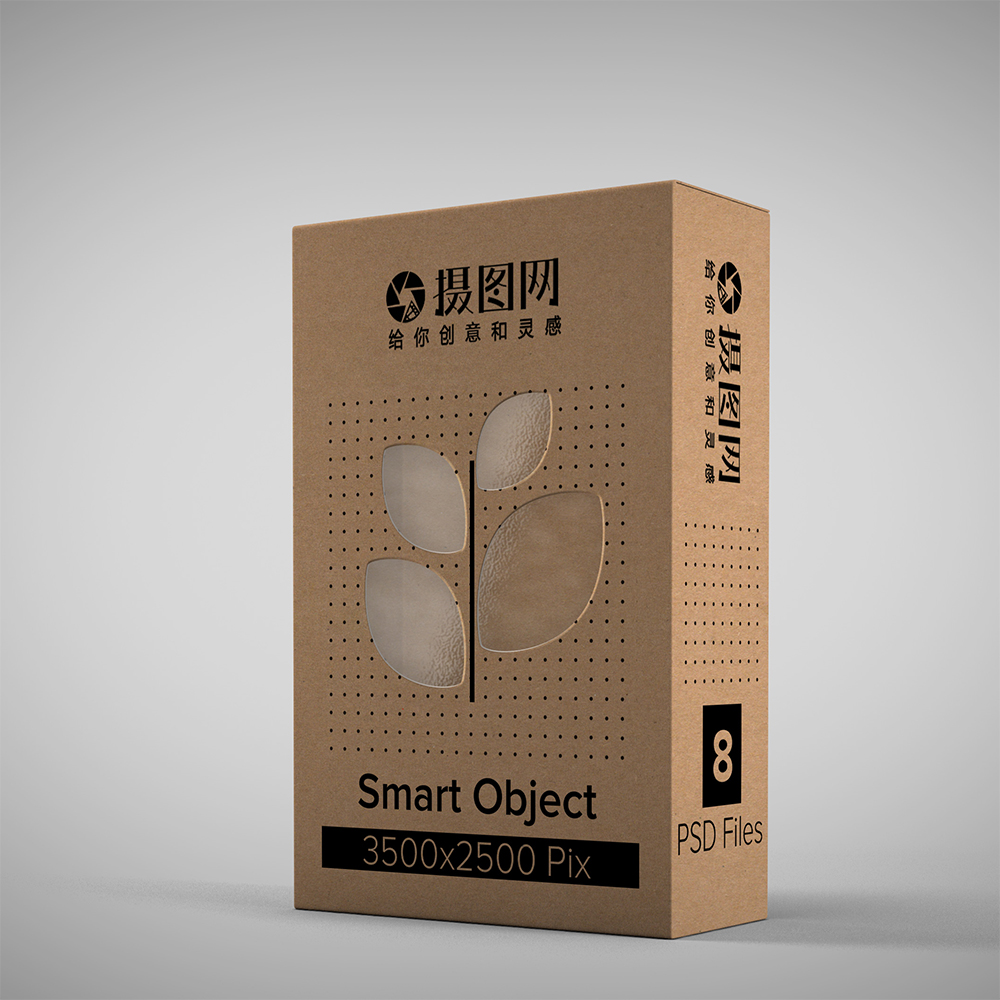
Die Cut Boxes
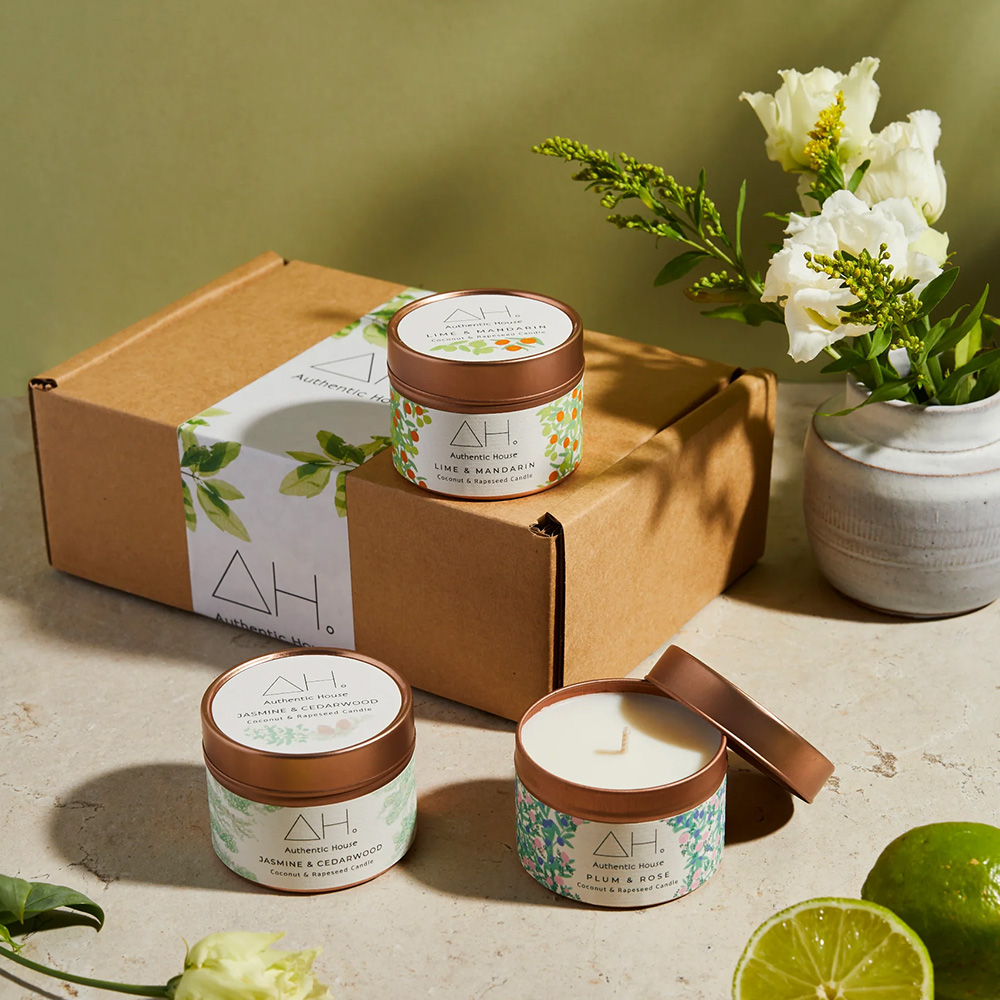
A candle company in Chicago was shipping pillar candles in stock rectangular boxes, with void fill packed around the gap. Damage rates sat around eight per cent on long-haul orders. They switched to a die-cut box built to the candle’s exact diameter and height, with interlocking tabs at the base, a thumb-notch opening, and the number dropped under one per cent within two shipping cycles. Hale Path Packaging builds custom die-cut boxes for product brands across the USA who’d rather shape the box to the product than force the product into one that almost fits.
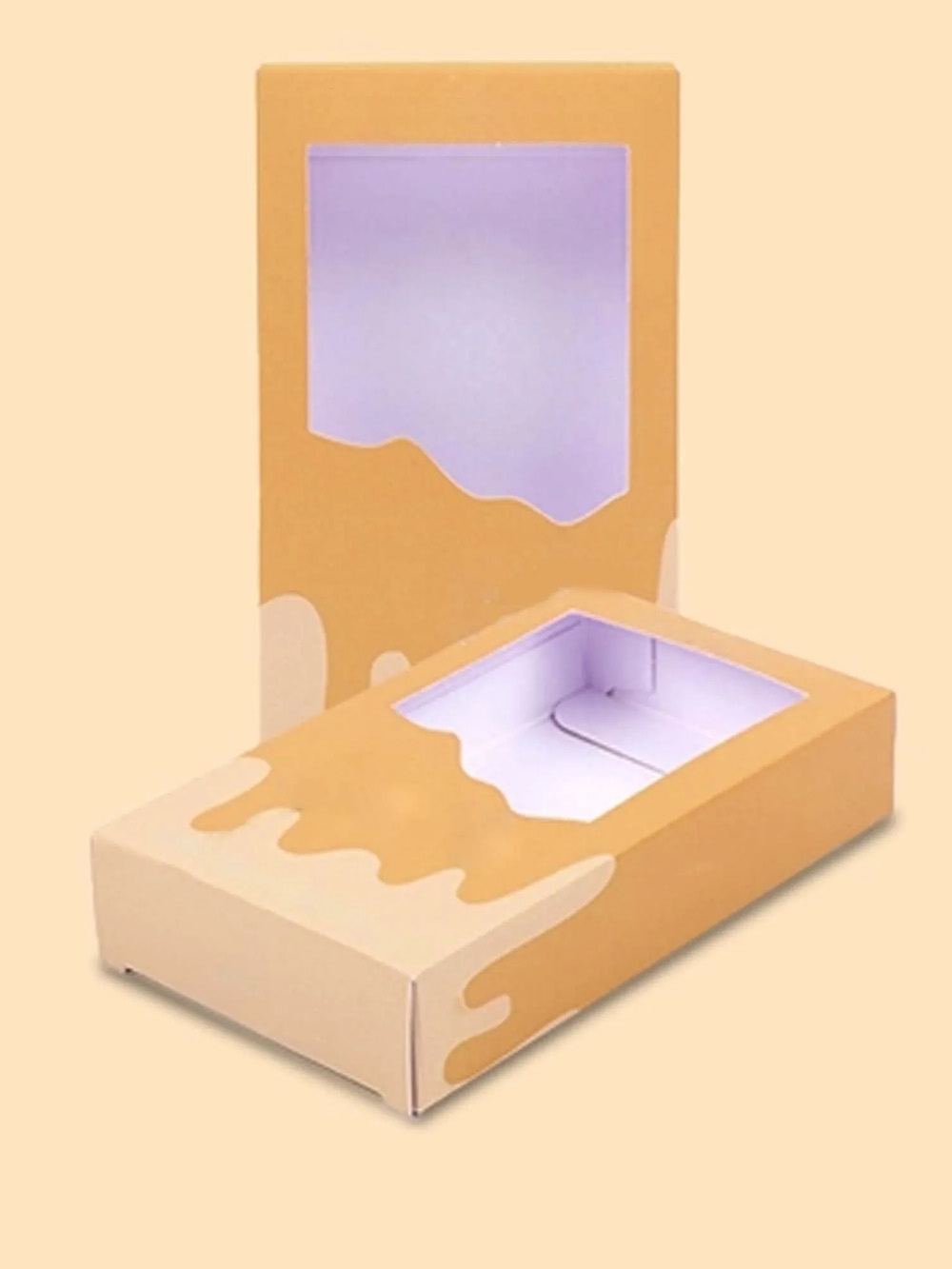
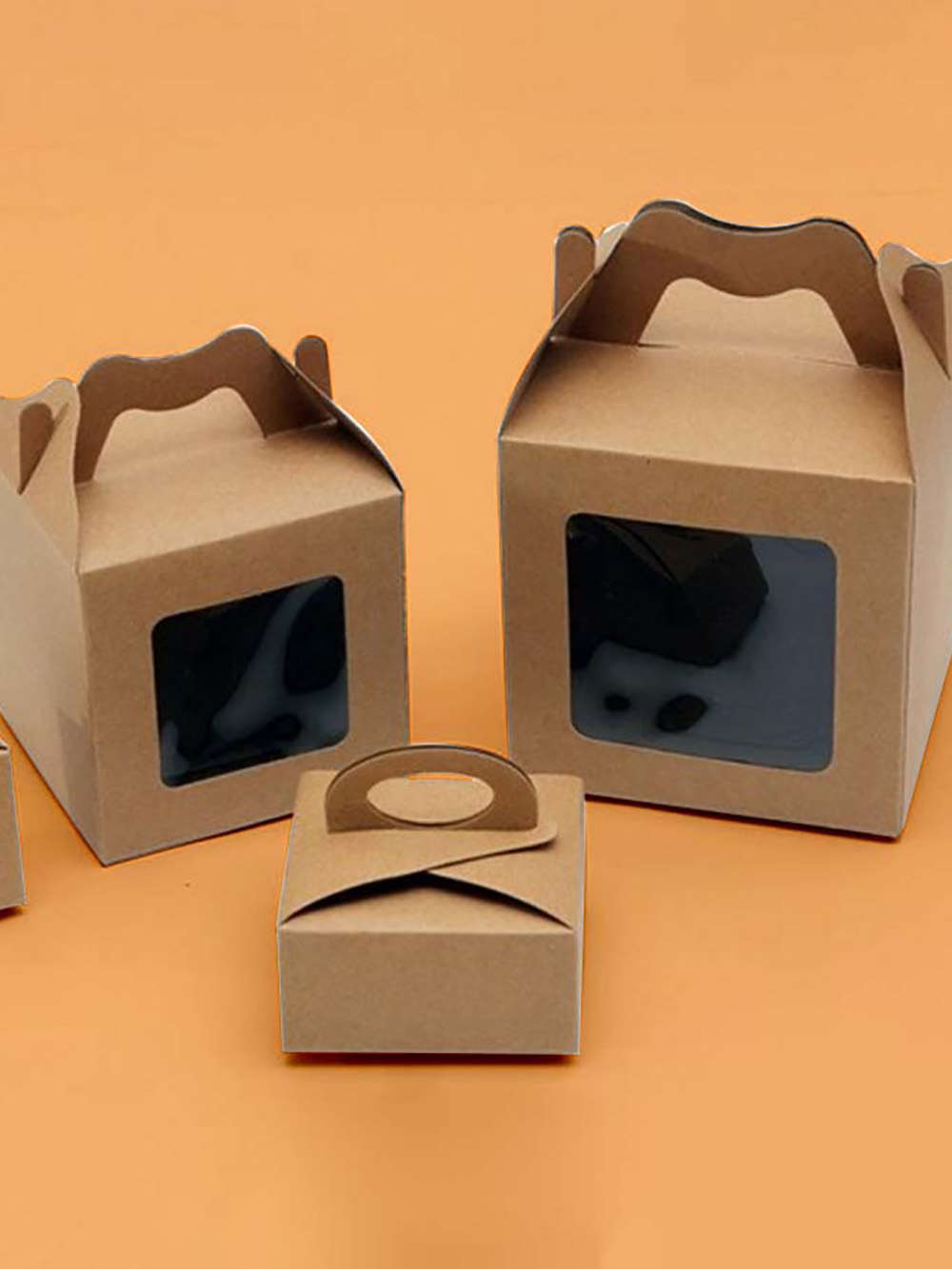
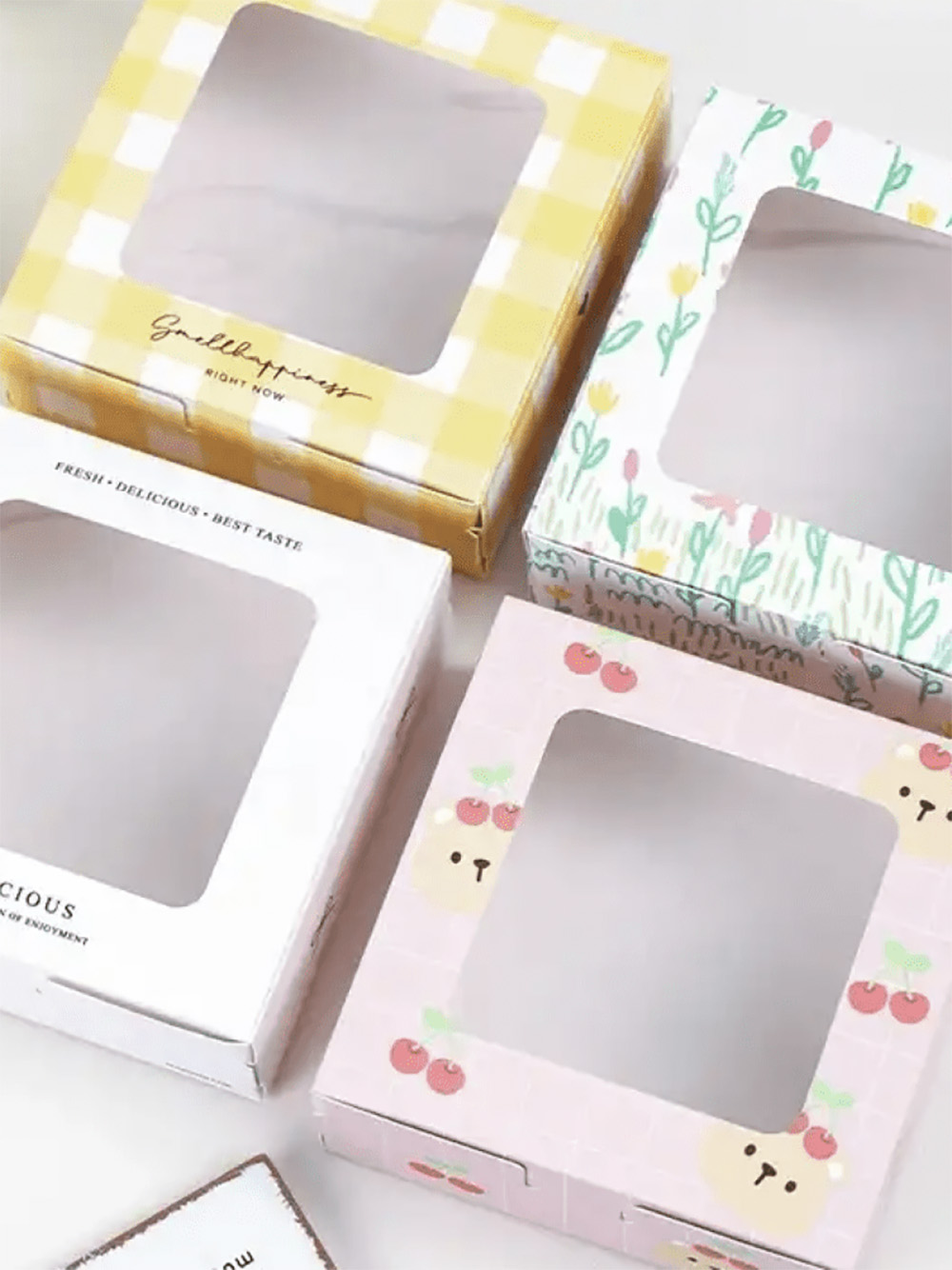
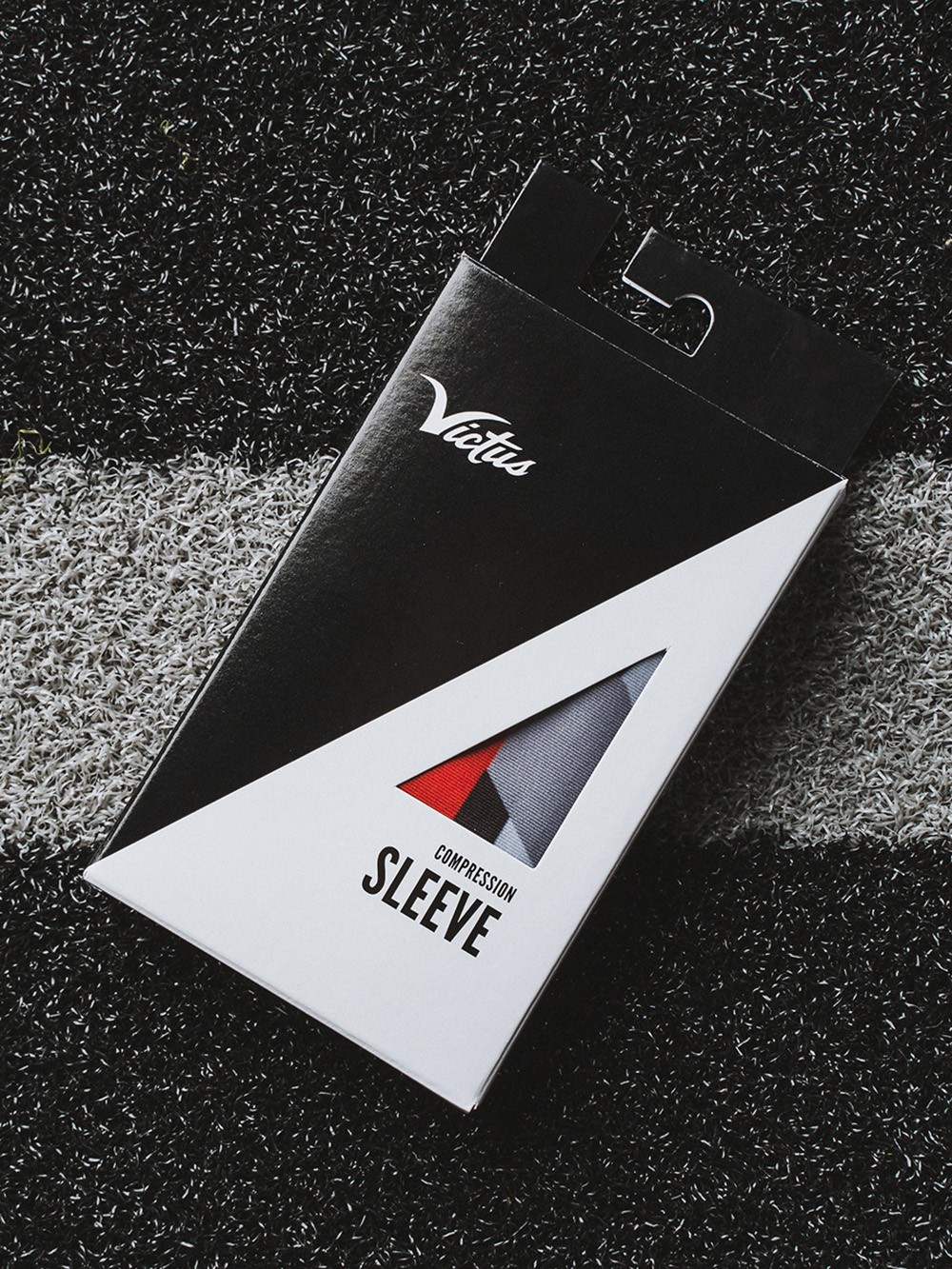
Die Cut Boxes Gallery
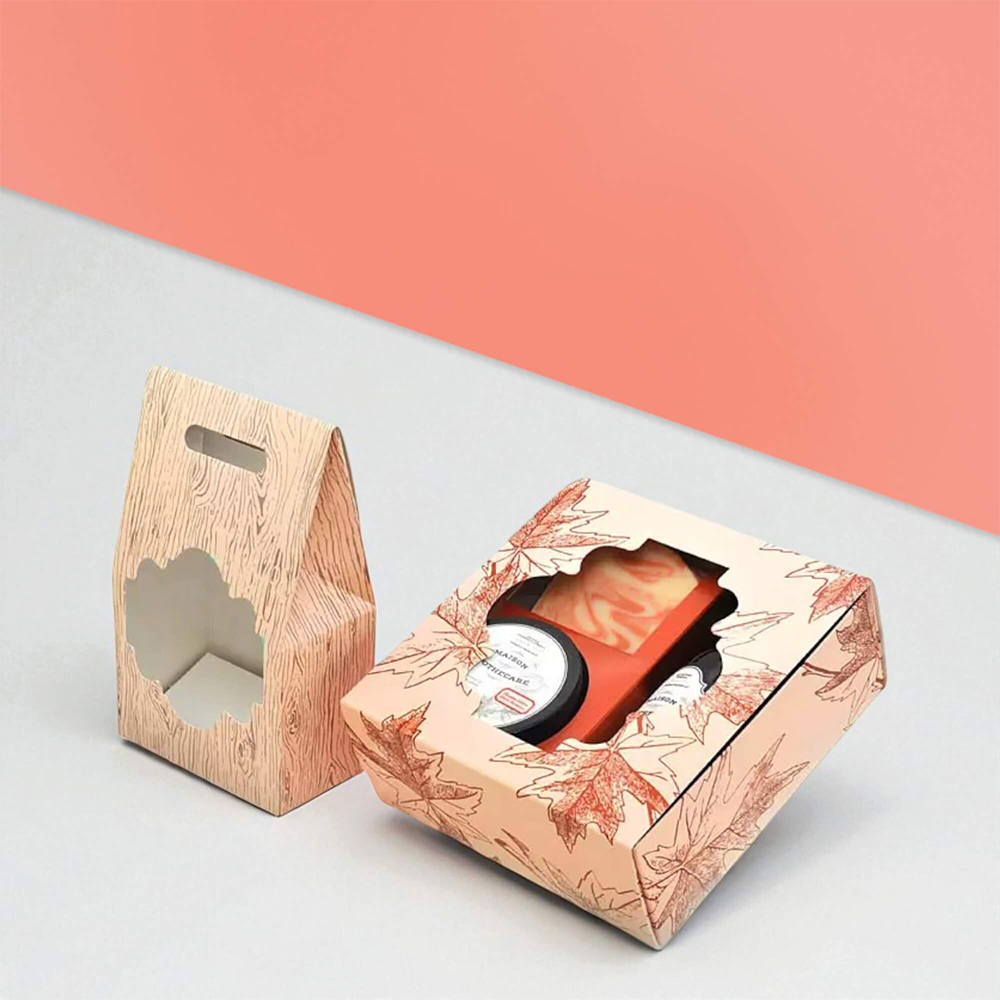
Where the Real Strength in a Custom Die-Cut Box Comes From
“Two boxes, same size, same board weight. One’s a standard folding carton, the other’s a custom die-cut box. The die-cut one holds up better, and that’s got nothing to do with the material; it’s the shape. Cut from a flat sheet using a precision steel die, it folds, locks, and closes on its own, with no void fill, no padding, no extra tape holding things together. Every crease and cutout sits exactly where that specific product needs it, which is really where the strength comes from: the design, not just board thickness.
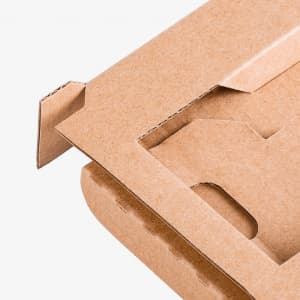
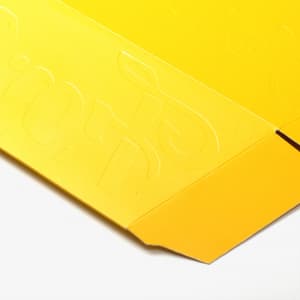
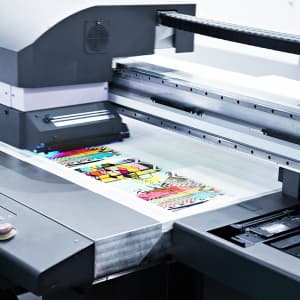
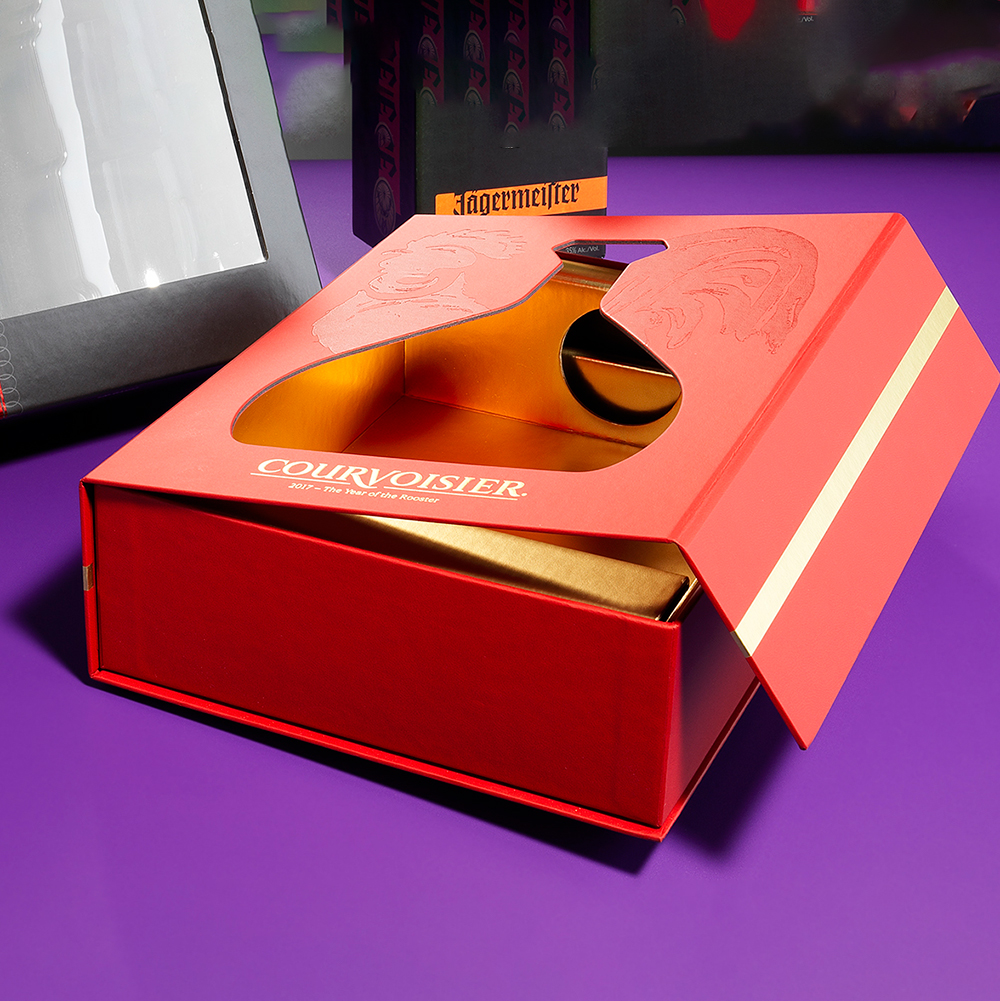
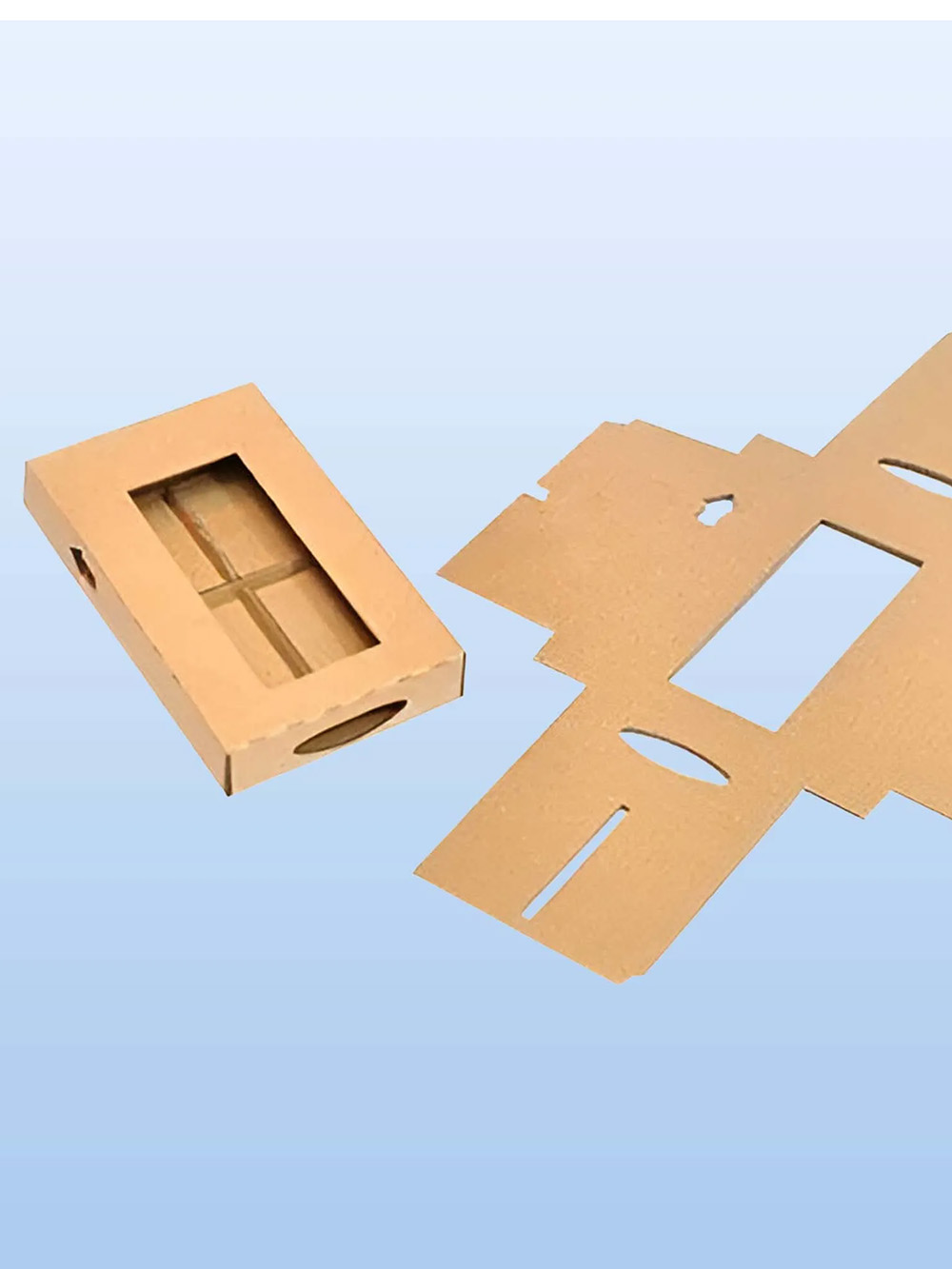
- Steel rule dies cut clean, precise edges, windows, thumb notches, lock tabs, irregular shapes, whatever the design calls for.
- Interlocking tab closures are available for boxes that need to open and close repeatedly without a separate lid.
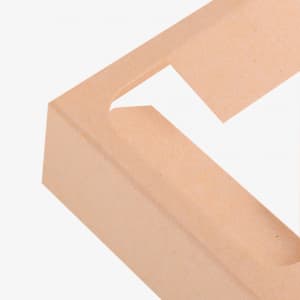
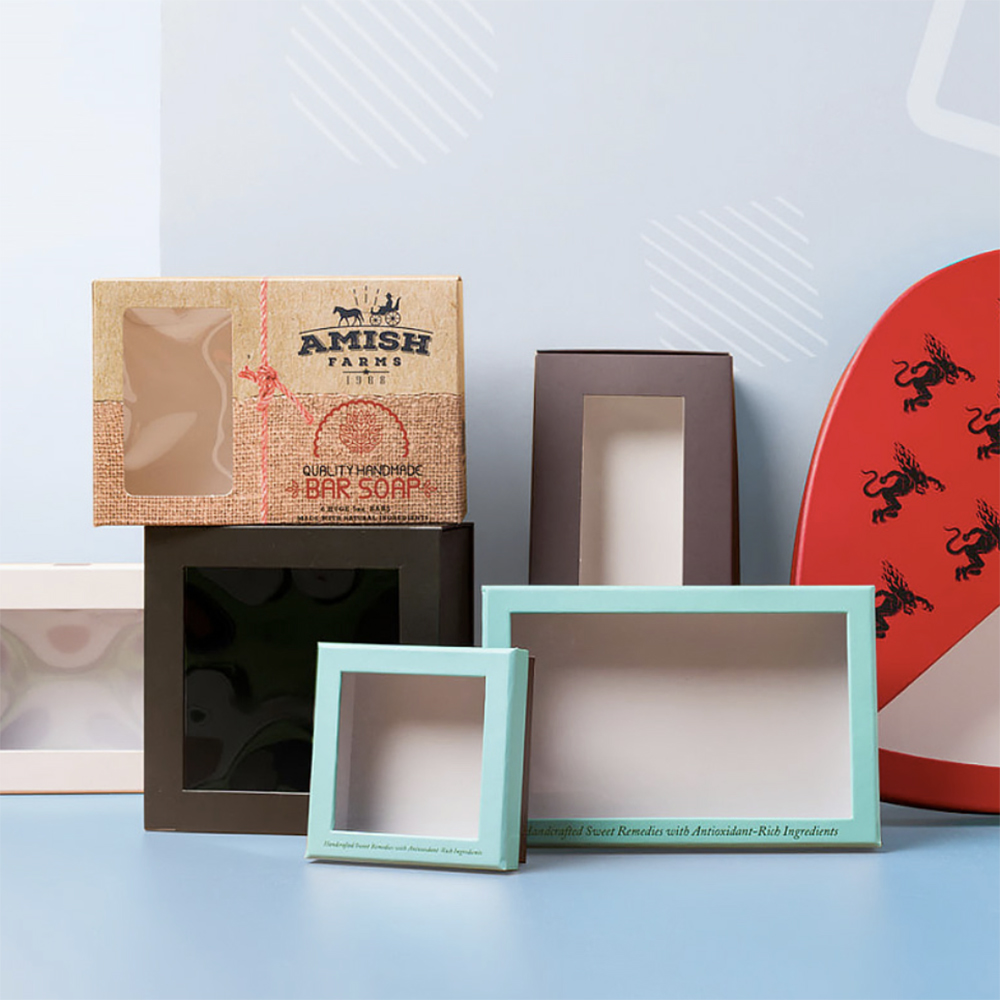
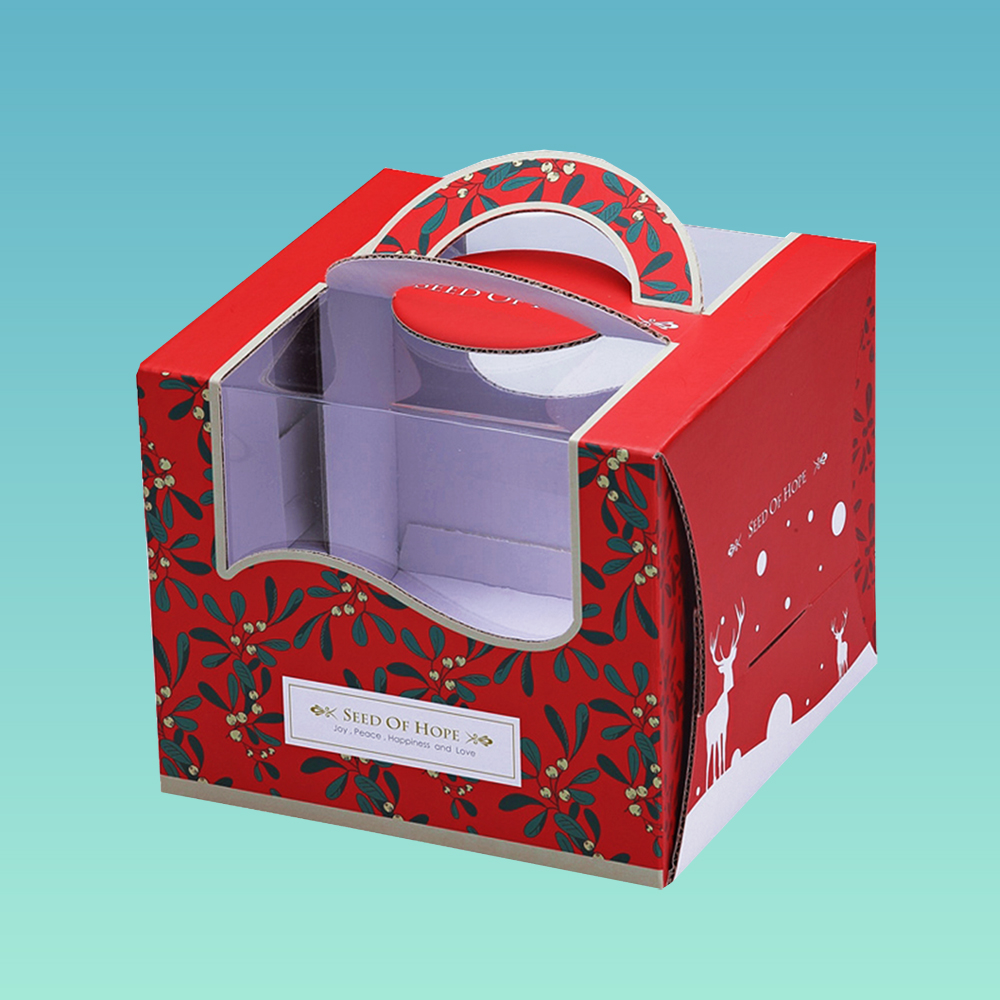
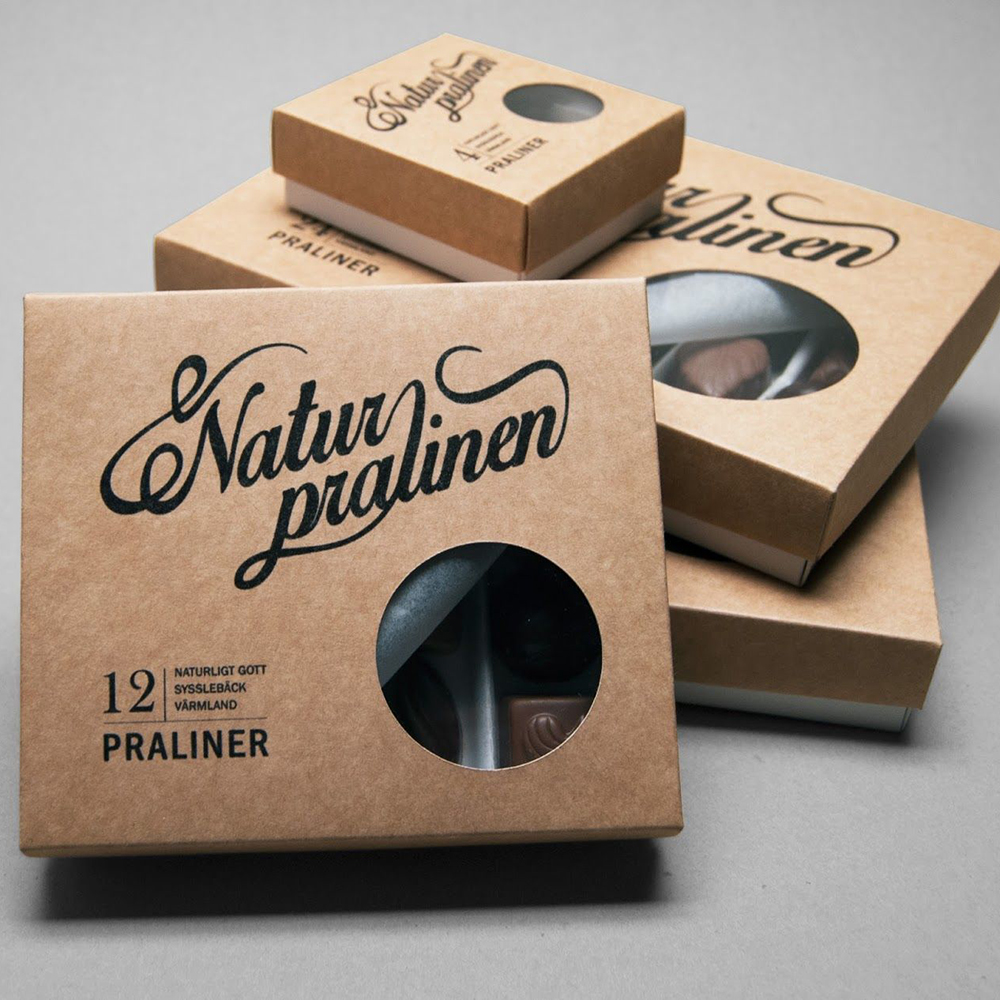
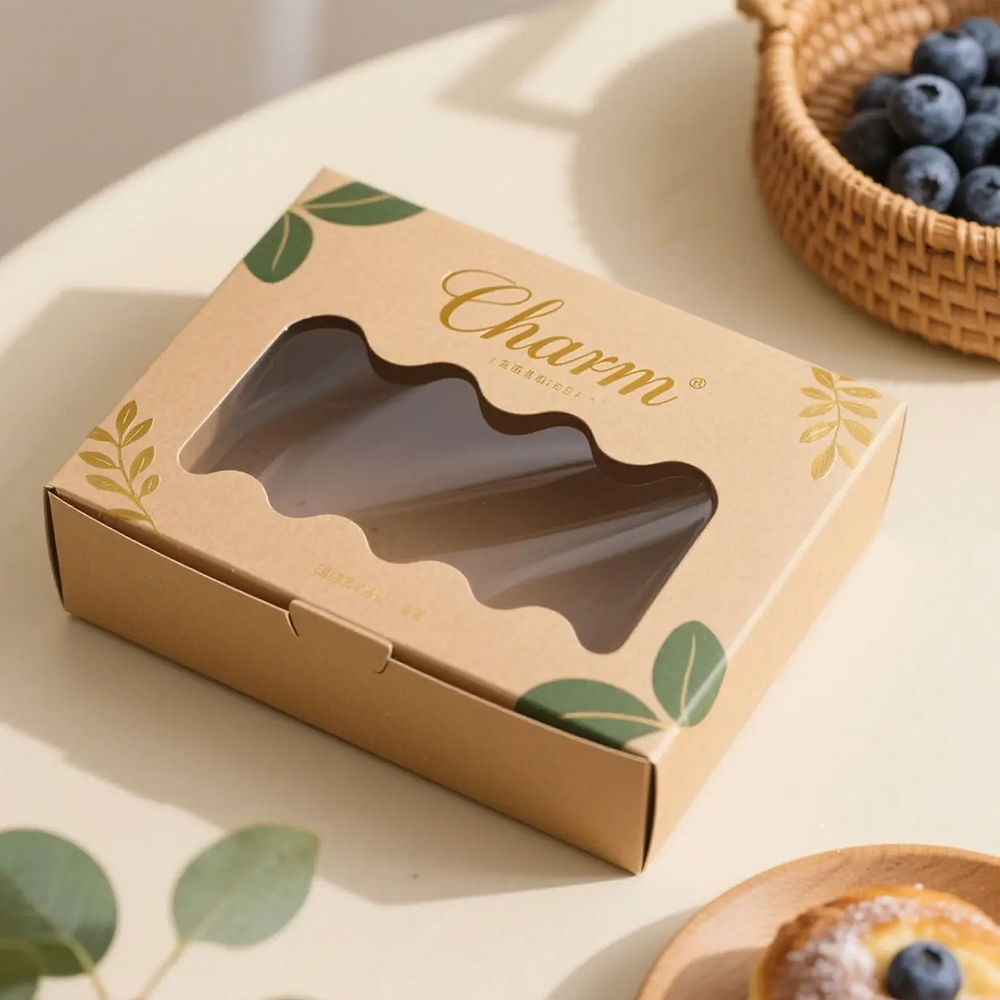
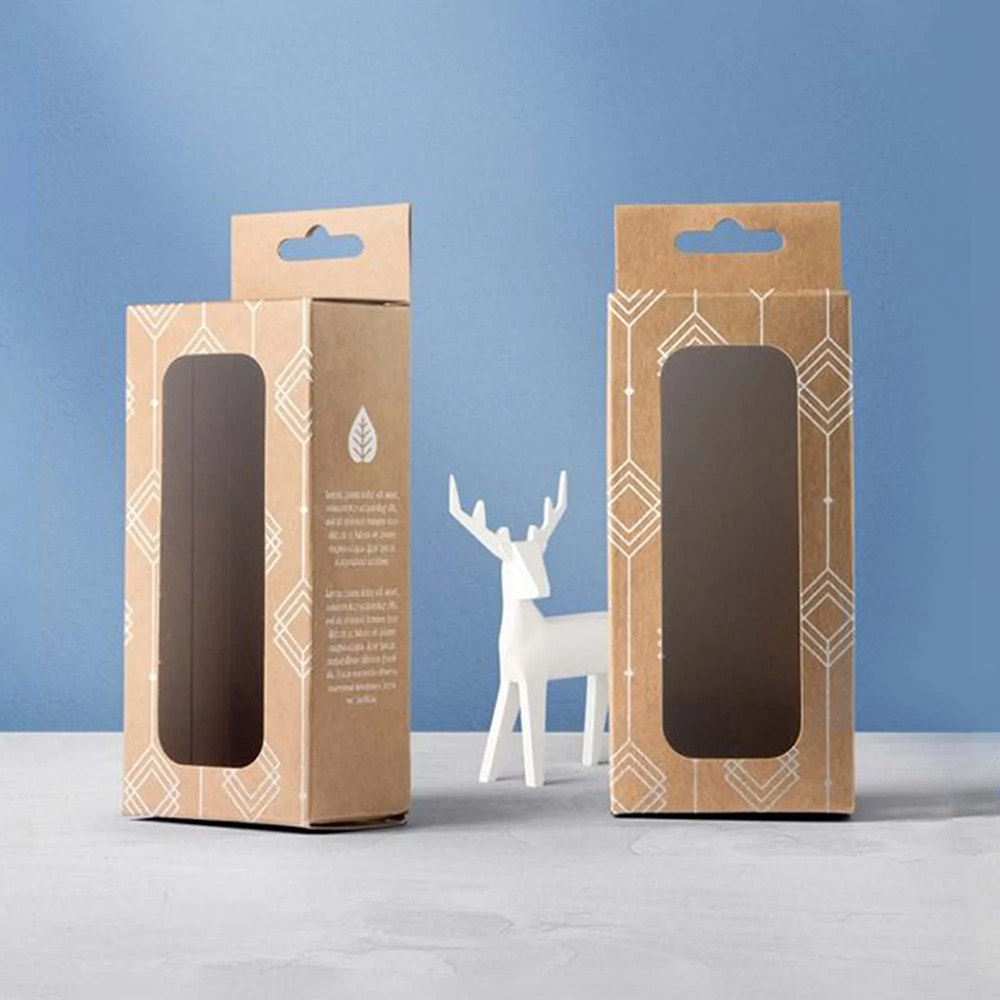
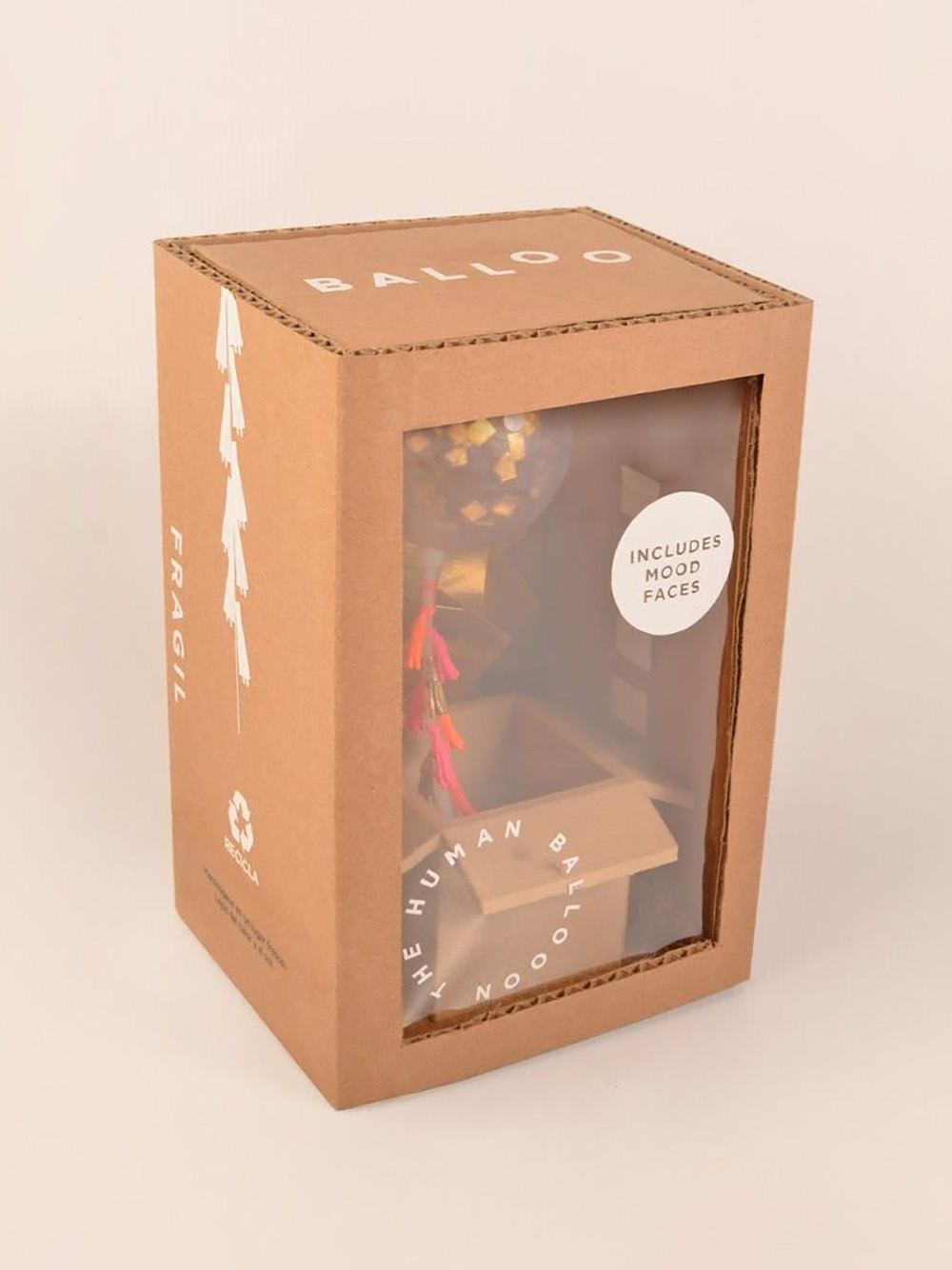
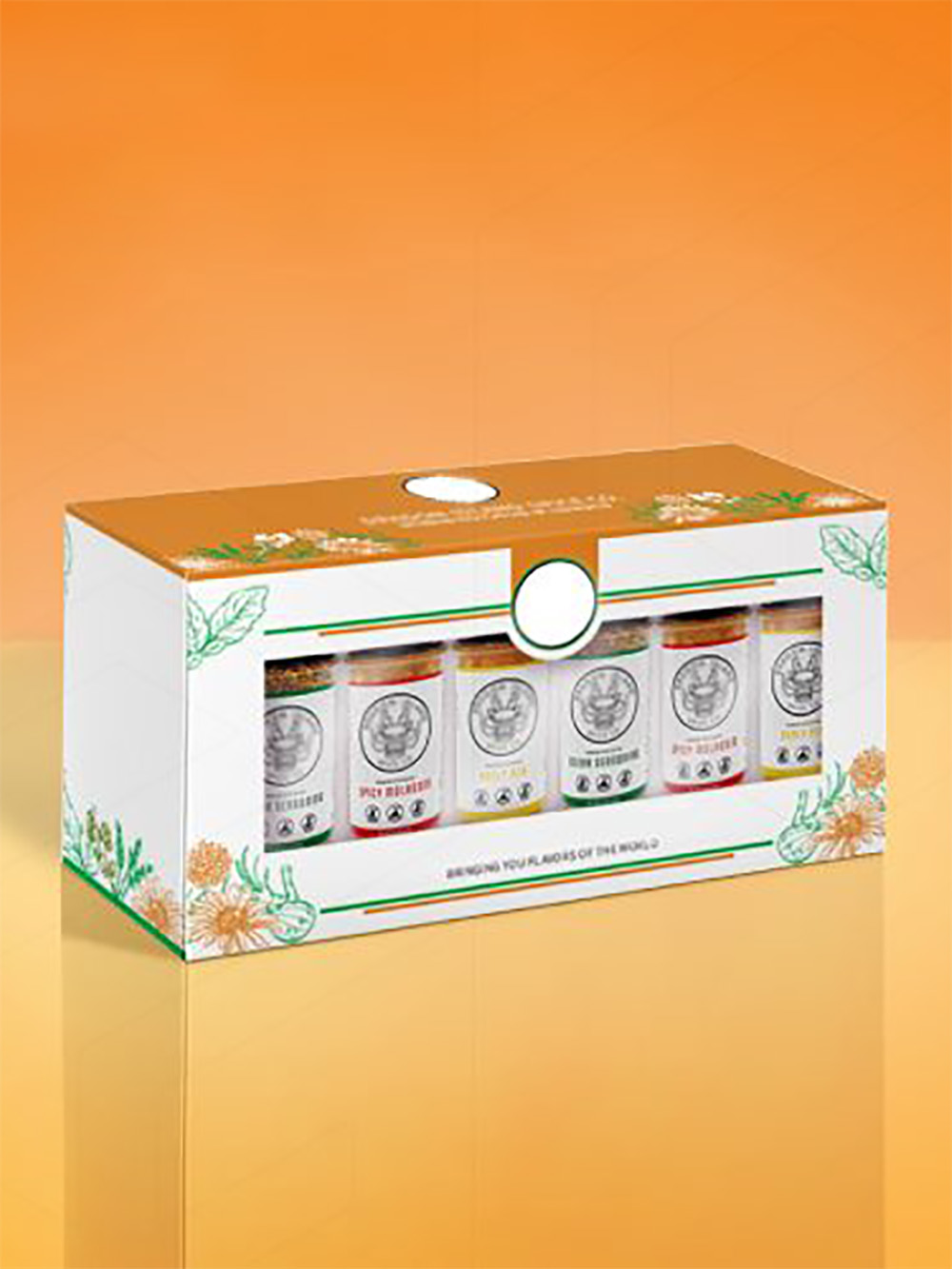
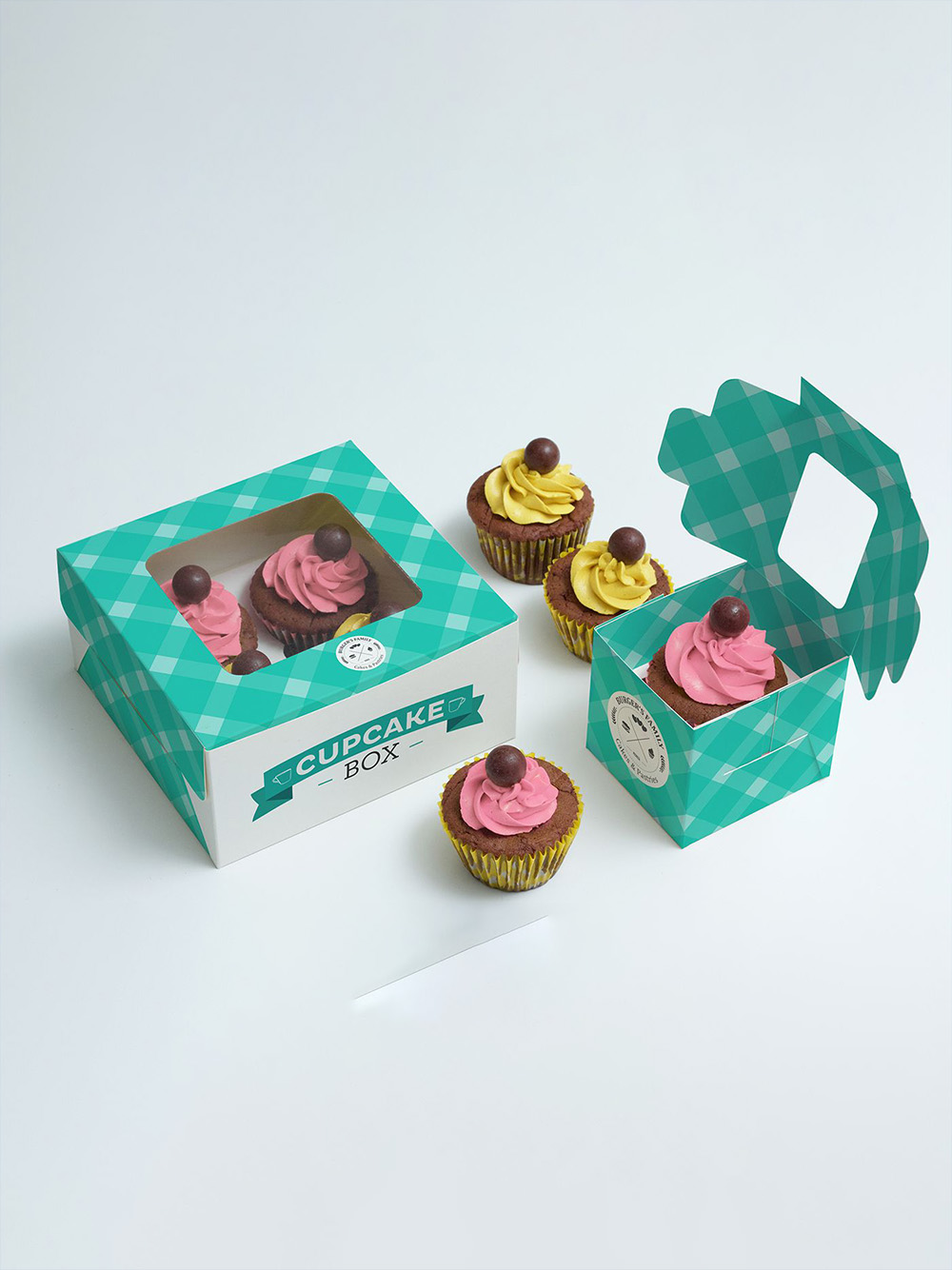
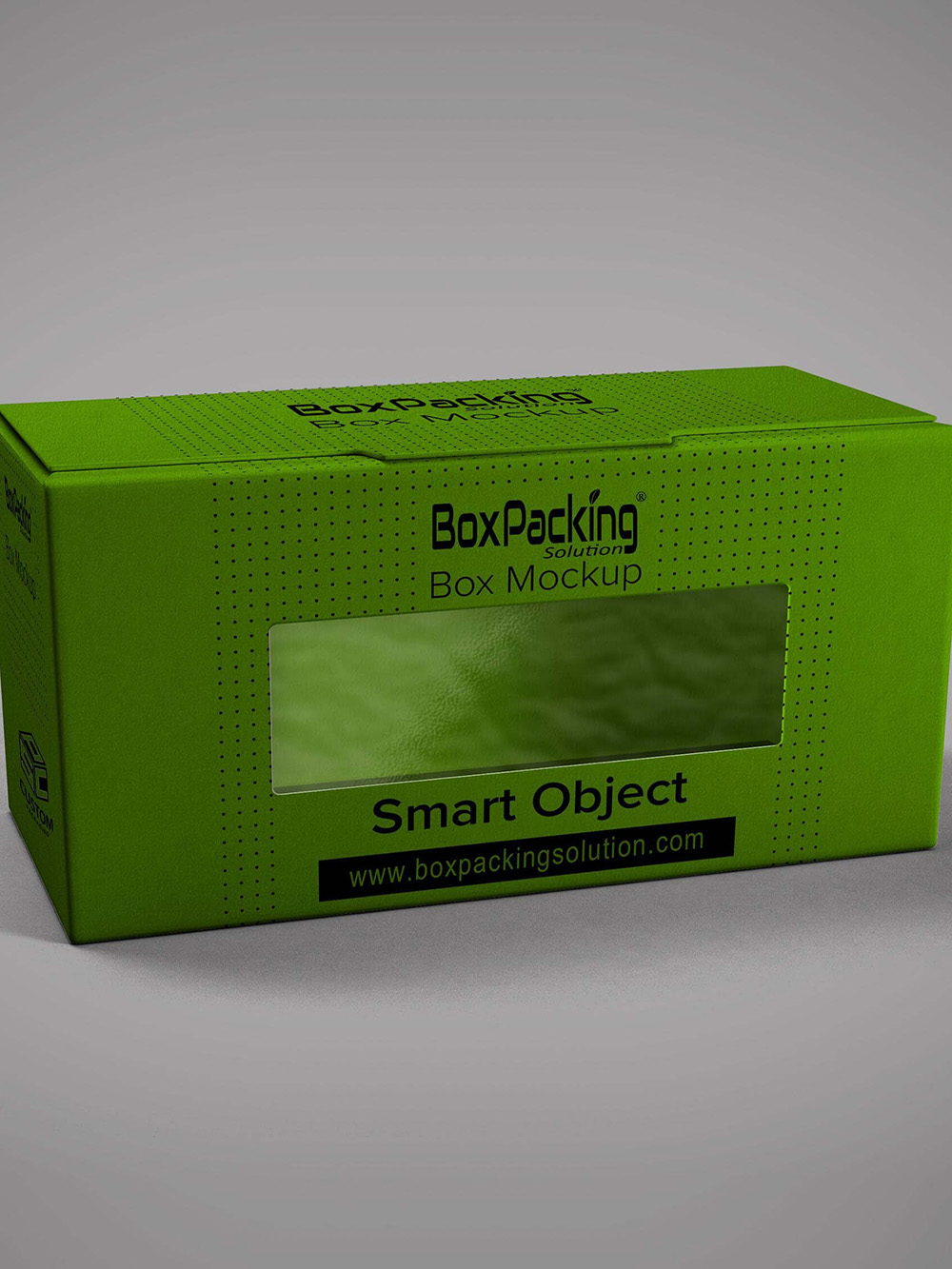
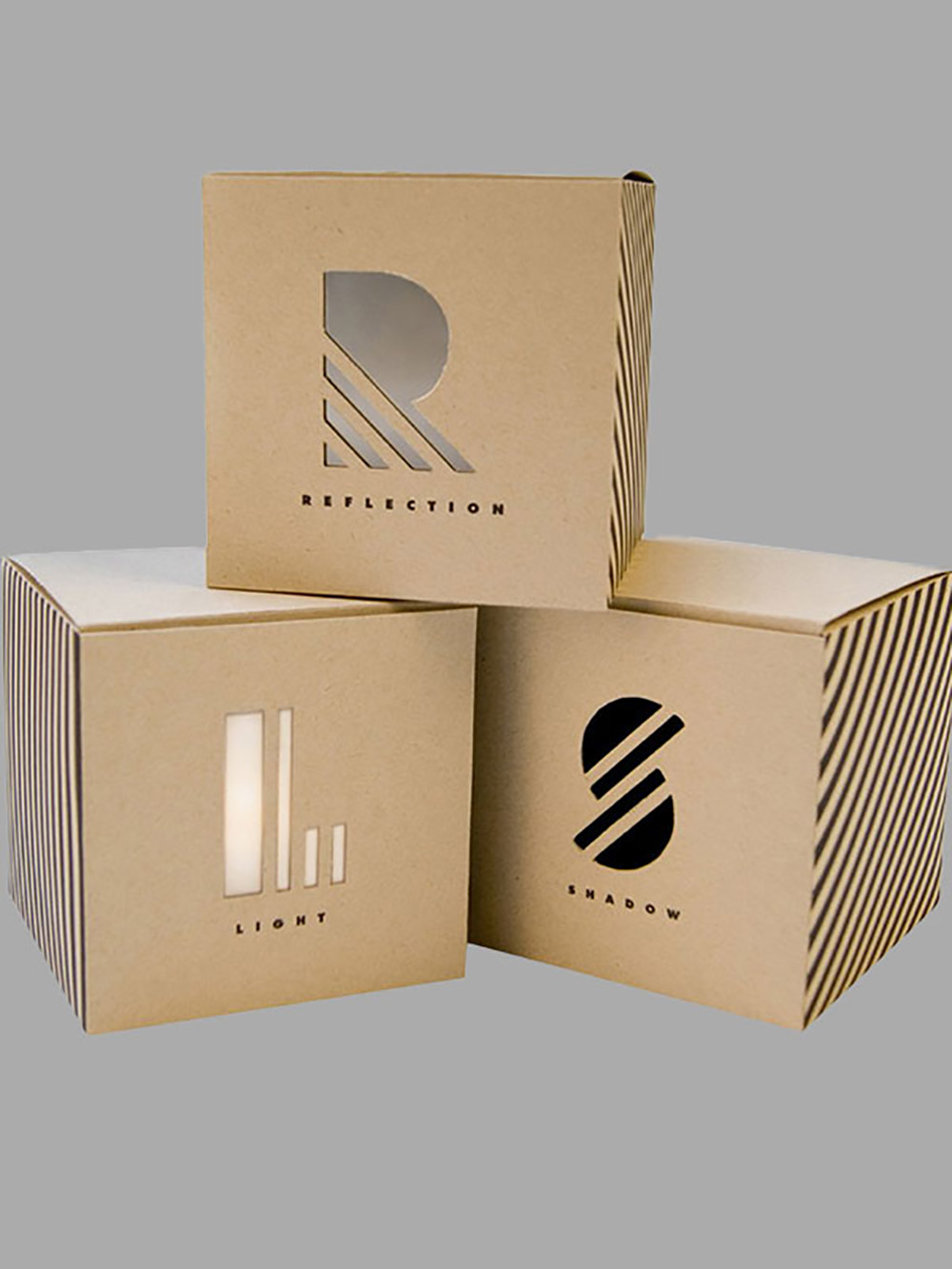
- Window cutouts in any shape, circle, arch, or product silhouette, covered with clear PET film or left open for breathable packaging.
- Hang tab and Euro hole options are built into the die, so the box can go directly onto a peg hook in retail environments.
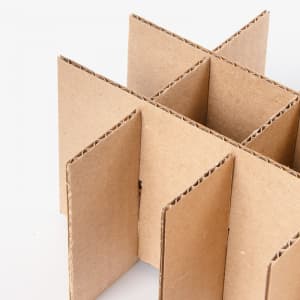
- SBS paperboard, kraft, or Bottel Carrier material, depending on whether the box is going to retail shelf, e-commerce fulfilment, or heavy product shipping.
Why a Chicago Candle Brand Cut Its Damage Rate With a Custom Die-Cut Box
That candle packaging company had tried heavier board, extra bubble wrap, and a different courier before looking at the box shape itself. The standard rectangular box was the right volume but wrong geometry; the cylindrical candle sat on a diagonal inside a square base and shifted during transit regardless of what void fill surrounded it. The die-cut solution built a circular base plate and curved side panels that held the candle centred and upright without any additional void fill. The structural lock at the base prevented the candle from dropping through the bottom on rough handling. “Should have done this two years ago,” their operations manager said when the damage figures came back from the second full month of the new packaging.
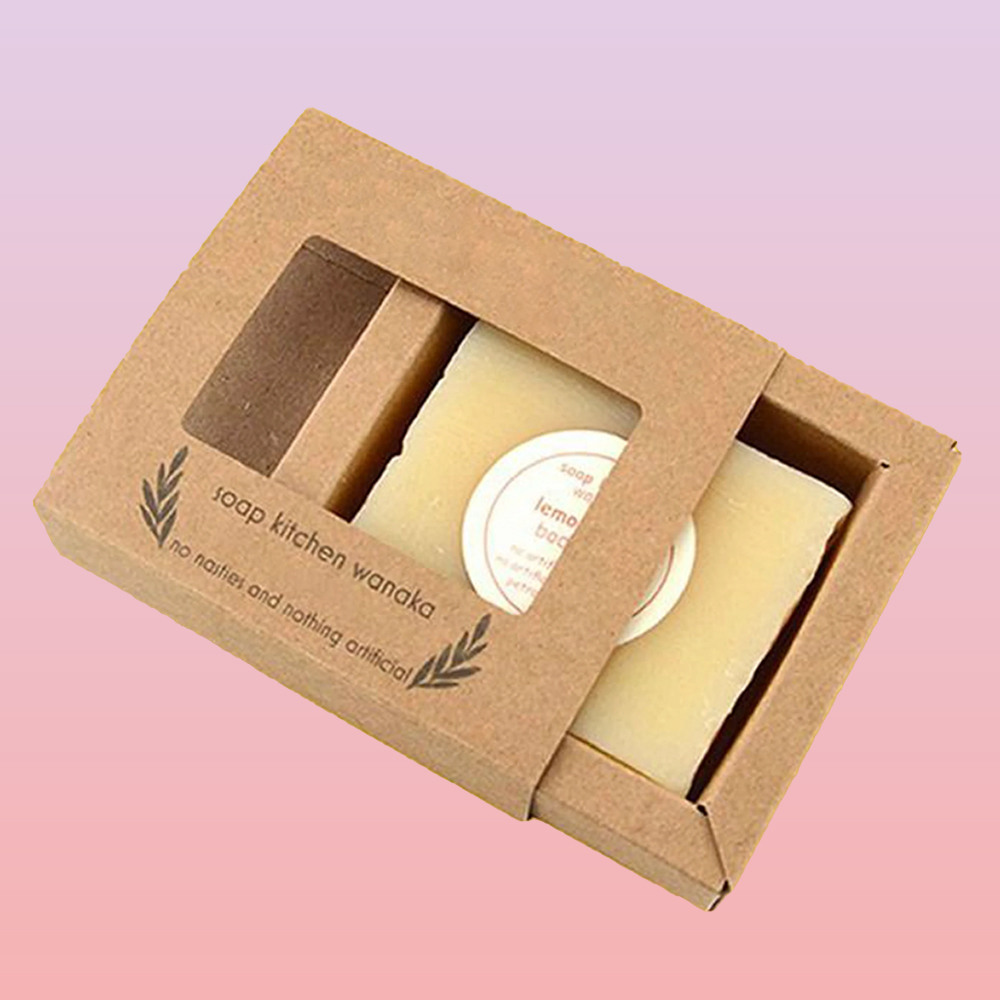
Product Brands and Retailers Across the USA Trust Hale Path Packaging for Their Die-Cut Boxes
A die-cut box can look flawless in the sample approval and still slip out of tolerance once it’s running at scale. Lock tabs stop closing right, windows drift off-centre, and hang holes stop lining up with the peg hook. That consistency, holding up across a full run, is really the difference between a box that works at 500 units and one that still works at 50,000. Every custom die-cut box we produce gets its die rechecked against the approved sample at the start of each run, since tooling wear is the most common reason precision degrades across large volumes. We work with product brands in New York, food and candle companies in Seattle, and retail packagers from Dallas to Miami, all needing a box shape that stays accurate from the first unit to the last. Our structural packaging comparison guide walks through when die cutting adds genuine value over a standard folding carton.
How the Dieline Determines Everything the Die-Cut Boxes Do After It
The dieline is where all the decisions get made, and changing it after tooling is created costs time and money that most brands don’t budget for. Lock tab geometry determines whether the box opens smoothly or tears. Window position determines whether the product is visible from the natural viewing angle or obscured. Hole placement determines whether the box hangs level or tilts on a retail peg. A properly planned die-cut packaging box starts with a CAD dieline mapped against the actual product, not a rough sketch that gets adjusted during proofing. If you’re deciding between a die-cut structure and something simpler, our guide to choosing the right box style breaks down when the extra tooling cost is worth it.
- CAD dieline built to the product’s exact dimensions before tooling is created, not revised afterwards.
- Perforation lines available for tear-away coupons, portion sections, or sample-separation panels.
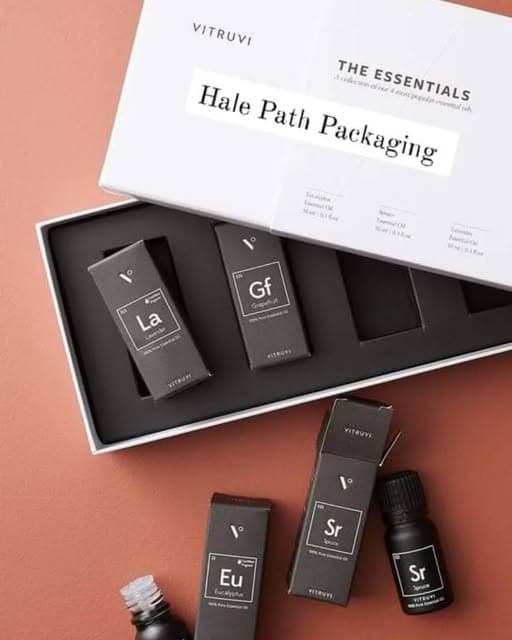
- Thumb notch cutouts for cosmetic, soap, candle, and small electronics packaging where a clean opening without scissors matters.
- Full-colour digital or offset print on the die-cut sheet before cutting for sharp print-to-die alignment.
- FSC-certified board in SBS, kraft, or corrugated, for brands that actually want eco-friendly retail packaging rather than just claiming it. Worth planning for now, too, since California’s SB 54 packaging rules start phasing in reporting requirements through 2027.
Written by the Hale Path Packaging team, who’ve spent over a decade designing and producing custom die-cut packaging for product brands, retailers, and e-commerce businesses across the USA.
Frequently Asked Questions
What's the Difference Between a Die Cut Box and a Regular Folding Carton?
Here's the thing: every folding carton counts as a die cut in the technical sense. What people actually mean by "die cut box" is something shaped, windowed, or structurally different from a plain rectangle. A standard carton runs off a rectangular dieline. A custom die cut box uses a steel rule die to build shapes and closures that no standard template can pull off.
How Long Does It Take to Create a Custom Die and Start Production?
A simple window box or thumb-notch die takes two to three days; complex multi-function dies with irregular shapes can take a week or more. Full production starts once the dieline's approved.
Can a die-cut box be made without a Separate Lid?
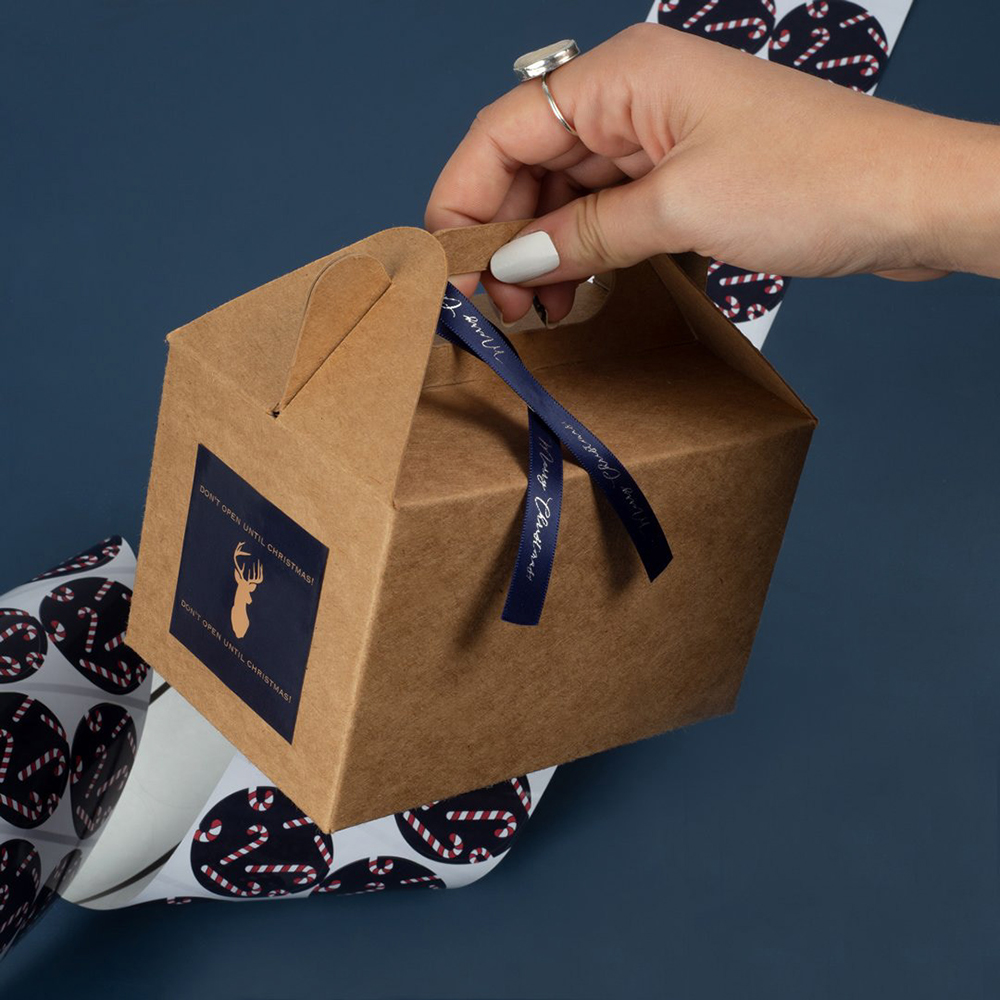
Yes, that's actually one of the better perks of die cutting. Tabs that interlock, bottoms that auto-lock, flaps that tuck in on their own, it can all be cut into a single piece with no glue and no tape needed. Retail packing crews love that.
Is Die-Cut Packaging More Expensive Than Standard Cartons?
There's an upfront tooling cost standard cartons don't have, but the per-unit price ends up comparable once you're at scale. The creation usually runs $50 to $150 for a standard shape, spread across the full run.
What Products Work Best With Custom Die Cut Boxes?
Unusual shapes, fragile parts, or retail display needs benefit most- think candles, cosmetics, small electronics, soap bars, and anything wanting a window before purchase.
How do I order custom die-cut boxes in the USA?
Send your product dimensions, quantity, and any structural features you want: window, hang tab, thumb notch, closure style. We'll come back with a dieline recommendation and pricing, wherever you're ordering from in the USA.