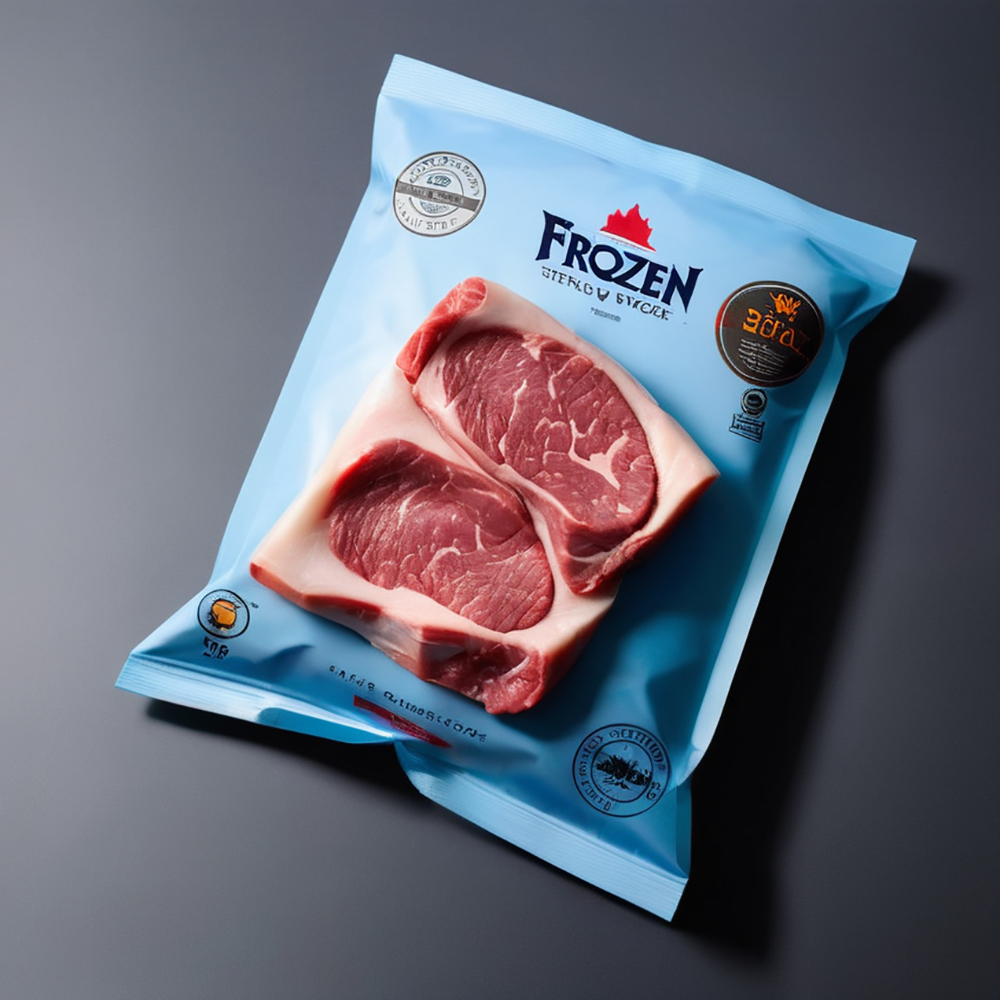
Frozen Food Bag
Leave a frozen food bag in a warehouse without the right barrier, and freezer burn can set in before the product even ships. What tasted fine on the factory floor comes back a few weeks later as “spoiled,” and honestly, most brands don’t figure out why until it’s already happened a few times. Made for meal-prep brands, frozen produce suppliers, and foodservice companies across the USA.
- Fast USA-wide delivery
- Customer satisfaction guaranteed
- High-quality materials and printing
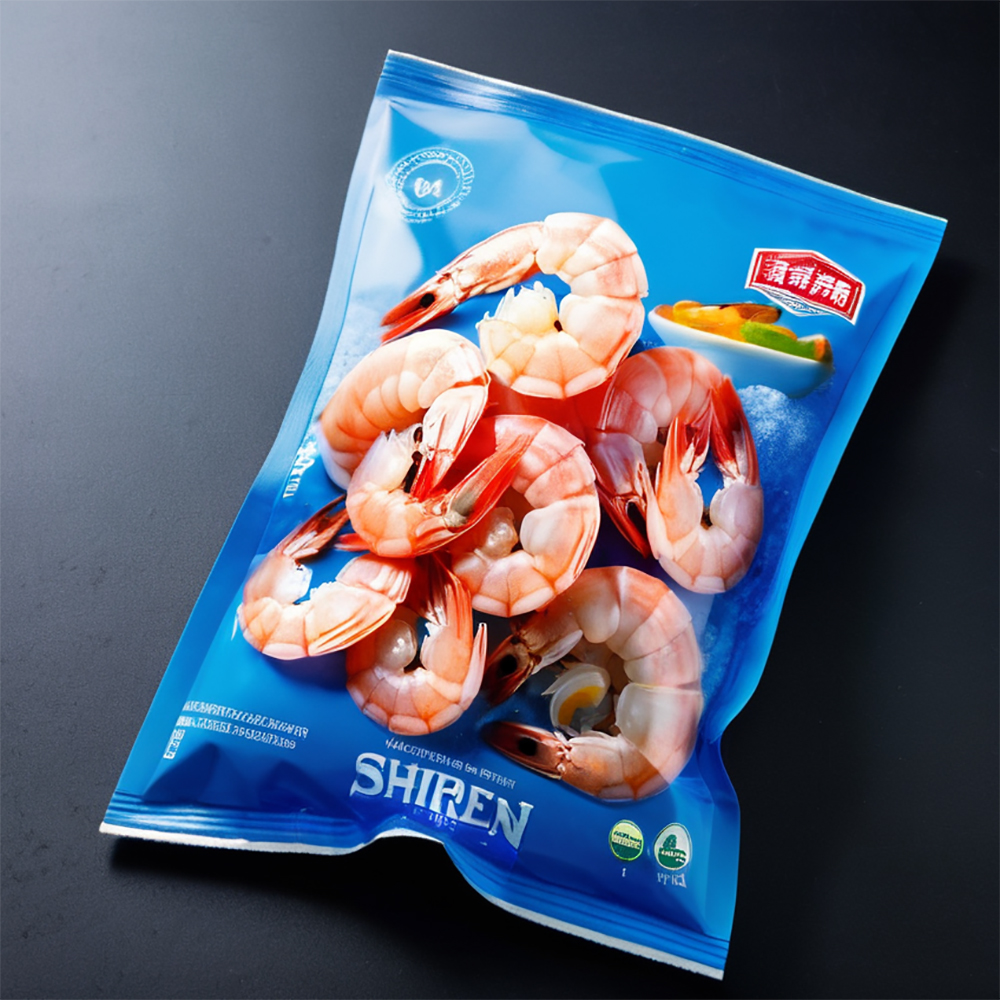
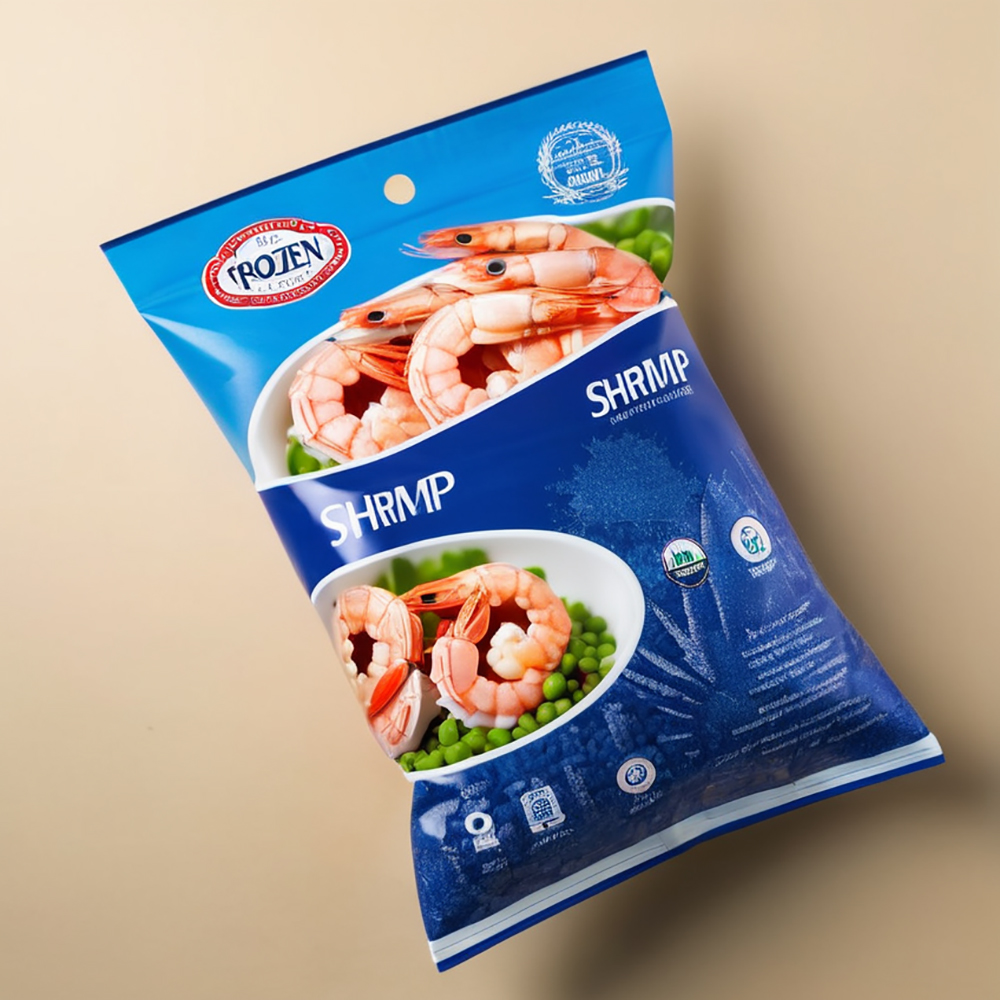
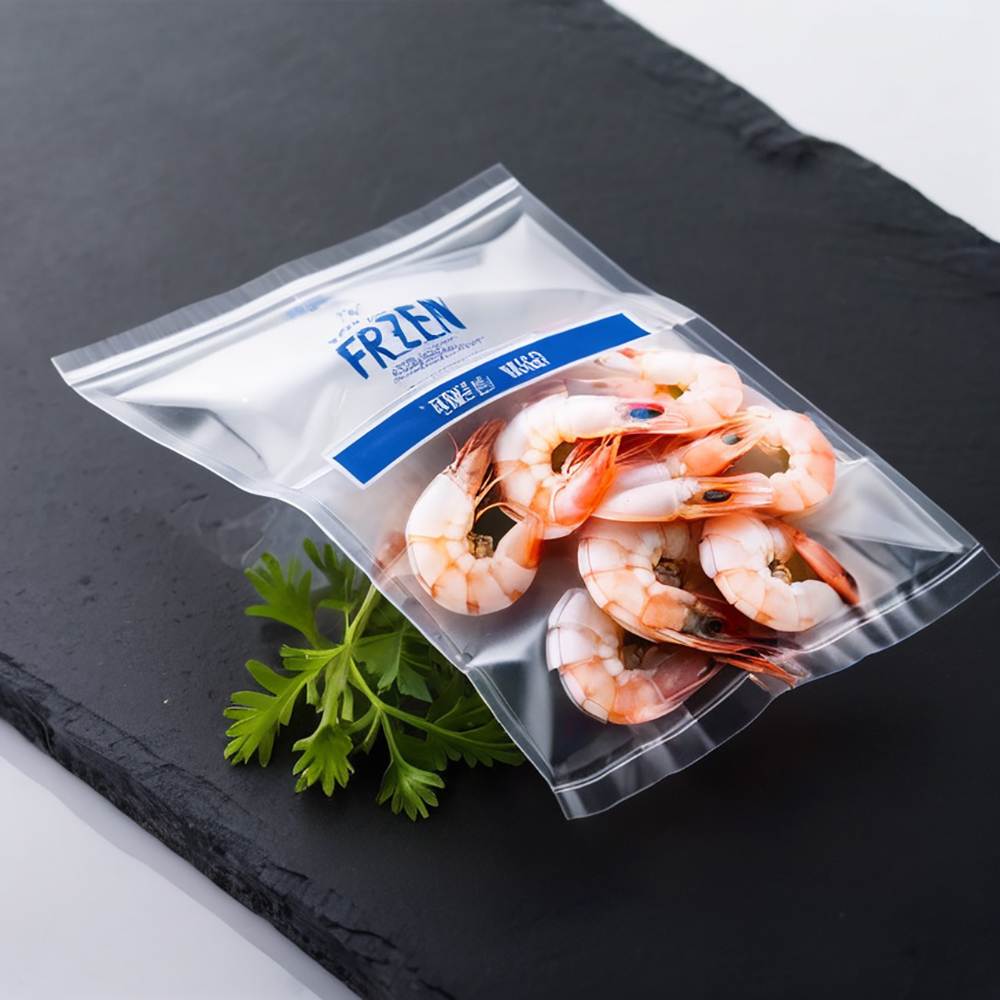
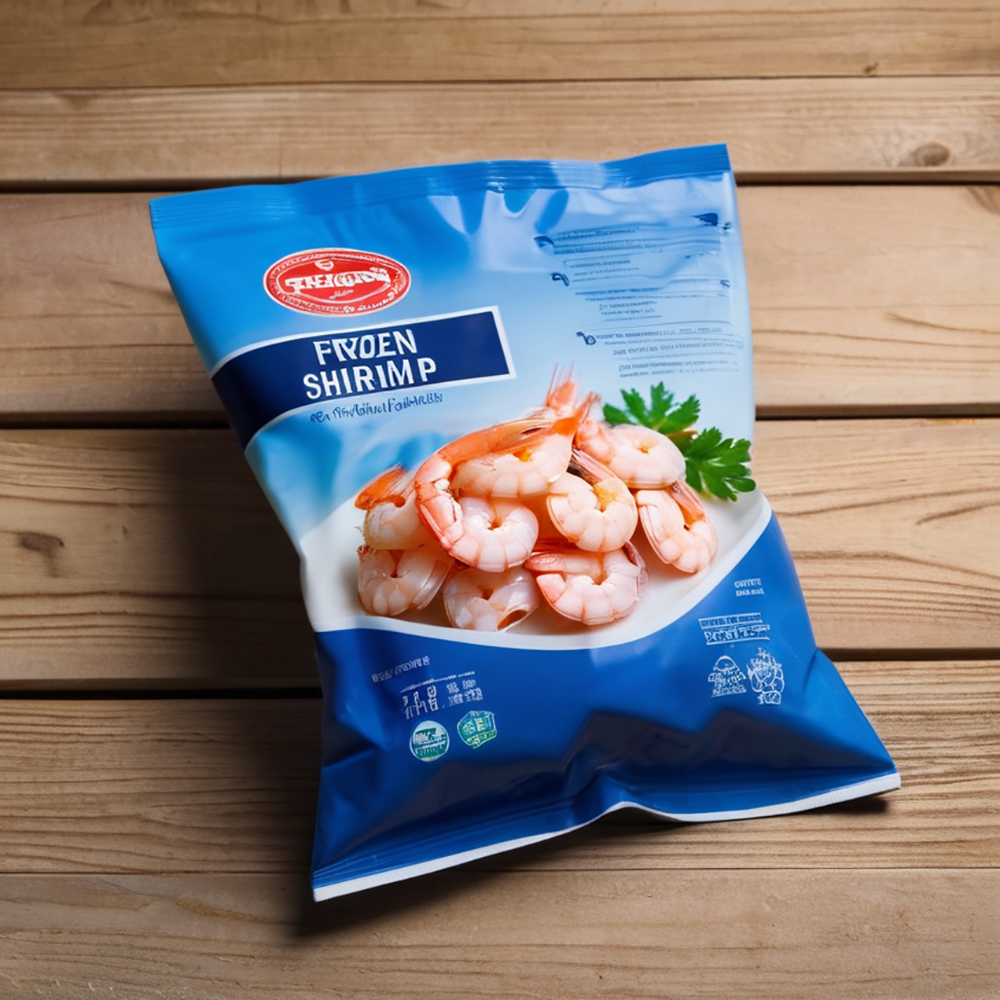
Frozen Food Bag Gallery
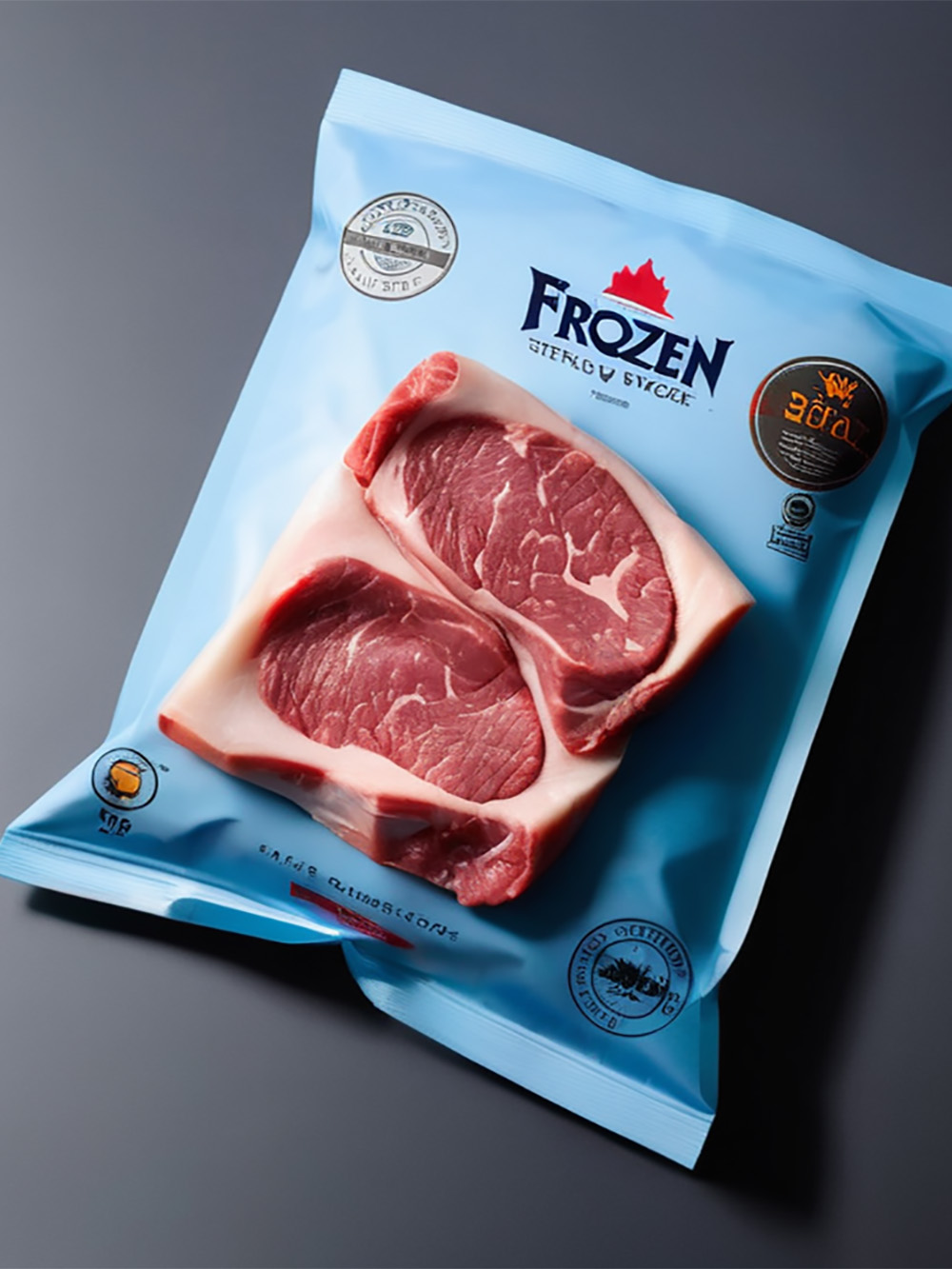
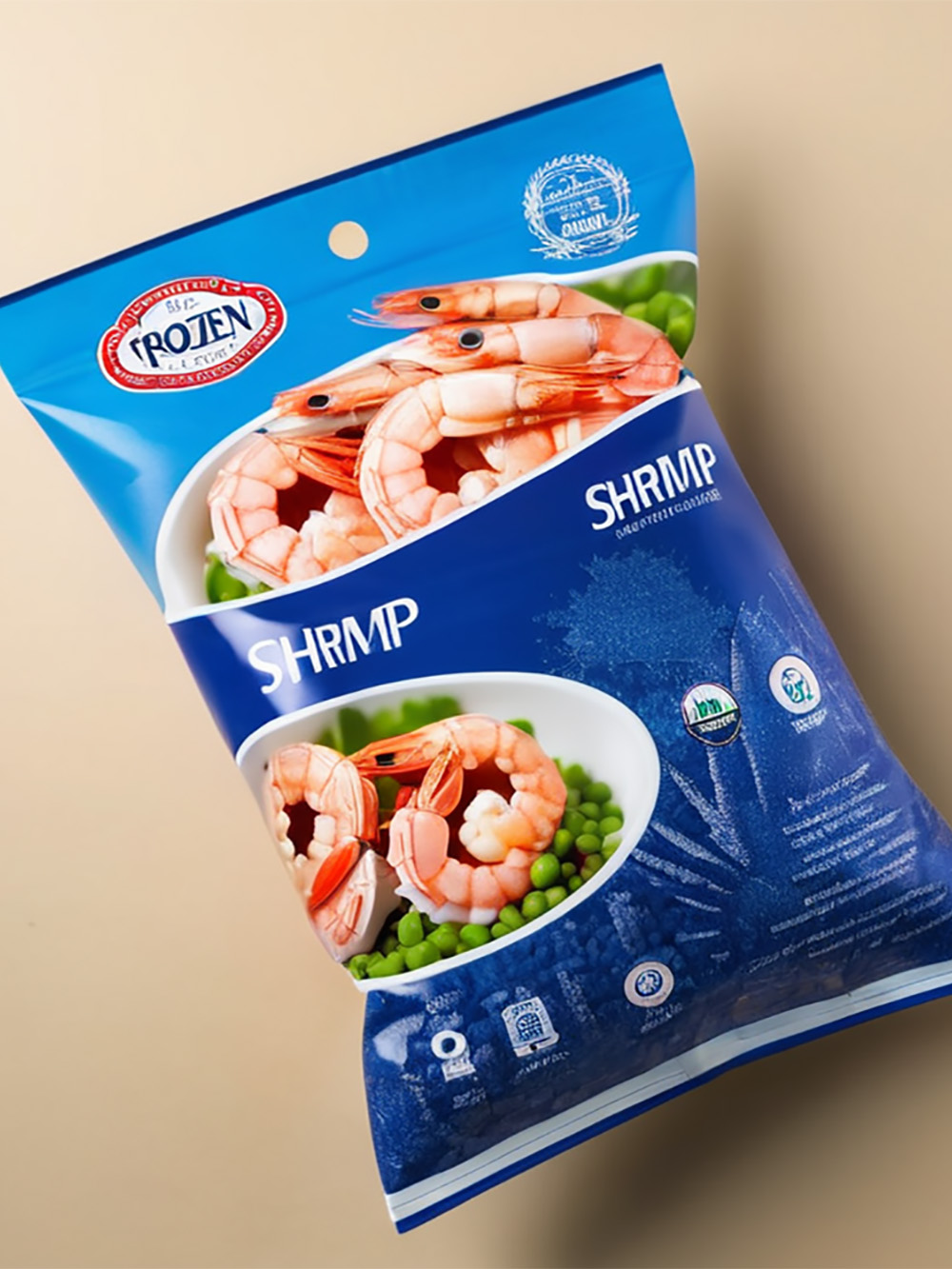
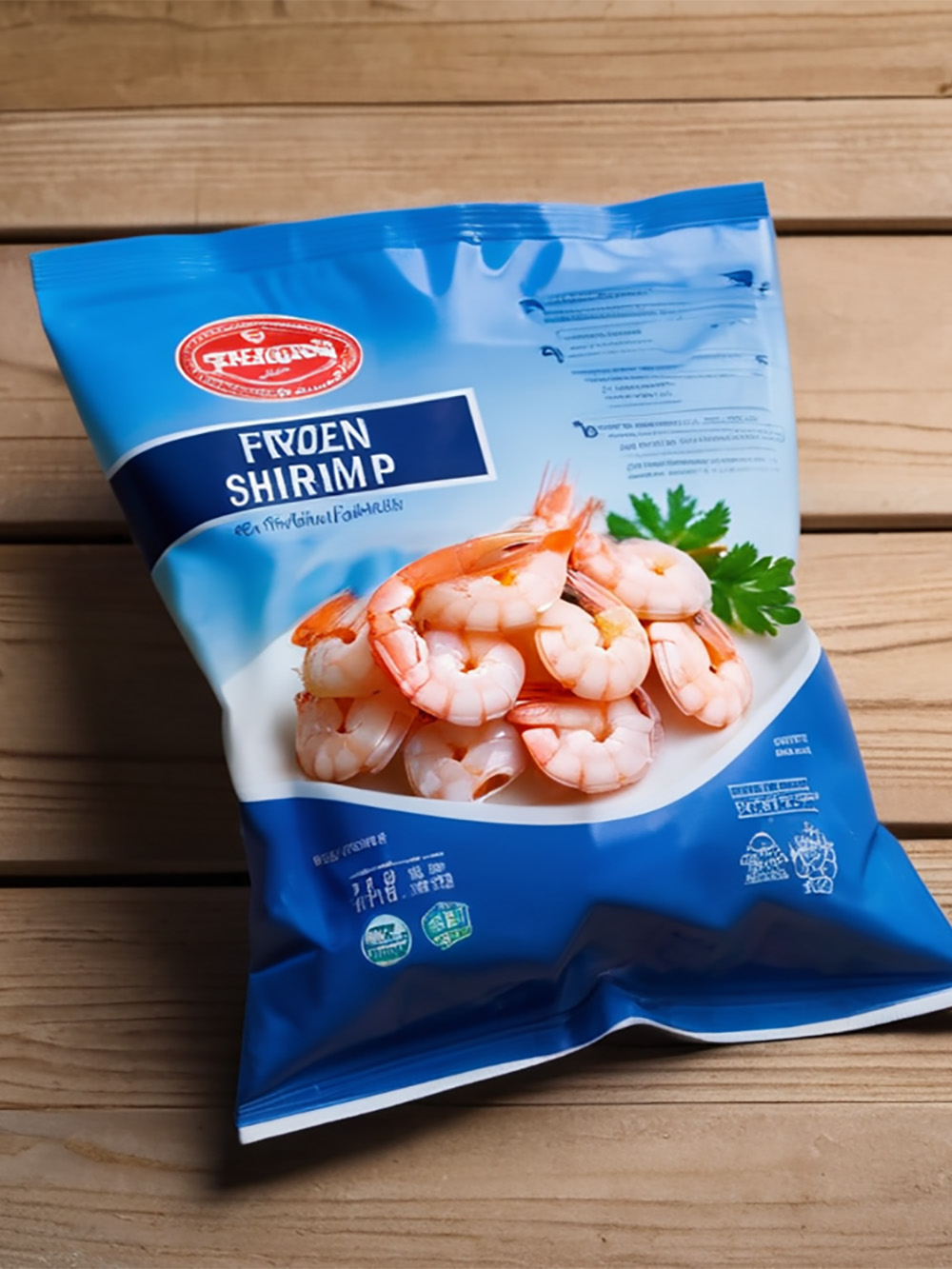
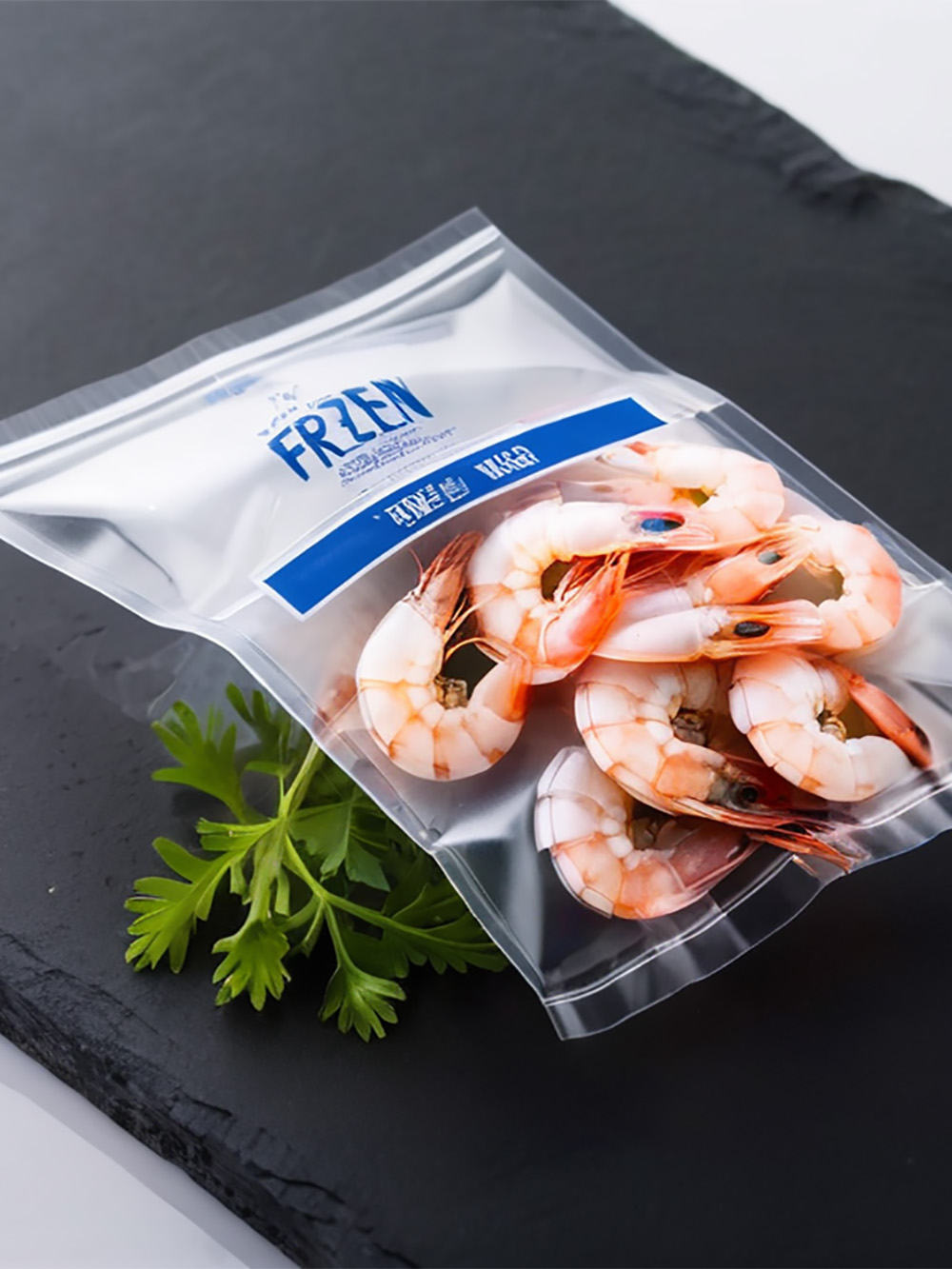
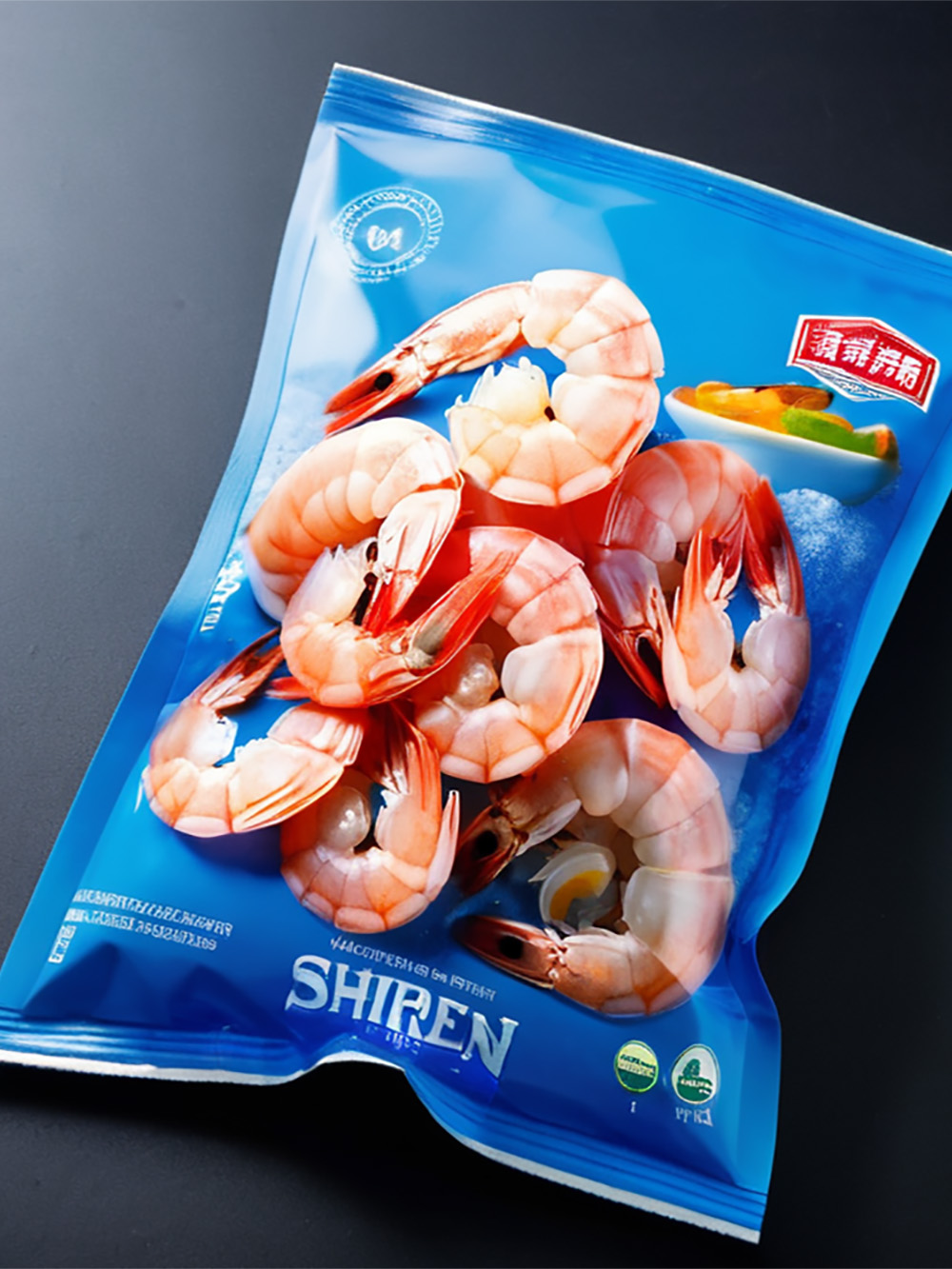
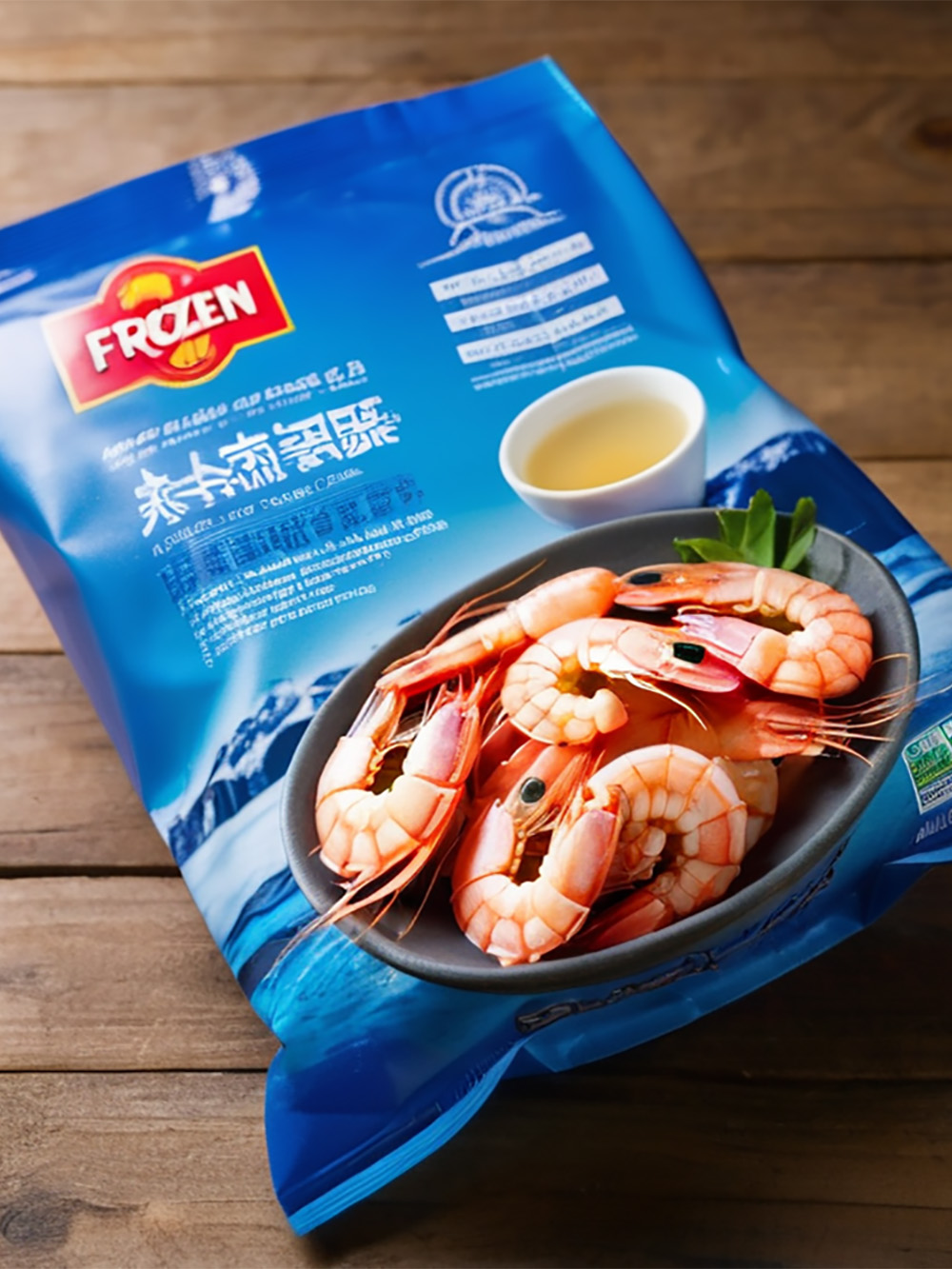
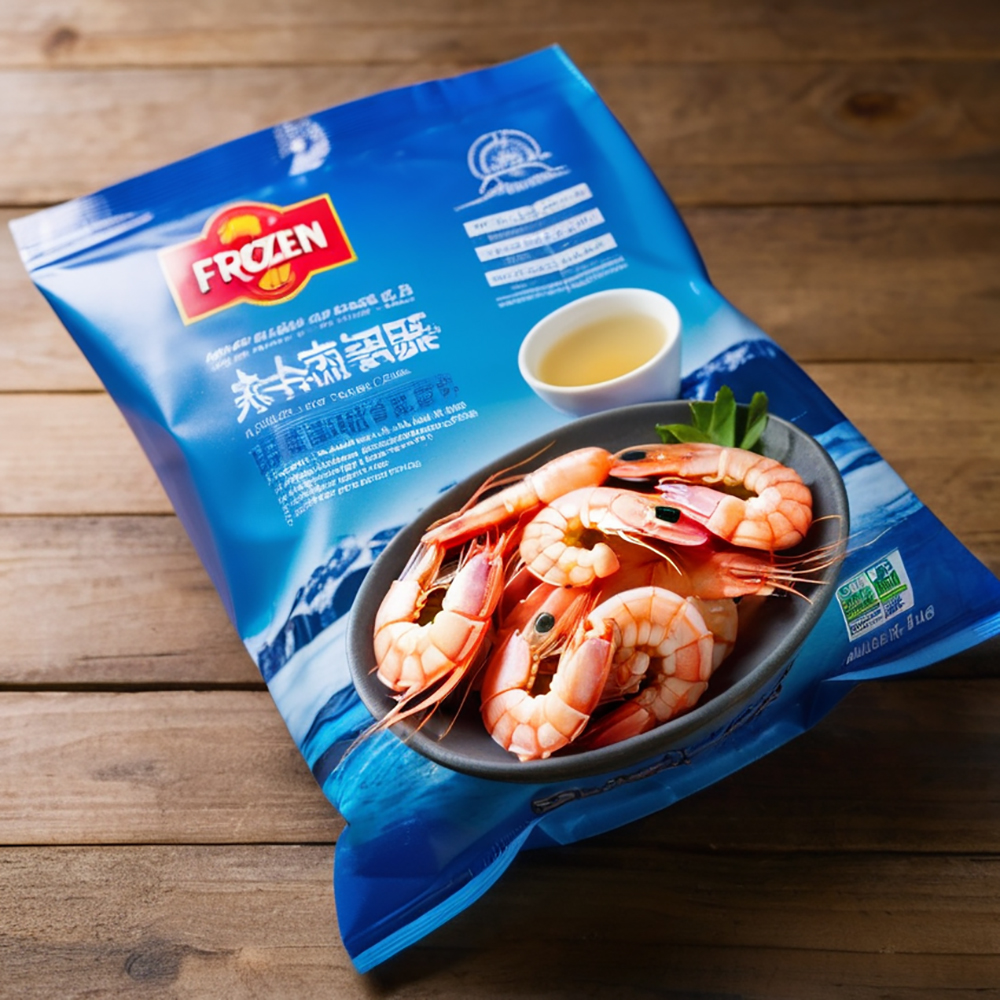
Frozen Food Bags Built to Stop Freezer Burn, Not Just Look Good on the Shelf
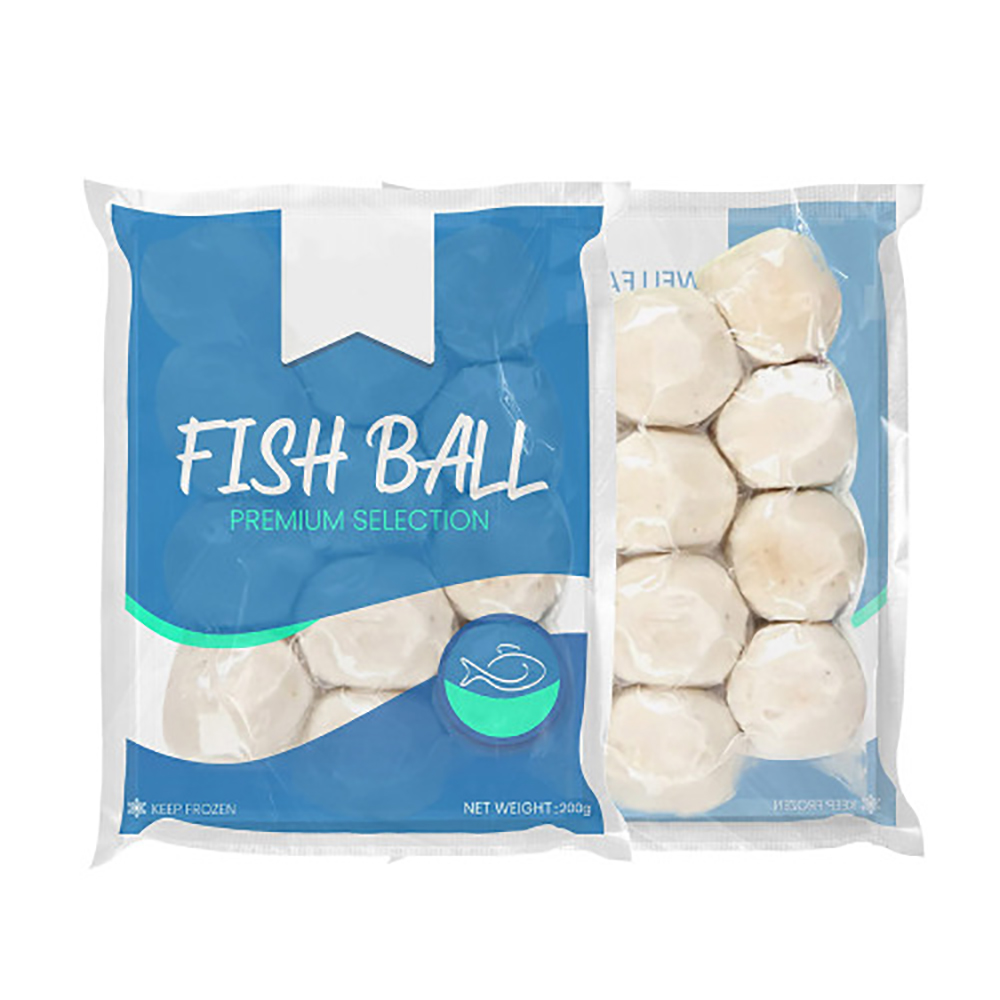
Why do some frozen meals come out looking fresh after three months while others turn grey and dry in three weeks? Comes down to how much oxygen the bag actually lets through, not how long the food’s been sitting in the cold. A frozen food bag with a thin barrier film or a loose seal lets air slink in right where it hurts most.
- Multi-layer barrier film PE/PA or metallised PET that keeps oxygen from causing freezer burn and off-flavours
- Seals that don’t crack or split at the corners even down to -20°F, no matter how the bag gets handled
- Stand-up pouch, flat-bottom, or gusseted styles, depending on what’s going in: patties, loose veg, or portioned meals
- Resealable Flat-Bottom with zipper or tin-tie closure, so the barrier still holds after that first open, not just before it
- Matte or gloss finish, full CMYK print for nutrition info, cooking steps, and whatever branding needs to sit on the shelf
Why Did an Austin Meal-Prep Brand’s Freezer Burn Complaints Disappear After a Bag Switch?
A meal-prep company out of Austin came to Hale Path Packaging after months of the same complaint: portions arriving fine, then turning grey and dry within two weeks of freezer storage. Their old bag looked the part, decent print finish and all, but the film underneath was a thin single layer that let oxygen creep in right along the seal line. We rebuilt the spec around a metallised PET barrier with a wider heat-seal zone and tested it against their actual freezer temps before a full run went out.
“Didn’t think the bag itself was the problem until we saw it side by side,” the founder said once the new stock had been sitting a while. Same recipe, same freezer; the only real change was what was actually stopping oxygen from getting in.
For related food packaging formats, see Hale Path Packaging’s Popcorn Packaging Bags and Biodegradable Pouches lines.
Frozen Food Brands Across the USA Trust Hale Path Packaging for Their Frozen Food Bags
A bag that fails at week three ends up costing a lot more in refunds and lost repeat customers than it ever saved on unit price. That’s the whole reason Hale Path Packaging tests barrier film against real freezer cycling instead of just going off a spec sheet. We supply meal-prep brands in Austin, co-packers in Chicago, and frozen produce suppliers in Dallas with custom frozen food bags built to survive sub-zero storage without losing their seal. Our frozen packaging barrier guide walks through what film thickness and seal width to check before committing to a run.
- In-house design support from brief to final artwork
- Free sampling before committing to a full production run
- Recyclable mono-material PE options available alongside standard barrier film
- USA-based manufacturing for consistent quality and faster turnaround
- Flexible order volumes, from small test runs to full wholesale quantities
Our other packaging includes:
How Barrier Film and Seal Strength Actually Work Together in Sub-Zero Storage
So what actually keeps a frozen food packaging bag holding up at -20°F instead of cracking at the seams? Basically comes down to matching the film’s flex point to the real storage temperature before the structure gets locked in, not after. A bag rated for standard cold storage isn’t automatically fine for a chest freezer running colder than a retail case, and the seal width at the corners matters just as much as the film itself. Hale Path Packaging designs and produces custom frozen food packaging for meal-prep, foodservice, and retail brands across the USA.
Hale Path Packaging has spent years supplying cold-chain and frozen food packaging to brands shipping across the USA.
Frequently Asked Questions
Are custom frozen food bags more expensive than standard stock bags?
A bit, upfront. But that gap closes fast once you factor in fewer spoilage returns. A barrier film upgrade usually adds a few cents per unit, which is nothing next to the cost of a whole batch coming back damaged.
What material actually stops freezer burn best?
A metallised PET or foil-lined structure gives the strongest oxygen block, though a well-specified PE/PA laminate holds up fine for most retail freezer runs too. The barrier layer's doing the real work here, not the outer print finish people tend to focus on.
Can frozen food bags be recycled?
Mono-material PE ones usually can, through store drop-off programs. Metallised or foil-lined bags, not really; those generally can't go that route. If recyclability's a priority for the brand, we'll steer the spec toward a PE-only build from the start rather than trying to fix it after the fact.
What sizes are available for custom frozen food bags?
Pretty wide range, honestly starts around 4x6-inch single-serve pouches and goes up to 10lb bulk foodservice bags.
What's the minimum order quantity for frozen food bags?
Around 5,000 units for a custom-printed run, generally. Smaller test batches can sometimes be arranged too, if it's a new product launch and the brand just wants to try something first.
Do frozen food bags need to meet FDA food contact requirements?
Yes, any bag touching food directly has to meet FDA food contact material standards, and every structure we build starts from that baseline.
How do the new state PFAS packaging rules affect frozen food bags?
States like Maine, Vermont, and Connecticut are phasing in PFAS restrictions on food packaging through 2026, and it's already pushing brands outside those states toward PFAS-free barrier films too, just to stay ahead of it.
How long does production take for custom frozen food bags?
Usually 3 to 4 weeks from approved artwork to delivery, with faster turnaround possible for brands working against a tight launch window.