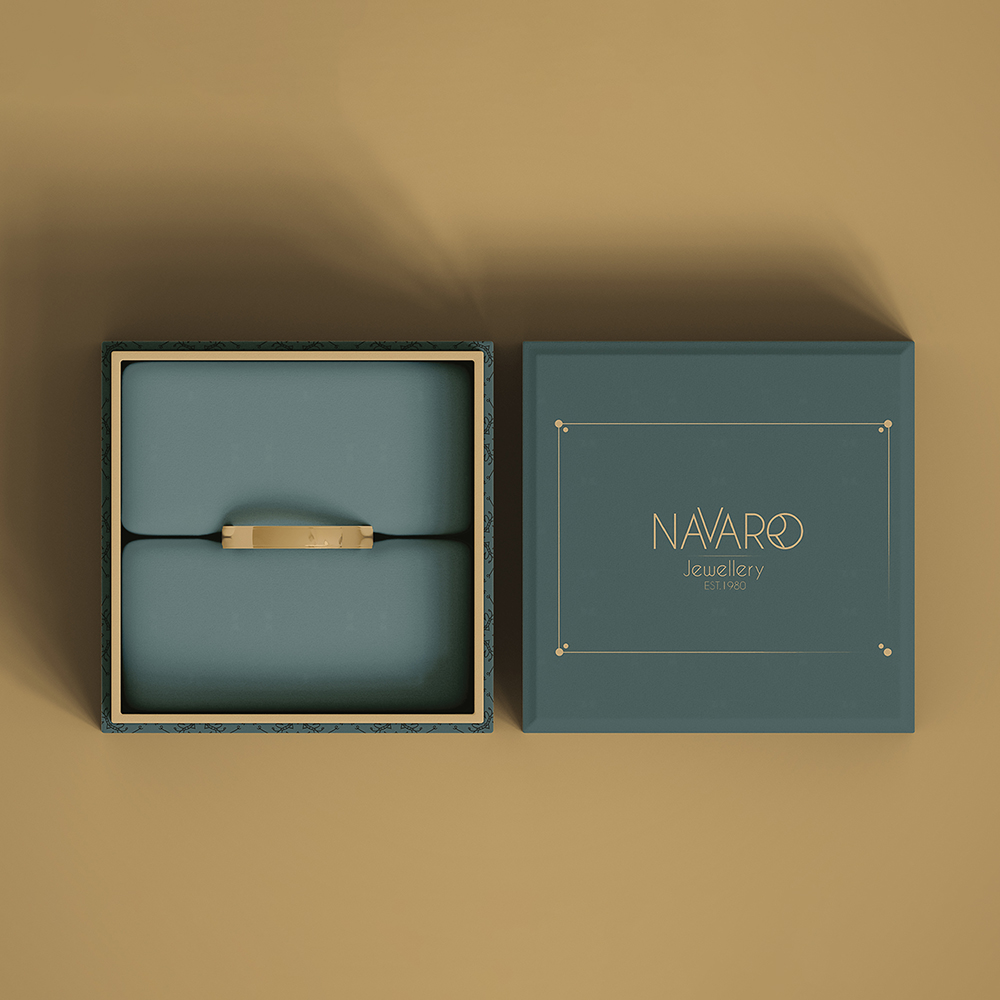

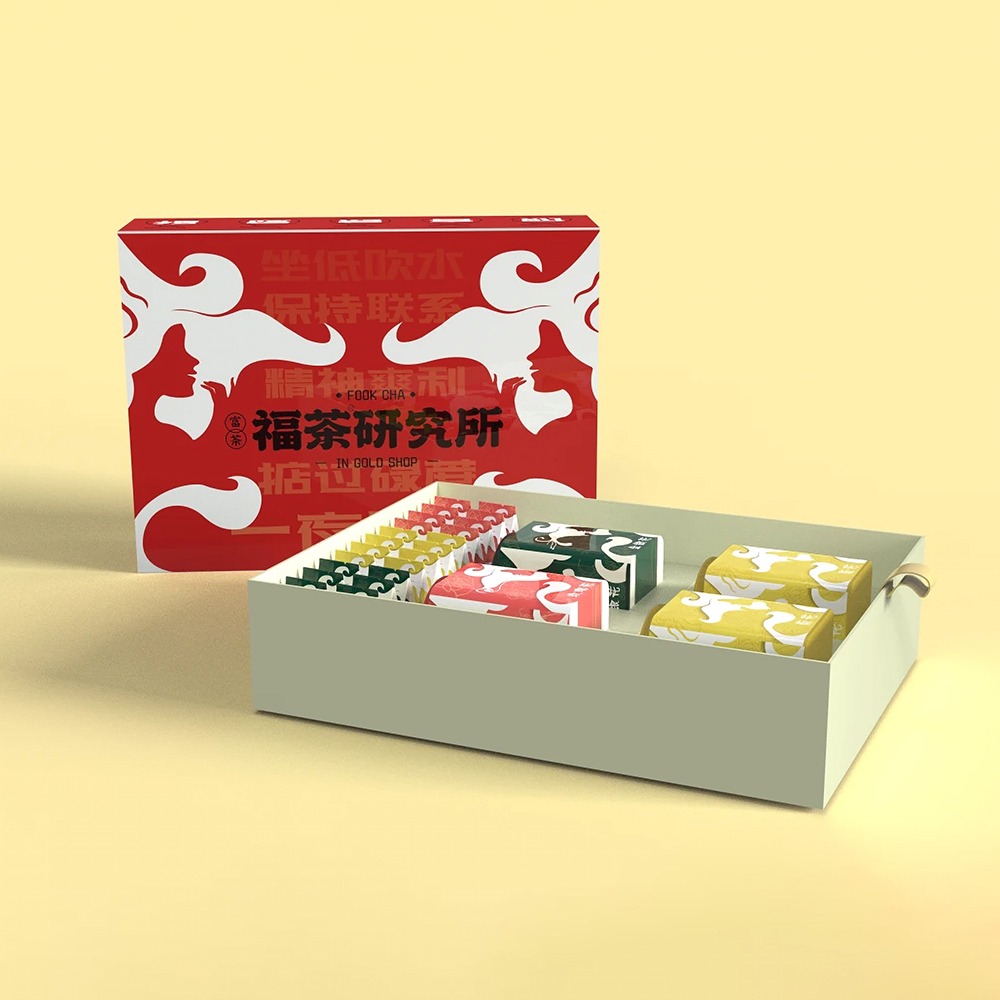


Rigid Sleeve Boxes
A rigid sleeve box works fine on day one; the true test is the tenth time someone removes the tray. Pair your products with Custom Gable Boxes if part of your sequence requires a fold-flat alternative for shipping.
Rigid Sleeve Boxes Gallery

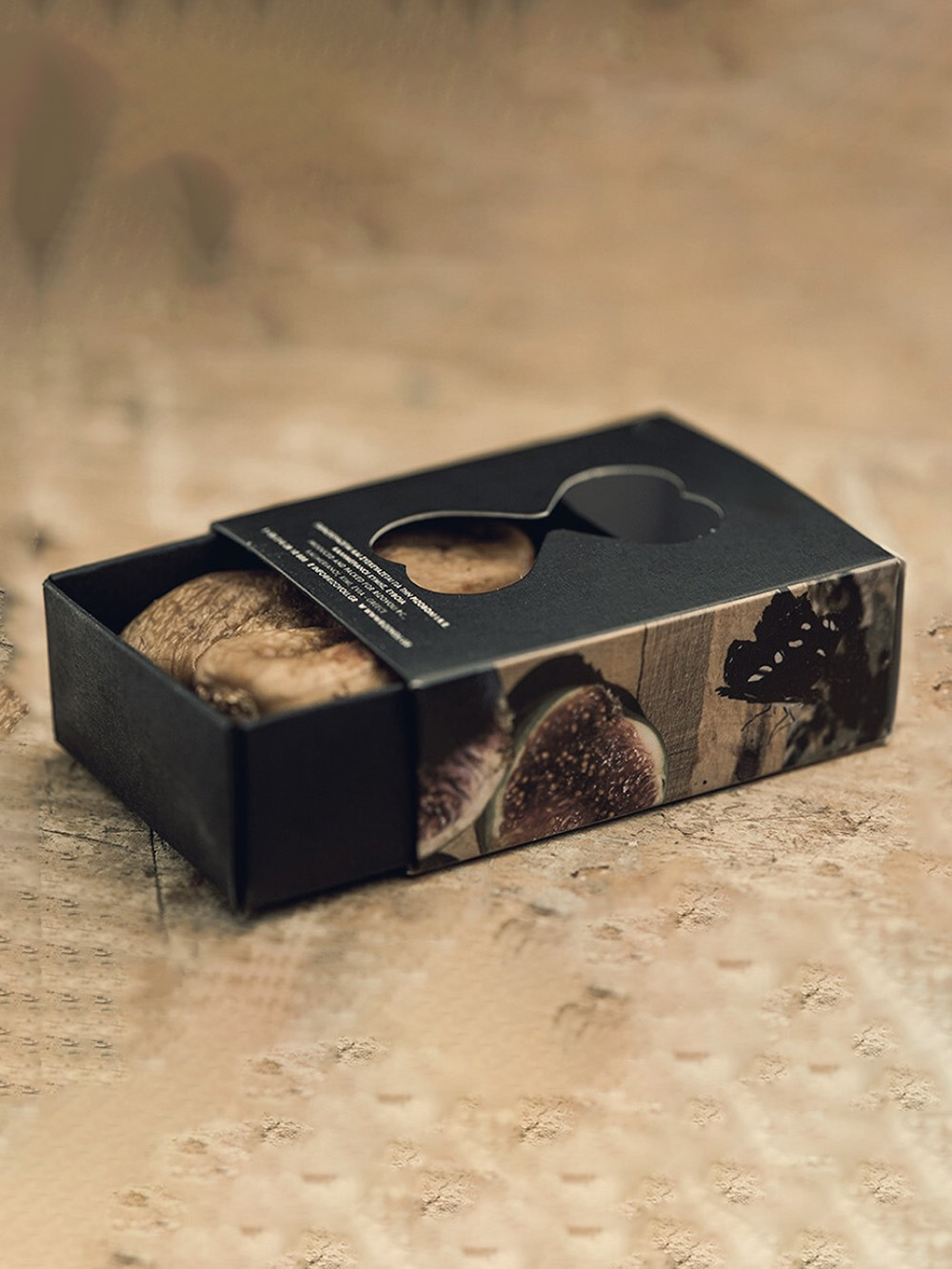

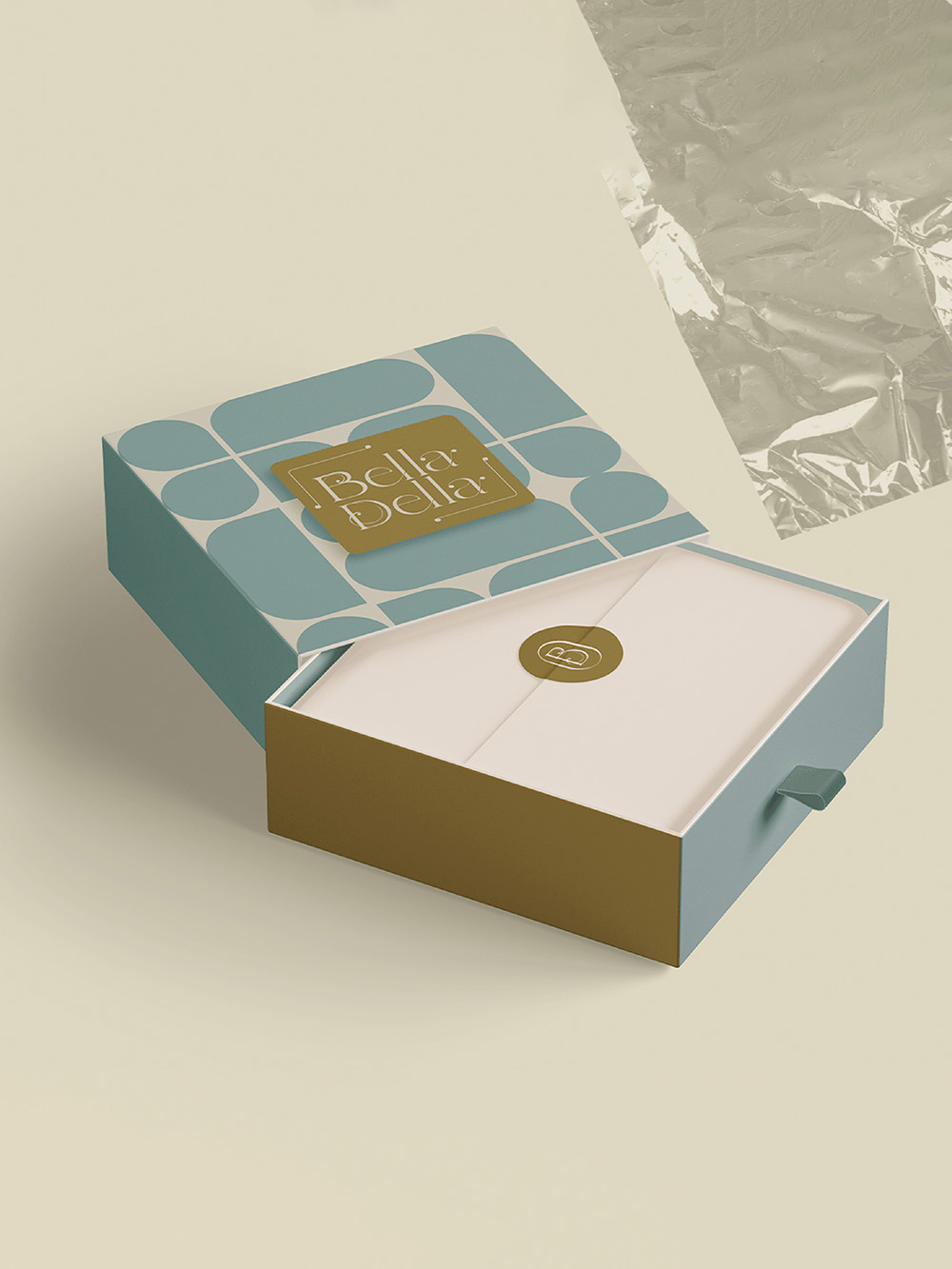
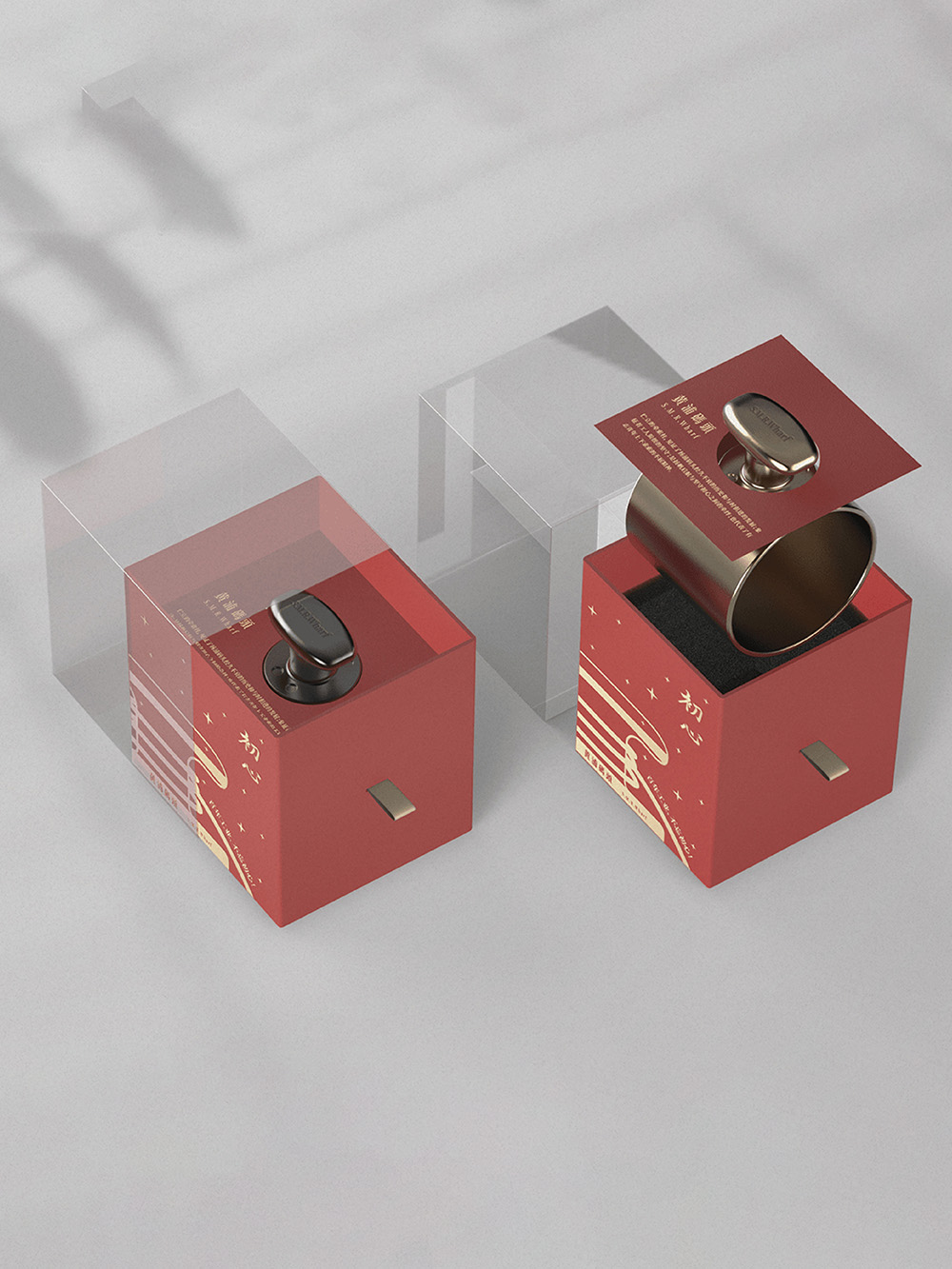

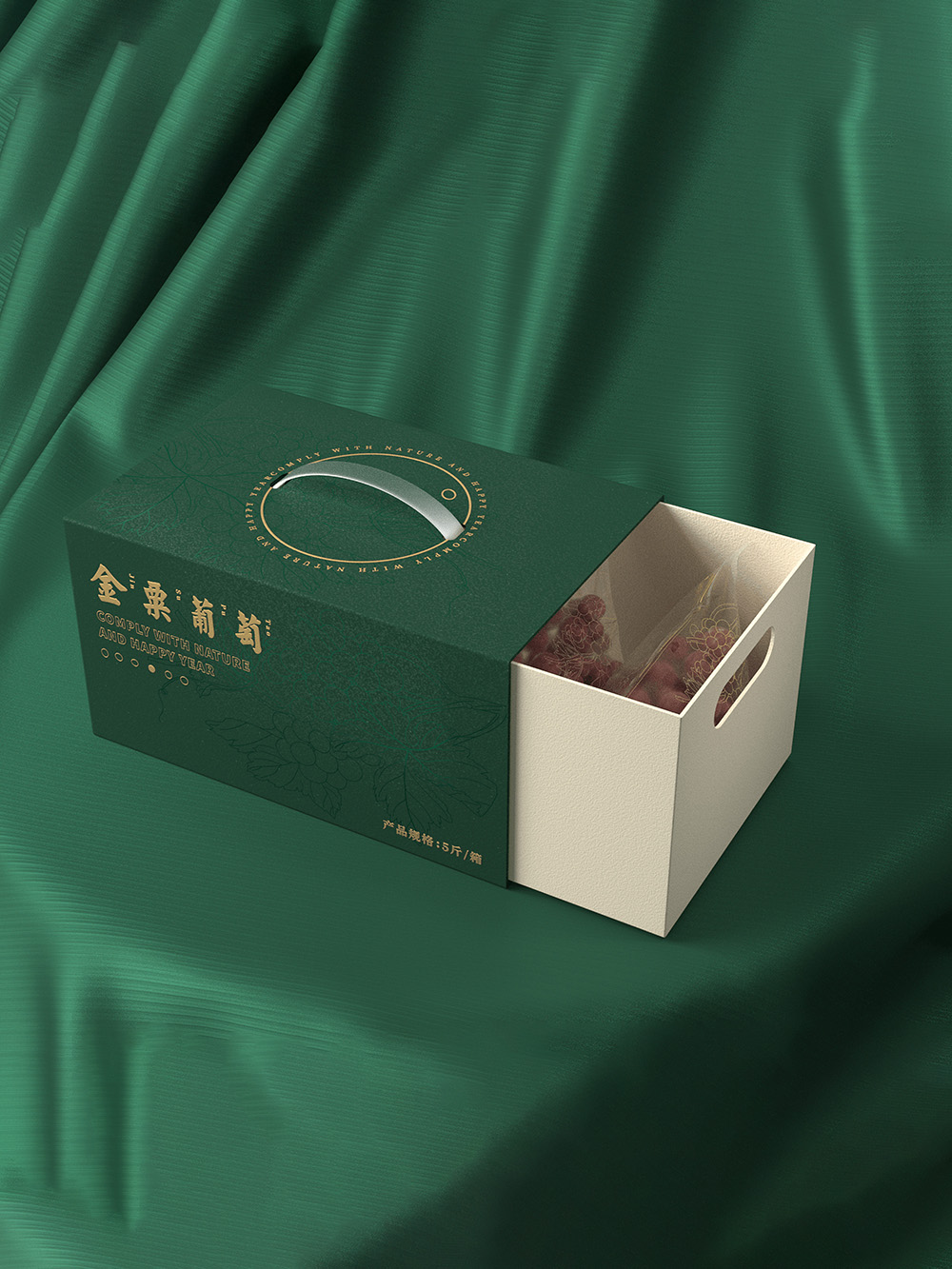
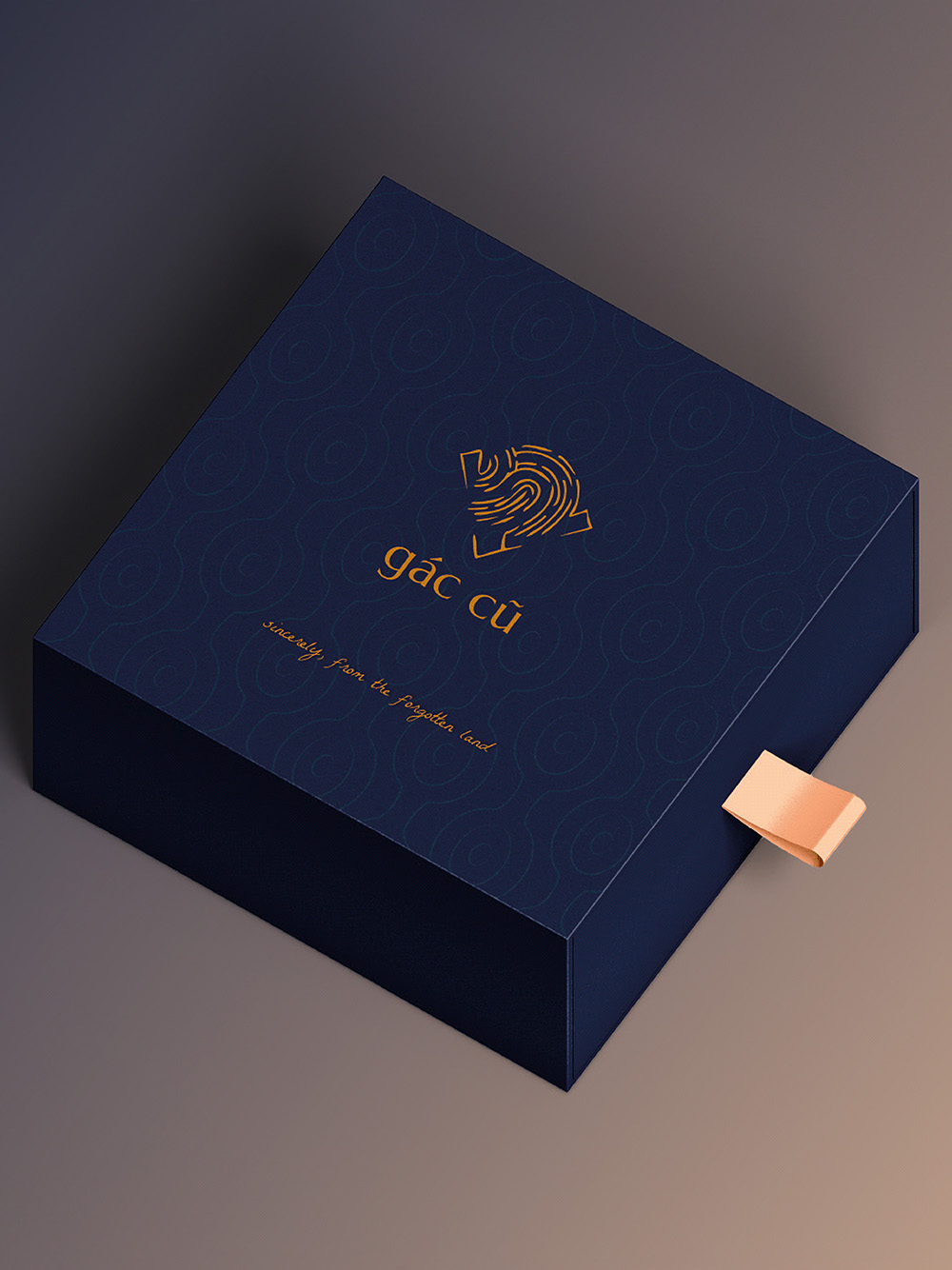
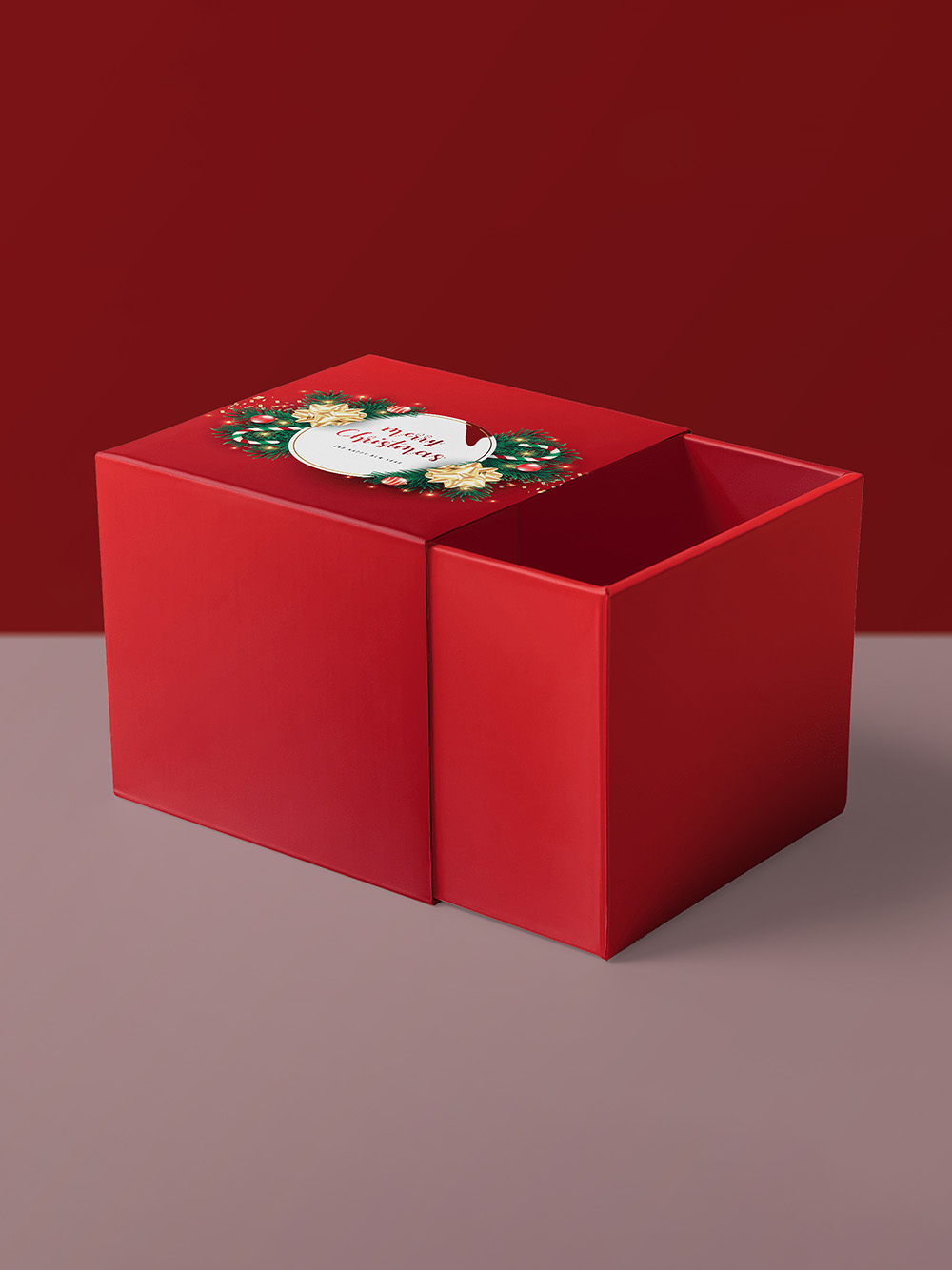
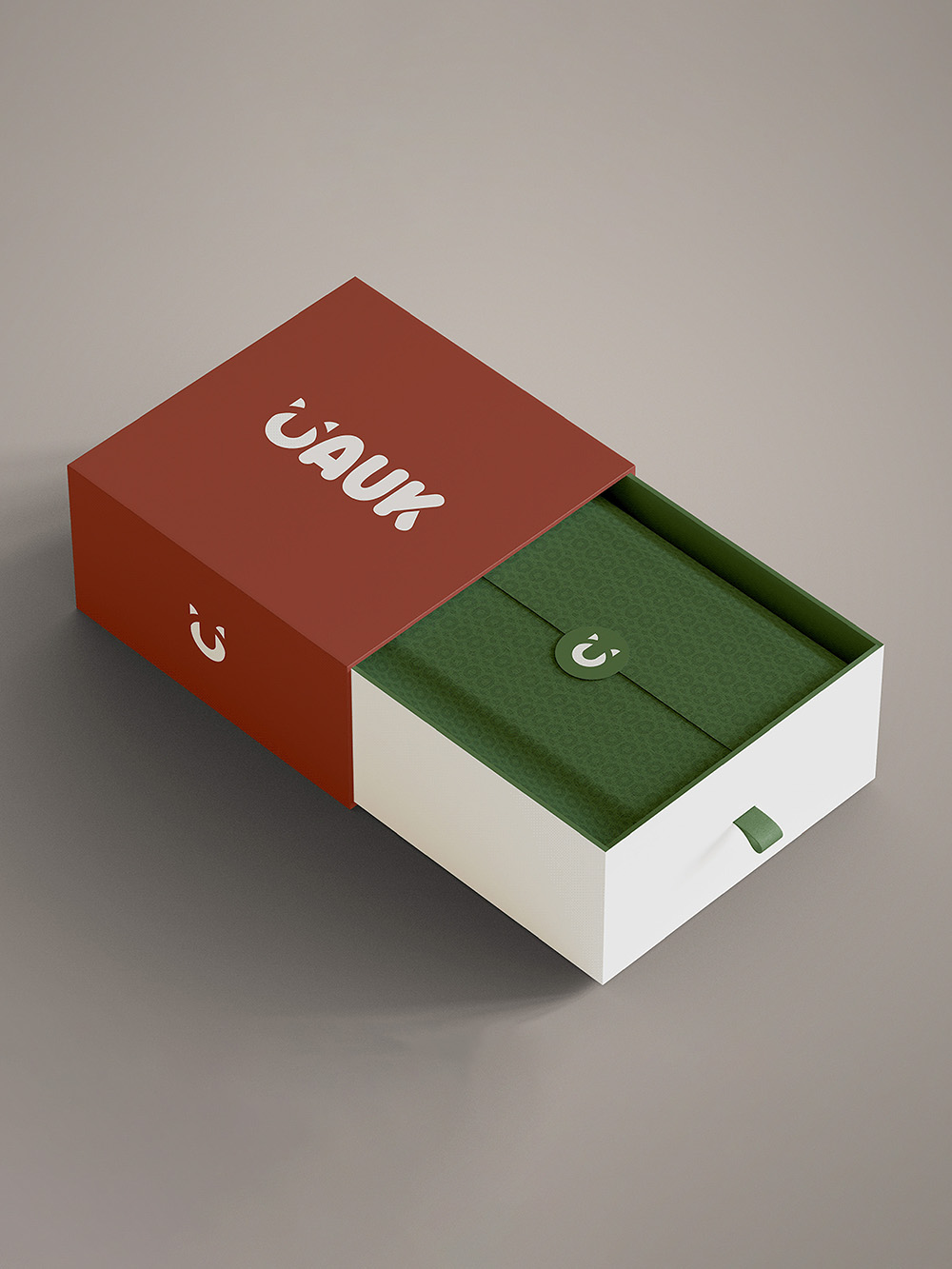
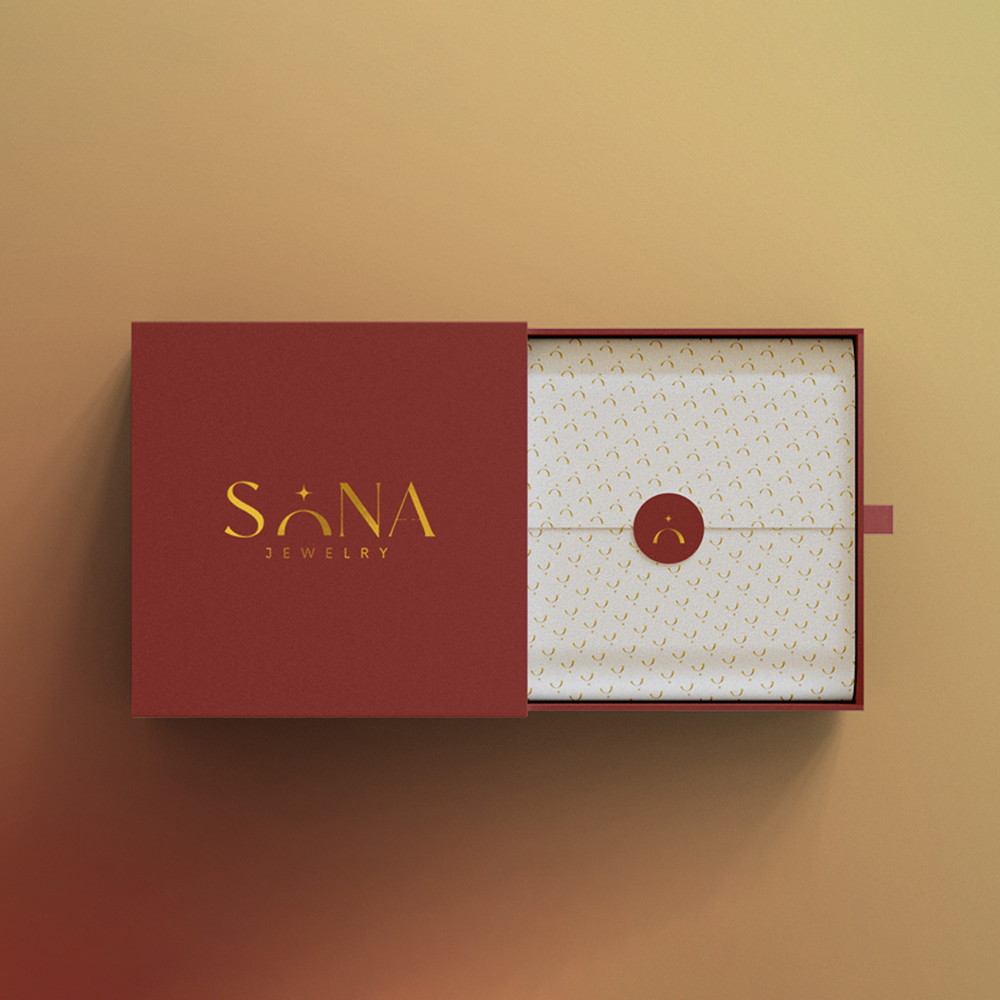
Rigid Sleeve Boxes Skip the Lid the Tray Slides Free Instead
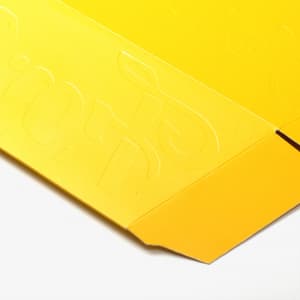
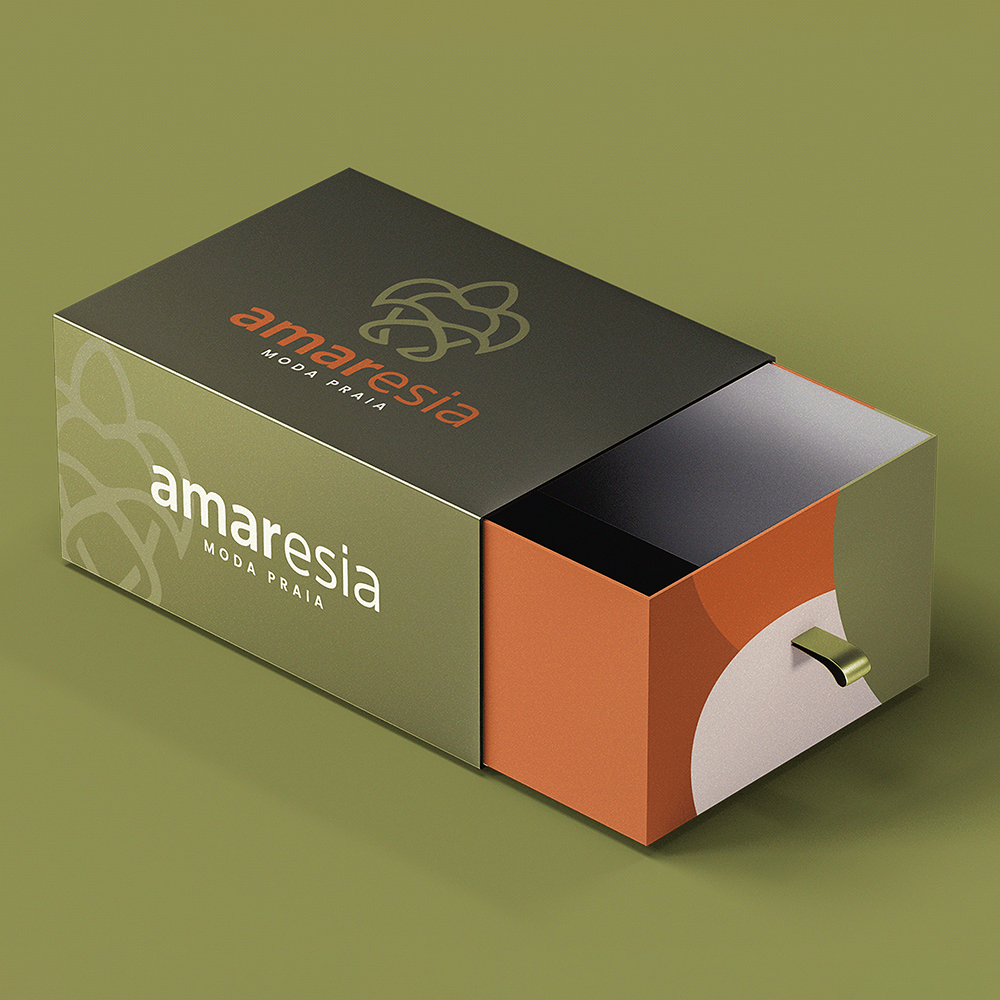
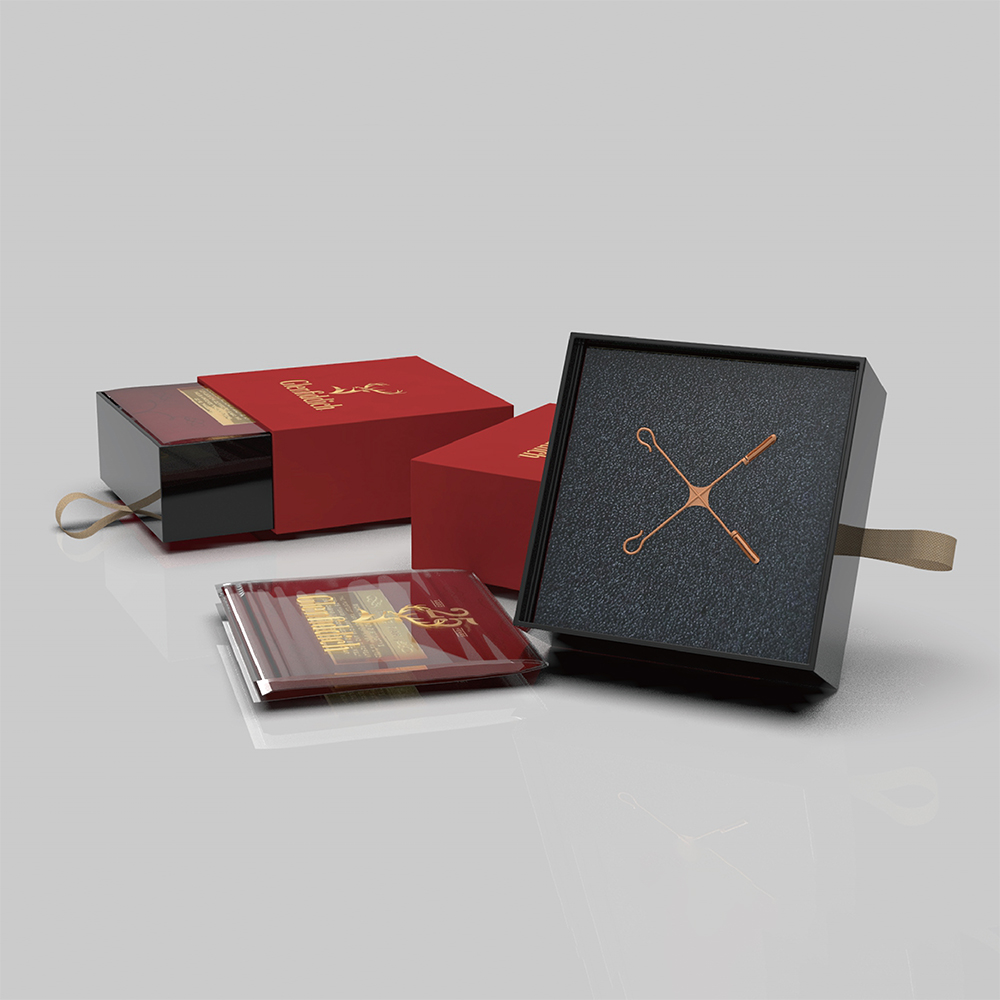
Rigid sleeve boxes use two separate pieces: an outer sleeve and an inner tray, so the product decreases free instead of growing under a hinged surface. That single automated recognition is what most suppliers skip past: a charge-off lid has to open and close cleanly once per use, a sleeve has to survive the tray standing pushed and dragged via the same open border every single time. Does that mean a sleeve box is less stable than a lid and base box? Not inherently; it just wears in a separate place, and that place requires its own spec instead of a generic board-thickness number. We flag that opening edge for fraying during cycle testing instead of judging it off a single fresh sample. This construction suits gift sets and retail items where the slide reveal itself is part of the unboxing moment, more than a straightforward lid-and-base box would deliver. For a hinged alternative, see Presentation Boxes USA.
- The sleeve’s open edge takes all the friction from every pull and push, so it wears differently than the closed sides a detail most rigid box specs never separate.
- Our in-house cycle testing checks how many pulls an edge holds before it starts to fray, since board that looks fine on delivery can still fail after weeks of daily use.
- Standard board runs 38pt to 42pt chipboard, thick enough to hold the sleeve’s shape without the tray binding on insertion.
- The tray and sleeve are cut on separate dies, which means print, board grade, and finish can differ between the two pieces without weakening the fit, a build we also apply on Custom Jewellery Boxes USA.
- A slightly radiused open edge, rather than a sharp die-cut corner, reduces the fraying that builds up over repeated use.
What Constructs the Sleeve’s Open Edge Wear Out Before the Rest of the Box?
The open border of the sleeve is the part of the box that produces reference with the tray on every single use, so it carries cumulative wear that the closed boards never notice. Uncoated chipboard edges start to fuzz and soften after repeated friction, which is what eventually makes the tray feel loose even though the tray itself hasn’t changed size. Side-by-side cycle testing bears this out: an uncoated edge shows visible fraying nicely before a matched edge with the laminate wrap carried fully over it, instead of stopping at the die line, starts to show any wear at all. If your product requires a magnetic close instead of a friction fit, Rigid USB Boxes USA run a different mechanism entirely.

Rigid Sleeve Boxes Give Two Independent Surfaces for Branding, Not One
A rigid sleeve box carries print on two separate pieces: the sleeve’s surface and the tray’s observable face, which means a brand can run one method that continues across both, or two techniques that read differently at rest versus mid pull. Does the artwork need to line up perfectly when the box is closed? Not necessarily; what actually matters is whether it holds registration while the tray is partway out, since that’s the position most customers see first. Our creation team proofs both positions before a print run is approved, since artwork that lines up closed can shift out of alignment the moment the tray starts sliding. Compare a single-surface print format at Shoulder Rigid Boxes USA.
- Two independent print surfaces allow a brand to design the sleeve and tray as one continuous image or as two deliberately different reveals.
- Foil stamping and spot UV apply cleanly to the sleeve’s flat panels without interfering with the open-edge wrap that protects against fraying.
- Our pre-press team checks registration at the half-open position specifically, catching misalignment a fully-closed proof would not reveal.
- Soft-touch lamination on the tray face reads differently once it detects the light mid-slide, which most brands do not account for at the layout stage.
- Interior tray printing is worth considering separately, since it’s only visible once the sleeve is fully removed; see Collapsible Rigid Boxes for a comparison where the interior is visible from first opening.
Hale Path Packaging Builds Rigid Sleeve Boxes That Survive Repeated Pull-Reveal Use
Hale Path Packaging runs a repeated pull-cycle check on every rigid sleeve box before a chipboard weight or edge finish gets locked in. It felt fine walking out the door, but customers started messaging within a month about the lid feeling loose. One stationery client told us after their first run that the open edge had softened from repeated pulls even though nothing about the tray itself had changed. Carrying the laminate wrap fully over that edge, rather than stopping at the die line, fixed it. Orders start at 100 units with a 7–14 working day turnaround, and our team stays involved from board selection through cycle testing, not just the print run.
Explore more of our related packaging products:
Frequently Asked Questions
What board is used for rigid sleeve boxes?
Most sleeve boxes use 38pt to 42pt chipboard, thick enough to hold shape at the sleeve's open edge without the tray binding during use.
Why does a sleeve box have two separate print surfaces?
Because the sleeve and tray are cut and printed as separate pieces, a brand can organise one continuous image across both or two distinct surfaces.
Rigid sleeve box vs collapsible rigid box: which exports efficiently?
A collapsible rigid box folds flat for transport; a sleeve box is pre-constructed, which means an elevated perunit load cost.
Uncoated vs laminate-covered open border: which lasts longer under repeated use?
A laminate-covered open border resists fraying far longer than an uncoated border, which softens and fuzzes with repeated tray insertion.
Can I obtain a sample before putting in a full order?
A pre-production sample can be arranged so you can check the tray's slide feeling and the sleeve's edge finish before the full run is established.
Can the sleeve and tray use different print finishes?
Since they are printed on separate pieces, the sleeve can carry one finish, and the tray carries another without affecting the fit.
Are rigid sleeve boxes suitable for USA retail frame display?
The two-surface print format works well for frame display, though the open edge should be checked against expected handling frequency before ordering.
Does the laminate wrap on the open edge affect recyclability?
A thin laminate wrap does not prevent recycling via standard paper streams, though heavier plastic laminates can affect how a facility processes the board.