CBD Display Boxes: How Small CBD Brands Win Shelf Space Without Breaking Compliance Rules
CBD Display Boxes: How Small CBD Brands Win Shelf Space Without Breaking Compliance Rules
Why do so many small CBD brands get their display box wrong, even when the compliance paperwork is airtight? Because it trips them up at the design stage, not the paperwork stage.
Picture it: a retailer gives you a small spot on the counter, and the instinct kicks in immediately: make it loud. Bright colours, a cartoon somewhere, whatever it takes to grab an eye on a crowded shelf. That instinct is the exact thing that gets displays pulled during a compliance check. We watched it happen to a small brand with a genuinely solid product; their display looked like it belonged next to the candy aisle, and it got flagged within a month. Not because the CBD itself was an issue. Because the box read as something aimed at kids, the same youth-appeal risk we flag when reviewing rigid invitation boxes for products that could easily be mistaken for something else on the shelf.
This guide is about getting CBD display boxes right the first time, standing out on a shelf without breaking any of the rules that get products pulled in 2026. The Consumer Product Safety Commission enforces this side of things under the Poison Prevention Packaging Act, and a CPSC audit is one of the most common reasons a first retail listing gets pulled before a brand even knows there’s a problem.
What Makes a CBD Display Box Different
A CBD display box does two jobs at once, and they pull in opposite directions. It needs to catch a shopper’s eye like any good display, and it needs to carry every piece of compliance info a regulator or a retailer’s team expects to see, without looking cluttered.
Most small brands treat these as two separate problems. They design the pretty version first, then squeeze the compliance text on wherever it fits. That’s where most failures come from. Batch numbers, potency, warning text, a QR code linking to the lab report- all of it needs to be part of the layout from the first sketch, not added on at the end; the same layout-first discipline covered in our Custom Primer Boxes USA
The Design Rules That Actually Matter in 2026
Youth-appealing graphics are the fastest way to get a display pulled. Bright cartoons, fruit illustrations that look like candy, anything that could be mistaken for a kids’ snack, gets flagged fast by both retailers and regulators. This isn’t a grey area anymore. It’s one of the most actively enforced rules in the category.
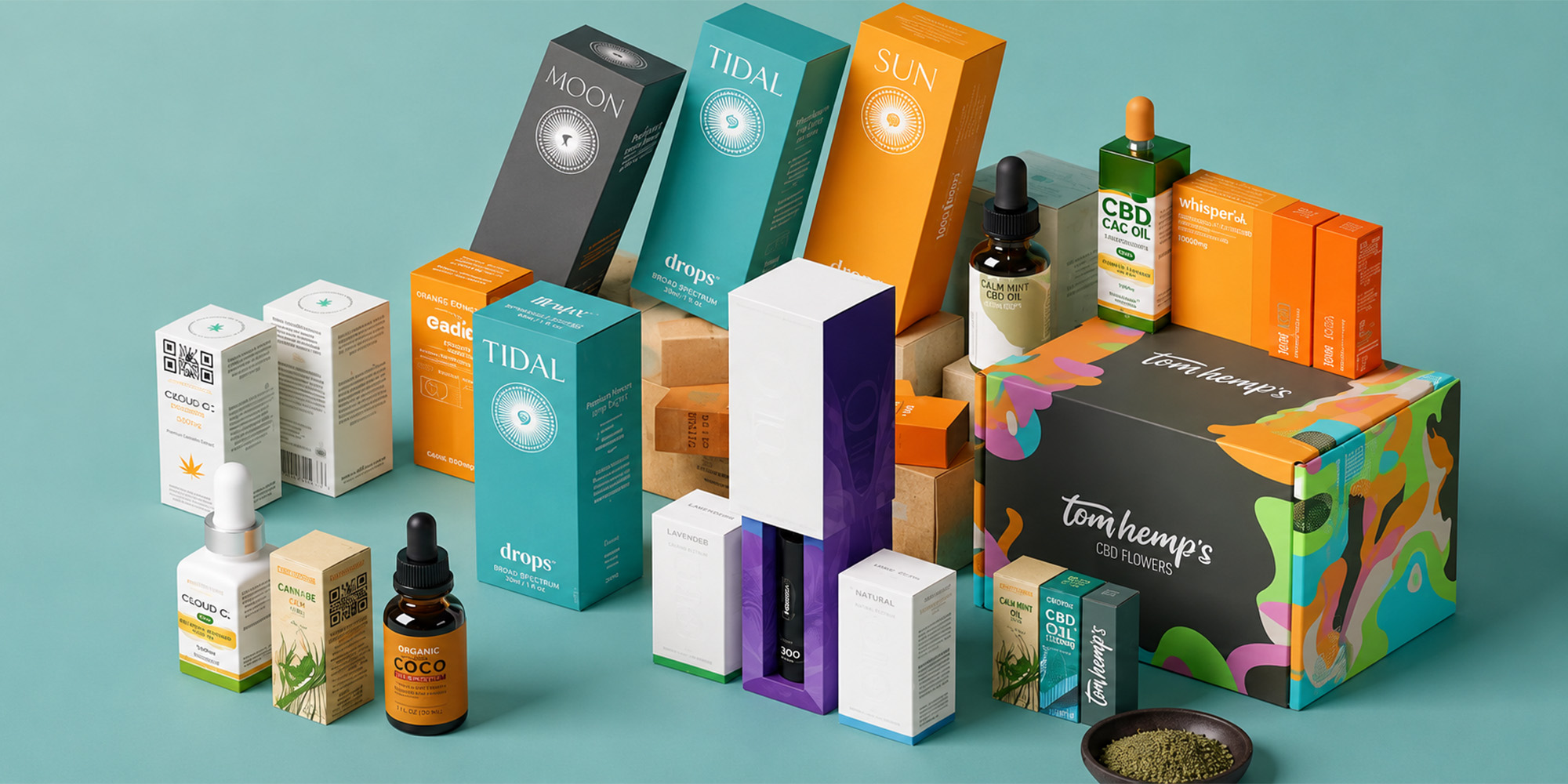
Plain isn’t the requirement here, though. Clean type, a muted palette, matte lamination, spot UV, foil stamping, pick any of it and compliance stays untouched. Walk through a shop and look at the CBD displays that actually stand out right now, most of them go simple rather than loud, and it reads as more premium than a colorful box ever manages, the same restrained-luxury approach we cover in our book-style rigid box guide.
CBD sleeves packaging wrapped around a base display unit is a good way to solve this tug-of-war. The sleeve carries the branding and shelf appeal. The base structure holds the required compliance info in a fixed spot. If a label rule changes, you only reprint the sleeve, not the whole display.
What Actually Has to Be on the Box
Every CBD display, and every unit inside it, needs a specific set of info. Missing even one piece is a common reason products get pulled after they’ve already made it onto a shelf, the same kind of pre-order checklist worth running through in our custom business card boxes.
Potency in milligrams needs to be clear and match the lab report for that batch. A scannable QR code linking to the batch’s Certificate of Analysis is close to standard now, and some states, Florida included, require it outright for hemp extract products, along with batch ID and expiration date.
Watch out for THC too. Late 2026 is bringing more scrutiny here, and the rules are moving away from a simple percentage toward a total-weight cap instead. Most brands don’t realize this hits display packs harder than single products, since the total THC now gets tallied across every unit sitting in that display, not just one item at a time.
Child-resistant CBD packaging is required for basically all ingestible CBD products now, tested under Consumer Product Safety Commission standards. The display box itself usually doesn’t need to be child-resistant, but every unit inside it does. Pairing a compliant unit with a badly designed display is still a real risk if the display makes those units easier for a kid to grab, the same structural risk we flag in our custom die cut boxes.
Features of Child-Resistant Packaging
Two things at once here, staying compliant and actually keeping your customers’ kids safe. Get these features baked into your CBD boxes from day one rather than bolting them on after a compliance check flags something missing.
- Push-and-turn caps
- Tamper-evident bands
- Thick, durable box materials
- Blister packs with resistant seals
- Reclosable child-safe zippers on pouches
Child-resistant packaging on CBD oils and gummies isn’t just a box to tick for the lawyers. It’s what actually stops a kid from getting into something they shouldn’t, and it’s what keeps your brand out of the fines, recalls, and delistings that follow when that protection isn’t there.
Choosing the Right Format for Your Product
CBD mailer boxes work well for brands shipping directly to customers or filling smaller wholesale orders, since the box doubles as both shipping protection and retail branding in one piece, similar to the dual-purpose thinking behind rigid candle boxes for fragile shipped items.
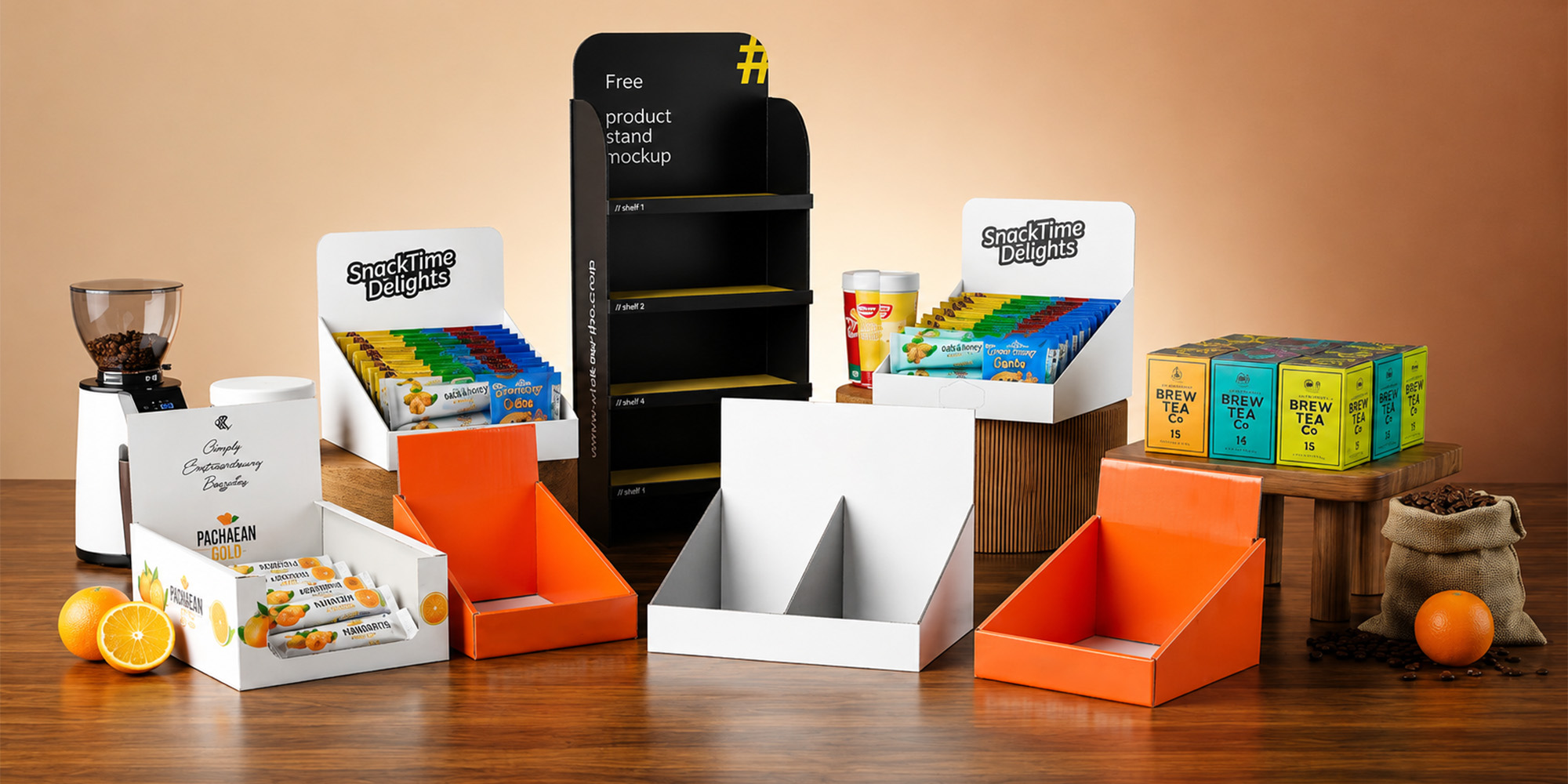
Countertop and shelf-ready displays, built to cut open along a perforation and go straight on a shelf, suit brands new to physical retail. They skip an extra unboxing step for the retailer and keep the branding intact from the moment it arrives, the same shelf-ready thinking behind small rigid boxes for entry-level lines.
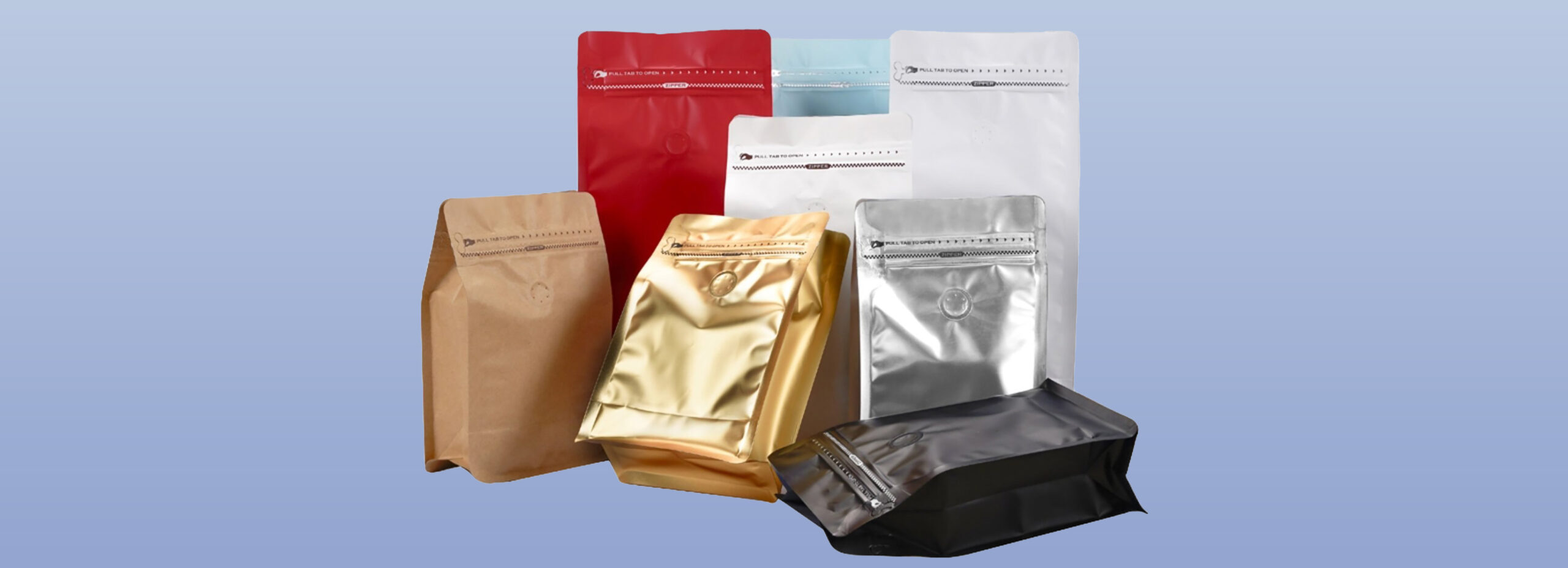
For brands working with a compliant weed pouch packaging supplier instead of going the rigid box route, none of this changes. A cannabis packaging pouch still needs the same compliance info on it, the same pullback on youth-appealing graphics, and, where the product calls for it, the same child-resistant closure.
What CBD Display Packaging Actually Costs in 2026
Standard CBD display boxes with full compliance printing run about $0.40 to $1.20 a unit at moderate volumes, depending on size and print detail, a similar range to entry-level decorative rigid box options.
CBD sleeves packaging on a reusable base costs less per reprint than a full display, usually $0.15 to $0.40 a sleeve, which matters since labeling rules keep shifting through 2026.
Child-resistant closures on individual units add roughly $0.10 to $0.30 per unit over a standard closure, a cost that’s just non-negotiable for most ingestible products no matter the outer display.
QR code and COA setup won’t add much to your per-unit cost, but keeping the batch codes accurate takes real, ongoing effort. Budget time for that upkeep. It’s not a print job you finish once and forget about.
A Few Questions Worth Asking Before You Order
Has anyone besides the designer actually looked at the display against the youth-appeal rules? Whoever built it is too close to see what a fresh set of eyes would catch immediately.
Every unit inside the display: does each one hold up as child-resistant on its own, regardless of whether the outer display itself needs to?
Is the QR code actually linked to live, batch-specific lab reports, or is it pointing to a generic page that won’t hold up during a retailer’s check?
Selling into more than one state? Has the packaging been designed against the strictest state’s rules, so you’re not stuck making separate labels for different markets?
Benefits of Getting CBD Display Packaging Right
- Stays on the shelf longer. A display that’s actually compliant doesn’t get pulled during a routine retailer audit. That means steady sales instead of a sudden gap in your listing. Fewer disruptions mean more consistent revenue from that retail account.
- Builds real retailer trust. Retailers keep a mental list of which brands cause headaches; they just don’t usually say so directly. Show up clean and compliant, order after order, and you’re the name they reach for when a shelf frees up. That kind of reputation doesn’t stay with one retailer either; it travels.
- Avoids fines and product seizures. Enforcement on CBD packaging has only tightened through 2026. Get the display right and you sidestep the direct hit of fines, recalls, and inventory that has to be destroyed. That saved cost dwarfs whatever extra time went into the design.
- Protects your brand’s reputation with customers. One recall, one public compliance mess, and trust goes with it. Slow to earn back too. But a box that’s clean and upfront about what’s in it does its own quiet convincing, no marketing copy required, and people pick up on it whether they realize why or not.
- Reduces reprint and redesign costs. Handle compliance at the layout stage and there’s no last-minute scramble waiting for you later. Get a listing rejected and now you’re redoing the whole design on money and time you didn’t have to spend. Once, done right, always beats twice.
- Makes multi-state expansion easier. Design against the strictest state’s rules from the start, and you avoid ending up with a pile of separate label variants down the line. Real money saved as the brand pushes into new markets. And no risk of accidentally sending a non-compliant version to the wrong state.
- Keeps children genuinely safer. This one’s not a checkbox; it’s the difference between a kid staying safe and something going seriously wrong. Everything else on this list is about the business. This is about people, and honestly, it outweighs the rest even though no spreadsheet will ever show it.
- Strengthens the unboxing and shelf experience. Clean, restrained design reads as premium rather than restrictive. Customers respond well to packaging that feels considered rather than cluttered with legal text. That positive first impression carries through to repeat purchases.
Conclusion
A CBD display box is stuck doing two things that don’t naturally go together: standing out on a shelf while also carrying every scrap of compliance info a regulator wants to see. Get that order right, compliance built into the layout from day one rather than crammed in at the end, and that’s what keeps a small brand off the delisting list.
Go for restraint over flash. Bake compliance into the structure instead of tacking it on afterward. And don’t stop at checking the display itself, check every unit inside it too, the same unit-level check worth running on any white rigid boxes or premium structure carrying a regulated product.
Written by the Hale Path Packaging team, packaging specialists with over a decade of experience supplying CBD, hemp, and regulated product packaging to brands and retailers across the United States, working directly with brands on CPSC child-resistant testing and retail compliance reviews before a display goes to print.