Custom Flower Packaging Suppliers: A Small Florist’s Guide to MOQ, Materials & Seasonal Ordering (2026)
Custom Flower Packaging Suppliers: A Small Florist’s Guide to MOQ, Materials & Seasonal Ordering (2026)
Most small florists learn how custom flower packaging suppliers actually price their runs the hard way. You call around, get quoted a minimum of 5,000 units for a bouquet sleeve, and realize nobody warned you that flower packaging doesn’t scale down the way flowers do. You can buy twelve stems from your wholesaler. You usually can’t buy twelve custom boxes from a packaging supplier – most weren’t built with a 200-bouquet-a-month shop in mind.
The short answer: low-MOQ custom flower packaging suppliers now exist specifically for independent florists, with digital-print minimums typically starting between 100 and 500 units depending on the format. Hale Path Packaging’s own flower box program starts at 100 units for a digitally printed run – worth confirming at quote stage, since sleeve designs sometimes carry a different minimum than rigid box runs.
This guide is for florists who are past the “any box will do” stage but aren’t ready for the volumes a big wholesale grower assumes you’re working at. It covers how to evaluate flower packaging suppliers on MOQ, which materials actually make sense for a small US shop, what packaging costs in 2026, and how to plan ordering around the seasons that make or break a florist’s year.
Why MOQ Is the First Thing to Ask Flower Packaging Suppliers, Not the Last
Minimum order quantity catches more florists off guard than price does. A supplier’s per-unit cost might look great – until you realize the “great price” only applies at 10,000 units, and you sell maybe 200 bouquets a month.
Traditional wholesale flower packaging suppliers built their pricing around big grower operations and supermarket flower counters, not independent shops. That’s not a criticism of the industry – it’s just how litho and flexo printing economics have always worked: long runs pay for themselves, short runs don’t. Digital print changed this. Because there’s no printing plate to make and no changeover cost eating into a short run, digital print can produce a few hundred units economically, which is exactly the range most independent florists actually need.
Is 500 units really a “low” MOQ for flower packaging? Relative to traditional wholesale flower packaging suppliers who quote 5,000–10,000 units, yes – 500 units (or lower, where digital print MOQs start at 100) counts as low-MOQ. It’s still worth asking what “low” means in absolute units before comparing suppliers, since the word gets used loosely across the industry.
If you’re a florist doing under 500 units a month of any single design, search specifically for “low MOQ flower packaging suppliers” or “digital print flower boxes” rather than just “flower packaging wholesale” – that phrasing alone will surface a completely different, smaller-friendly tier of supplier.
A practical way to think about MOQ: work out how many of one design you’d actually get through in three months, then round down. Ordering a year’s supply of a single Valentine’s Day sleeve design because the per-unit price looked better is how florists end up with thousands of leftover boxes printed for a date that’s already passed.
Materials That Actually Make Sense for a Small US Flower Shop
Bouquet sleeves tend to be the first purchase for most florists, for good reason. A basic kraft or clear-front sleeve costs very little, stops stems from getting knocked around at the counter or in transit, and still fits a small printed logo without needing a full custom box run. For a shop that’s mostly walk-in bouquets, sleeves handle the bulk of daily packaging at a fraction of what boxes cost.
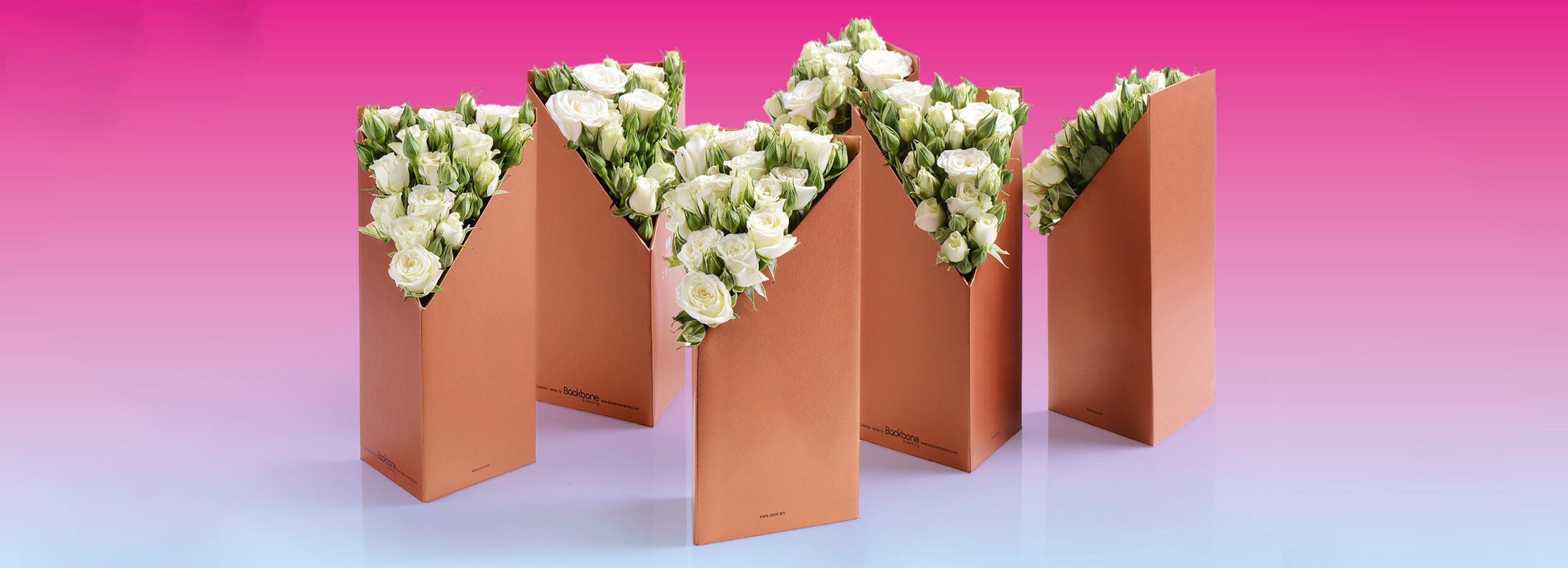
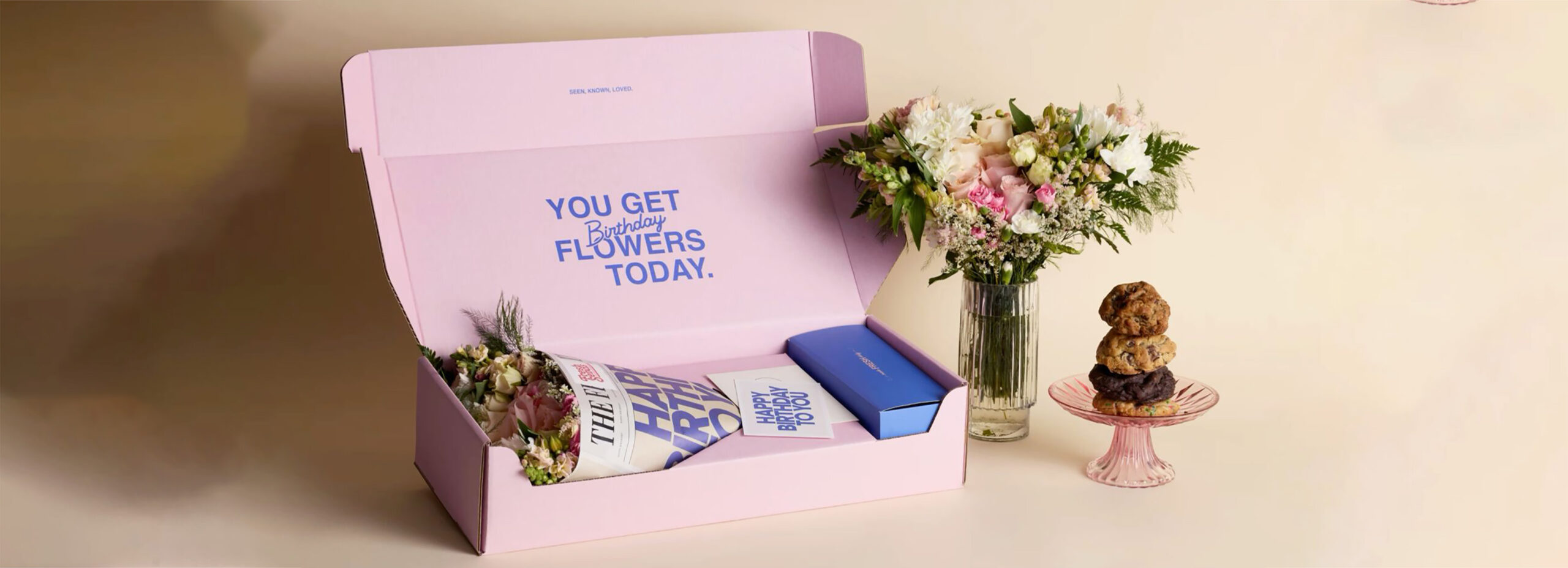
Flower boxes prove their worth on made-to-order arrangements, weddings, and anything going out for delivery rather than handed over the counter. A rigid box holds its shape in a delivery van the way a sleeve won’t, and it reads as premium the moment someone lifts the lid. For arrangements that need to survive a drive without shifting, a box with a fitted foam or cardboard insert keeps stems anchored in place rather than sliding around loose — the same principle florists already use for vases, applied to the box itself. The trade-off is cost and storage: boxes take up more flat-pack shelf space than sleeves do rolled or stacked, which matters in a shop where every square foot of backroom space is already spoken for.
Should a small shop stock both sleeves and boxes, or pick one? Most florists run both, split by job type. Sleeves cover everyday walk-in bouquets; boxes get reserved for weddings, delivery orders, and anything premium enough to justify the extra unit cost.
Flower wrapping paper is worth a separate look from sleeves and boxes, because paper does something neither format does well: it lets you customize the wrap per customer, on the spot, without pre-printing anything. A roll of good kraft or tissue paper in two or three house colours covers most walk-in requests, and it’s the cheapest way to look considered without ordering custom print at all. Many small florists run paper as their everyday format and keep sleeves or boxes for occasions and online orders.
Sustainable flower packaging has gone from nice-to-have to something customers actively ask about, especially younger buyers. Cellophane is still common in the trade because it’s cheap and makes flowers look glossy, but it’s plastic, and that’s getting harder to justify on brand grounds. Compostable cellulose film, kraft paper, and recycled card are now priced close enough to standard materials that switching isn’t the financial hit it used to be – Hale Path Packaging’s eco-friendly gift box line uses FSC-certified and recycled stock at low minimum order volumes, which is worth a look if sustainability is part of how your shop already markets itself.
Seasonal Ordering: Where Most Florists Actually Lose Money
Flowers are seasonal. Packaging orders need to follow that pattern, and most florists get this backwards by ordering reactively instead of planning around a calendar they already know is coming.
Seasonal demand isn’t evenly spread, either. According to data the market research firm Grand View Research cites from the U.S. Bureau of Economic Analysis, Valentine’s Day alone accounts for roughly 30% of annual U.S. floral purchases, with Christmas contributing another 26% – meaning more than half a florist’s yearly packaging demand is concentrated into two short windows. The Society of American Florists has separately counted over 12,000 retail florist shops competing for supplier capacity during those same windows, which is exactly why ordering early matters more in this industry than in most.
Valentine’s Day is the single biggest packaging spike most US florists see all year. Order too late and you’re paying rush fees or working with whatever stock a supplier has left. Order too early without checking your supplier’s lead time and you tie up cash in boxes sitting in a storeroom for two months. A safe window for most US florists is placing the Valentine’s order in the first week of December — six to eight weeks of buffer before the rush hits in early February.
Mother’s Day, the second Sunday in May in the US, runs close behind Valentine’s Day in packaging volume but gets less planning attention because it feels like the “smaller” of the two occasions. It usually isn’t, and it’s worth budgeting for accordingly.
Wedding season, running roughly April through September in most of the US, needs a different ordering approach entirely. Rather than one seasonal spike, it’s steady elevated demand across six months – and it’s the category where branded wedding and event packaging pays off most, since wedding clients are the ones most likely to photograph and share the packaging itself.
How far ahead should I order packaging for wedding season? Place your first wedding-season order by early March if you’re in the US, since April demand starts immediately and most flower packaging suppliers see their own production queue fill up fastest right before the season opens.
Christmas brings its own packaging needs – usually heavier card stock and richer colourways than the rest of the year – and it’s competing for supplier capacity with every other retail sector gearing up for December at the same time. Getting the order in during October, while it feels early, avoids the worst of that squeeze.
The general rule across all four seasons: work backwards from the peak date using your supplier’s stated lead time, then add two to three weeks as a buffer. Suppliers quote lead times assuming nothing goes wrong. Something usually does.
It’s also worth keeping a simple record from year to year of what you actually ordered versus what you actually used. Most florists have a rough sense of “we always run out around Valentine’s” or “we over-order at Christmas,” but few write it down. A basic spreadsheet — units ordered against units used per season – turns next year’s ordering from a guess into an actual plan, and it’s the easiest way to stop overpaying for storage on stock that sits unused for eleven months.
What Custom Flower Packaging Actually Costs in the US in 2026
Pricing varies by supplier, but the general shape of the market looks like this for a small florist ordering below wholesale-grower volumes:
- Stock sleeves and bags with a standard printed design typically run $0.06 to $0.18 per unit, depending on material and print complexity, at volumes a small florist can realistically use.
- Digitally printed custom sleeves sit between $0.18 and $0.45 per unit at low volumes (roughly 250 to 1,000 units) — the range most independent florists should be comparing suppliers on, rather than the bulk litho pricing aimed at large growers.
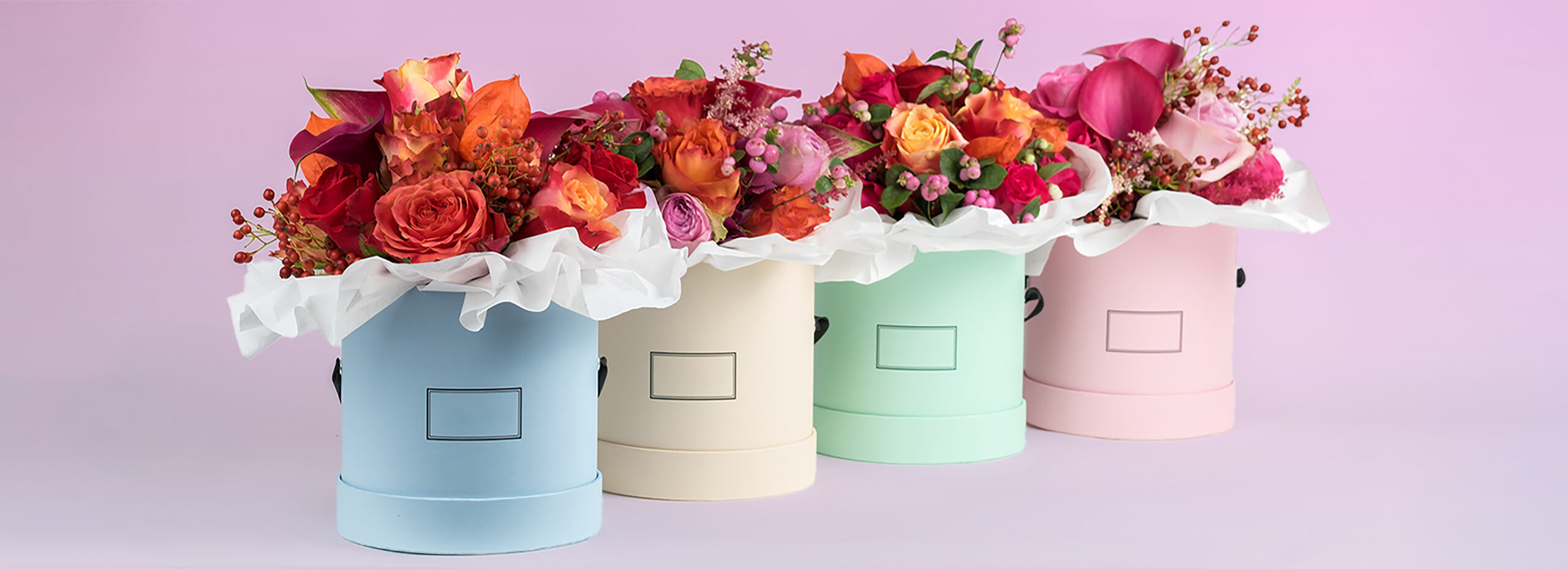
- Rigid flower boxes cost more, typically $0.75 to $3.00 per unit depending on size and whether it’s a simple two-piece box or something with a magnetic closure or window. For weddings and premium arrangements, that cost usually gets absorbed into the price of the arrangement without much thought.
- Wrapping paper by the roll is by far the cheapest per-wrap option once you work out how many bouquets a single roll covers — often just a few cents per bouquet.
- Compostable or recycled alternatives typically add a 10 to 20% premium over standard materials, though that gap has narrowed as more US converters bring sustainable ranges into their standard offering instead of treating them as a specialist add-on.
These figures are general 2026 market ranges, not a quote – get exact numbers from whichever flower packaging suppliers you’re comparing, since material costs shift with paperboard pricing and order volume.
A Few Questions Worth Asking Any Flower Packaging Supplier Before You Order
Is the MOQ genuinely low, or only low next to what a wholesale grower would normally order? Get the actual unit number – don’t take “low” at face value.
What’s the real lead time, print proofing included, not just production? A quoted “10 business days” typically counts from artwork approval, not from the day the order was placed.
Does the packaging fit how the customer actually experiences the flowers? A walk-in bunch in paper and a wedding order in a branded box are two different jobs. Price one format for both and you’re either overpaying or under-delivering somewhere.
Can the supplier hold your artwork on file for reorders? Small shops often lose money not on the first custom print run, but on the second one – when nobody can find the original design file and the supplier has to requote from scratch.
Frequently Asked Questions
What is a typical MOQ for custom flower packaging suppliers in the US?
Digital-print suppliers typically start at 100 to 500 units, compared to 5,000+ for traditional wholesale flower packaging suppliers built around large grower volumes.
How much does custom flower packaging cost per unit?
Sleeves generally run $0.06–$0.45 per unit depending on customization; rigid flower boxes run $0.75–$3.00 per unit. Exact pricing depends on material, print complexity, and order volume.
When should I order Valentine’s Day flower packaging?
Place the order in the first week of December to allow six to eight weeks of production and delivery buffer before the early-February rush.
Is sustainable flower packaging more expensive?
Compostable and recycled materials typically add a 10–20% premium over standard stock, though the gap has narrowed as more suppliers add sustainable ranges as standard rather than speciality options.
What’s the difference between a sleeve and a box for flower packaging?
Sleeves are cheaper and suit everyday walk-in bouquets; rigid boxes cost more but hold shape during delivery and suit weddings, made-to-order arrangements, and premium gifting.
Can I get low-MOQ custom flower packaging as a new or small flower shop?
Yes – digital print has made runs as low as 100 units commercially viable, letting small shops order custom-branded packaging without committing to wholesale-grower volumes.
Conclusion
Custom flower packaging doesn’t mean choosing between the cheapest generic option and a bulk order you’ll never get through. Small US florists have more low-MOQ, digitally printed options from flower packaging suppliers now than ever before, and matching format to occasion – sleeves for everyday, boxes for weddings and premium orders, paper for flexibility – usually solves most of the packaging problem without overspending.
Written by the Hale Path Packaging team, packaging specialists with over 10 years of experience supplying florists, growers, and independent retailers with custom and stock packaging across the USA. Market and seasonal purchasing data referenced above is drawn from the U.S. Bureau of Economic Analysis (via Grand View Research) and the Society of American Florists.