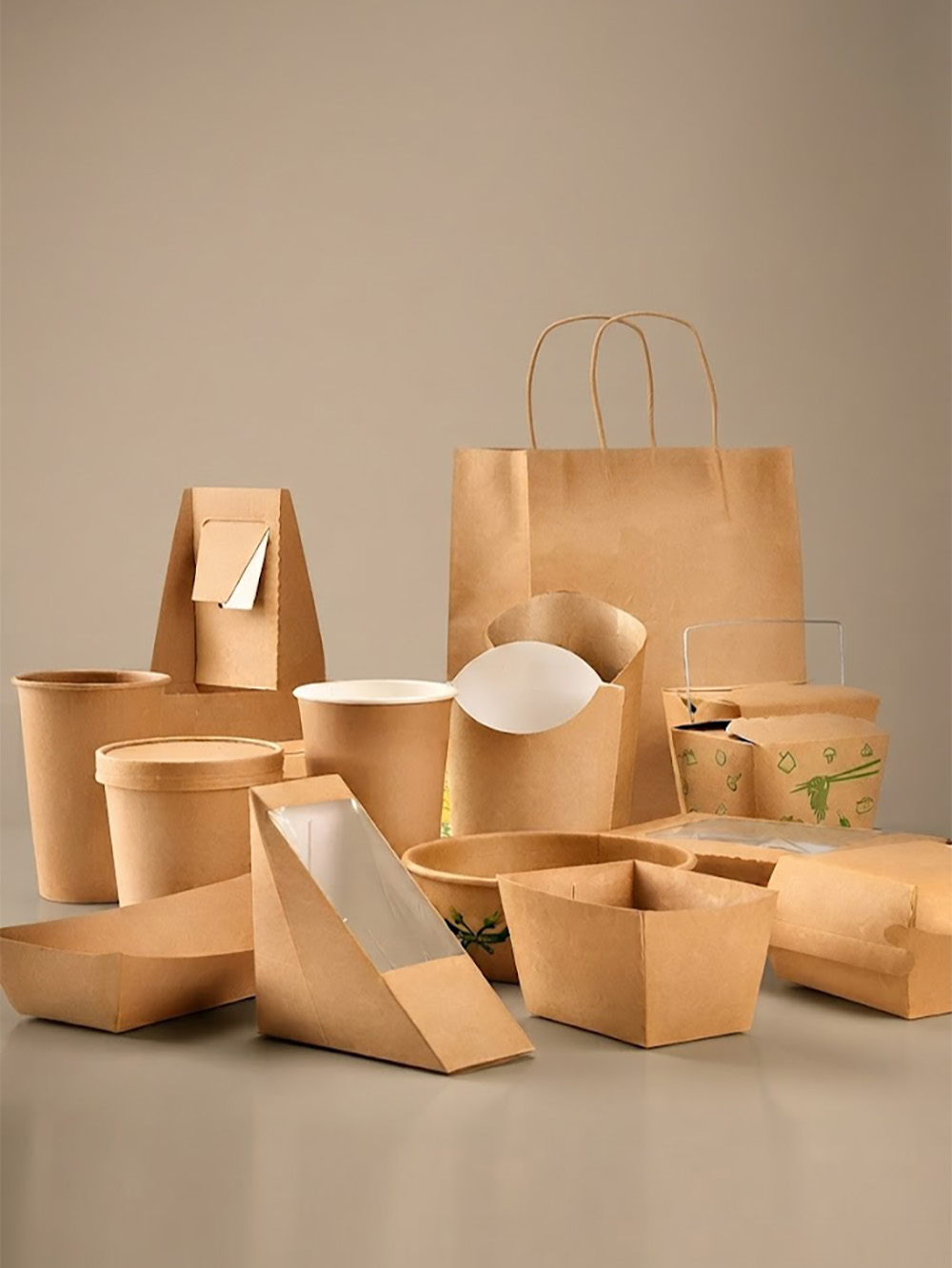
Recyclable means the material can be reprocessed into new material through an existing recycling stream, most corrugated cardboard and uncoated kraft qualify through standard curbside programs. Compostable means it breaks down into usable organic matter under composting conditions, which is a stricter, slower standard than recyclable and often requires industrial composting rather than a backyard bin. Biodegradable is the loosest term of the three, it means a material breaks down naturally over time, but without a defined timeframe or process, which is exactly why it gets overused in marketing copy that sounds green without saying anything checkable.
A box can be one of these without being all three. A material that’s technically biodegradable over several decades is not the same claim as one that’s certified compostable in 90 days, and stating the wrong one to a customer is a real liability, not just a marketing nuance.
Which Eco-Friendly Material Fits Your Product Without Costing More to Ship?
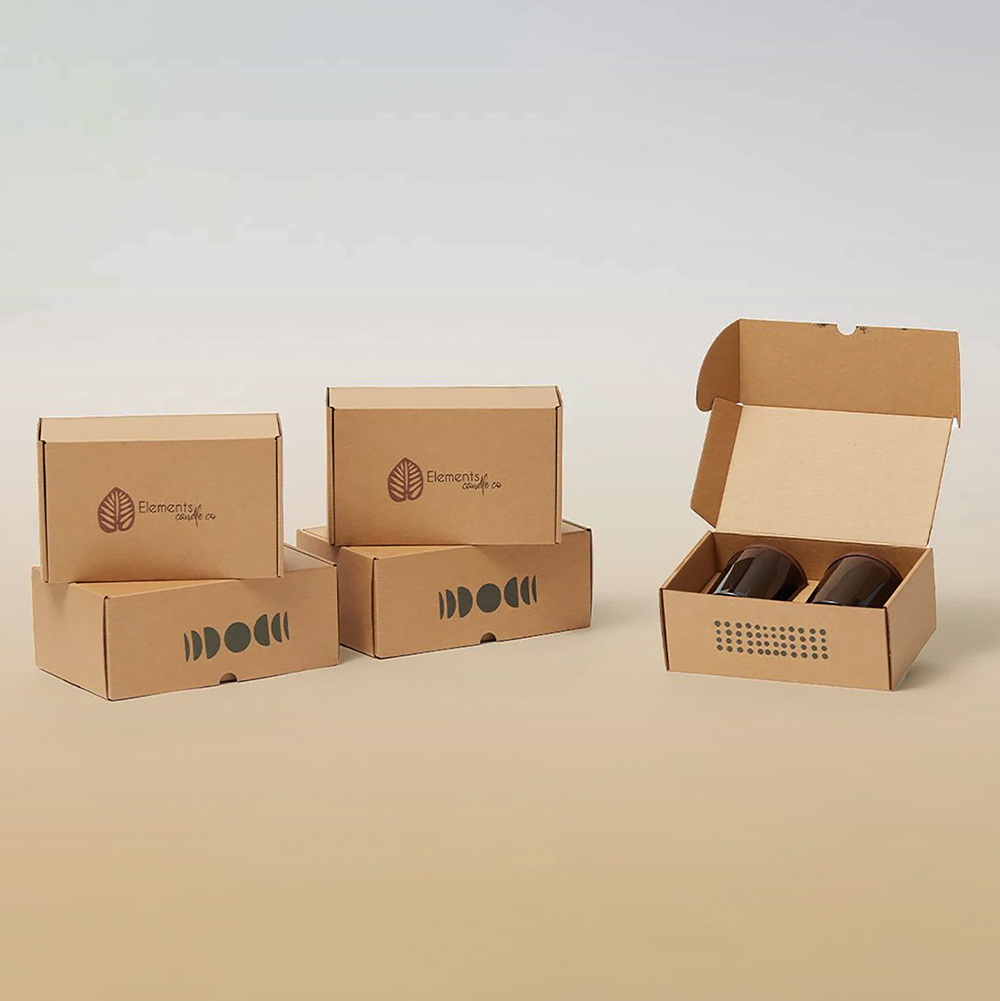
Corrugated cardboard with high post-consumer recycled content is the standard choice for shipping boxes, genuinely recyclable, widely accepted curbside, and no meaningful cost premium over virgin board at most volumes. Uncoated kraft suits retail-facing boxes where a natural, unbleached look supports the sustainability positioning visually as well as materially. Certified board adds a verified sourcing chain for brands that need documentation, not just a claim, for retail accounts or corporate reporting.
The real cost trade-off isn’t material, it’s structure. Right-sizing a box to the product’s actual dimensions reduces material use and shipping cost regardless of whether the board itself is recycled, and an oversized eco-friendly box still wastes more than a properly fitted standard one. This is the same principle we apply across our cardboard and paperboard range generally, sizing first, material claim second.