

Shipping Cardboard Boxes
Most damage claims I’ve looked into over the years don’t come from a bad box. They come from the right box used wrong: oversized for the product, under rated for the weight, or packed with the wrong amount of cushioning.
Shipping cardboard boxes have one job, get the product from your dock to the customer’s door in the same condition it left in, and that job comes down to three decisions: strength rating, fit, and how it’s packed. Get those three right and the box basically disappears from the conversation. Get one wrong and it becomes the reason for a refund.
Trusted by 10,000+ awesome brands


















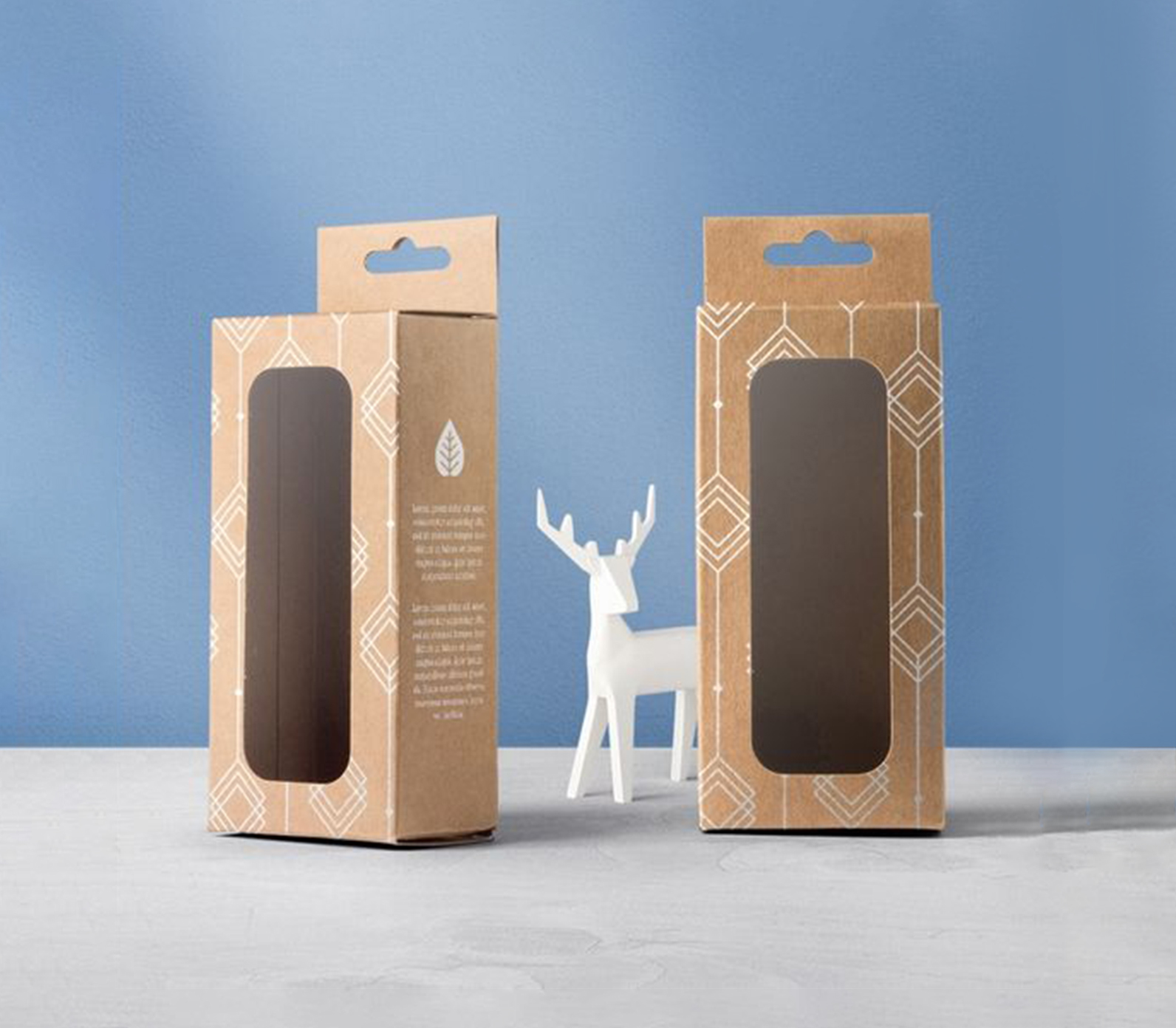
Shipping Cardboard Boxes Gallery



How Do You Actually Know a Shipping Box Is Strong Enough?
Every corrugated & shipping cardboard box carries a certificate stamp somewhere on the bottom panel, and that stamp is telling you exactly what the box can handle, most people just never learn to read it. You’ll typically see either a burst test rating (like 200 lb test) or an Edge Crush Test rating (like ECT 32), and the number matters more than the brown color or the thickness you can see with your eyes.
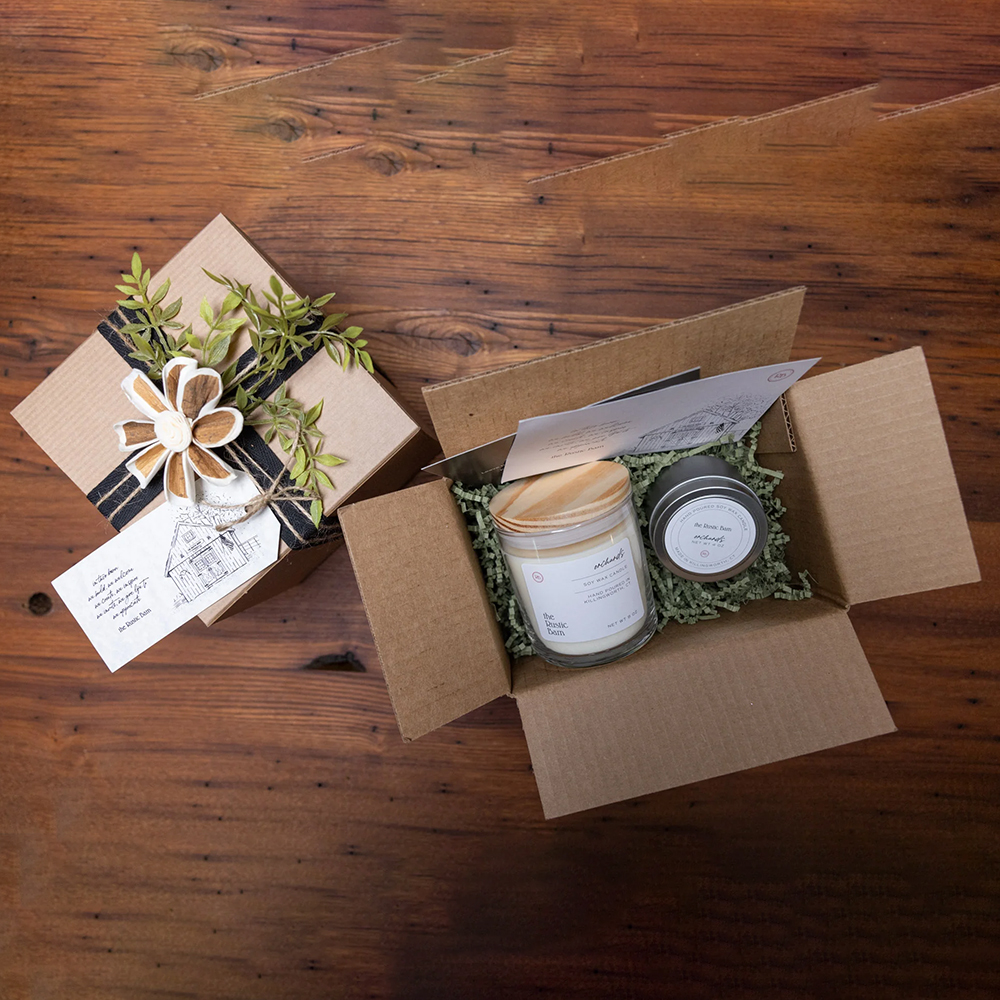
A single wall box at a standard ECT rating is genuinely fine for light, low risk items. Once you’re shipping anything heavy, glass, or fragile enough that a corner impact could damage it, that’s when double wall board earns its cost. This is the same board upgrade we spec for glass and fragile items across our cardboard candle boxes line, where jar breakage is the single biggest fear sellers have.
What Happens When a Box Fails
Corrugated board fails in one of two ways. Either the weight inside exceeds what the flute can support and the walls bow or crush, or humidity gets into the fiber during a long transit and softens it from the inside, so a box that looked fine at the warehouse arrives soft and collapsed. Both are avoidable with the right rating for your actual shipping conditions, not just the cheapest rating available.
What Size Box Do You Actually Need, and Why Does Oversizing Cost You Twice?
This is the mistake I see more than any other, and it’s an expensive one. A box that’s even an inch too big on each side means extra void fill, more shifting room for the product inside, and a higher dimensional weight charge from your carrier, since most carriers now bill by box size, not just actual weight.
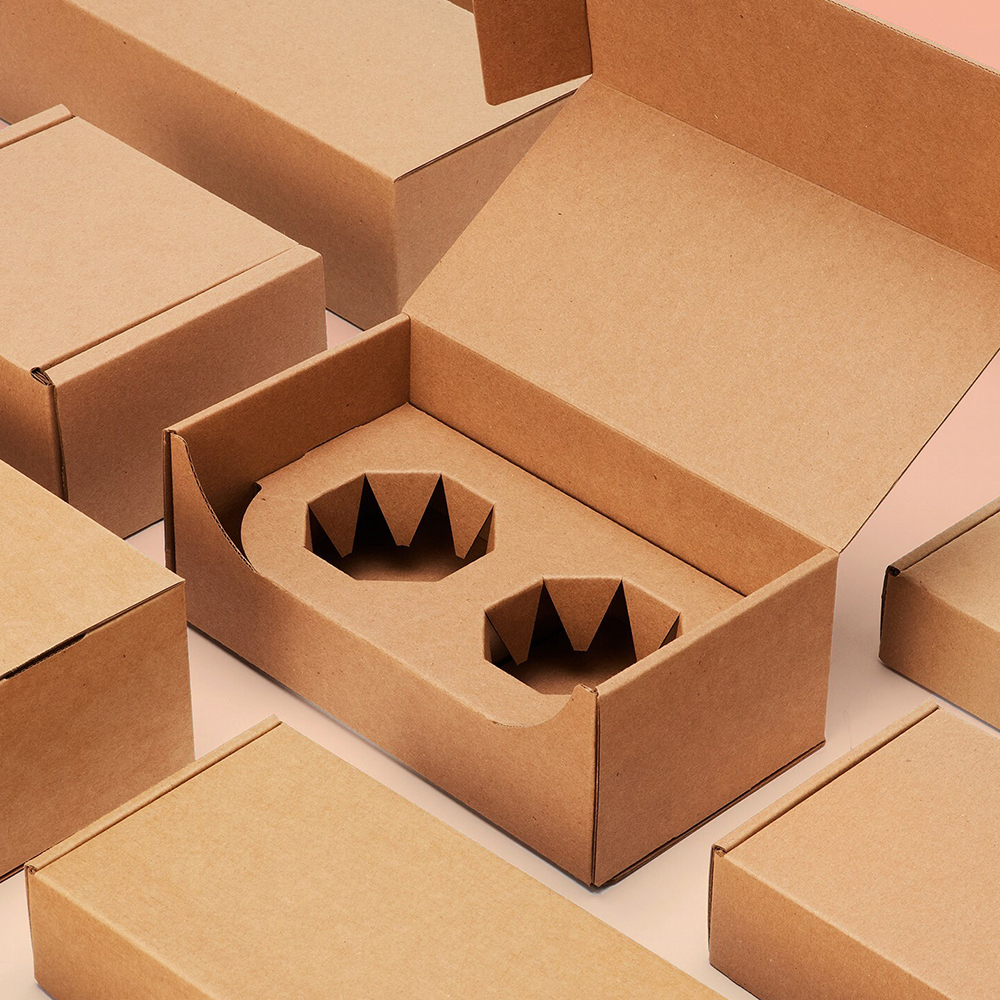
Sizing your box tight to the product, with roughly two inches of cushioning space rather than four or five, does three things at once: it lowers your per shipment freight cost, it reduces how much the product can move around and get damaged in transit, and it uses less filler material. If your product needs a genuinely custom cavity shape rather than a standard rectangular box, our die cut cardboard boxes option lets us build the box around the product instead of the other way around.
A Note on Fragile and Irregular Items
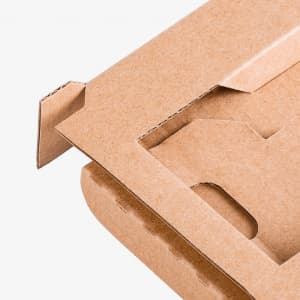
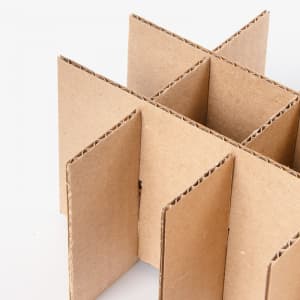
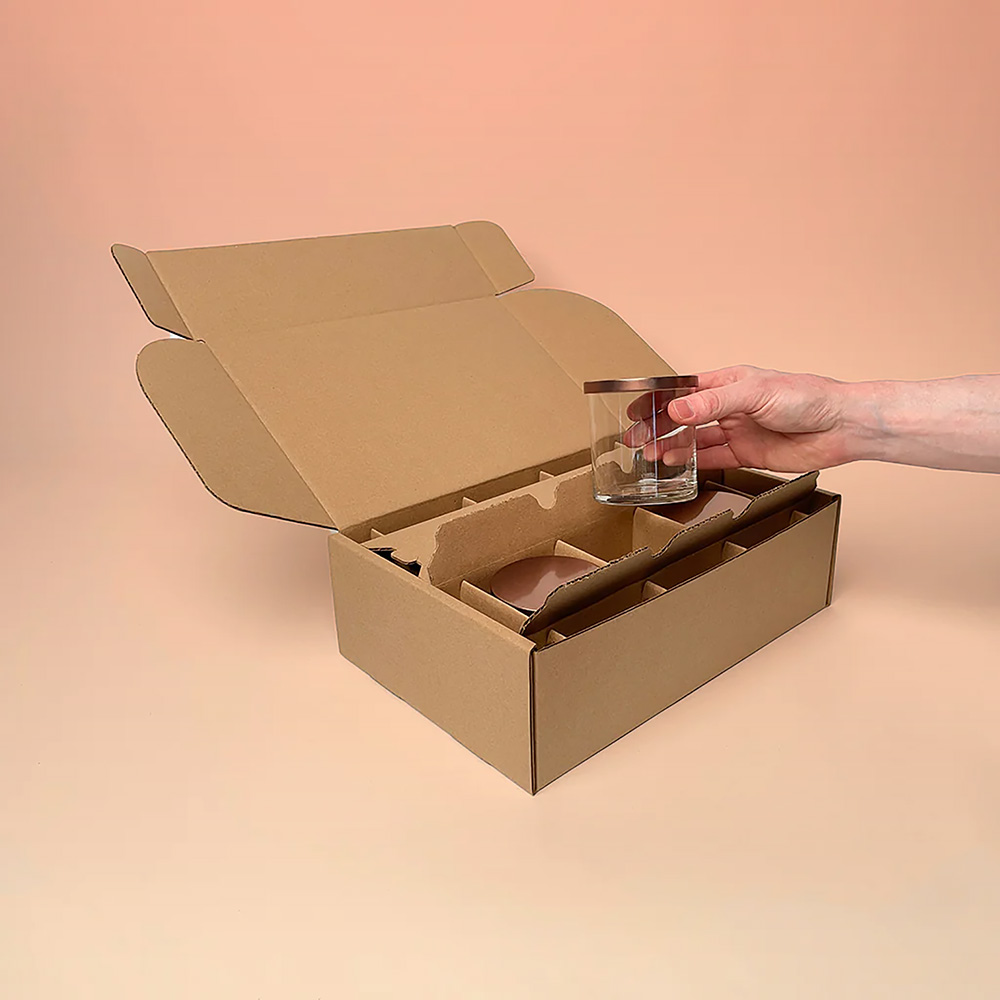
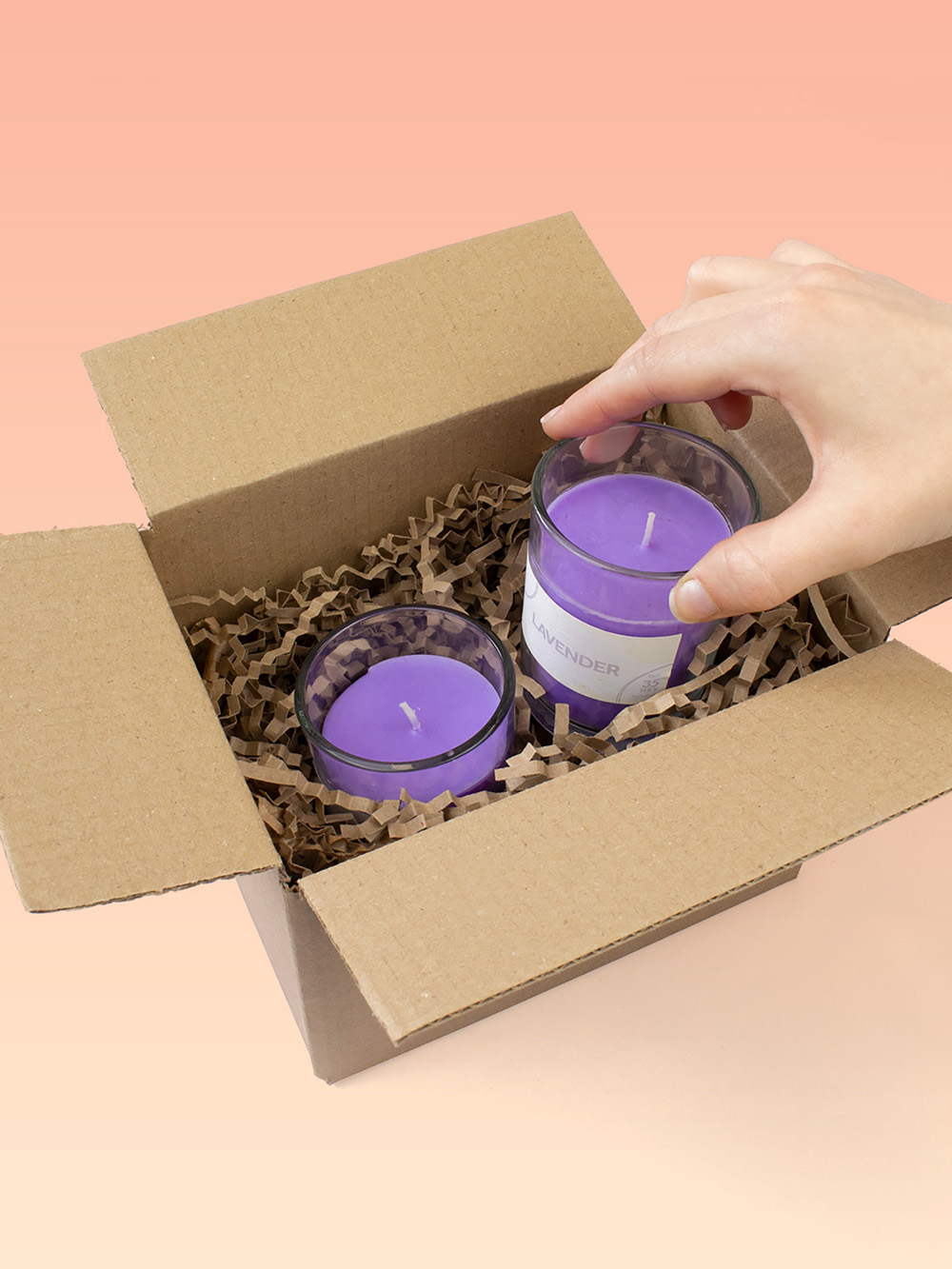
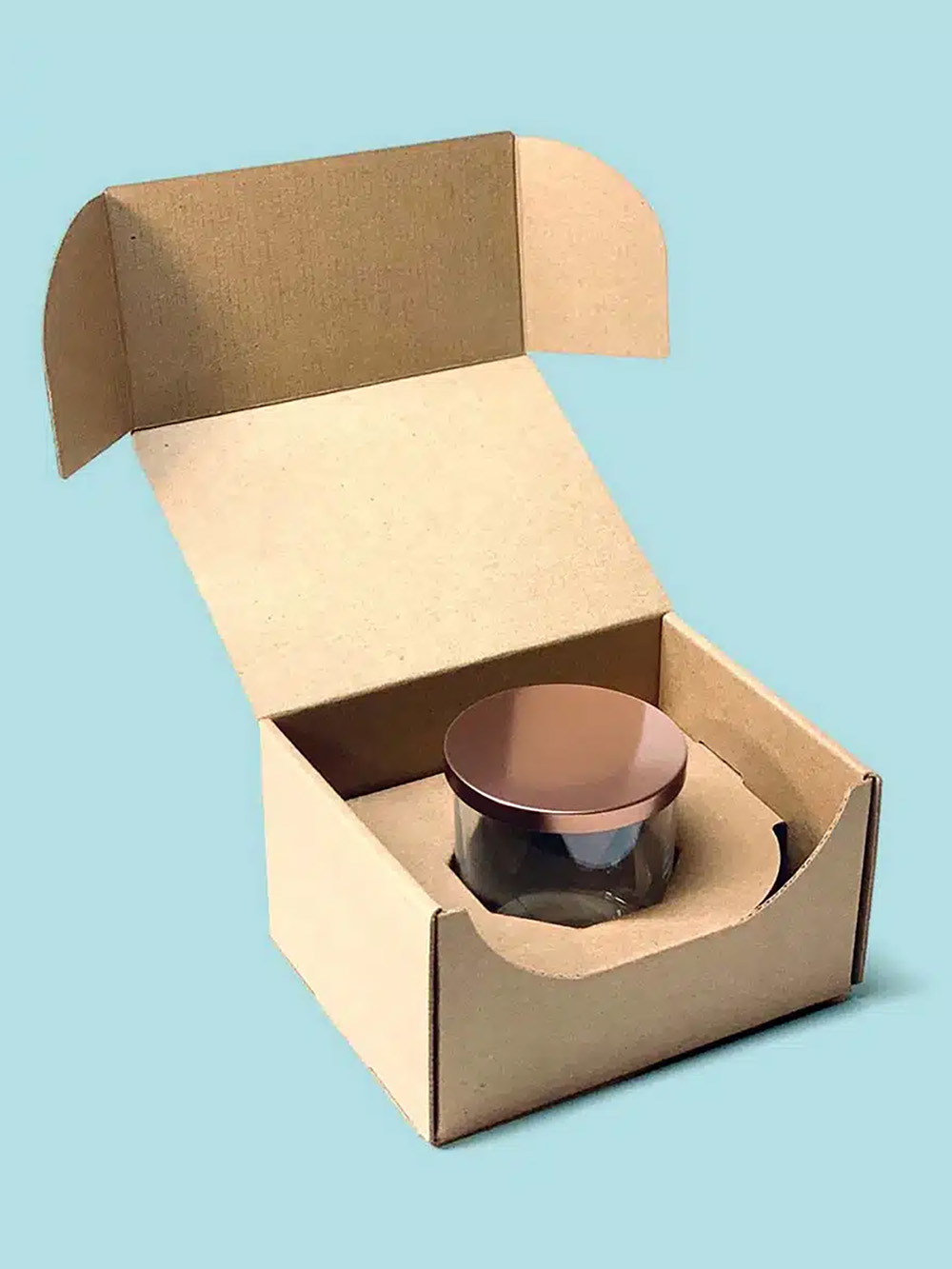
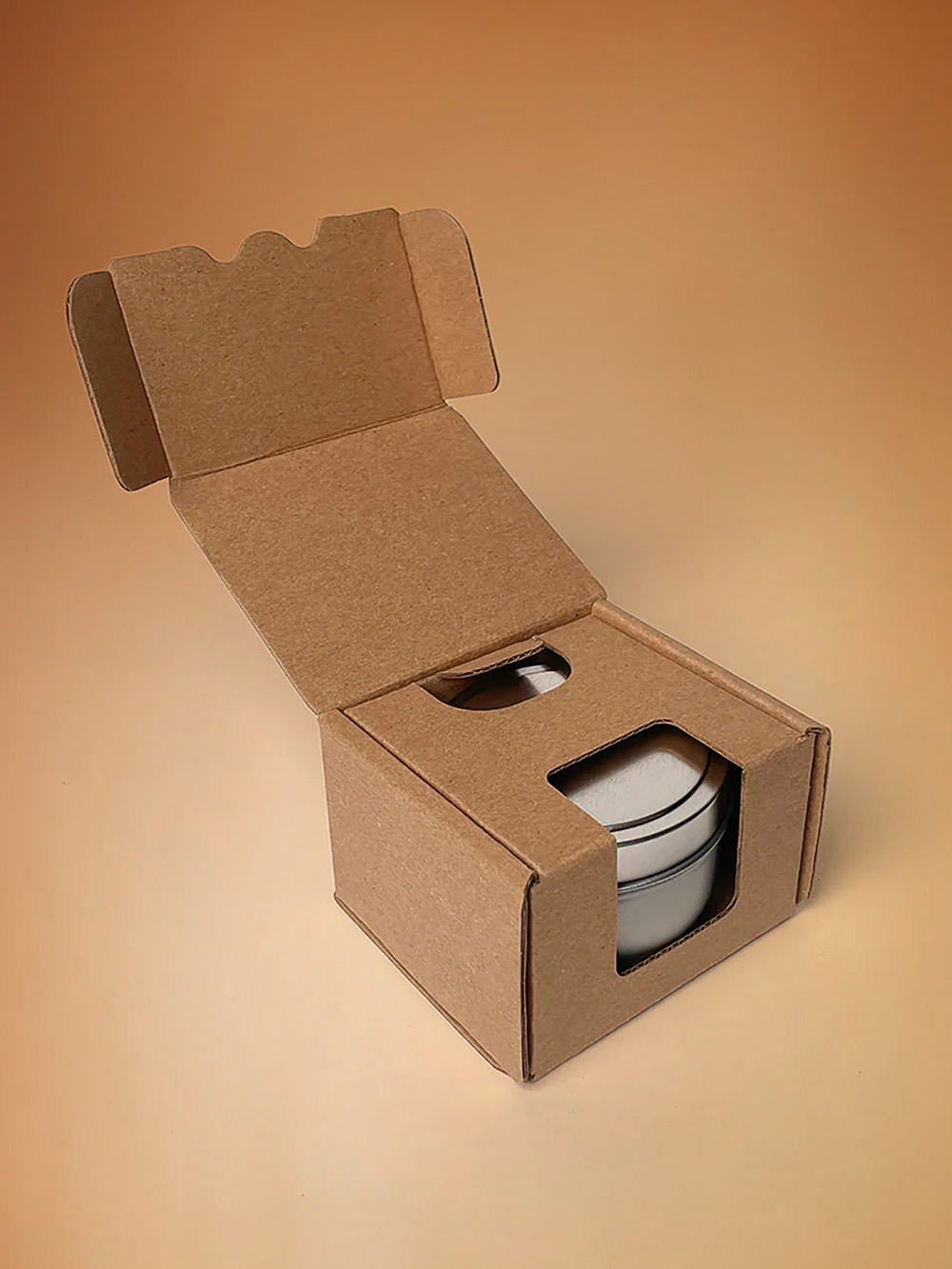
Standard rectangular boxes work for most products, but anything fragile, oddly shaped, or valuable enough that a single damaged shipment actually hurts benefits from a fitted interior rather than loose packing peanuts. Our insert and rigid box options build that structure directly into the shipping box, so the product sits in a fixed position instead of finding every corner of the box on a rough leg of transit.
Do These Boxes Meet UPS, FedEx, and USPS Requirements?
Yes, and this is worth confirming with any supplier before you order at volume, not after. Standard ECT rated corrugated boxes are accepted across the major national carriers, but if you’re shipping anything regulated, batteries, chemicals, or other hazardous materials, that’s a separate box category entirely with its own UN and DOT testing requirements, and it needs to be specified as such from the start rather than assumed to be covered by a standard box.
Can You Order Shipping Cardboard Boxes in Small Quantities, Not Just a Pallet?
Most industrial box suppliers are built around case and pallet quantities, which makes sense if you’re shipping thousands of units a month, but it leaves smaller businesses stuck either overbuying or going without. Our minimum order for custom shipping cardboard boxes is 100 units, which is enough to solve a real fulfillment need without committing to a pallet you’re not ready for yet. If you also need shelf ready packaging for a retail account alongside your shipping cartons, our retail cardboard boxes page covers that side of the business separately, since a box built to survive a truck and a box built to look good on a shelf are genuinely different specs.
Branding on a Shipping Box
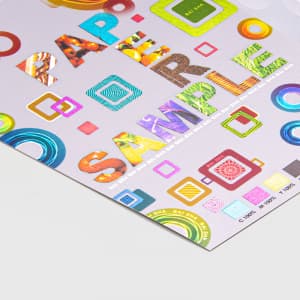
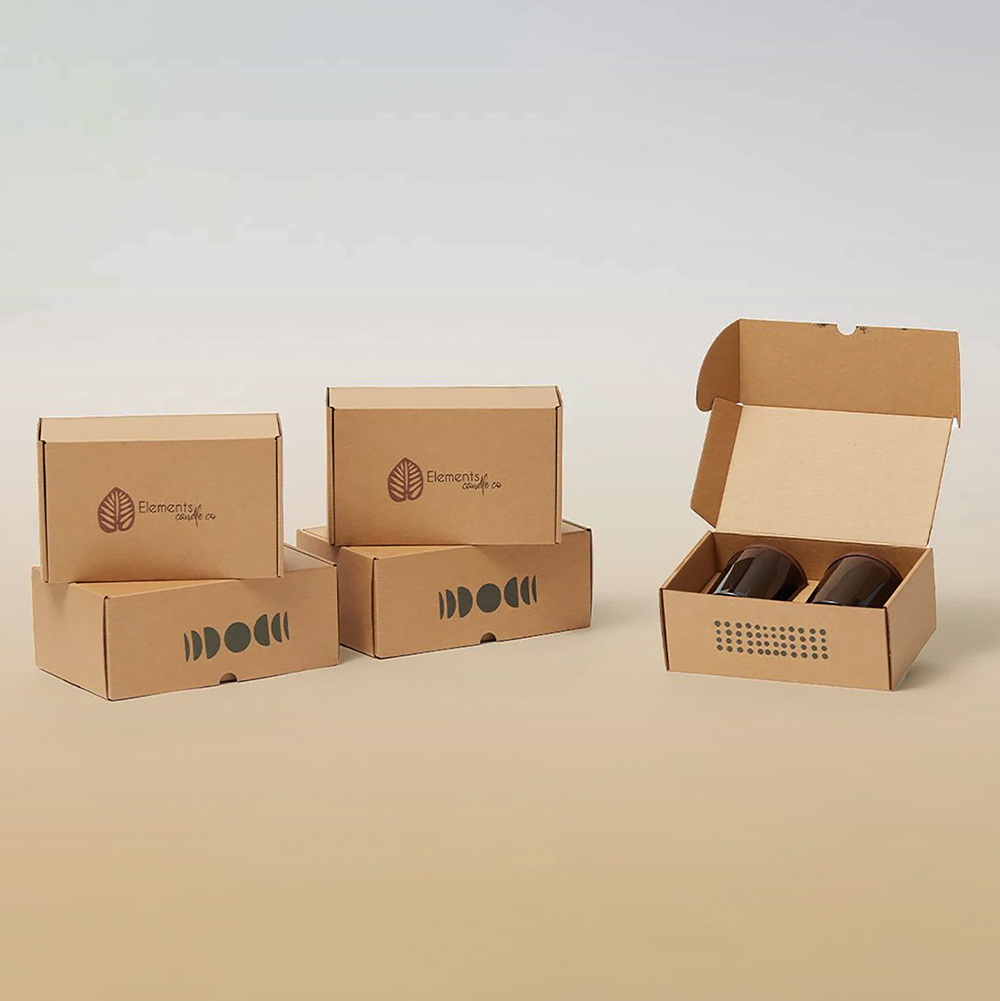
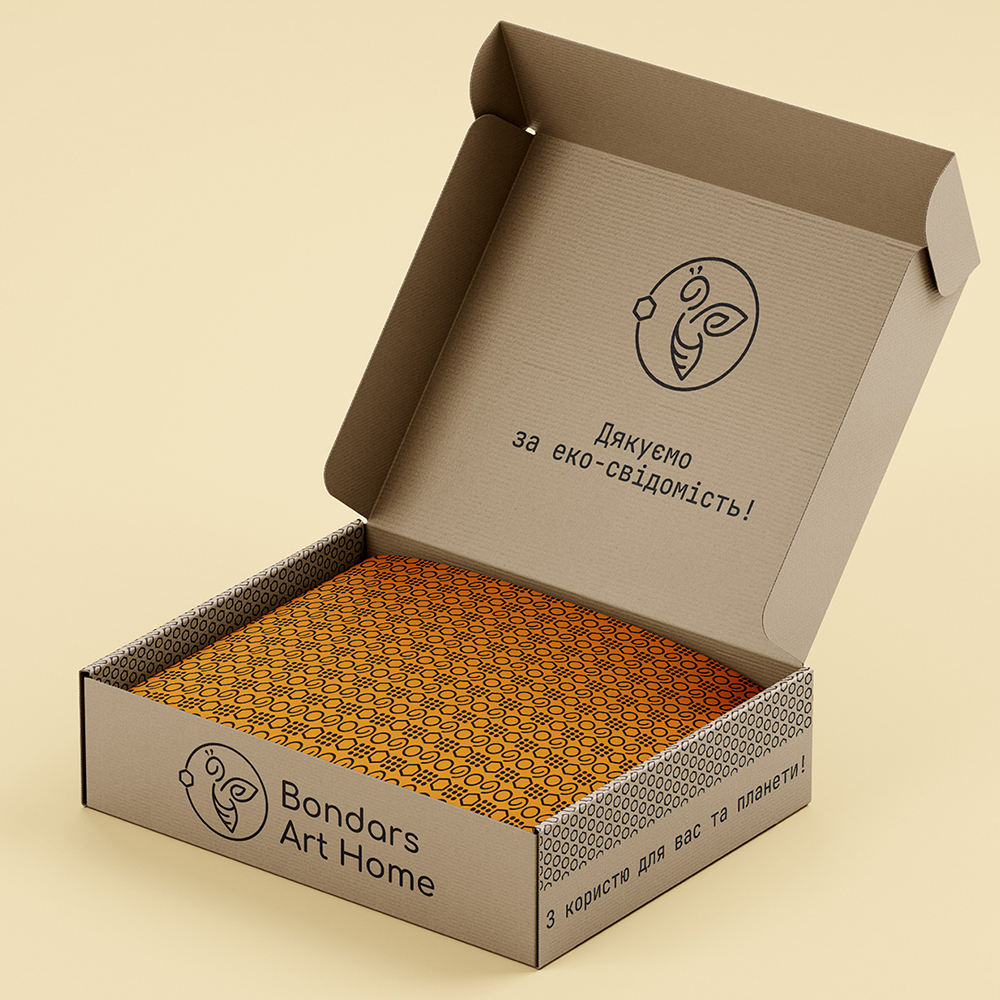
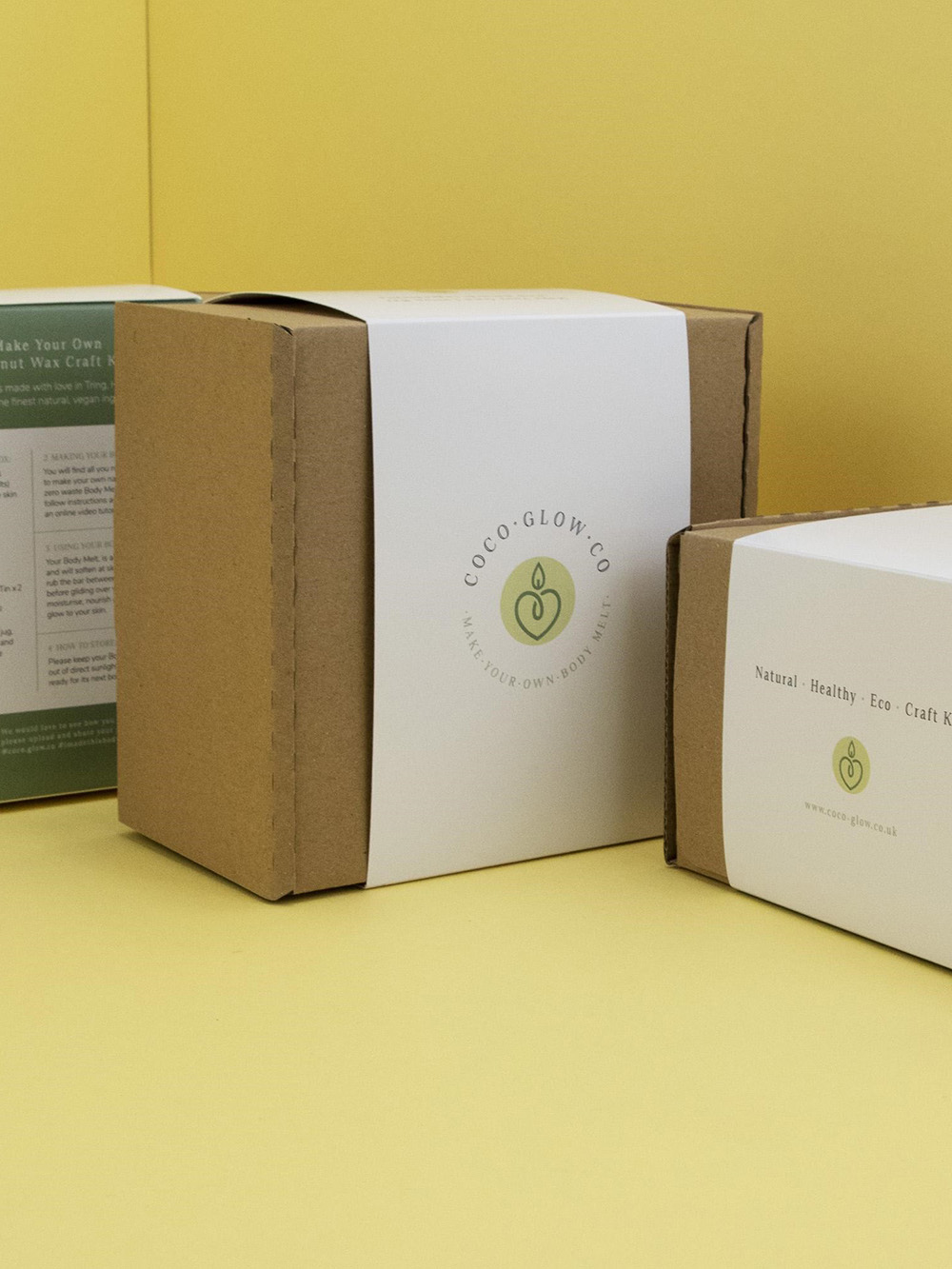
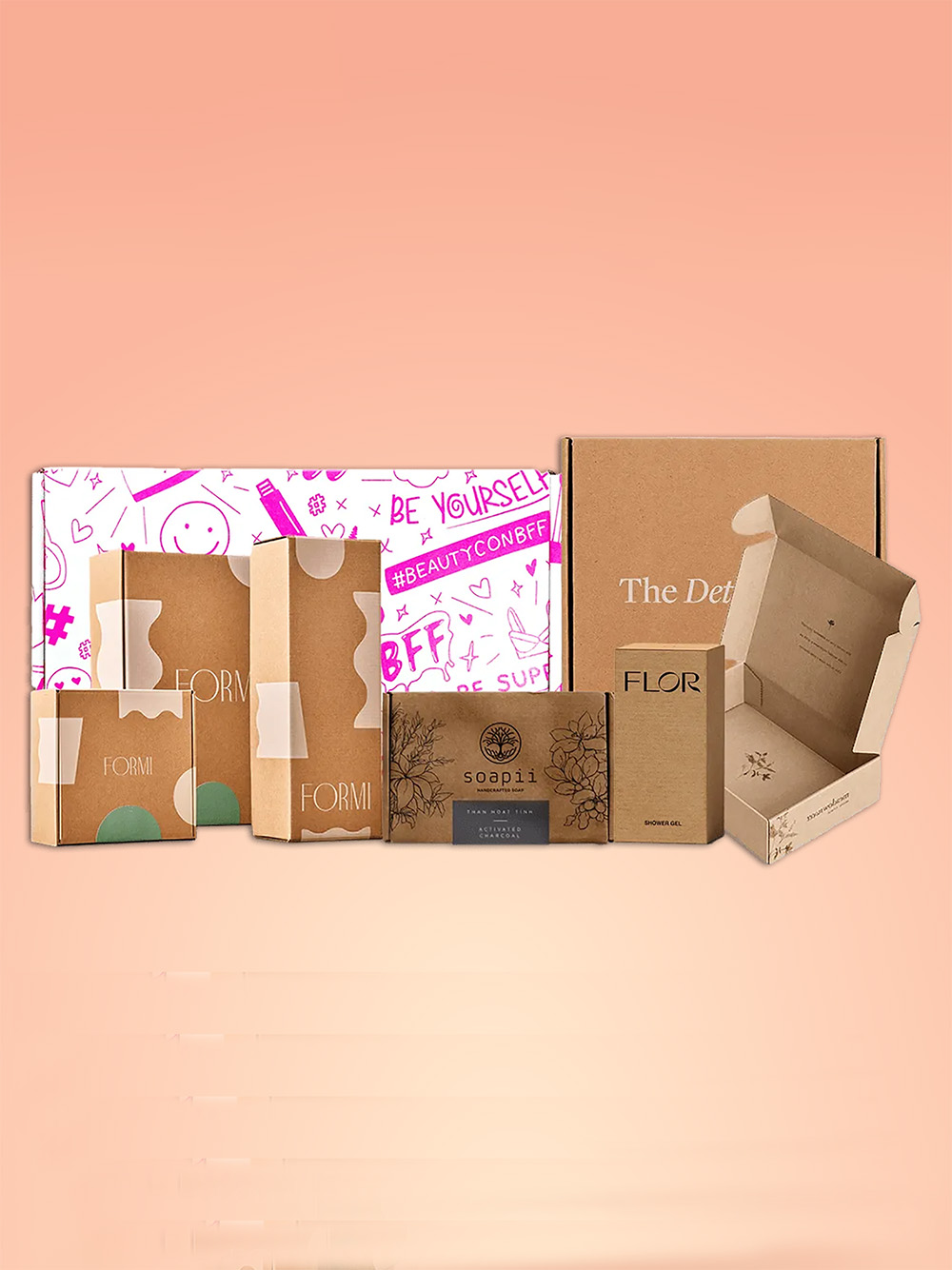
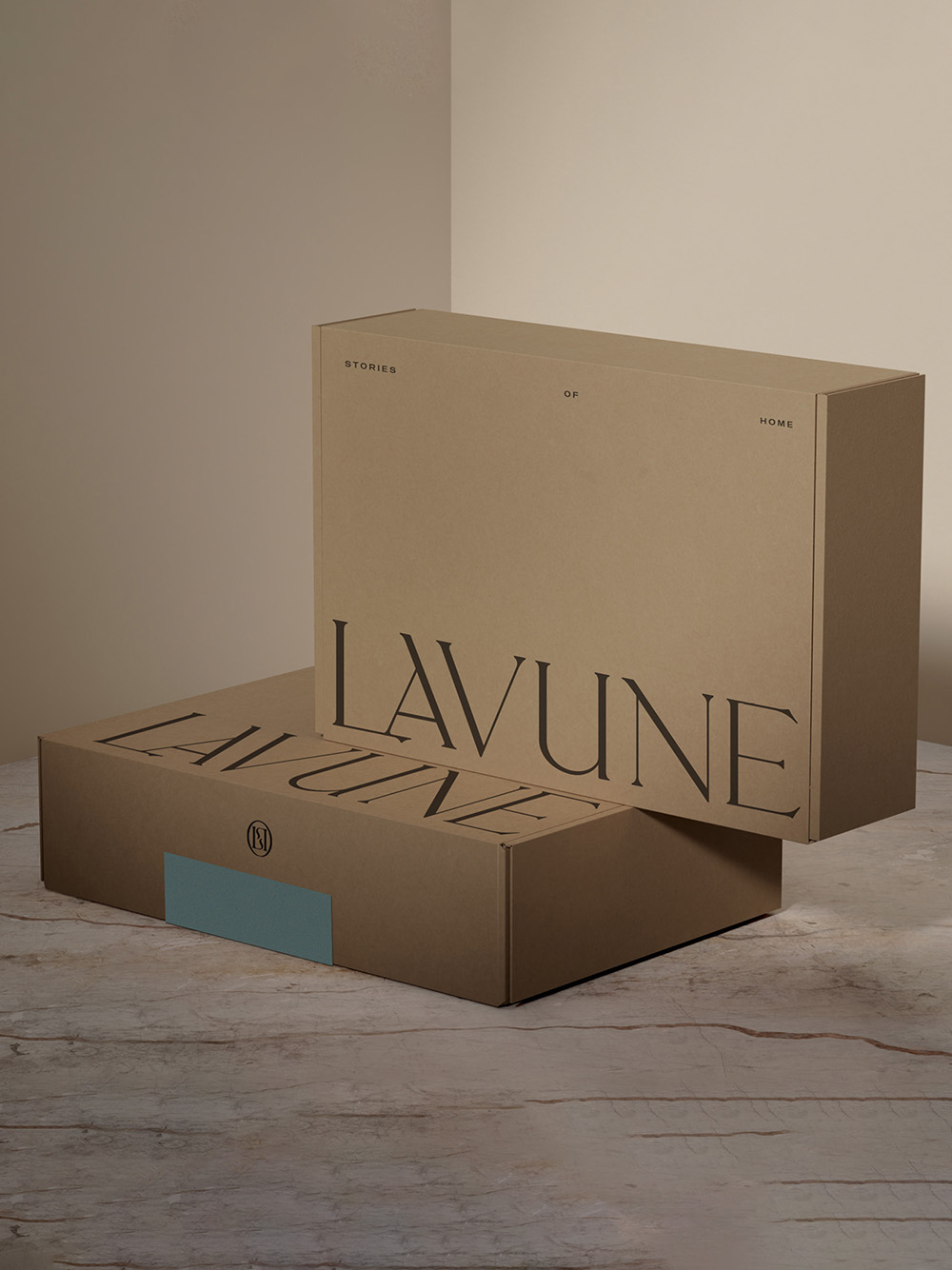
A plain kraft shipping box does the job, but a printed one turns an ordinary delivery into a small branding moment, especially for direct to consumer orders where the box is the first physical thing a customer touches. We handle this the same way across our custom printed cardboard boxes line, full color or single color logo printing on the outside, without changing the board weight or strength rating underneath.
What Does It Cost, and How Fast Can You Get Shipping Cardboard Boxes Made?
Pricing depends on board weight and wall count, box size, print complexity if you’re branding the exterior, and volume. Plain kraft stock in standard sizes is the most cost effective option for pure fulfillment use, while custom printed boxes cost more per unit but do double duty as a branding touchpoint. Our minimum order is 100 units, with turnaround running 7 to 12 business days from proof approval, and bulk case or pallet quantities available beyond that for established shipping volume.
Every order gets a digital proof, and if your product has never actually been packed and shipped in the box you’re about to order a thousand of, ask for a physical sample first. A spec sheet tells you the rating. A real box with a real product inside, sent through an actual carrier, tells you whether it survives the trip.
Frequently Asked Questions
How much does it cost to ship in a cardboard box?
Shipping cost depends on your carrier's rate plus dimensional weight, which is based on box size, not just product weight. A properly sized box, not an oversized one, is usually the fastest way to lower this cost without changing carriers at all.
Where can I get cardboard boxes to ship things in bulk?
Directly from a supplier who sells by rated strength and custom size, not just a generic size chart. We sell from a 100 unit minimum up through full case and pallet quantities.
What's the cheapest way to get shipping boxes for a small business?
Buying tight to your actual product size rather than a generic "one size fits most" box is usually the biggest cost lever, since oversized boxes cost more in both box price and dimensional weight shipping charges.
What's the difference between single wall and double wall shipping boxes?
Single wall suits light, low risk items. Double wall adds real crush resistance for heavier, fragile, or glass items where a corner impact could otherwise cause damage.
Do shipping boxes need to meet specific carrier requirements?
Standard ECT rated corrugated boxes are accepted by the major carriers. Regulated or hazardous shipments need UN and DOT rated boxes specifically, which is a separate spec from standard shipping cartons.
Can I get shipping boxes custom sized to my product?
Yes. A box sized tightly to your product reduces void fill, shifting, and dimensional weight cost compared to a generic stock size, and we can build a fully custom cavity through our die cut process for irregular shapes.
What causes a shipping box to fail during transit?
Almost always one of two things: the load exceeds the board's strength rating, or humidity softens the fiber during a long transit. Both are solved by matching the rating to your real shipping conditions upfront.
Can I order shipping boxes in a small quantity to test before a bulk order?
Yes. Our minimum is 100 units, and we recommend a physical sample run before committing to a full pallet, since a spec sheet can't tell you how a box performs with your actual product inside it.