
Cardboard Printed Boxes
If you’ve spent any time comparing packaging suppliers, you’ve probably noticed most of them use “cardboard” as a catch-all word for anything box-shaped. It isn’t. The board you pick determines how your box prints, how it holds up in transit, and how much you pay per unit – and getting it wrong is an expensive mistake to find out about after 500 units show up at your door.
We’ve spent 10 years running print jobs on cardboard, corrugated, and carton stock for everything from bakery cake boxes to retail shipping cartons, and this page walks through exactly what we tell buyers on the phone before they place an order.
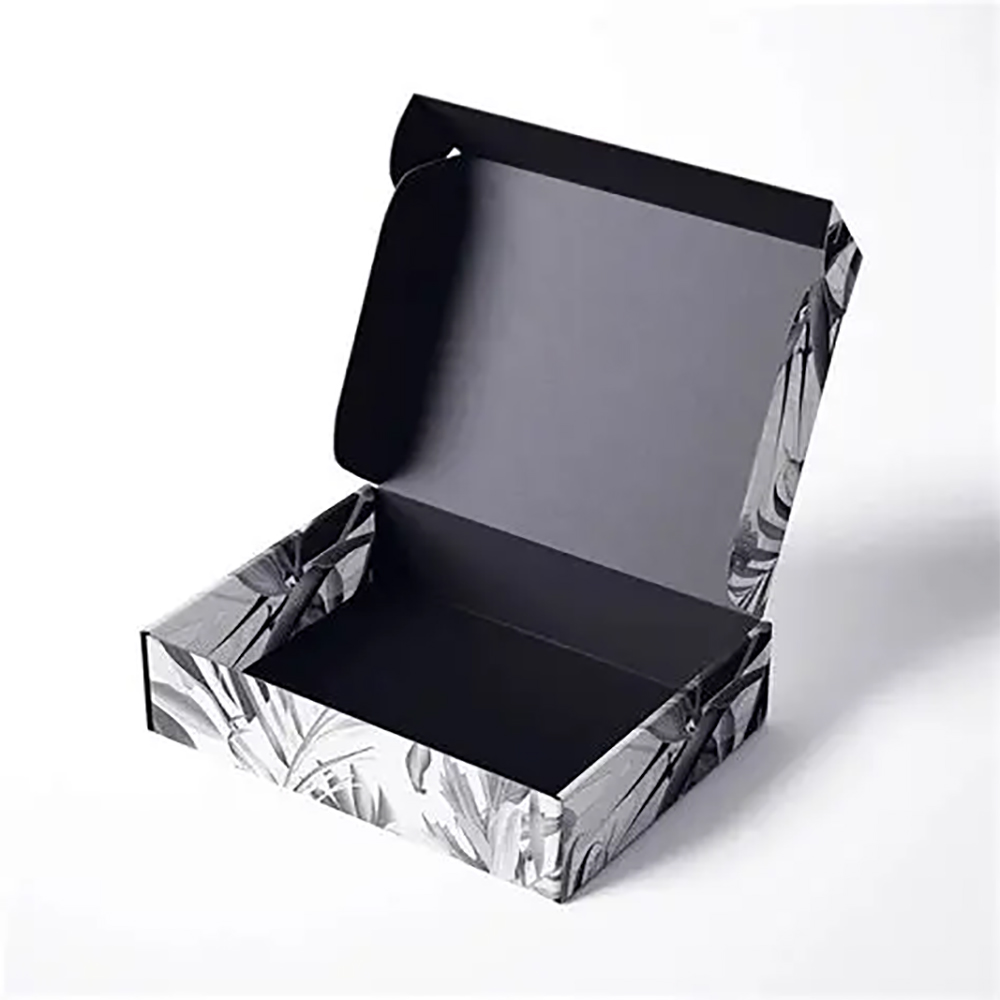
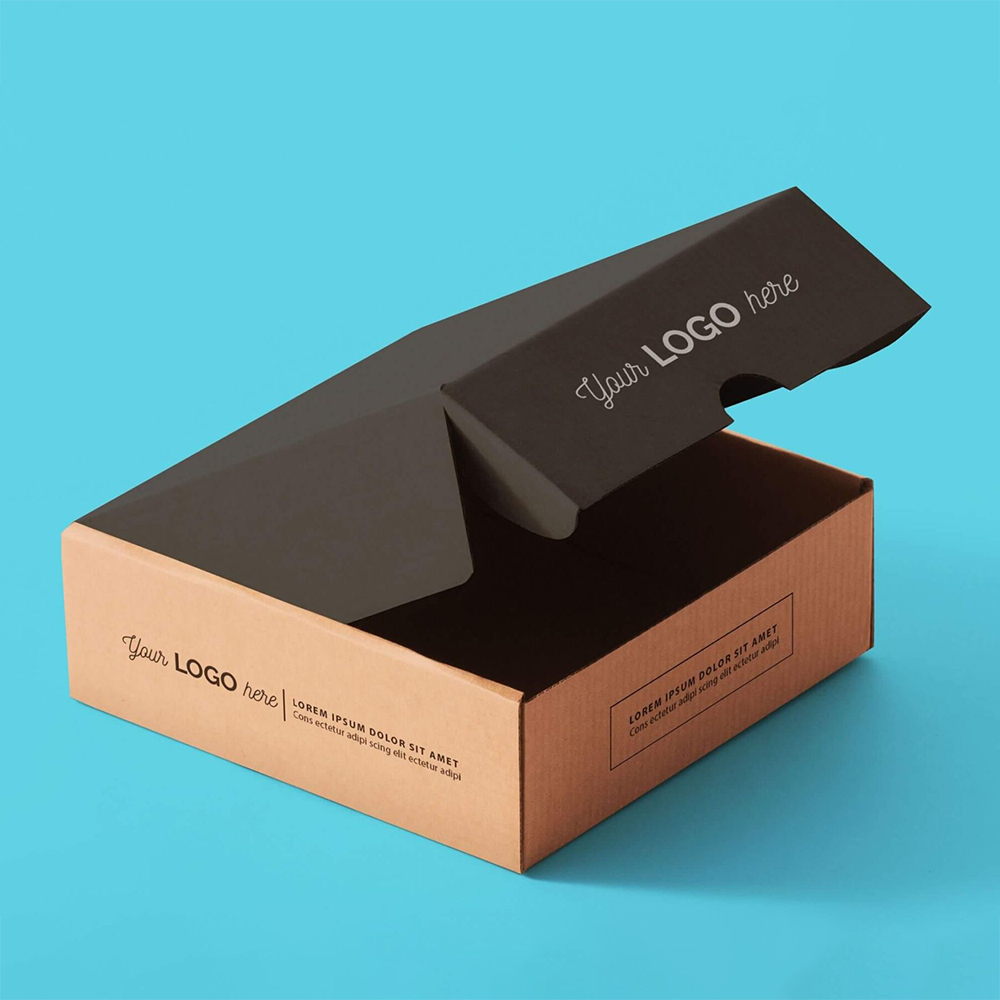
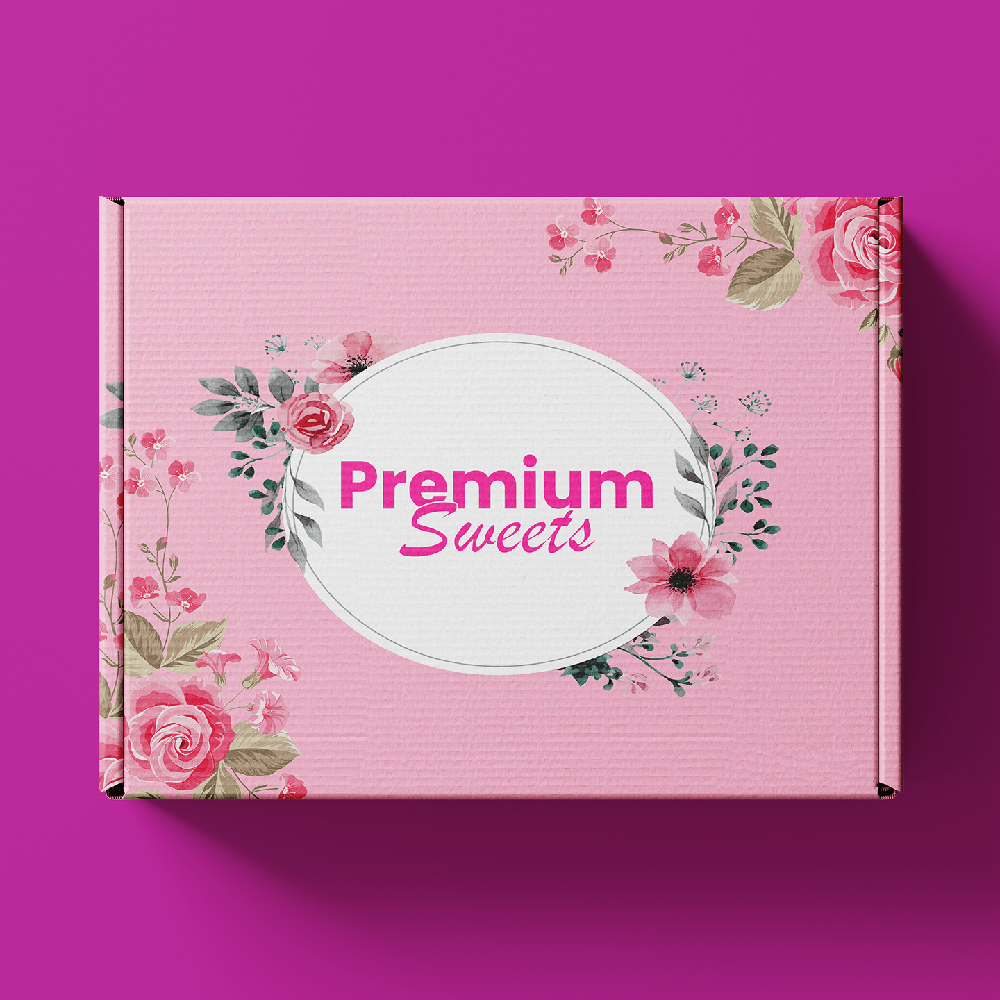
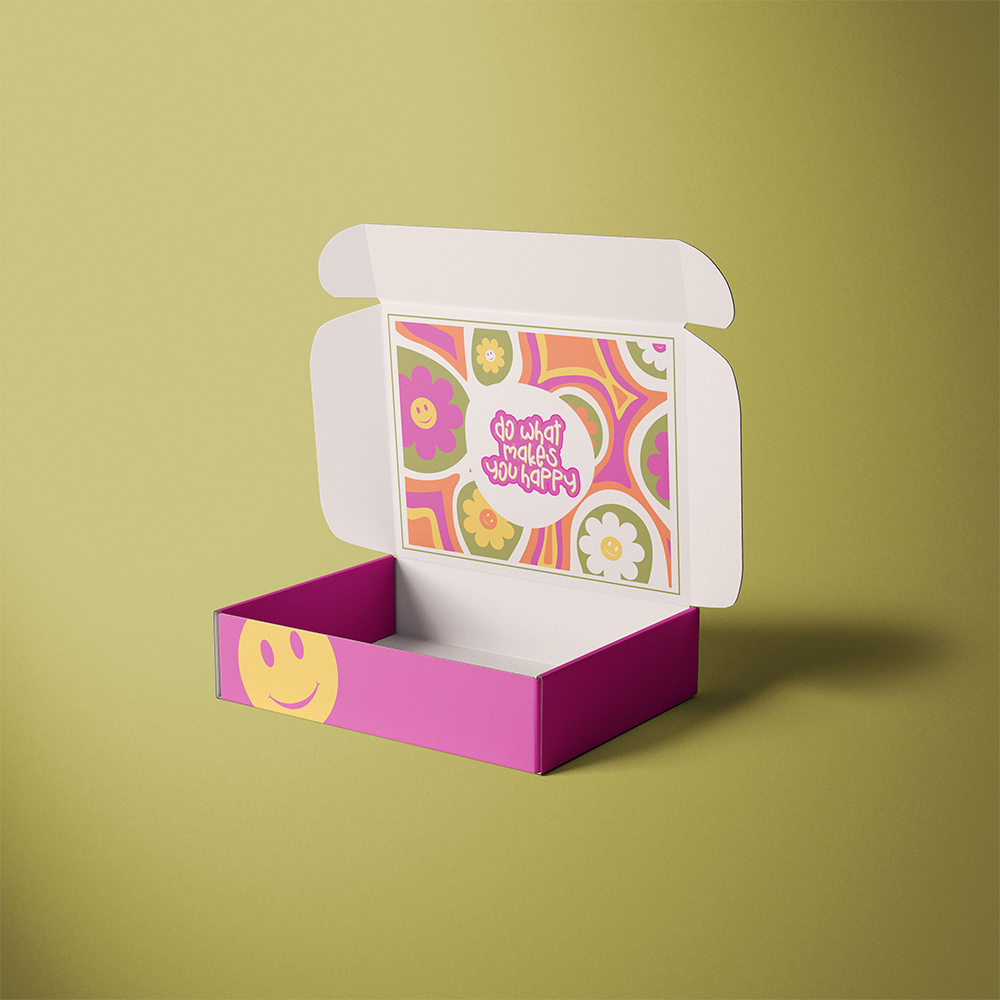
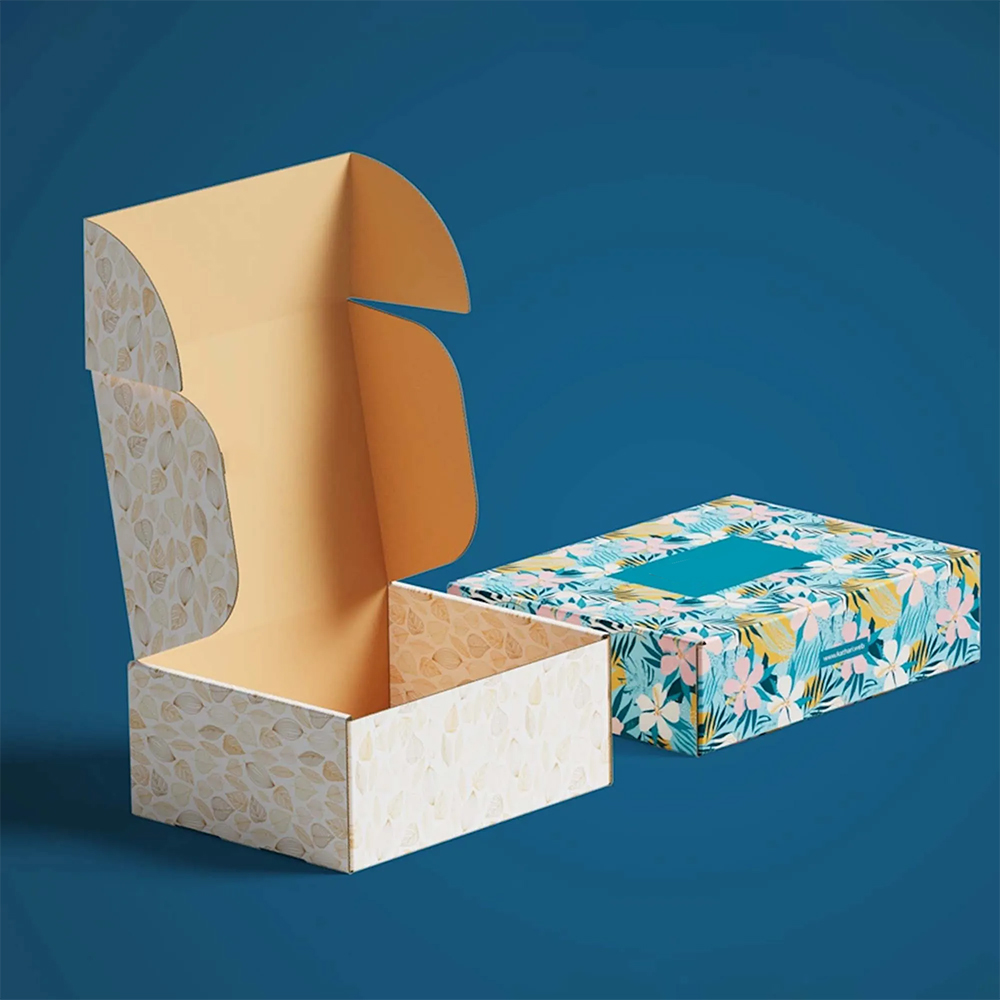
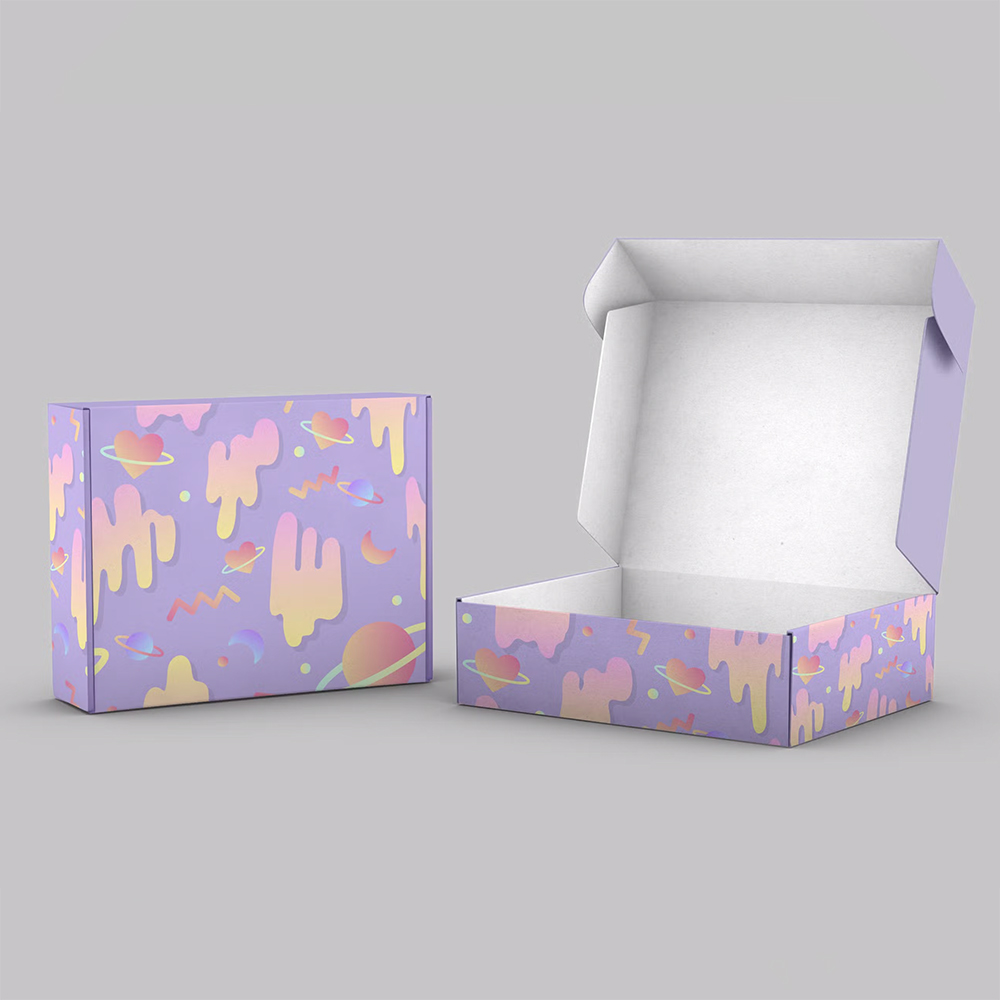
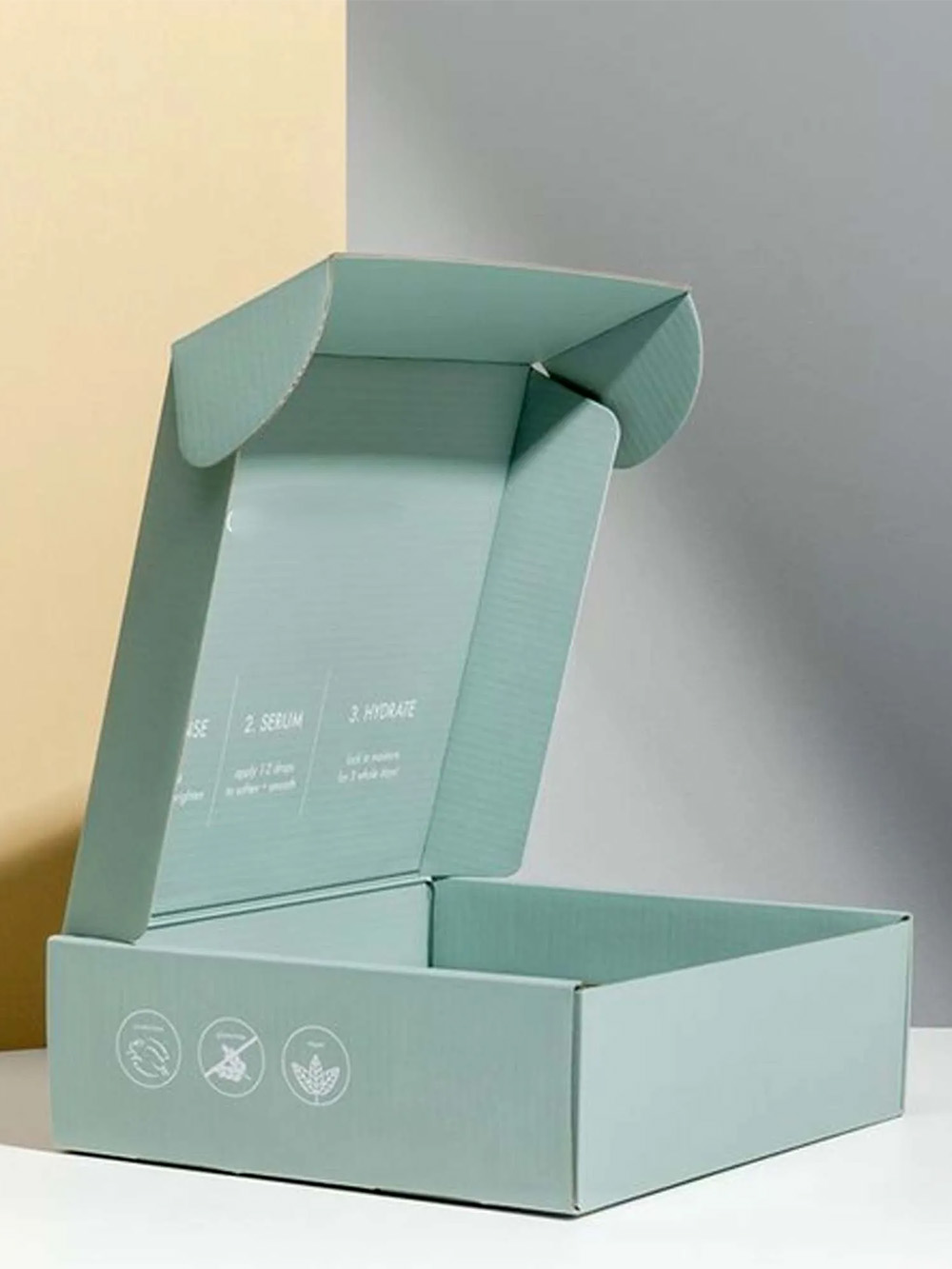
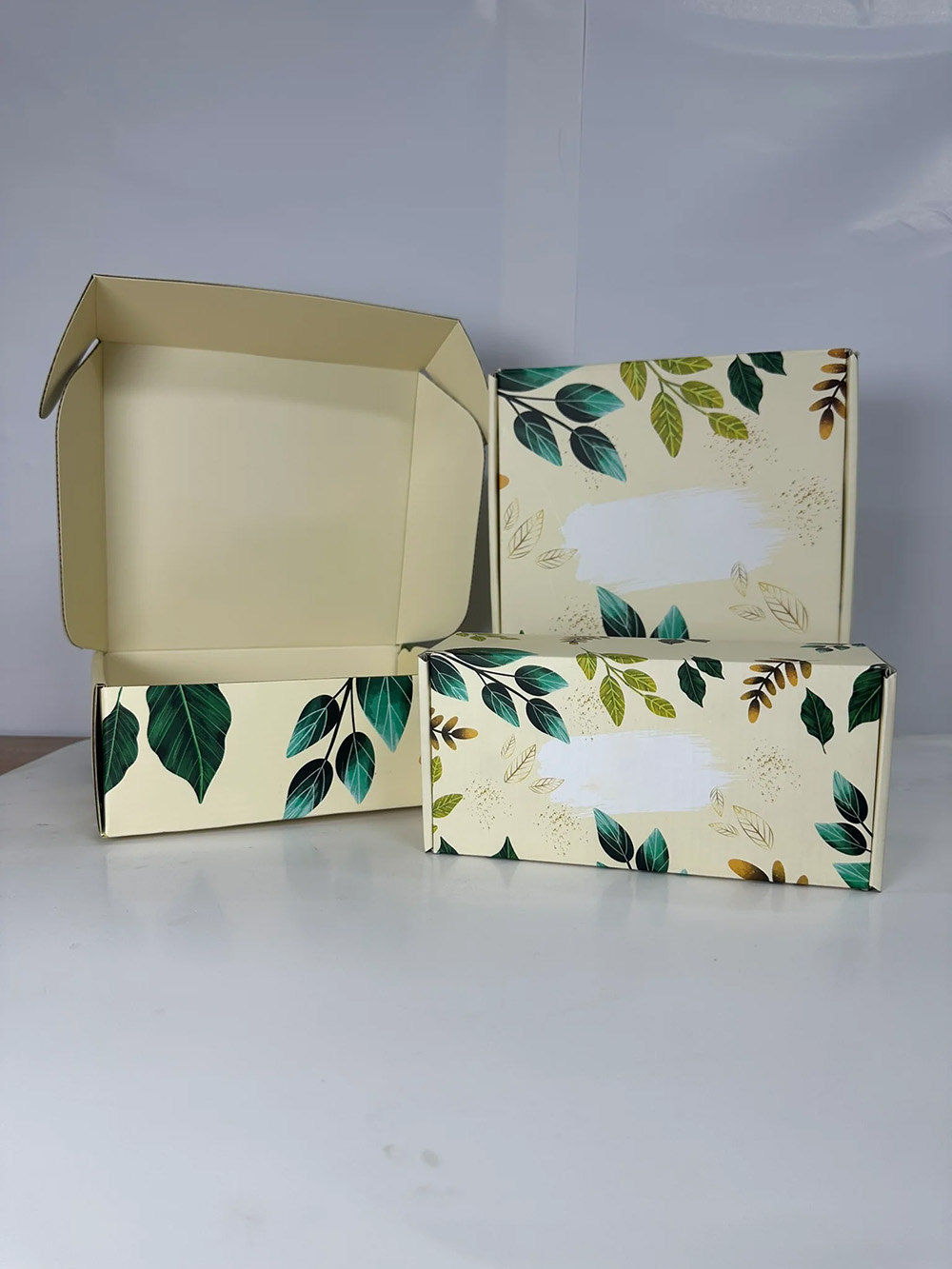
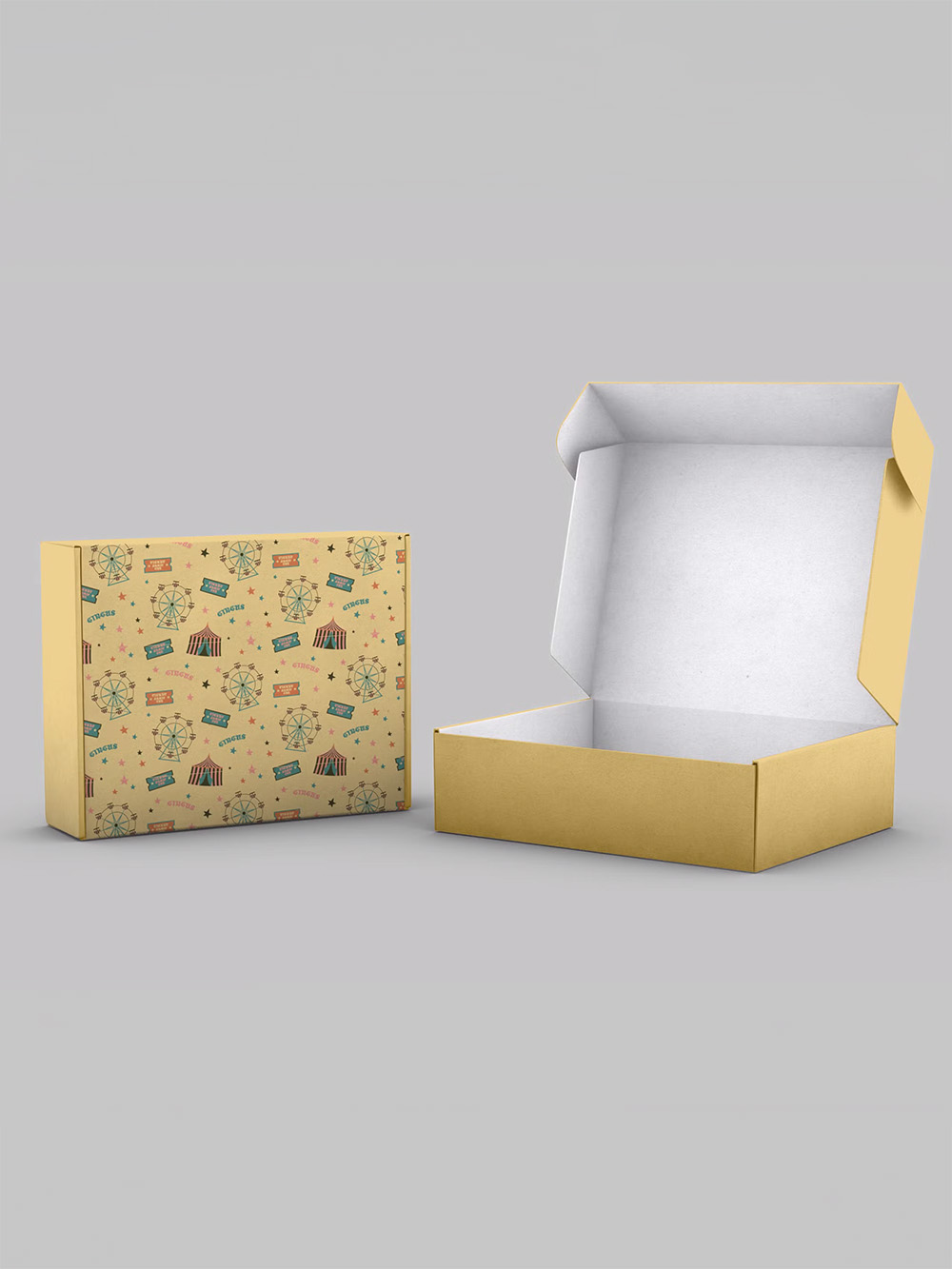
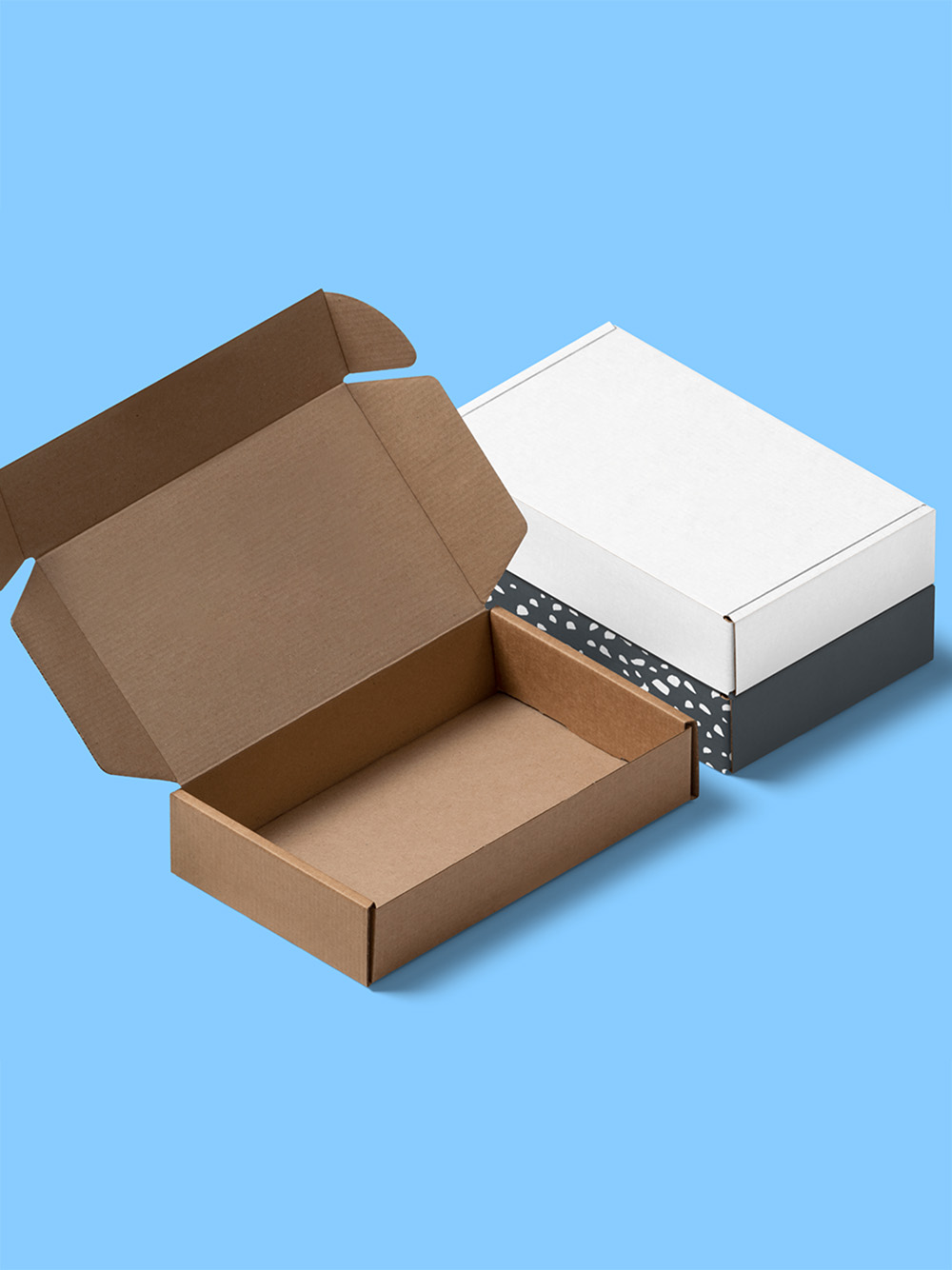
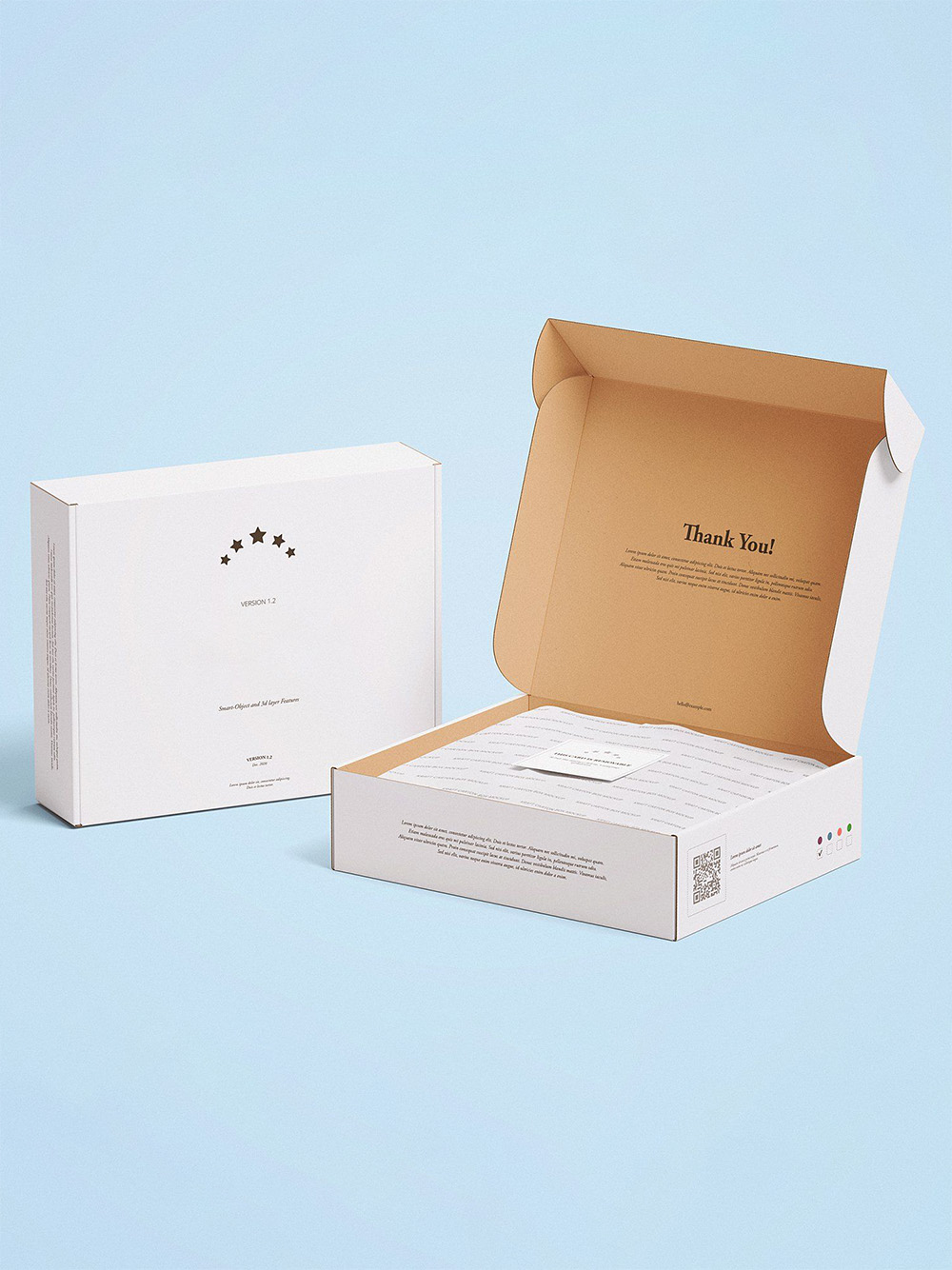
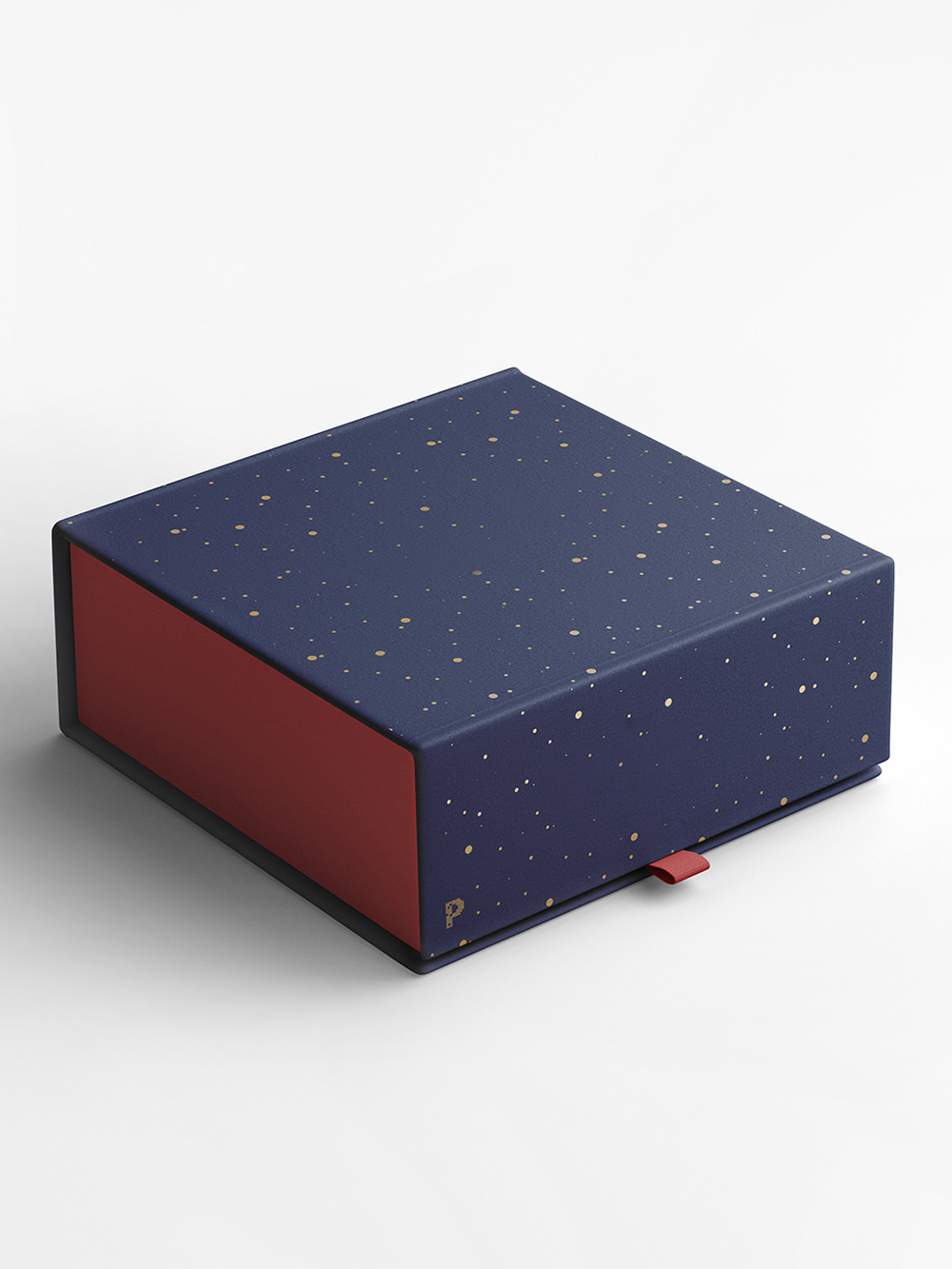
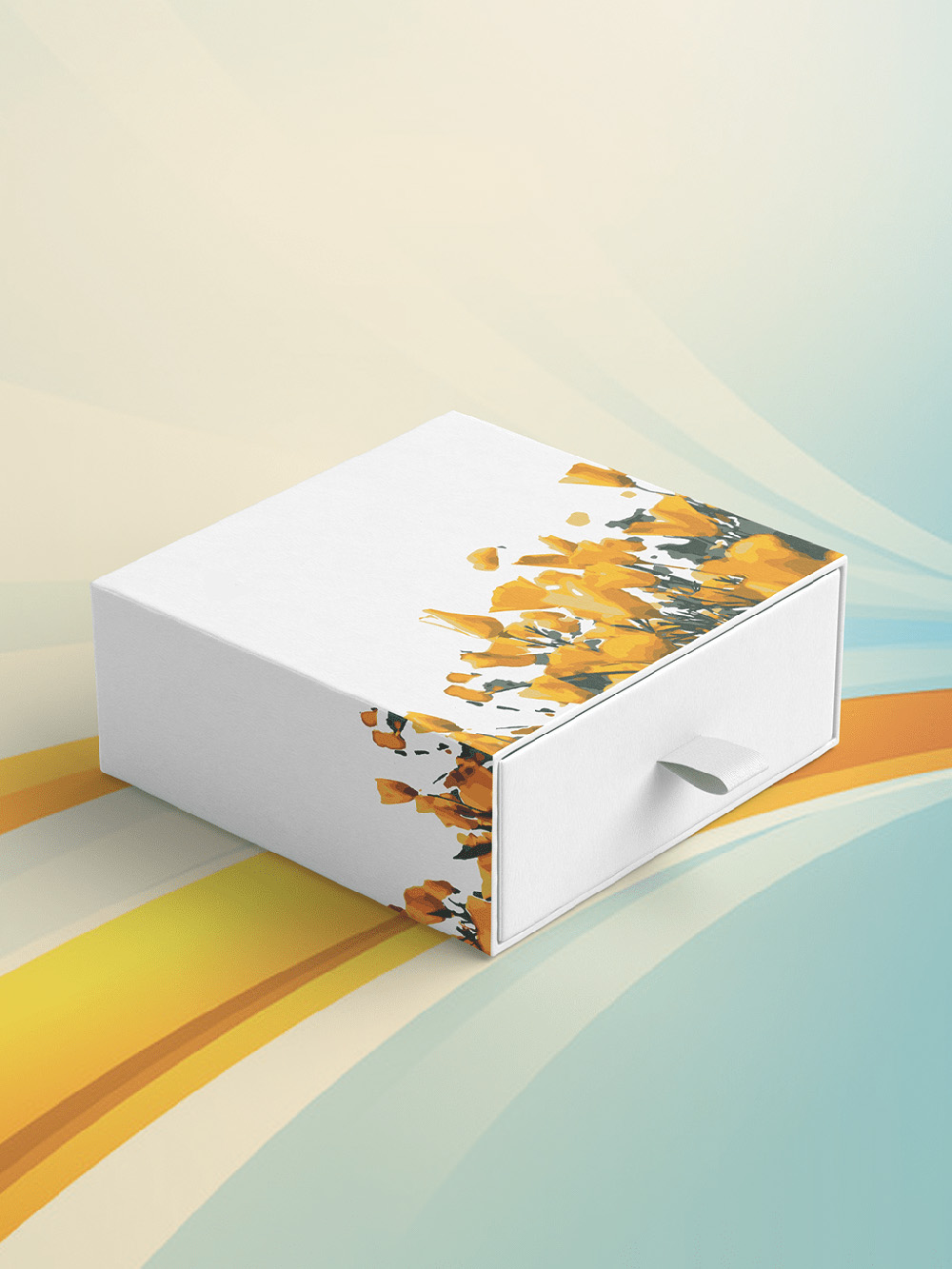
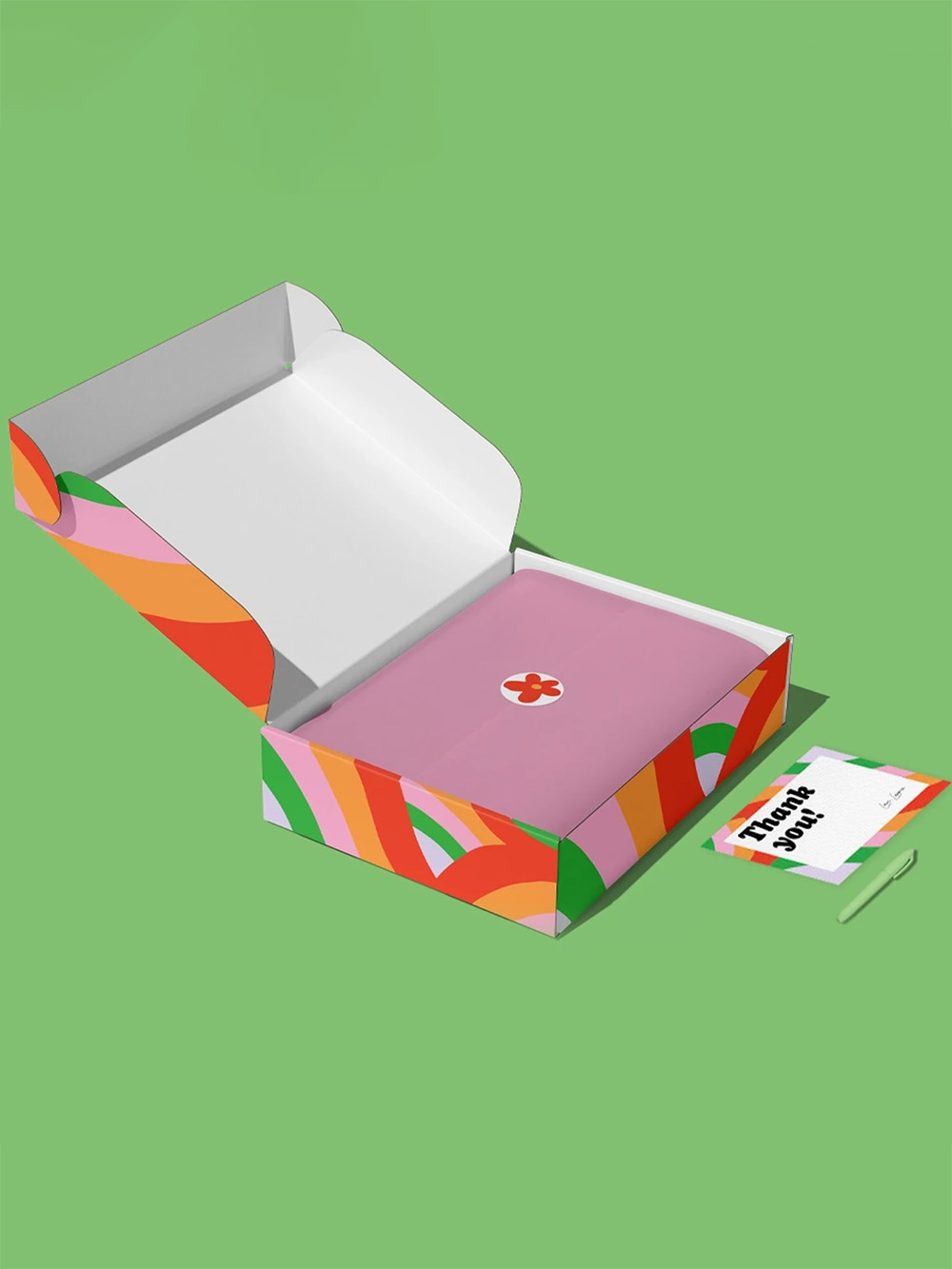
Cardboard Printed Boxes Gallery

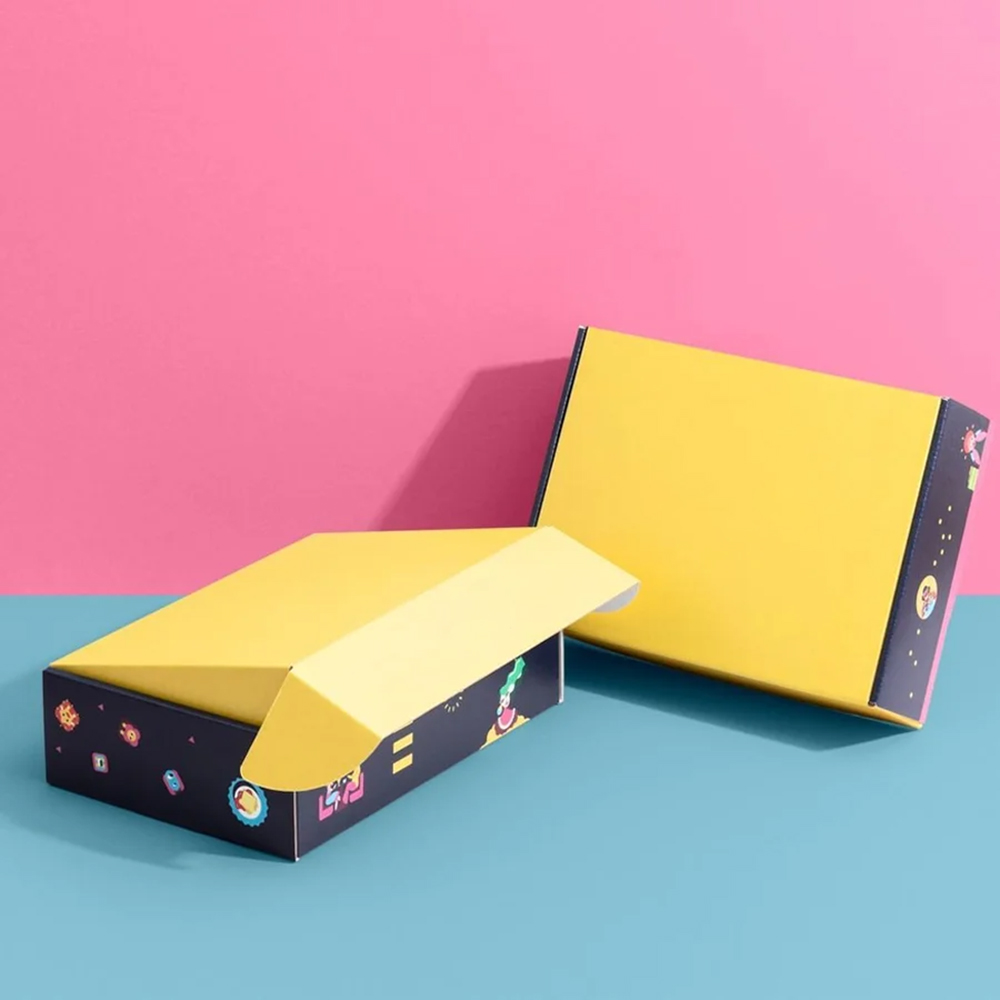
What's the Difference Between Cardboard, Corrugated, and Carton Boxes?
“Cardboard” is the everyday word people use, but in the packaging trade it splits into three distinct materials, and each one behaves differently under a printing press.
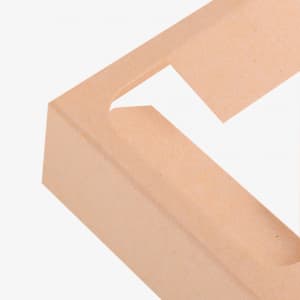
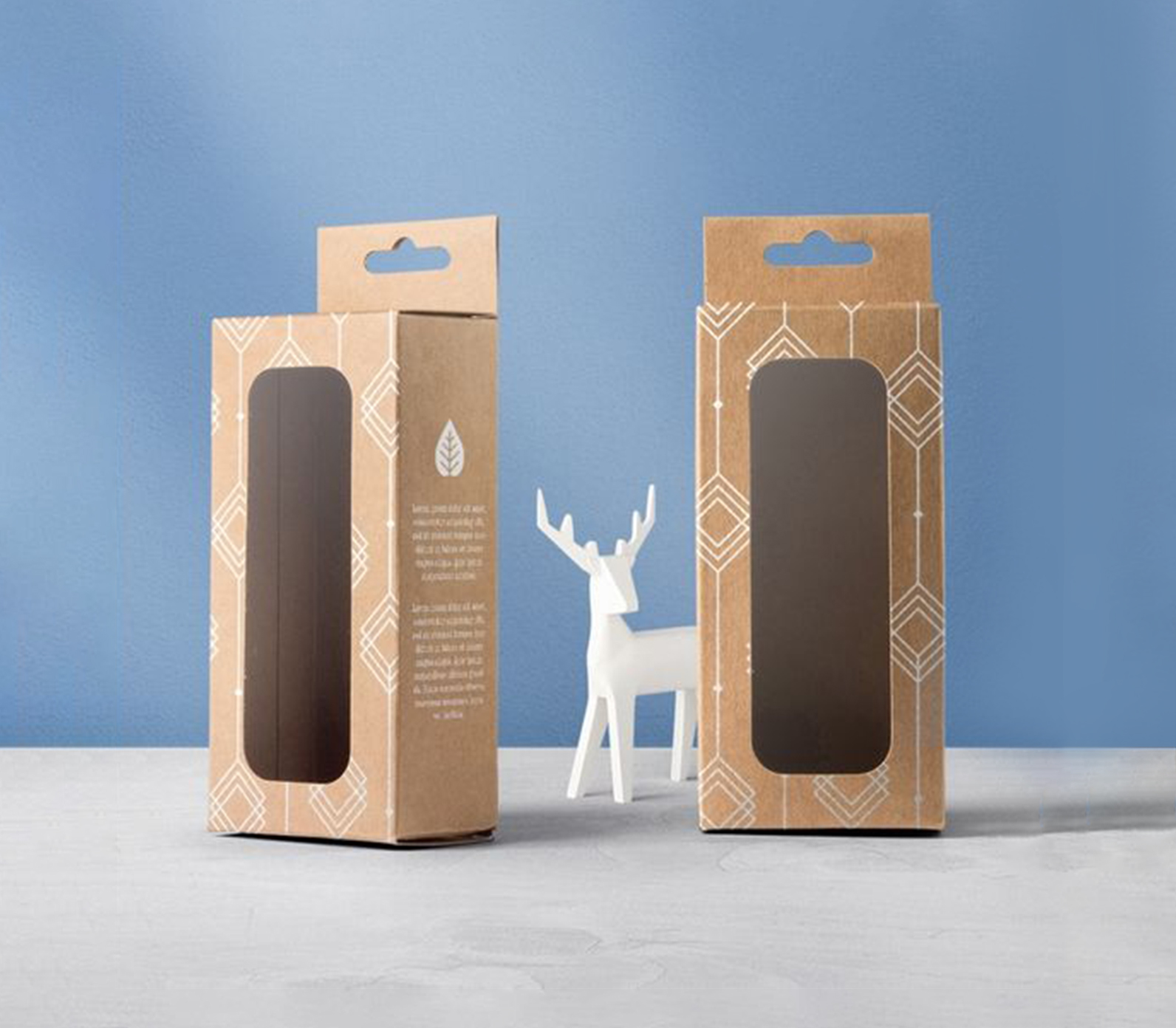
Cardboard (paperboard) is a single, dense sheet of compressed paper fiber – think cereal box or shoe box. It’s smooth, lightweight, and takes fine print detail well, which makes it the right call for retail-facing boxes where the graphics need to look sharp up close.
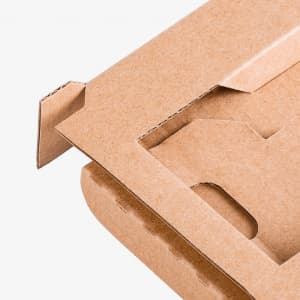
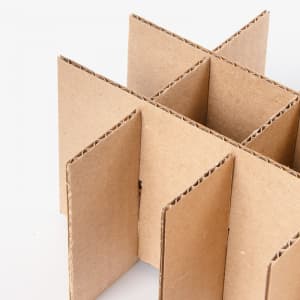
Corrugated board is three layers – two flat liners with a fluted (wavy) layer glued between them. That flute is what gives it crush resistance, so it’s the standard choice for shipping boxes, heavier products, and anything traveling through a courier network. The tradeoff is that fine print detail can show slight texture from the flute underneath, especially with lighter fluting.
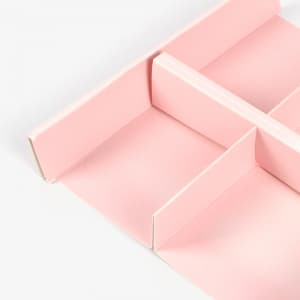
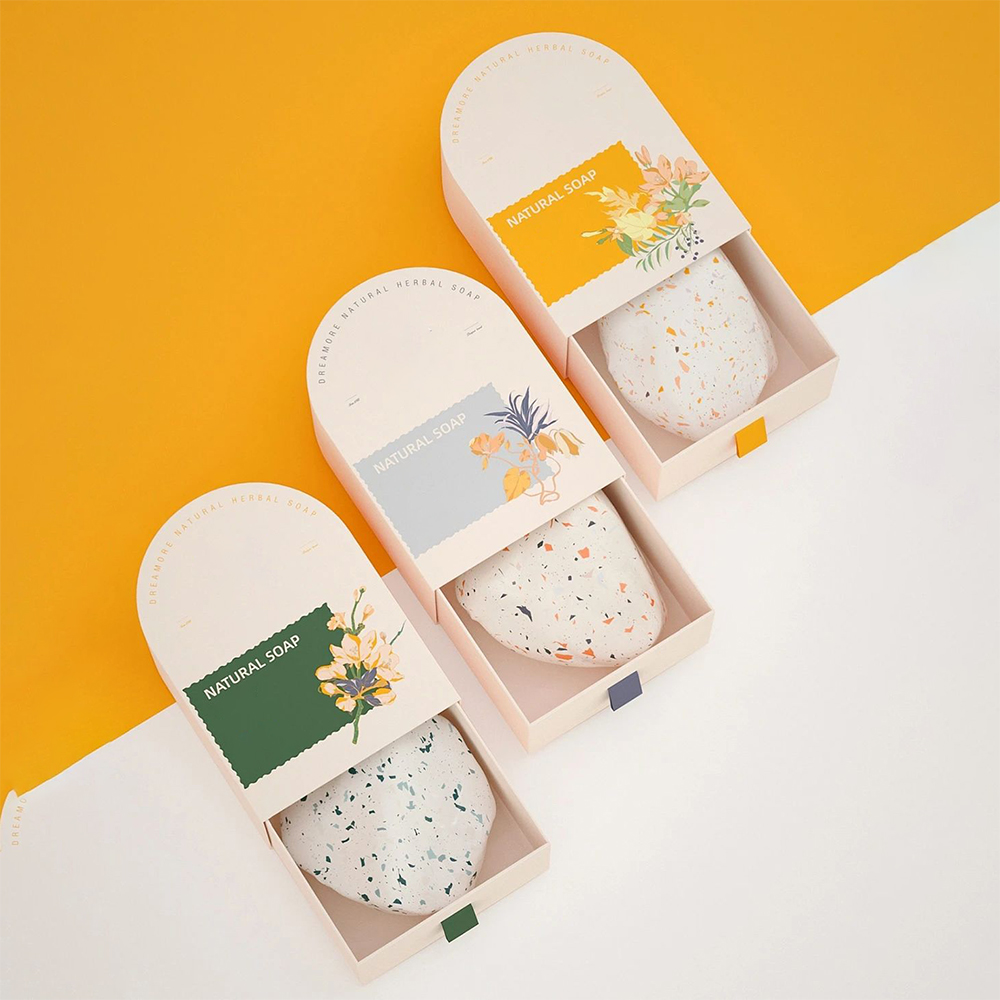
Carton board usually refers to folding carton stock – thinner than rigid cardboard, designed to fold and glue into shape rather than being die-cut from a single sheet, common in cosmetics and small retail cardboard packaging.
Which One Should You Actually Order?
If your product is shipping directly to a customer’s door, go corrugated. If it’s a retail-shelf box, gift box, or bakery box that people see up close before opening, cardboard or carton stock will print cleaner. We ask this question first on every quote call because it changes the price, the tooling, and sometimes the printing method available to you.
How Much Do Custom Cardboard Printed Boxes Cost, and What’s the Minimum Order?
This is the question every buyer actually wants answered before anything else, so we’ll give it to you straight: cost comes down to four things – board type, box size, print complexity (how many colors, full coverage vs. logo-only), and order volume. A single-color logo on a standard-size box in bulk will always cost less per unit than full-color edge-to-edge printing on a custom die-cut shape in a short run.
Our minimum order for custom cardboard printed boxes is 100 units, with per-unit pricing dropping at 0.69, and 0.68 unit breakpoints. If you’re a small or home-based business that only needs 100–200 boxes to start, say so upfront – some suppliers quietly assume you’re ordering thousands, and you’ll waste time getting quotes built for the wrong volume.
Digital vs. Offset Printing for Small Orders
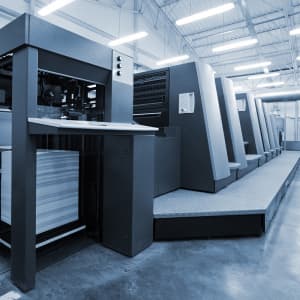
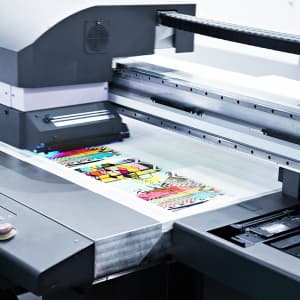
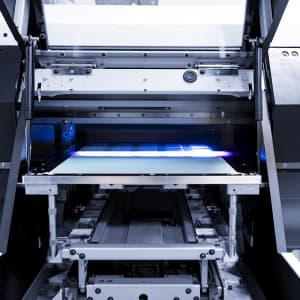
Short runs (under roughly 1,000 units) are almost always cheaper on digital printing, because there’s no printing plate to set up. Offset printing gets more cost-effective at higher volumes and gives slightly more precise color matching for large, uniform runs. We’ll tell you plainly which one fits your order size instead of upselling you into the wrong process.
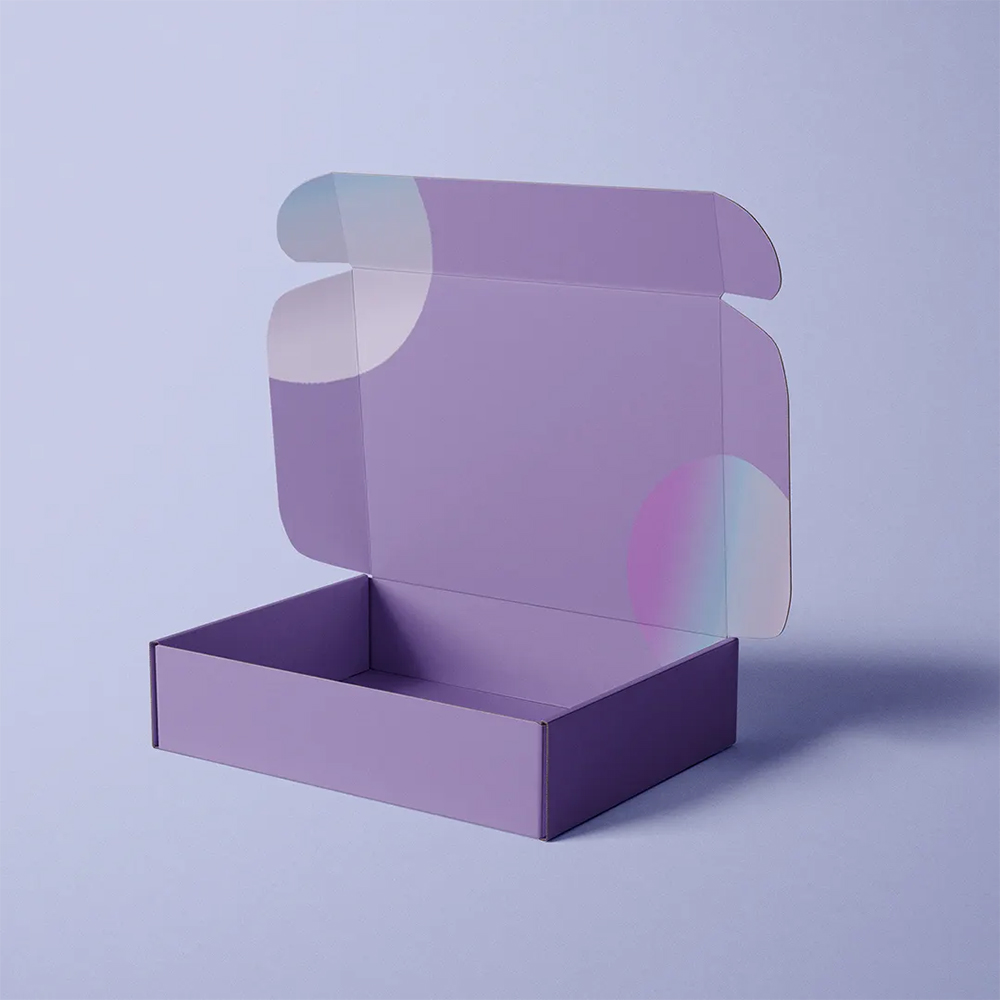
Can You Print Your Logo and Branding Directly on the Box?
Yes – and if you’re currently hand-applying stickers to plain boxes, this is the upgrade that pays for itself fastest. Direct printing puts your logo, colors, and any messaging right into the board during production, so there’s no labeling labor, no misaligned stickers, and no per-unit sticker cost eating into your margin.
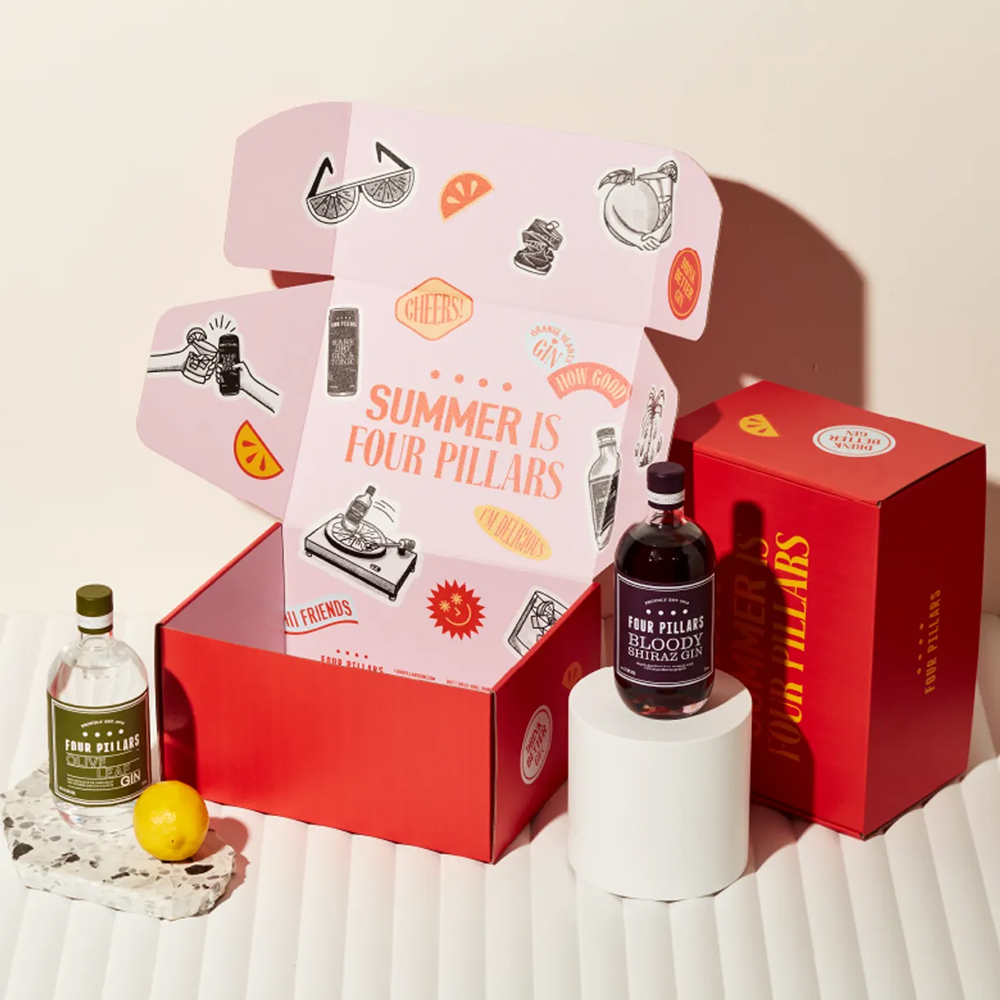
We print logos in single-color or full CMYK, and we can place your branding on the outside only, or inside and outside if you want the unboxing moment to carry your brand all the way through. For food packaging specifically – bakery, cake, and confectionery boxes – we use food-safe / grease-resistant board so branding and product safety aren’t competing concerns.
A Note on Print Placement
Small business owners often print a logo dead-center and call it done. Consider your box from the angle a customer actually sees it – held in hand, sitting on a porch, or stacked on a shelf – and place the design accordingly. We can walk you through this on your free design proof before anything goes to press.
How Long Does It Take to Get Custom Cardboard Printed Boxes Made?
Turnaround for custom cardboard printed boxes typically runs 7-12 business days from proof approval to shipment, depending on order size and print complexity. Rush production is available for time-sensitive orders – we see this most from bakery and event businesses ordering ahead of a holiday season, and we’d rather you ask about rush timing upfront than find out three days before you need boxes that it’s not possible.
Every order gets a digital proof before production starts, and we can arrange a physical sample for larger orders – because a screen never shows you exactly how ink sits on your specific board stock, and you shouldn’t have to commit to 1,000 units on faith.
Frequently Asked Questions
What's the difference between cardboard and corrugated boxes?
Cardboard is a single dense sheet of compressed paper fiber, best for retail and gift packaging where print detail matters. Corrugated has a fluted middle layer for crush resistance and is the standard for shipping and heavier products.
What is the minimum order quantity for custom printed cardboard boxes?
Our minimum is 100 units. We work with small and home-based businesses regularly, so tell us your real volume and we'll quote accordingly.
How much do custom printed cardboard boxes cost?
Pricing depends on board type, size, print colors, and quantity. As a rough guide, expect 0.68–0.69 per unit at low volume, dropping significantly past 20,000 units.
Can I print my logo directly on the box instead of using stickers?
Yes. Direct printing is more cost-effective than labeling at any real volume and gives a cleaner finish. We support single-color and full-color logo printing, inside or outside the box.
Is it possible to print on cardboard for a small order?
Yes - digital printing makes short runs practical without the setup cost of offset printing, so orders under roughly 1,000 units are usually digitally printed.
Are custom printed cardboard boxes recyclable?
Yes, our board is sourced from recycled/Certified paper stock and is curbside recyclable.
How long does production and delivery take?
Standard turnaround is 7-12 business days from proof approval. Rush timelines are available for time-sensitive orders like holiday or event packaging.
Can I get a sample before placing a full order?
Yes. We provide a digital proof on every order and can arrange a physical sample for larger runs so you can check ink, board weight, and fit before committing.