Custom Bottle Carrier Boxes
Most bottle carrier complaints trace back to one of two things: bottles clinking together hard enough to chip or crack, or a handle that tears halfway to the register. Neither is a design problem. Both come down to matching the material and the divider structure to the actual bottle, weight, and glass thickness you’re carrying, not picking a generic carrier off a size chart and hoping it holds.
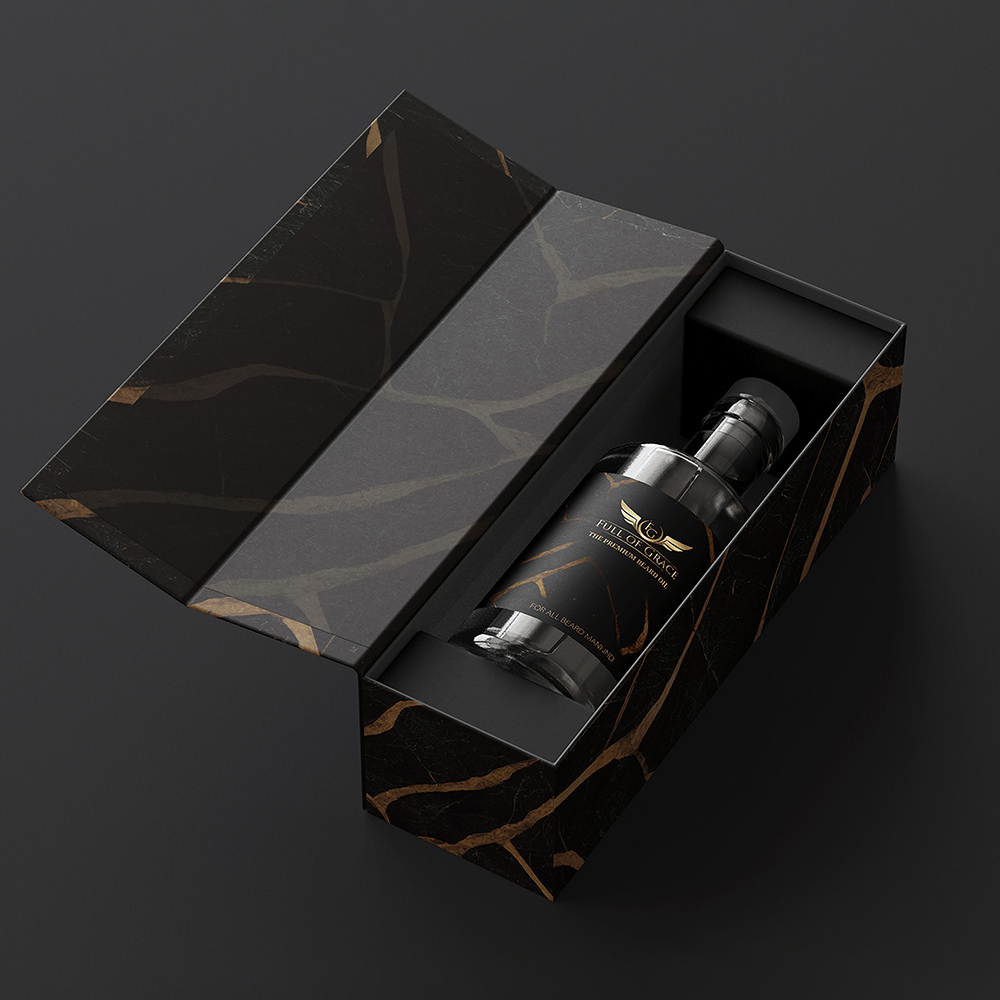
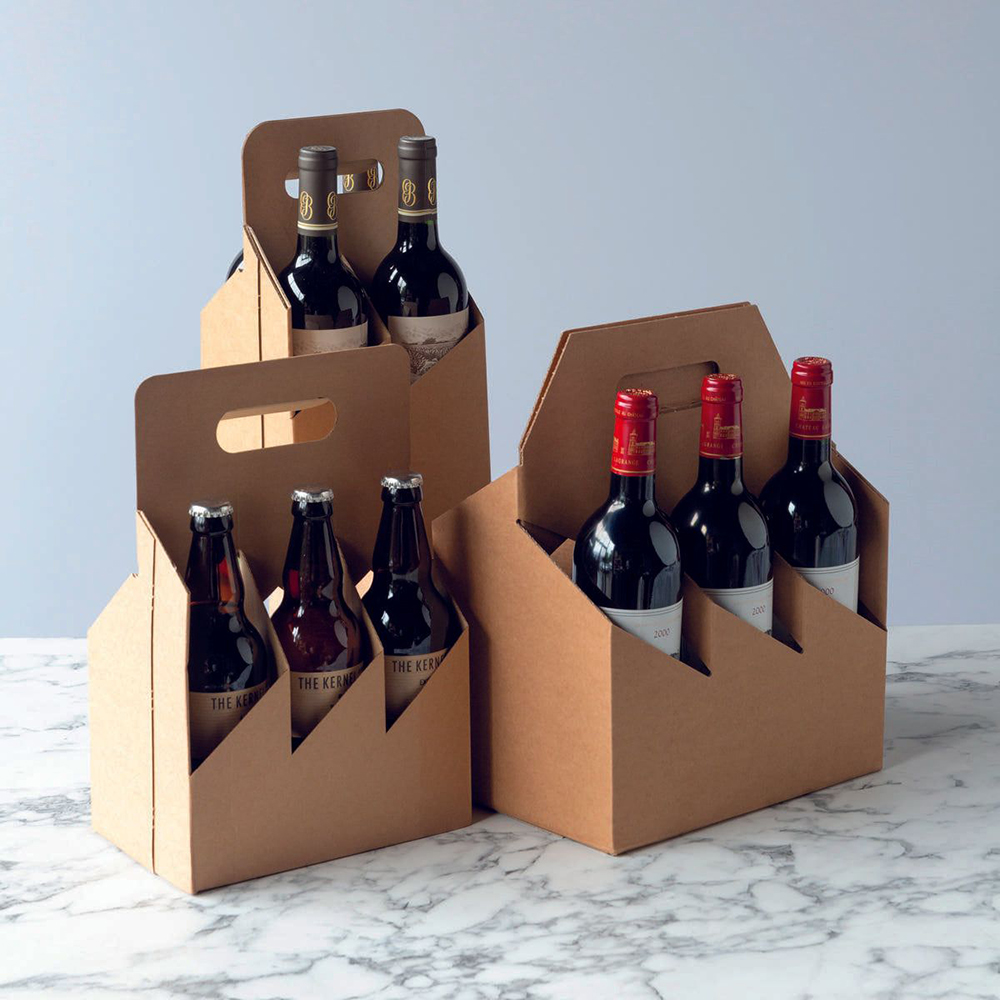
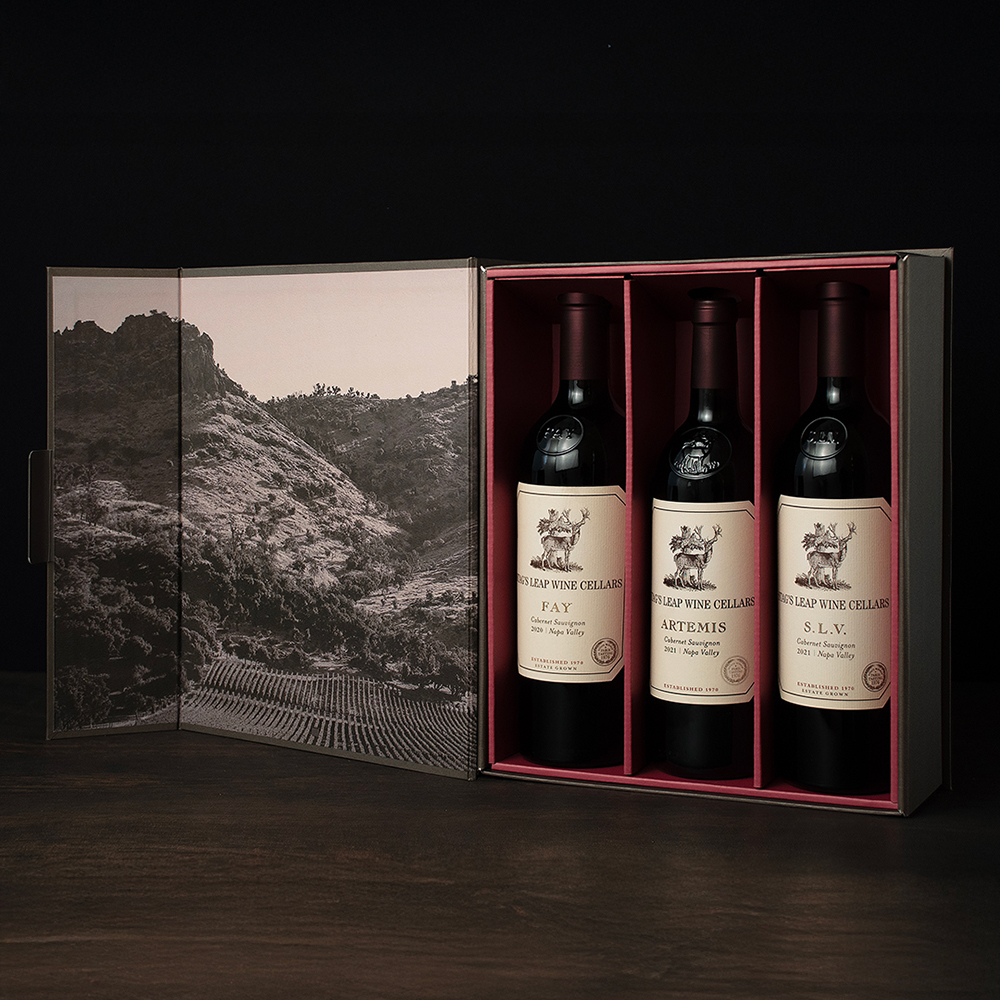
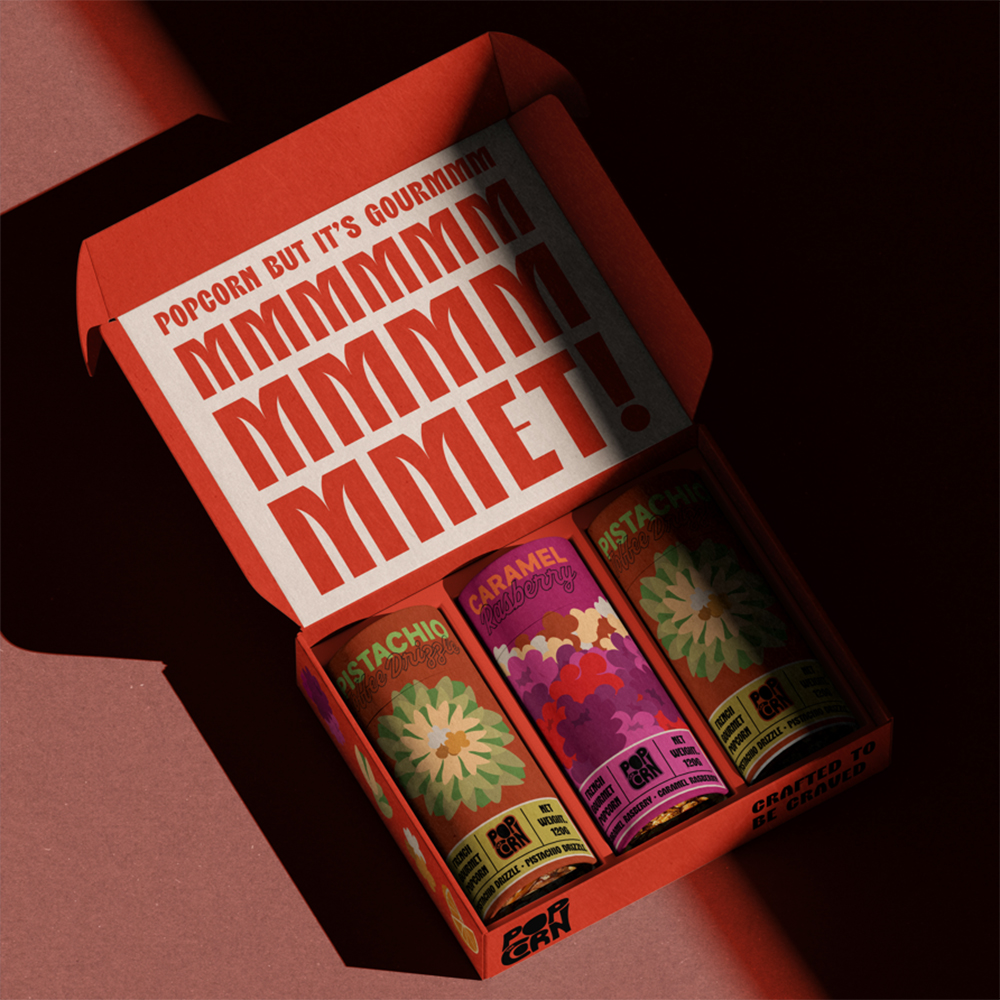
Custom Bottle Carrier Boxes Gallery
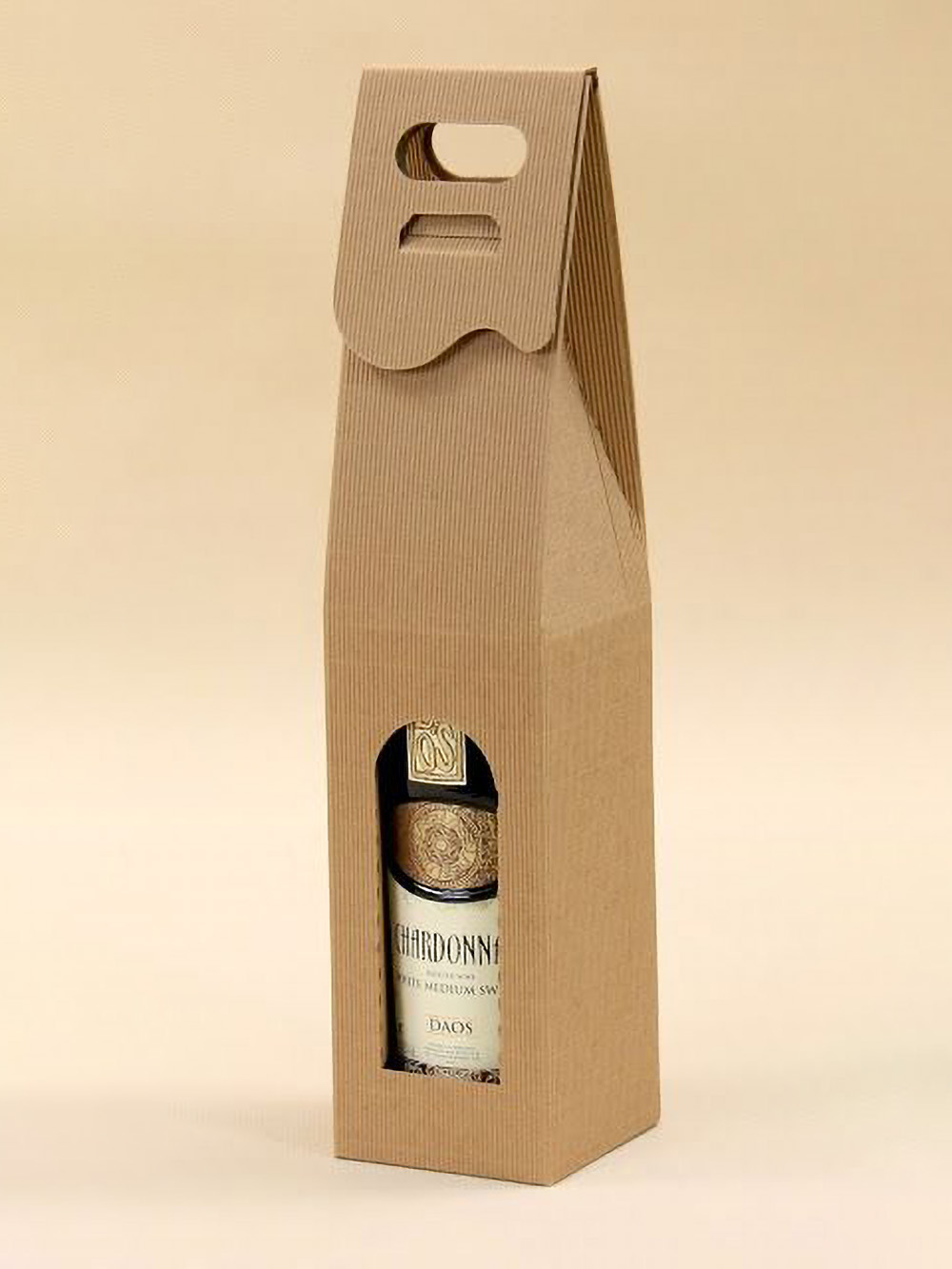
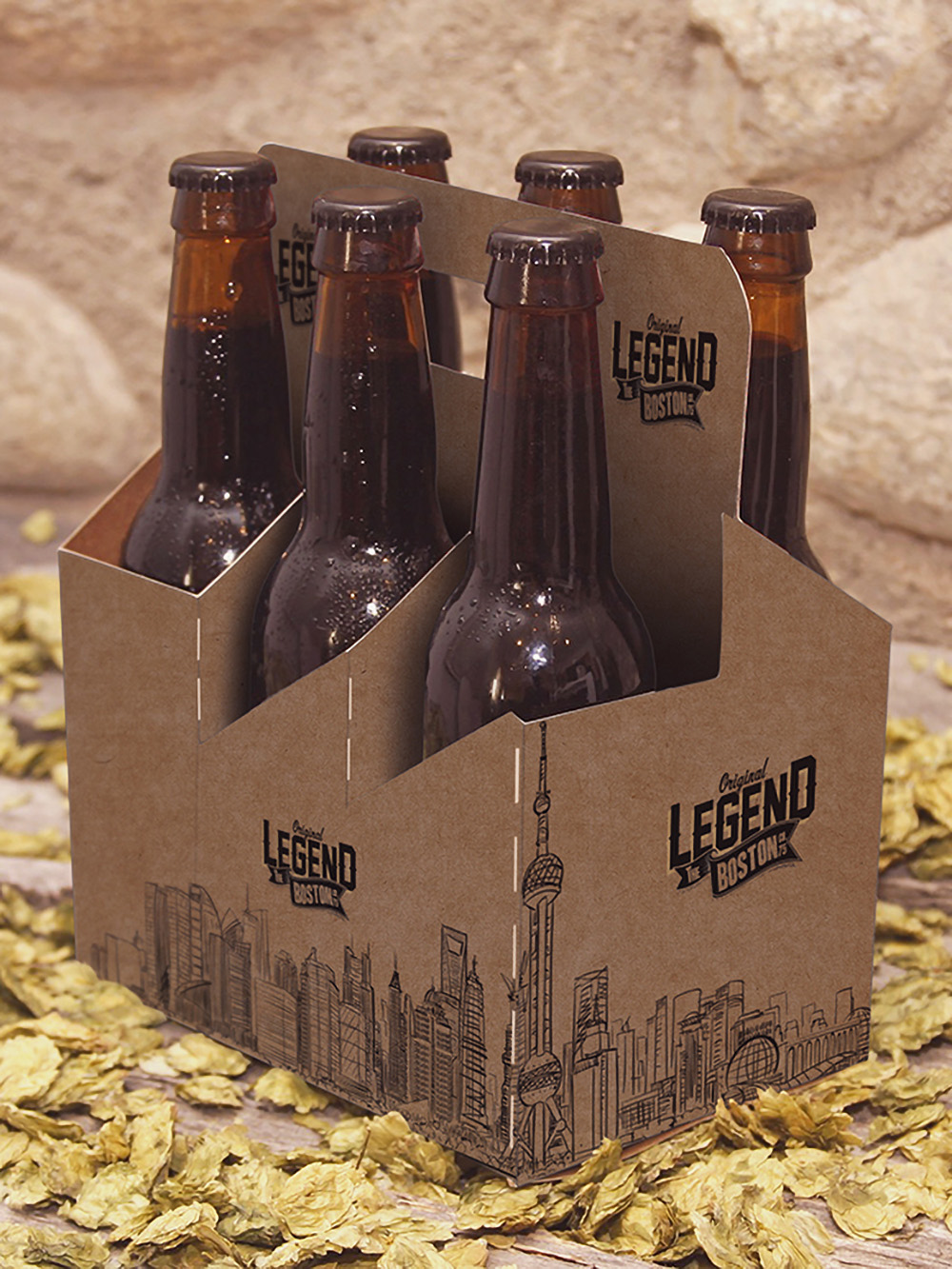
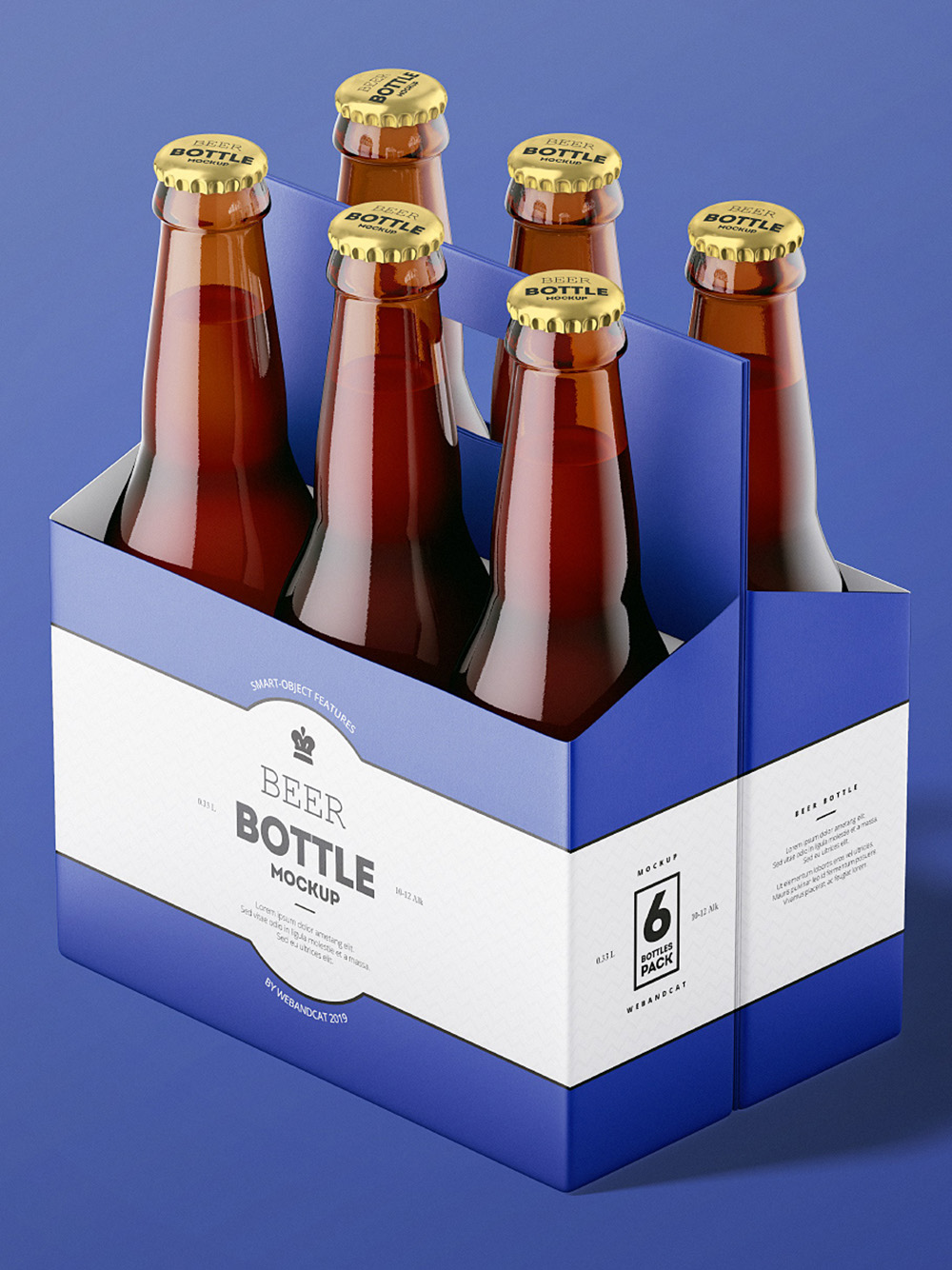
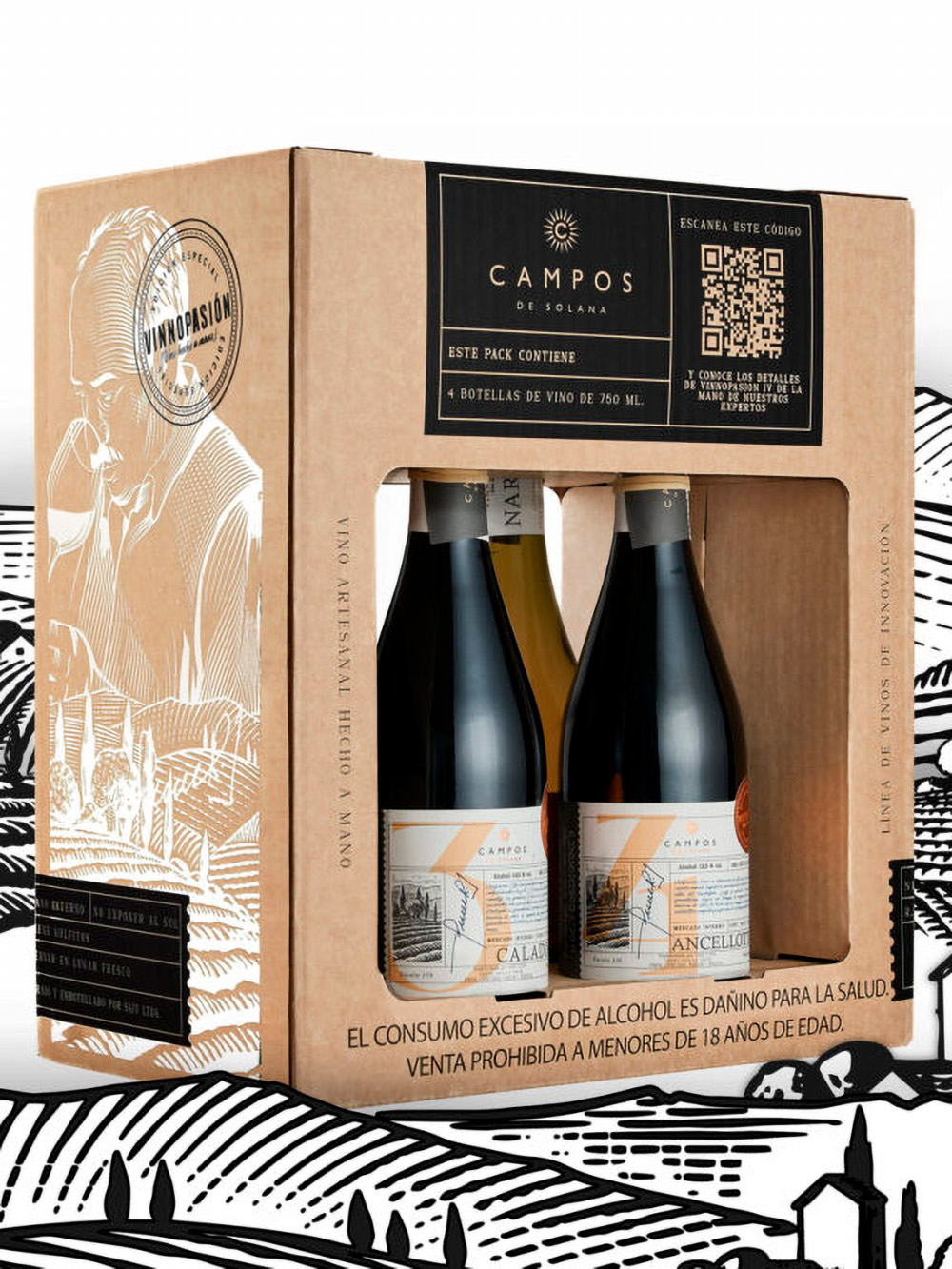
Corrugated or Paperboard: Which One Actually Holds Your Bottle?
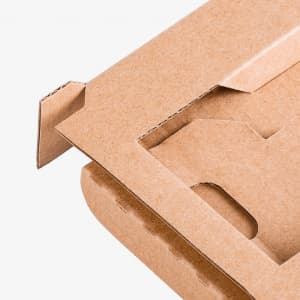
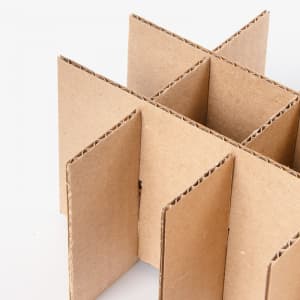
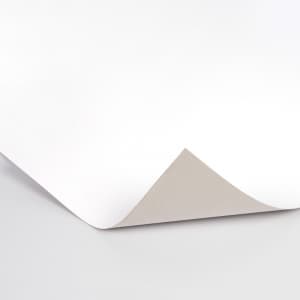
This is the first question worth asking before size or print even come into it. Paperboard is fine for lightweight cans and smaller glass, think a 12oz soda or a light cider can, but it’s genuinely the wrong choice under a full case of heavier glass bottles, where it can bow or split at the handle under sustained weight. Corrugated board, with its fluted middle layer, is what actually holds up under 22oz beer bottles or 750ml wine bottles carried by the handle for any real distance. If you’re not sure which your product needs, that’s a five minute conversation worth having before a bulk order, not after a batch of handles starts tearing.
Stopping Bottles From Clinking and Chipping in Transit
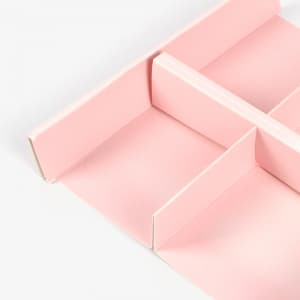
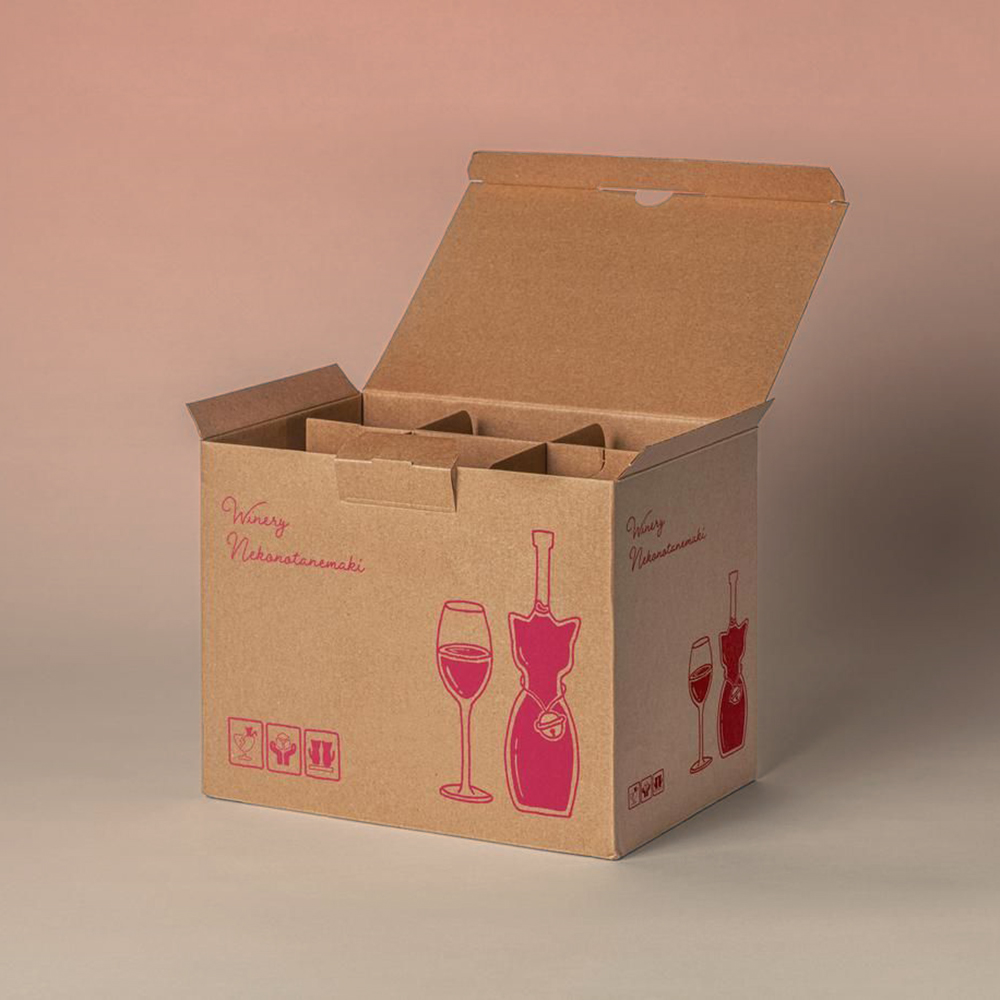
Die-cut dividers between each bottle slot are what actually prevent glass-on-glass contact, not just a snug overall fit. A carrier that holds the right number of bottles but lets them touch each other still cracks glass on a rough car ride or a dropped case. We cut dividers to the bottle’s actual diameter, angled slightly outward at the top for easy one-handed loading, the same structural principle used across our die cut cardboard boxes work generally, just applied specifically to keep bottle necks and shoulders from ever making contact.
What Size Carrier Do You Actually Need?
Sizing by bottle type rather than guessing saves a wasted first order. As a working starting point: a standard 12oz beer bottle typically needs roughly a 2.5 by 2.5 inch slot, a 22oz beer bottle closer to 3 by 3 inches, and a standard 750ml wine bottle also around 3 by 3 inches but with a taller carrier depth to clear the neck and cork. These are starting references, not fixed rules, since label width and bottle shoulder shape both affect final fit, which is exactly why we confirm exact bottle dimensions before finalizing a dieline rather than working off a generic template.
Does This Carrier Need to Survive a Refrigerator?
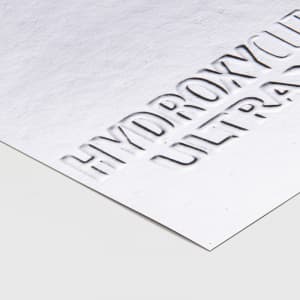
If your product ships or sells cold, condensation is a real structural threat that a lot of carrier suppliers never mention. Water beading off a cold bottle softens untreated board over time, and a carrier that felt sturdy in the warehouse can go soft in a store cooler within days. A moisture-resistant coating on the board handles this without changing how the carrier looks or prints, and it’s worth specifying upfront if your product is ever going to sit cold before it’s picked up.
Printing and Branding on a Carrier That Gets Held, Not Just Looked At
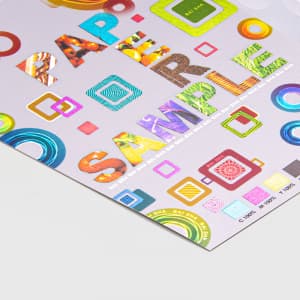
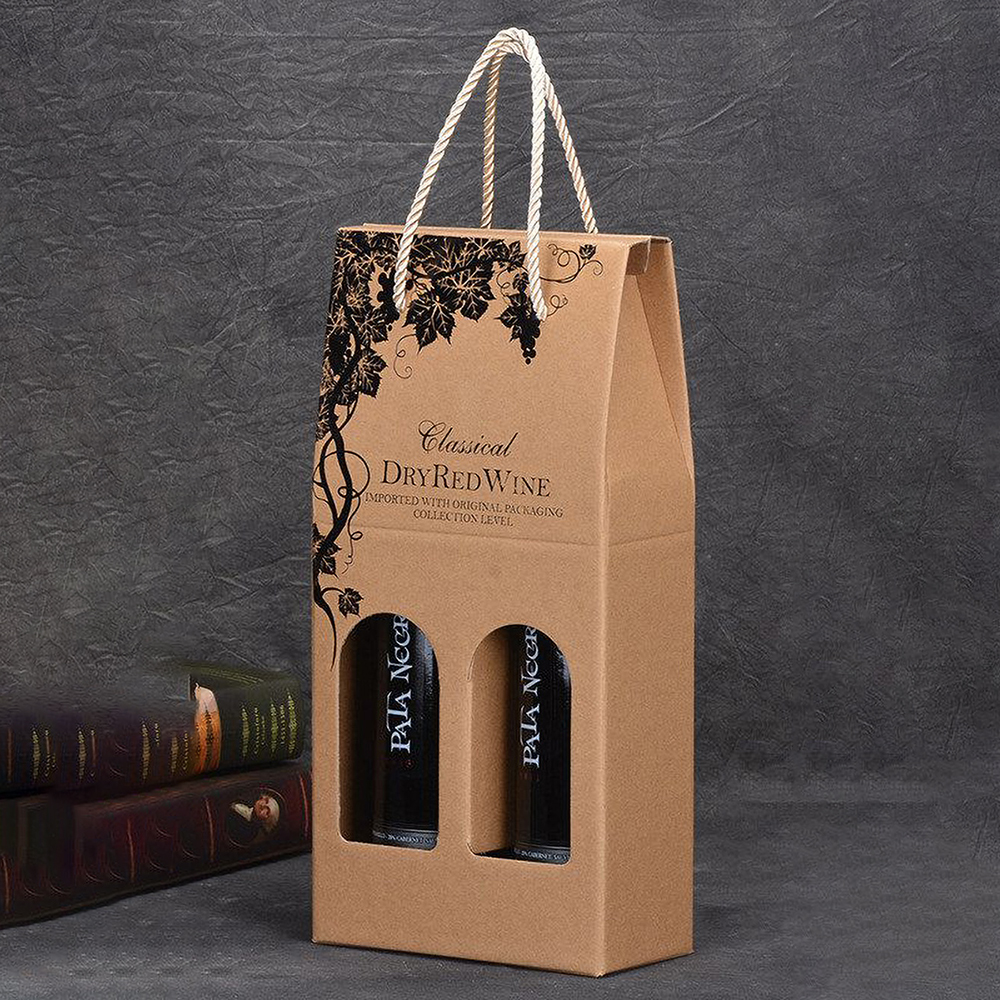
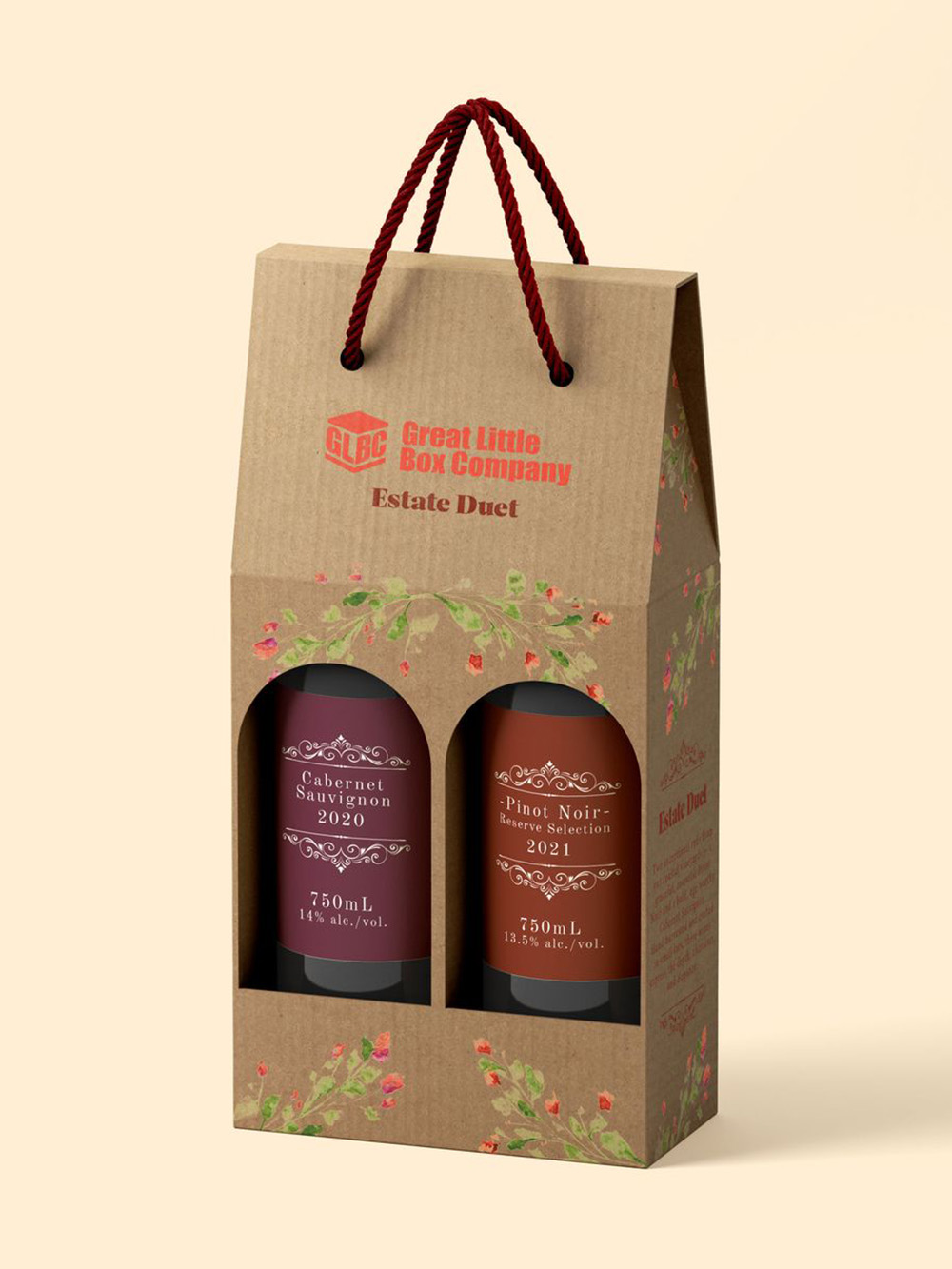
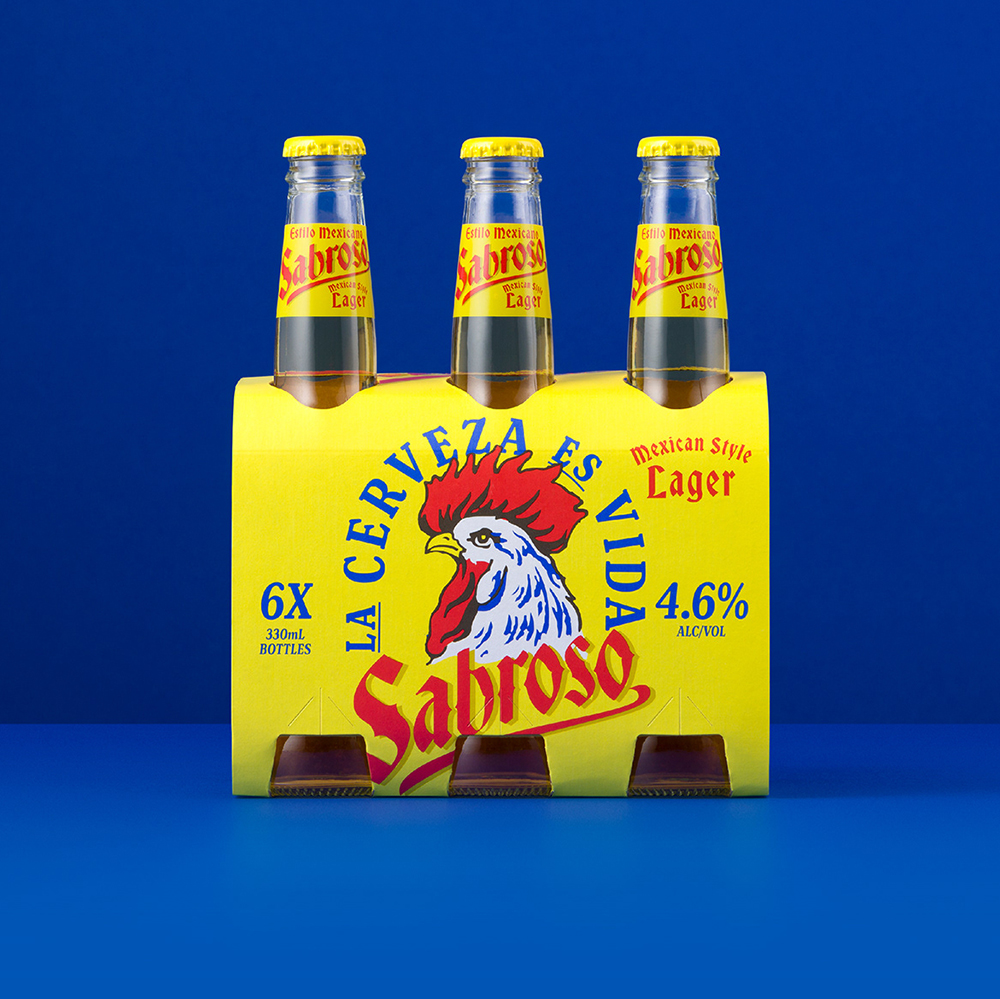
A bottle carrier is handled directly by the customer from shelf to car, which makes it a genuinely different branding surface than a static display box. Full color CMYK or Pantone-matched printing works the same way here as across our custom printed cardboard boxes line, and a peek-through window cut into the divider panel lets your label show through without needing to reprint your bottle’s own branding onto the carrier itself. If your bottles are also going onto a retail shelf between carrier runs, our retail cardboard boxes page covers that separate shelf-facing spec.
Can You Test a Design Before Ordering in Bulk?
Yes, and we’d genuinely recommend it. A small sample run, enough to actually load real bottles and carry them across a room, tells you more about divider fit and handle comfort than any spec sheet or rendering can. This matters more for carriers than almost any other packaging format, since the whole point of the product is how it feels and performs in someone’s hand, not just how it looks on a shelf.
What Does It Cost, and How Fast Can You Get Bottle Carriers Made?
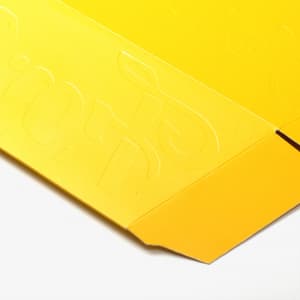
Pricing depends on material (corrugated vs. paperboard), bottle count and configuration, print complexity, and volume. Our minimum order is 100 units, enough to properly test a design for a craft beverage launch or a seasonal gift run without committing to a full pallet. Turnaround runs 7 to 12 business days from proof approval, with rush production available if you flag a launch date early. Every order ships flat with a pop-up auto-lock bottom, no glue, tape, or staples required at your end, which matters if these are getting assembled quickly behind a bar or in a busy retail back room rather than by dedicated warehouse staff.
Every order also gets a digital proof, and for anything going into a refrigerated retail environment, we’d flag the moisture coating question before that proof, not after the first batch comes back soft.
Frequently Asked Questions
What's the difference between a corrugated and a paperboard bottle carrier?
Paperboard suits lightweight cans and small glass. Corrugated's fluted middle layer holds up under heavier glass bottles carried by the handle, which paperboard can bow or split under over time.
How do I stop bottles from clinking or chipping inside the carrier?
Die-cut dividers sized to the bottle's actual diameter keep glass from touching glass, which is what actually prevents chipping, not just a snug overall carrier fit.
What size carrier do I need for my bottles?
It depends on bottle type: roughly 2.5 by 2.5 inches per slot for a standard 12oz beer bottle, closer to 3 by 3 inches for a 22oz beer or 750ml wine bottle, with wine needing extra height to clear the neck and cork. We confirm your exact bottle dimensions before finalizing the dieline.
Will this carrier hold up if my drinks are sold cold?
Not without a moisture-resistant coating. Condensation from a cold bottle can soften untreated board over time, so this is worth specifying if your product ever sits refrigerated before it's picked up.
Will the handle tear under the weight of a full 6-pack?
Not if the handle area is properly reinforced at the die-cut point, which is where the real stress concentrates on a multi-bottle carrier.
Do bottle carriers ship flat or already assembled?
Flat, with a pop-up auto-lock bottom. No glue, tape, or staples needed, which matters for fast assembly behind a bar or in a busy retail environment.
Can I order a small sample before committing to a bulk run?
Yes, and we'd recommend it. Loading real bottles into a physical sample tells you more about divider fit and handle feel than a rendering ever will.
What's the minimum order for custom bottle carrier boxes?
100 units, enough to properly test a design for a launch or seasonal run before scaling into a larger production order.