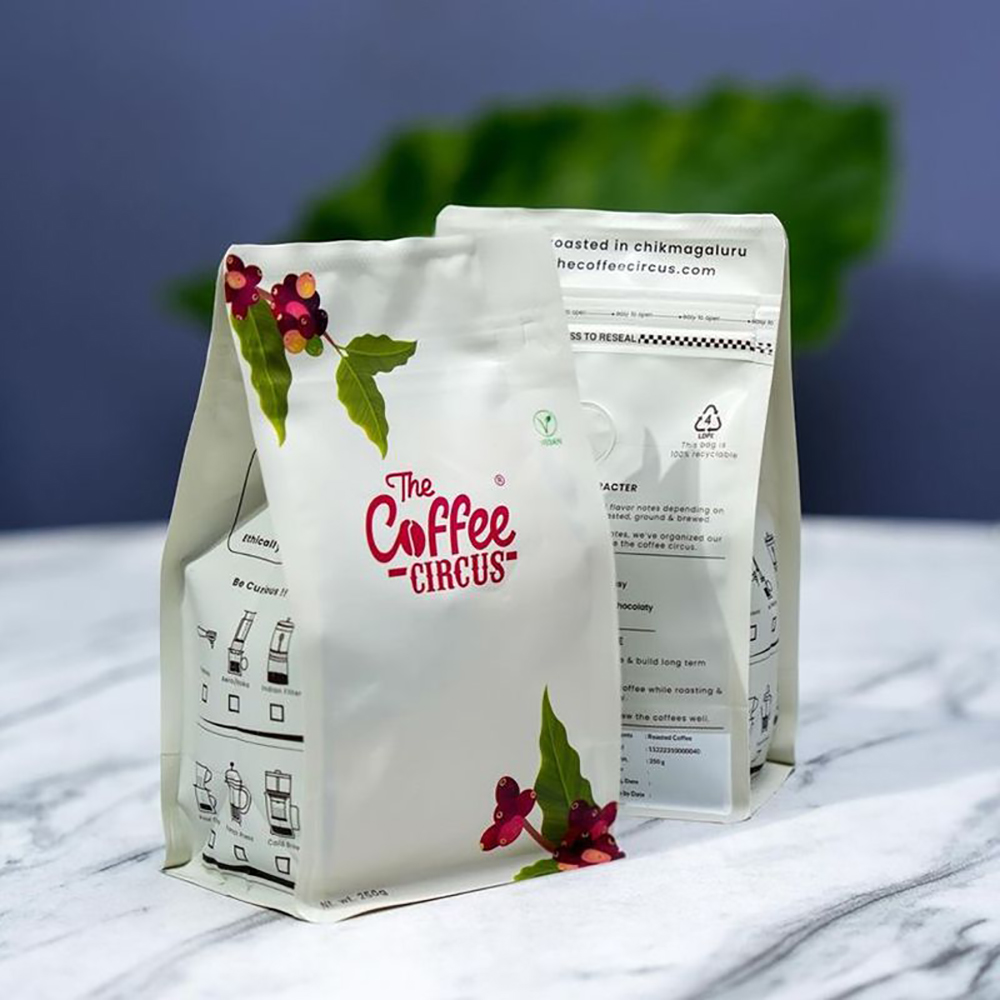
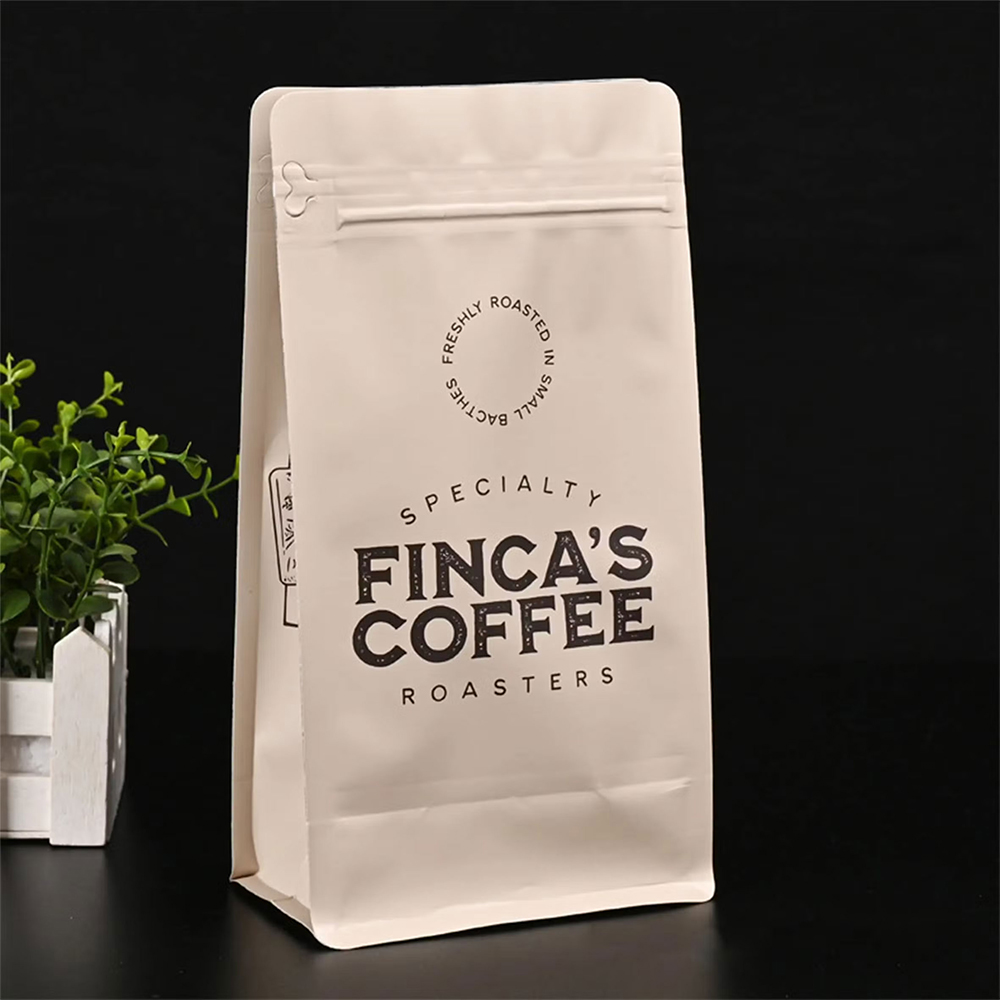
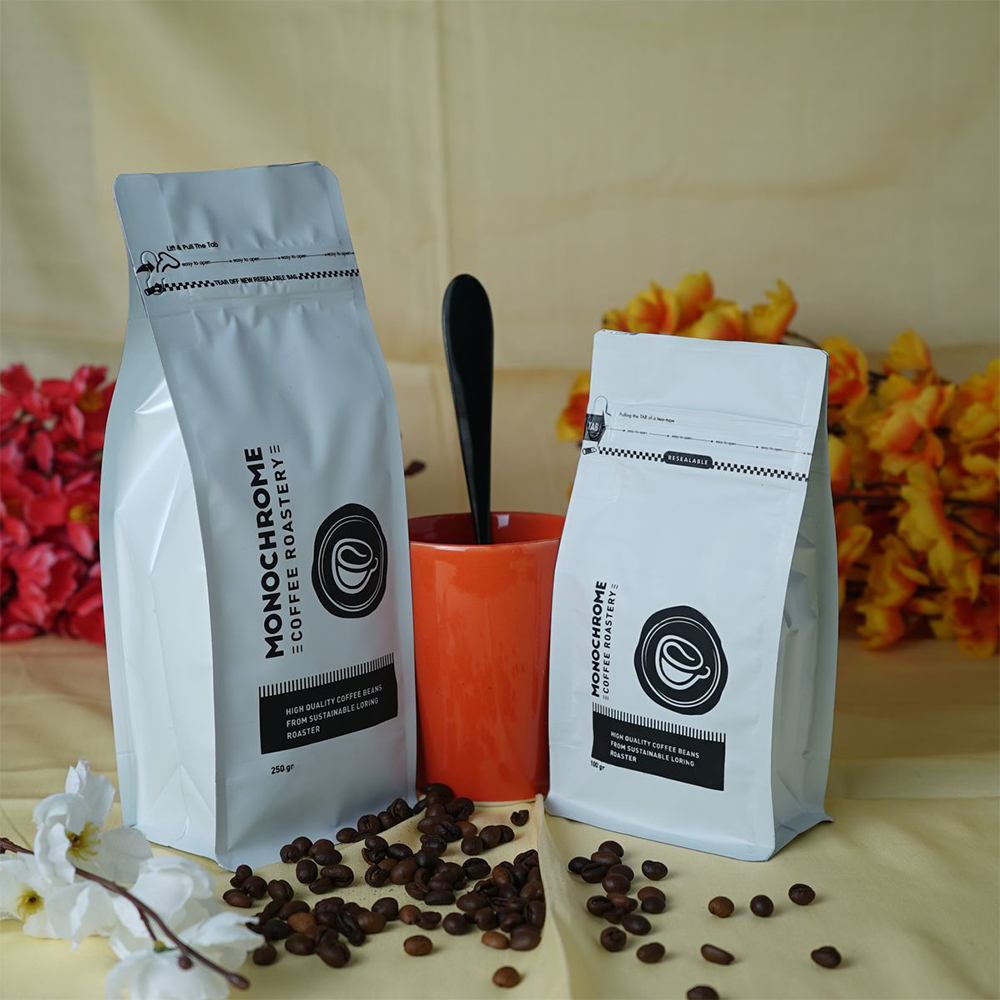
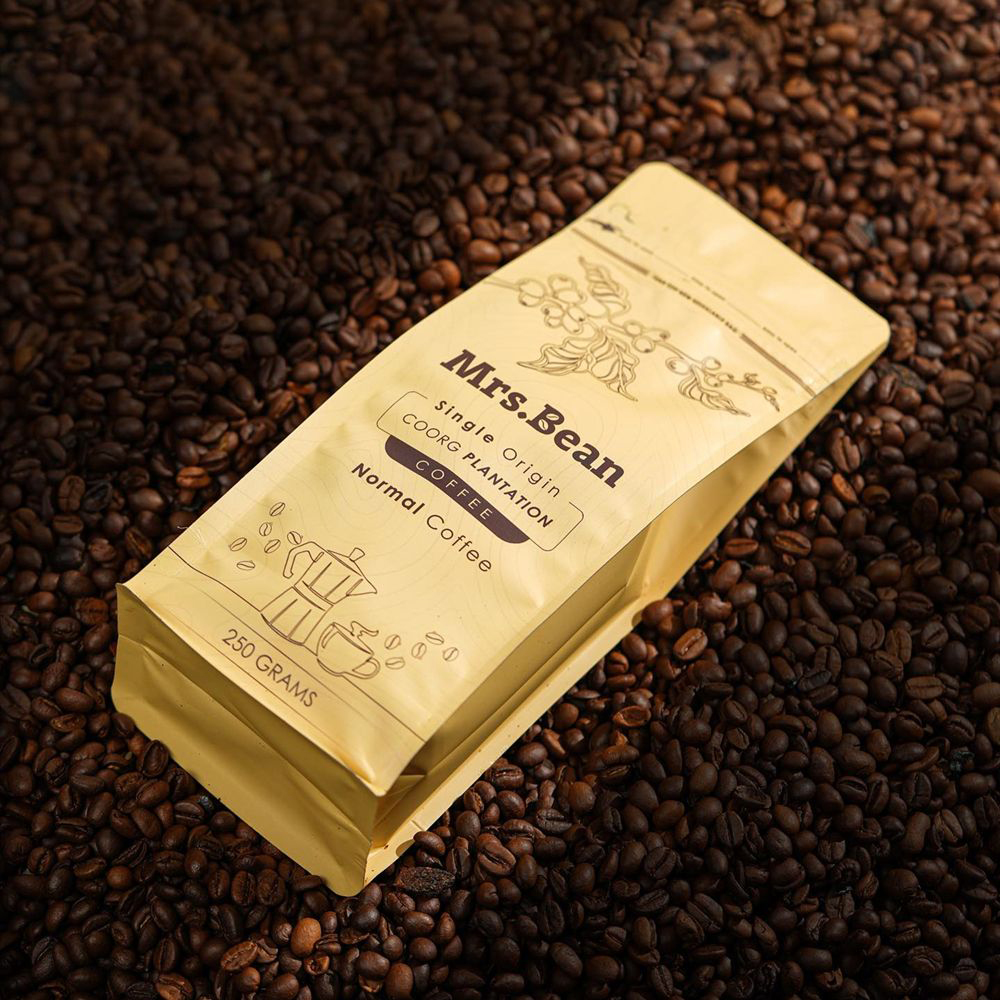
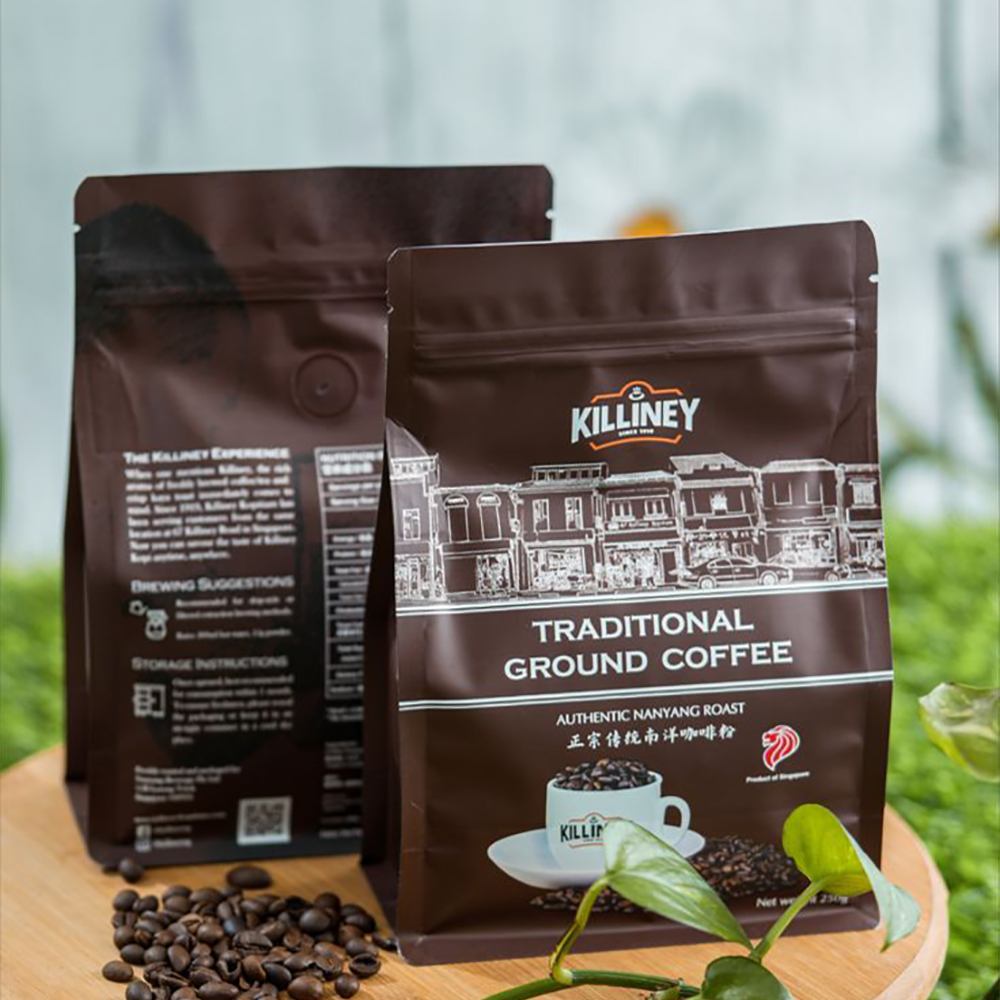
Coffee bags with valve and zipper
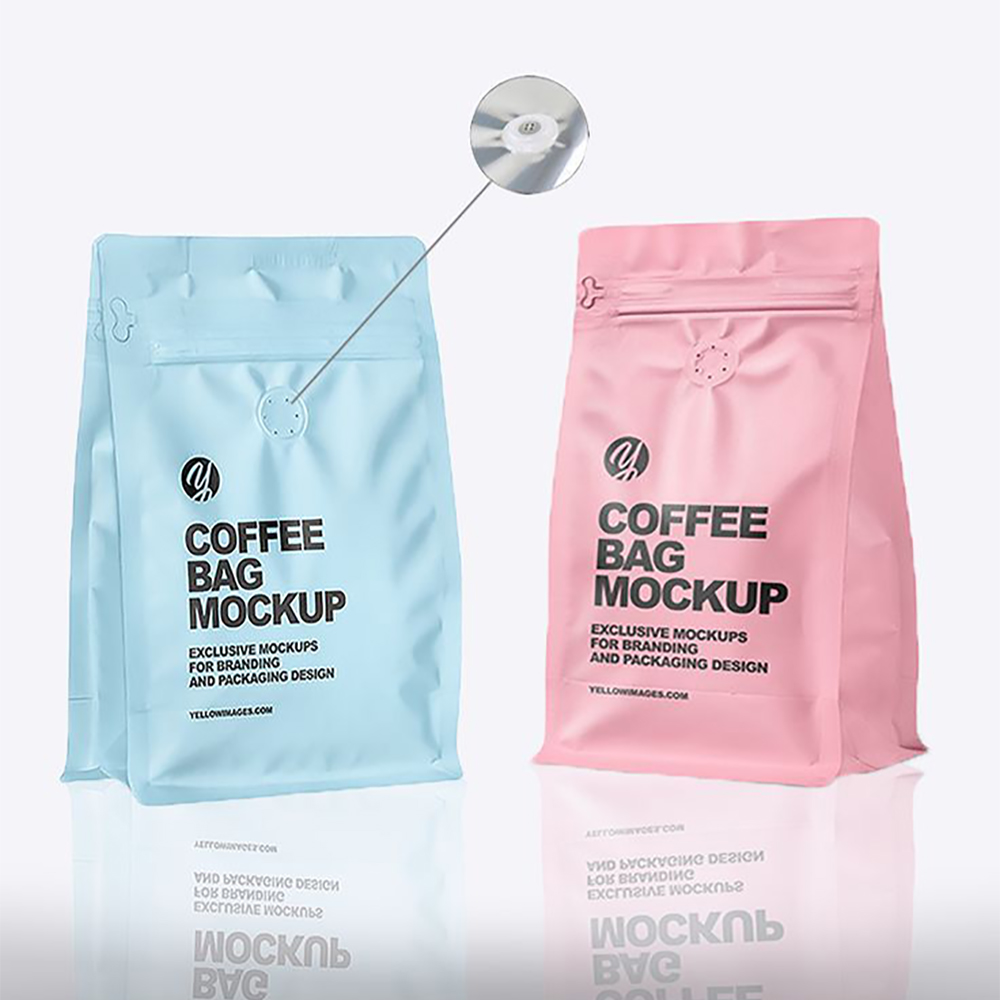
Coffee Bags With Valve and Zipper USA use laminated barrel or block-bottom construction, a one-way degassing valve, and a resealable zip track that locks air out between uses. Hale Path Packaging adds fast USA-wide delivery, sharp full-colour printing, and finishes that hold up.
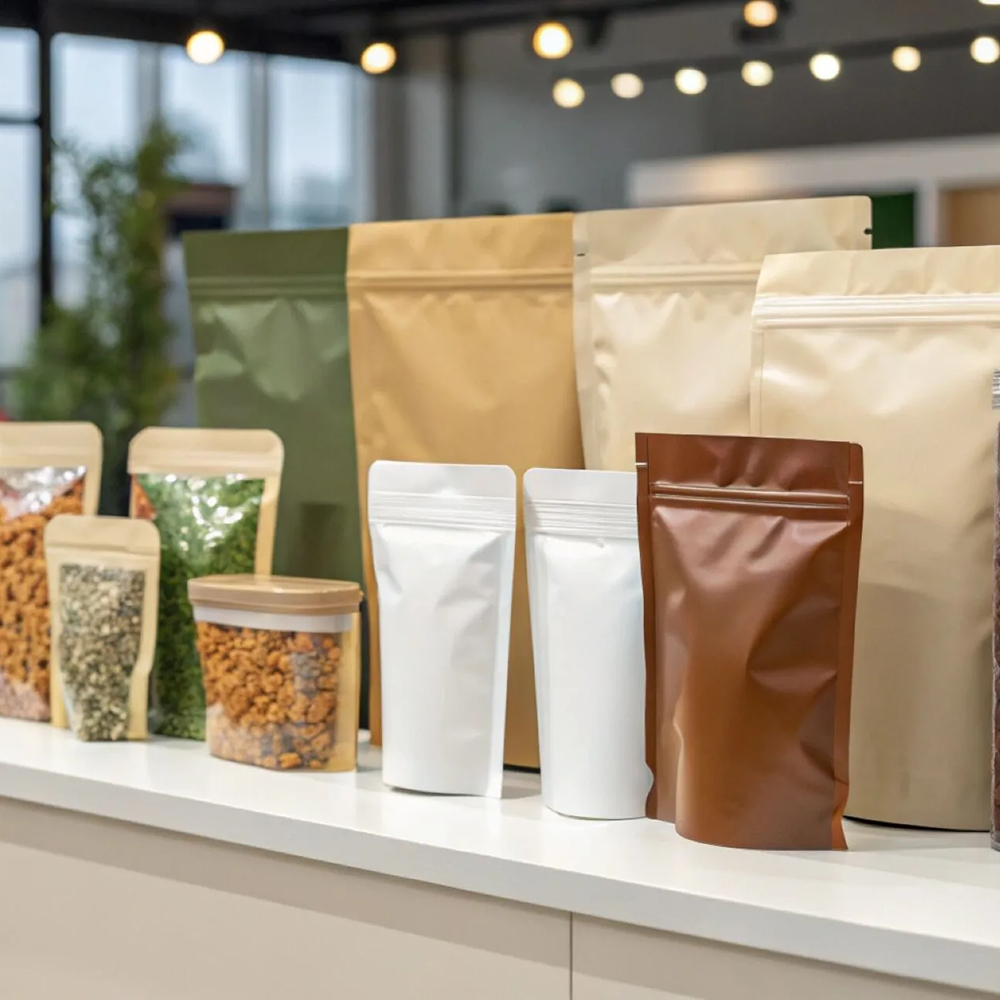
Coffee bags with valve and zipper Gallery
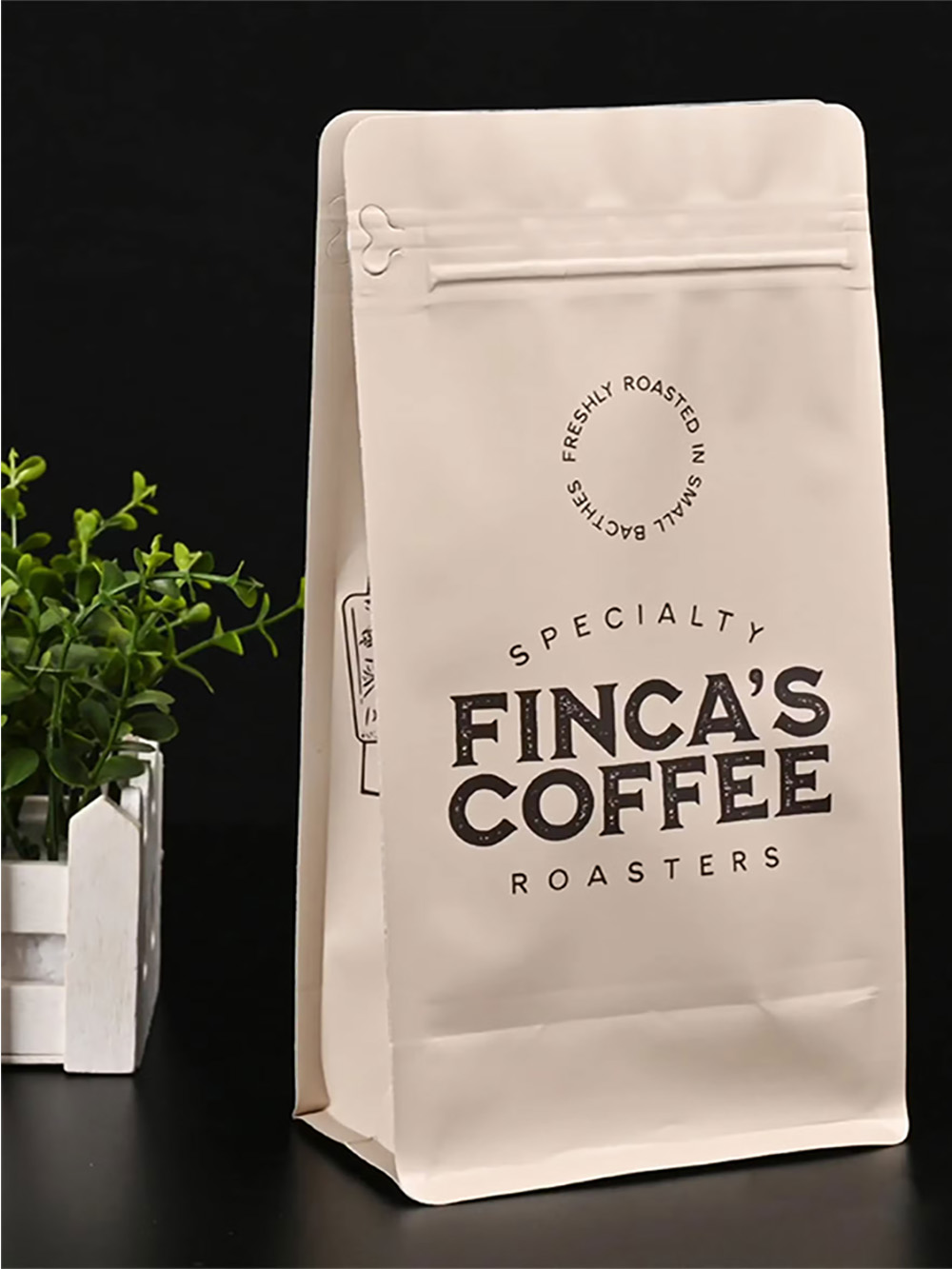
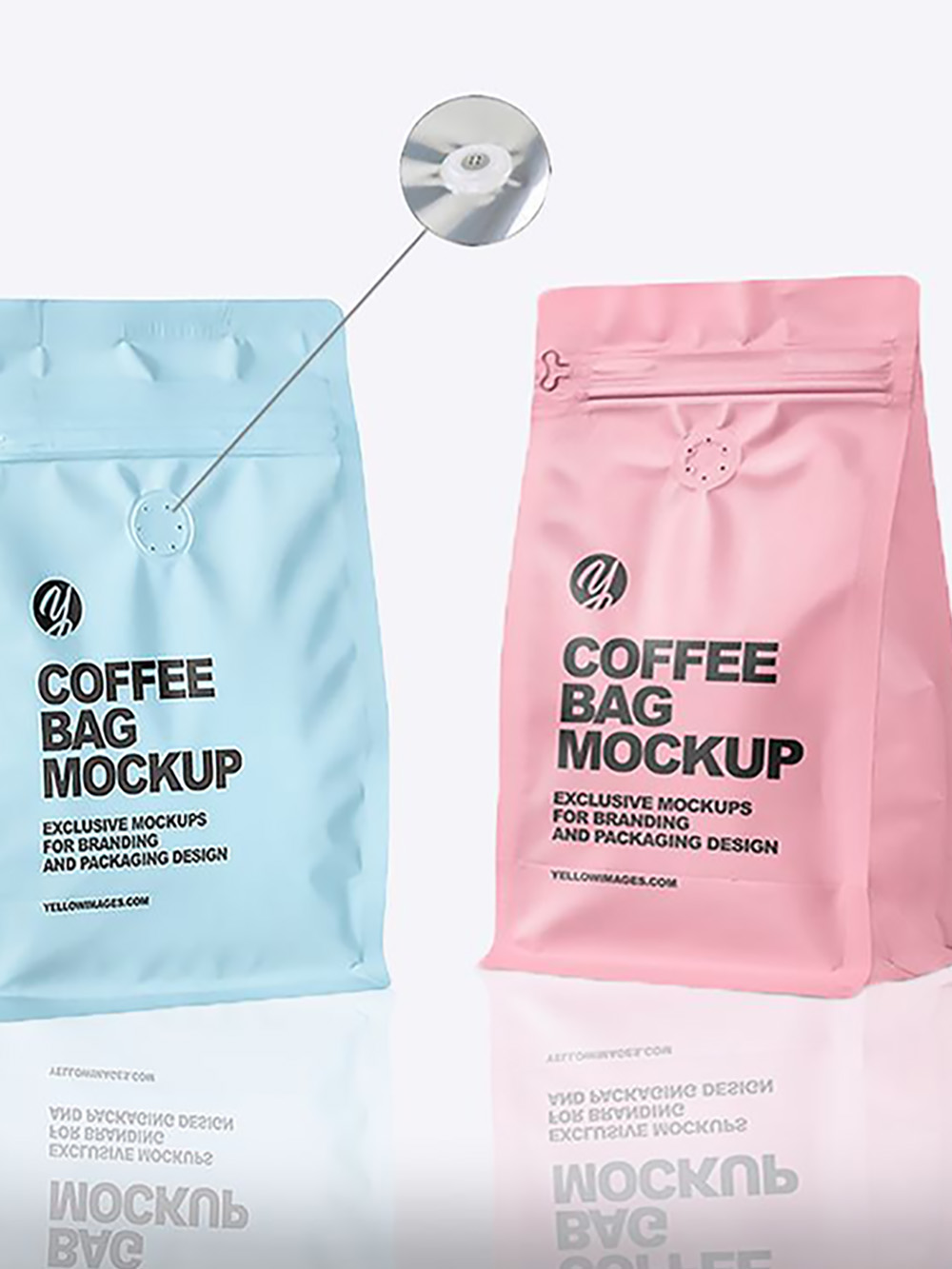
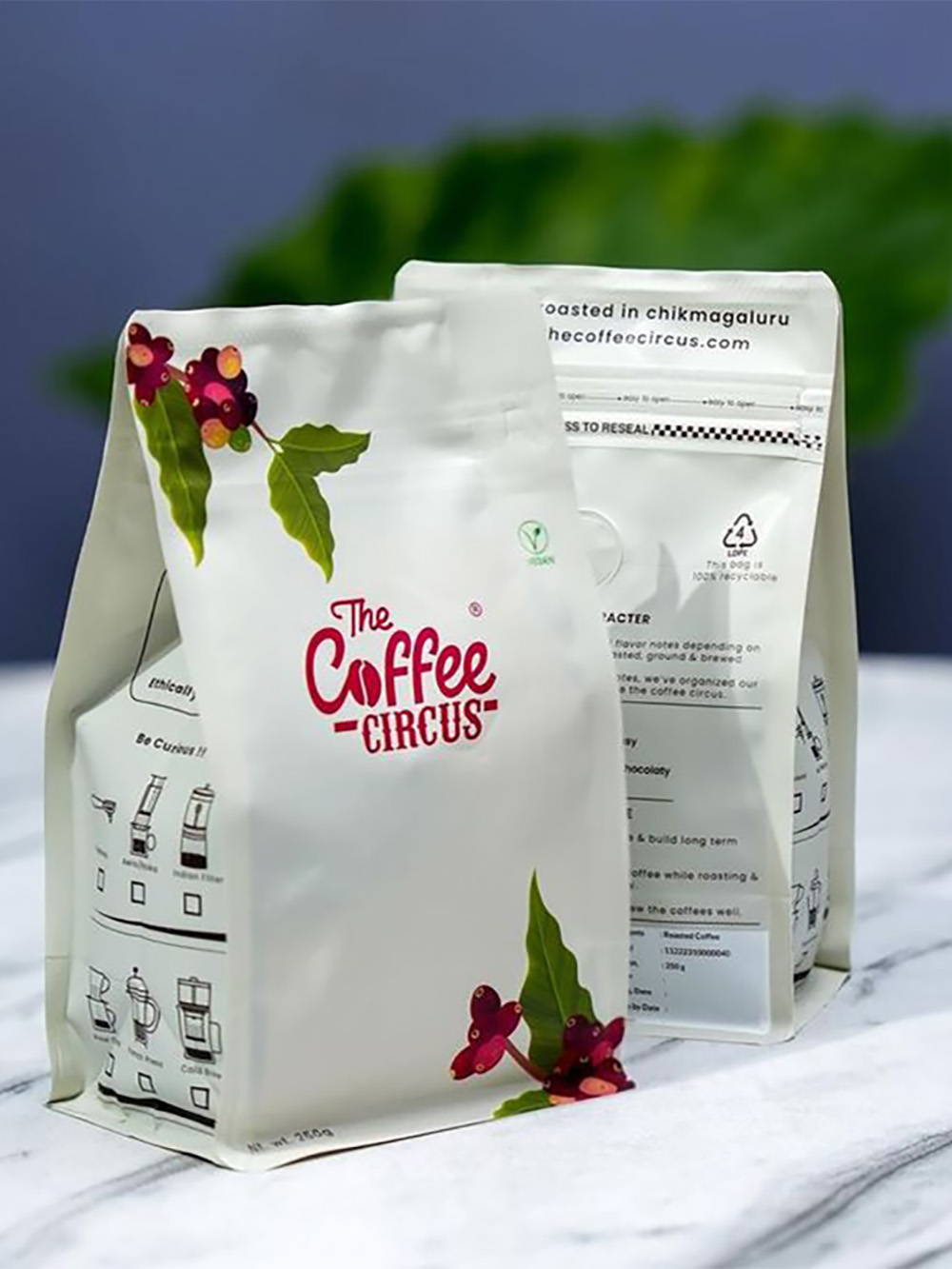
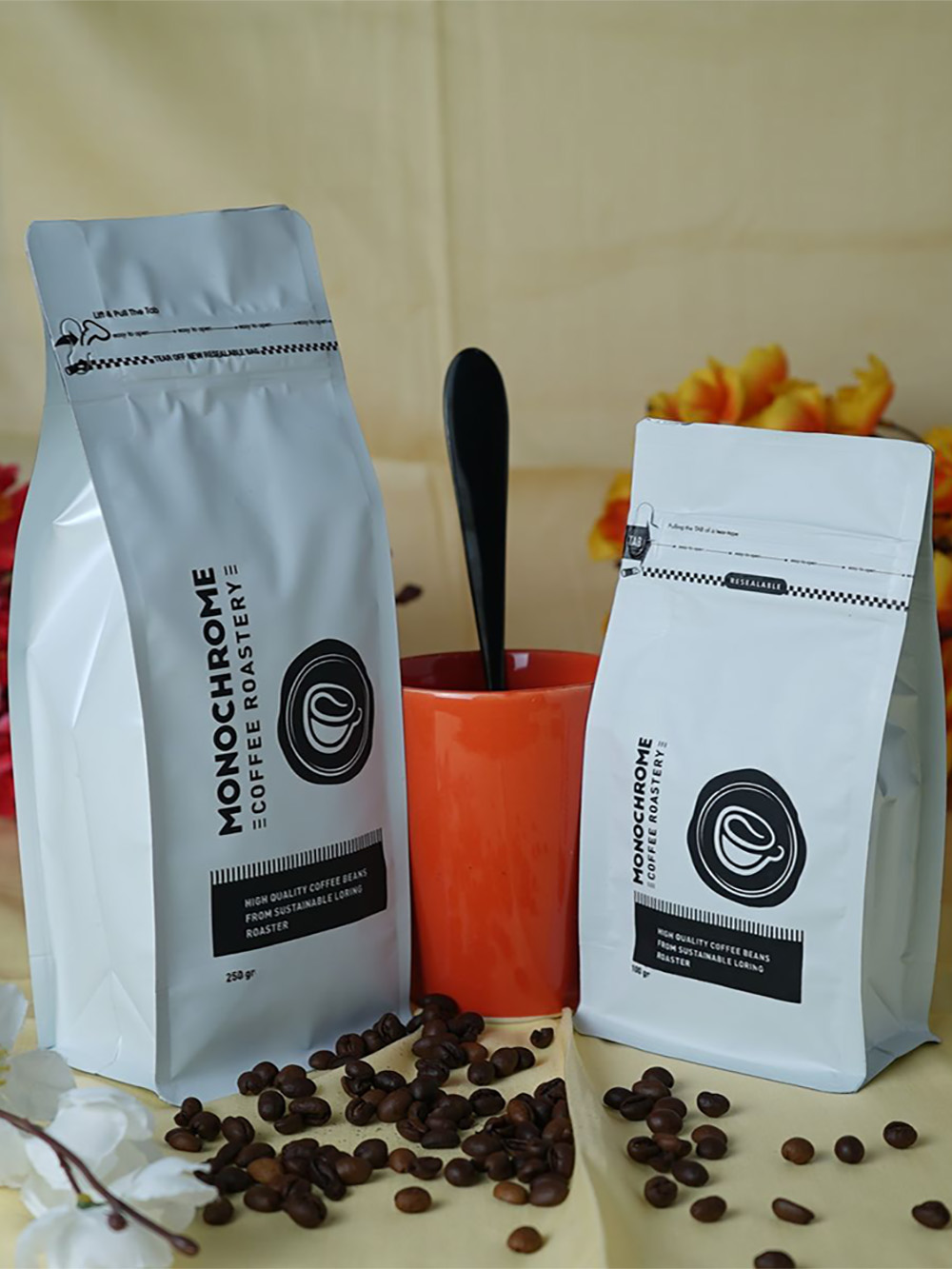
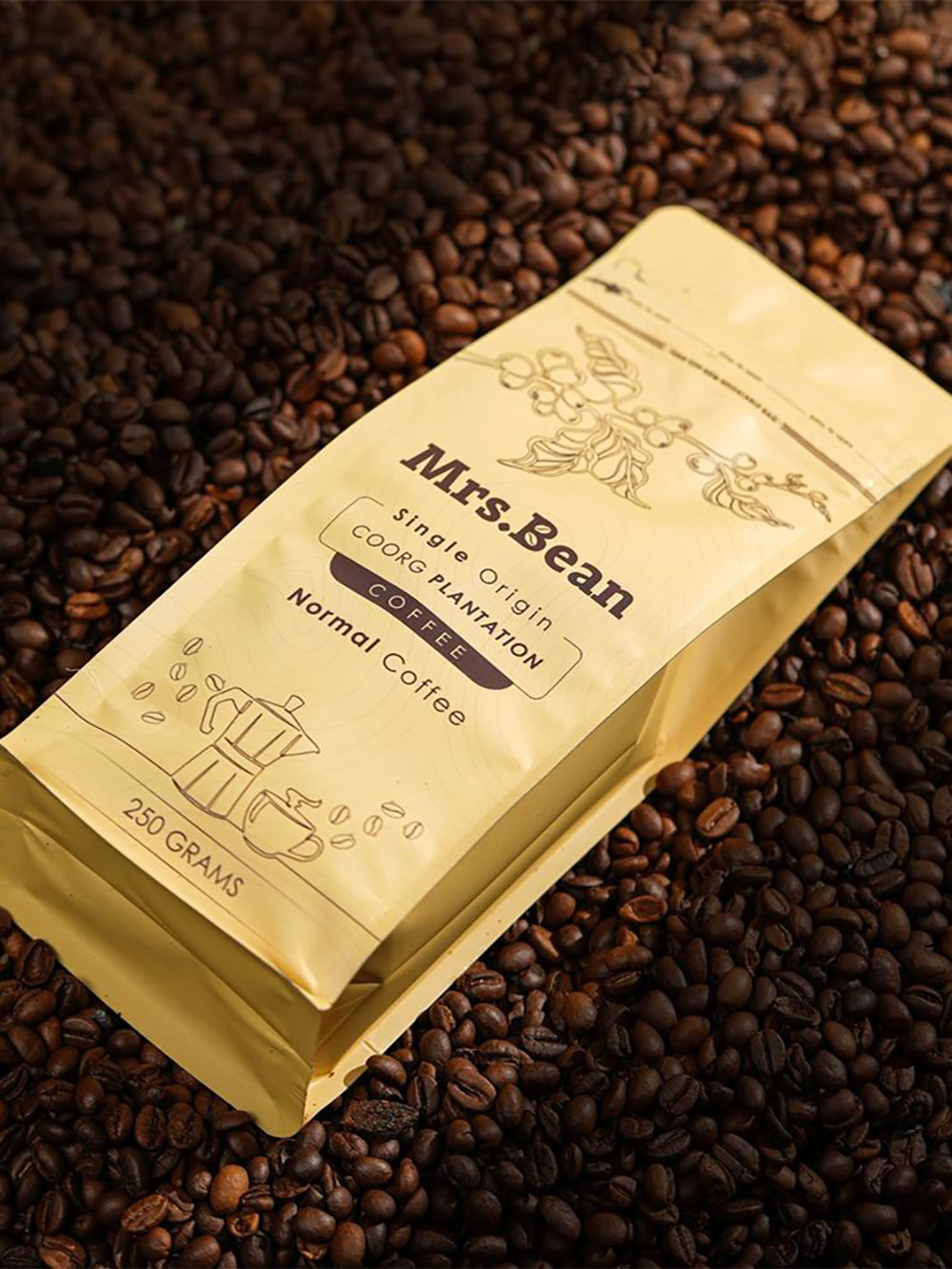
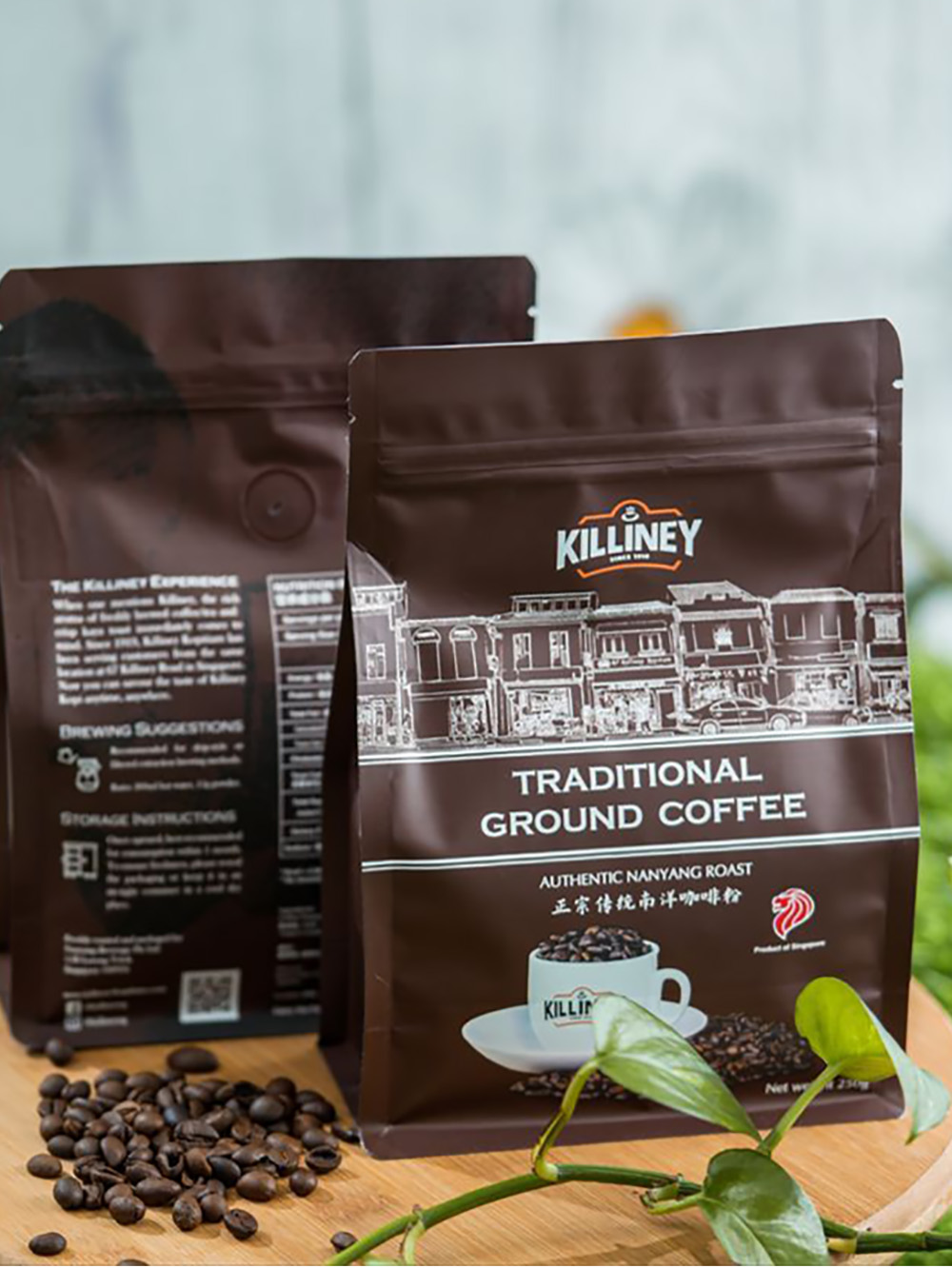
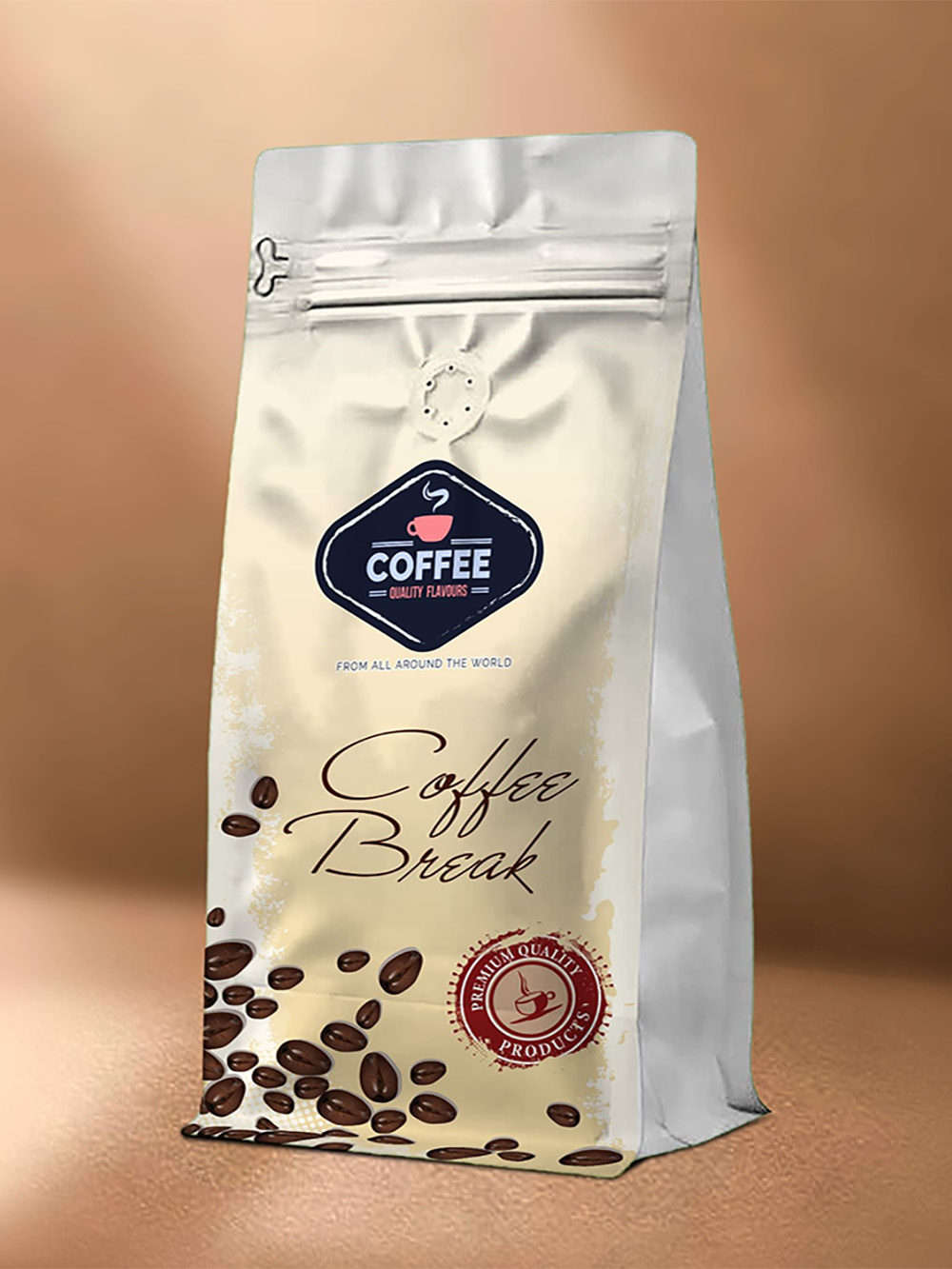
Coffee Bags with Valve and Zipper USA for Fresher Roasts
Fresh-roasted beans start off gassing carbon dioxide within hours of going into the roaster, and a bag sealed without proper venting will build up sufficient internal pressure to burst its own seams before it ever reaches a frame. Compostable coffee bags solve this with a one-way degassing valve that releases the CO2, while a press-lock zipper or track style closure maintains the bag airtight for every knowledge after the first opening. For roasters shipping beans across states or holding retail coffee packaging inventory for weeks at a time, that combination is what keeps a bag intact and the coffee inside from staling before it reaches the customer.
- One way degassing valves that vent CO2 via a spring loaded flapper without allowing outside air or vapour back in
- Press lock or track style zippers for a tight, repeatable, resealable coffee bag function across dozens of openings
- Gusseted stand-up pouches produced for stand presence, with flat bottom bag options for direct to consumer shipping
- High barrier coffee bag laminates that block oxygen and light, matched to bag weight and intended frame life
- Precision valve placement, positioned to catch full internal pressure without interfering with zipper seal integrity
What makes a Degassing Valve and zipper work together on coffee bags with valve and zipper?
Valve and zipper placement isn’t independent; get one wrong, and it compromises the other. A coffee bag valve set too close to the top seal can interfere with zipper function, while one placed too low won’t catch the full pressure buildup during the first week after roasting. Getting degassing valve placement right depends on matching it to bag size and roast volume, so gas escapes fully within 24 to 48 hours without ever risking a seal failure at the zipper track, a detail that separates bags engineered for fresh-roasted coffee from generic stock pouches repurposed for the category.
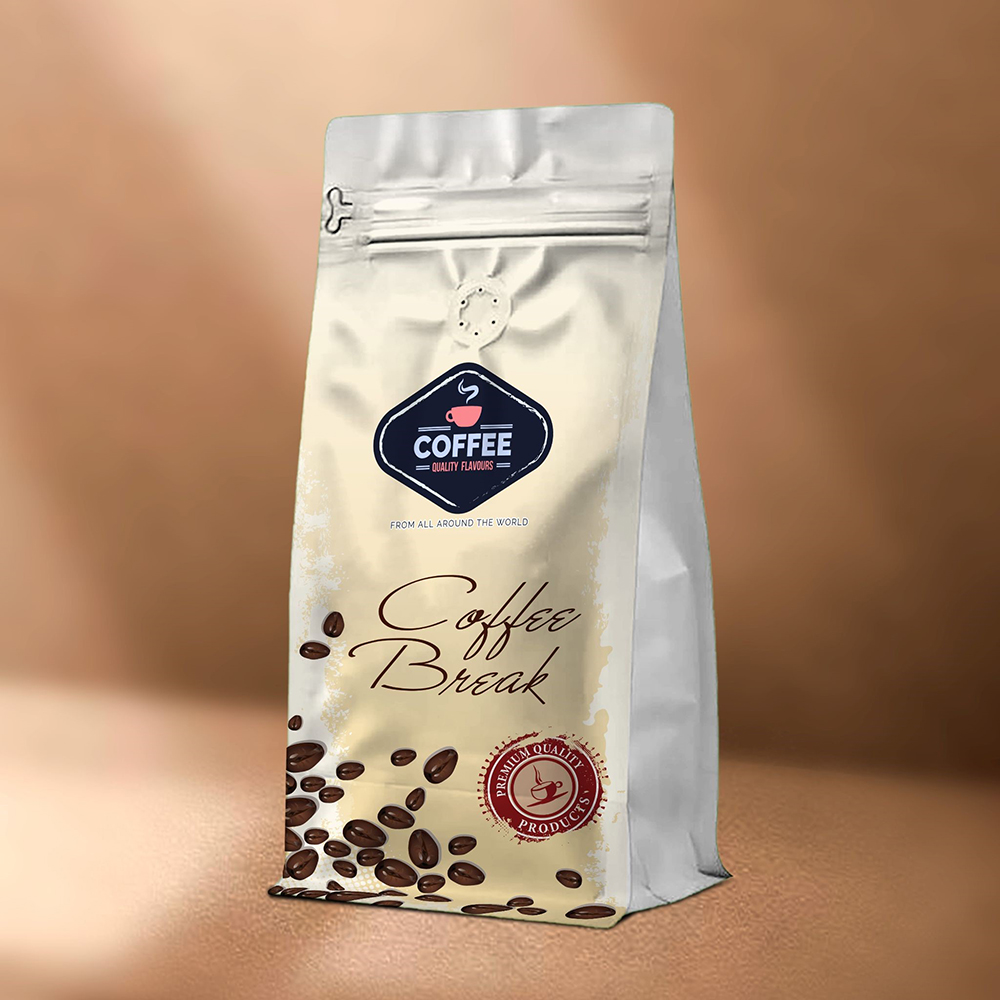
Coffee Bags with Valve and Zipper, USA Built Around Your Roast Identity
A roaster’s bag is often the only physical touchpoint a customer has with the brand before the first pour, which puts real weight on how Coffee bags with valves and zippers read on a shelf next to a dozen competitors. Branded coffee bags with a valve and a zipper need to carry that identity clearly while still leaving room for a compliant valve window and closure, without either compromising the other.
- Full-colour gravure or digital printing for sharp origin, roast-date and flavor-note detail on the bag face
- Matte or kraft-textured finishes that signal speciality coffee packaging positioning over mass-market retail
- Custom valve window placement that keeps branding clean while still allowing full CO2 release
- Consistent color matching across repeat print runs so wholesale coffee bag presentation doesn’t shift batch to batch
- Size flexibility from 8oz retail bags up to 2lb bulk coffee packaging formats
Why Hale Path Packaging Is Trusted for Coffee Bags with valve and zipper Packaging
Hale Path Packaging runs a coffee bag manufacturing business in the USA out of a 32,000 sq ft facility, backed by more than 12 years of packaging manufacturing experience applied to a category where a single misplaced valve can fail an entire batch on the shelf. That experience shows up in details roasters rely on but rarely see directly: valve placement tested during prototype phases, zipper track alignment held consistent across large runs, and barrier film matched correctly to each roast’s actual shelf-life needs. The same production capability also supports coffee mailer boxes and tea packaging pouches, useful for roasters standardising packaging specs across a full product line.
A Seattle micro-roastery kept losing bags to seam bursts within days of roasting, traced to valve placement set too high near the zipper. Repositioning it lower has been fixed for every batch since.
For related packaging formats, see Hale Path Packaging’s Zipper Bag Pouch, Biodegradable Pouches, and Corrugated Shipping lines.
Frequently Asked Questions
Zipper Closure Or Tin-Tie: Which Holds Coffee Fresher After Opening?
A press lock zipper reseals tightly and faster for repeat daily use; a tin tie is cheaper to produce but gives a looser reseal that lets in more air over time.
Aluminium Barrier Layer or Foil-Free Laminate, Which Is Necessary For Coffee bags with valve and zipper?
An aluminium barrier layer counts for bags over 500g or with a shelf life outside 6 months; foil-free laminates perform nicely for smaller, rapid turnover retail formats.
How Do I Order Coffee bags with valve and zipper With A Valve And A Zipper For My Roastery?
Introduce your bag size, target importance and branding artwork, verify valve arrangement and closure type, and support a display sample before saving to a full print run.
What MOQ For Coffee Bags With A Valve And A Zipper In The USA?
A starting point for new roasters is 100 to 500 branches with a compostable plastic laminate and press-lock zipper, with MOQs operating based on material and finish complexity.
Do USA Coffee Roasters Need BPA-Free Valve Certification?
BPA-free degassing valves are increasingly requested by USA roasters positioning their packaging around both food safety and sustainability messaging.
What's The Standard Bag Size Range For Usa Speciality Coffee bags with valve and zipper Retail?
Retail formats run from 8oz to 12oz bags for absolute bean or ground coffee, with 1lb and 2lb formats more standard in wholesale and subscription channels.
What's the difference between a valve bag and a standard coffee bag with valve and zipper?
A standard pouch has no pressure release instrument and has a chance of seal defeat with fresh roasted beans; a valve pouch allows gas to escape via a spring packed flapper without allowing external air back in.
Why Do Coffee Bags Need A Degassing Valve Specifically?
Roasted coffee releases CO2 for 5 to 14 days after roasting, and a sealed bag without a valve will assemble sufficiently internal pressure to blast its own seams within 48 hours.