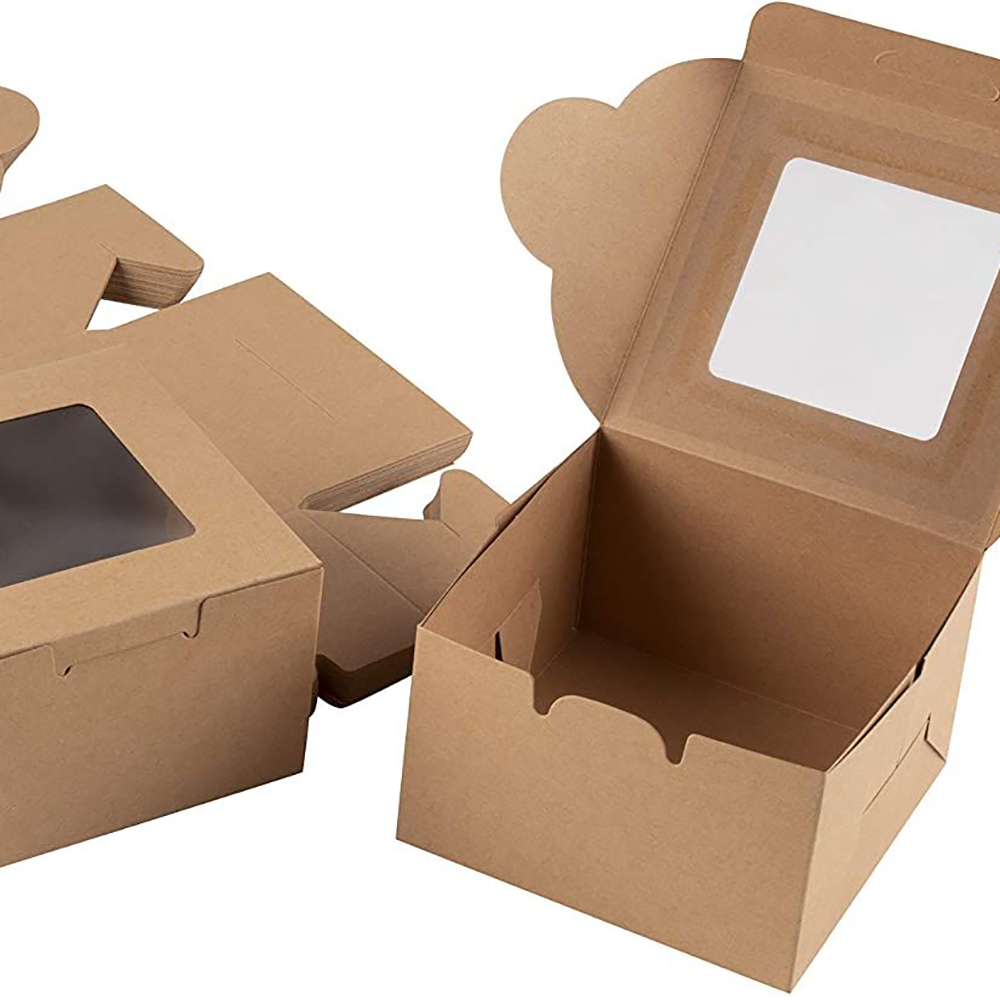
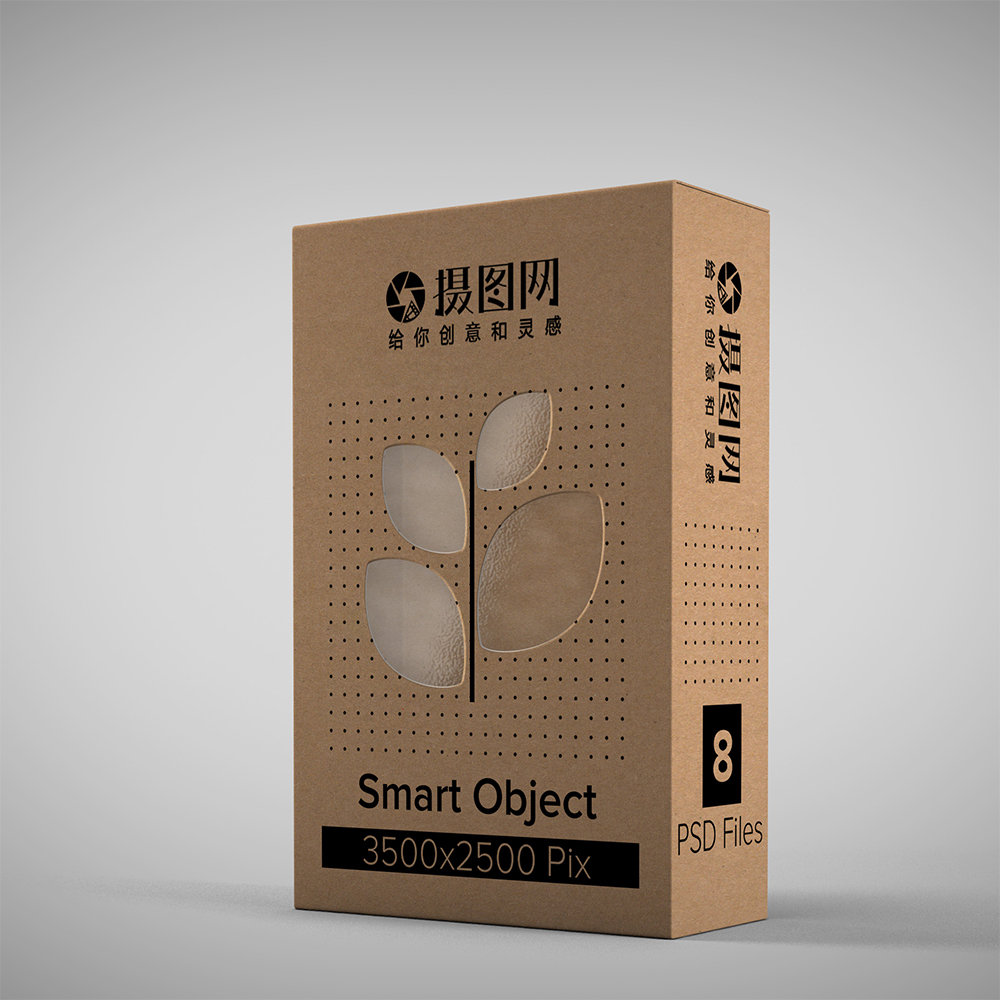
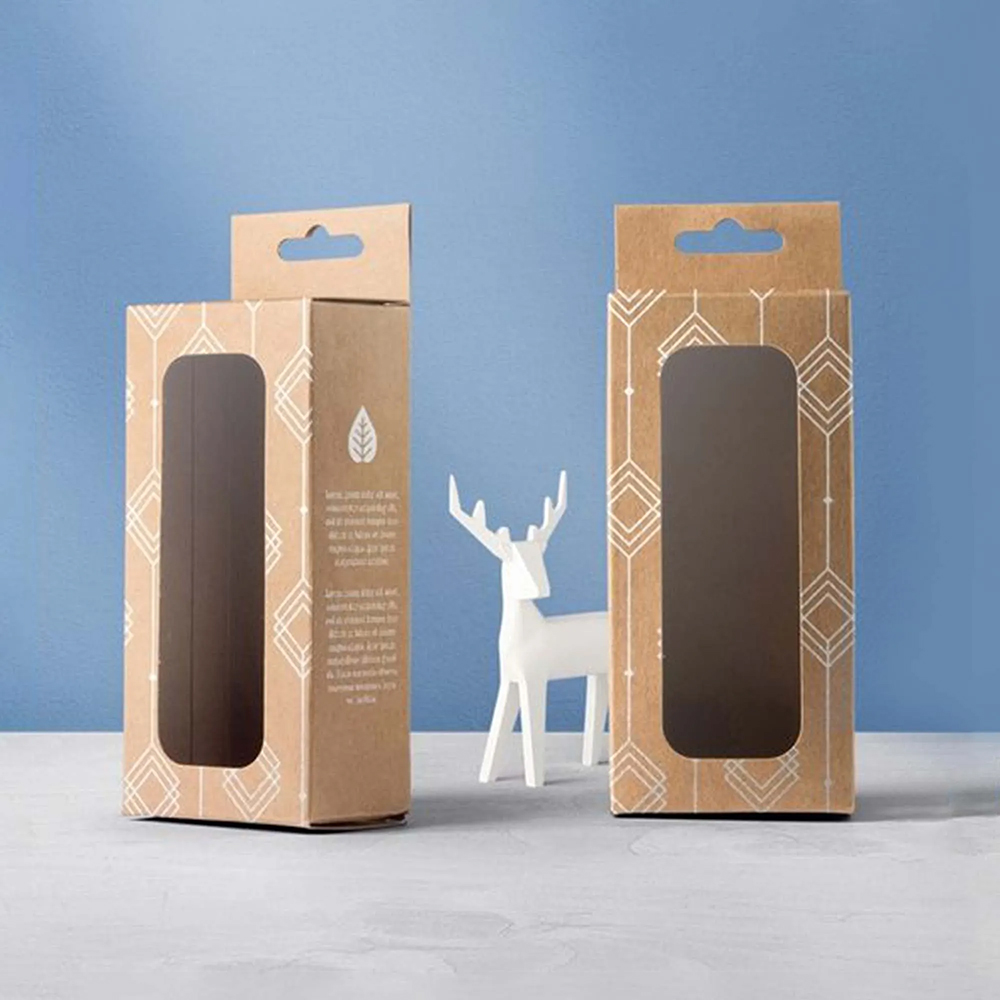
Die Cut Cardboard Boxes
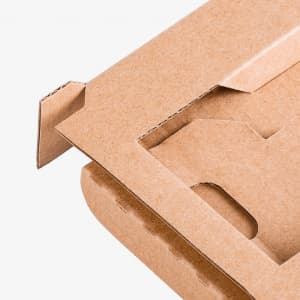
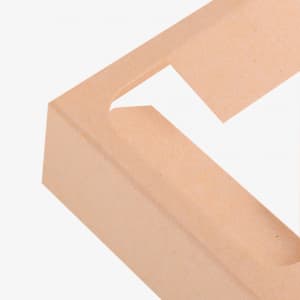
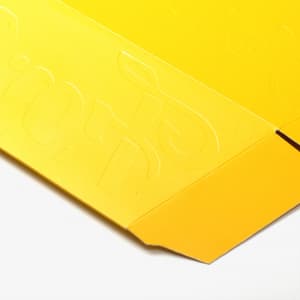
Close enough isn’t the same as fitting right, and most generic boxes are built to be close enough for a wide range of products rather than exactly right for any one of them. That’s where die cut cardboard boxes come in, cut against a custom die shaped around your product instead of forced into a template built for something else. It’s the same product-first thinking behind our Shipping Cardboard Boxes USA sizing standards, just taken a step further into custom-cut precision.
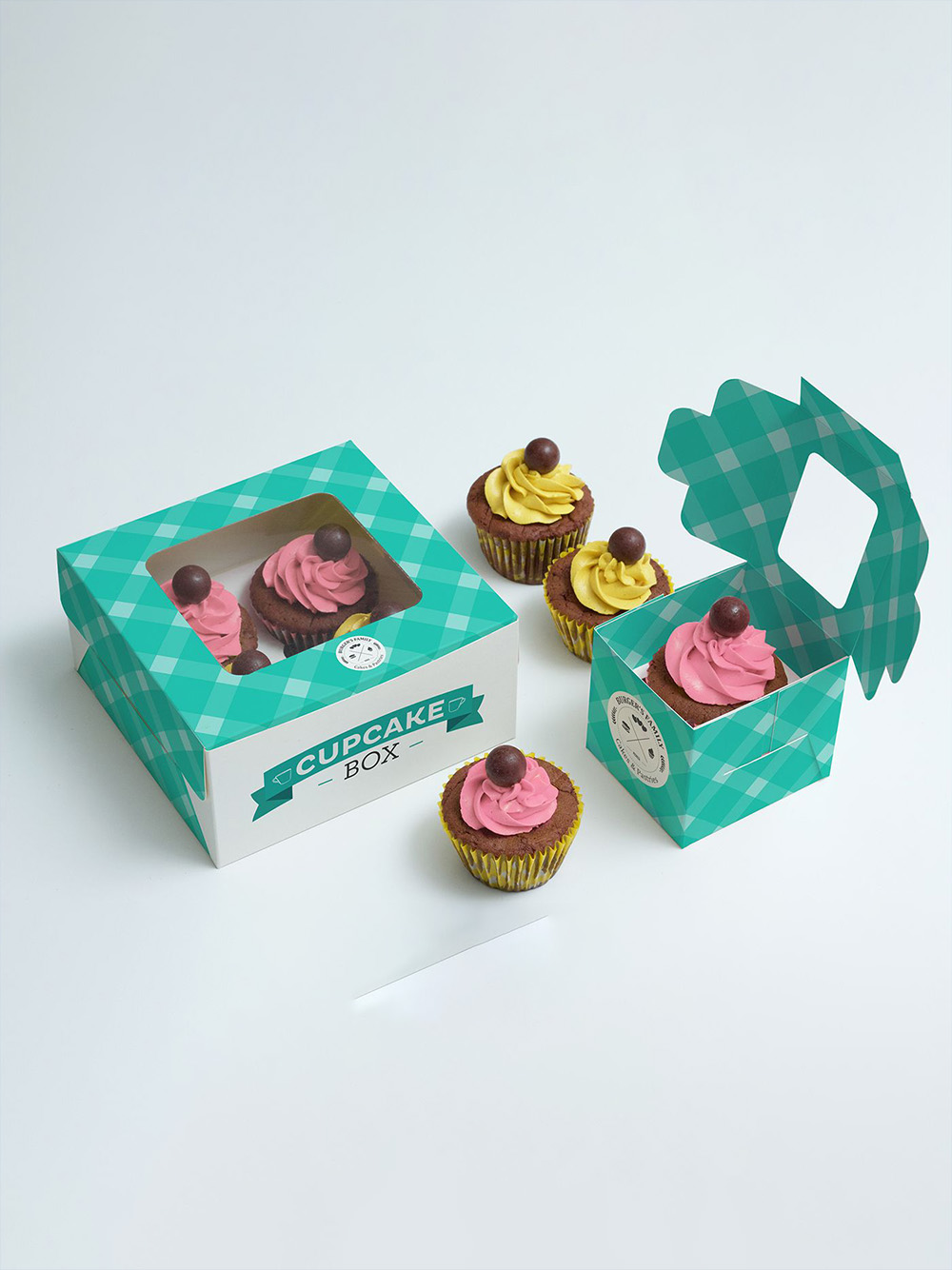
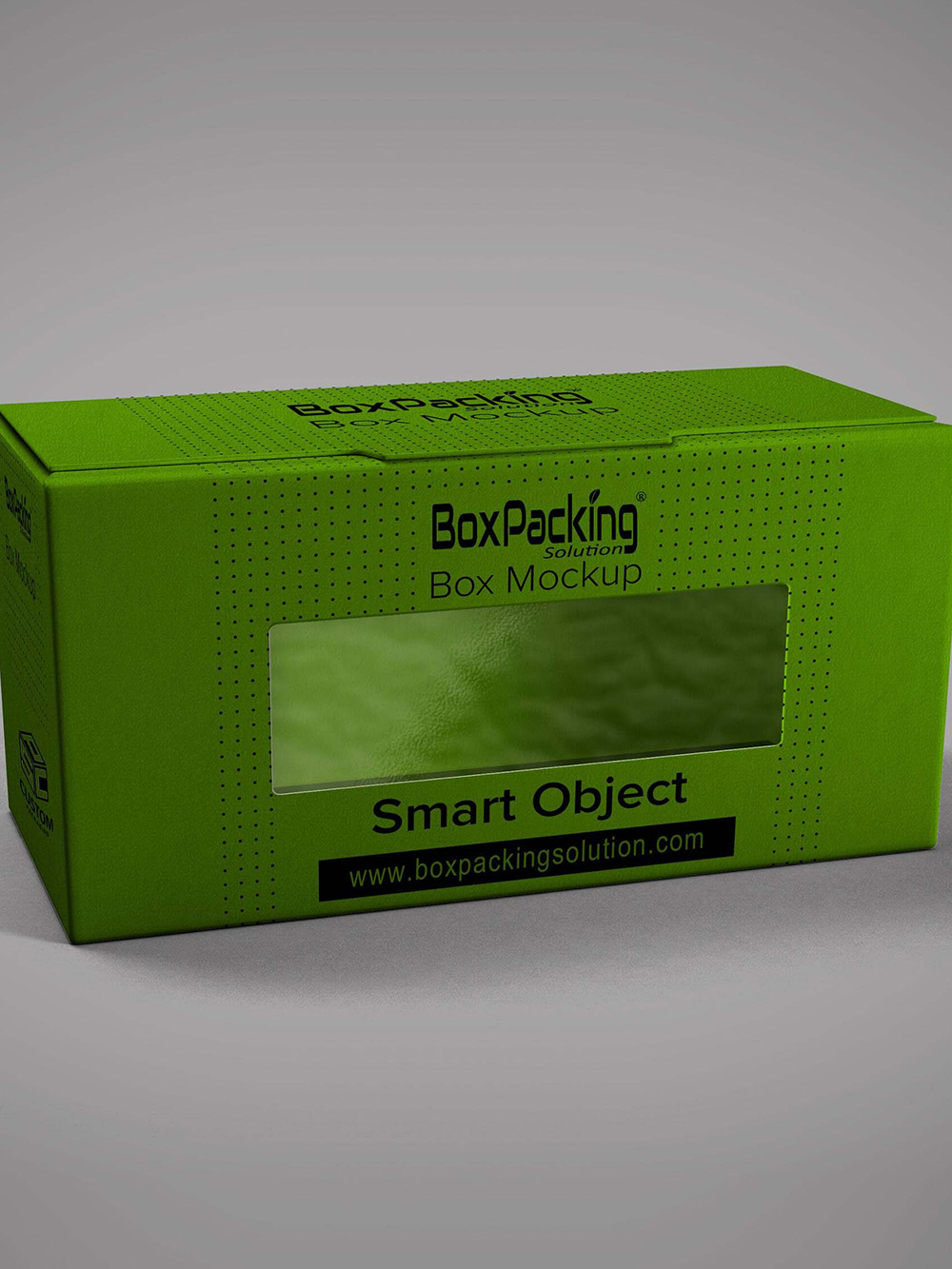
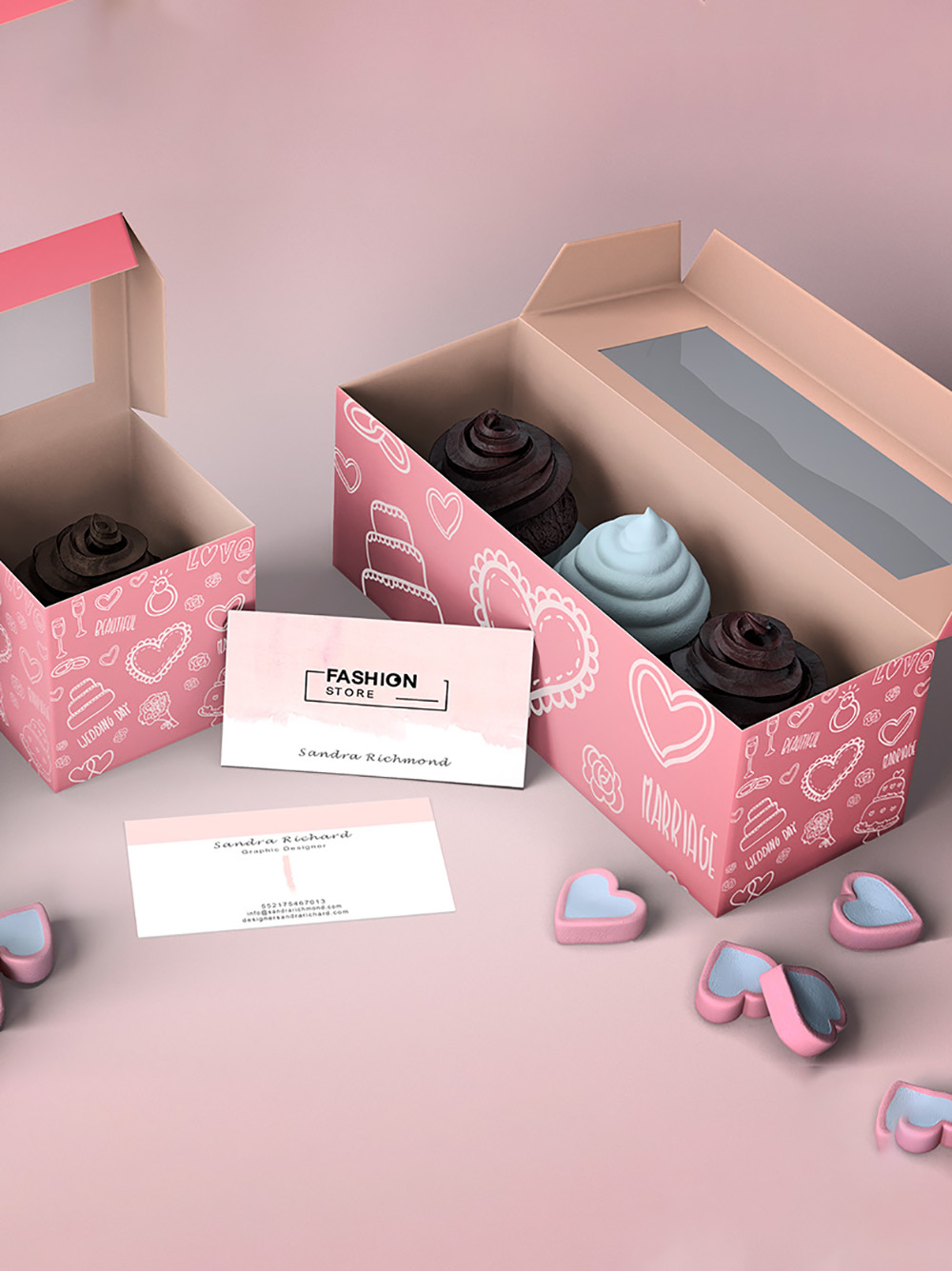
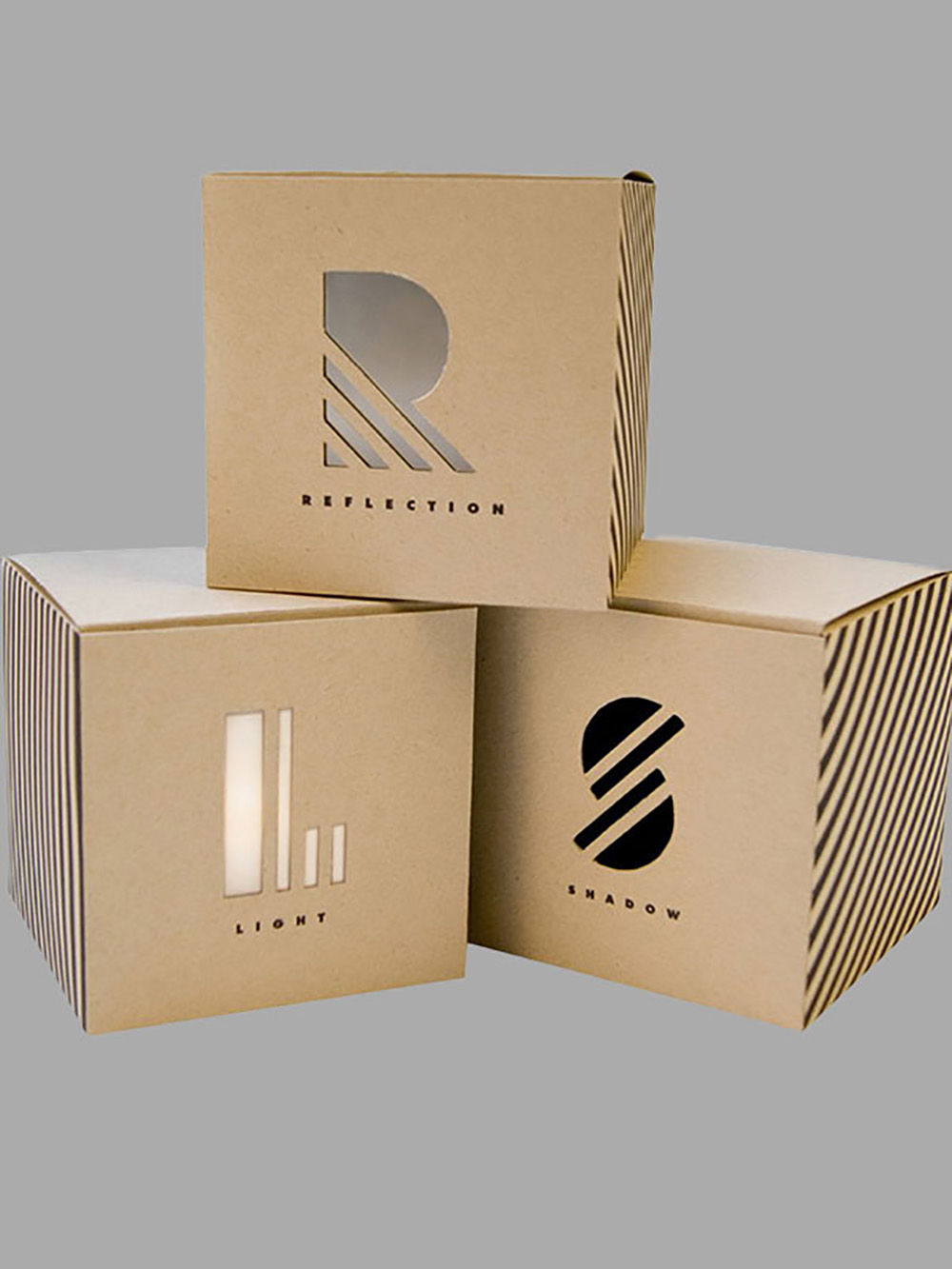
Die Cut Cardboard Boxes Gallery

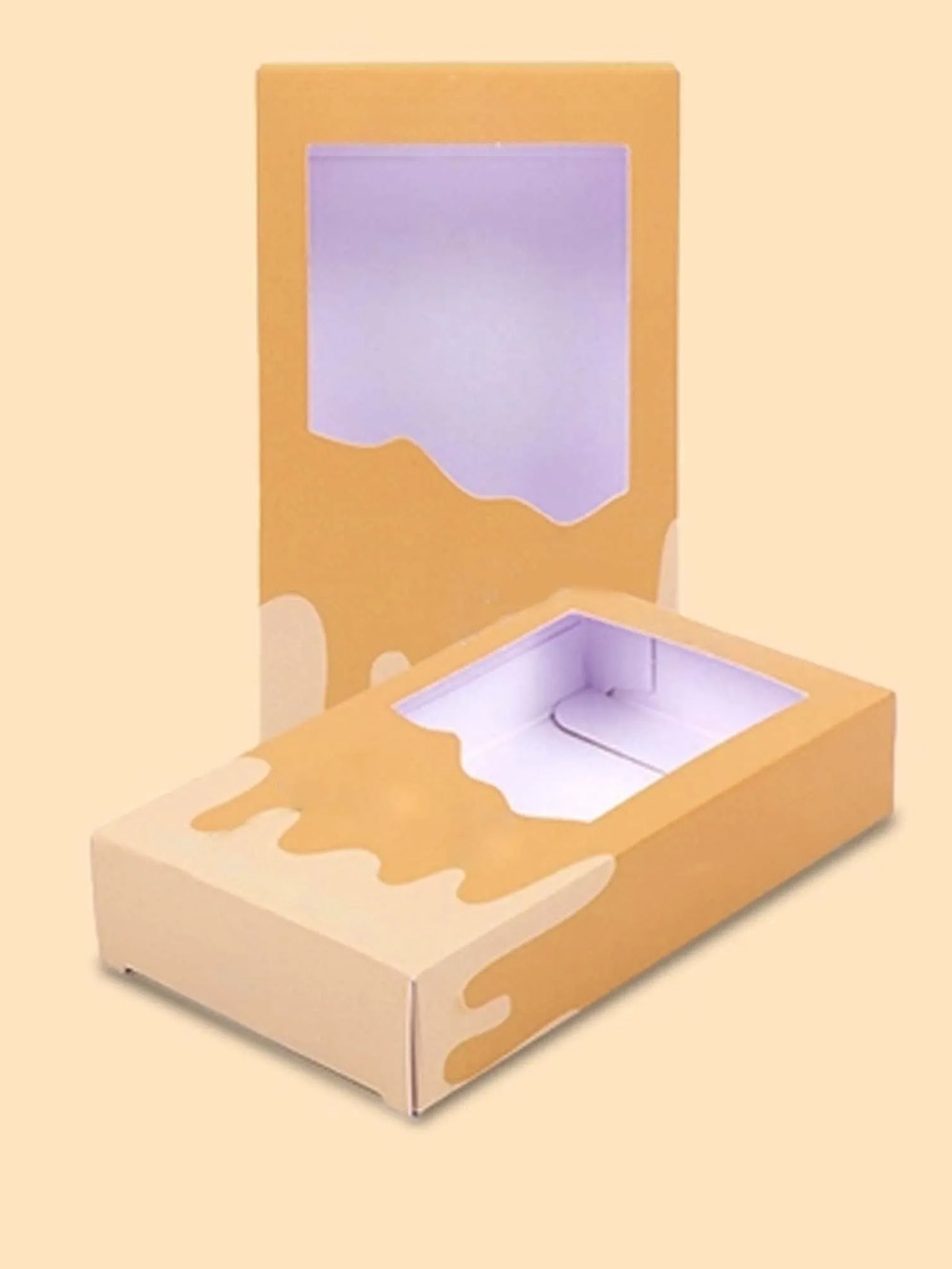
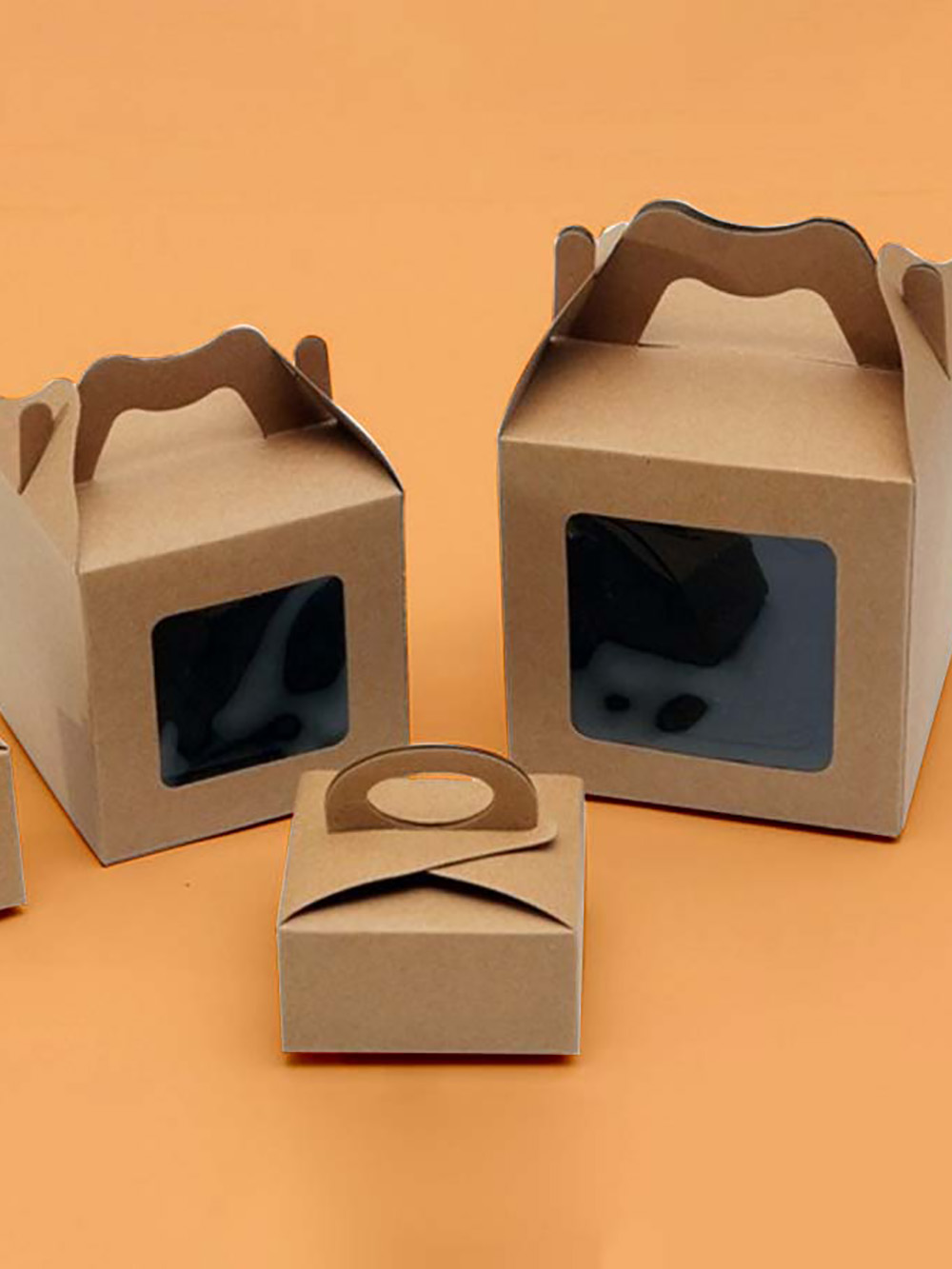
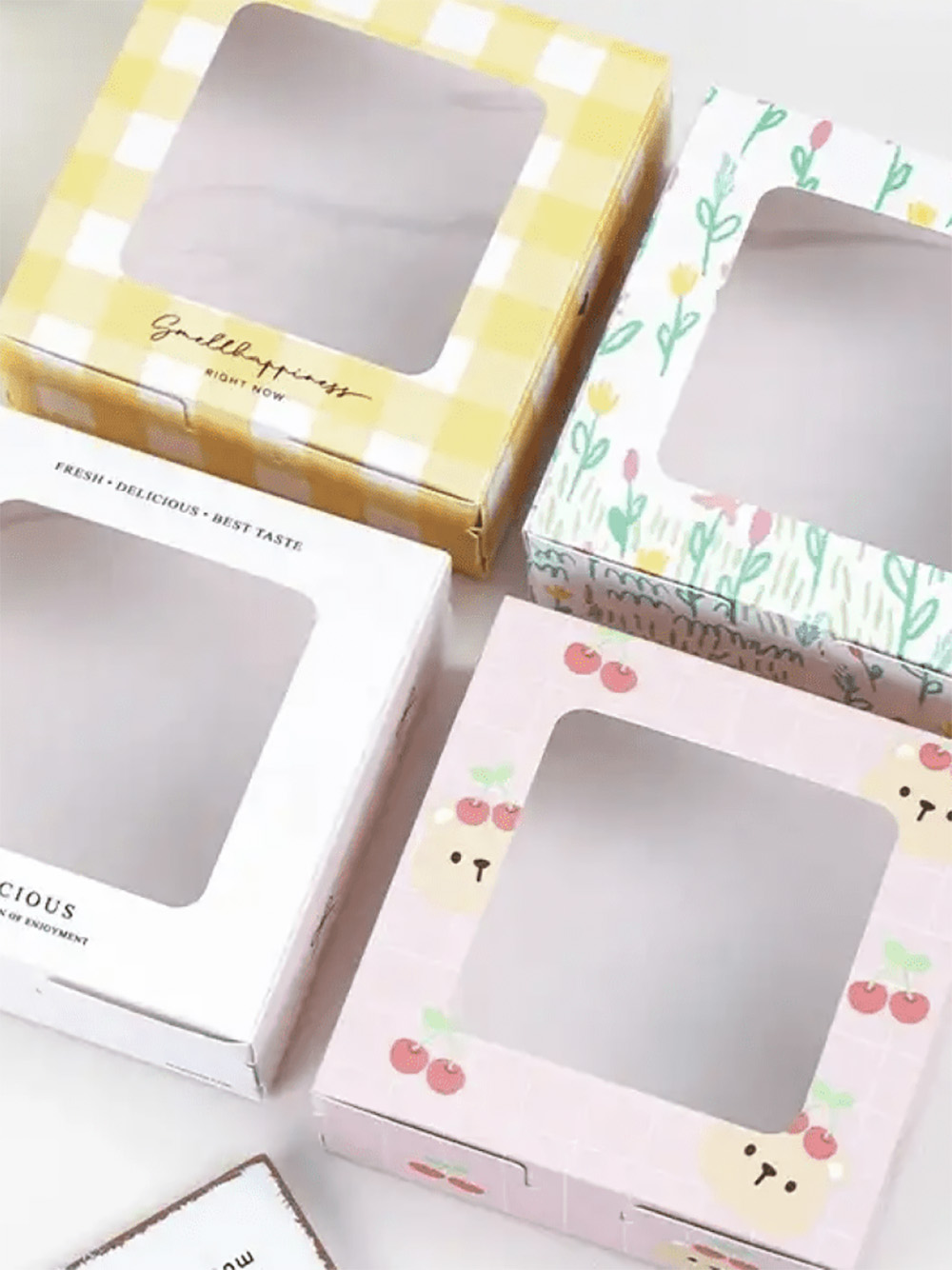
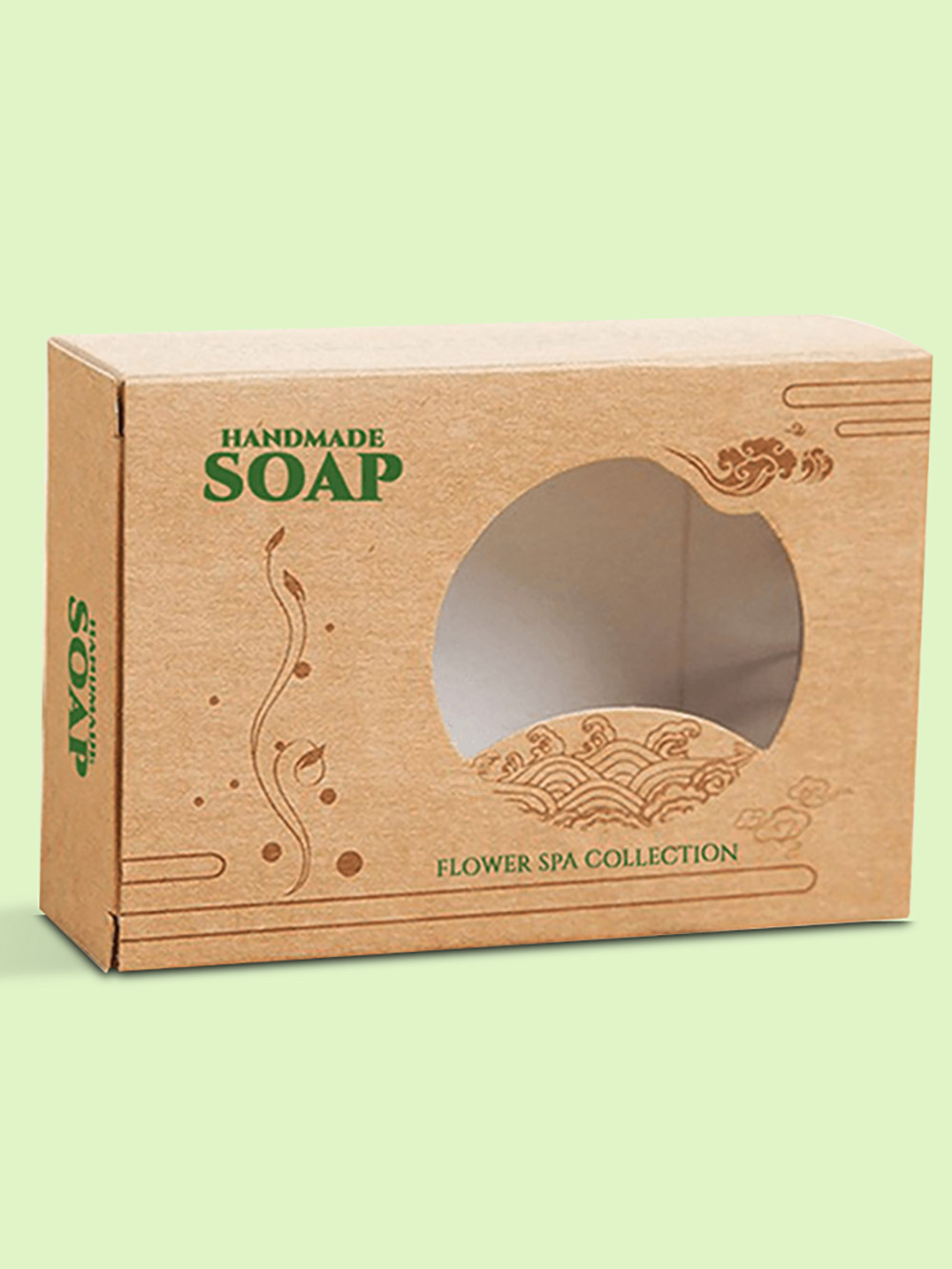
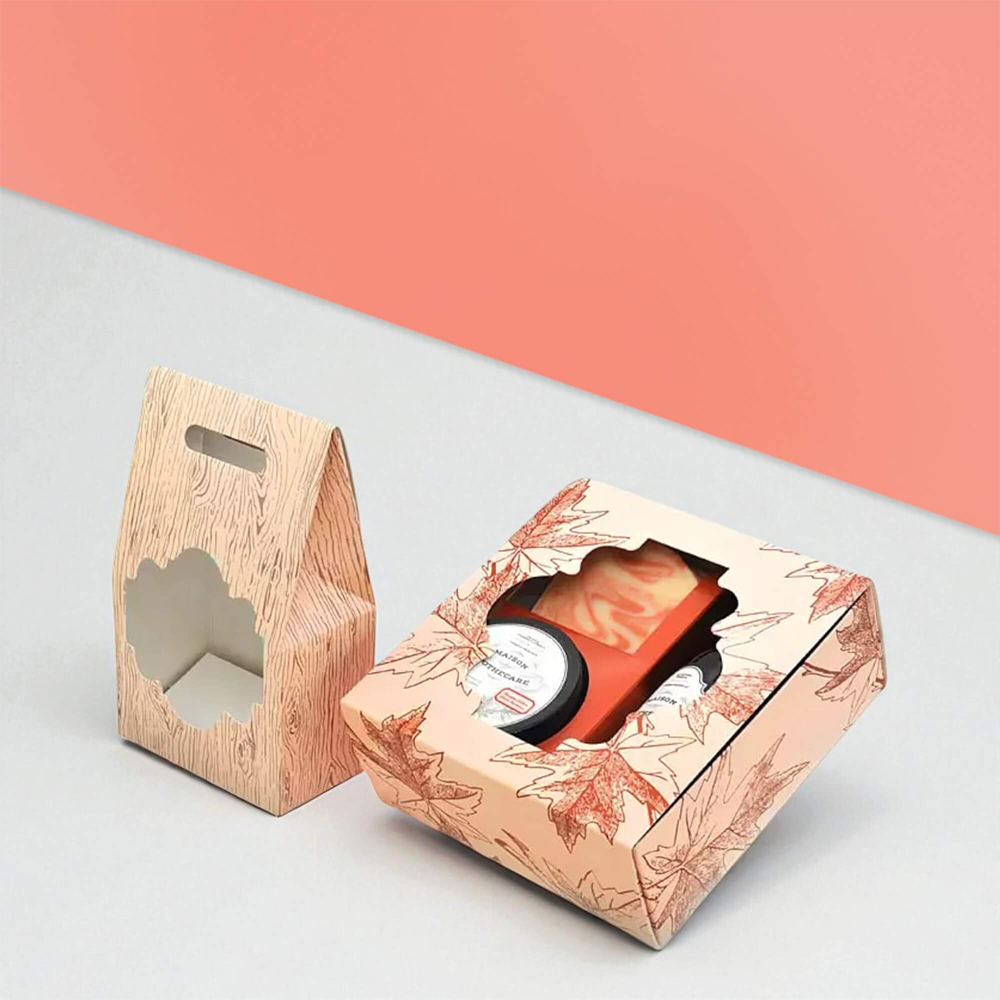
What Brands Ask Us About Die Cut Cardboard Boxes
- How long does it take to build and test a custom die?
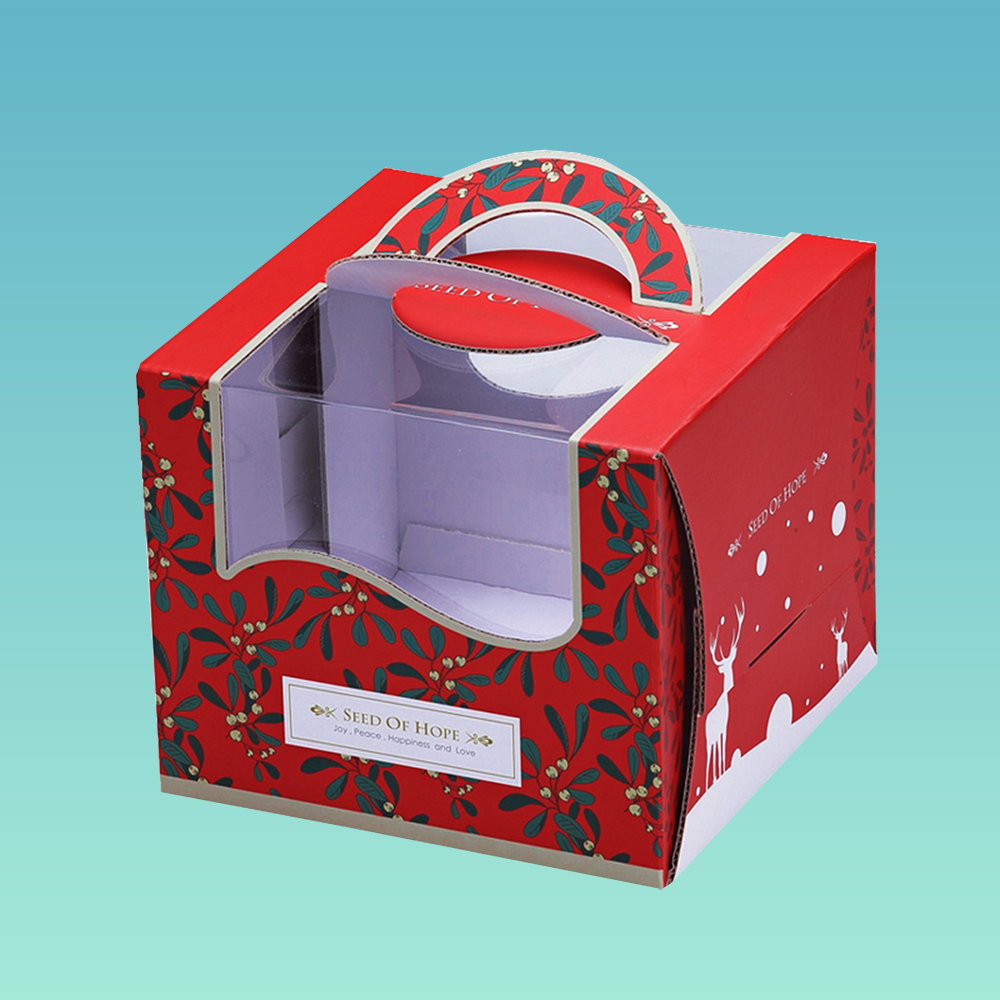
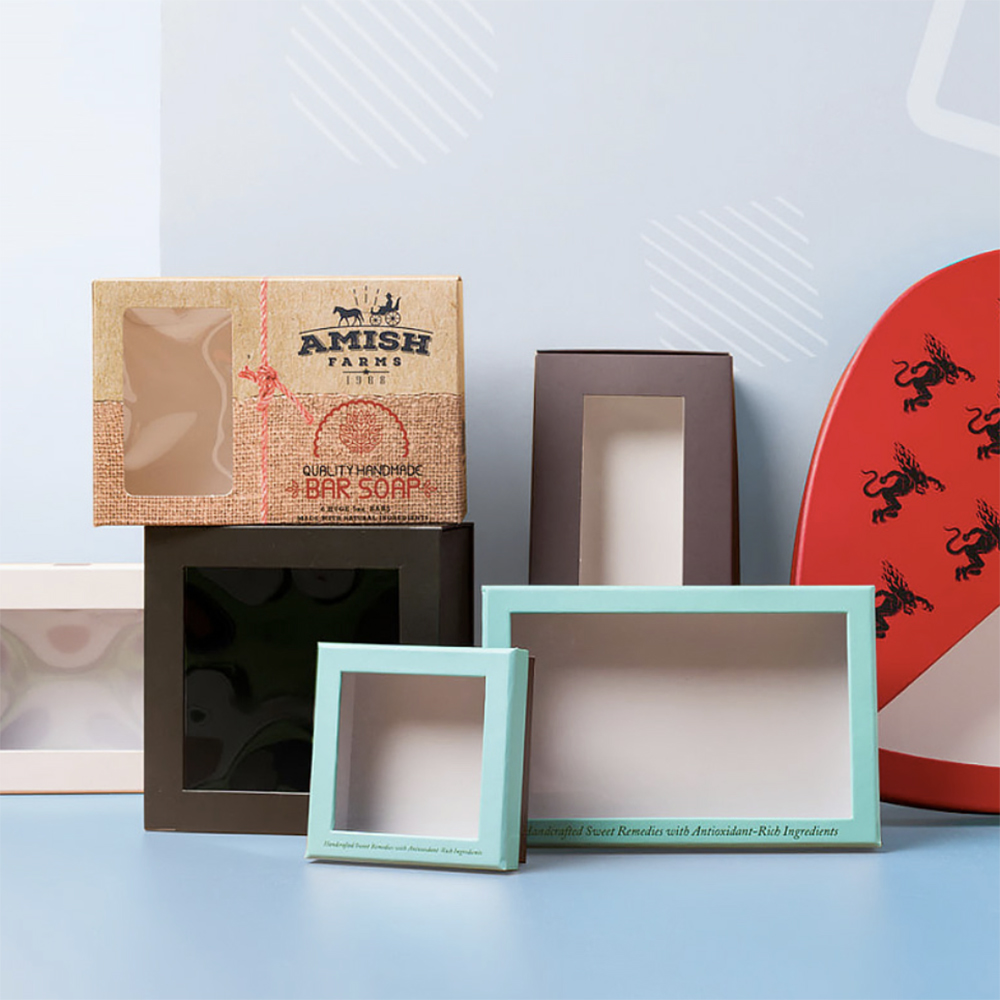
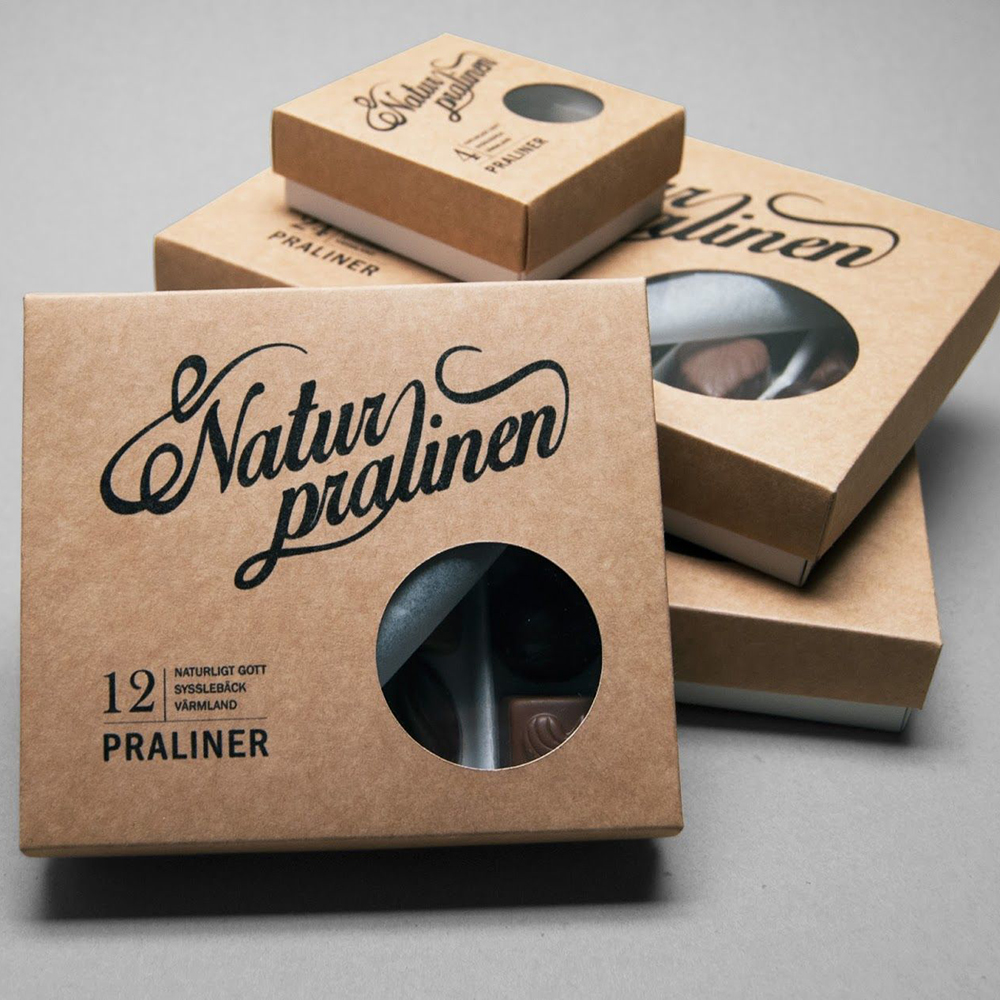
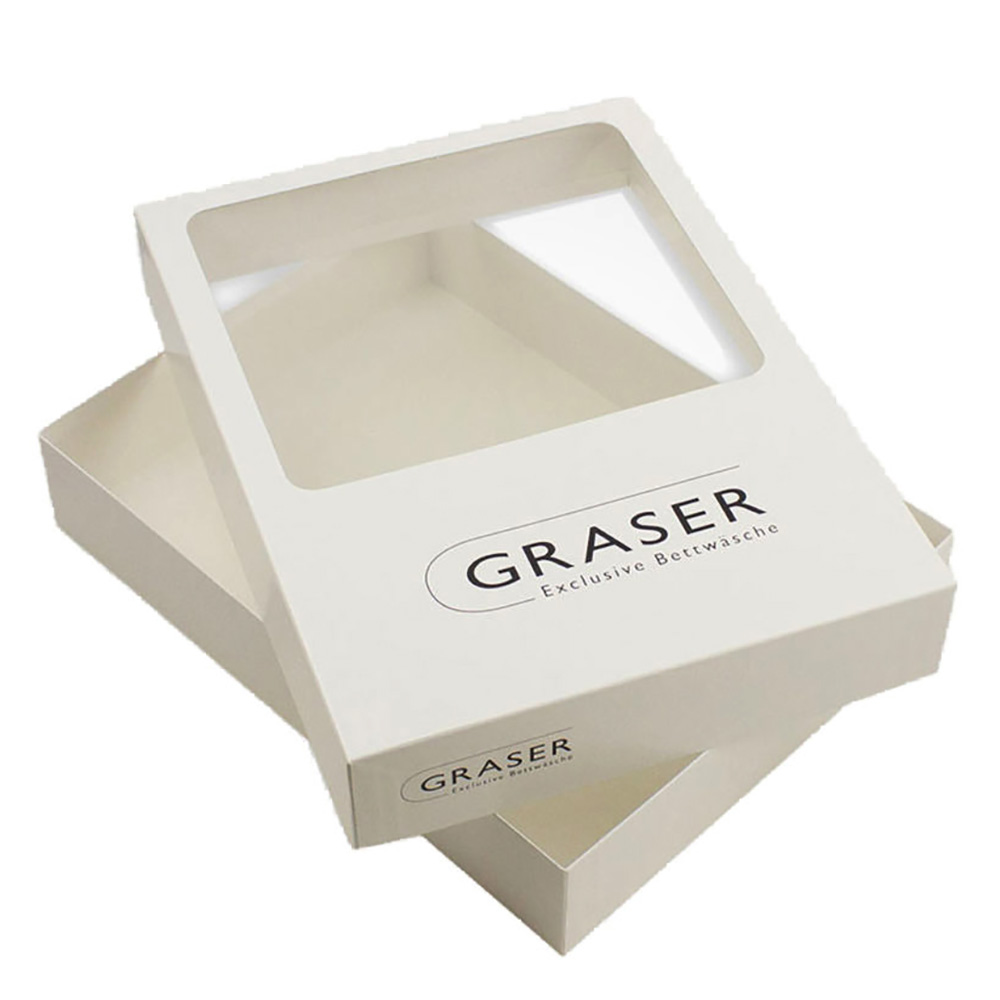
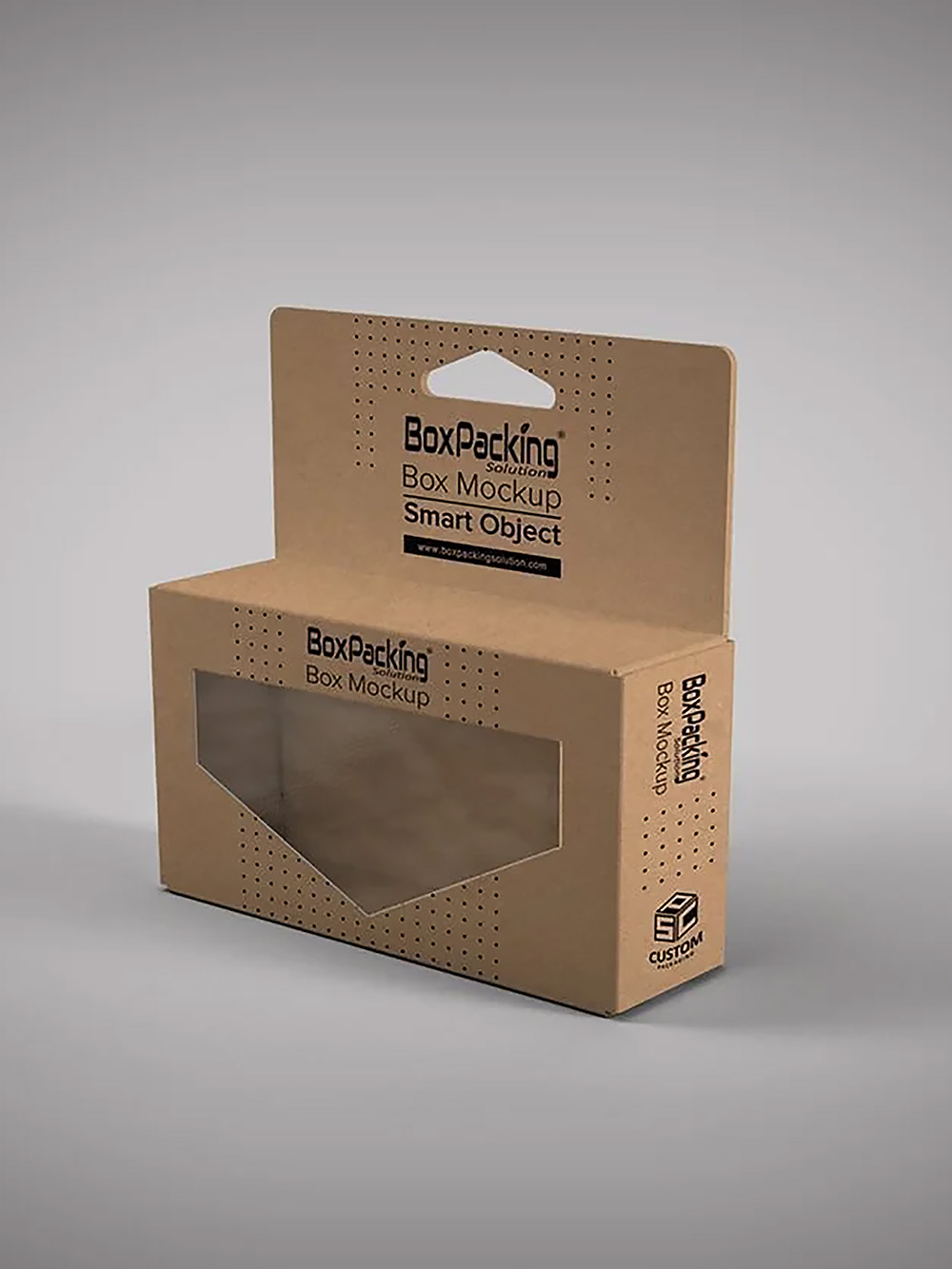
- Can a single die include windows, handles, or interior compartments?
- Does die-cutting cost more per unit at real production volume?
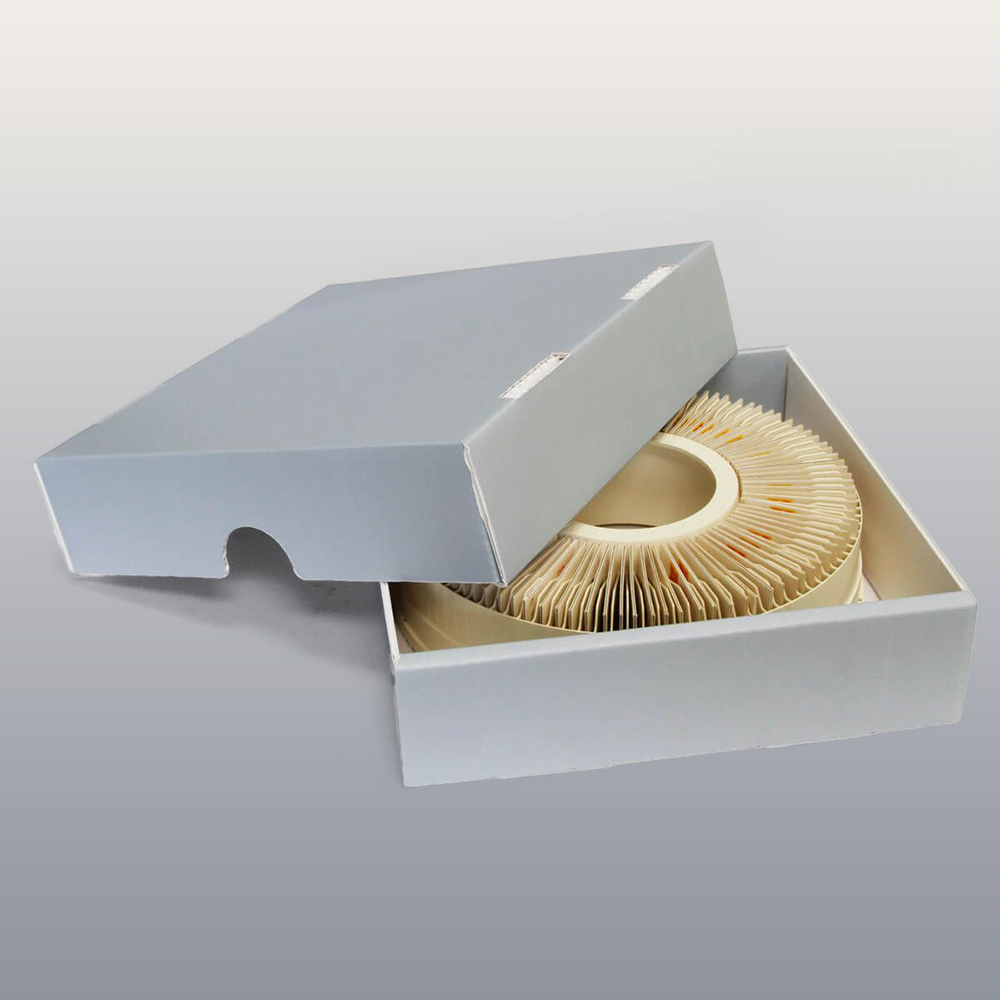
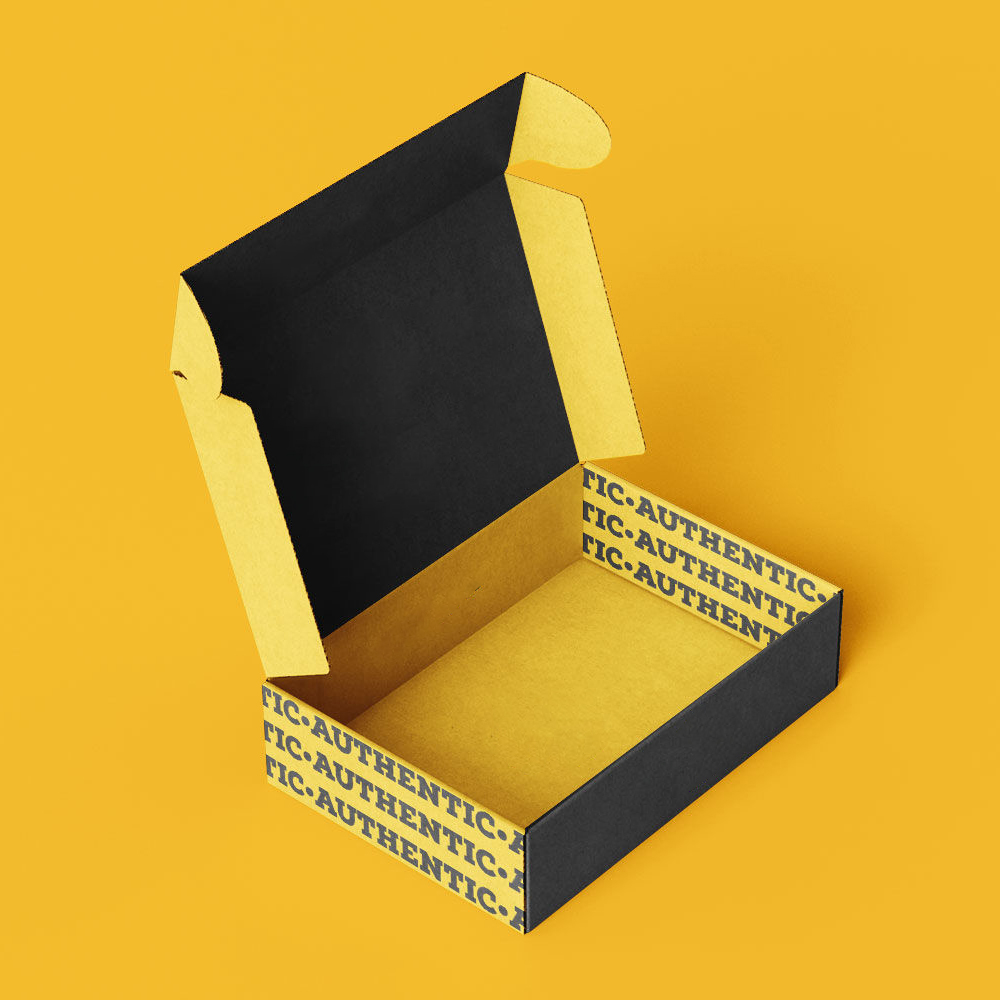
We ship die-cut cardboard boxes wholesale to cosmetics brands in Charlotte and speciality retailers in Raleigh alike, and the reason holds stable across both: a box cut to a product’s exact shape eliminates the loose fit and extra filler that generic boxes almost always need. The dies we build are tested against a real prototype before any production run starts. Running a full custom packaging line too? Our die-cut cardboard boxes USA team builds precision cuts across everything from simple trays to complex retail packaging.
A Cosmetics Brand’s Fit Problem Solved in Charlotte
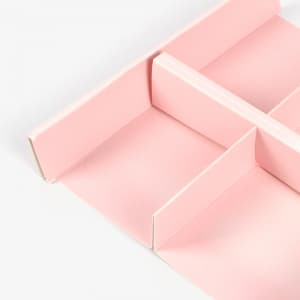
A cosmetics brand shipping glass jars out of Charlotte had relied on a generic rectangular box padded out with loose void fill to stop jars from shifting in transit. Damage claims stayed persistent no matter how much filler got added. Switching to die cut cardboard boxes with a custom interior tray solved it directly. The founder explained it simply: “Once we had a tray cut to the exact shape of the jar, the problem just went away.” Damage claims dropped sharply without adding extra packing material- the same fit-first approach we bring to every Cardboard Counter Display Boxes USA project too.
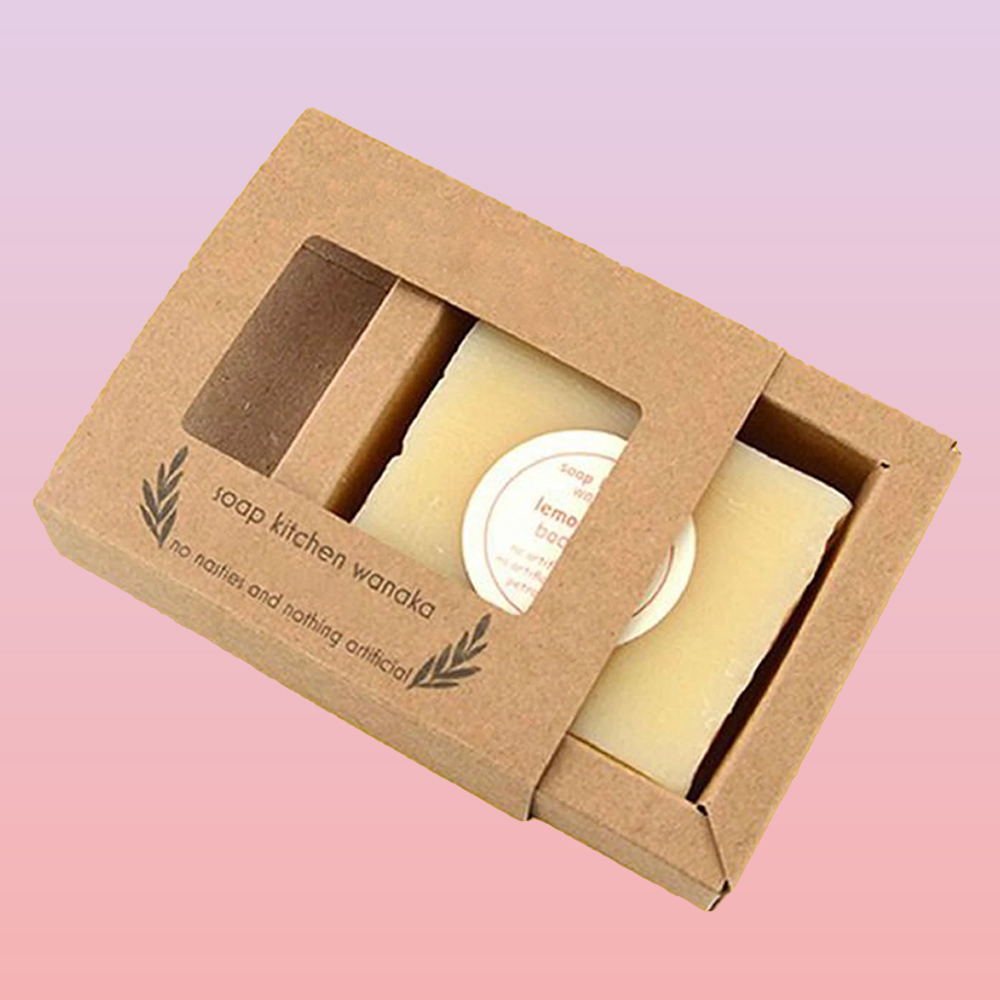
Why a Generic Box Costs More Than a Custom Die
- Extra void fill adds up fast. A box that almost fits needs padding to make up the gap, and that material cost repeats on every single unit shipped.
- Loose fit still doesn’t stop movement. Padding compensates for a bad fit, but it rarely eliminates shifting completely the way a properly cut tray does.
- We map dimensions before cutting, not after. Every die is built against real product measurements upfront, which is why brands building a premium unboxing experience trust us over a supplier reselling generic stock sizes- the same reason fit matters on every Custom Rigid Boxes USA order too.
What Die Cut Cardboard Boxes Have Taught Us
Die-cut boxes look simple, but getting the cut right is more involved than it seems. A tolerance that works fine for a light, rigid product can be too loose for something heavier or oddly shaped, and a die built without testing against a real prototype often needs a costly rework once production starts. We’ve built our process around real product testing rather than a generic assumption that any die will do, and that same attention carries into our Custom Business Card Boxes USA and Corrugated Mailer Boxes USA work too.
Beyond Die Cut Cardboard Boxes
Die-cutting isn’t limited to one packaging category. Our Custom Shaped Rigid Boxes USA line uses the same precision process for premium retail packaging, and our Presentation Boxes and Display USA team can build a matching die-cut display for a coordinated look. Dies typically use single-wall, double-wall, or rigid stock, take one to three weeks to build depending on shape complexity, and hold a tolerance around ±1/16 inch. Orders start around 300 units to justify die setup, with a full lead time of three to five weeks.
Frequently Asked Questions
What's the difference between die cut cardboard boxes and standard cardboard boxes?
Templates are generic. Dies aren't. Every die-cut box starts with your product's actual shape, and the die gets built around that, not the other way around. That's the whole reason the fit ends up tighter than anything a standard box can offer.
How long does it take to build a custom die?
A few weeks, usually, to build and test a new die. The exact time depends on how complex the shape is.
Can die-cut boxes include windows or handles?
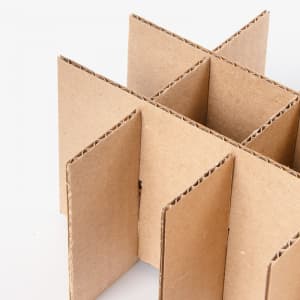
Yes. Windows, hand-holds, and interior compartments can all be built into a single die when specified before production.
Are die-cut cardboard boxes more expensive than standard boxes?
There's typically a one-time die cost, but per-unit costs at volume are comparable to standard boxes.
Can one die be reused for multiple production runs?
Yes. A die that's properly maintained holds up across many production runs, which is exactly why the upfront cost pays for itself quickly on repeat orders.
Do die cut cardboard boxes work for both retail and shipping packaging?
Yes. Die-cutting applies equally to retail-ready boxes, interior trays, and outer shipping cases. Hale Path Packaging builds die-cut boxes precise enough to fit your product exactly and reliable enough to hold that fit through every unit in the run. Ready to get started? Enquire Now for a free die layout and quote.