Luxury Chocolate Gift Boxes
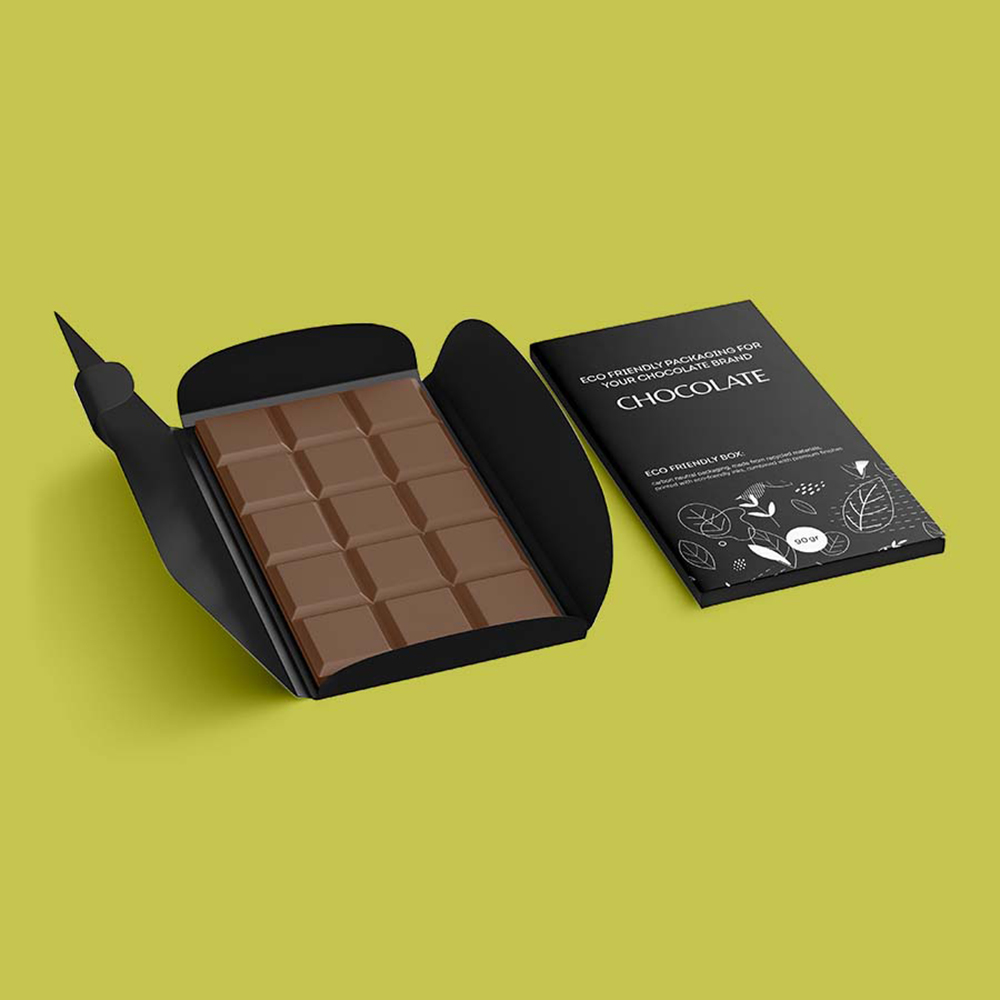
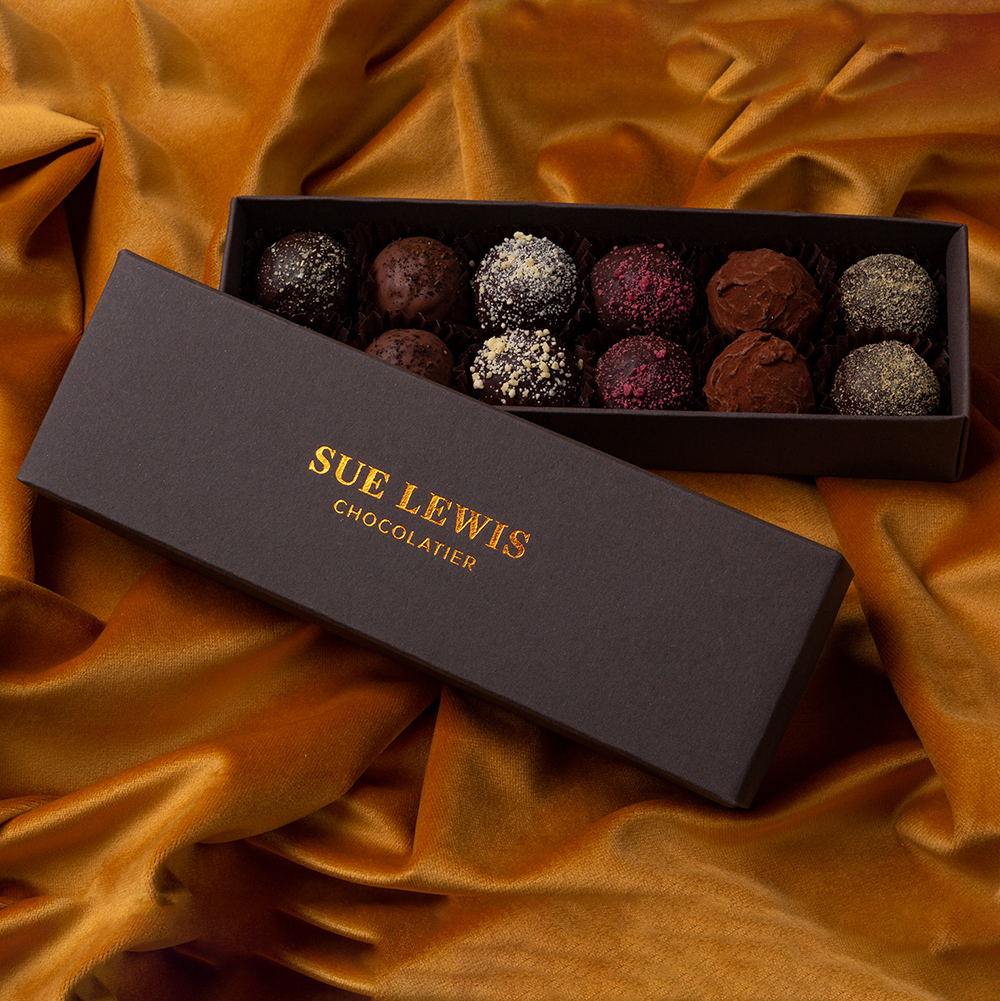
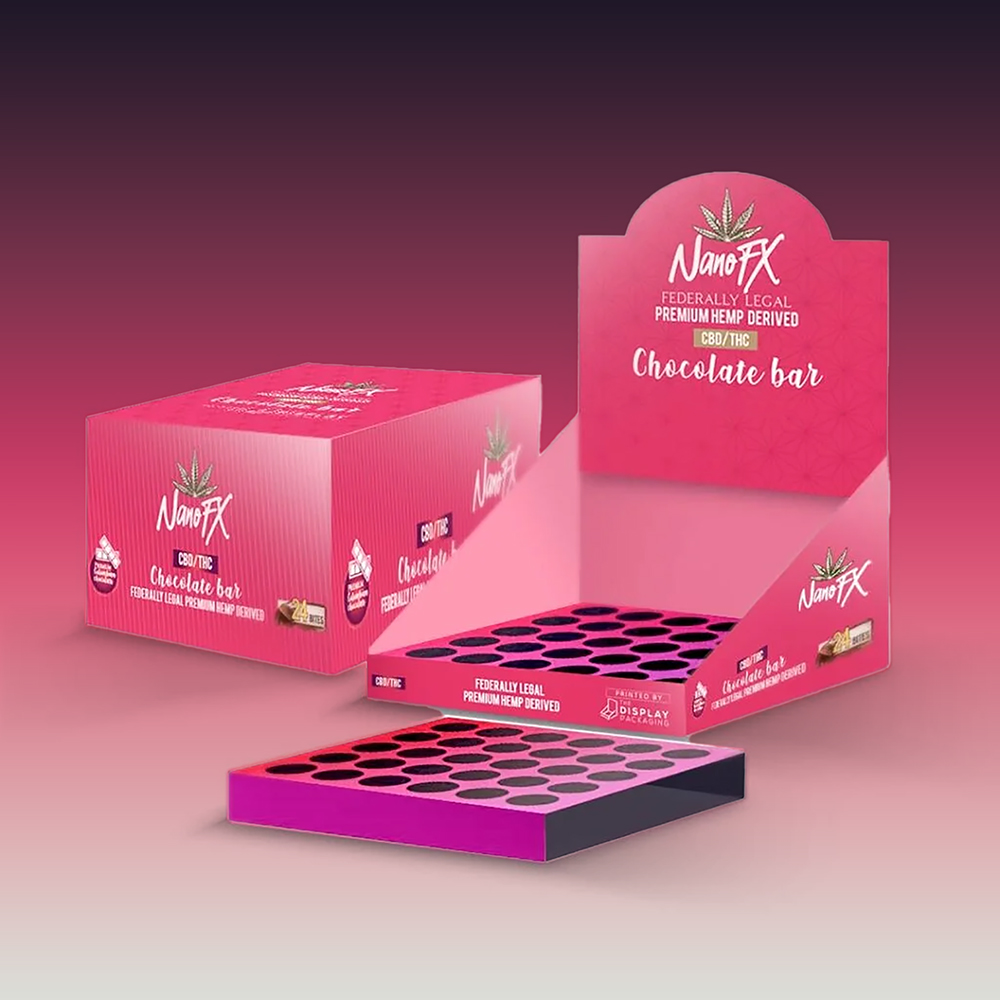
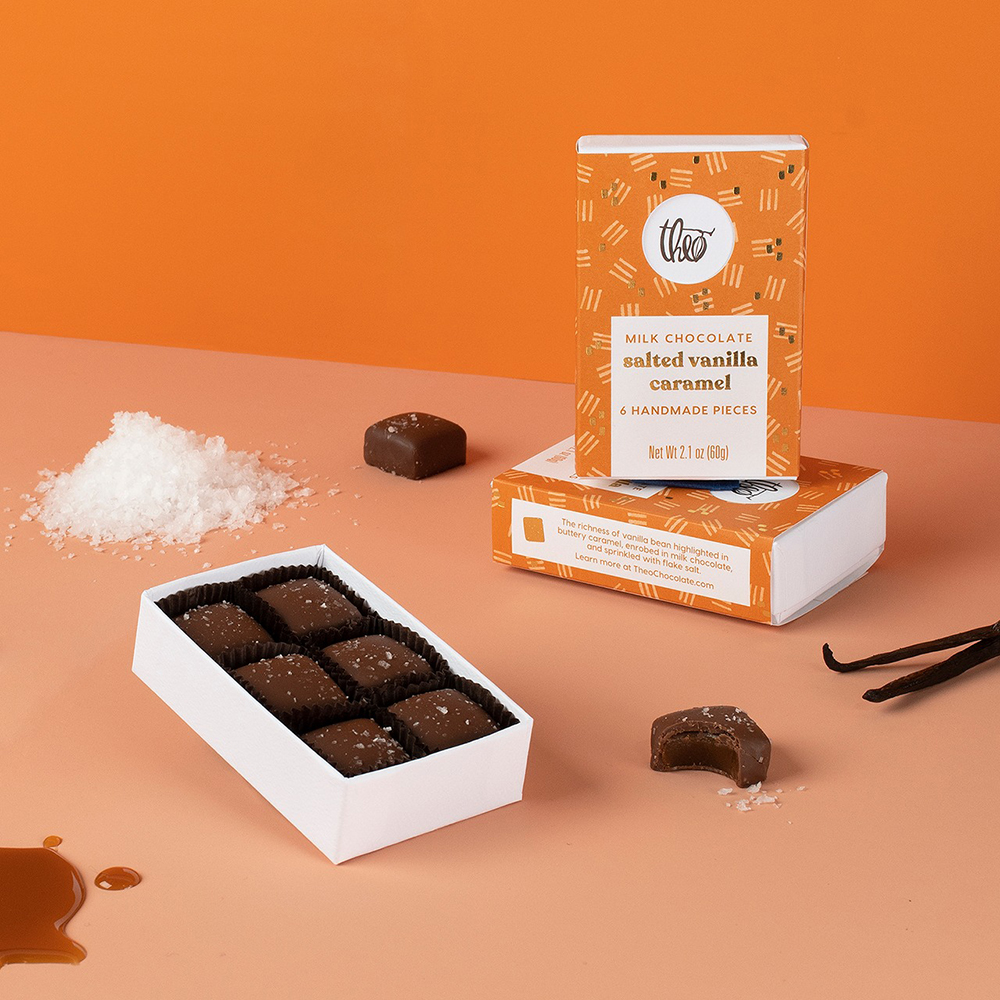
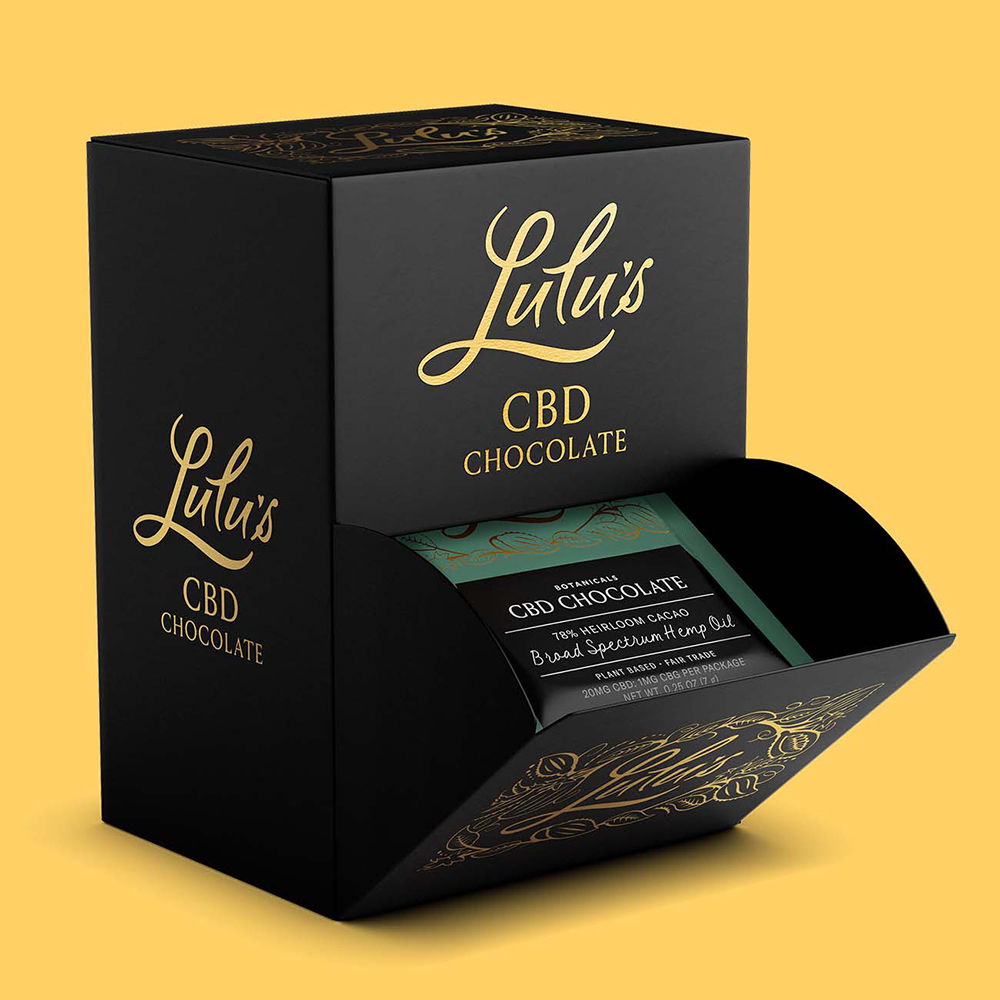
Luxury Chocolate Gift Boxes are designed to protect delicate chocolates while giving products a more elegant packaging for your brand. Get incredible services from Hale Path Packaging to boost your brand.
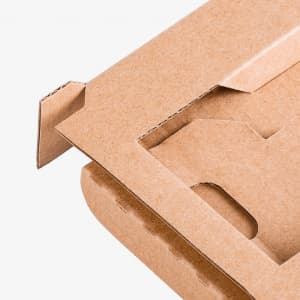
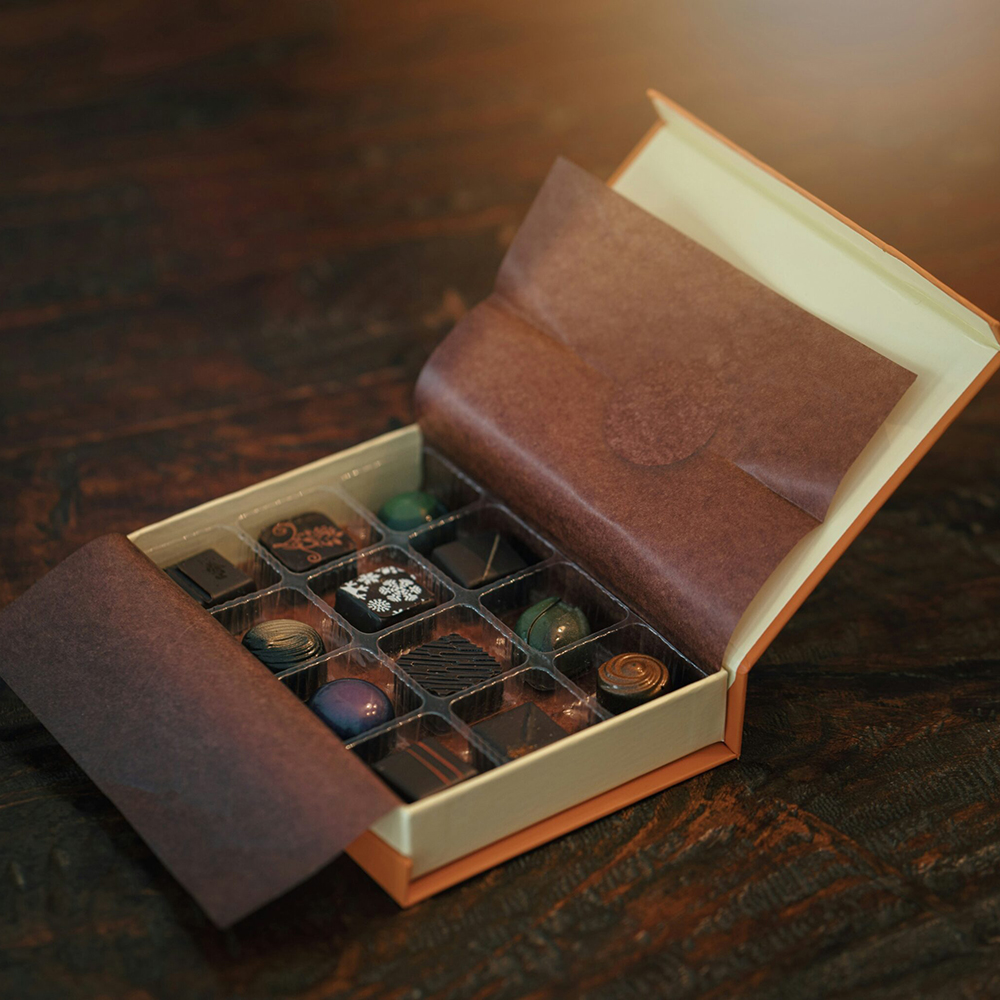
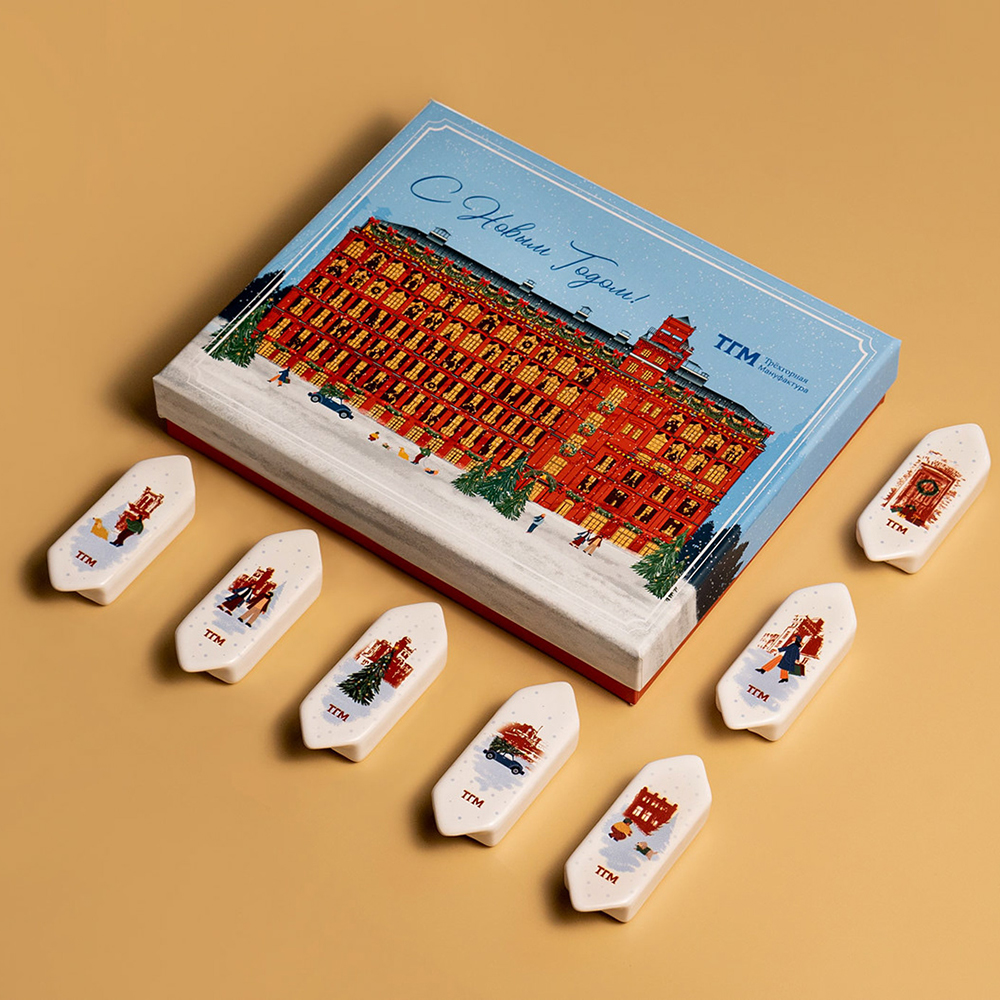
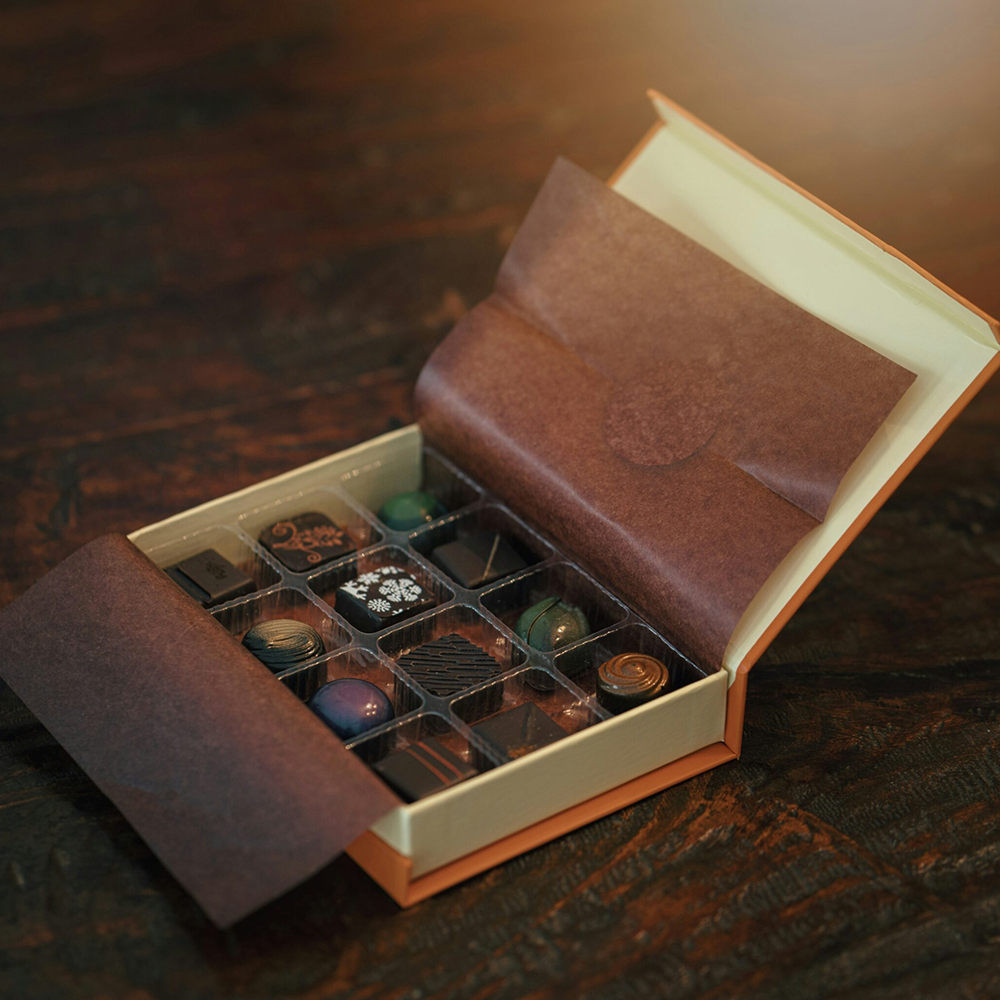
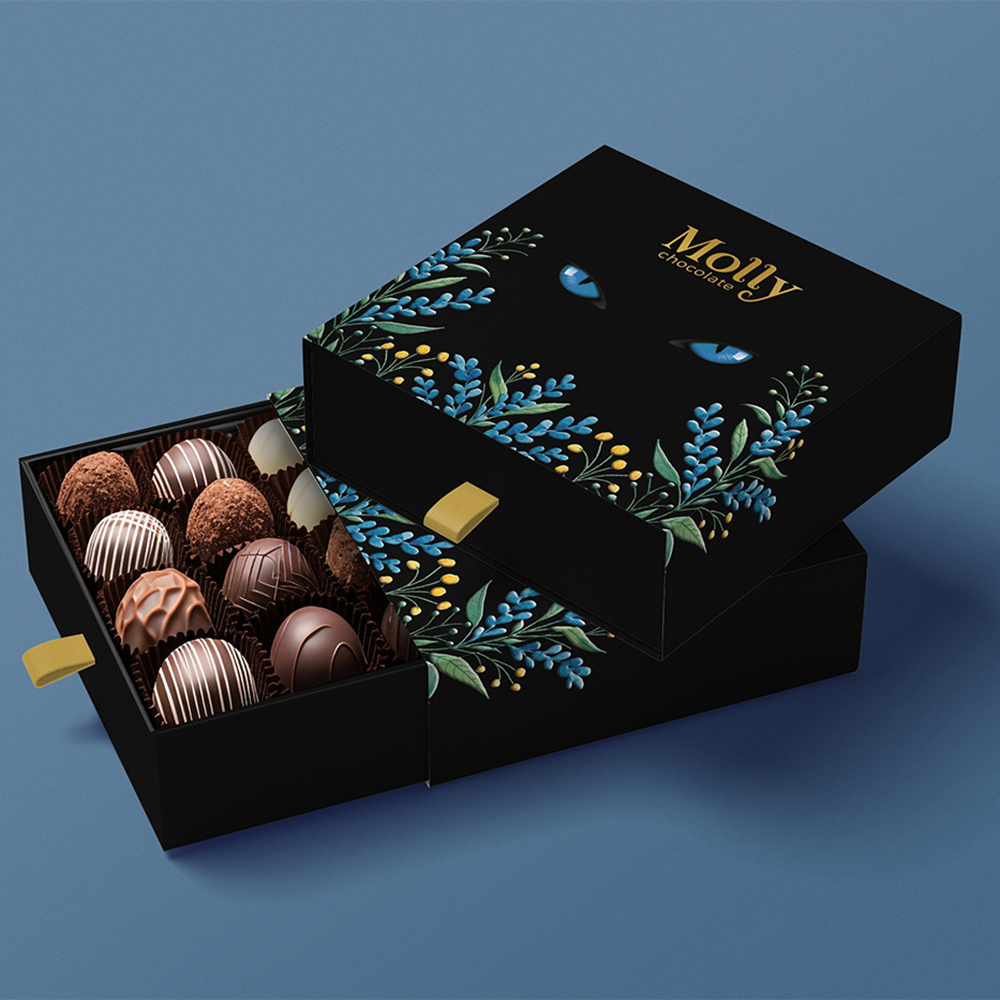
Luxury chocolate box packaging combine a rigid or kraft outer structure with molded cavity trays and foil-lined interior protection, keeping chocolate from shifting, scuffing, or melting in transit while presenting it the way a premium price point demands.
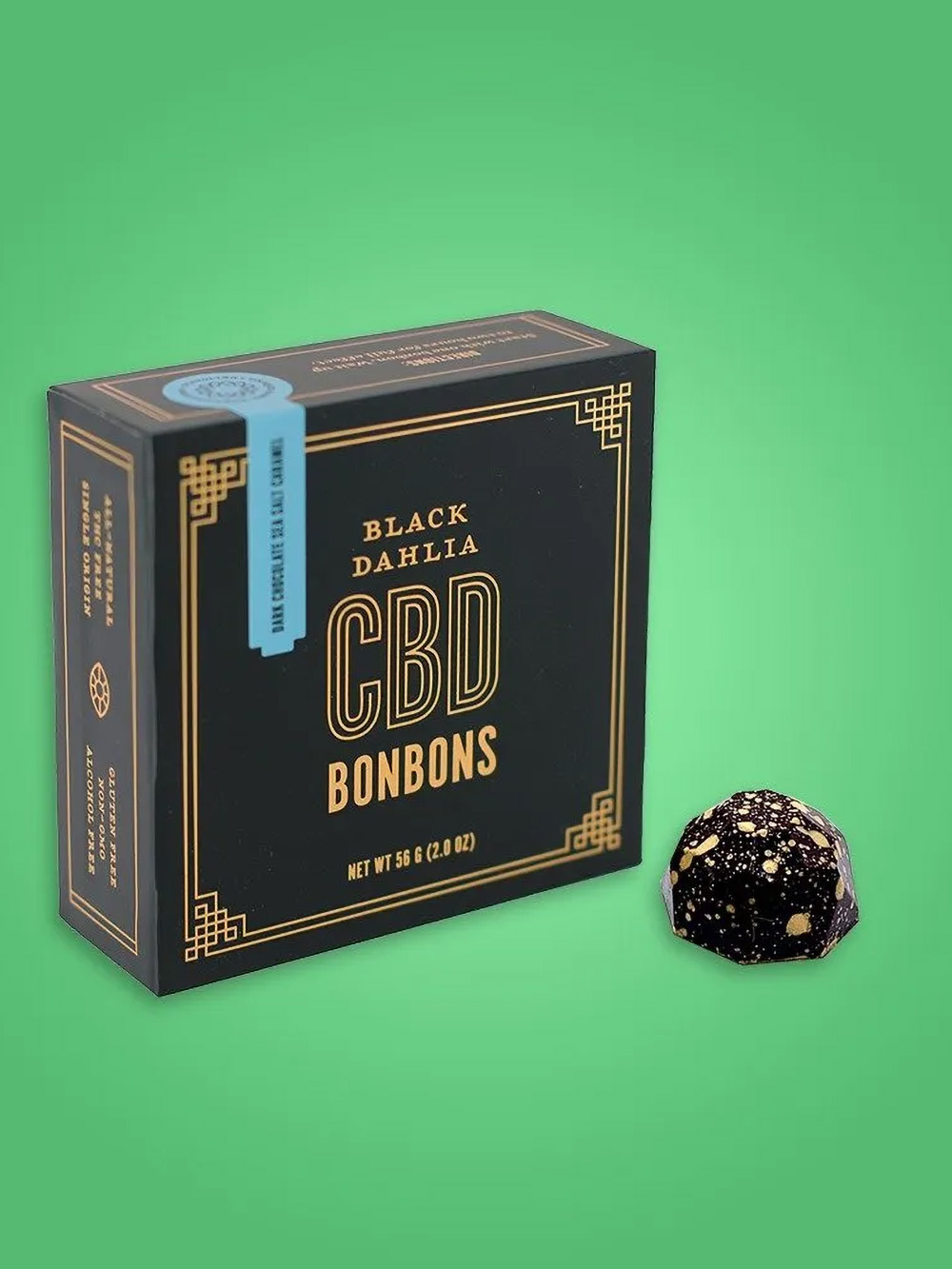
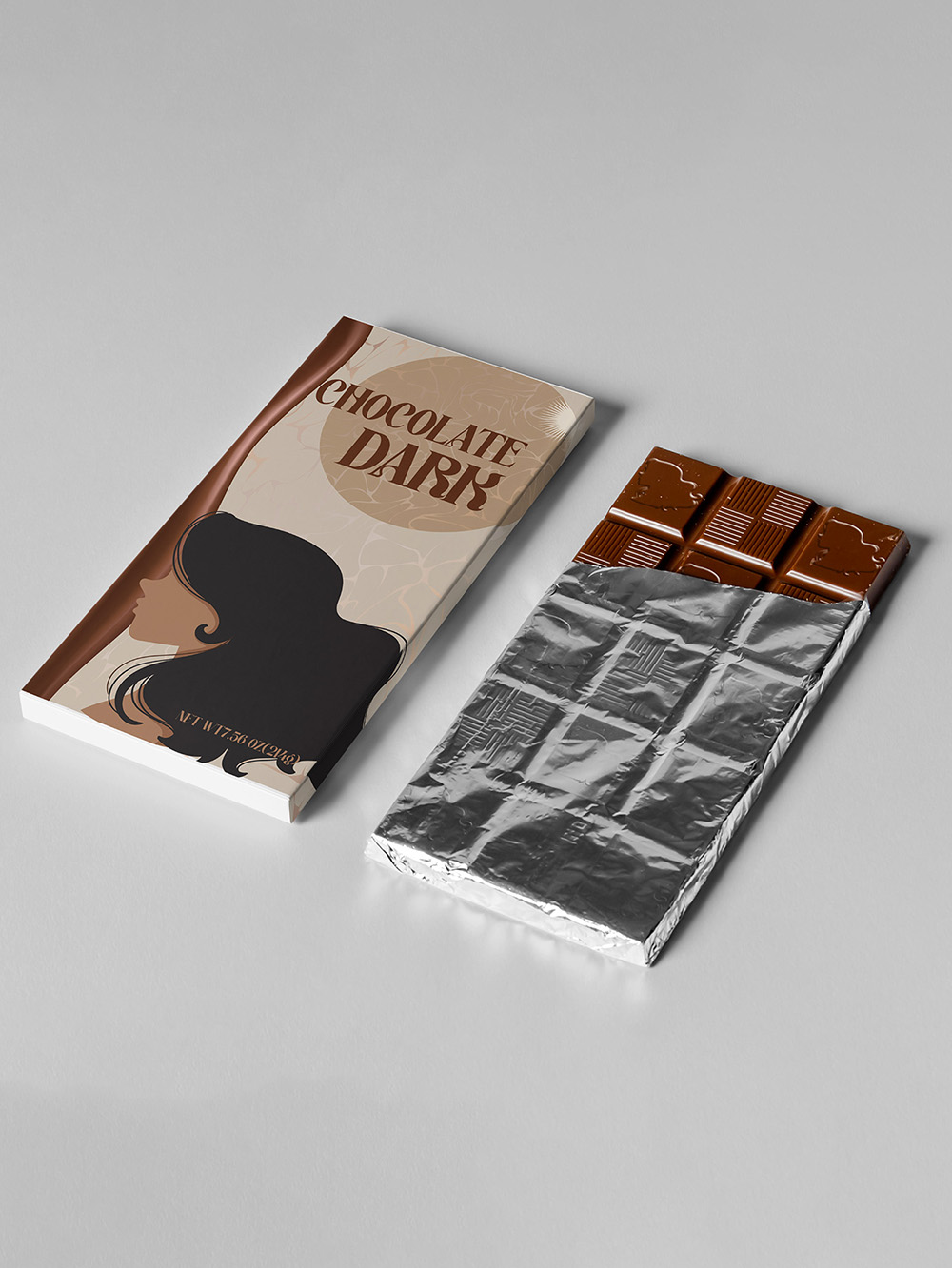
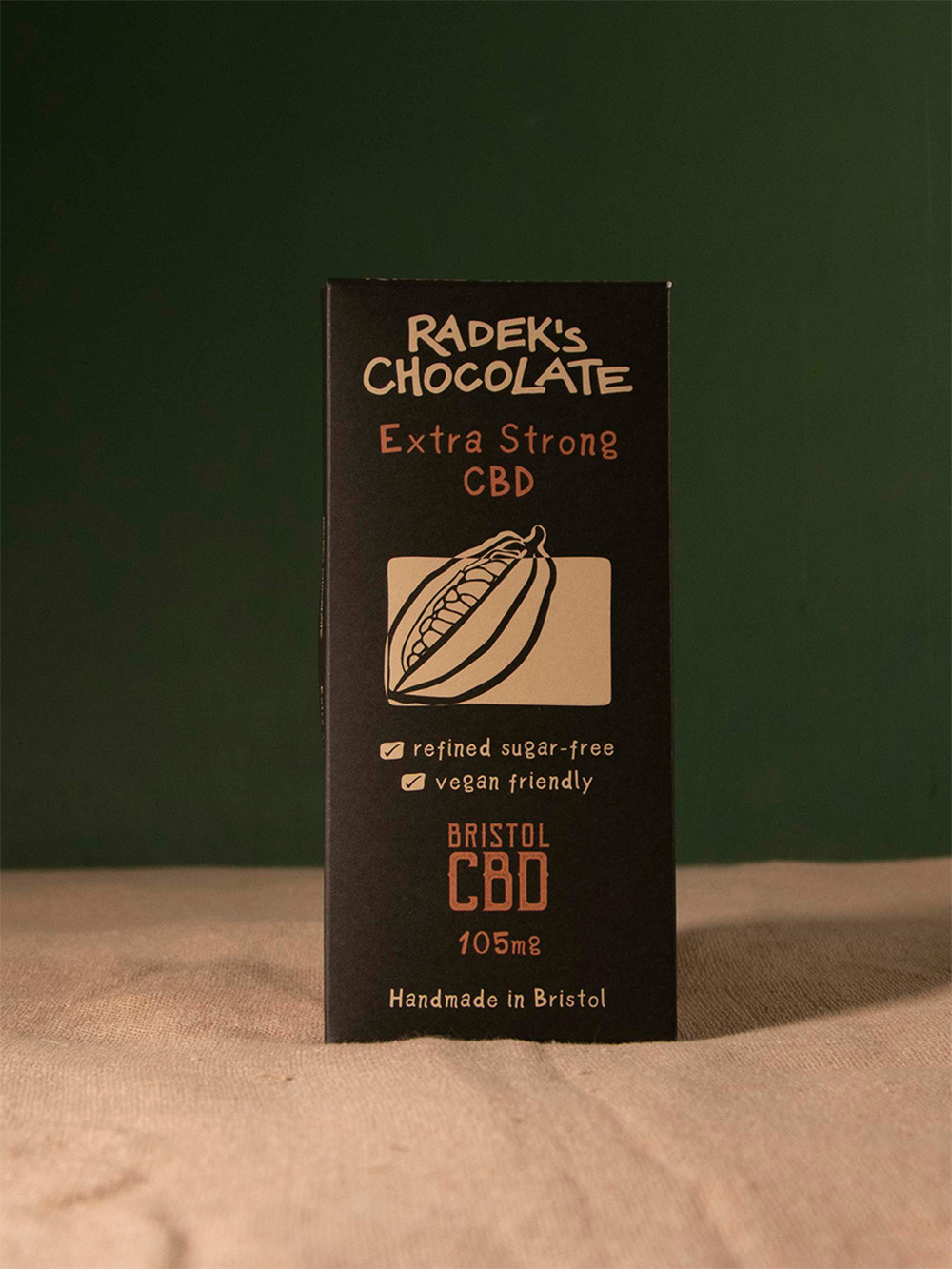
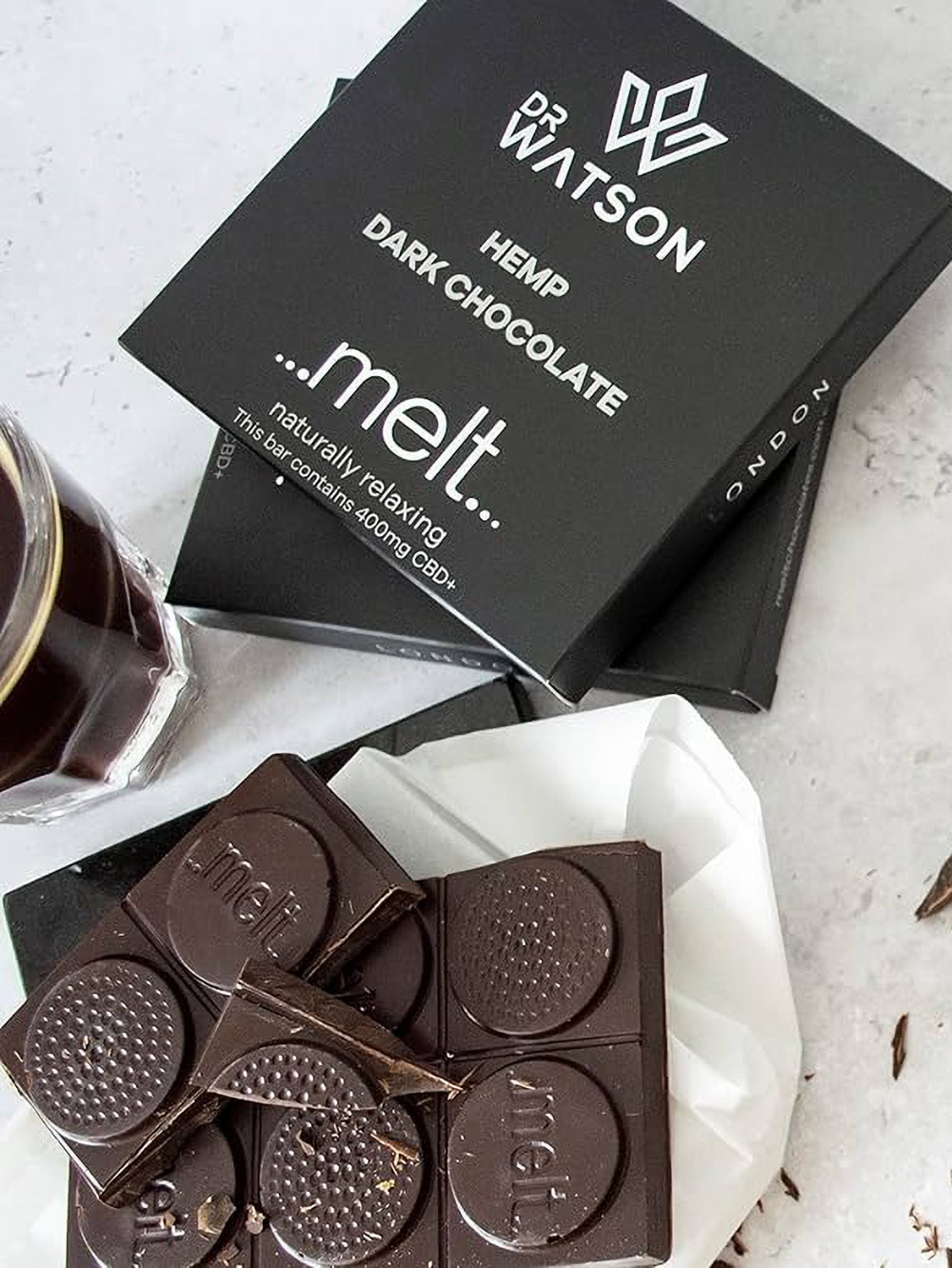
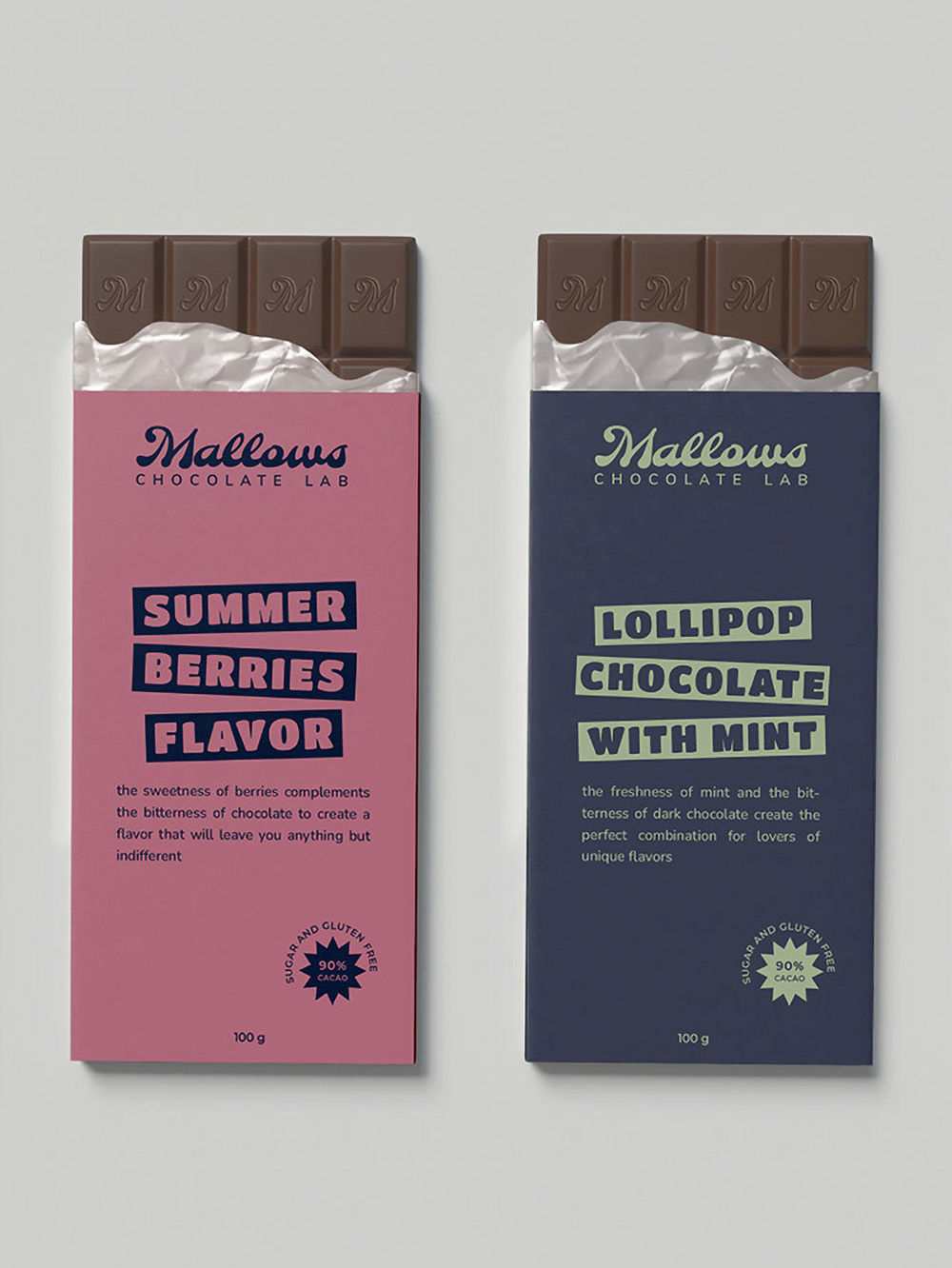
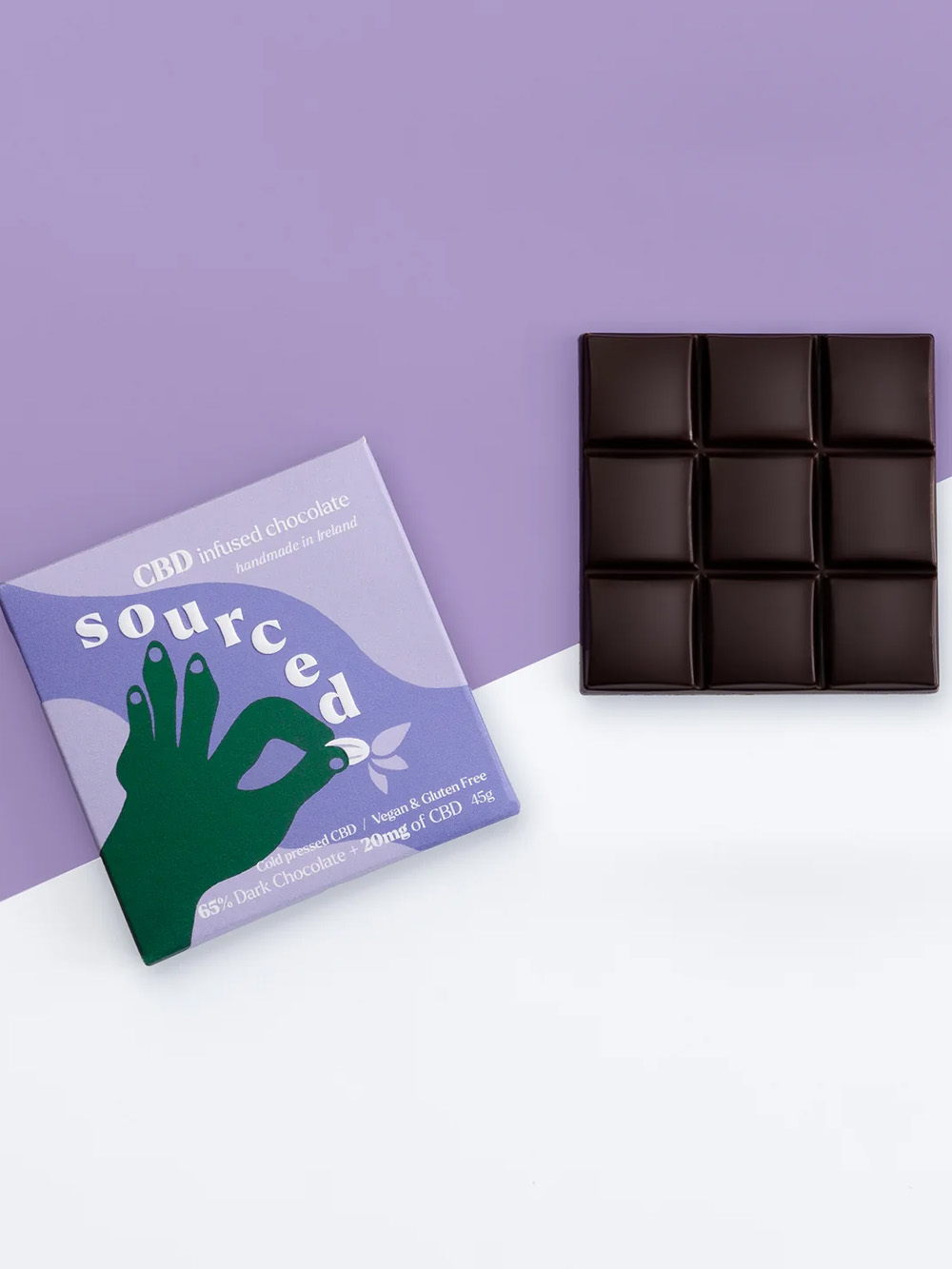
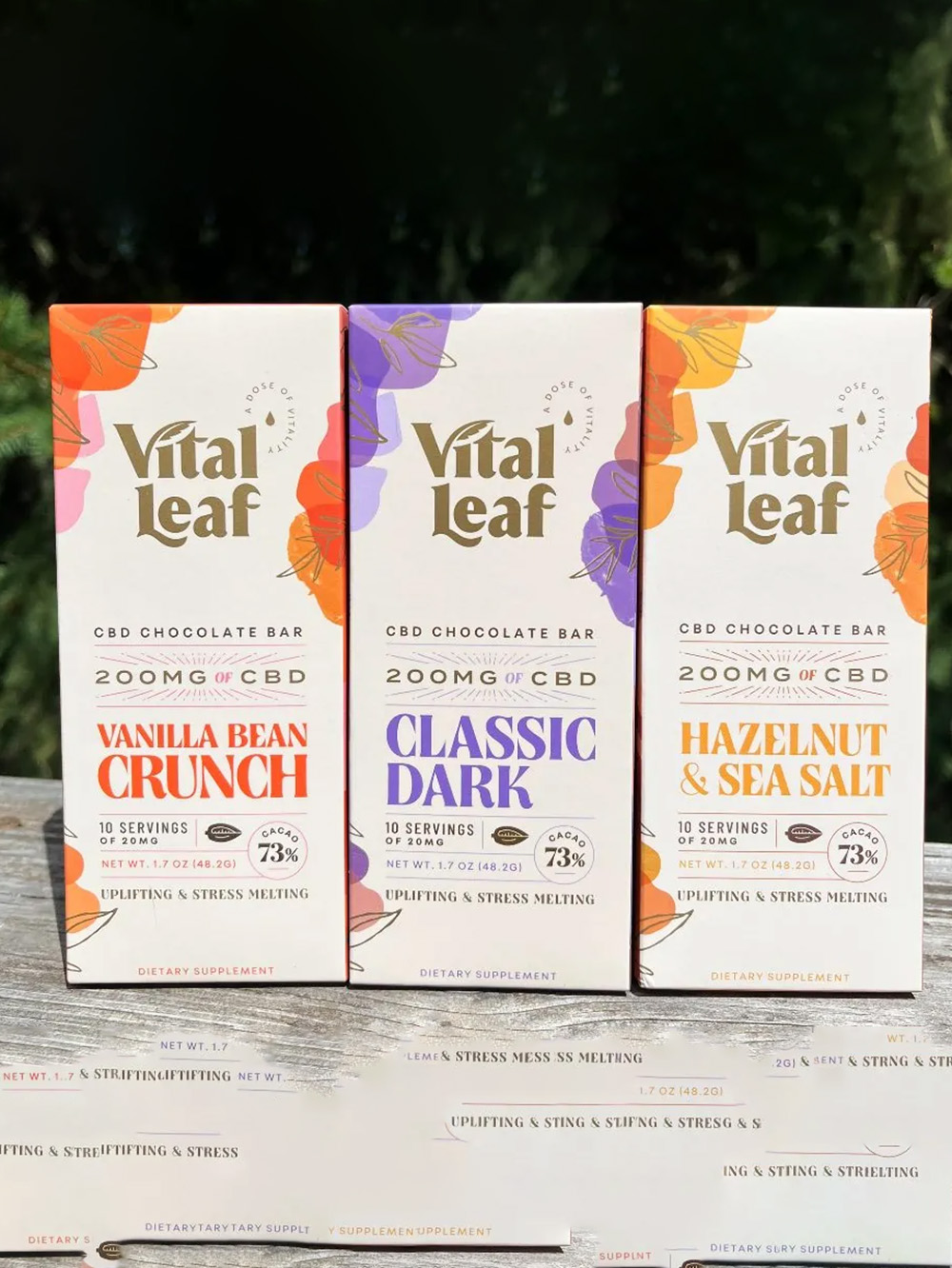
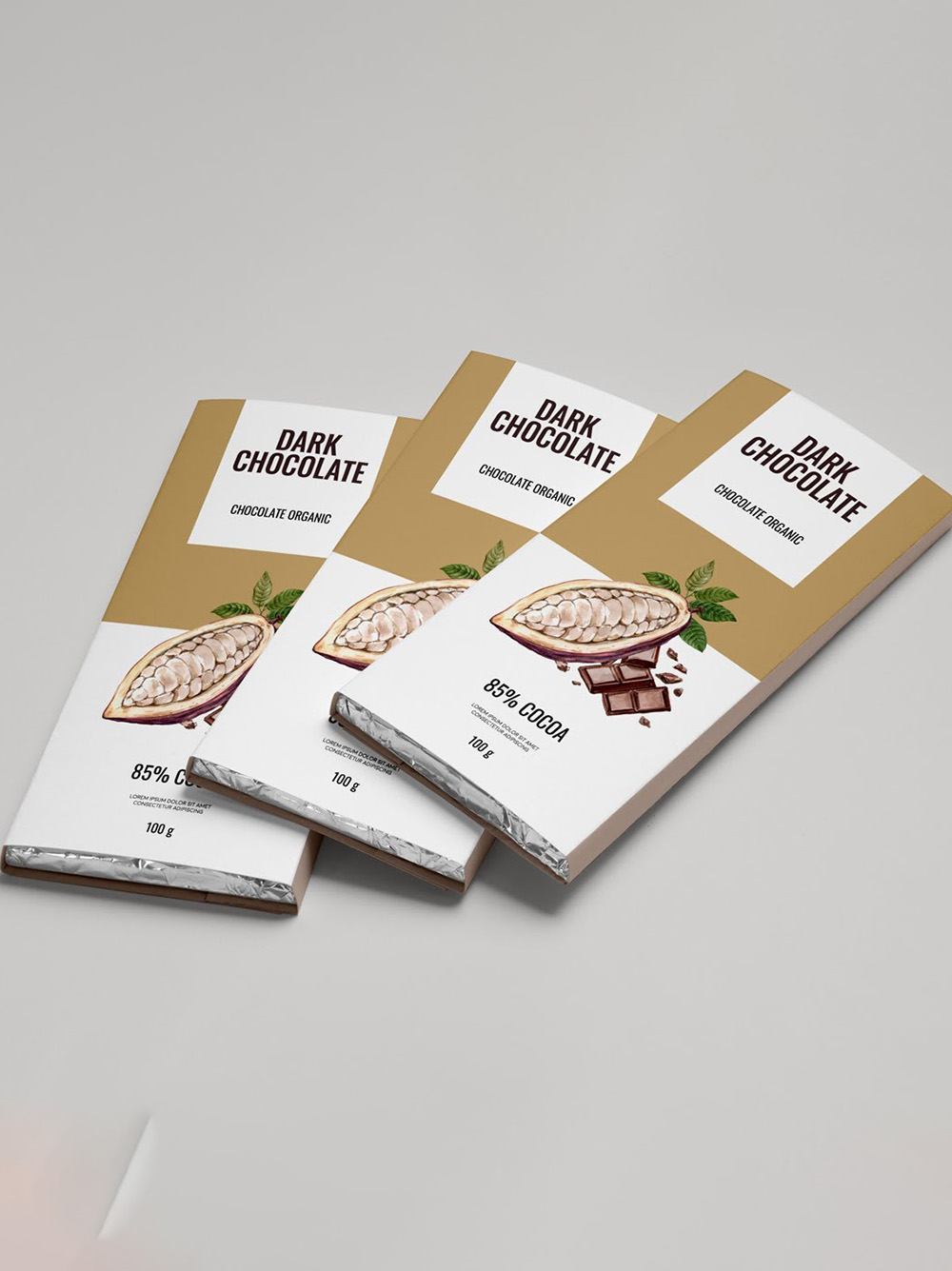
Luxury Chocolate Gift Boxes Gallery
What Are Luxury Chocolate Gift Boxes?
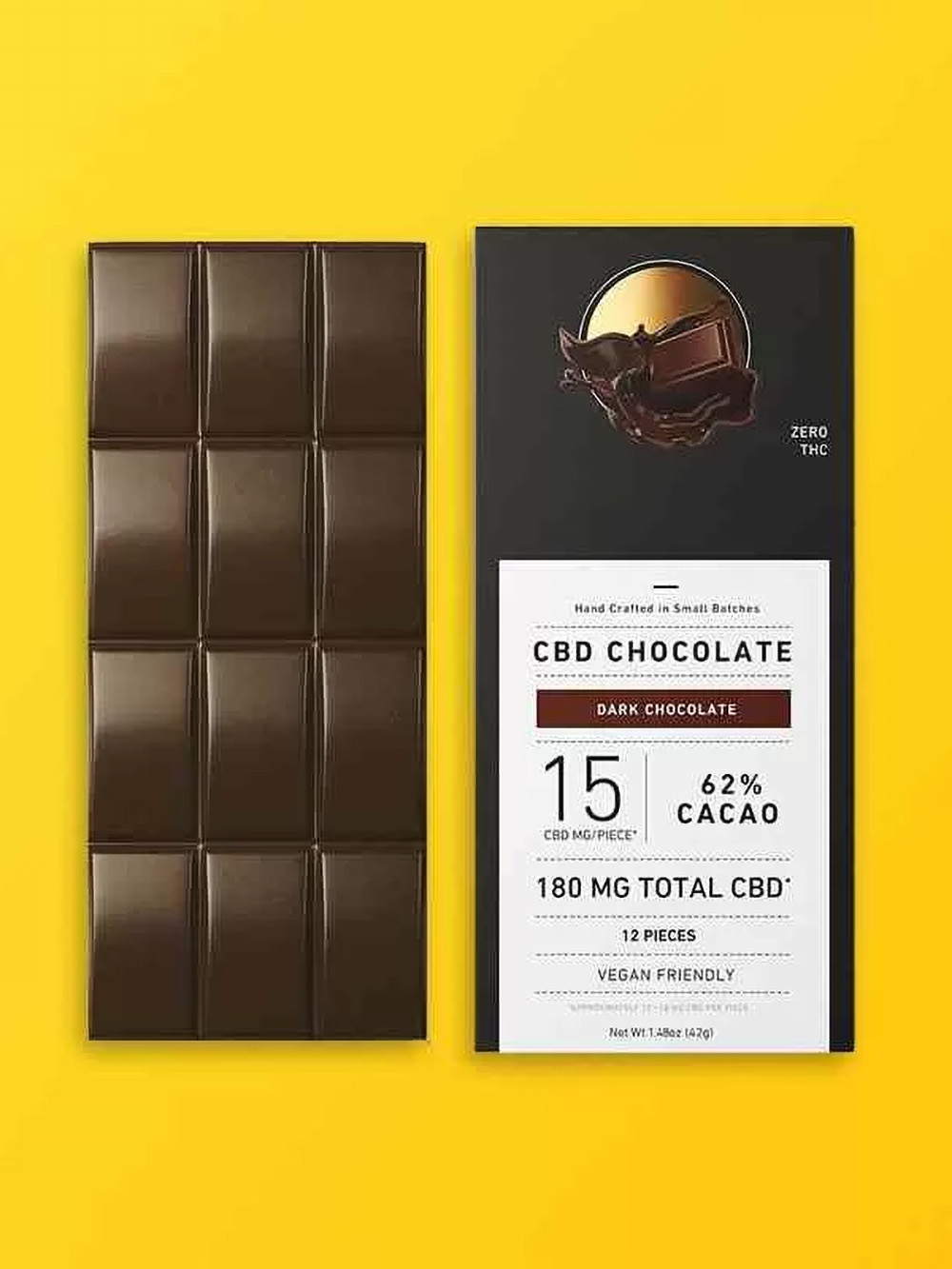
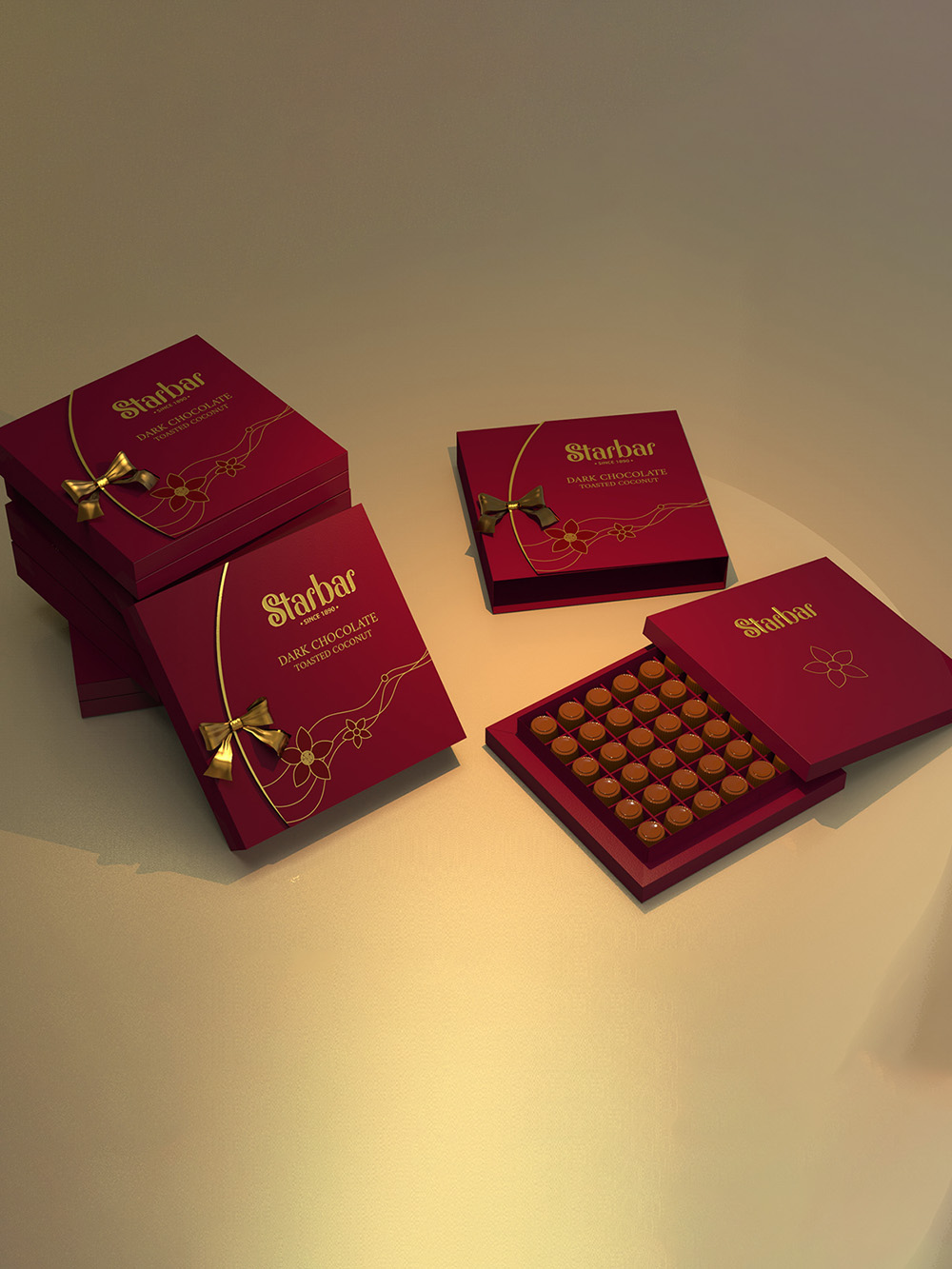
A luxury chocolate gift box isn’t just a decorated carton – it’s a structure built for a product that’s fragile in two directions at once: it breaks under impact and it melts under heat. The base structure sits in the chocolate and broader bakery & confectionery category, but the engineering underneath is specific to what chocolate actually needs.
Three components define a properly built box:
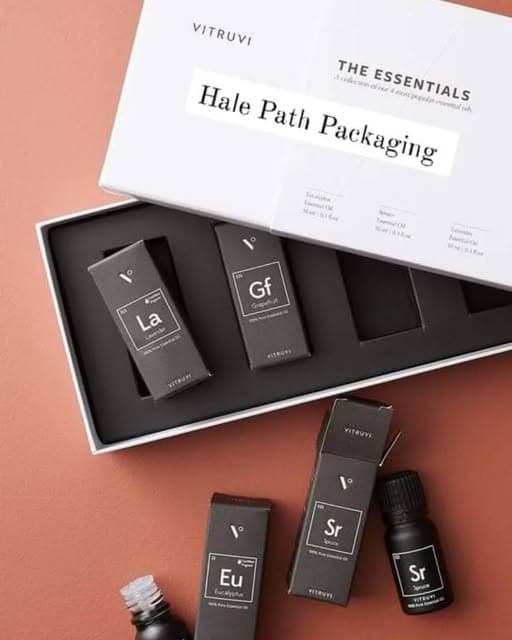
- Molded cavity trays — plastic or card stock inserts with individual compartments so pieces don’t touch, slide, or scuff each other.
- Foil-lined or wax-paper interior — a barrier layer that slows heat transfer and protects against light and moisture.
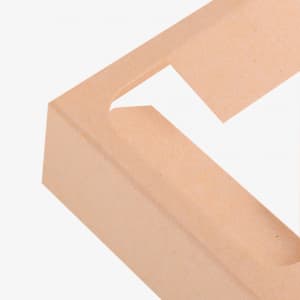
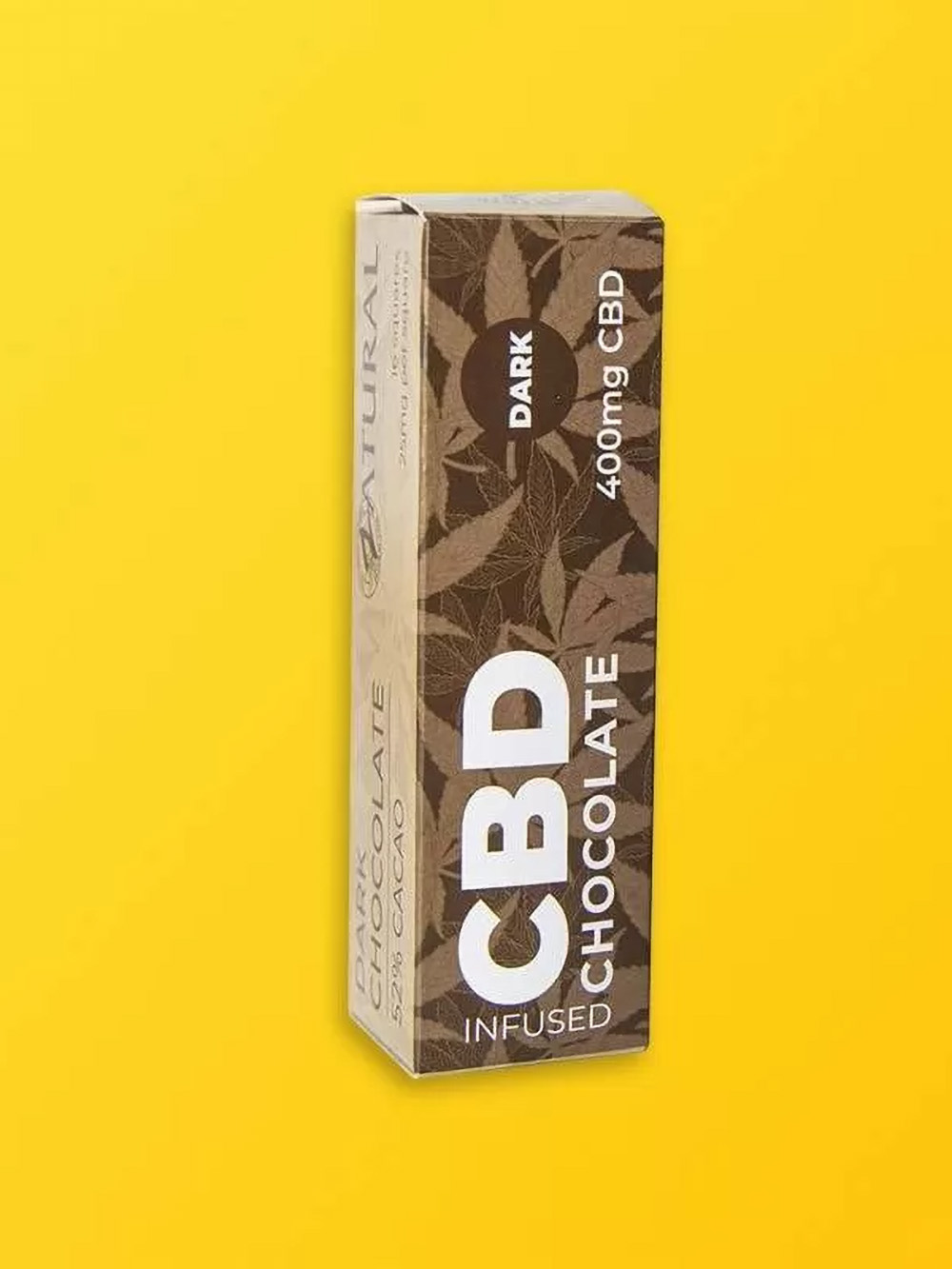
- Rigid or kraft outer shell — rigid for shelf presence and structural firmness, kraft when cost or recyclability leads the decision.
Skip any one of these three and you’re left with luxury chocolate gift boxes that look premium in a product photo and perform poorly the moment they sit in a warm delivery truck.
Why Does Chocolate Melt in Shipping, and How Do You Stop It?
This is the question almost no competitor answers directly, and it’s the one that actually determines whether your chocolate arrives the way it left the warehouse. Chocolate begins softening around 75°F, starts losing its temper – the point where cocoa butter crystals destabilize — around 82°F, and fully melts between 88°F and 90°F. The critical detail most brands miss: chocolate doesn’t need to fully melt to be ruined. Once temper is lost, cocoa butter separates from the cocoa solids, leaving a dusty white film called fat bloom — the chocolate is still safe to eat, but it no longer looks or feels premium.
| Shipping condition | Risk level | What to use |
|---|---|---|
| Under 3-day transit, mild climate | Low | Foil-lined interior sufficient |
| Under 3-day transit, warm climate or summer | Moderate | Insulated liner (foil-backed foam or EPS) |
| Over 3-day transit, or hot-climate destination | High | Insulated liner plus gel ice packs |
Amazon took this seriously enough to create a formal meltable-product shipping policy specifically because of complaint volume tied to melted chocolate and similar goods – this isn’t a theoretical concern, it’s a documented, industry-recognized failure mode. Gel packs alone aren’t a complete answer either: real sellers report packs losing effectiveness within roughly three hours at room temperature, which is why pairing insulation with ice, not relying on either alone, is the standard approach for anything shipping more than a day or two.
What Customization and Structural Options Are Available?
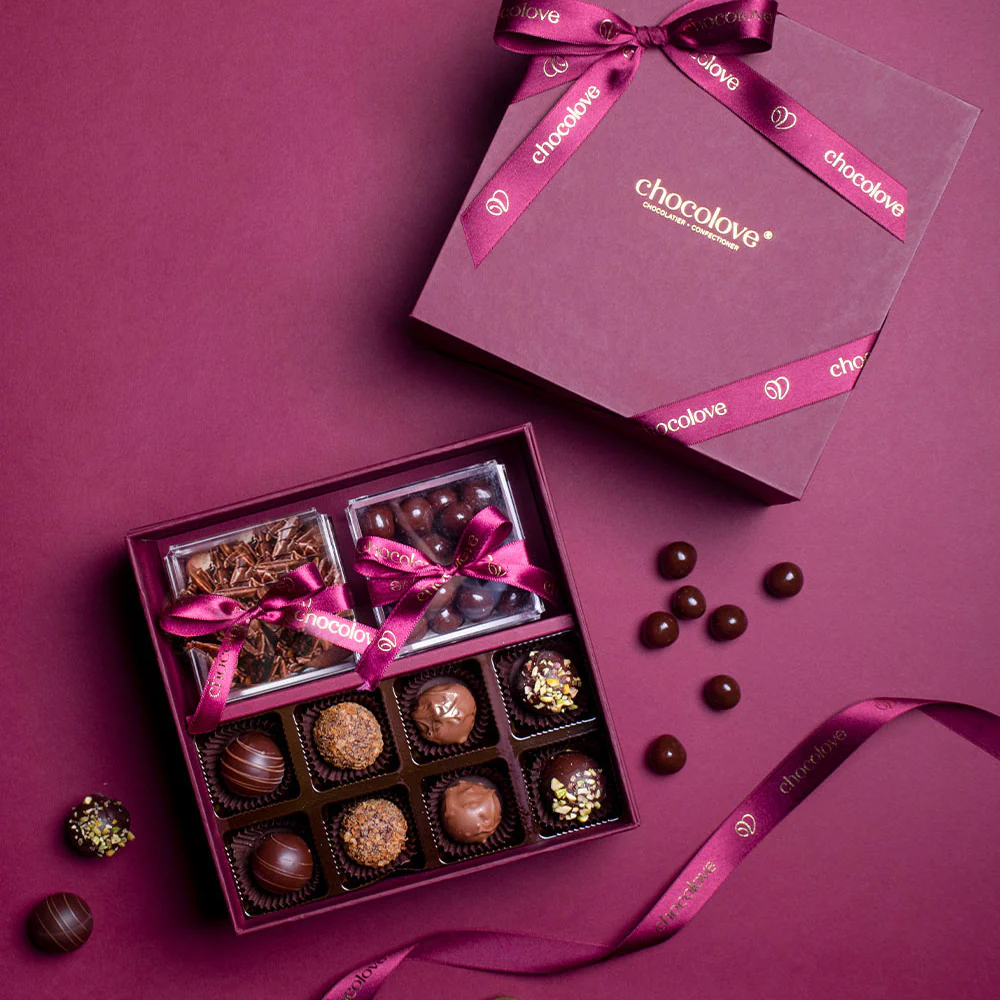
Once thermal and impact protection are handled, finish is what makes a luxury chocolate gift box feel like the price point it’s meant to represent. A magnetic closure – see our magnetic closure rigid boxes for the mechanics — pairs well with chocolate because the tactile snap reinforces the premium unboxing moment the same way it does for jewelry or beauty products.
Structural choices worth knowing:
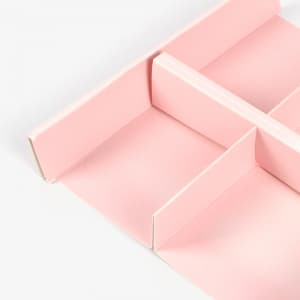
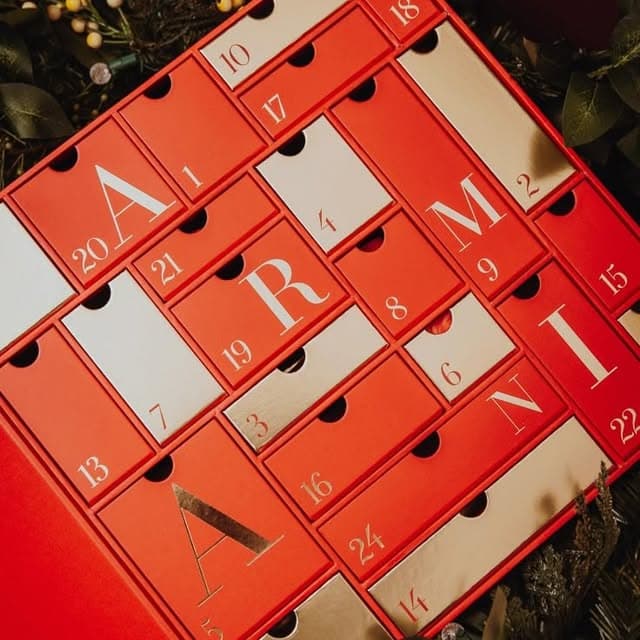
- Compartmentalized layouts for multi-piece assortments, similar in logic to our candle gift set compartment design, just sized for chocolate rather than candles.
- Sustainable liner options for brands wanting a verifiable eco-claim rather than a vague one — our eco-friendly gift boxes page covers what that should look like stated in writing.
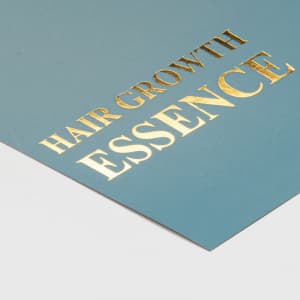
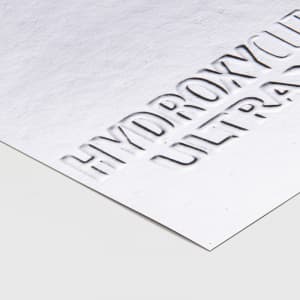
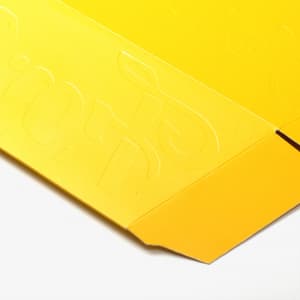
- Ribbon, foil stamping, and embossing for corporate gifting, where a concierge-style, white-glove ordering experience tends to matter as much as the box itself.
For brands selling more than one confection type, our candy & sweets category covers structures adjacent to chocolate-specific packaging if your product line extends beyond bars and truffles.
How Do You Order Custom Luxury Chocolate Gift Boxes?
- MOQ: most luxury chocolate gift boxes start at 100–250 units; cavity tray tooling sometimes requires slightly higher minimums than a simple flat box.
- Turnaround: 10–14 business days standard for luxury chocolate gift boxes, running a bit longer than non-cavity boxes because of tray fitting and insulation assembly.
- Sample first: request a sample with the actual insulation spec included, not just the outer print — thermal performance is impossible to judge from a photo.
- Christmas deadline: chocolate is one of the highest-volume Christmas gifting categories, so place orders by early-to-mid October; our broader food & restaurant packaging line covers adjacent needs if chocolate is one part of a larger gifting range, alongside options like candle boxes with inserts and flower boxes for combined seasonal gift sets.
Frequently Asked Questions
What makes a chocolate box "luxury" rather than standard packaging?
Cavity trays that separate individual pieces, a foil or wax-paper interior, and a rigid or heavily structured outer shell define genuine luxury chocolate gift boxes - standard packaging typically skips one or more of these, which is usually visible the moment the box is opened.
How long can chocolate safely sit in transit before it melts?
Under mild conditions and standard insulation, roughly 3 days is the generally accepted safe threshold; beyond that, or in warm-climate shipping, gel ice packs become necessary rather than optional.
Do I need gel packs for chocolate shipped in winter?
Usually not for short transit times in cold climates, but any shipment crossing through a warm region or sitting in a hot delivery vehicle for hours still carries risk regardless of the season at the destination.
What's the difference between rigid and kraft luxury chocolate boxes?
Rigid board holds its shape under stacking and gives luxury chocolate gift boxes a firmer, more premium feel; kraft costs less and is easier to recycle, though it needs a properly fitted insert to match the structural protection rigid board provides on its own.
Can chocolate gift boxes be customized for corporate branding?
Yes - foil-stamped logos, custom ribbon colors, and branded insert cards are standard for corporate chocolate gifting, and a white-glove ordering process with a named contact tends to matter as much as the customization itself.
What Materials Are Used For Custom Chocolate Boxes?
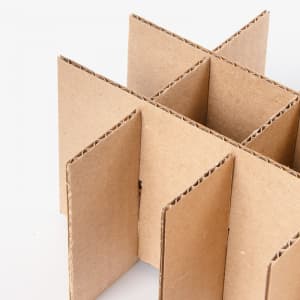
Kraft paper works brightly if your brand has a natural or safe identity. And corrugated board takes the wild side of shipping without breaking a sweat.
Are luxury chocolate gift boxes available with sustainable materials?
Yes - recycled or Certified board and paper-based cavity trays are available alternatives to plastic inserts, though verify the actual certification or recycled-content percentage rather than accepting the word "eco-friendly" alone.
What size order is typical for a first-time chocolate packaging buyer?
Most first orders fall in the 100–250 unit range, which is enough to test market response without committing to bulk pricing tiers before demand is confirmed.
How do I know if my chocolate packaging supplier's insulation claim is real?
Ask what material is used specifically - foil-backed foam, EPS liner, or plain foil paper are meaningfully different levels of protection, and a supplier who can't name the material likely hasn't tested it under real shipping conditions.