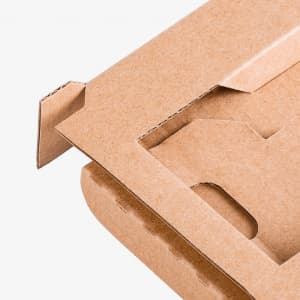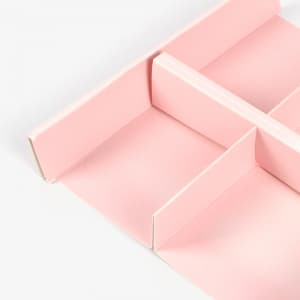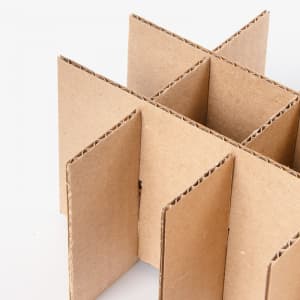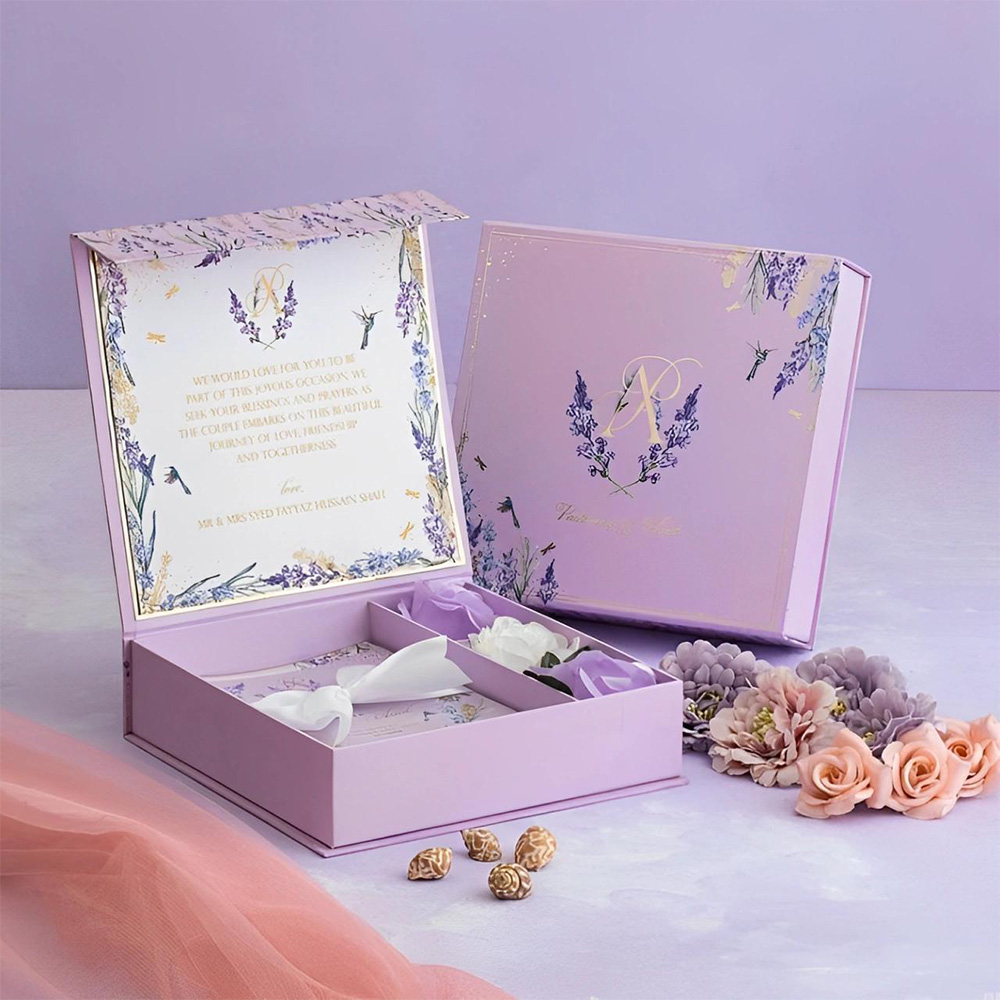
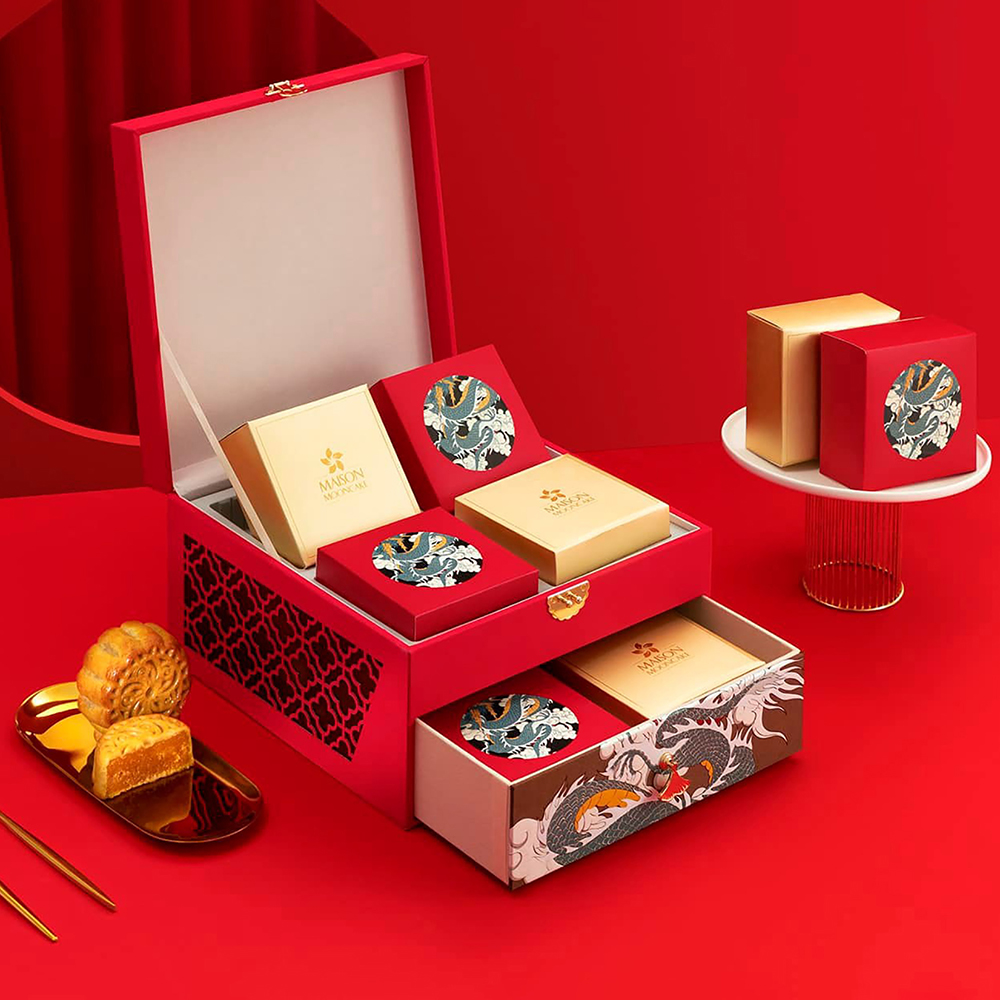
Rigid Shaped Boxes
A speciality candle brand once shipped a round tin inside a square box for over a year, quietly paying freight on the dead corners nobody thought to question until a new ops hire finally asked why. That’s the problem with forcing a unique shape into standard tooling. Hale Path Packaging builds Rigid Shaped Boxes with contour-matched die-cutting for USA brands whose products simply don’t fit a rectangle.
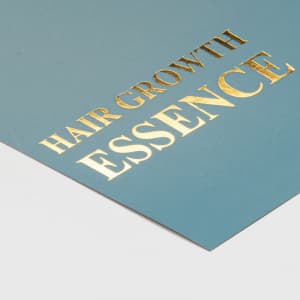
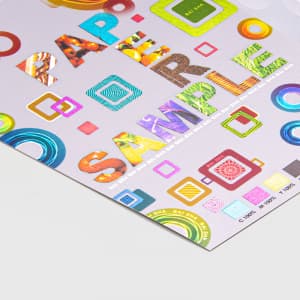
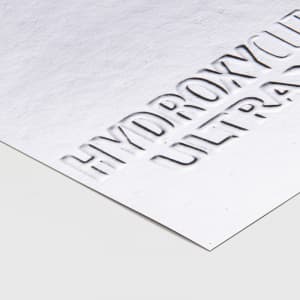
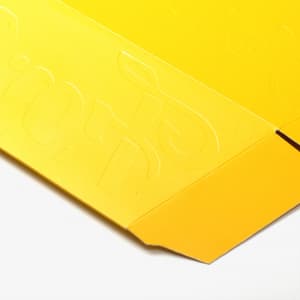
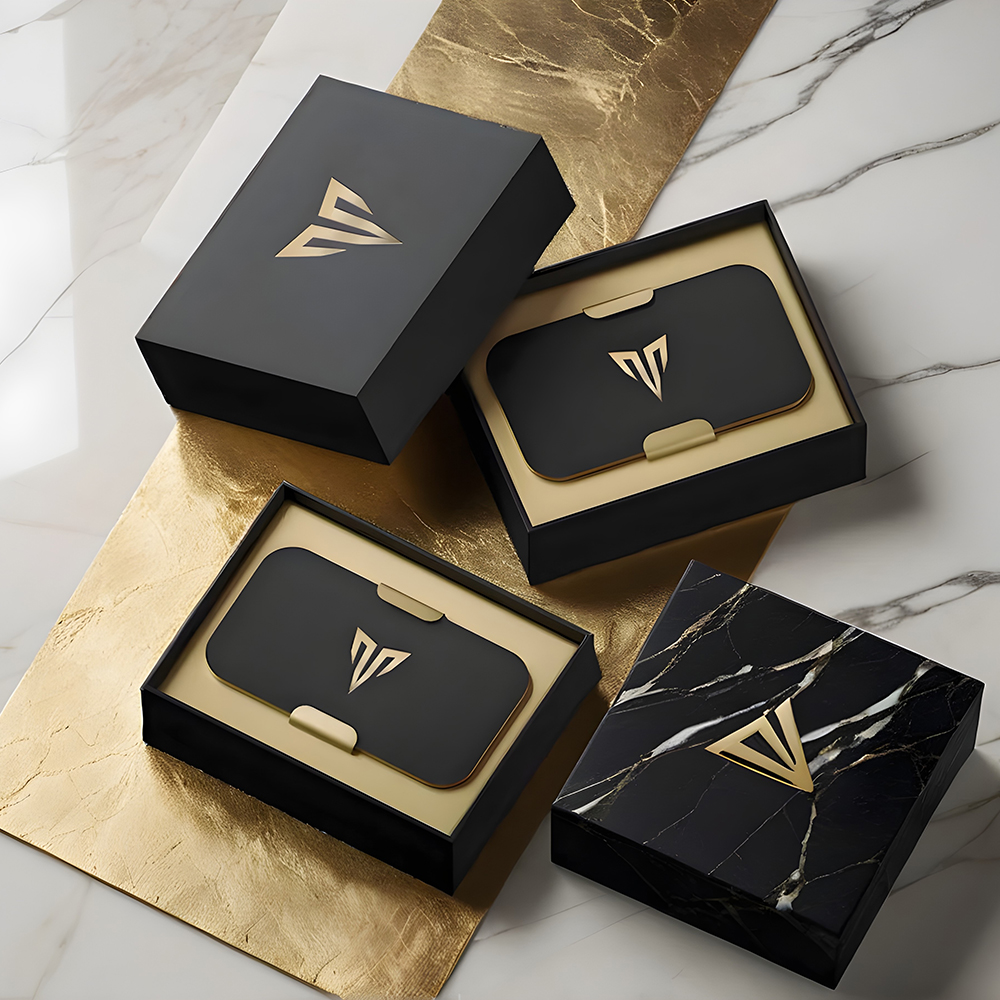
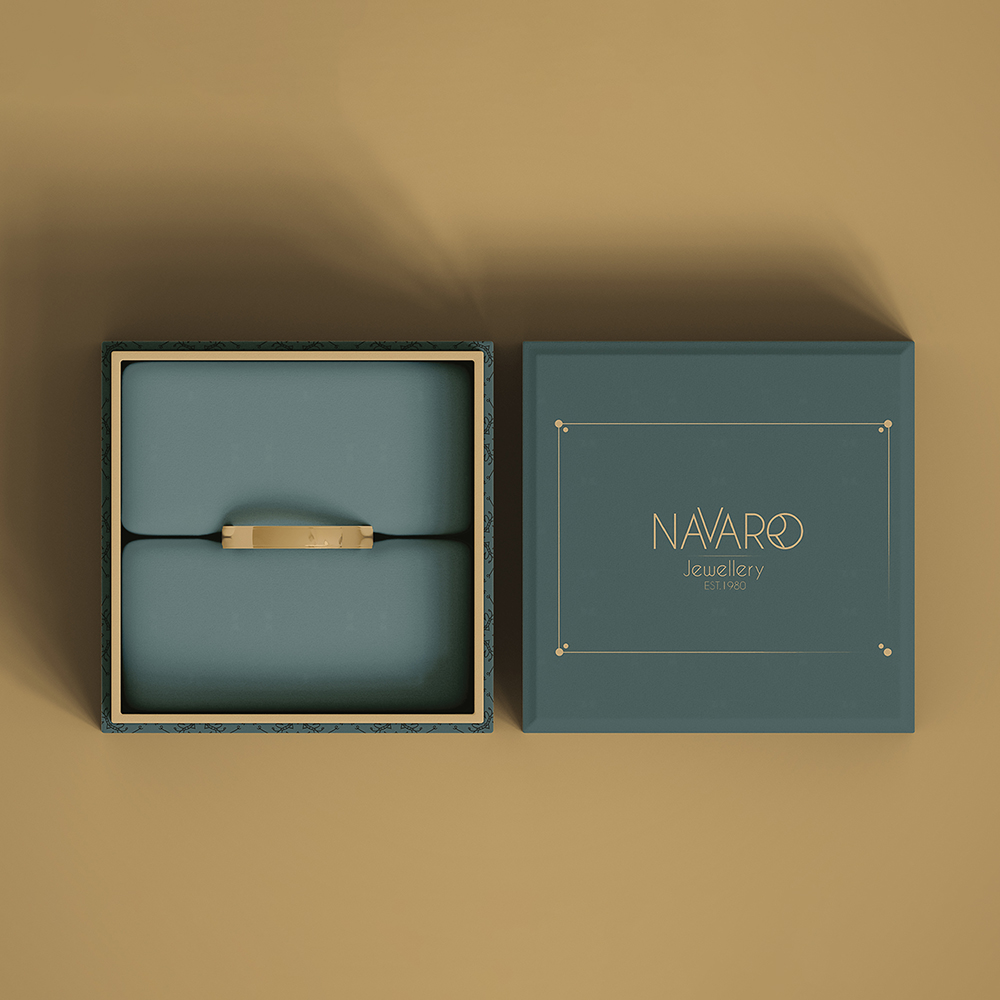
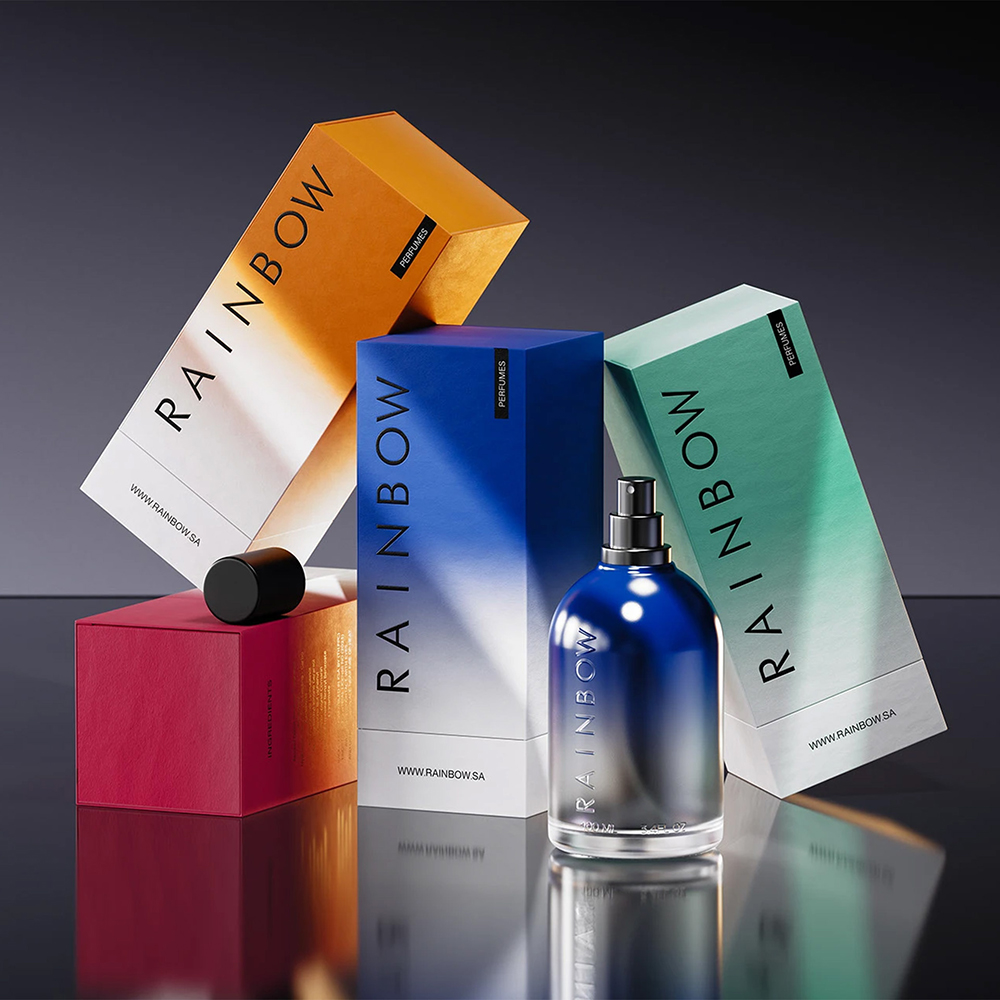
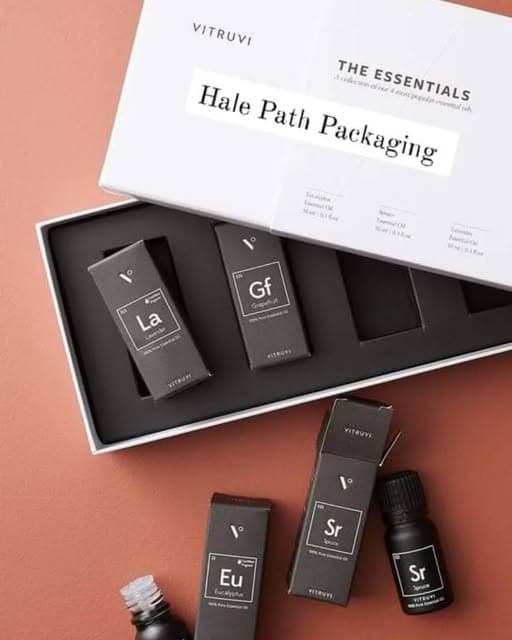
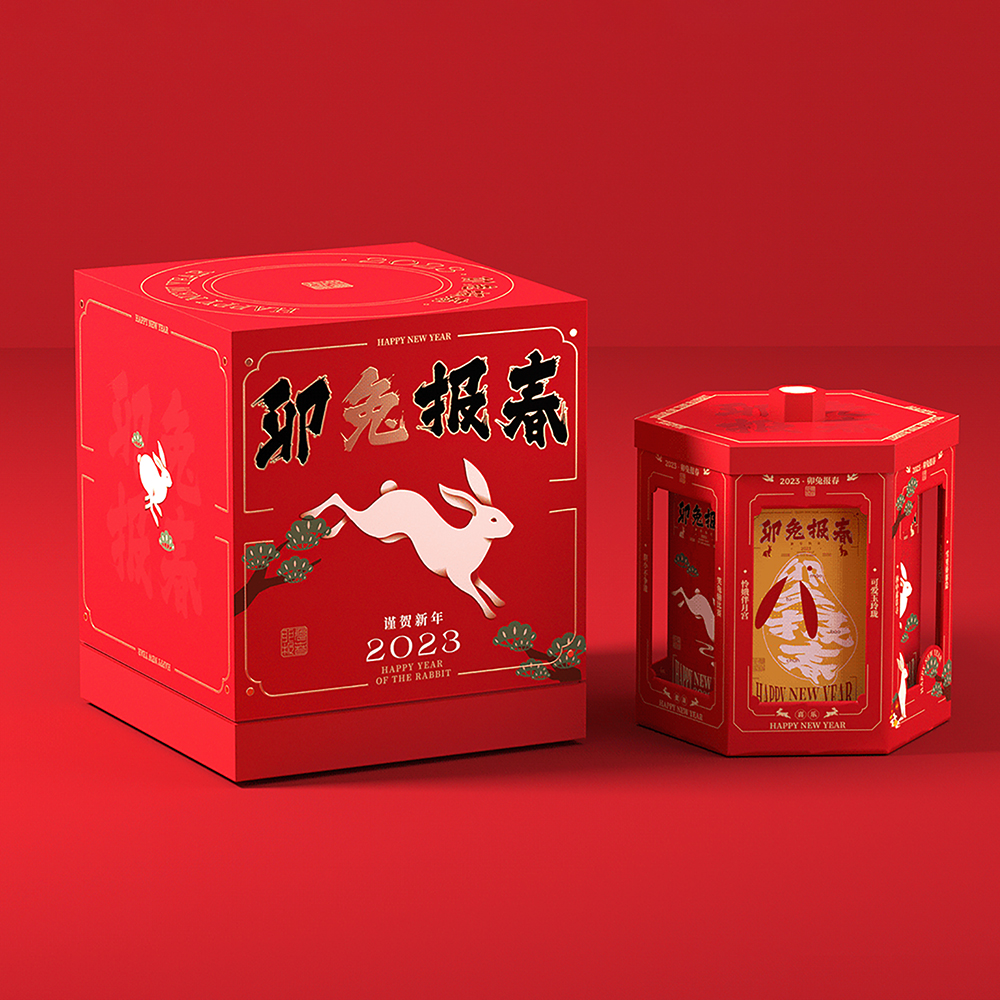
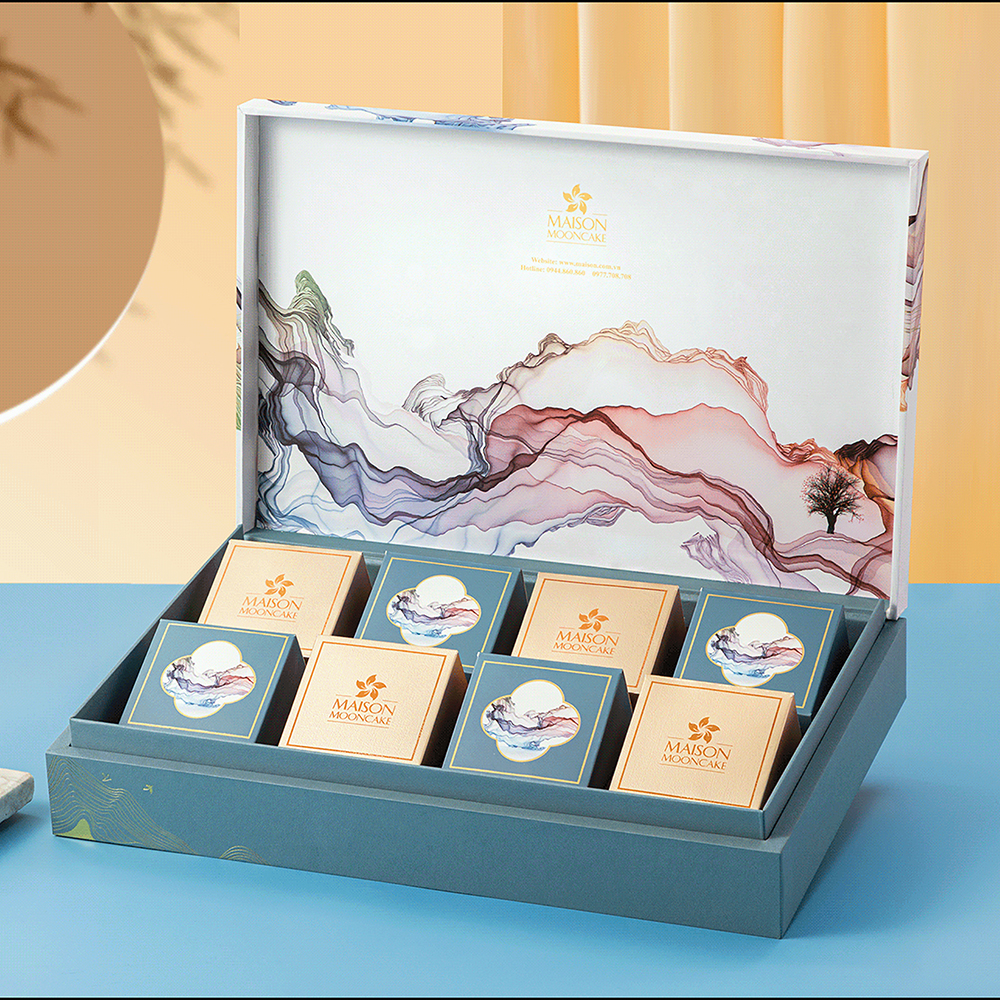
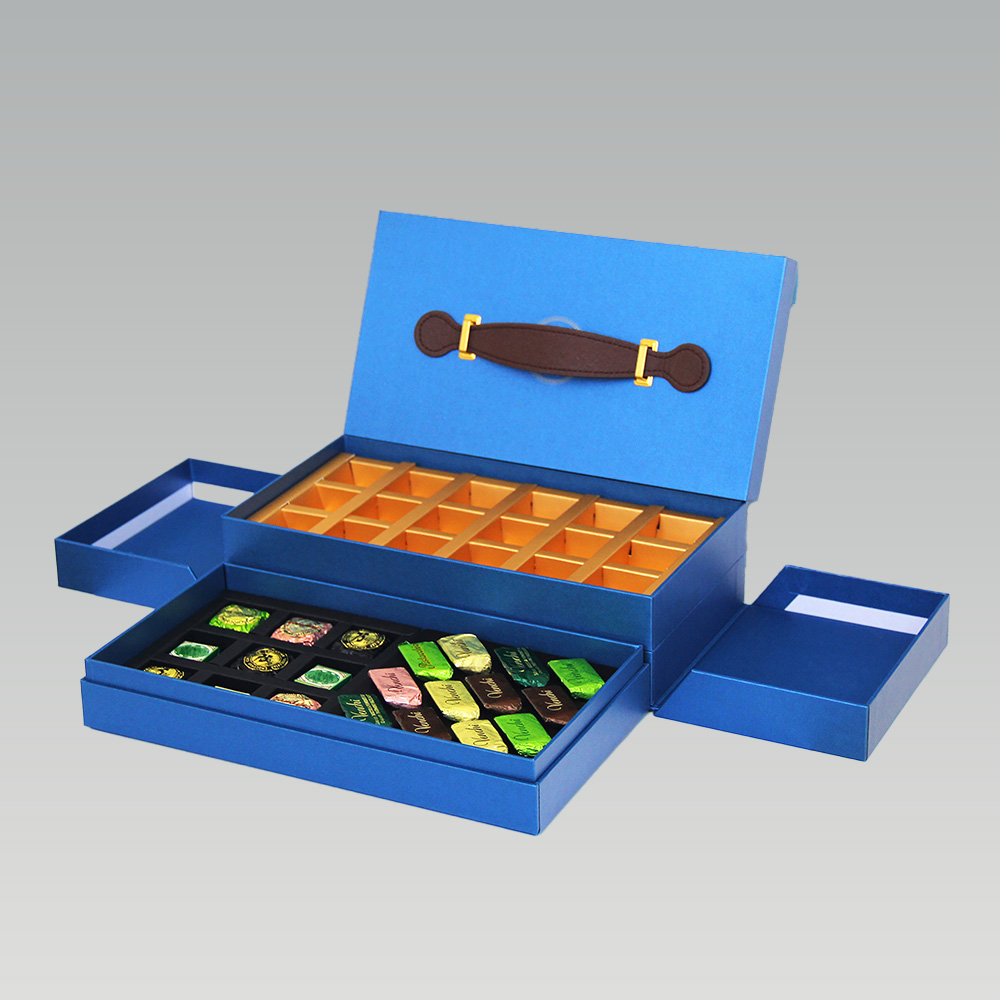
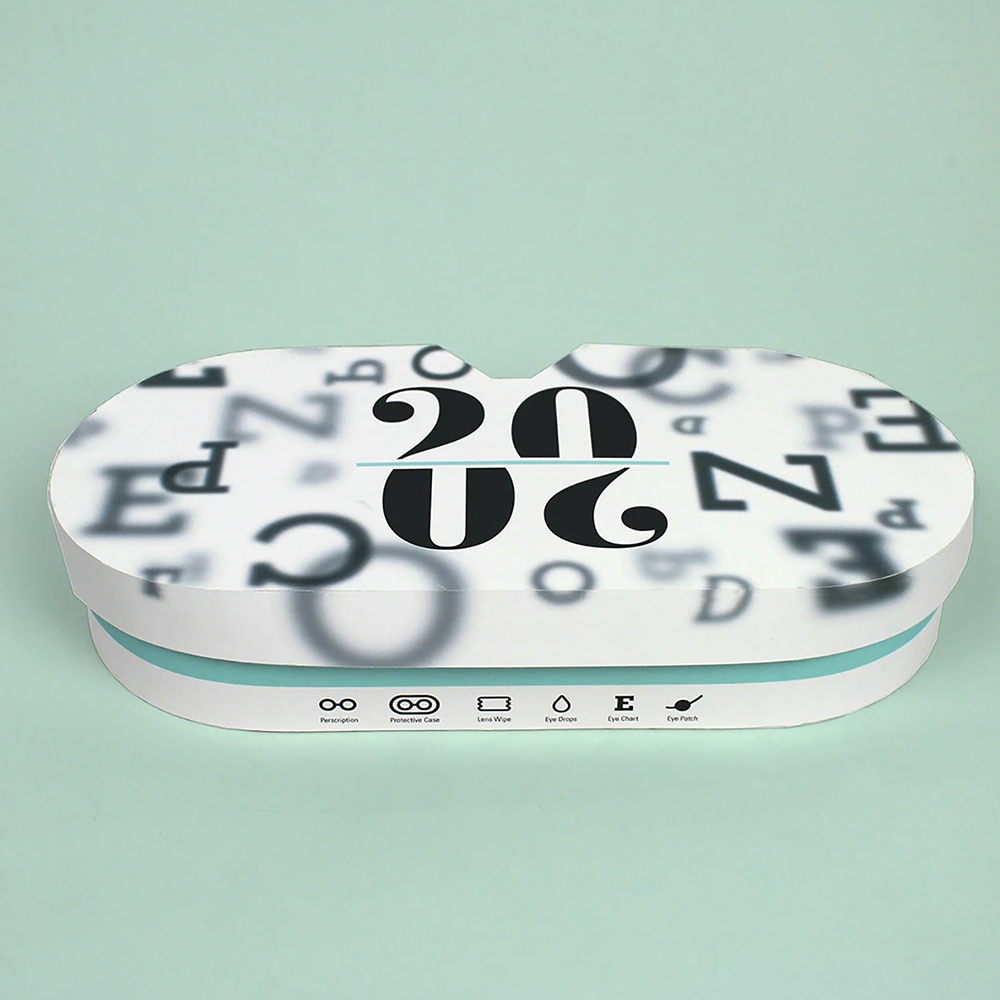
Rigid Shaped Boxes Gallery
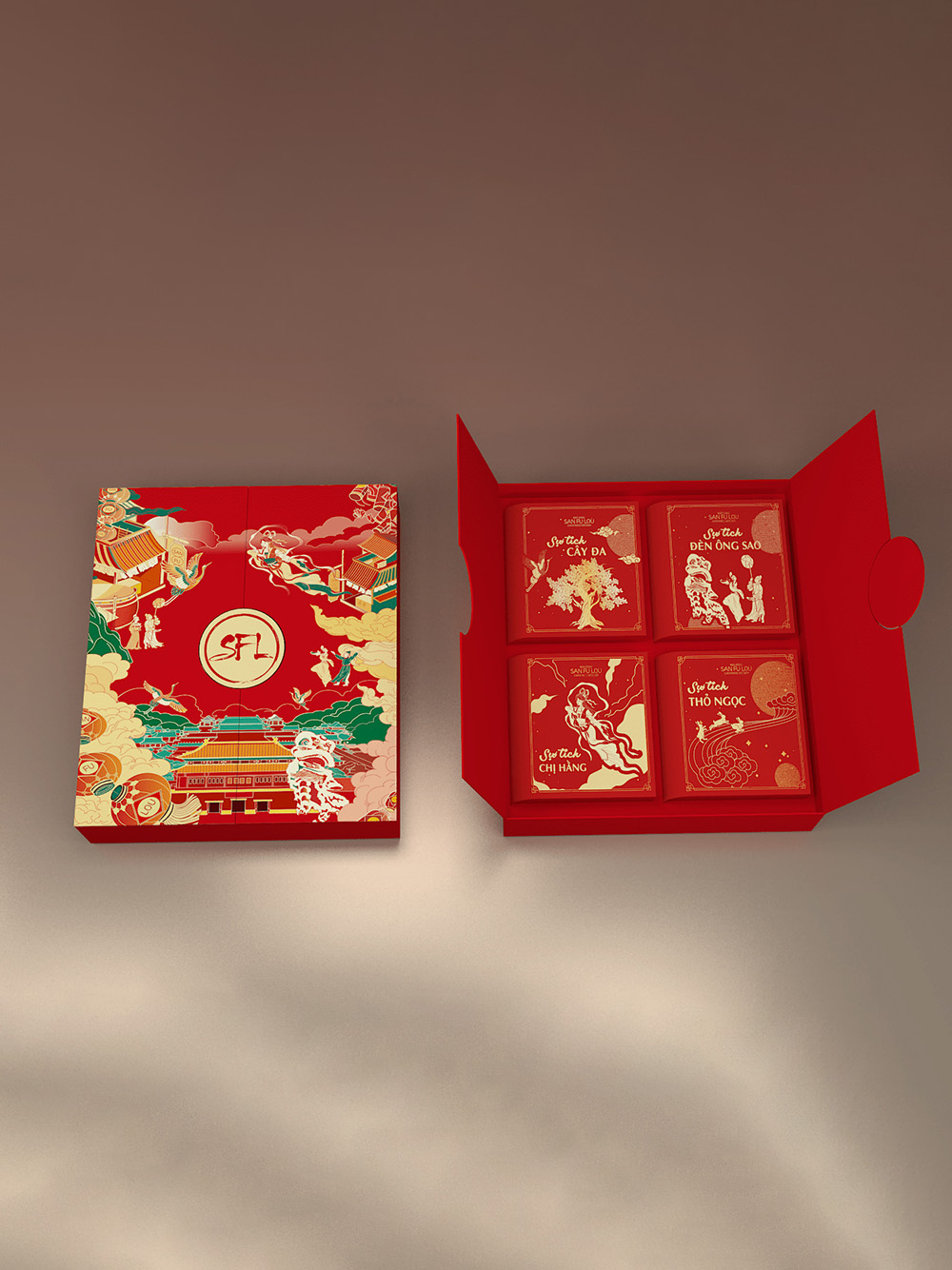
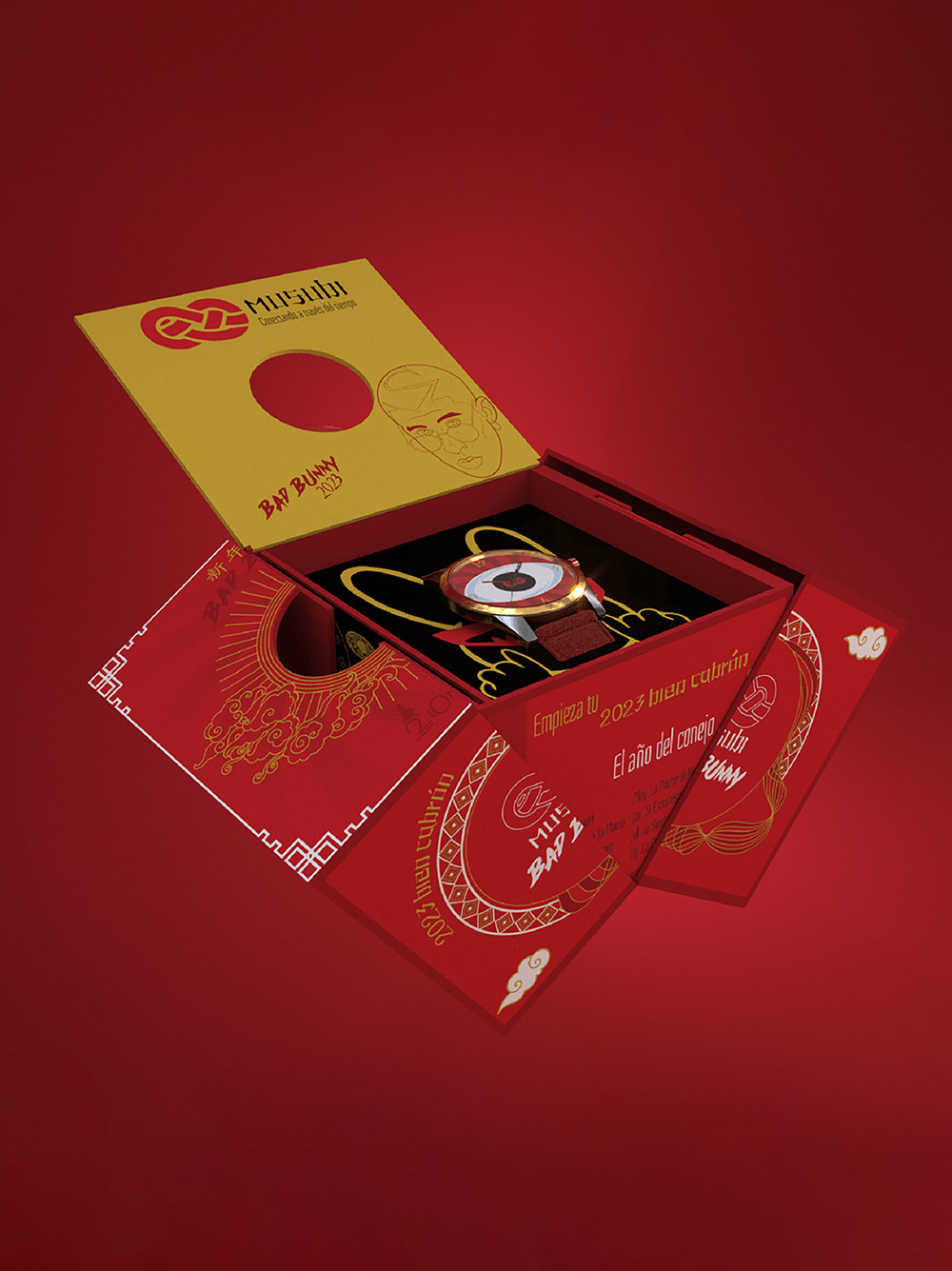
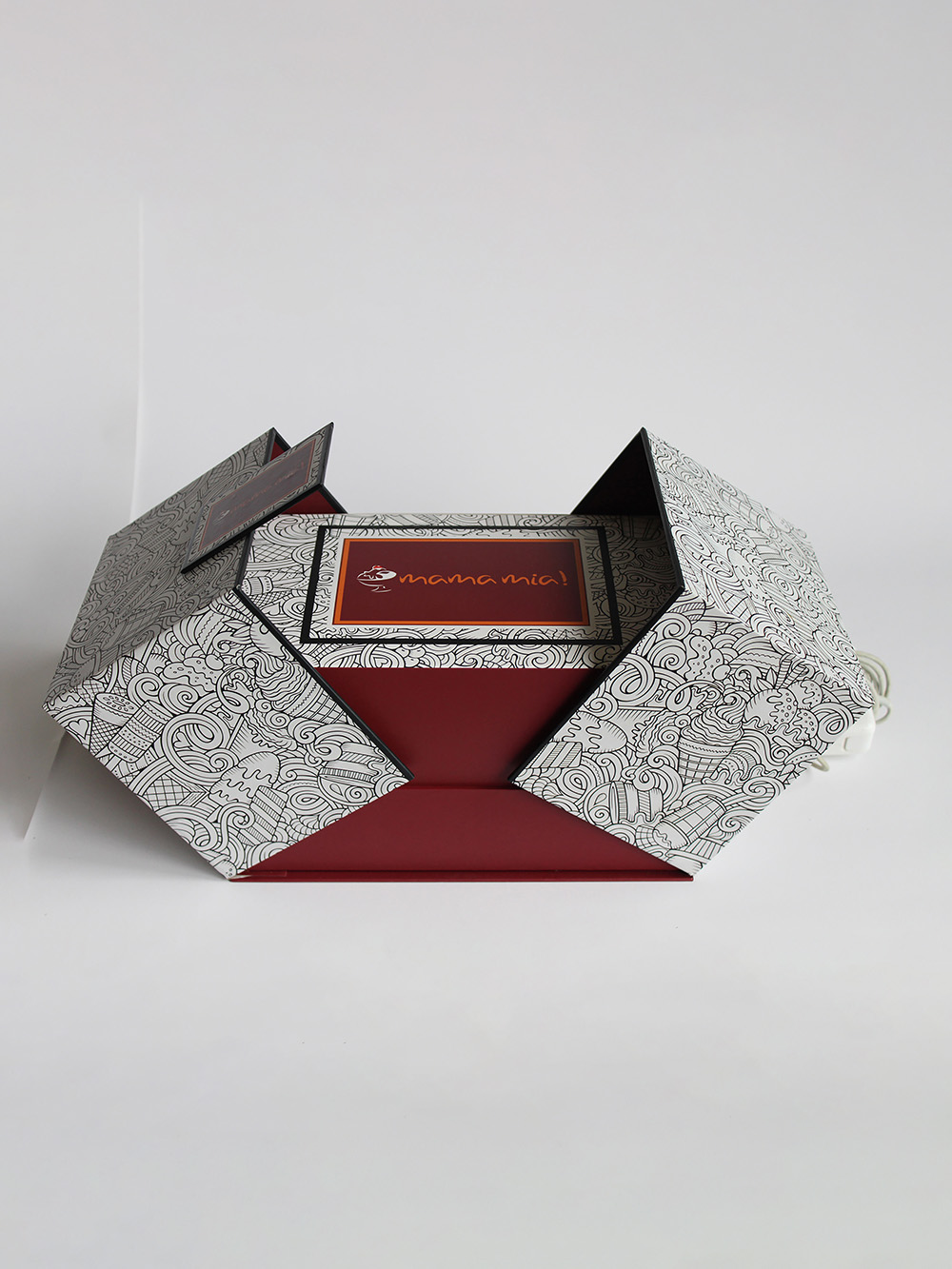
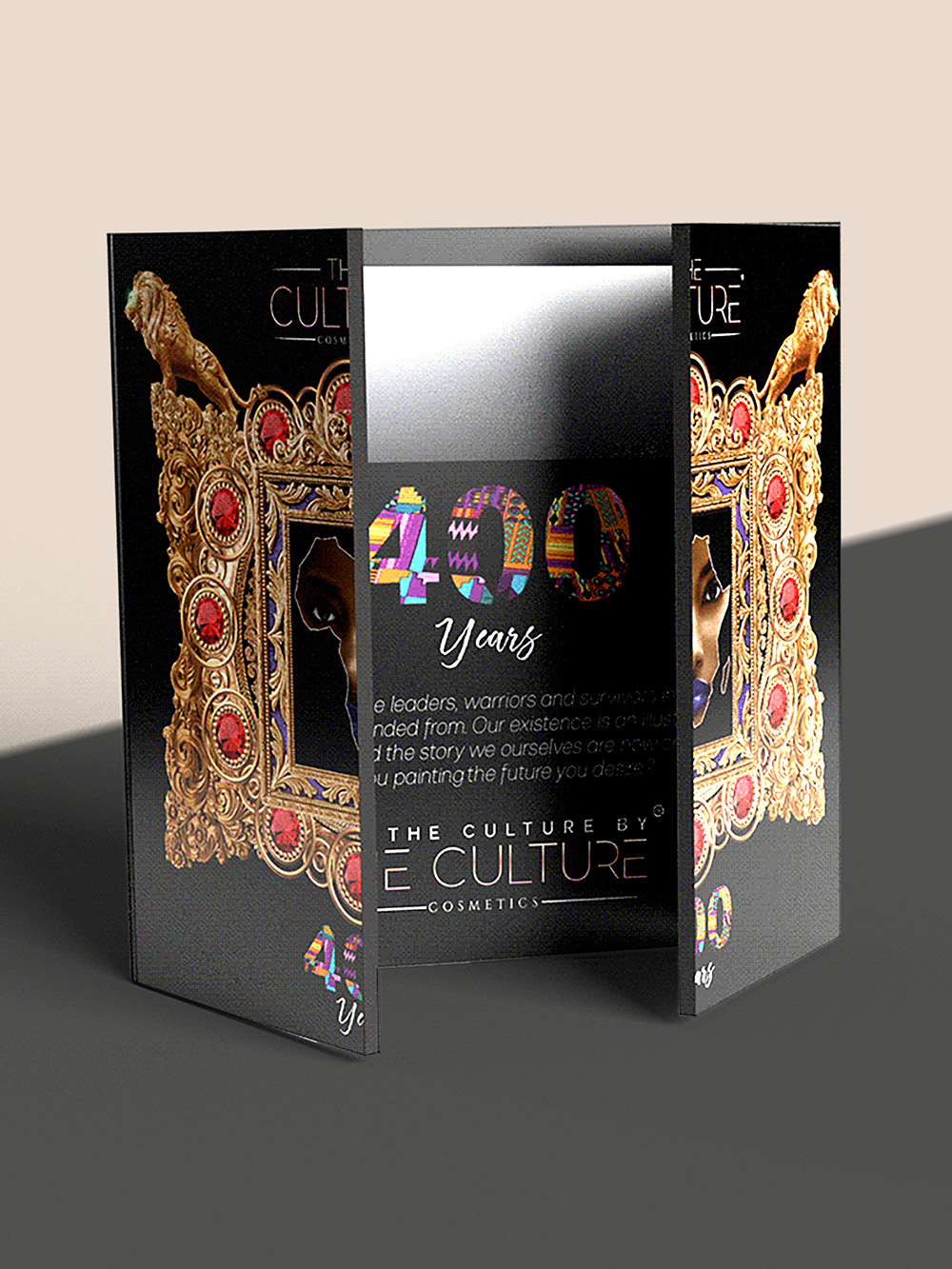
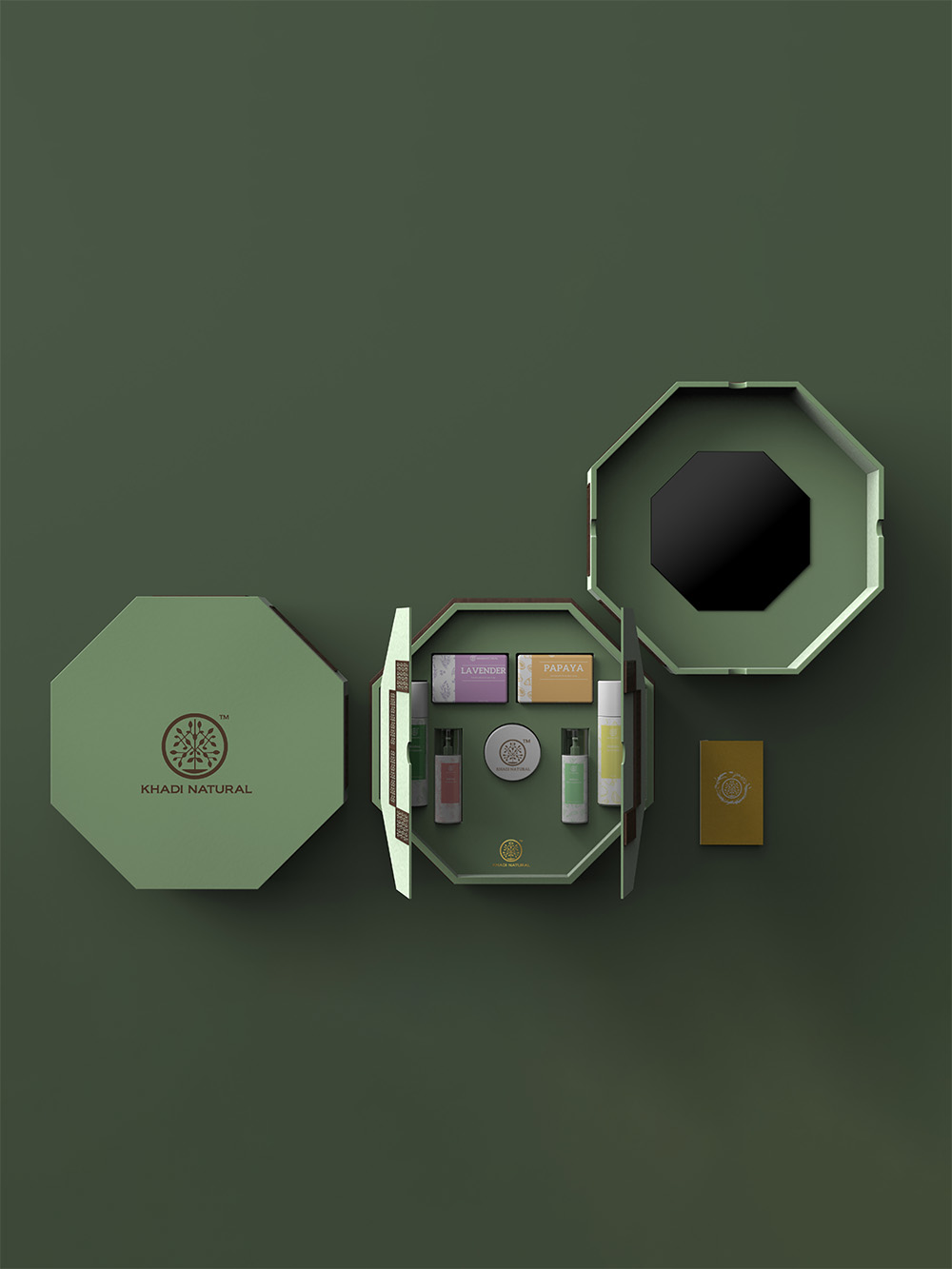

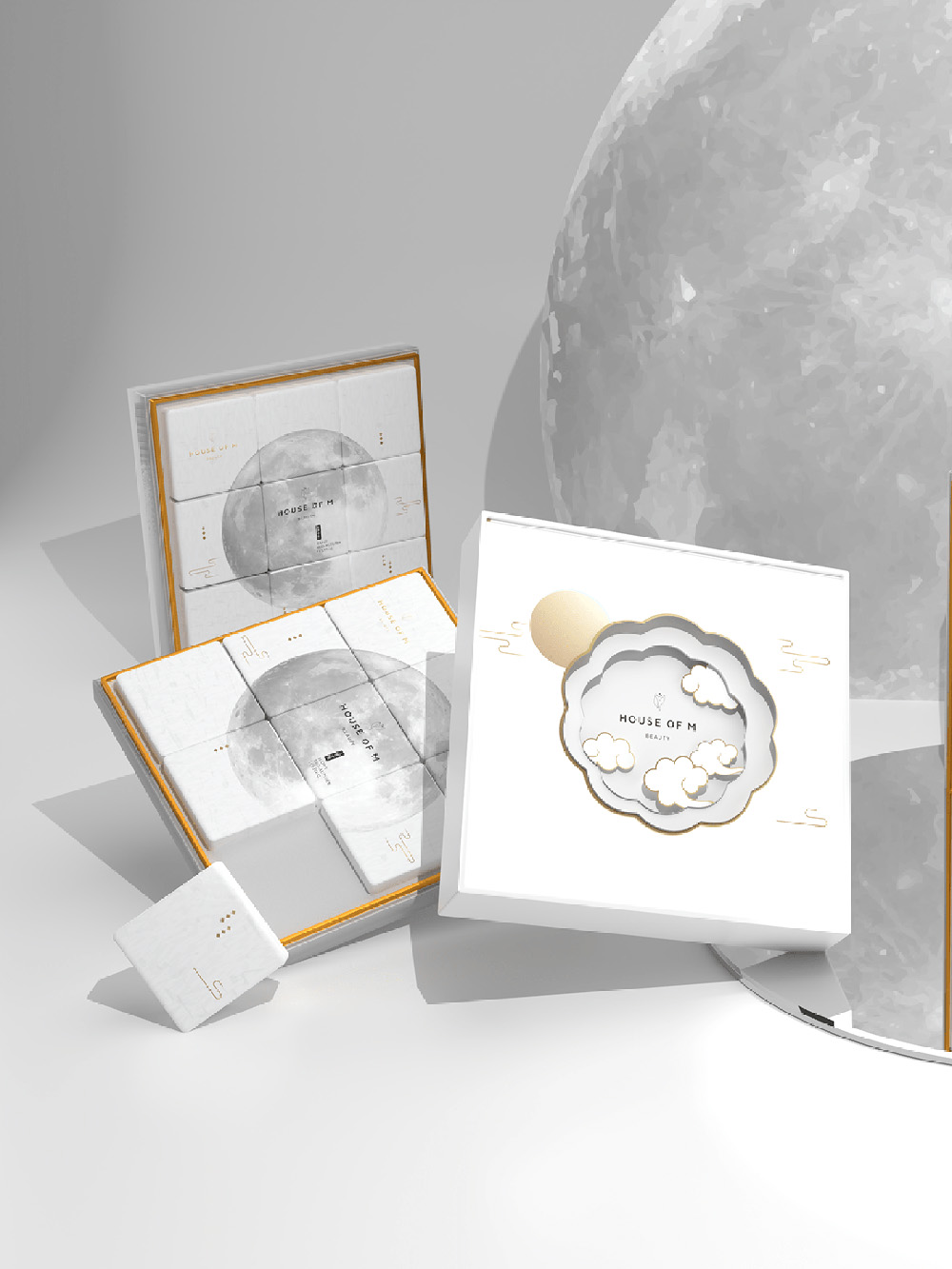
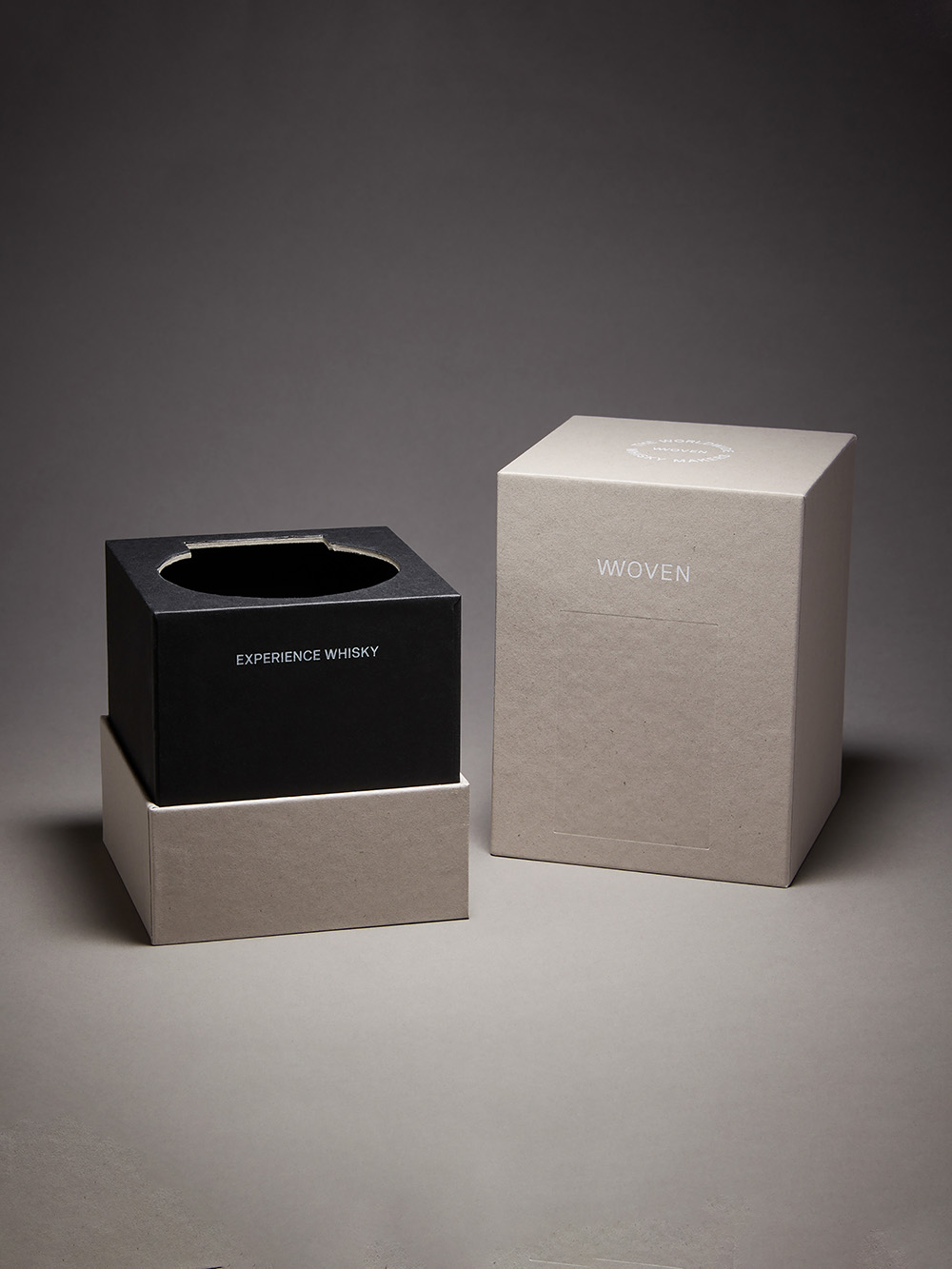
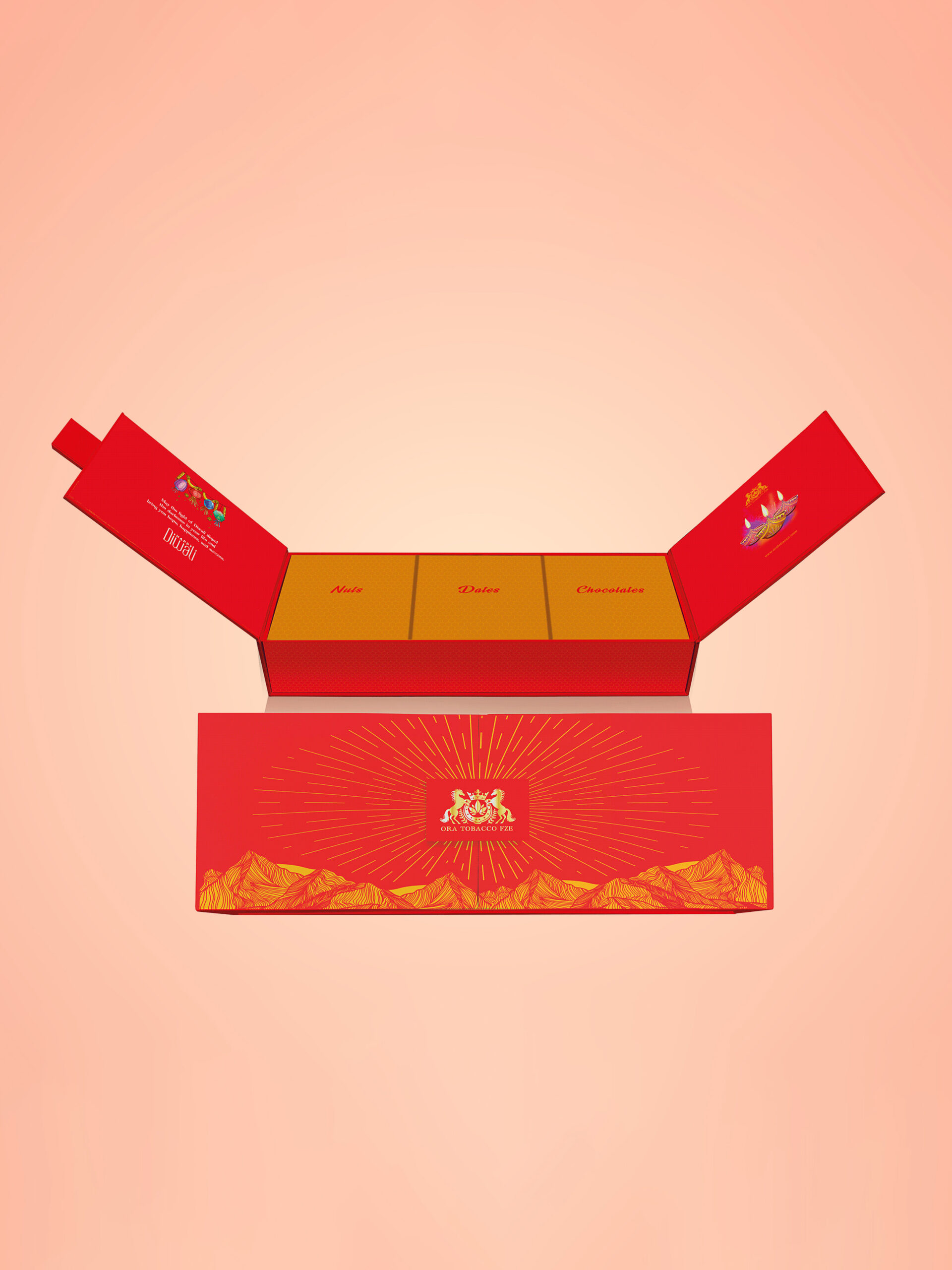
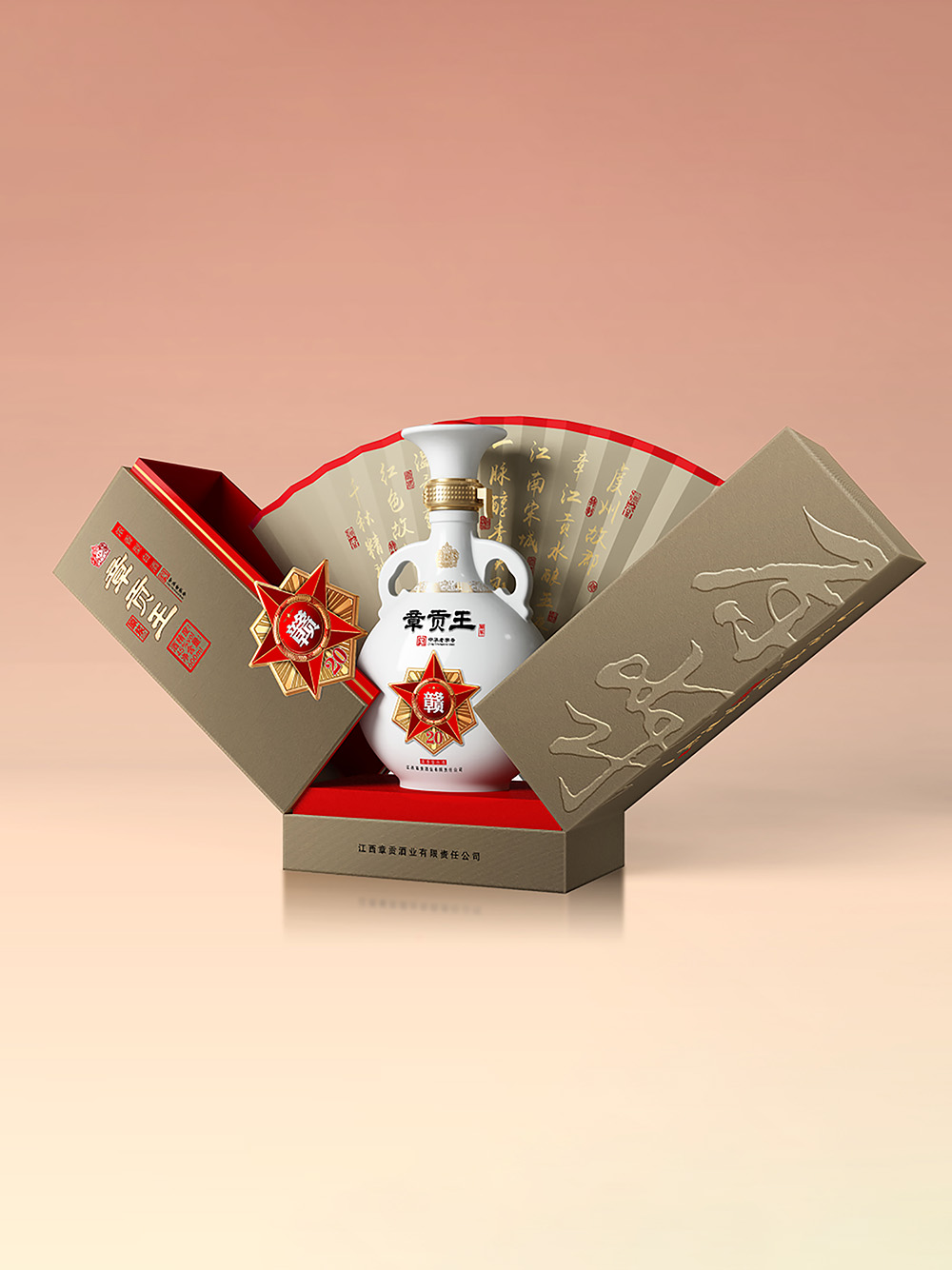

Rigid Shaped Boxes That Turn an Unusual Product Into a Design Advantage
A rigid-shaped box stops working the moment it’s forced into a rectangle it wasn’t built for, whether that’s a curved perfume bottle, a triangular chocolate bar, or a circular candlebox tin sitting awkwardly inside standard tooling. A speciality candle brand out of Portland ran into exactly this: their tin was round, their old box was square, and every unit shipped with wasted corner space that the customer paid freight on. Contour-matched die-cutting eliminates that gap, wrapping rigid board around the product’s actual silhouette instead of the nearest available template. Hale Path Packaging builds Rigid Shaped Boxes for USA brands whose product simply doesn’t fit anything off a shelf, whether that shape is round, hexagonal, asymmetrical, or something closer to sculpture than packaging.
- Contour-matched die-cutting removes wasted interior space that a standard rectangular box would otherwise force onto an irregular product
- Multi-panel wrapping around curved or angled surfaces requires tighter tension control than a flat four-corner box, since the board has more directions to bend
- Structural bracing at stress points, wherever a shape narrows or curves sharply, keeps the box from collapsing under the stacking weight for which it wasn’t tested
- Cosmetics brands in Miami and confectionery brands in Chicago use shaped rigid paper boxes packaging specifically because a distinct silhouette gets noticed on a shelf before a single word of branding is read
- Shape-specific tooling means the die line is built once per silhouette, not adapted from a rectangular template that was never meant to hold a curve
Can Non-Standard Rigid Shaped Boxes Hold Up as Well as a Regular Rectangular Box?
Here’s the part most brands do not think about until it’s already a problem: a rectangle allocates stacking weight across four flat corners, but a shaped box, round, hexagonal, or contoured, does not have that elegance. Weight concentrates wherever the shape curves or narrows, and if the board calliper wasn’t chosen with that specific geometry in mind, that’s exactly where it gives first. We provided a triangular gift box for a beauty product, which was sufficiently stackable in a storage stack, but started to crush at the points the moment it stood on a retail stand, because nobody had tested it standing up. Getting the calliper and internal bracing matched to how the shape will truthfully sit, not just how it photographs, is what separates a shaped box packaging that stays in allocation from one that stays a product projection.
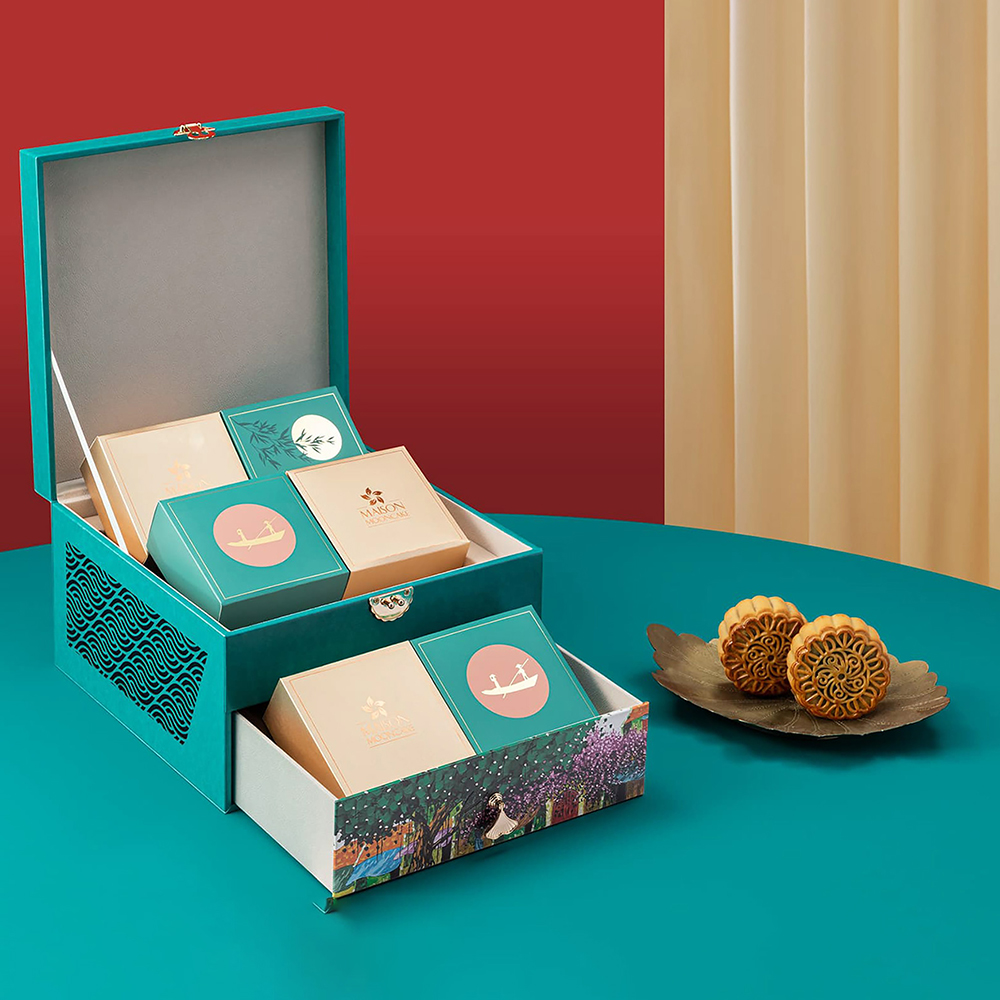
Rigid Shaped Boxes Engineered for Structural Balance Across Every Shape
Every rigid-shaped box starts on a CAD file before it starts on a cutting table, because a curve or angle that looks fine on screen doesn’t always fold the same way in physical cardboard. That’s where a shape gets caught before it becomes an expensive reprint: a hinge sitting wrong on a hexagonal lid, a wrap that puckers on a rounded corner, a tab length that’s off by three millimetres, and won’t matter until three thousand units are already cut. Precision die-cutting and structural foil sampling catch that at the prototype stage instead of the delivery stage.
- CAD-based structural modelling flags fold and wrap issues on unusual geometries before a single physical unit gets produced
- Reinforced bracing at curve points and narrow sections keeps the shape from flexing under normal shelf and shipping handling
- Custom packaging insert tooling is built per shape rather than adapted from a rectangular template, since a round or angled cavity needs its own cut path
- Colour-matched Pantone printing wraps always across curved or multi-panel surfaces without visual seams breaking the design
- Physical prototype testing confirms the shape holds its form standing upright on a stand, not just stacked flat in a storage space
Retail and Gift Brands Across the USA Choose Hale Path Packaging for Rigid Shaped Boxes
Why go through the extra tooling cost of a shaped box instead of just using a rectangle with better graphics? Because at some point, cosmetics brands in Austin and gourmet food brands in Seattle have all landed on the same answer: a product that looks different needs packaging that looks different, too, or the design work stops at the surface. Hale Path Packaging works from the product’s actual dimensions, whatever shape that turns out to be, rather than asking a brand to compromise its design to fit a standard die line. Every custom-shaped rigid box gets built and pressure-tested for its specific geometry, not adapted from whatever tooling happened to already exist. PrimeShape Packaging, based in New York, launched unique Rigid Shaped Boxes such as hexagon, heart, book-style, and die-cut layouts. This led to an 8x increase in sales, a ripple in orders from elegant brands and gift companies, and an increase in the average order value. Thanks to the ergonomic feel and innovative shapes, it became highly successful for valuable cosmetics, jewellery, and tech products.
Frequently Asked Questions
Can A Rigid Shaped Boxes Still Have A Window Or Lid?
Windows are die-cut into curved or angled panels the same way they would on a rectangular box, and lids are hinged, lift-off, or magnetic, depending on how the shape closes.
Is There a Limit to How Complex a Shape Can Be?
Extremely intricate multi-curve shapes start driving tooling costs up fast. Most brands land on a shape that's distinctive without requiring five separate die stages.
Contour-Matched Design or a Modified Standard Template: Which Actually Costs Less?
A modified template looks affordable upfront, but wastes material by fitting an irregular product into leftover rectangular space. Contour-matched tooling costs more initially, but stops that waste per unit.
Which Fits an Odd-Shaped Gift Box Better?
Rigid board holds a special shape better for retail display; supported corrugated is more forgiving on tighter budgets but can lose crispness at sharp angles.
What Do You Need From Me to Quote a Rigid Shaped Boxes?
Product extents at every relevant point (not just length and width, but where it curves or narrows), weight, and how the box needs to sit, flat or upright.
Does Exporting a Shaped Box Cost More Than a Rectangular One?
Irregular shapes seldom stack as efficiently in a transport product, which bumps up the load cost per unit compared to a flat-packed rectangular box.
Do State Packaging Laws Affect Rigid-Shaped Boxes Materials?
States like California with elongated producer duty rules are moving brands toward recyclable board shapes, so material choice matters more than the shape itself.
Does an Irregular Shape Waste More Material Than a Rectangular Box?
Not necessarily. A contour-matched shape uses less material than a rectangular box constructed to accommodate the same irregular product with padding.