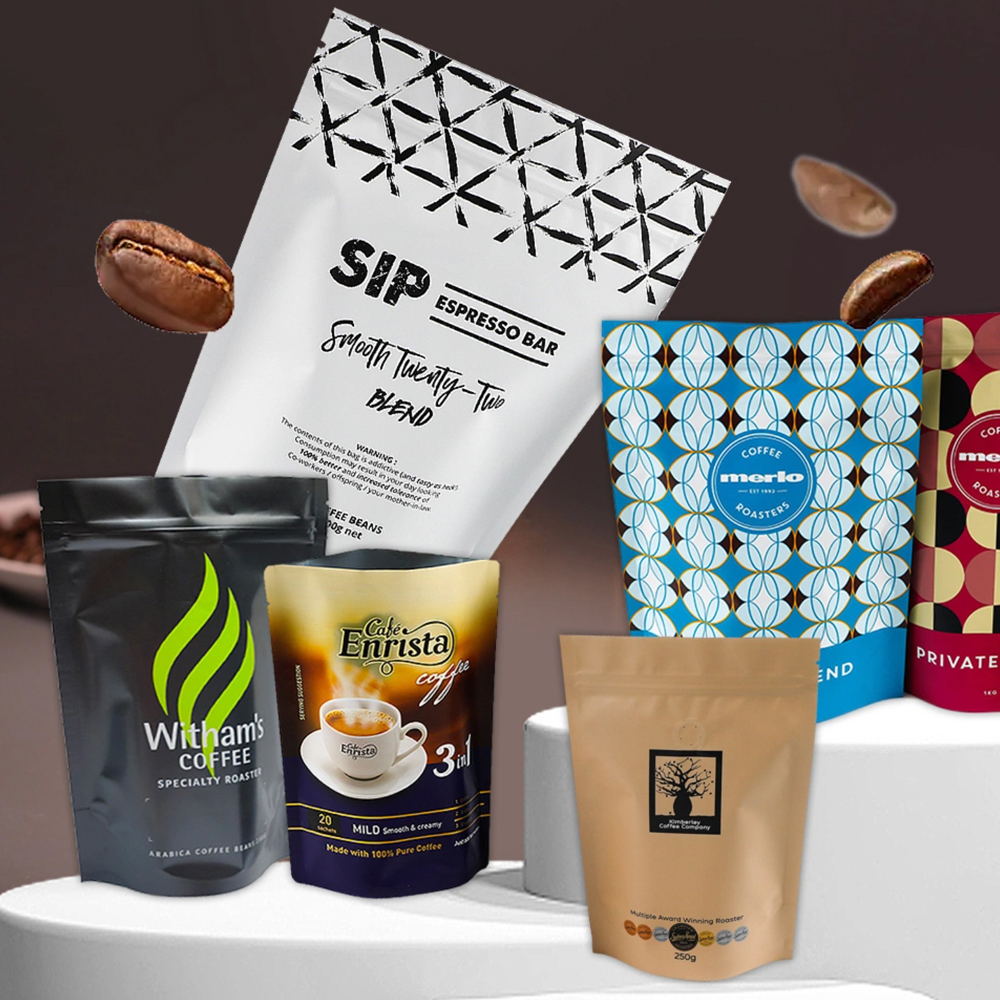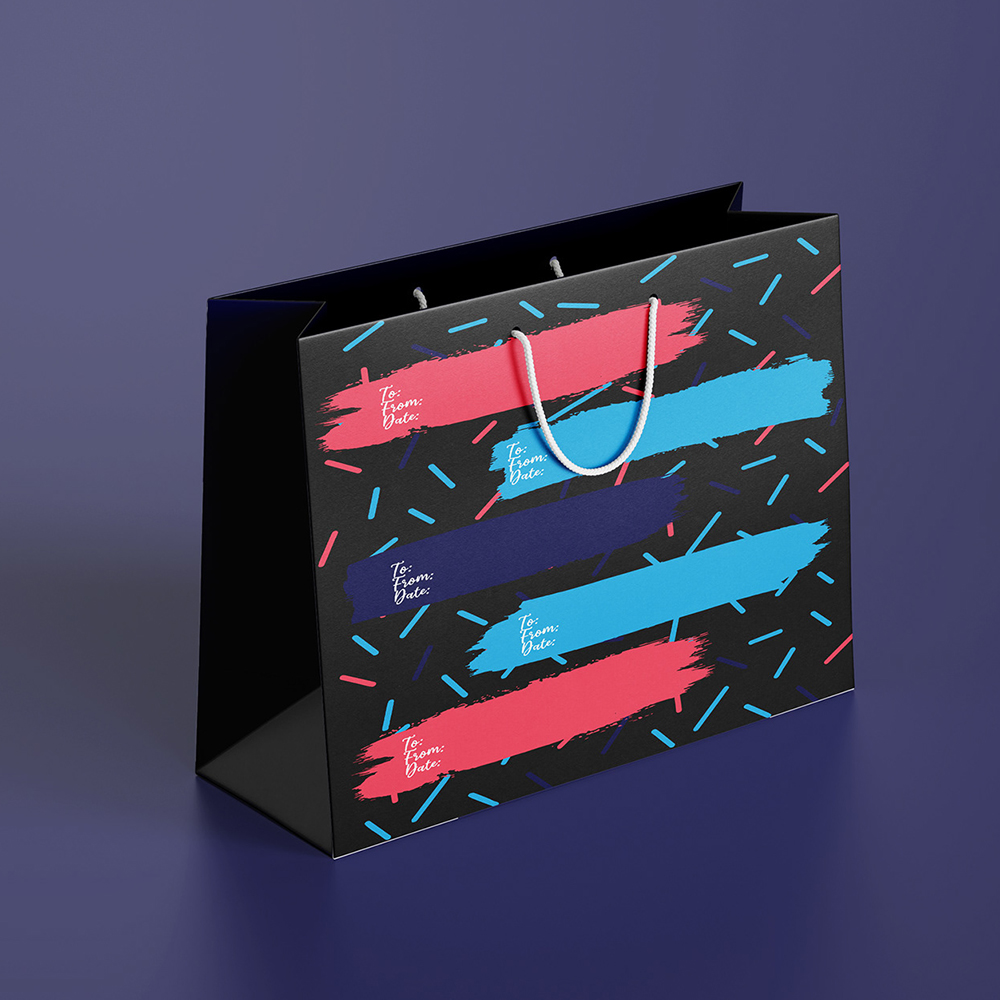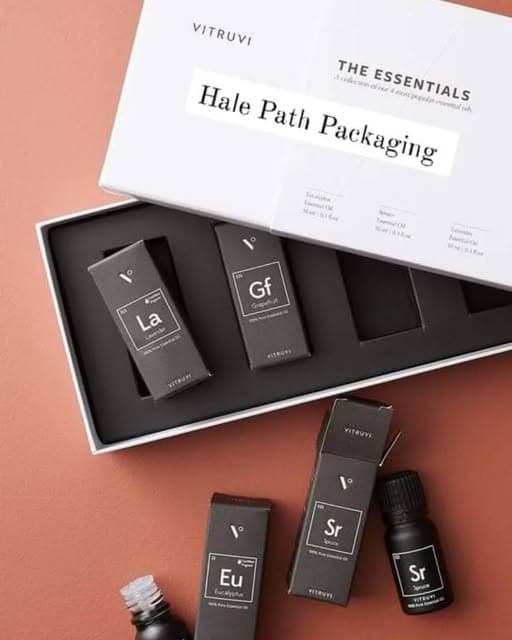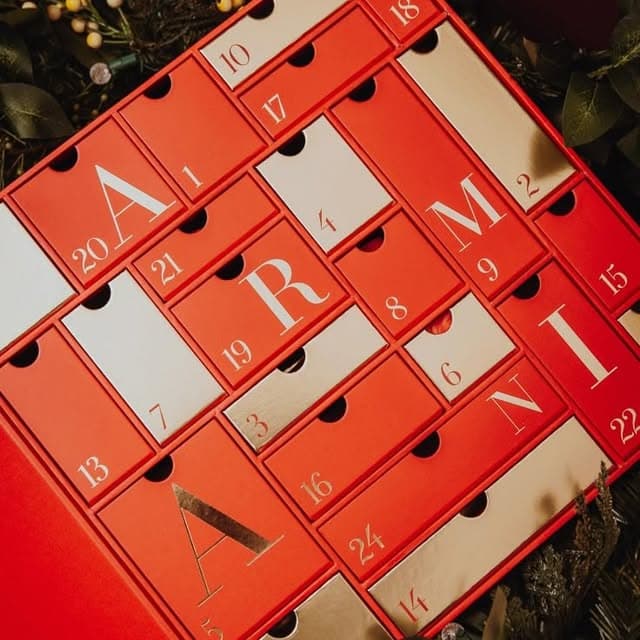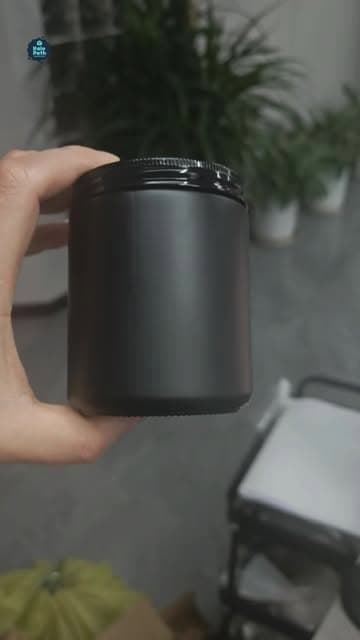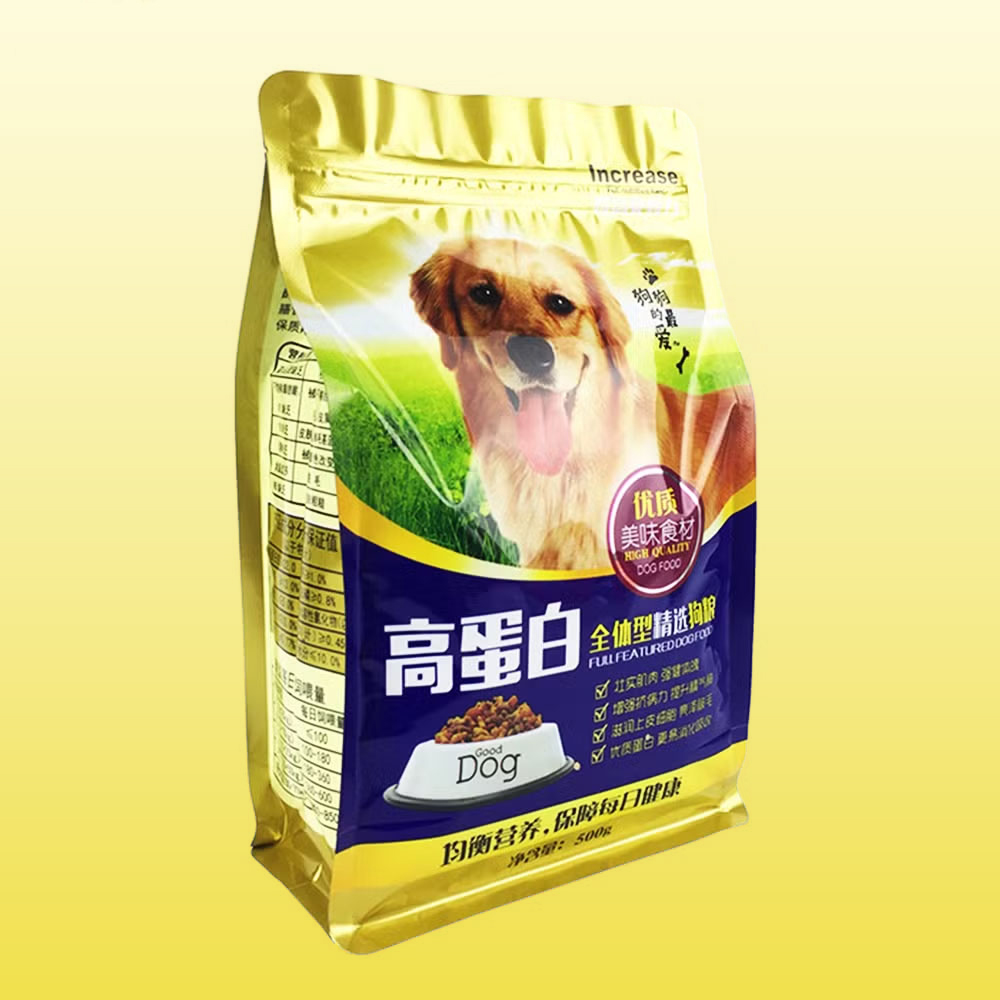
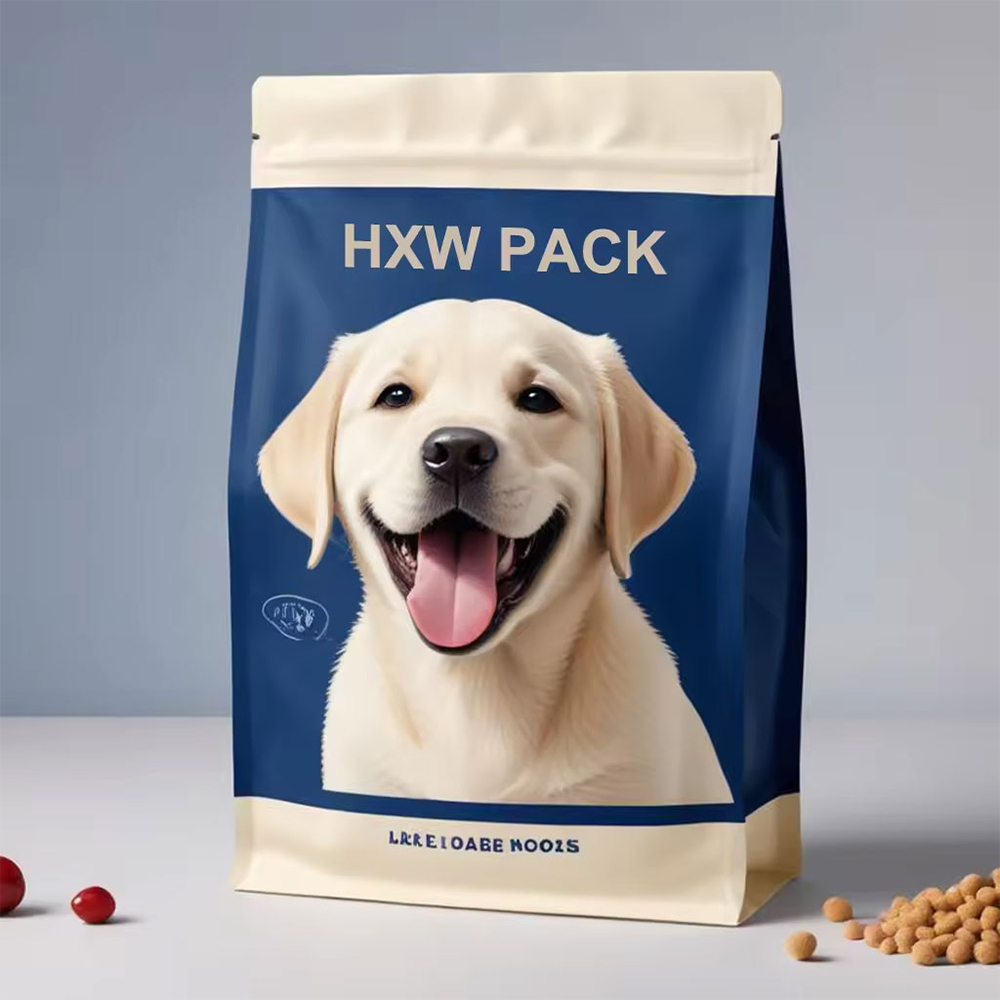
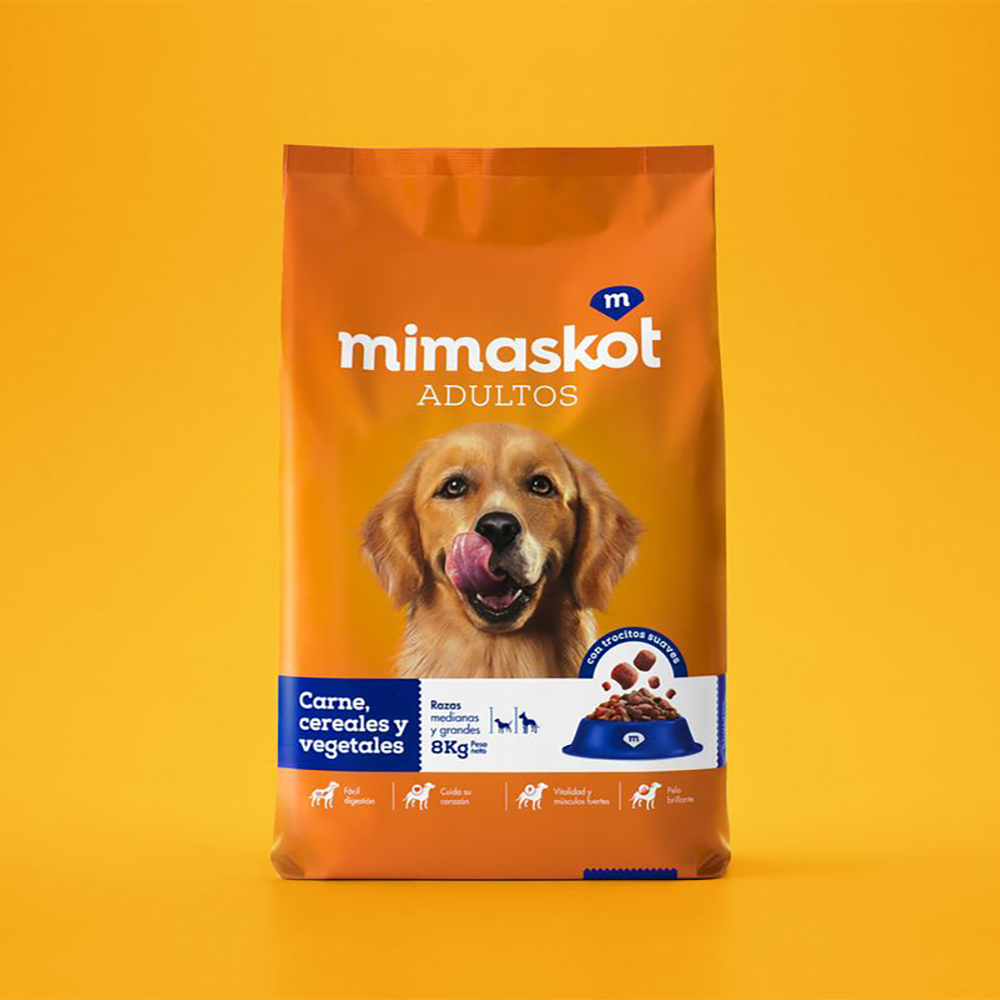
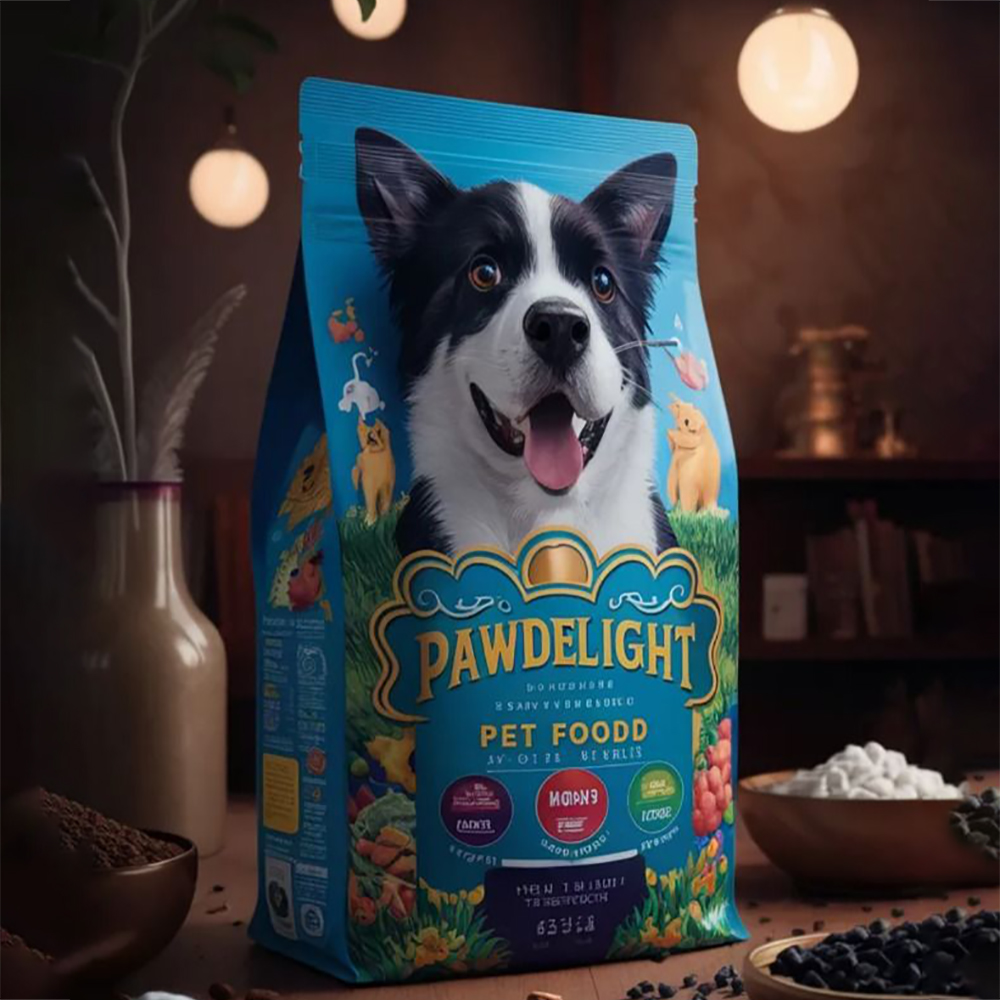
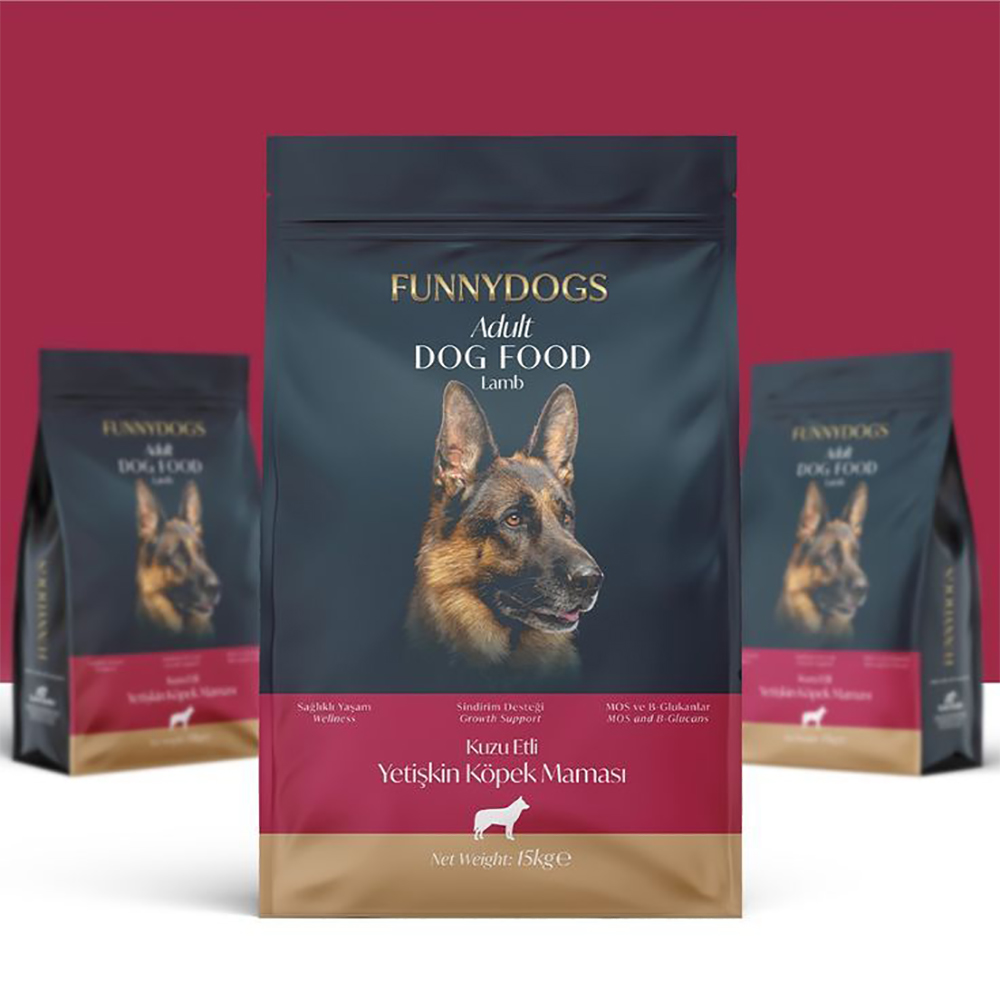
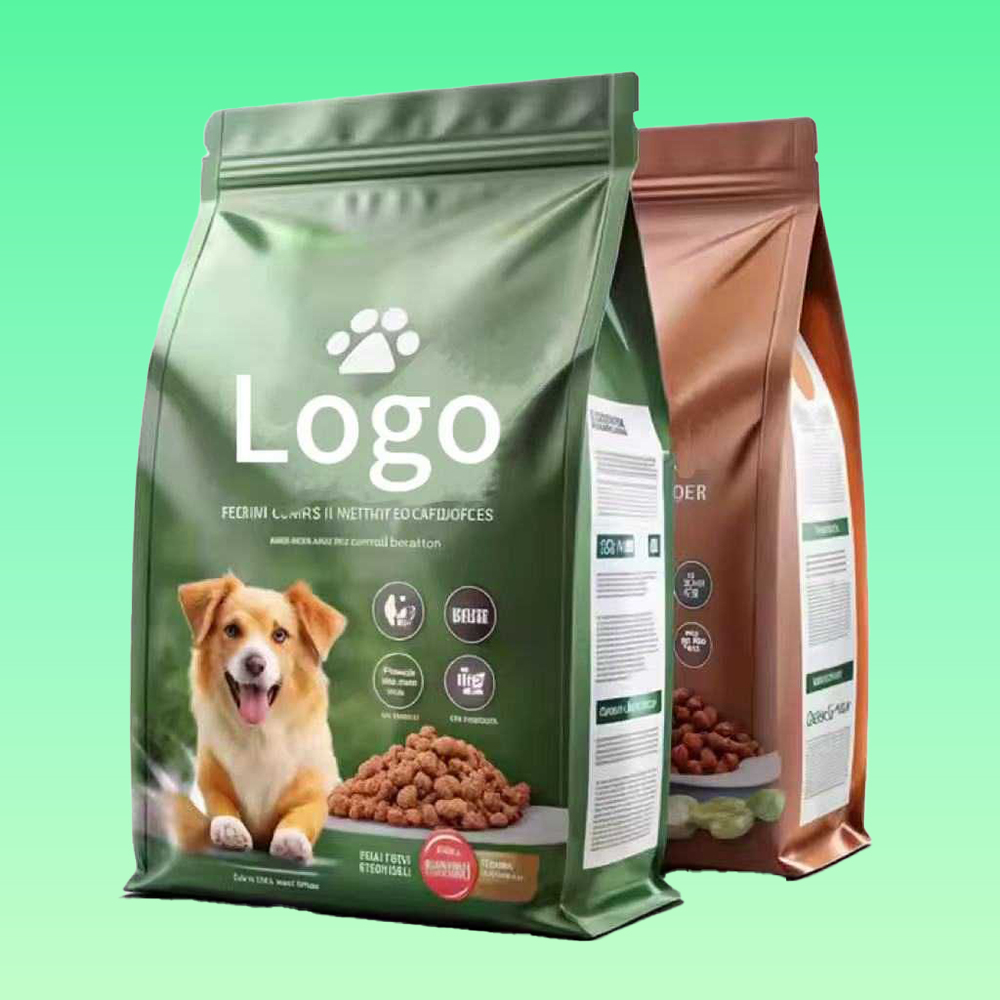
Aluminum Foil Ziplock Pouch
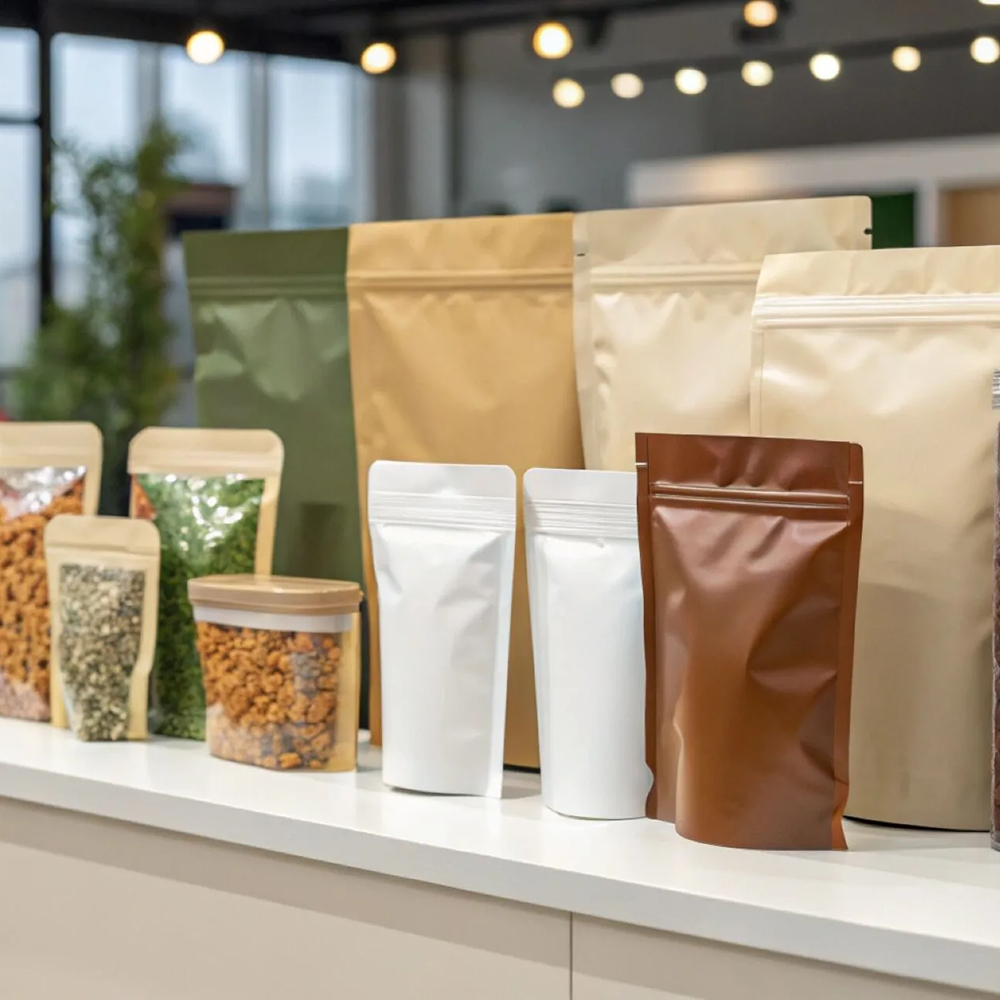
Aluminum foil ziplock pouches hold light, oxygen, and vapour out for the full frame life of a product; the zip lets it be opened and resealed dozens of times without losing that barrier. Hale Path Packaging builds the foil layer and the zip zone as one spec, not two, since it’s the point where they meet that most often lets a customer down. See our protein powder pouches range for the wider foil-pouch family this format belongs to.
Aluminum Foil Ziplock Pouch Gallery
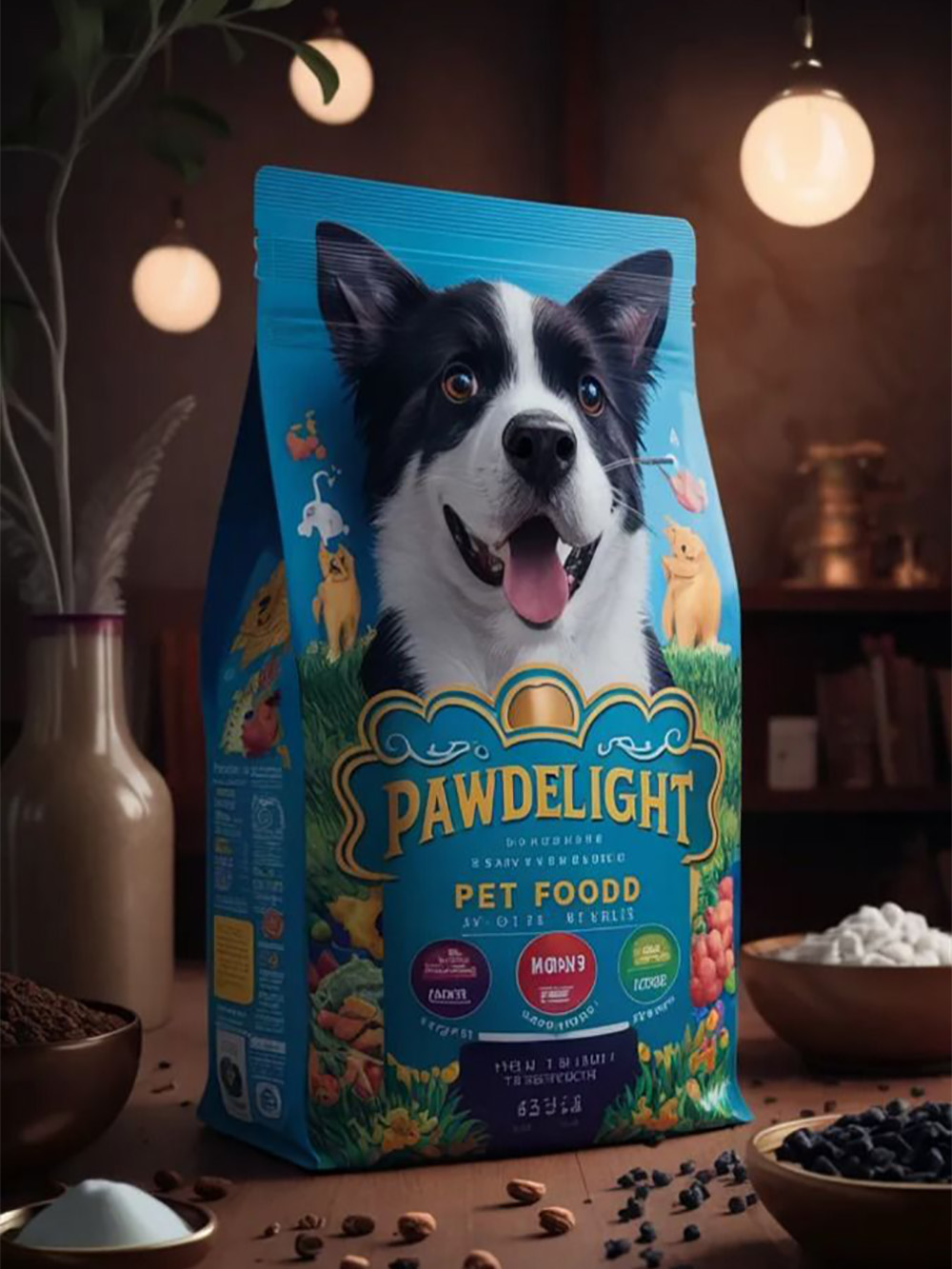
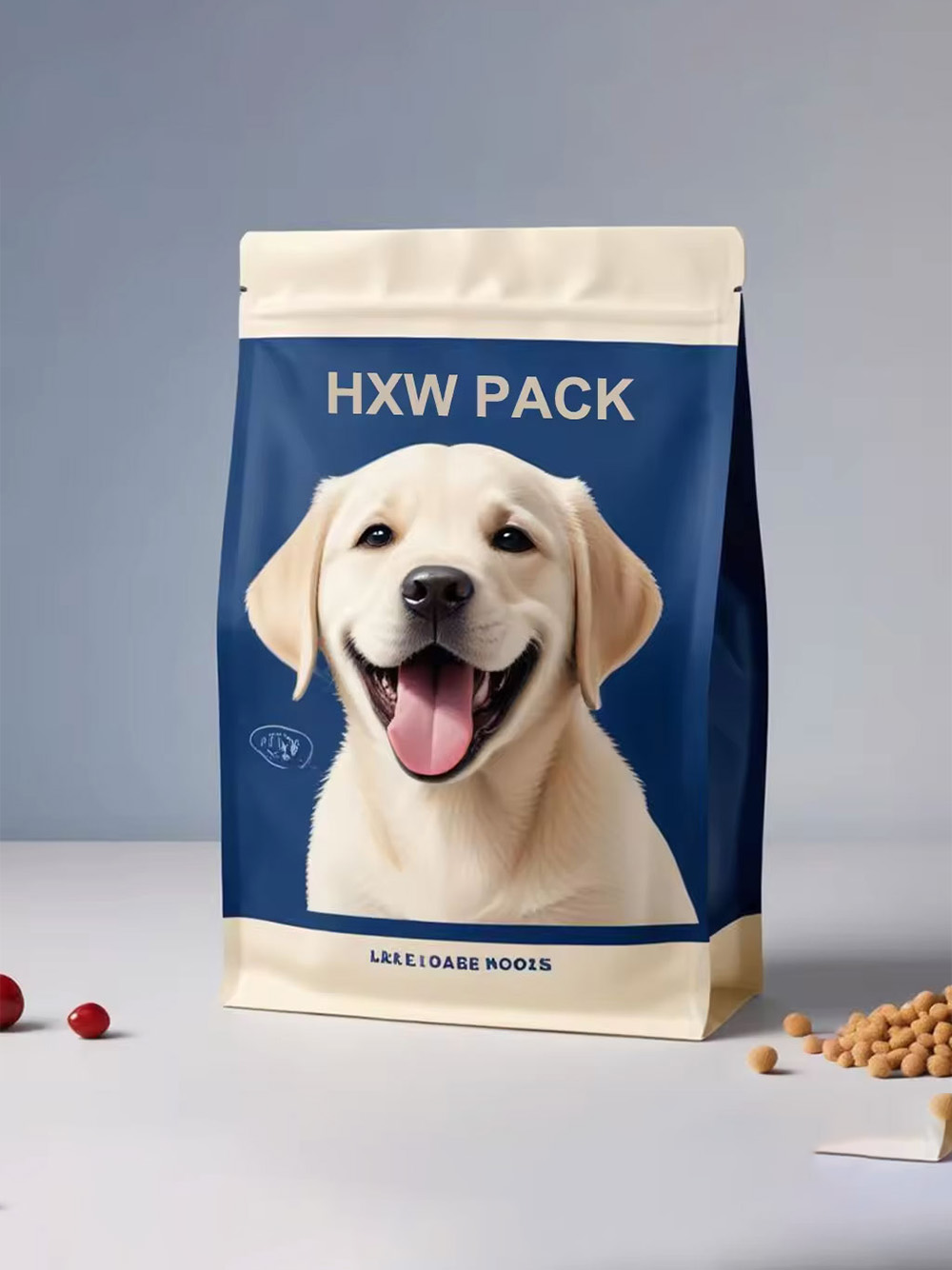
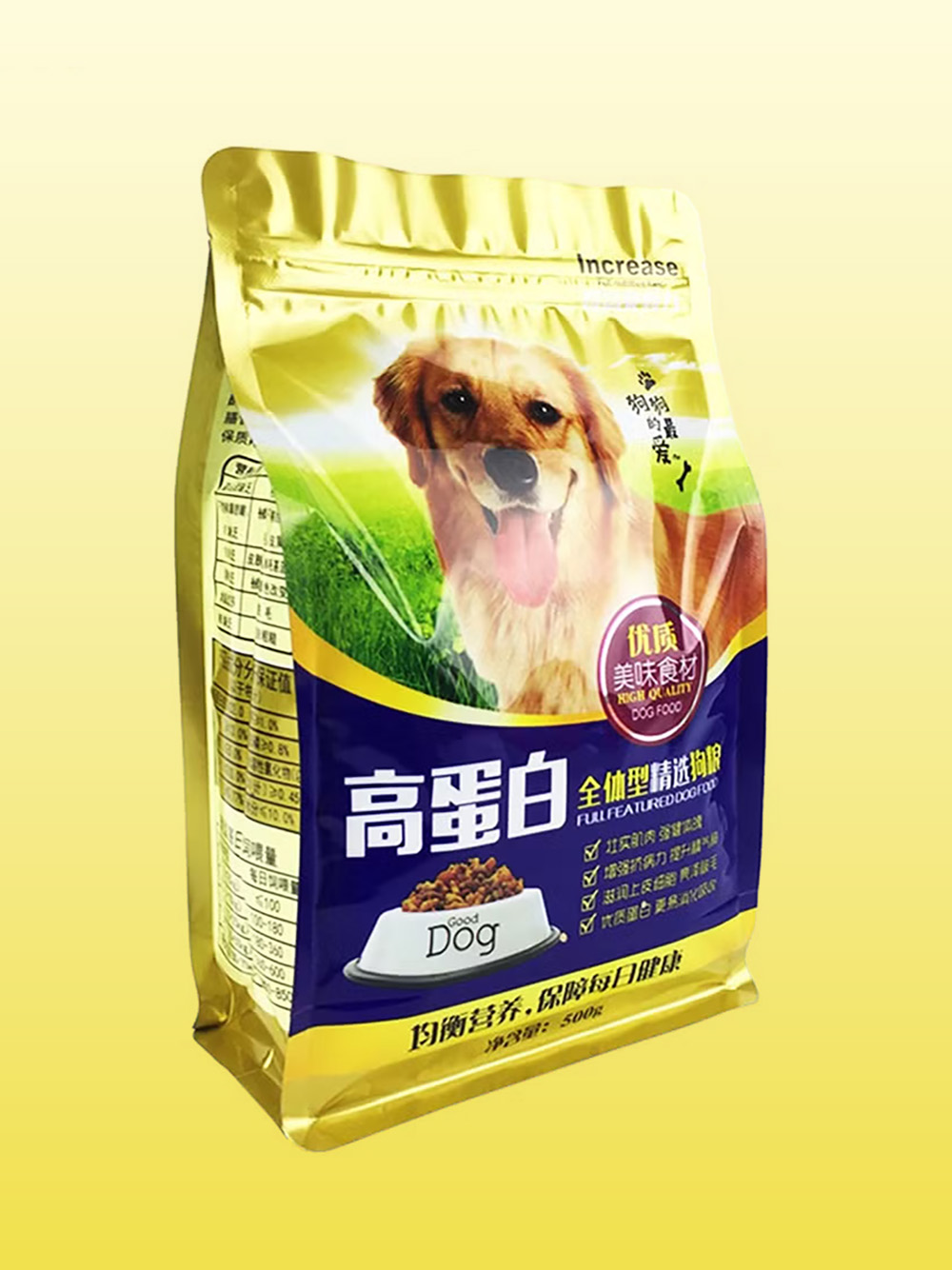
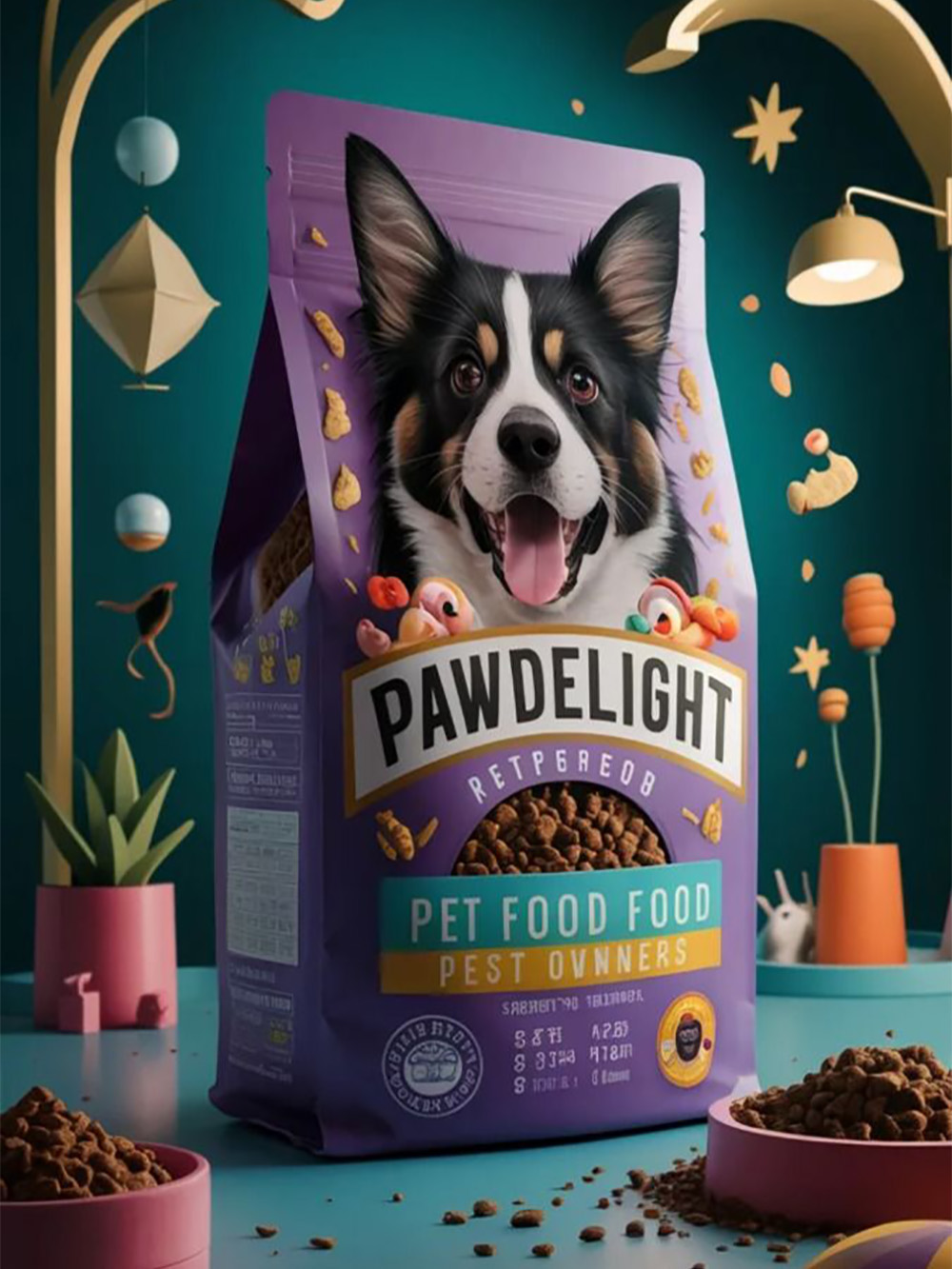
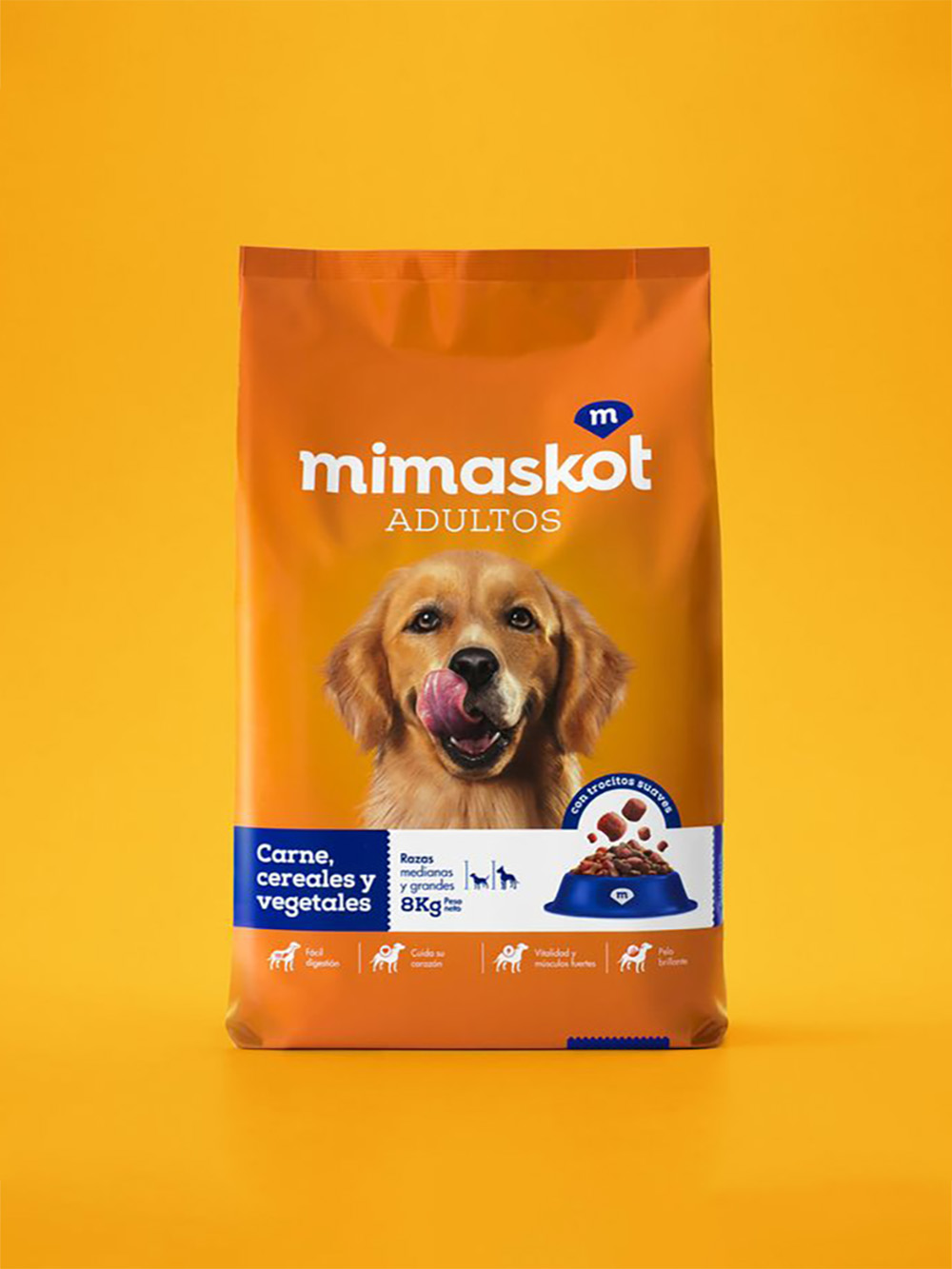
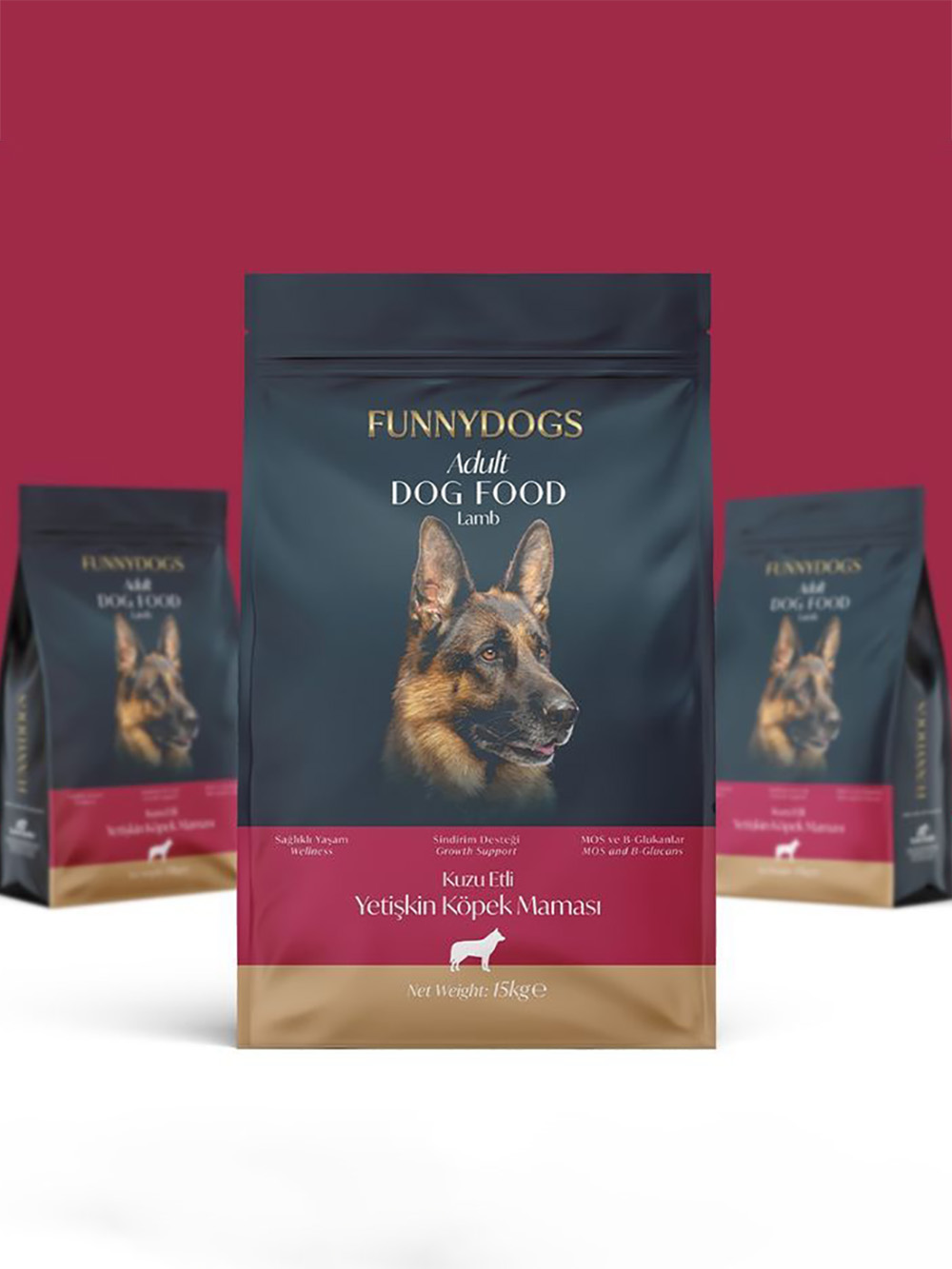
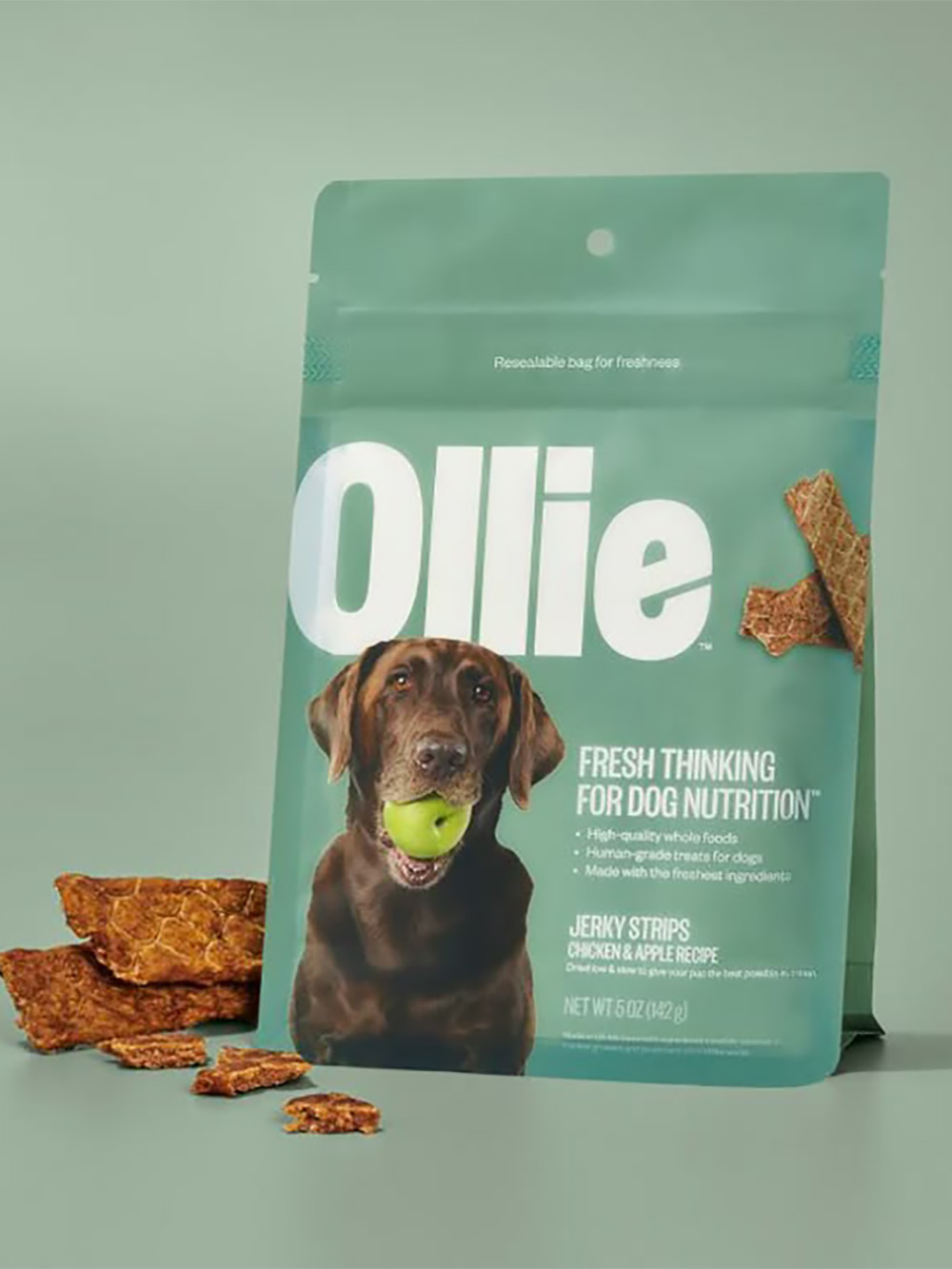
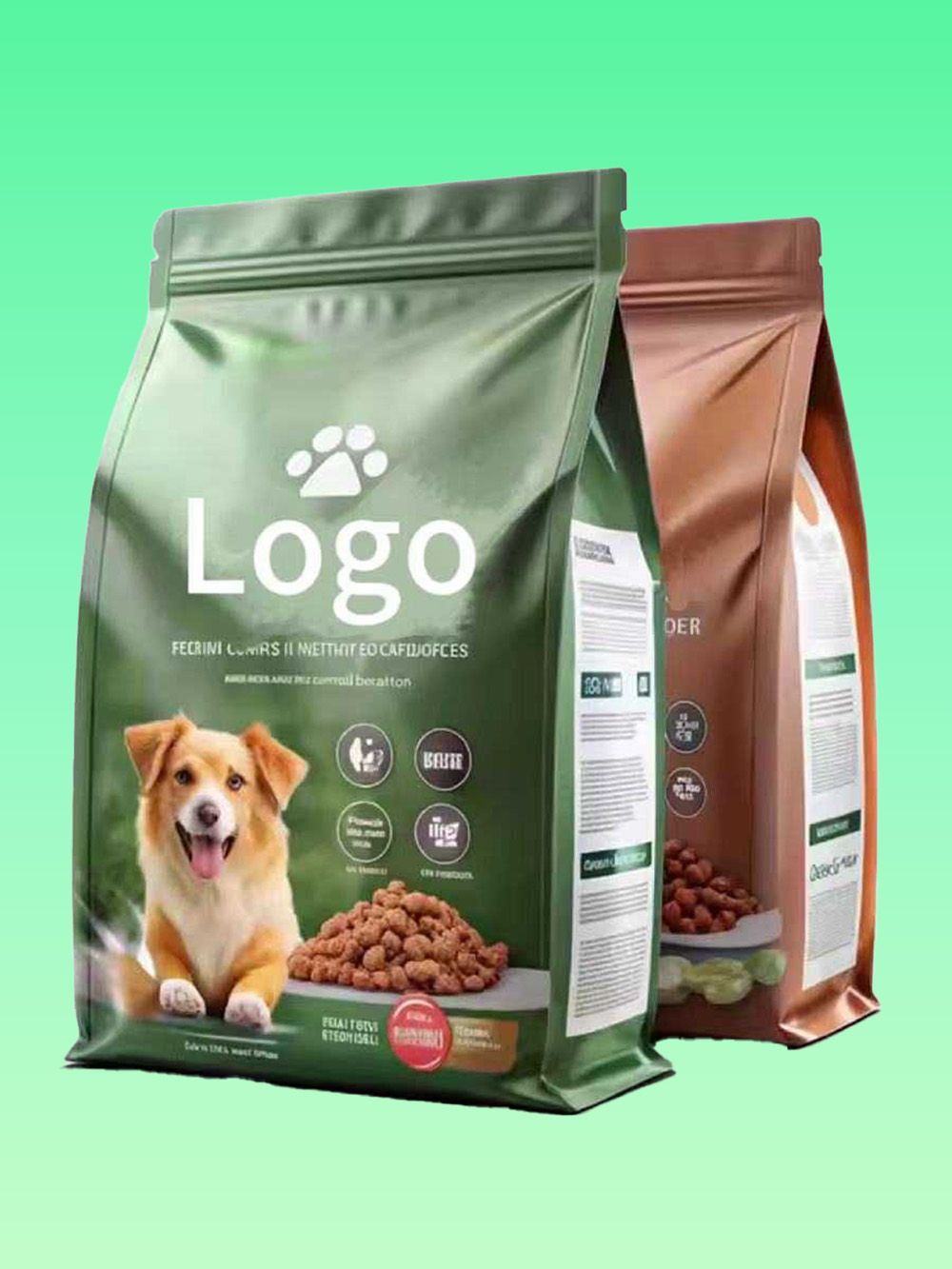
Aluminum Foil Ziplock Pouches USA: Barrier Protection With a Reseal Built In
An aluminum foil ziplock pouch does two jobs at once: the foil layer blocks light, oxygen, and vapour altogether; the zip track qualifies the customer to open and reclose it without breaking that seal. Most generic foil pouches are specified for the barrier alone, with the zip added as a standard component rather than matched to the foil’s own limits. Our custom spice pouch page covers the zip side of that equation in more depth; on foil specifically, our laminate engineers treat the zip zone as part of the barrier spec, not separate from it, since foil behaves differently to plastic film under repeated bending.
- PET/AL/PE laminate structure, with the aluminium mid-layer doing the barrier work and the outer PET and inner PE layers protecting it from puncture and heat-sealing.
- 70–120 micron gauge range, chosen by product weight and how often the pouch gets handled.
- Matte or gloss foil finish, both giving the same barrier performance; the choice is purely visual.
- In-house barrier verification on every new spec, run by our barrier-testing team before a job goes to production.
- Tear notch above the zip, so the first opening doesn’t put stress anywhere near the resealable zone.
Does Repeated Zip Opening Crack the Foil Barrier Over Time?
Yes, it can. Foil does not turn and recover the way plastic film does, so bending it in the same spot every time the pouch is opened can ultimately crack the barrier at that exact point. Unlike the base-fold cracking covered on our Aluminum Foil Spot Pouches page, which happens during forming, this is a slower, use-driven fatigue that shows up only after dozens of open-close cycles, once the foil at the zip fold has been bent past its limit. Our barrier-testing team runs new zip-pouch specs through repeated open-close cycles before approving them, checking for hairline cracks at the fold rather than relying on a single flat-sheet barrier test, which wouldn’t catch this failure mode at all.
Printing and Branding on Aluminum Foil Ziplock Pouch
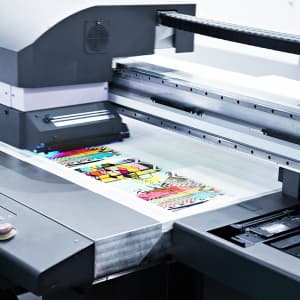
Foil takes print differently to paper or plain film; colours model brighter against the metallic base, but fine linework and small text require slightly heavier ink coverage to remain legible against the reflective surface. Rotogravure printing claims longer runs and gives the sharpest registration on foil; digital printing works for shorter runs and frequent design changes but requires a test print first to confirm colour accuracy against the metallic background. Branding placement should also stay clear of the zip fold itself, for the same flex-fatigue reason covered above; our K-Seal Stand-Up Pouches page covers a similar print-placement consideration for a different seal style.
- Rotogravure for volume runs, giving the sharpest edge definition on fine logo work.
- Digital printing for short runs, useful for testing a design before committing to a plate.
- Colour-matching against metallic foil, checked by our print specialists before a full run is approved, since foil shifts how printed colours appear compared with paper stock.
- Branding kept clear of the zip fold, avoiding the same flex-fatigue zone that affects barrier performance.
- Matte lamination option over print for a softer finish that still holds ink well.
Why Hale Path Packaging Is the USA Aluminum Foil Ziplock Pouch Specialist
Hale Path Packaging has run flexible foil packaging for USA brands for 7 years, and our barrier-testing team puts every new ziplock foil spec through repeated open-close cycling rather than a single flat-sheet barrier check. That routine testing is what first flagged the issue: a batch built on standard-temper foil showed hairline cracks at the zip fold by cycle 50, well within a normal product’s use life, while the same spec on a softer-temper foil at that same gauge showed no cracking at 150 cycles. We’ve used the softer temper in the zip zone specifically ever since. MOQs start from 100 units, with USA turnaround typically 7–14 working days.
Explore more of our related packaging products from Hale Path Packaging: Aluminum Foil coffee bags USA,Recyclable Flat-Based Pouches,Custom standup mylar bags.
Frequently Asked Questions
What is an aluminum foil ziplock pouch?
An elastic pouch with an aluminium foil border layer for light and vapour security, and a resealable zip track for repeated opening after first use.
What is foil temper?
How hard or soft the aluminium layer is after rolling: soft-annealed foil flexes more readily without breaking than hard-tempered foil at the same meter.
Soft-temper or hard-temper foil for an aluminum foil Ziplock Pouch: which is better?
Soft-temper foil handles the repeated bending at the zip fold better; hard-tempered foil is more prone to cracking at that specific point over the pouch's use life.
Foil ziplock pouch or foil pouch with a fold-over top which lasts longer in use?
A zip pouch generally reseals more reliably over time; a fold-over top depends on the customer folding it correctly and doesn't protect the barrier the same way.
Can I get my zip-zone spec checked against my product's expected use life?
Yes, our barrier-testing team can run repeated open-close cycling against your specific fill weight and expected use frequency before production starts.
Does this pouch format fall under USA Extended Producer Responsibility (EPR)?
Yes, foil pouches are reported under EPR the same as any other packaging component placed on the USA market.
Is there a USA recyclability label for an aluminum foil Ziplock pouch?
OPRL assessment applies, though foil-laminate pouches fall into a specialist recycling route instead of standard household kerbside collection.
Is there a lower-impact alternative to a full foil barrier?
Metallized film provides a weightless, low-cost choice for products that do not demand foil-level security, though it will not match foil's wall routine.