Cardboard Insert vs Foam Insert: A Cost and Protection Comparison for Small Brands
Cardboard Insert vs Foam Insert: A Cost and Protection Comparison for Small Brands
Cardboard inserts cost less and scale faster for small brands, while foam inserts protect better for fragile or irregularly shaped products. The right choice usually comes down to order volume and what you’re actually shipping, not a fixed rule either way. Here’s how that decision actually plays out as a brand grows.
- What separates cardboard inserts from foam inserts, structurally
- How the right choice changes as order volume grows
- Where each option actually falls short
What Actually Separates Cardboard Inserts From Foam Inserts
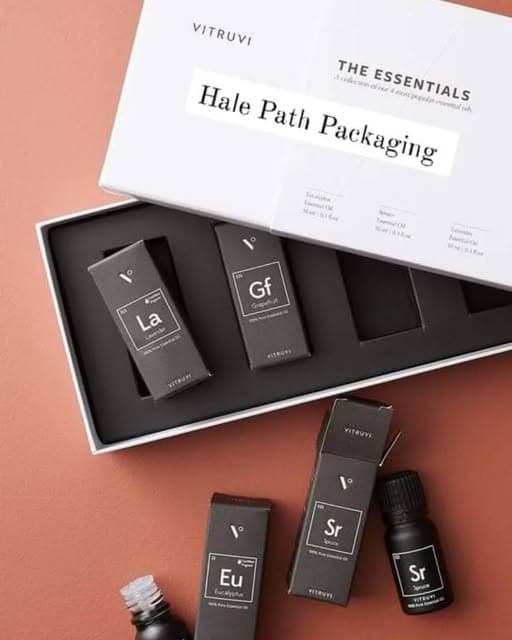
Cardboard inserts are die-cut from corrugated or chipboard sheets, folded into cavities that hold a product in place inside the outer box. Boxing costs less because the cutting process is simpler, and the turnaround move to be faster; there is no moulding step involved.
Foam inserts start as a solid block of polyethylene or polyurethane foam, then are cut to shape using die-cut methods, depending on complexity. That extra shaping step is where most of the added cost comes from, not the raw material itself.
| Factor | Cardboard Insert | Foam Insert |
| Typical tooling cost | Lower | Higher |
| Best at low volume (under 250 units) | Yes | Rarely worth it |
| Shock absorption | Moderate | High |
| Recyclability | Standard kerbside | Limited, specialty programs only |
| Storage before assembly | Flat, compact | Pre-moulded, bulkier |
| Weight | Heavier | Lighter |
| Dimensional consistency at scale | Can vary | Holds a tighter tolerance |
How Cardboard Inserts Are Made
A cardboard insert starts as a flat sheet, cut with a steel-rule die that follows a custom pattern designed around the product’s dimensions. The sheet then folds along scored lines into walls, dividers, or a honeycomb-style cavity structure. Our insert design team builds this pattern from a physical sample of the product itself, not just a spec sheet; world tolerances seldom match the drawing exactly.
How Foam Inserts Are Made
Foam inserts take one of three shaping routes, depending on how complex the cavity needs to be. Die-cutting works for simple, repeated shapes and keeps costs closest to cardboard’s range. CNC routing carves more detailed cavities directly from a foam block, which suits irregular product shapes. Water-jet cutting handles the finest detail and tightest tolerances, but it is also the most expensive of the three, and worth it for the best value or highly irregular products.
Matching Insert Type to Product Category
Product category ends up driving this decision as much as order volume does. A few patterns come up often enough to be worth calling out directly.
Apparel and Soft Goods
Folded apparel, bags, and other soft goods rarely need foam at all. A cardboard insert or simple divider keeps items from shifting without adding real protective value beyond that. Brands in this category almost always land on cardboard once they run the numbers, regardless of order size.
Glass and Skincare
Glass bottles, jars, and skincare packaging model at the other end of the spectrum. A cracked bottle is not a cosmetic issue; it is a lost sale and a customer service problem. Foam earns its cost here even at lower volumes, since a single damage claim often costs more than the entire insert budget saved by selecting cardboard. Our Perfume & Lipstick Box Packaging USA guide covers ISTA transport testing figures relevant to exactly this kind of fragile, glass-heavy load.
Electronics and Small Parts
Small electronics and components require cavities with tight tolerances; even a part that turns just a little can cause damage during transport. Foam, cut by CNC or waterjet for precision, outperforms cardboard here, particularly for anything with exposed connectors or delicate housings.
Protection Level: What Each Honestly Prevents
Cardboard inserts do a solid job of preventing horizontal movement inside a box. They stop a product from sliding around and banging against the walls during transport, which covers most damage risks for standard consumer goods.
A cardboard insert can always allow a product to take a hard knock during a drop. Foam compresses and cushions that same impact before it reaches the product.
For most small brands shipping boxed goods, apparel, or standard consumer products, cardboard covers the actual risk. Our production floor tests both choices against the same drop-test standards before recommending either one, instead of defaulting to foam whenever a product seems delicate.
Starting: Under 250 Units
At this order size, tooling cost dominates the decision more than material cost does. Foam die tooling runs higher upfront than a cardboard cutting die, and that fixed cost is spread across far fewer units at this volume.
Cardboard inserts almost always make more financial sense here, unless the product cannot survive shipping without foam-level cushioning. A small skincare brand importing glass bottles might always require foam despite the volume, but a brand shipping boxed candles or apparel does.
Growing Fast: 250 to 2,000 Units
Foam is the boxing cost obtained spread across units, and the per-unit gap between cardboard and foam narrows noticeably. If the product has been arriving damaged at a low but consistent rate, this volume range is usually when it becomes worth switching.
Brands in this range should track damage claims closely rather than guessing. A 2- to 3-percent damage rate on cardboard inserts might still be cheaper to absorb than switching to foam. A rate above that starts eating into margin fast enough that foam often pays for itself within a single order cycle.
Run the actual damage-rate math before switching. The right answer depends more on your return and replacement costs than on the insert price alone.
Scaling Up: 2,000-Plus Units
At higher volumes, foam’s cost disadvantage mostly disappears. Tooling gets amortised across enough units that the per-piece cost difference between cardboard and foam becomes small relative to everything else in the packaging spec.
This is also where product consistency matters more. Foam inserts hold tighter tolerances across a large run, which matters if the product’s dimensions vary slightly between units. Cardboard can struggle to support a snug fit across a big batch if there is any variation in the product itself.
Order timing matters just as much at this scale, particularly for brands ramping up ahead of a seasonal peak. Foam tooling and cardboard dies both need lead time booked in advance, and that planning window gets tighter the closer a brand gets to a holiday launch. Our When to Order Custom Christmas Gift Boxes USA 2026 guide covers realistic lead times if a seasonal volume spike is part of what’s driving the switch to a higher order tier.
The decision comes down to protection needs and dimensional consistency, not cost. If cardboard has worked nicely so far, there is a reason to change just because volume has grown.
Sustainability and Disposal
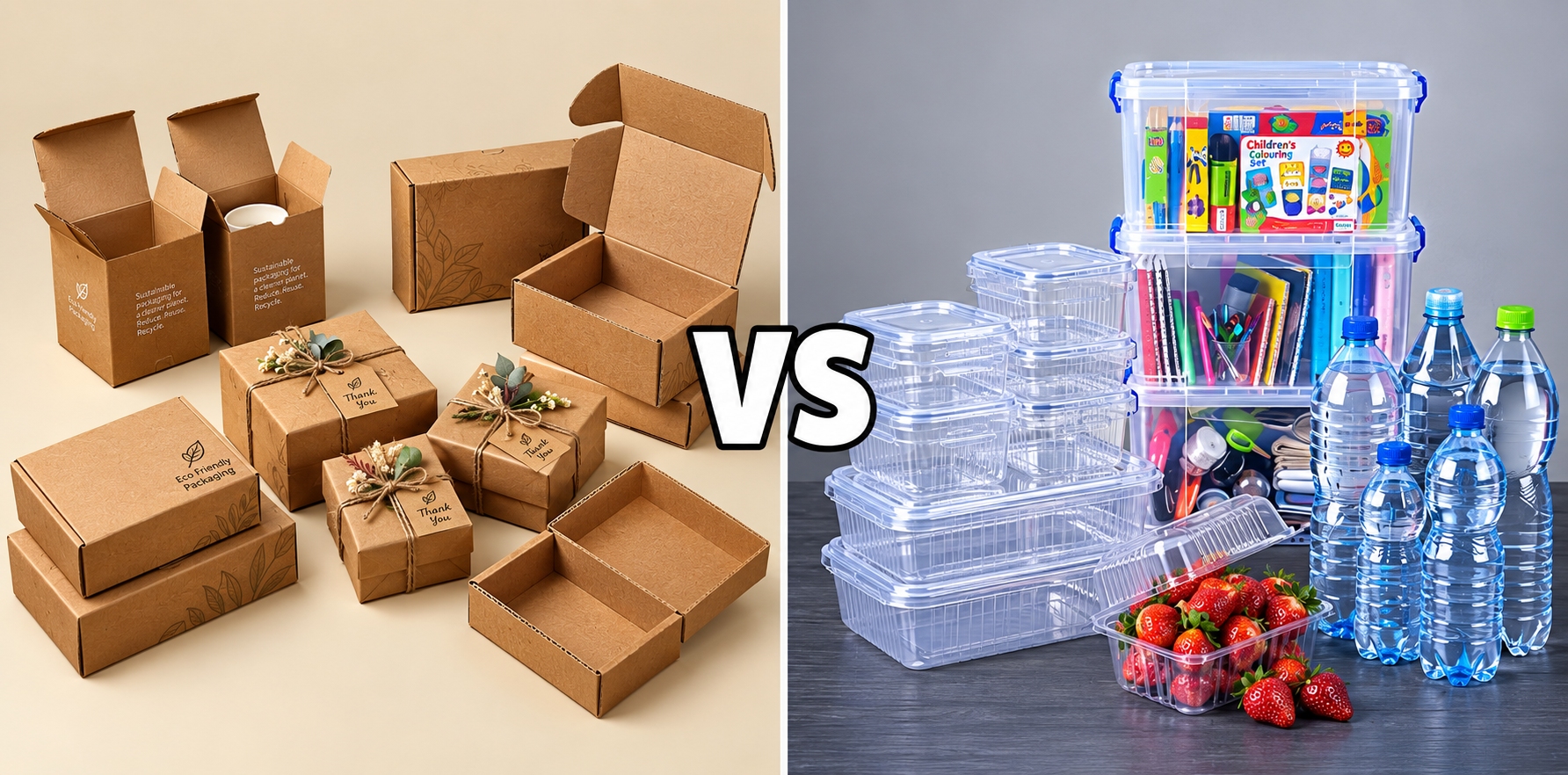
Cardboard inserts are recycled through standard channels alongside the outer box, since they are the same base material. That is an increasingly real factor for small brands marketing themselves as eco-conscious, and a growing number of US states have introduced restrictions on polystyrene foam specifically, which pushes some brands toward cardboard even when foam would protect better.
Polyethylene and polyurethane foam are not reclaimed through standard municipal streams. Some specialty programs accept clean foam, but availability varies a lot by region, and most consumers won’t seek one out. If sustainability messaging matters to your brand, this is worth weighing alongside the pure cost and protection math above.
Our Sustainable Packaging on a Small Business Budget USA guide covers this trade-off in more depth if eco-positioning is a priority for your brand specifically.
Storage and exporting Weight
Cardboard inserts ship flat before assembly, which keeps warehouse storage compact for brands packing orders in-house. Foam inserts arrive pre-molded and take up their full shape in storage from day one, which adds up fast if you’re storing several SKUs’ worth of inserts at once.
Weight matters too. Foam is lighter than corrugated board pound for pound, which can shave a small amount off shipping costs on the best volume orders. It is rarely the deciding factor on its own, but it is worth factoring in if you are importing thousands of units a month. Brands running a subscription or repeat-shipment model tend to feel this cost most, even a small per-unit saving compounds over months of recurring orders.
Common Mistakes Small Brands Make
A few patterns show up repeatedly across small brand packaging decisions, regardless of which insert type they land on.
Choosing foam by default because it looks more premium is one of the most common choices. Cardboard, nicely laid out and nicely printed, reads just as well in an unboxing moment. The insert material rarely drives that perception as much as founders assume.
Ignoring damage-claim data is another. Brands often switch insert types based on a gut feeling rather than actual return rates, which means they sometimes pay the extra cost without needing the extra protection it provides.
Skipping a fit test before a full production run causes real problems too. A cardboard insert cavity that is a millimeter too tight or too loose changes how well it protects the product, and that is easier and cheaper to catch on a small sample run than after 5,000 units are already boxed. A custom insert method should always start with a physical prototype, not just a digital mockup; foam and board both behave slightly differently in the hand than they do on screen.
Do Inserts honestly improve the Unboxing Experience?
But not for the reason most brands assume. Customers rarely notice the insert itself. What they notice is the absence of a problem. A product that arrives snug, centred, and undamaged reads as an excellently made brand before the customers even use it. A product that is turned around loose in an empty box reads as careless, even when nothing is broken. Inserts do that work in the background of an unboxing moment far more than they add visible polish on their own.
Do Inserts Beat Other Void-Fill Methods?
Air pillows, packing peanuts, and crumpled paper all fill space, but none of them hold a product in a fixed position the way a custom insert does. Loose fill can turn during transport, leaving the product free to move despite the box being full. For a product that requires surviving handling in a predictable position, a fitted insert outperforms loose fill every time. For low-value, low-fragility products, loose fill is the low-cost choice; a custom die is not worth the investment.
Are Cardboard Inserts Genuinely Sustainable?
The fuller answer is always in the sustainability section above, but the short version is that recyclability relies on what is printed or layered onto the insert rather than on cardboard being the base material.
Does Choosing Cardboard honestly Cut Down on Damage?
When it is matched to the right product. Cardboard reduces damage from movement and impact for most standard consumer goods, which cover the majority of small brand shipments. It does not match foam as shock absorption for fragile, breakable items. Prioritising cardboard blindly, without checking whether the product honestly requires foam-level cushioning, can raise damage rates instead of lowering them. Our quality control team flags this exact mismatch during sample review more frequently than any other insert issue. The volume tier math earlier in this article holds if the product category fits cardboard is safe profile in the first place.
Getting the Right Fit for Your Brand
There is no universal right answer between cardboard and foam. The decision depends on what you are exporting, how fragile it actually is, and where your order volume sits today versus where it’s heading. Our insert design team walks small brands through exactly this trade-off regularly, starting with a sample run before moving to a production order.
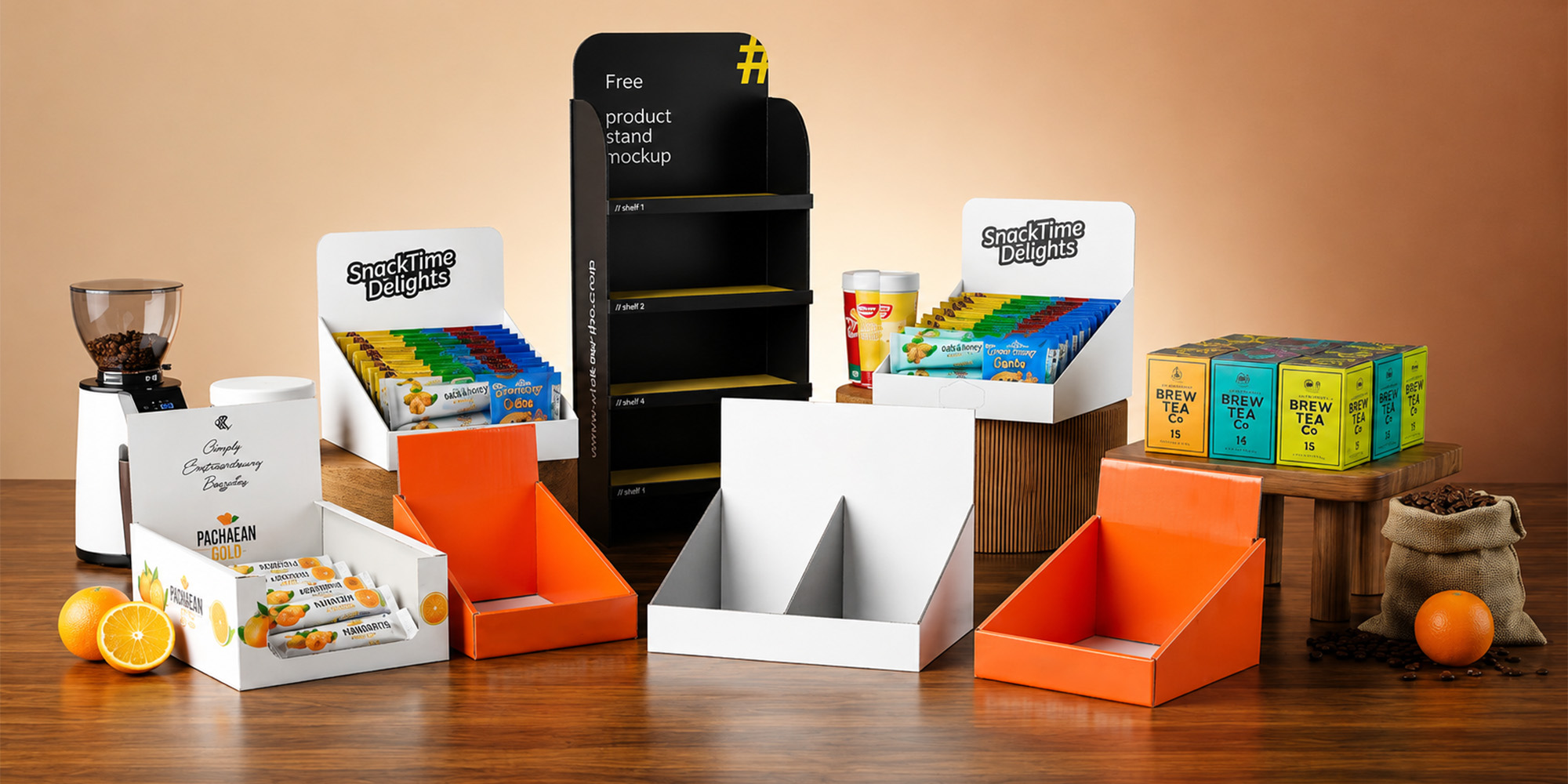
Hale Path Packaging produces both cardboard and foam insert options alongside our full range of custom boxes, with orders starting from 100 units and a turnaround of 7 to 14 working days. Our Retail Counter Display Boxes USA guide is worth a look if inserts are just one part of a bigger point-of-sale packaging project, and our Cosmetic Gift Box USA range pairs well with foam inserts for anything glass or breakable that needs to arrive intact.