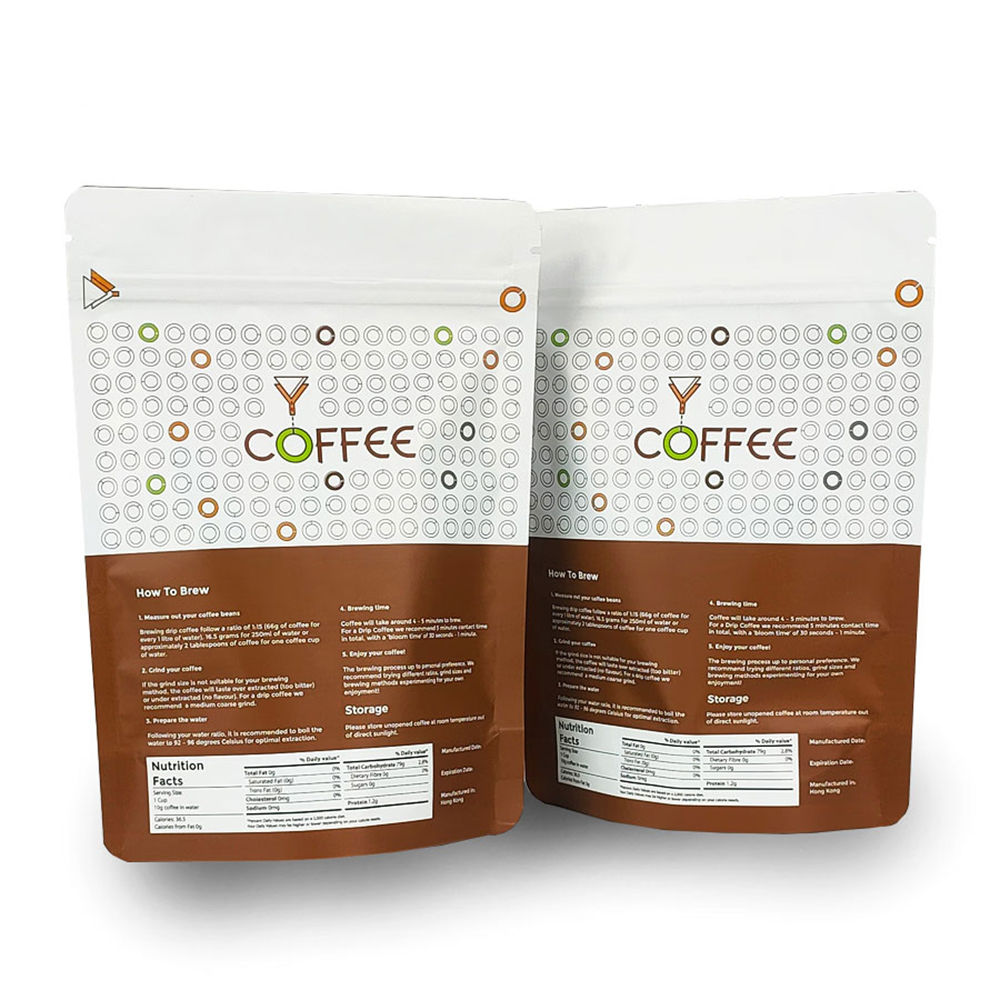
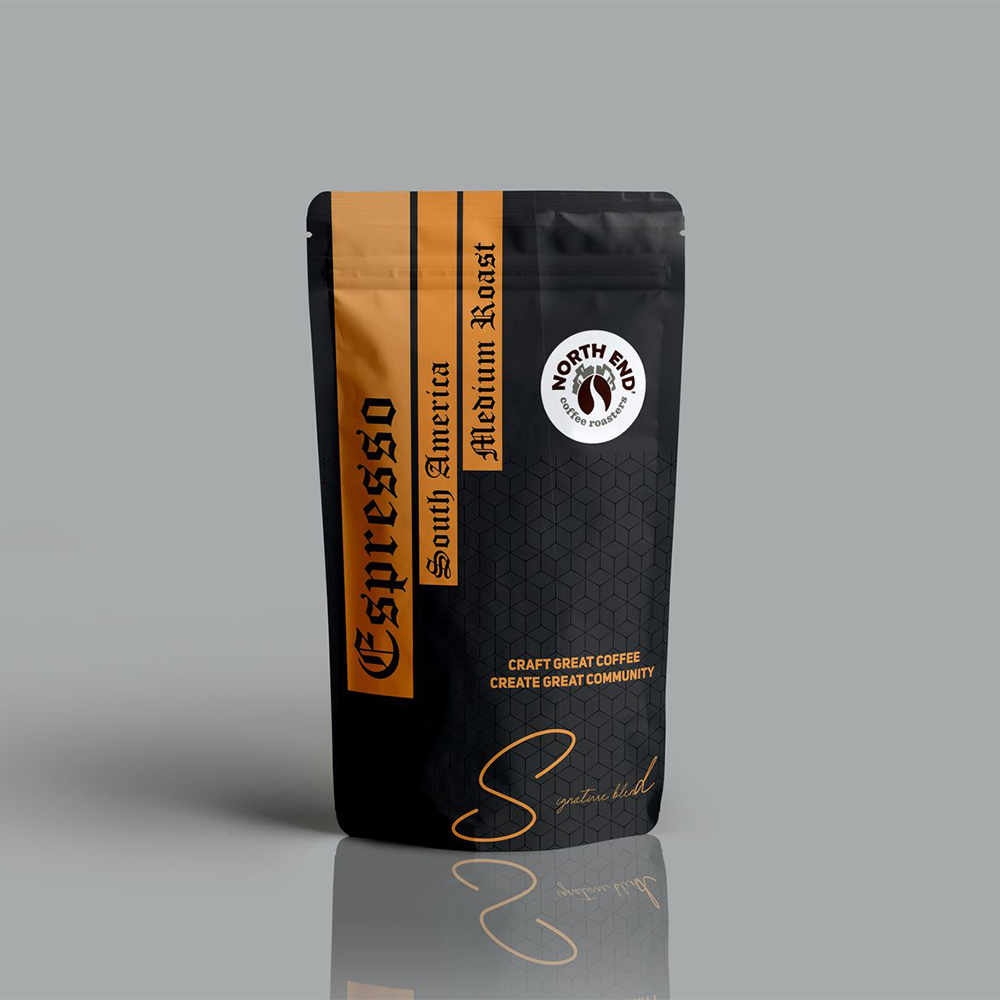
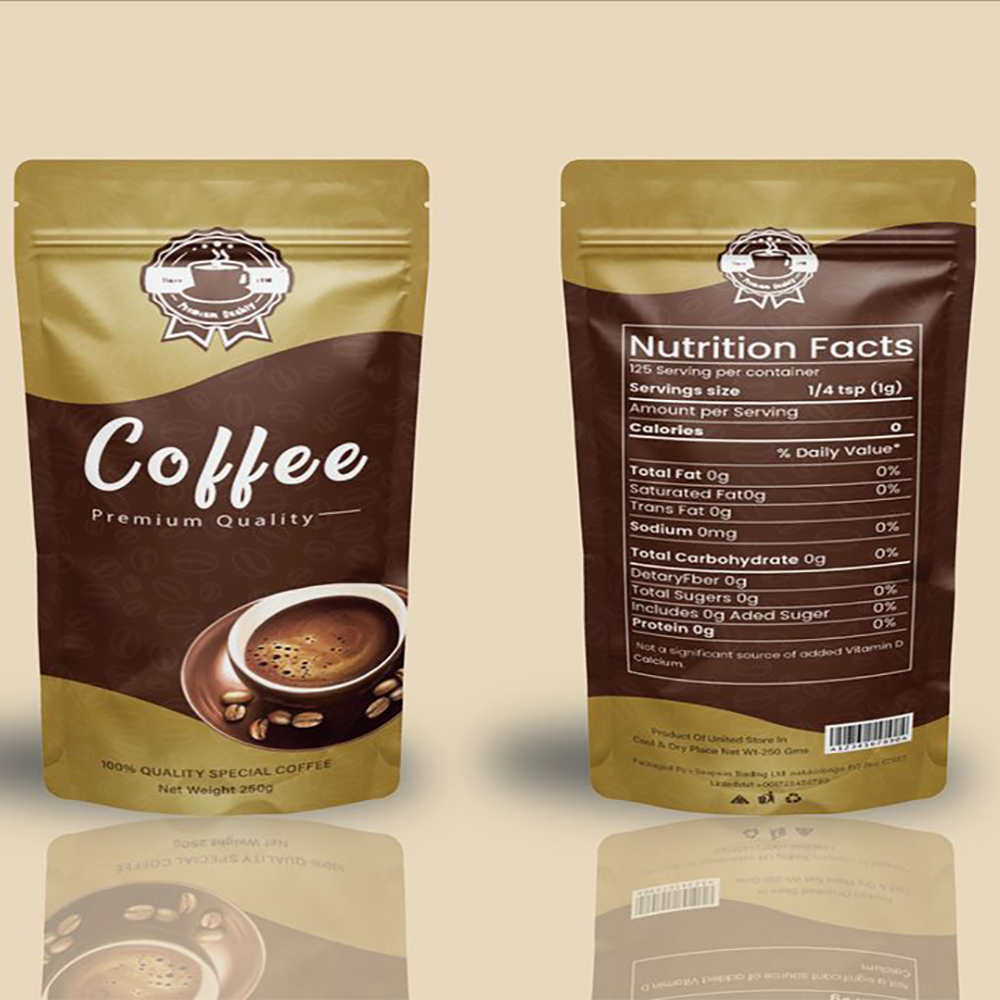
Coffee Pouches
A good coffee pouch does one job excellently: it holds oxygen, vapour, and light away from the beans inside.coffee pouches USA-wide from Hale Path Packaging pair that protection with print space for your brand, tested and exported from in-house production.
Coffee Pouches Gallery
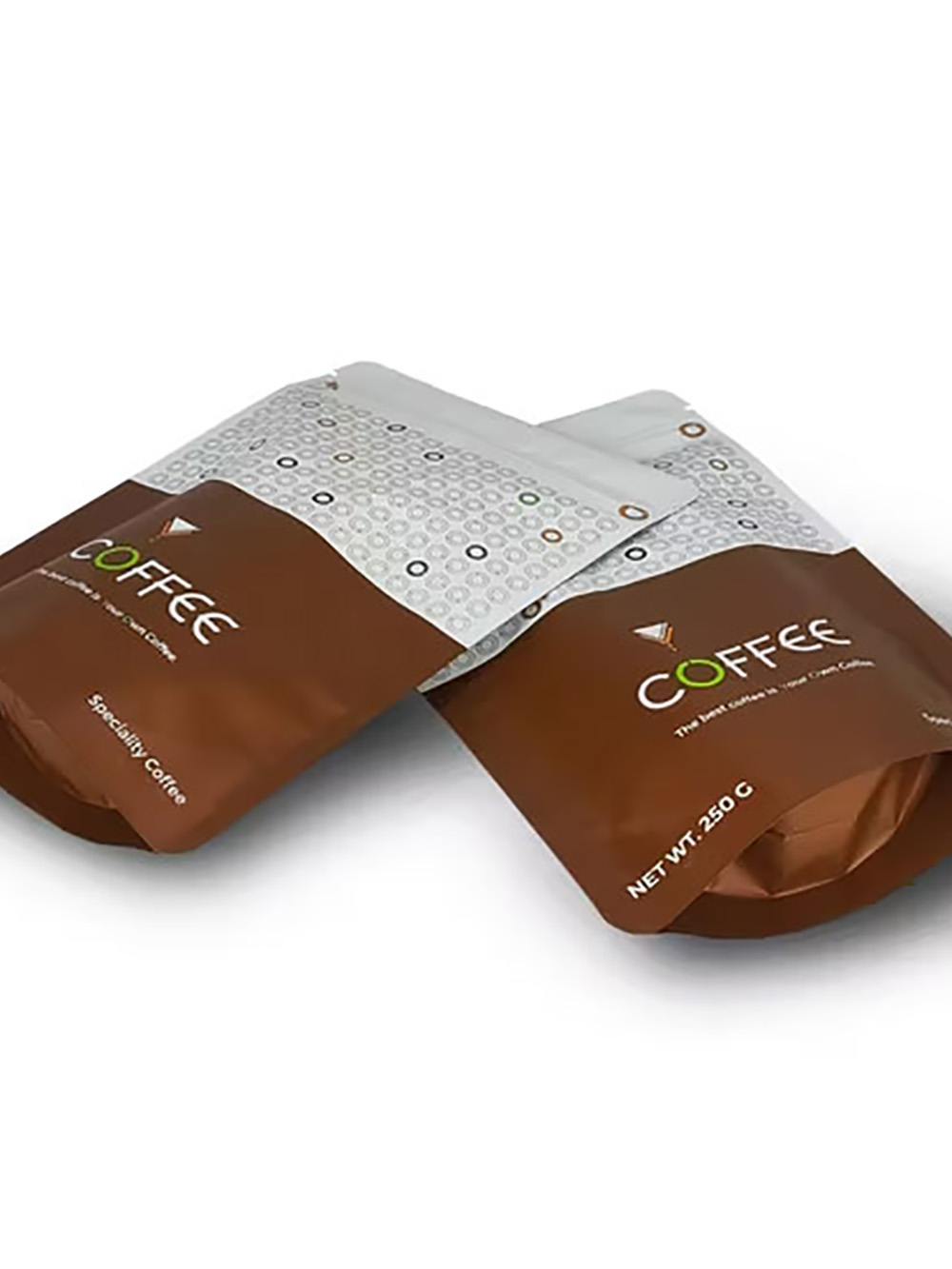
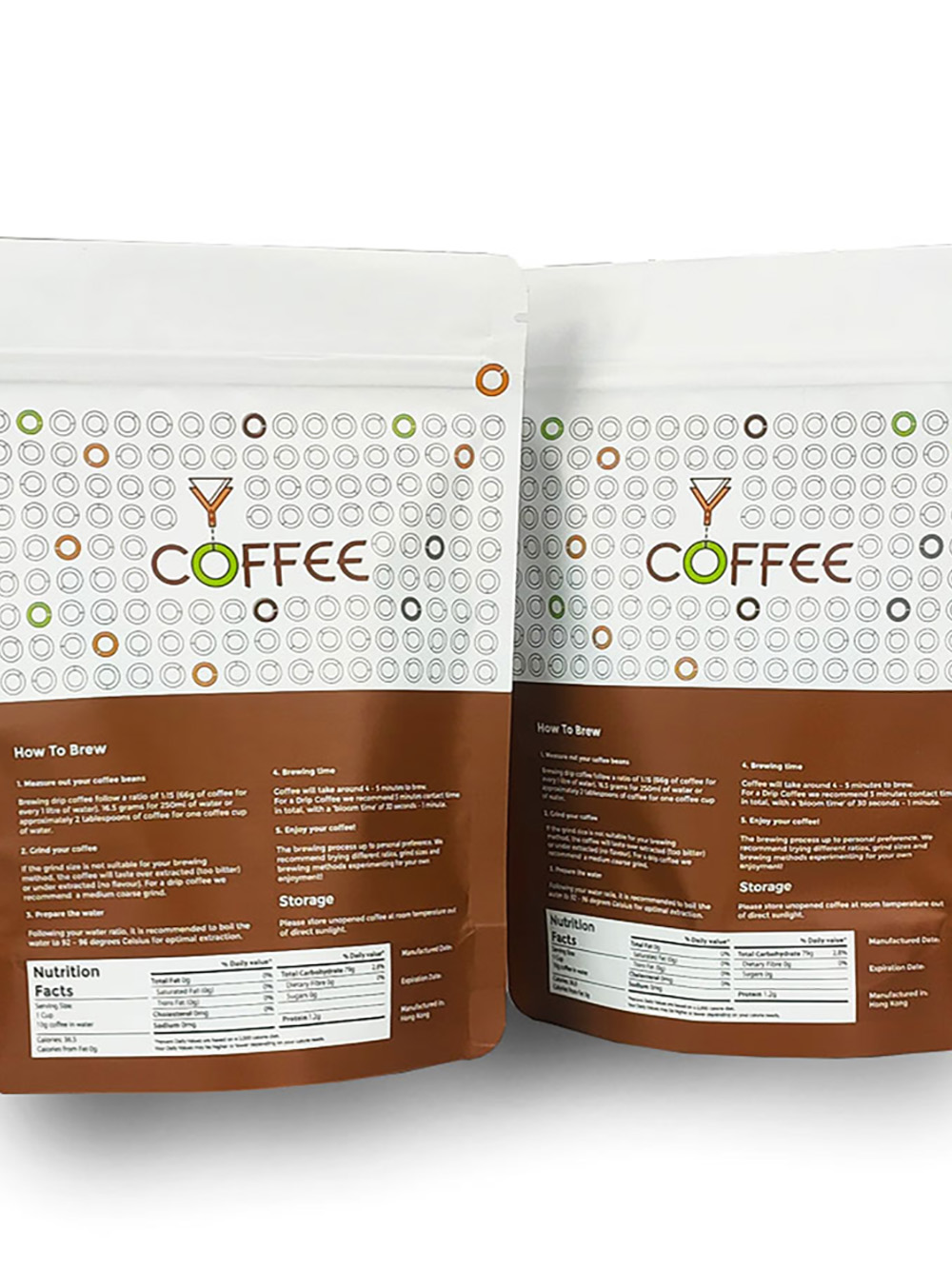
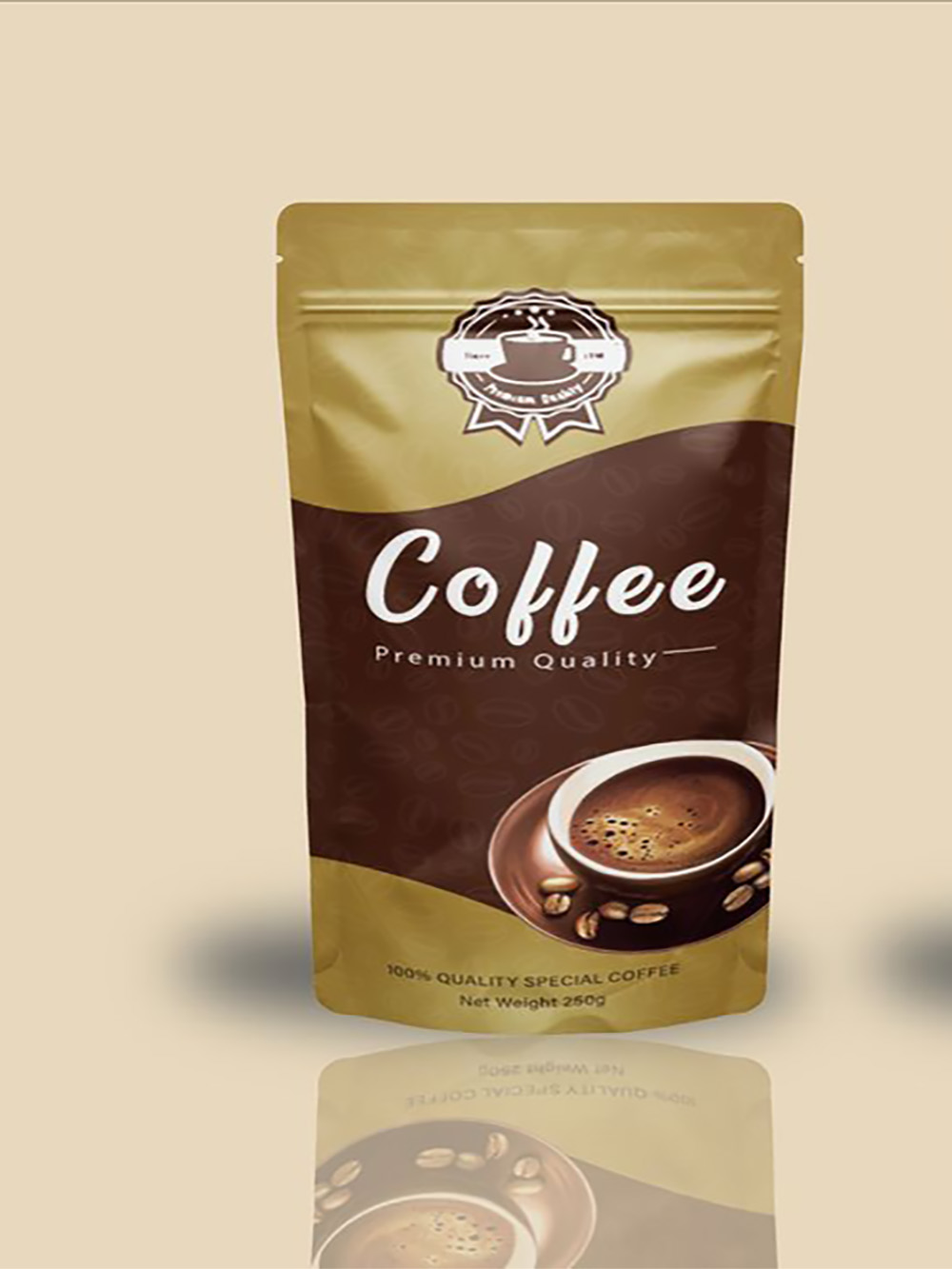
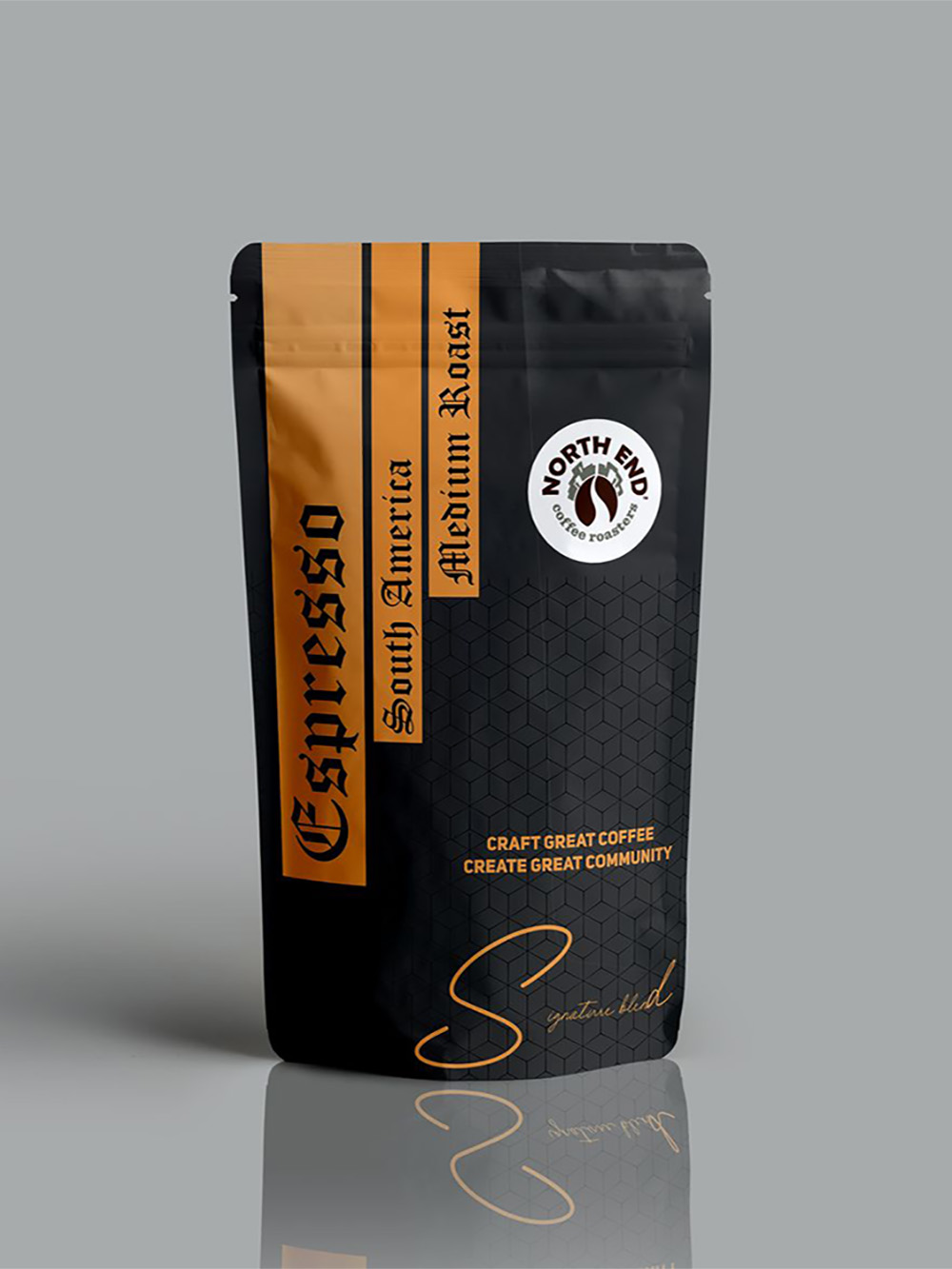
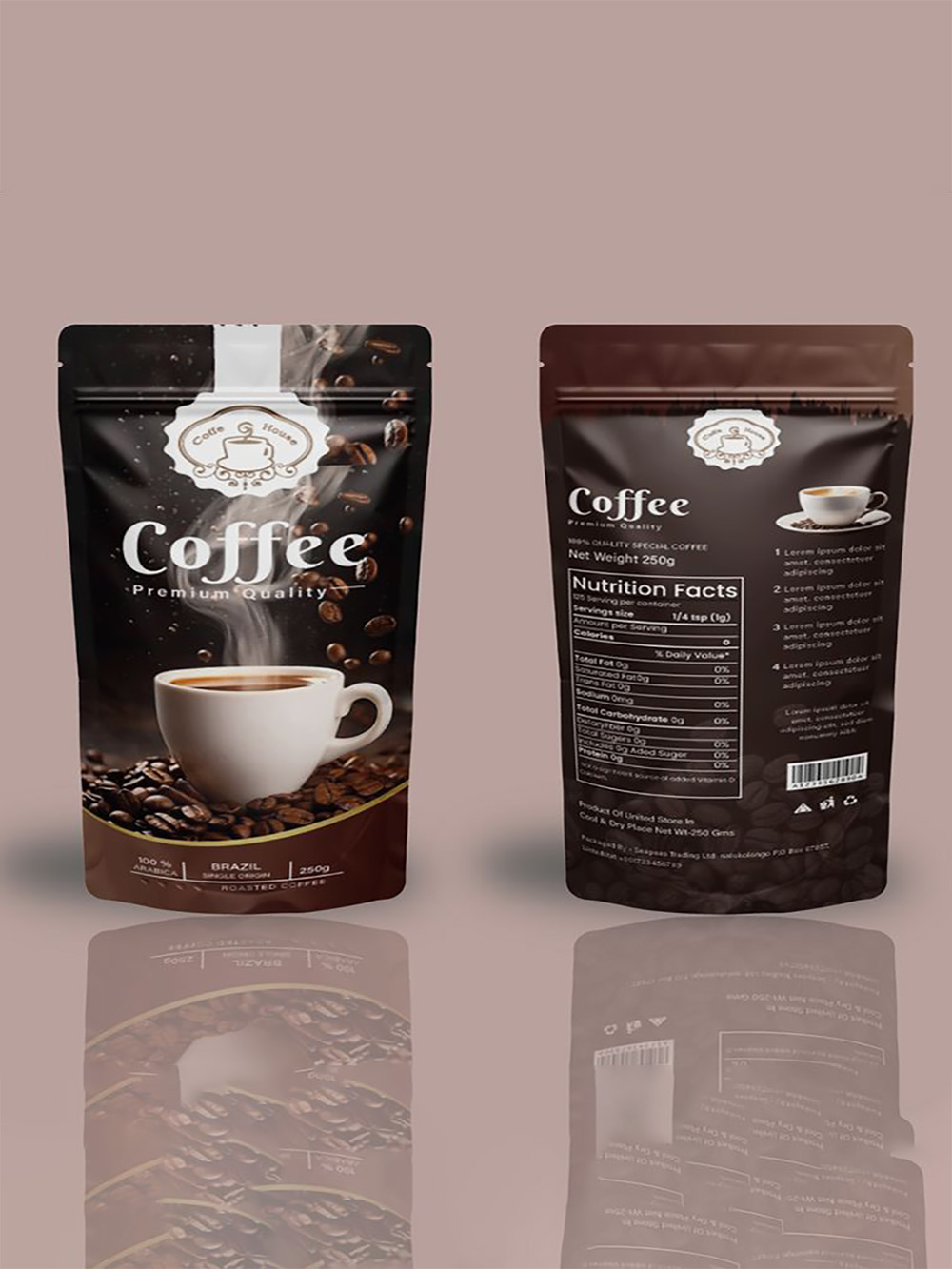
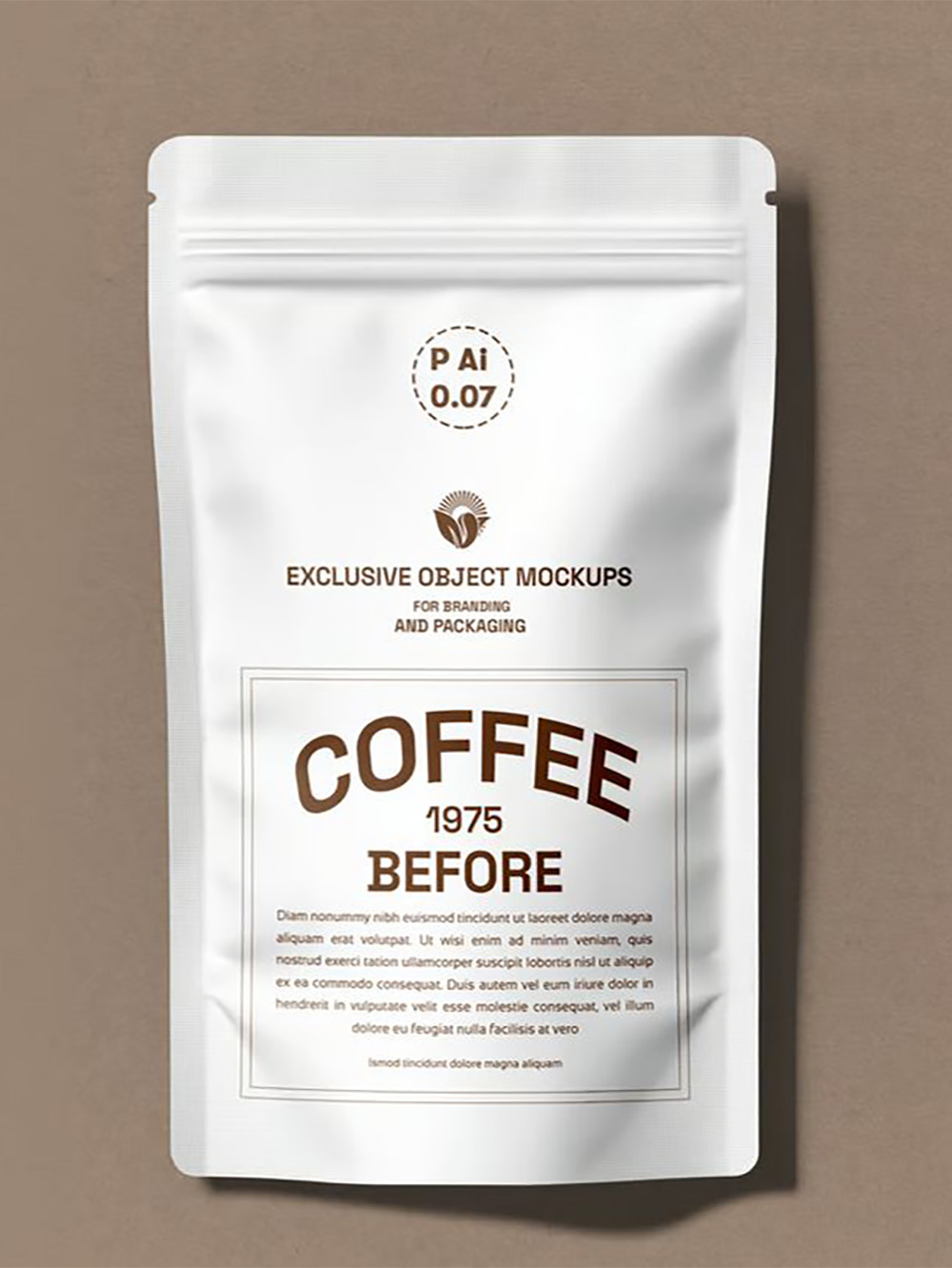
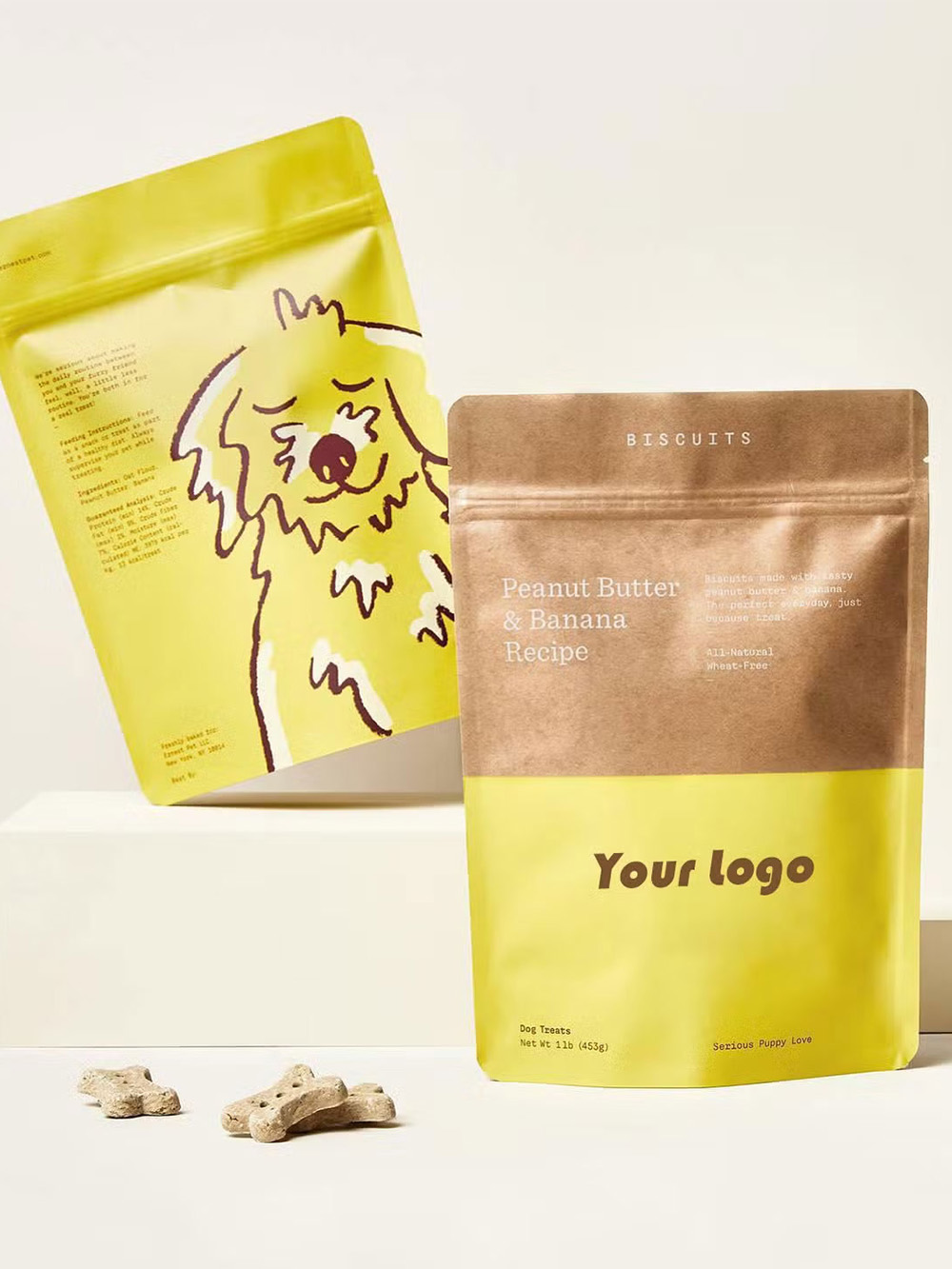
How Coffee Pouches Keep Beans Fresh?
Every custom coffee pouch USA order starts with the same question roasters ask first: how long will this honestly hold the coffee fresh? The honest answer depends on the film and the valve, not the print job on top. Freshly roasted beans support releasing carbon dioxide for days after roasting, and a bag sealed without a working one-way valve will swell, then split, before it ever reaches a frame. Custom-printed coffee bags produced around the right barrier structure solve that problem quietly, in the background, while the procedure does its job up front.
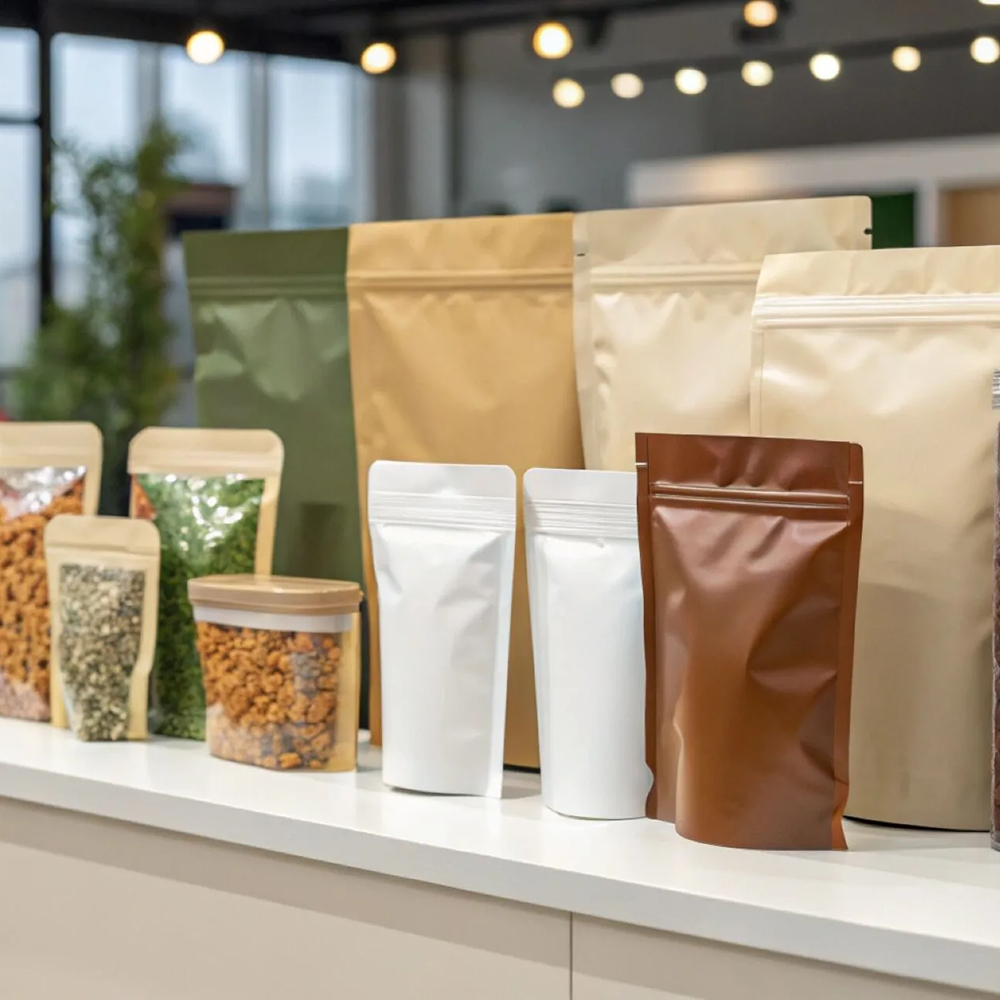
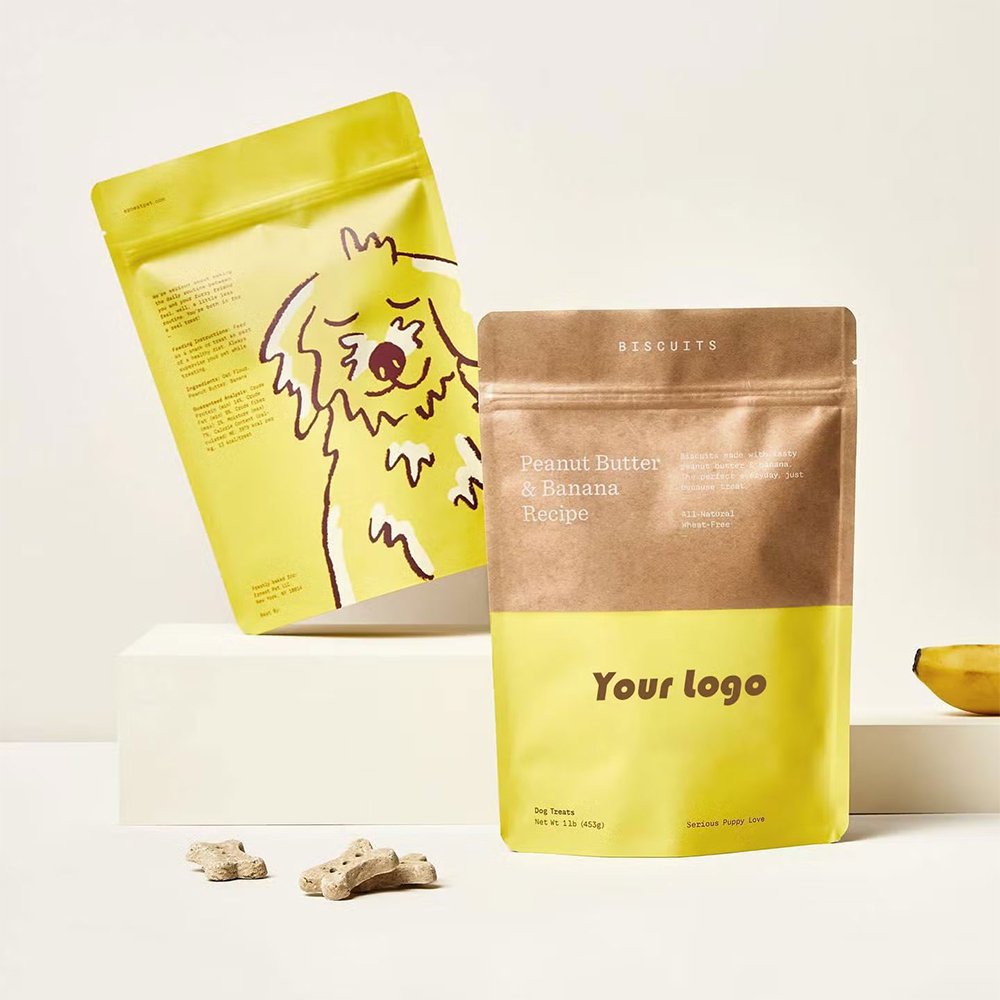
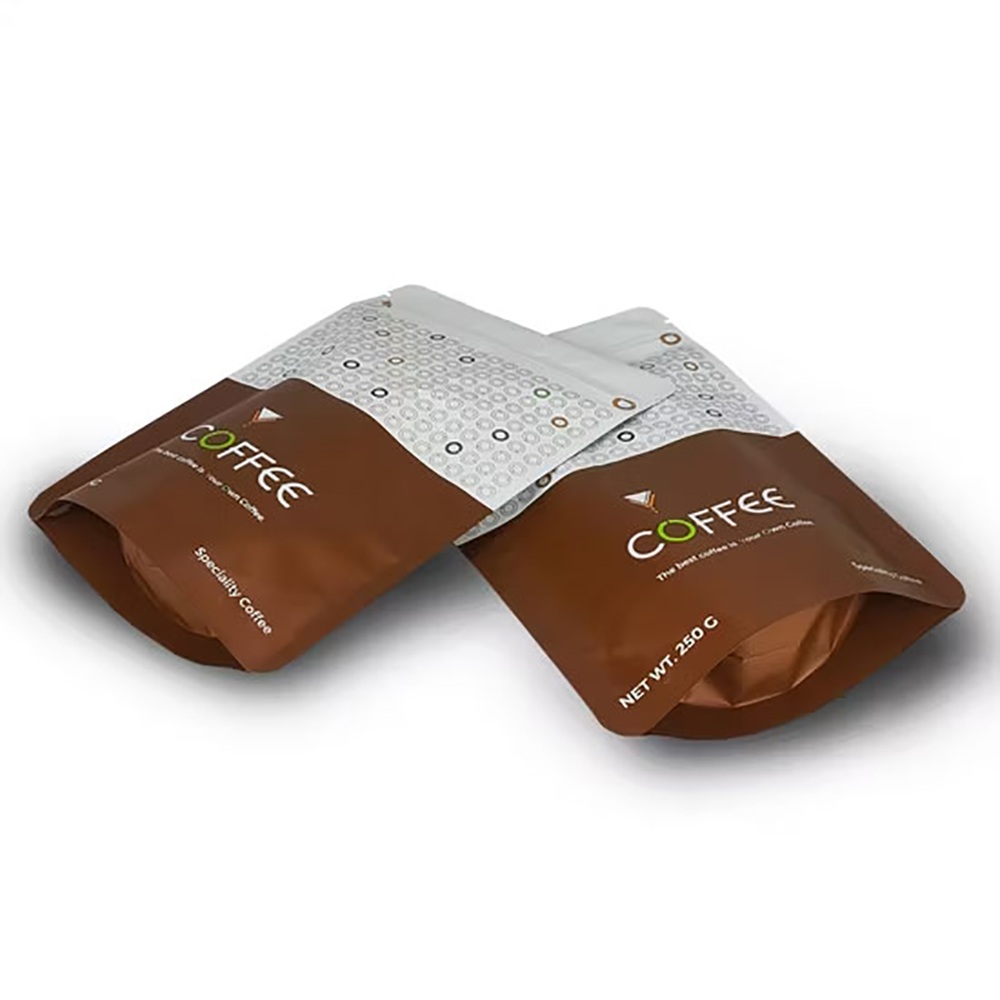
- Stand-up pouches hold their shape and leave room for a valve near the top seal.
- Flat-bottom bags stand fully upright and suit retail SKUs with wider label panels.
- Side gusset and three-side-seal styles work well for subscription boxes, where footprint beats shelf presence.
- Resealable zipper bags cut down on wasted coffee from repeated opening of ground coffee bags.
- Matte, gloss, and soft-touch finishes are all unrestricted on the same underlying barrier film.
What Film Actually Keeps Coffee Fresh Inside a Pouch?
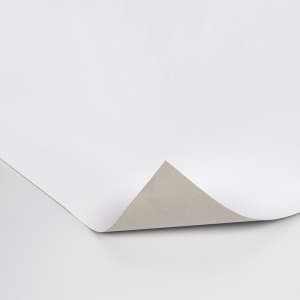
This is the part most coffee pouches pages skip, and it’s the part that decides freshness. A PET aluminium foil PE laminate gives the strongest barrier available, holding oxygen transmission rate OTR under 1 day and moisture vapor transmission rate MVTR under 0.5 day, real numbers, not a claim printed on the bag. Lighter builds using metallized PET or clear multilayer PE run higher, closer to 2 to 4 day OTR, which is fine for beans that’ll sell within 8–10 weeks but not for long-hold retail stock. The compsotable stand-up pouches use a porous membrane with pores between 0.2 and 3.0 micrometres wide enough to let CO2 out, tight enough to hold air and moisture from getting back in. Every film we use is FDA food-contact compliant, and we test seal strength and hot-tack on the finished, converted pouch, not just on the raw roll of film.
Coffee Pouches Branding That Uses the Whole Bag
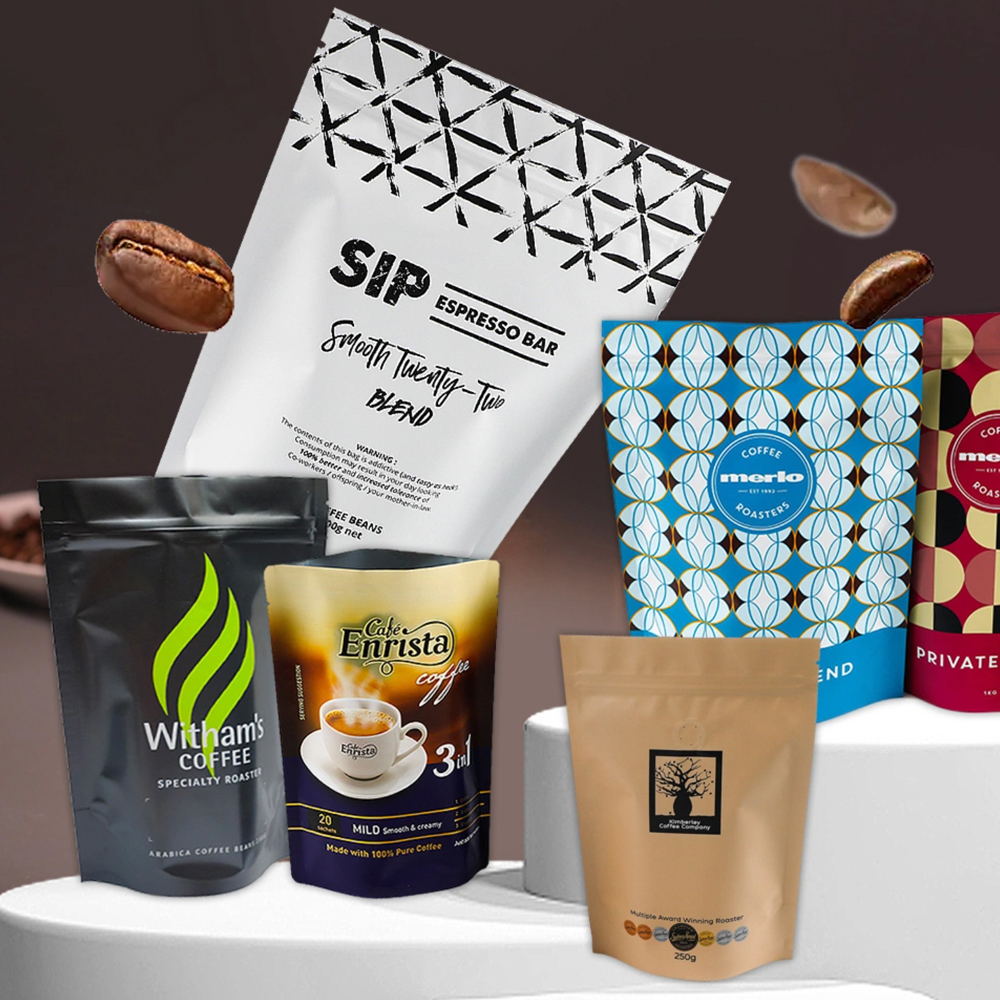
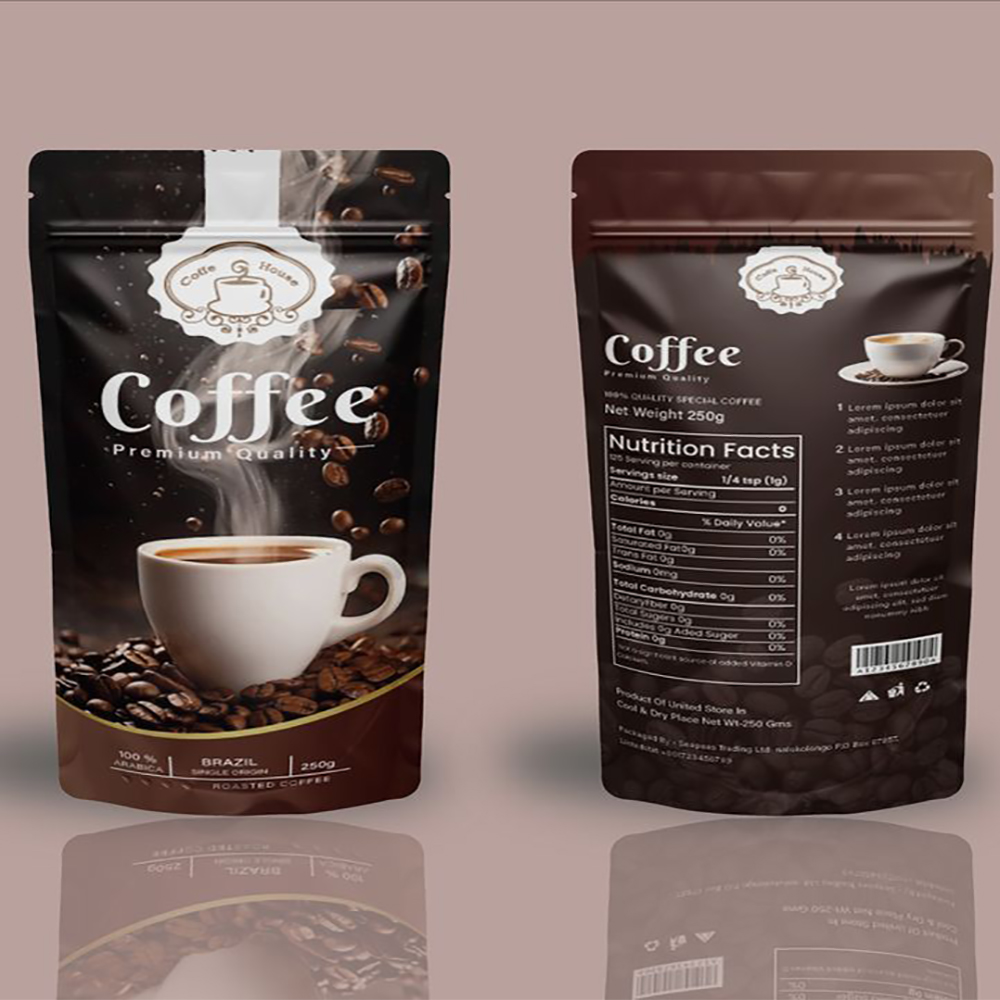
Flexible film delivers more to work with than a rigid paper box ever could: front, back, and both gussets are all printable, so the structure covers around the product instead of sitting on one flat face. Cosmetic pouches in up to eight colours, run flexographically, holds fine text and roast gradient graphics without the enrollment float you will notice on cheaper two-colour jobs. Valve and zipper placement is planned at the artwork stage, not bolted on after, so nothing important ends up cut across by hardware.
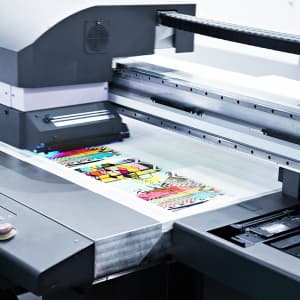
- Digital printing works nicely for short runs or a seasonal single-origin label, no plate charge required
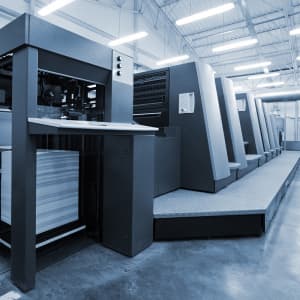
- Rotogravure printing is the adequate call for larger orders that require identical colour across thousands of units.
- Soft-touch matte lamination shows up constantly on speciality and single-origin lines.
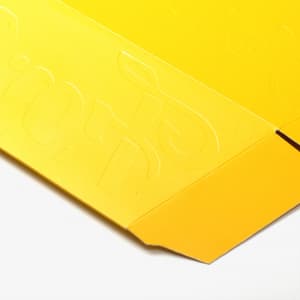
- Spot UV or foil accents can highlight roast level, origin, or a certification mark.
- Clear window panels let the beans themselves do some of the branding on light-roast SKUs
Why Roasters Trust Hale Path Packaging With Their Coffee Pouches
Trust here really comes down to one thing: does the seal hold, and does the valve actually vent? Hale Path Packaging tests stand-up pouches with zipper and finished-pouch seal strength before a production run goes ahead, works to FDA-compliant coffee packaging pouch standards on every laminate, and keeps MOQs from 100 units, so a small-batch roaster testing a new blend isn’t stuck ordering a full pallet just to try the packaging. Standard turnaround is 7 to 14 working days across the USA. One regional roaster came to us after switching suppliers mid-year; their previous batch had sealed too early after roasting, and trapped CO2 split three cases before they’d even left the warehouse. Their next order specified valve testing on the finished pouch instead of the film alone, and nothing’s failed since. That’s the kind of accountability a coffee packaging manufacturer should offer as standard, not as a fix after something’s already gone wrong, and it’s usually why a roaster sticks with the same supplier for their next order instead of starting the search over again.
Frequently Asked Questions
What does a degassing valve do on a coffee pouches?
Freshly roasted beans support giving off carbon dioxide for days after burning. The valve is a small spring-loaded flap that allows that gas to escape so the bag does not project or split, always stopping outside air from rushing back in and stealing the coffee. It is the answer to coffee bag with valve vs without valve: without one, a bag sealed too soon after roasting is likely to fail before it even reaches a frame.
What is OTR in coffee bags?
OTR stands for oxygen transmission rate; it is a standard of how much oxygen passes via a square metre of film in a day. The lower the number, the shorter the barrier, and the longer the coffee inside remains fresh. It is one of the few specs that tells you something real about a film, instead of just a marketing claim on the bag, and it directly answers how long coffee pouches hold coffee fresh.
Do all coffee pouches require a valve?
Not every bag requires one. If beans are sealed 48–72 hours or after roasting, most of the CO2 has run off, so some low-volume roasters or espresso-focused brands skip the valve entirely. But anything sealed within 24–48 hours of roasting is releasing gas fast, and without a degassing valve, that pressure has nowhere to go.
Is a resealable zipper required on coffee pouches?
It is not essential on whole bean retail bags, since beans hold their freshness reasonably well even after opening. It is worth adding ground coffee, though, because ground coffee has more surface area exposed to air and stales noticeably faster once the bag's been opened and closed a few times, a concern behind best coffee packaging for small roasters.
Do coffee packaging come with a degassing valve pre-installed?
The valve is provided during pouch conversion, not added on as a separate step afterwards, which holds the seal around it reliably.
Do coffee pouches ship across the USA?
Orders ship nationally from production, so location within the US does not specify which roasters can order.
Are coffee pouches films compliant with US food-contact regulations?
All films used satisfy FDA food-contact compliance standards, which apply regardless of which state the coffee is sold in.
Can coffee bags be produced for coffee sold in multiple US states?
Because the film and labelling satisfy federal FDA food-contact standards instead of a single state's rules, the same pouch works across state lines without requiring separate support.