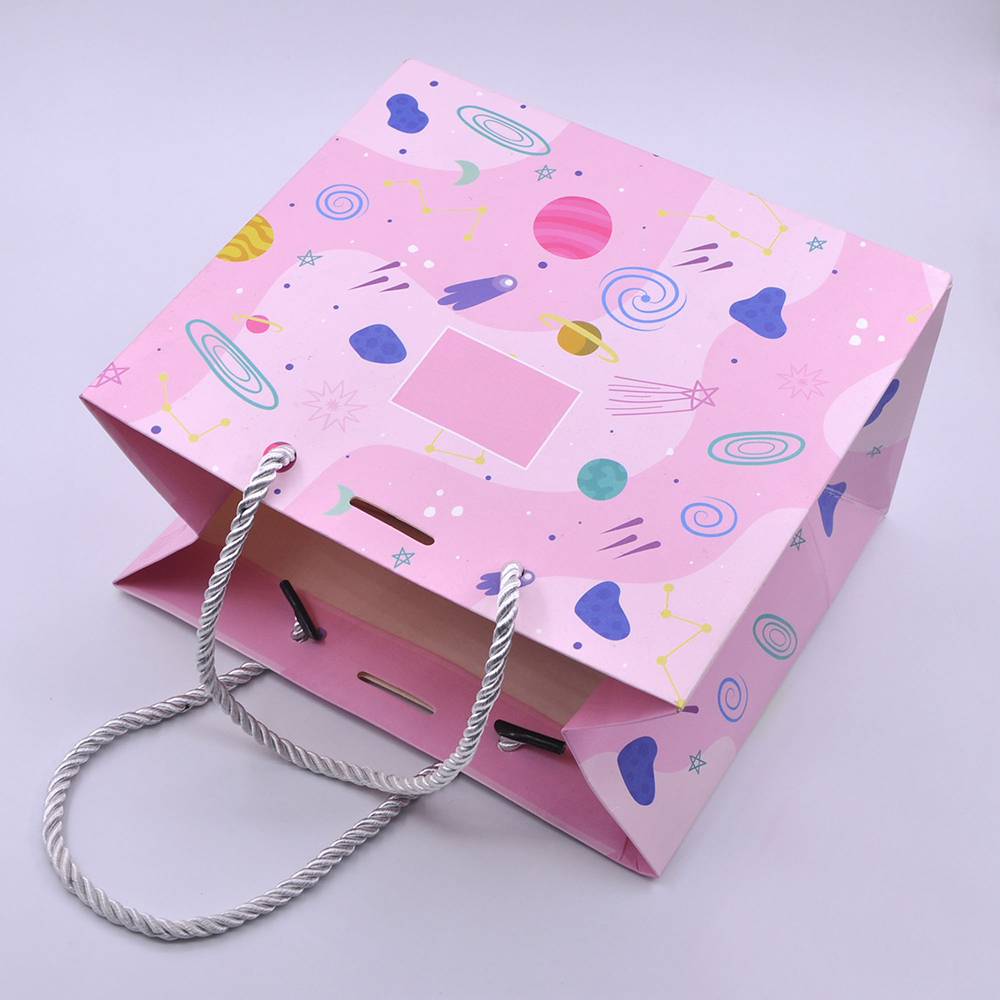
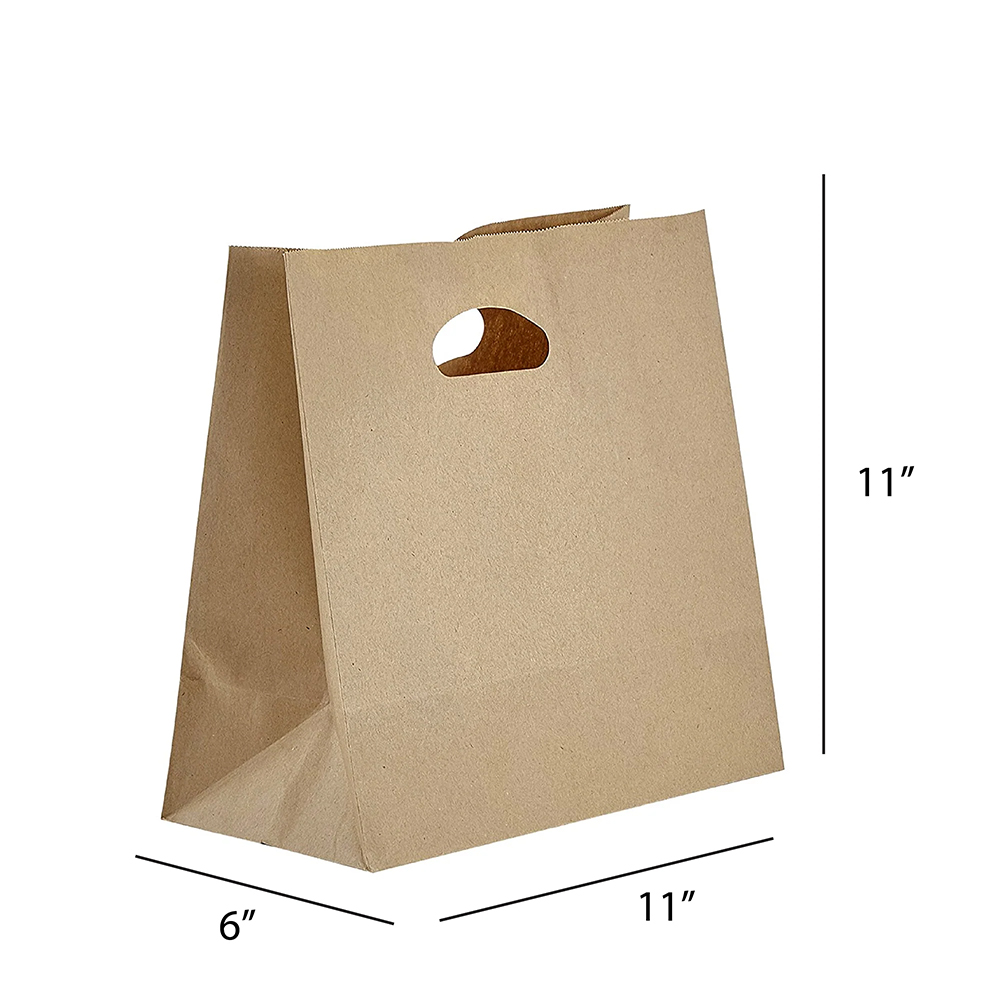
Custom Paper Bags Printing
Custom paper bag printing turns a simple kraft or white shopping bag into an impressive retail touchpoint, with logo placement, paper weight, and handle style specified together. Hale Path Packaging prints and constructs these bags across the USA, with fast domestic shipping and Rigid Paper Bags built into every run.
Custom Paper Bags Printing Gallery
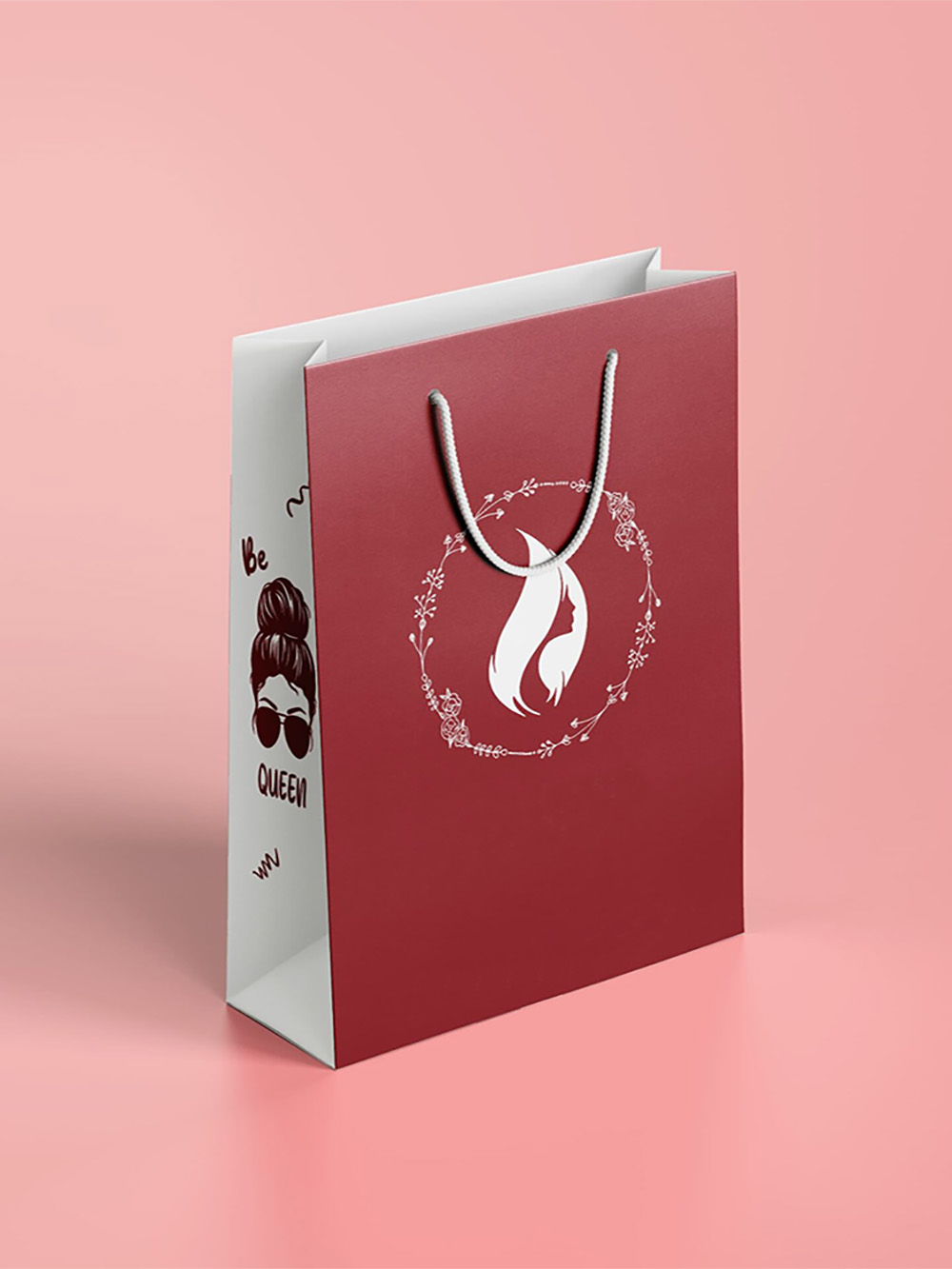
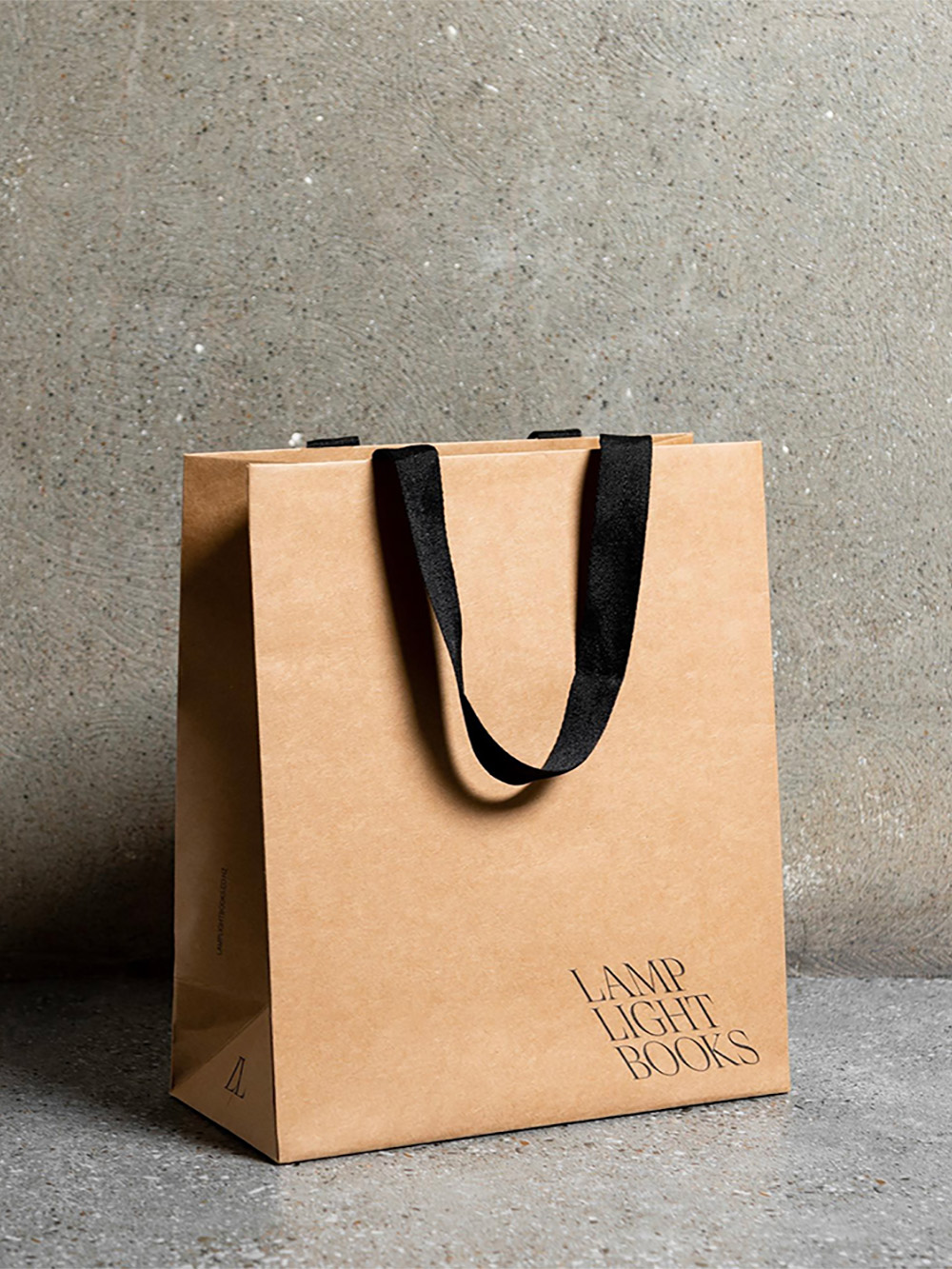
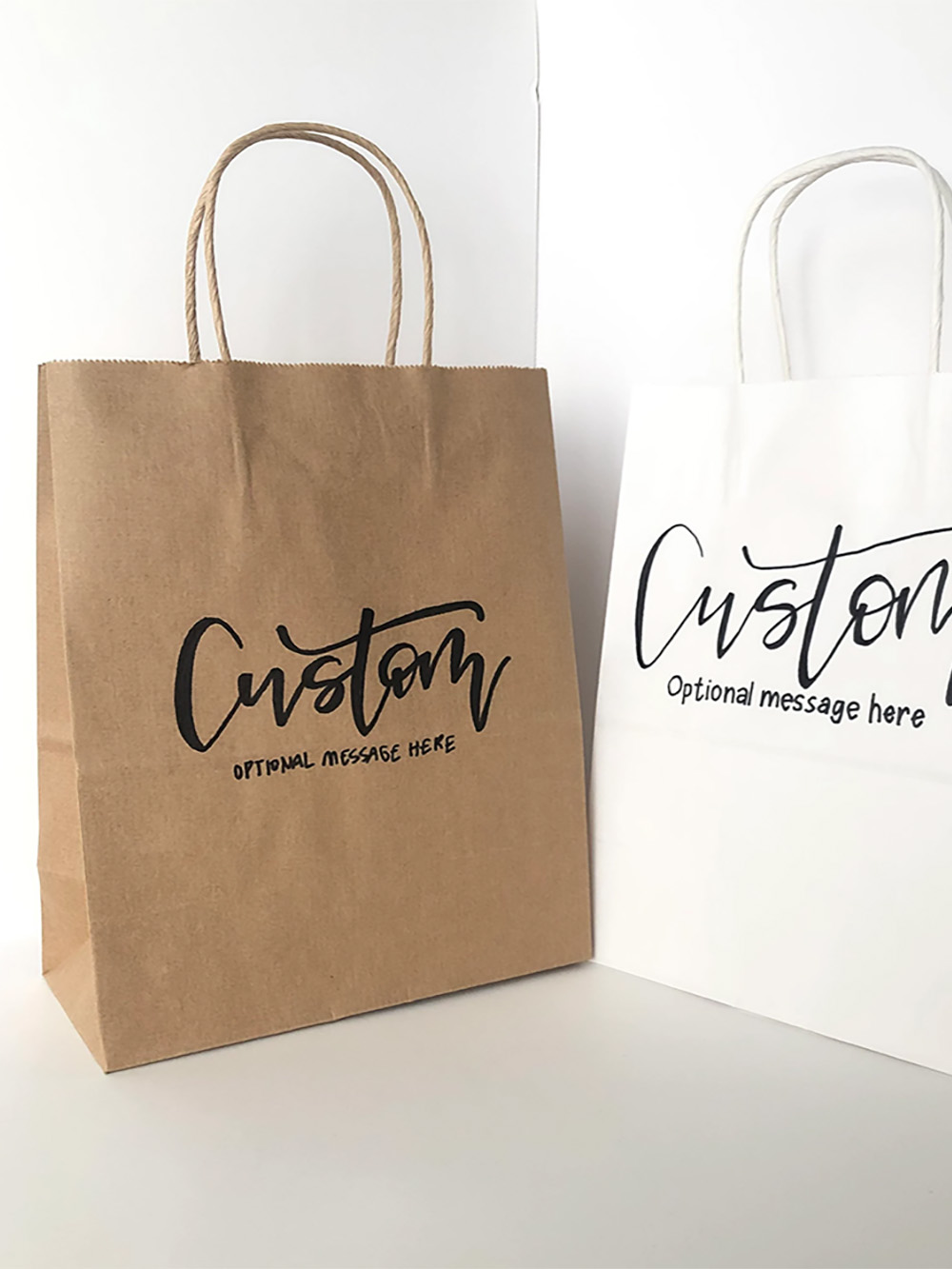
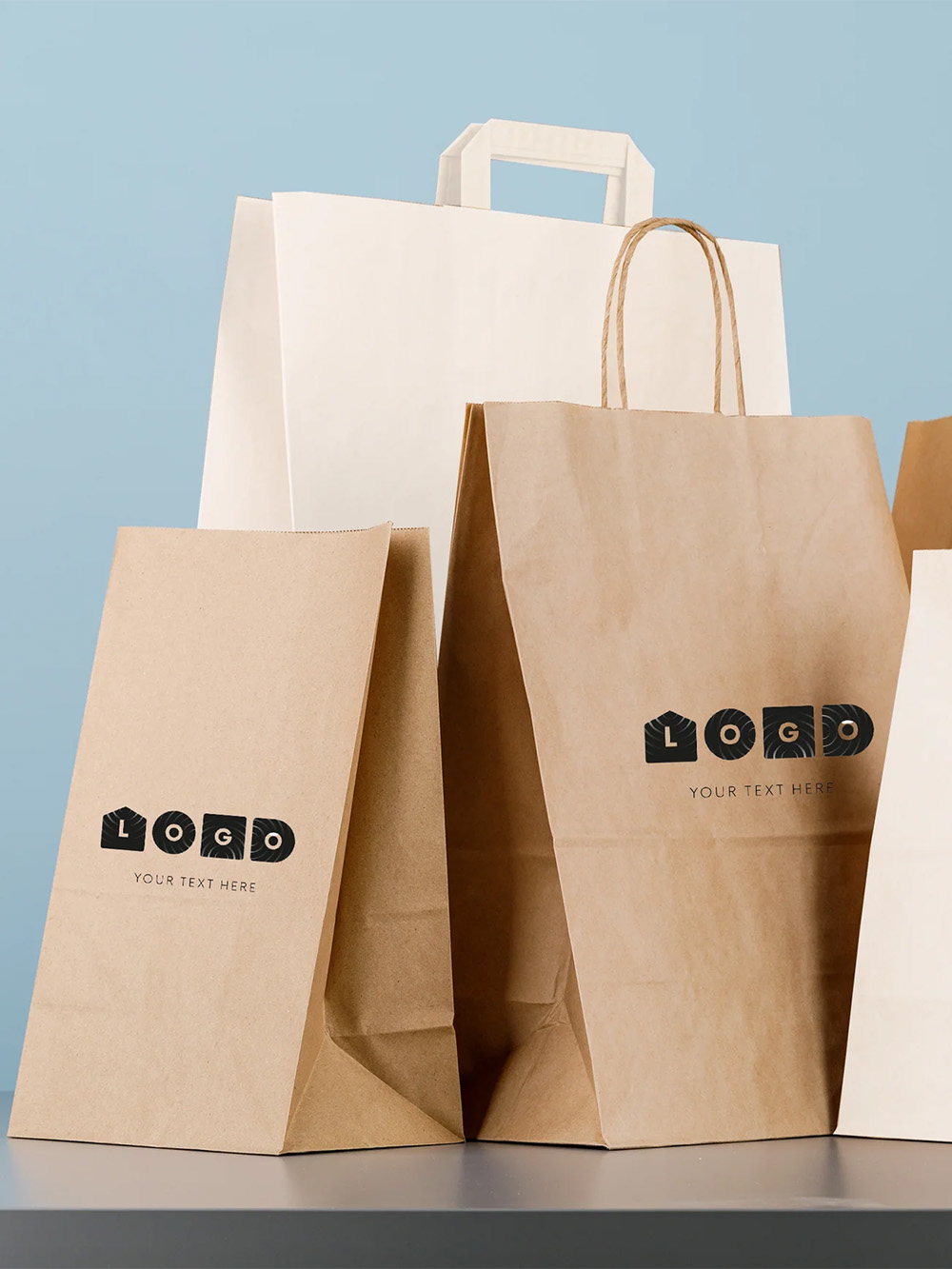
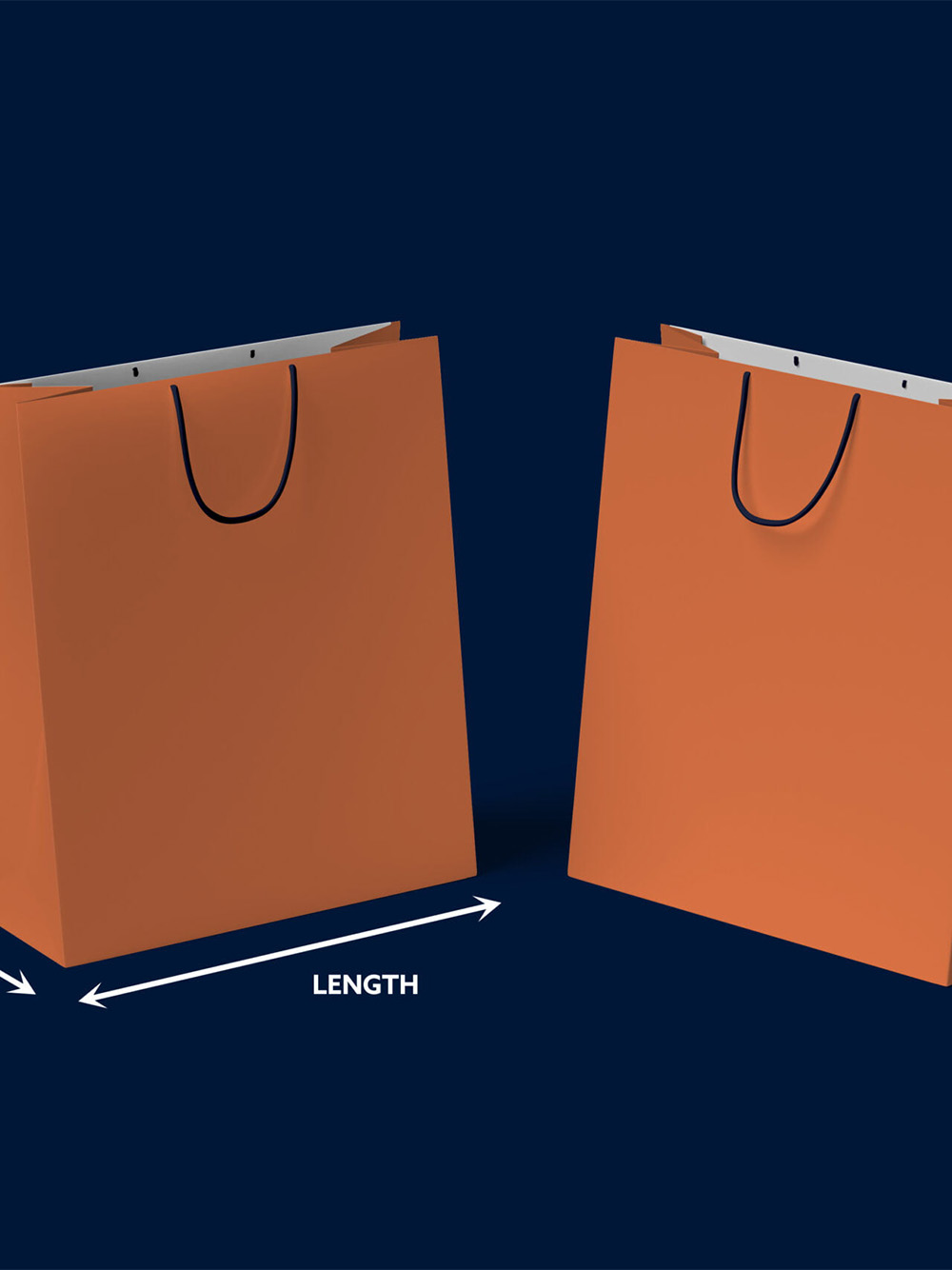
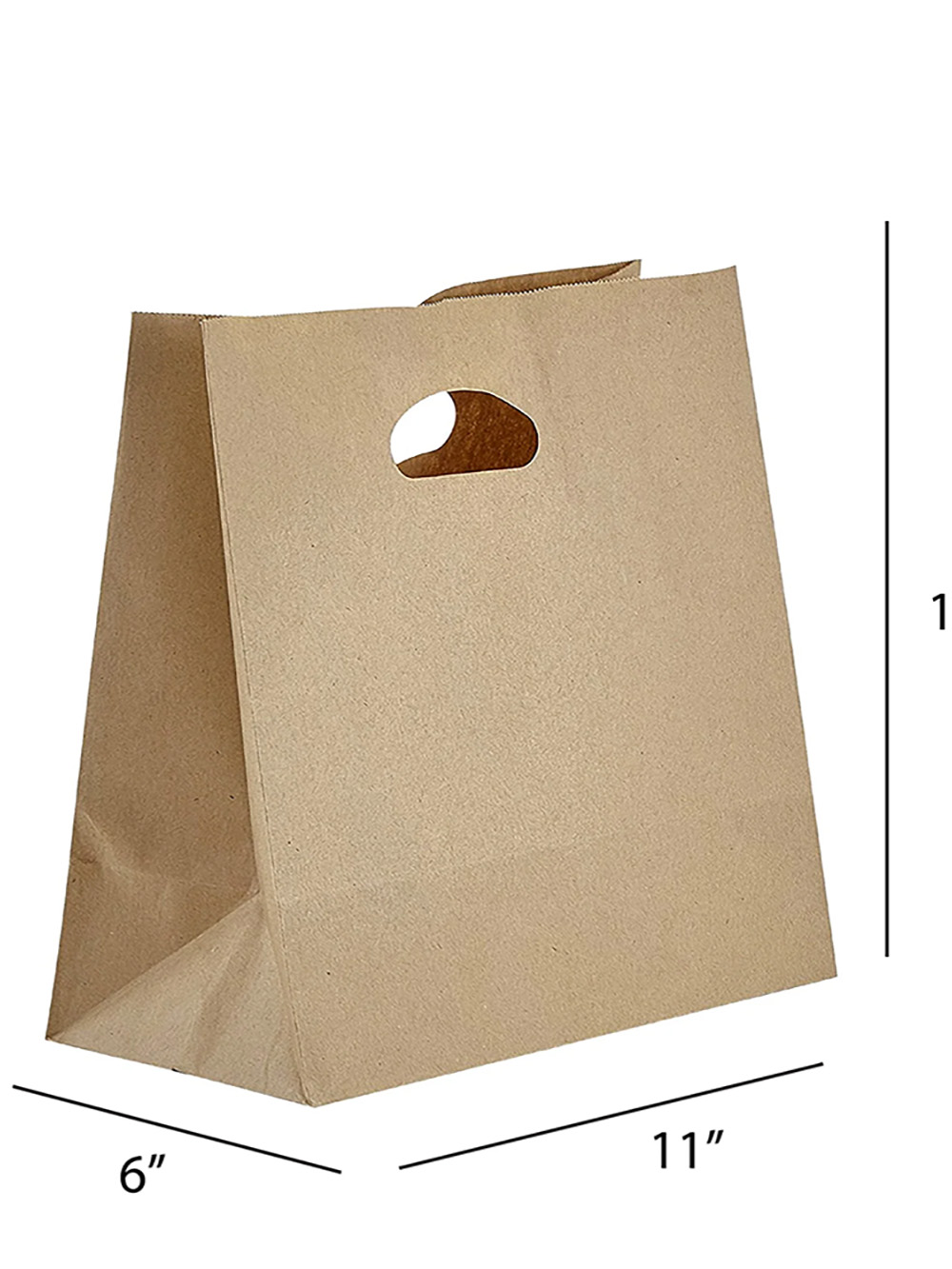
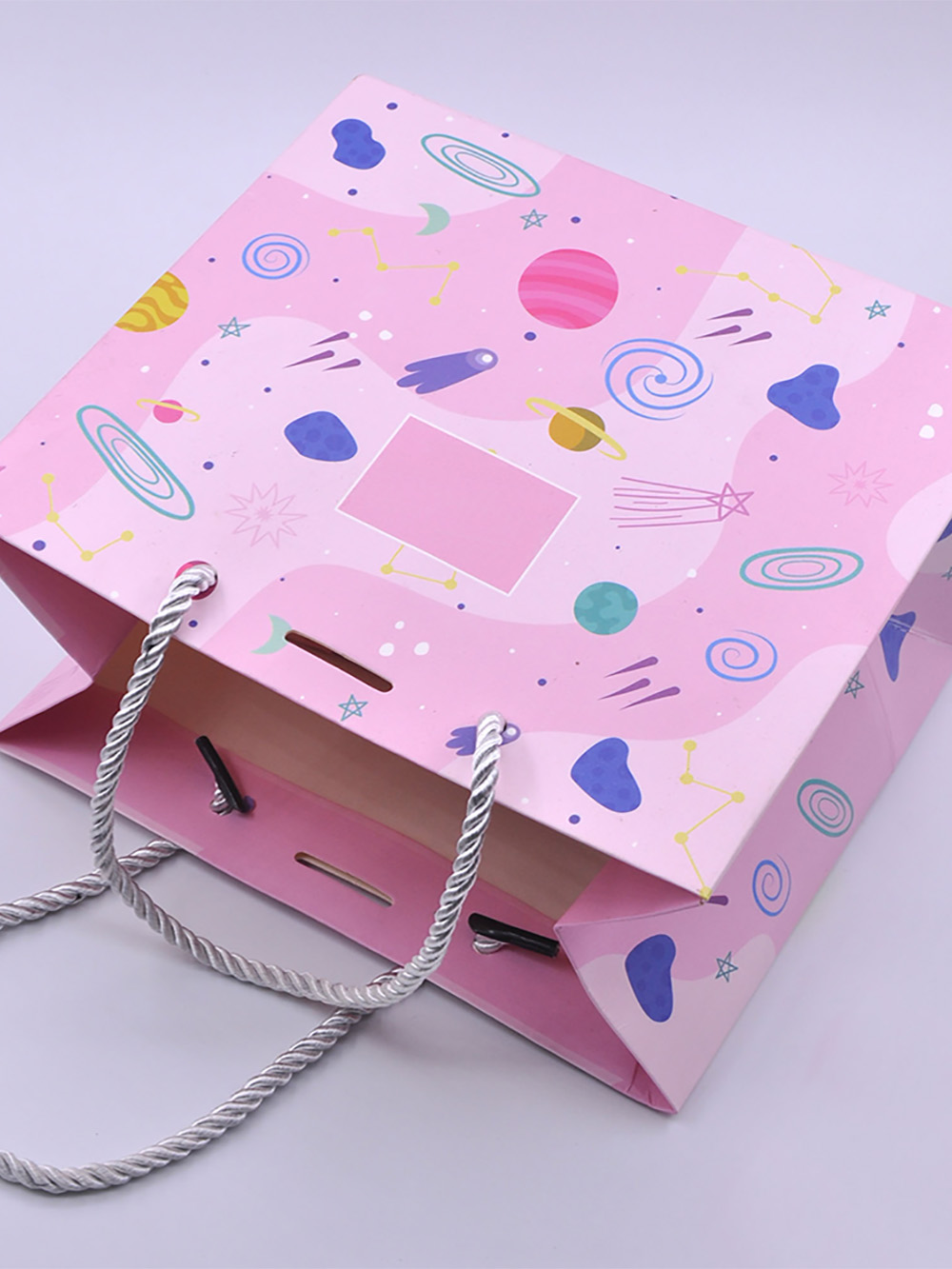
Custom Paper Bags Printing Starts With Paper Weight and Handle Strength
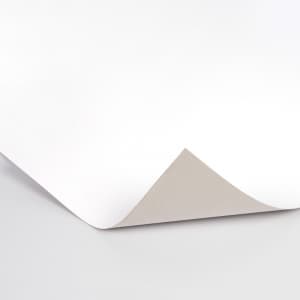
Paper weight, calculated in GSM, specifies the top load for how much a printed paper bag can carry before it tears. Retail shopping bags run 100 to 150 GSM; richer products or grocery structures move up to 175 to 200 GSM kraft stock. Handle attachment matters as much as paper weight; compensation stock with a thin bottom patch reinforcement will always tear at the anchor point under load. Grain direction, the direction paper fibres run, also affects tear strength: bags cut against the grain tear more easily than those cut with it.
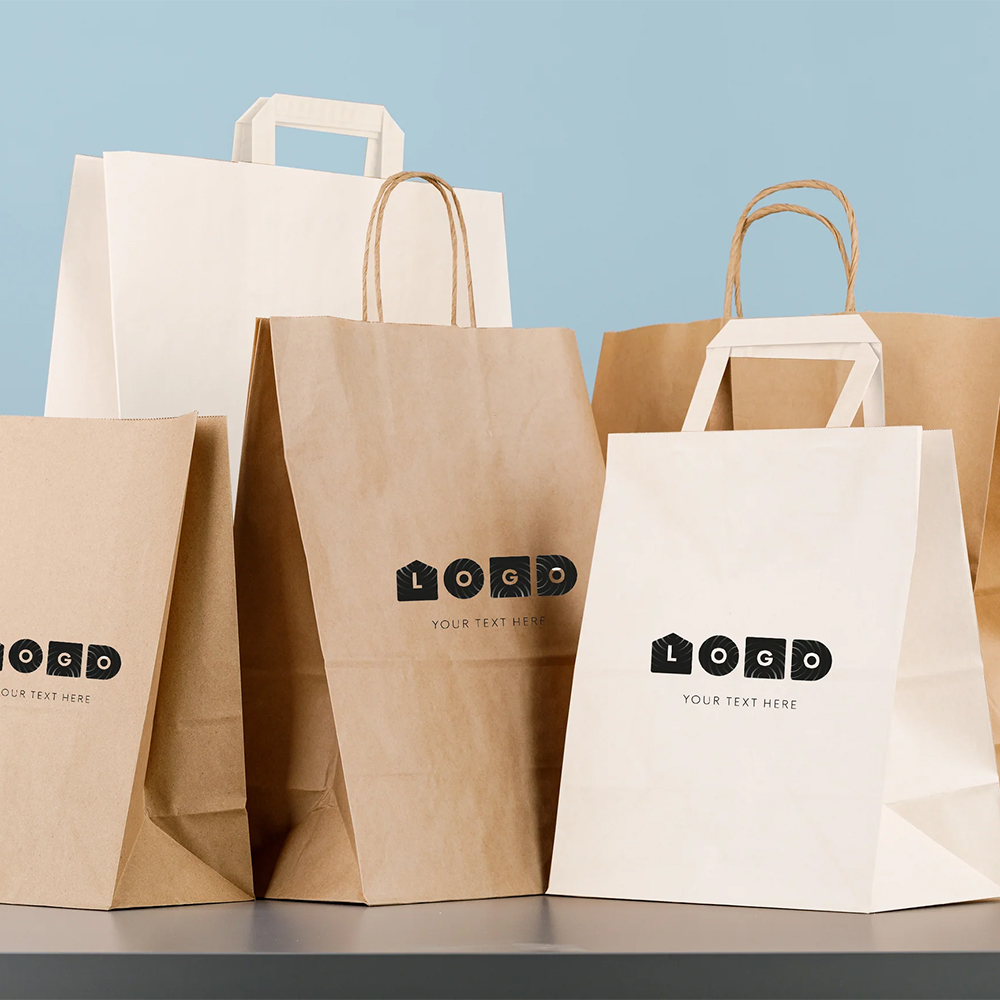
- Twisted paper handles suit lighter retail loads; flat paper handles with wider anchor patches handle grocery and merchandise weight
- Bottom gusset reinforcement available for bags carrying bottled or boxed products
- Water-resistant coating options for bags used in refrigerated or humid retail environments
- Custom die-cut handles reduce material use for lightweight promotional and gift bags, a format also offered on our Kraft Bottom Coffee Boxes range
- Load testing available on request for bags specified above standard grocery weight, matching the testing rigor applied to our cannabis smell-proof bags
What Paper Weight Holds Up Best for Custom Printed Paper Bags?
Most retail shopping bags perform nicely at 115 to 130 GSM, balancing printability with sufficient rigidity for everyday carrying. Grocery and merchandise bags carrying heavier items naturally call for 150 GSM or above, paired with a reinforced handle anchor rather than paper weight alone, solving the load problem. Recycled kraft stock runs slightly lower in tensile strength than virgin fiber at the same GSM, so recycled-content bags built for heavier use often specify a step up in weight, a trade-off also flagged on our biodegradable mylar bags page. White stock takes color print more cleanly.
Custom Paper Bags Printing Techniques Shape Brand Perception at Checkout
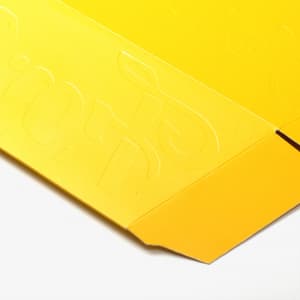
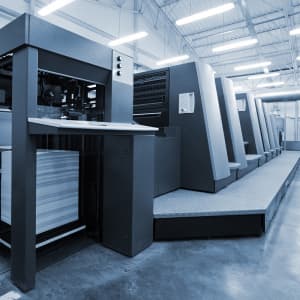
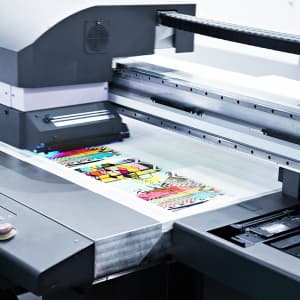
A shopping bag is the last branded object a customer touches before leaving the store, so print quality carries total weight for brand perception. Flexographic printing claims bulk runs with one or two spot colors, offset printing reproduces full-color photography and gradients more accurately for premium formats. Foil stamping, embossing, and debossing add tactile detail without full-coverage ink, options often requested for gift and luxury bags alongside the finishing on our Matte Black Coffee Bags line. Ink rub resistance is tested before a print run ships, since matte kraft shows scuffing more visibly than coated stock.
- CMYK and Pantone color matching keep bag printing consistent with in-store signage and packaging
- Spot UV and soft-touch coatings highlight logos without full-bag lamination costs
- Small-batch digital printing available for seasonal or limited-run retail promotions, similar to the short-run flexibility on our Tea Doypack Packaging Pouches
- Repeat-pattern and all-over print layouts available without per-bag registration drift
- Private label and multi-SKU print runs supported from lower minimum order quantities, comparable to the low-MOQ approach used for our Cannabis Storage Bags
Hale Path Packaging Custom Paper Bags Printing to Standards
Hale Path Packaging sources Chain of Custody certified kraft and white paper stock for every custom bag order, with certificate documentation available on request. MOQs start from 100 units, turnaround runs 7 to 14 working days, backed by the same domestic dispatch behind our Kraft Boxes With Window and flat-bottom pouch printing lines. One retail client told us their bags were “tearing right through” after switching to a lighter stock; testing traced it to an under-sized bottom patch rather than the paper weight itself. Increasing the patch overlap by 10mm resolved it without changing GSM.
Explore more of our products from Hale Path Packaging:
Frequently Asked Questions
What is GSM in custom paper bags printing? GSM, or grams per square metre, measures paper weight and density. Higher GSM stock generally holds more weight and resists tearing better, which is why paper weight is specified alongside handle type for load-bearing bags.
What is a bottom patch on a paper bag?
A bottom patch is a reinforcing piece of paper glued inside a bag where the handles attach, spreading the load across a wider area so the handle doesn't tear straight through the bag wall under weight.
Twisted handles or flat handles: which holds more weight?
Flat handles with a wider bonded anchor point generally distribute load better than twisted paper handles, making them the more common choice for grocery and merchandise bags over lighter retail formats.
Offset printing or flexographic printing: which works for custom paper bags printing?
Offset printing reproduces gradients and photography more precisely for compensation retail runs; flexographic printing is faster and low-cost for bulk orders using one or two spot colors.
How long does custom paper bag printing take?
Standard turnaround runs 7 to 14 working days from proof support, covering paper sourcing, printing, handle attachment, and finishing.
Can I obtain a sample before ordering custom paper bags in bulk?
Sample bags with the specified paper weight, handle type, and print finish are available before a full production run, allowing brands to check load capacity and print quality first-hand.
Does shipping location affect the turnaround for custom paper bags printing in the USA?
Domestic production supports a turnaround consistent across US shipping addresses, faster than importing printed bags from overseas paper bag manufacturers.
Are there regional differences in paper bag handle preferences across the USA?
Twisted handles remain common for smaller retail and boutique bags nationwide, while flat handles and reinforced patches are more often specified for grocery-format bags in regions with plastic bag restrictions.