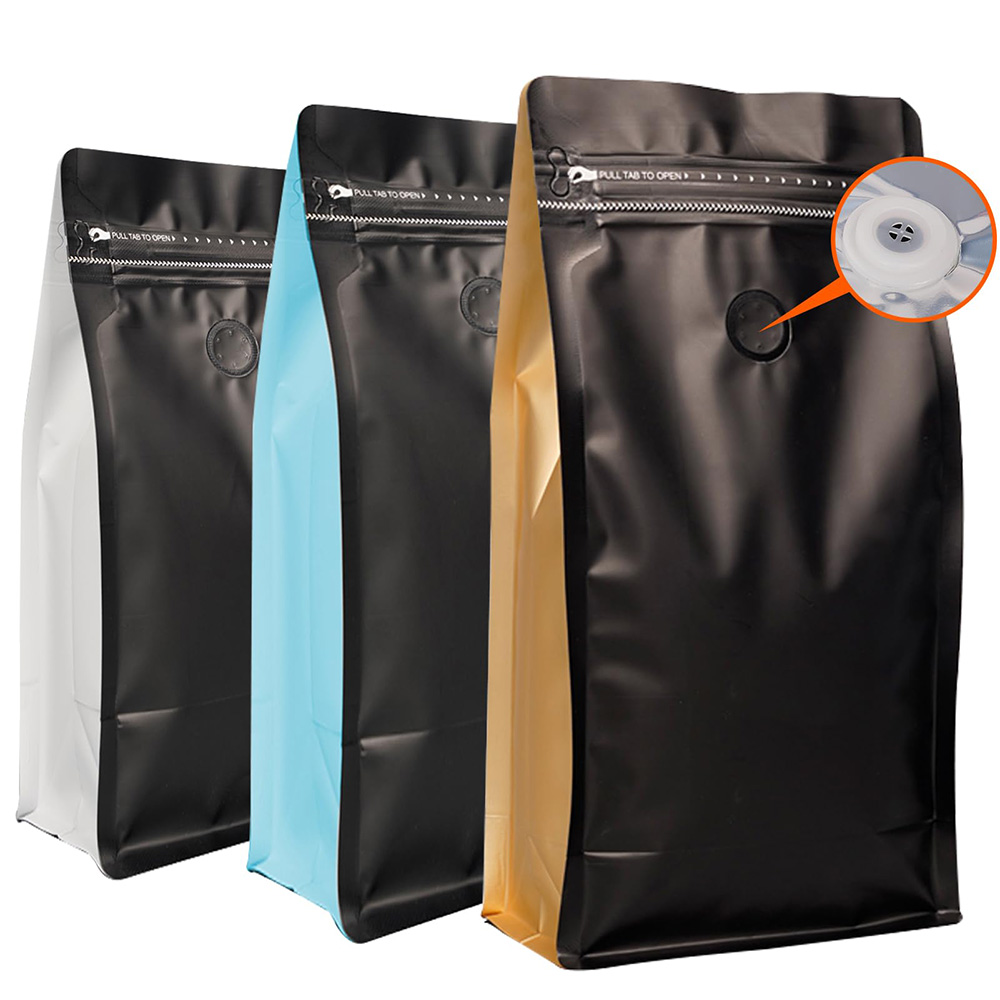
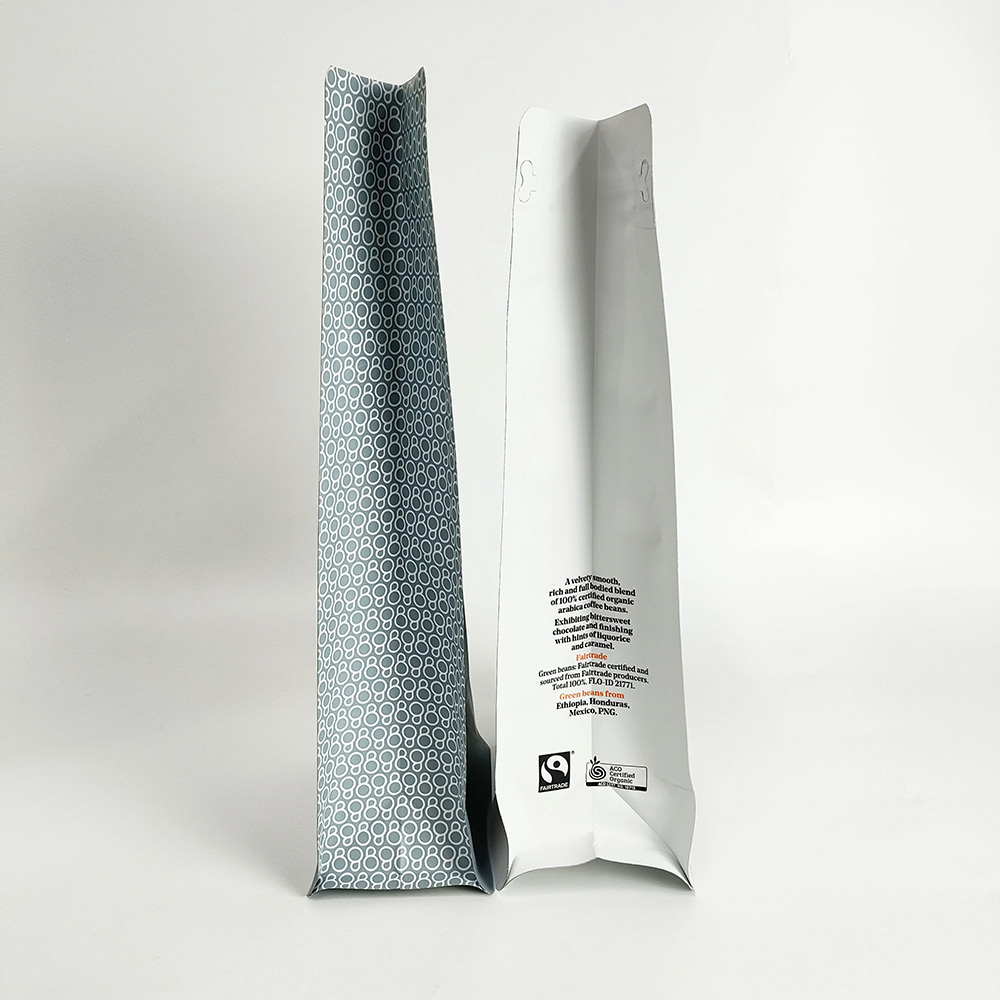
Printed coffee bags with valve
Printed coffee bags with valve combine a one-way degassing valve with full custom branding, so roasted beans can off-gas CO2 without oxygen re-entering the bag. Hale Path Packaging places and tests every degassing valve coffee bag in-house, with U.S. production and small-batch print runs available.
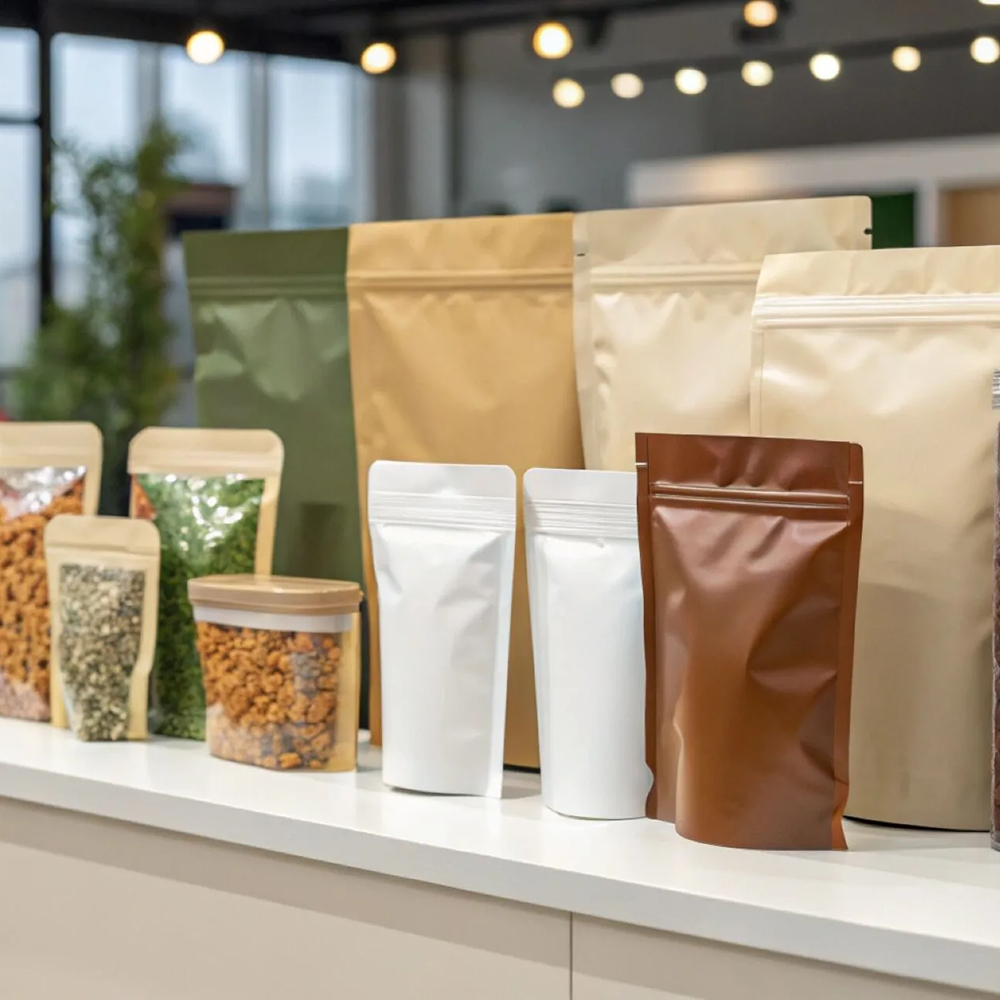
Printed coffee bags with valve Gallery

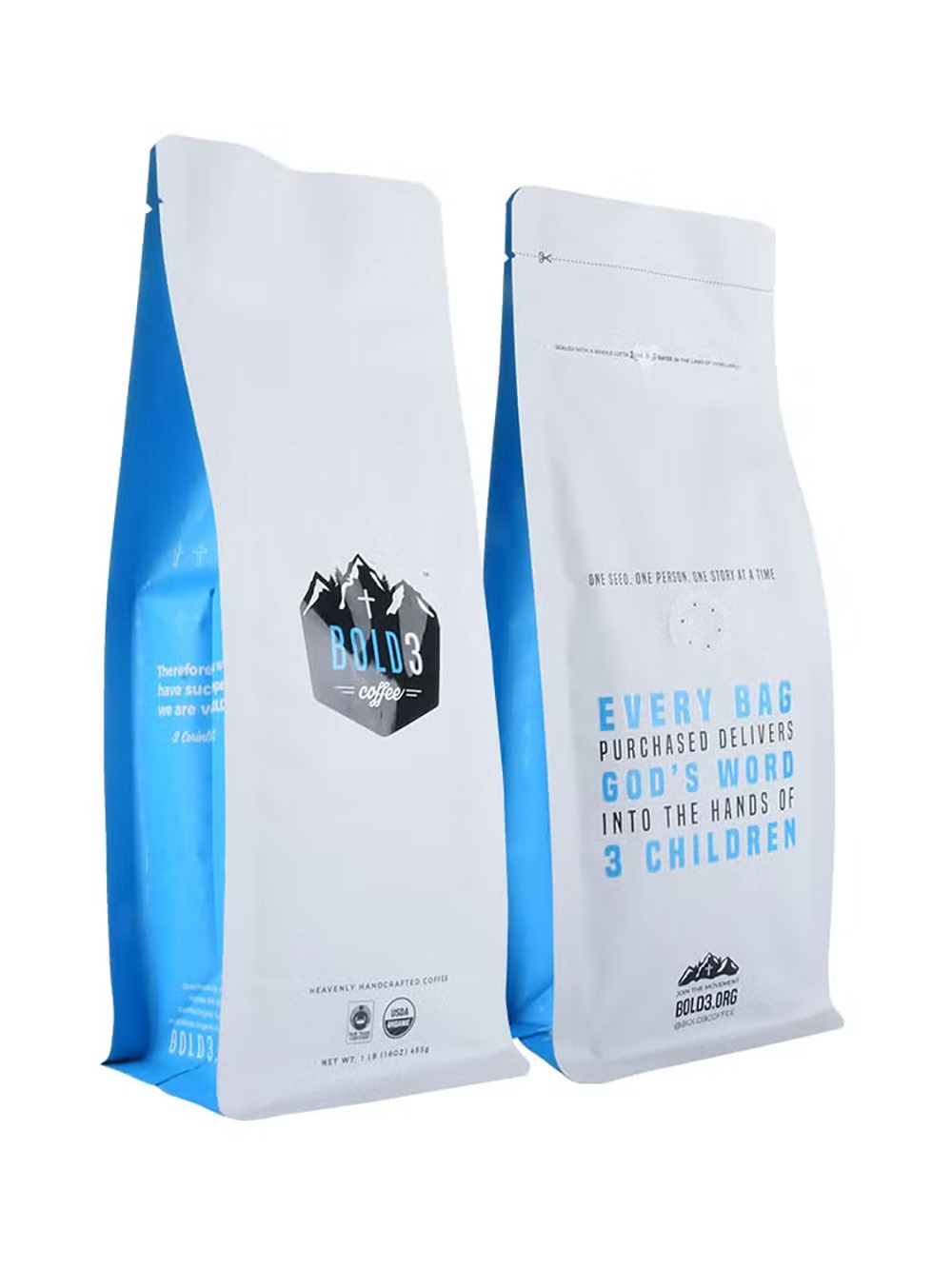
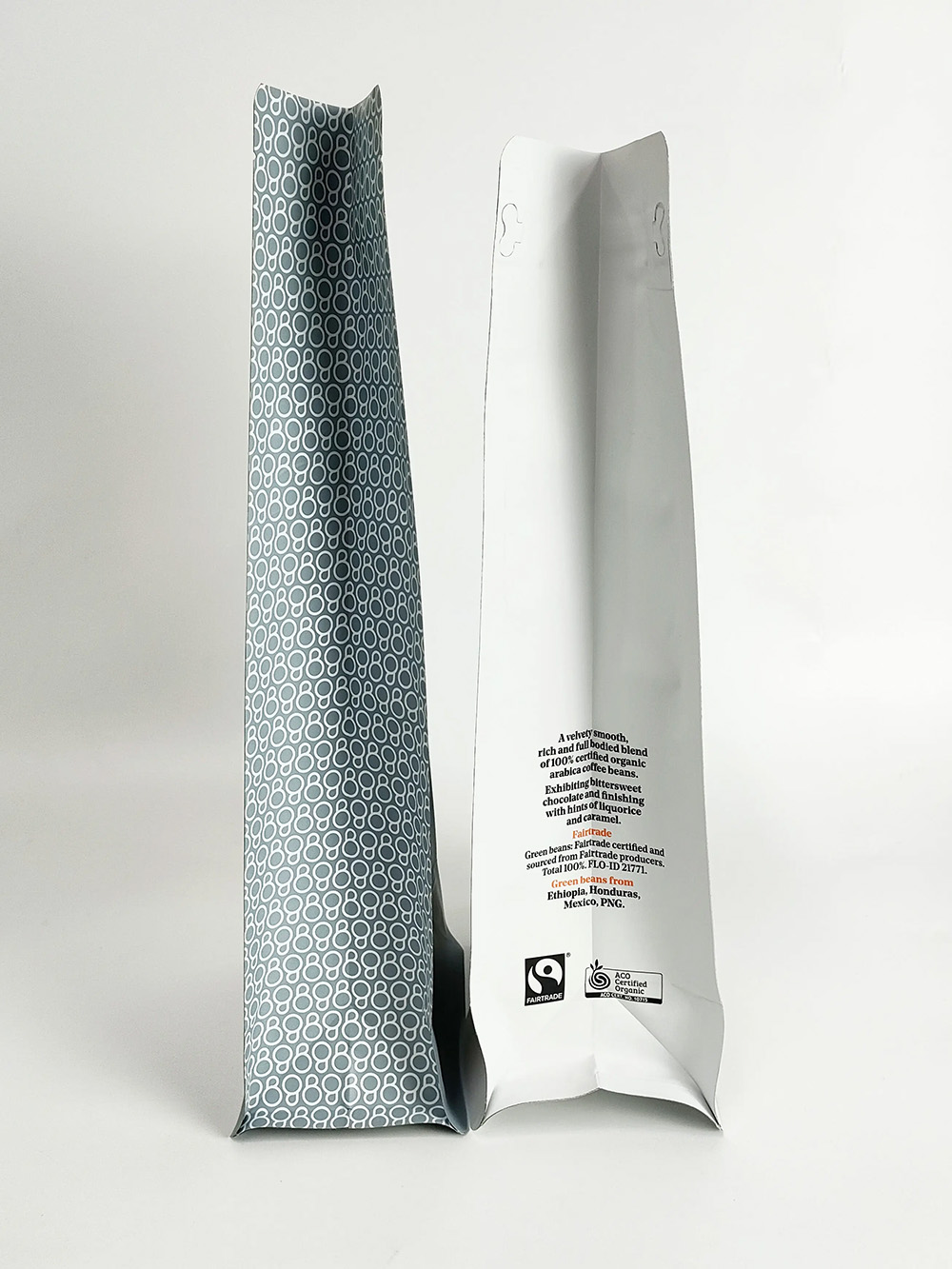
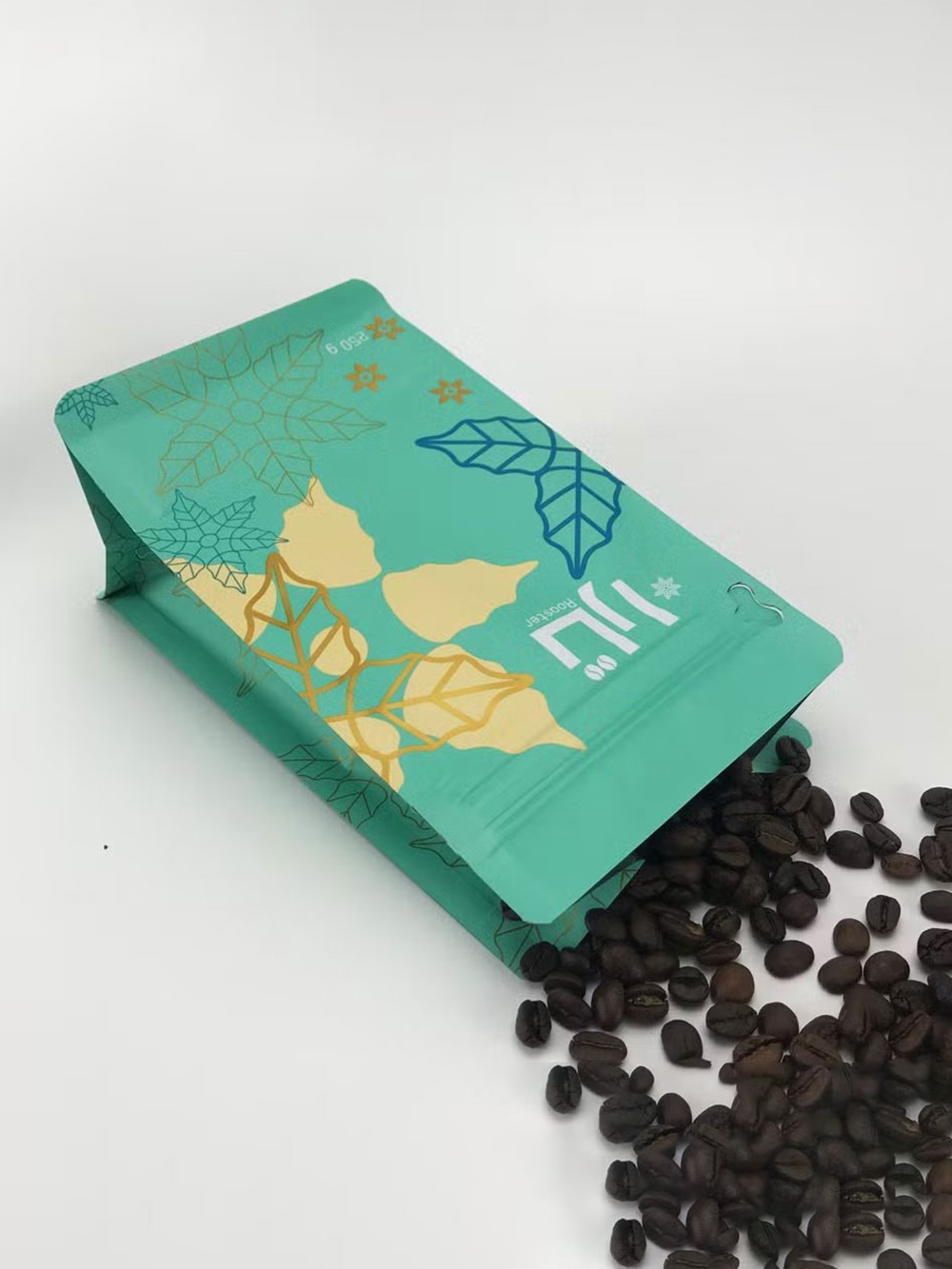
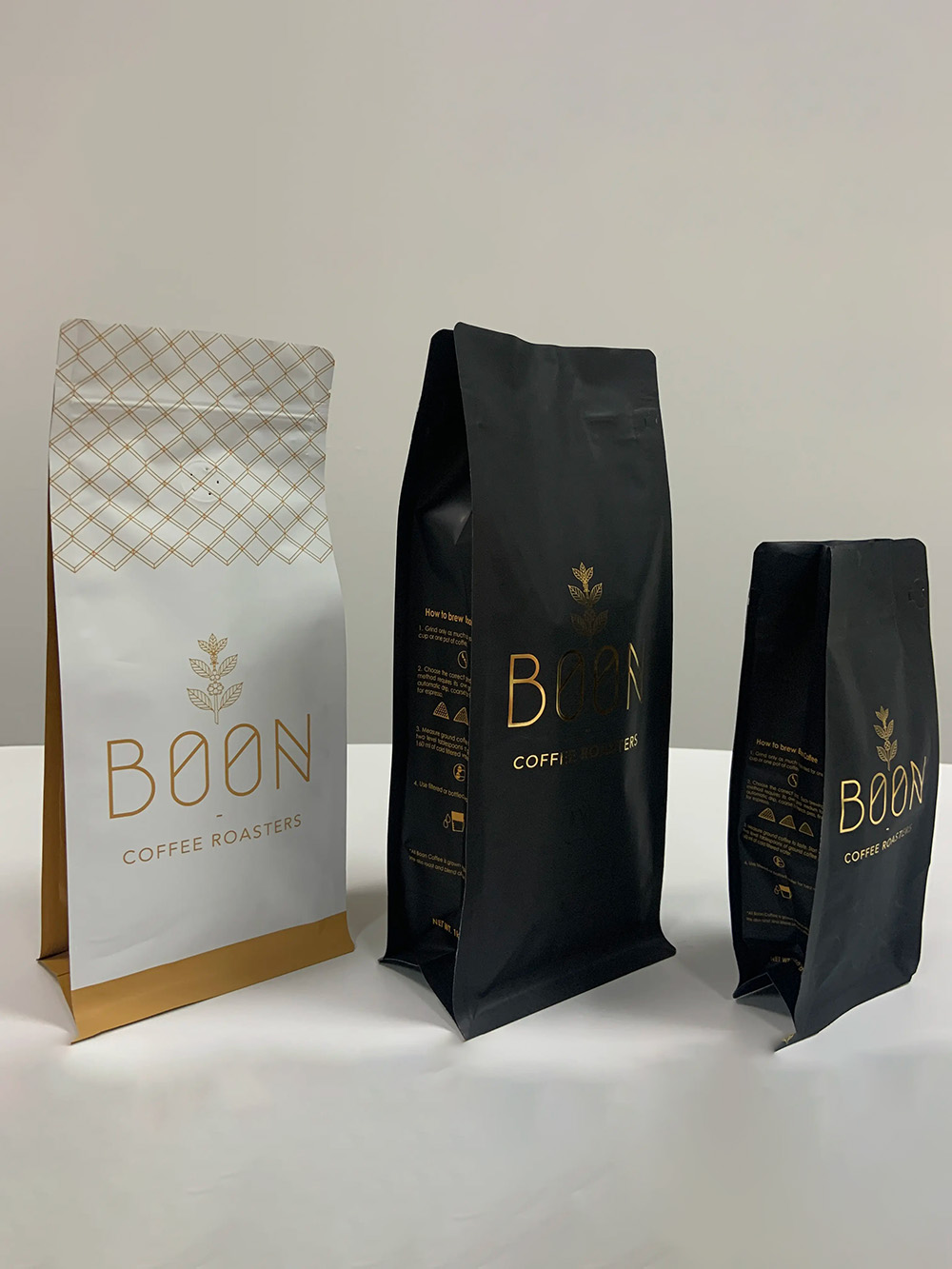
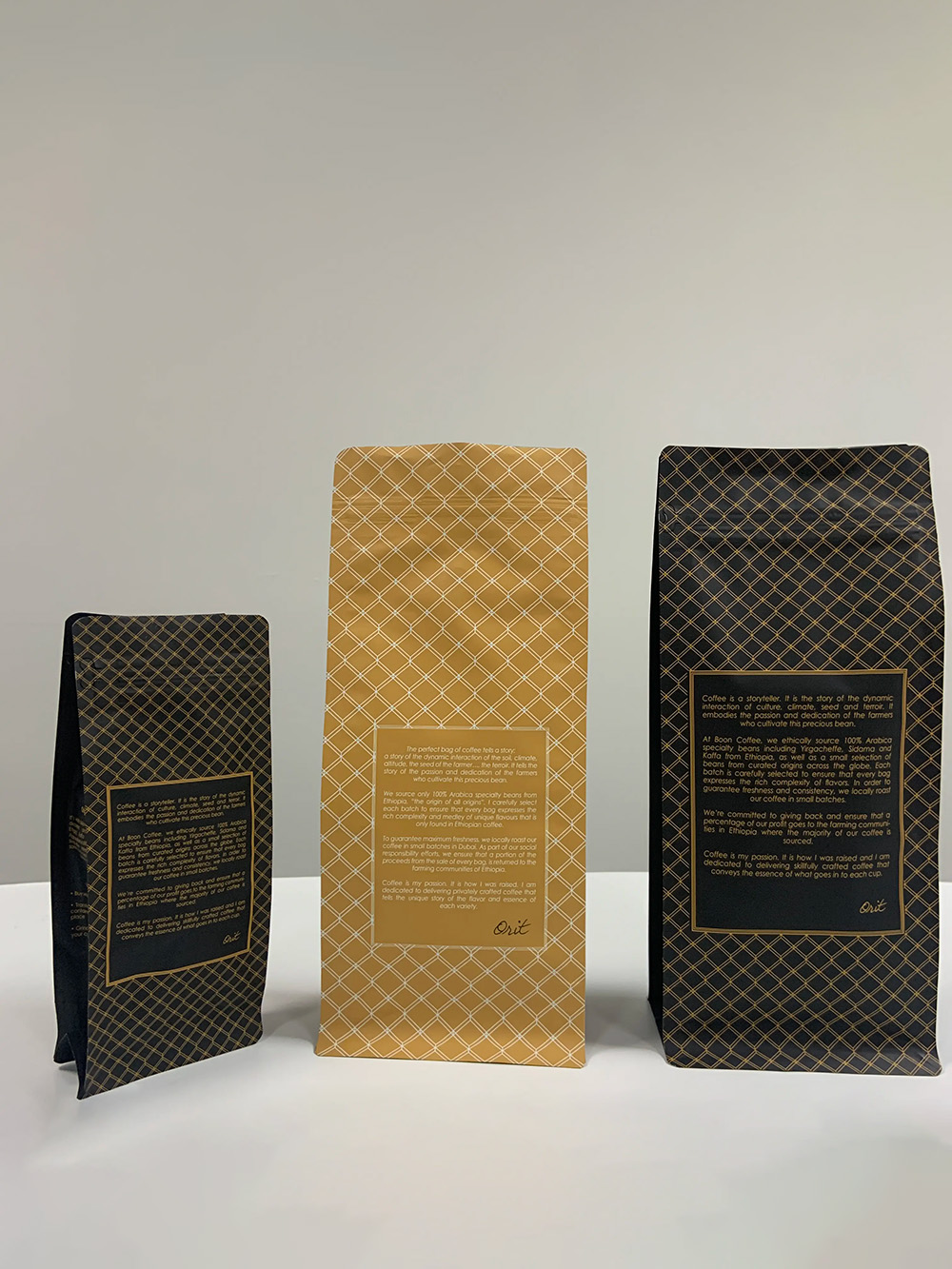
Printed Coffee Bags With Valve Release CO2 Without Losing Freshness
Freshly roasted beans remove carbon dioxide for 24 to 72 hours after burning, and a sealed bag with no platform will inflate or break under pressure. A one-way valve allows CO2 to run, blocking outside oxygen, protecting flavor over frame life. The valve is a small PE membrane over a perforated disc; it flexes open under pressure and reseals flat once pressure equalizes. Valve placement matters as much as the valve itself; too close to a fold or seal edge, it can crease and stop resealing, an issue our K-seal stand-up pouches page also touches on.
- Valves are typically fitted 1 to 1.5 inches from the top seal, clear of any gusset folds
- Coffee chaff and bean oil can clog a poorly filtered valve over time, which is why filter mesh quality is checked before a valve is approved for a run
- Round and one-way flap valve designs both work; flap valves generally reseal more consistently under repeated pressure cycles
- Valve function is separate from the film’s OTR barrier; both are needed, since the valve manages internal gas, not external oxygen ingress through the film itself
- Matte, kraft, and metallized film options all accept a fitted valve without affecting seal integrity, similar to the film flexibility on our Holographic Mylar Bags line
How Does a One-Way Valve Work on a Printed Coffee Bag?
A degassing valve cores inside a die-cut gap in the film, heat-sealed around its edge so the barrier layer remains intact. Internal pressure lifts a thin membrane flap to vent gas through a perforated backing plate, then the flap drops back once pressure equalizes. The same mechanism is referenced on our biodegradable mylar bags page for compostable valve builds. This keeps oxygen from working its way back in, which a pinhole vent can’t do. Valve quality varies more than expected; a poorly molded flap can stick open under humidity, undermining the barrier performance the pouch was built to deliver.
Printed Coffee Bags With Valve Balance Branding and Function
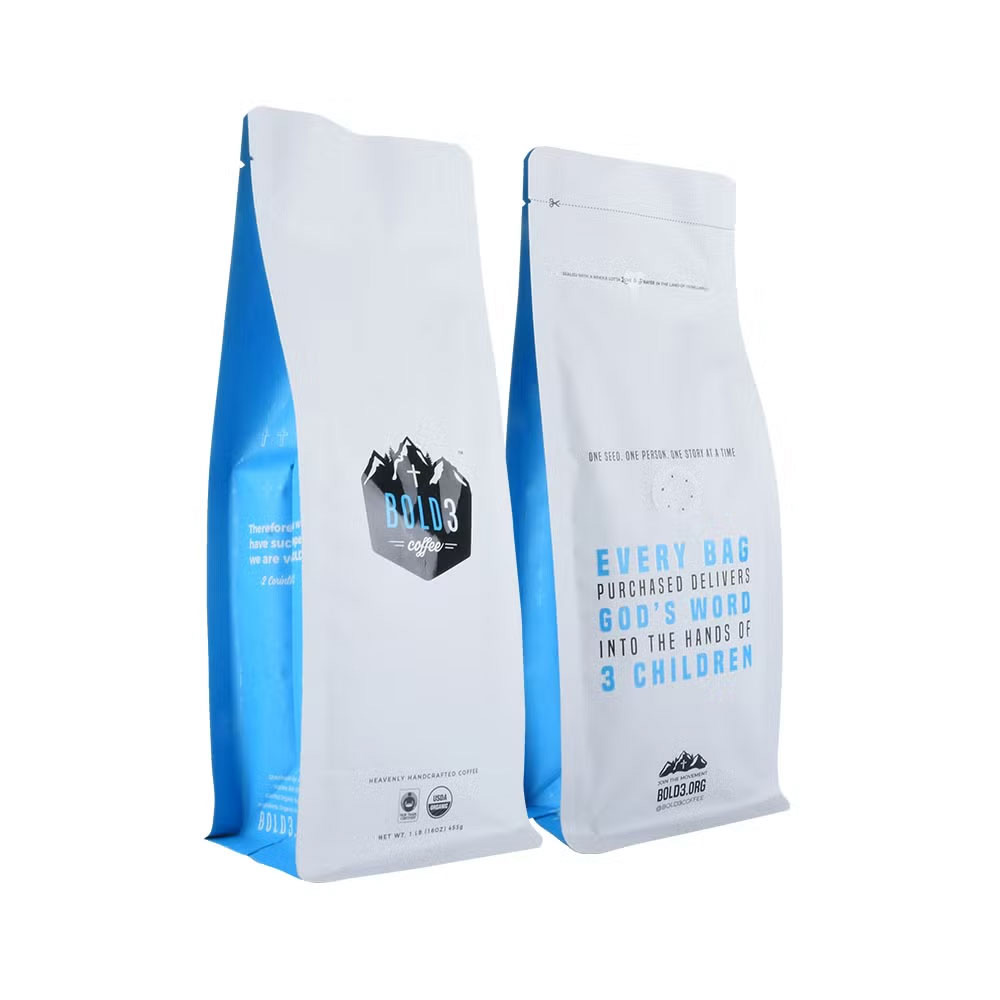
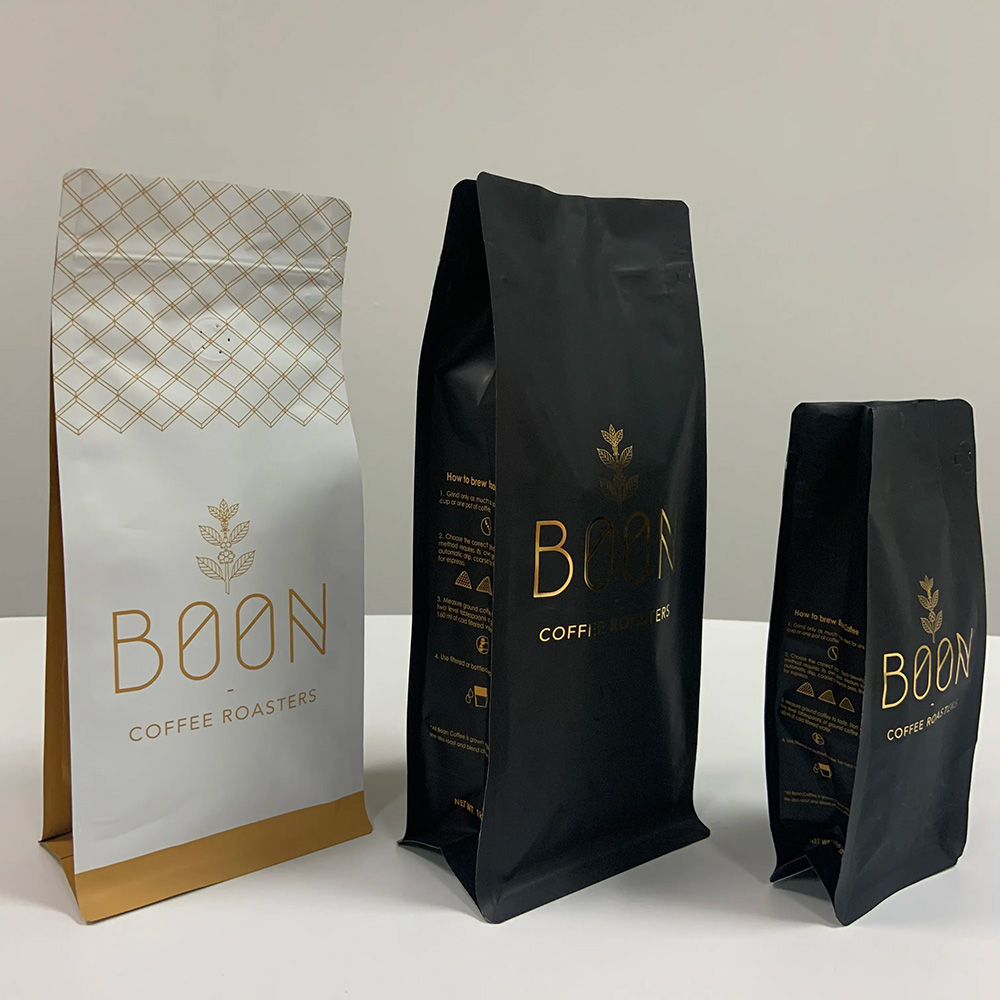
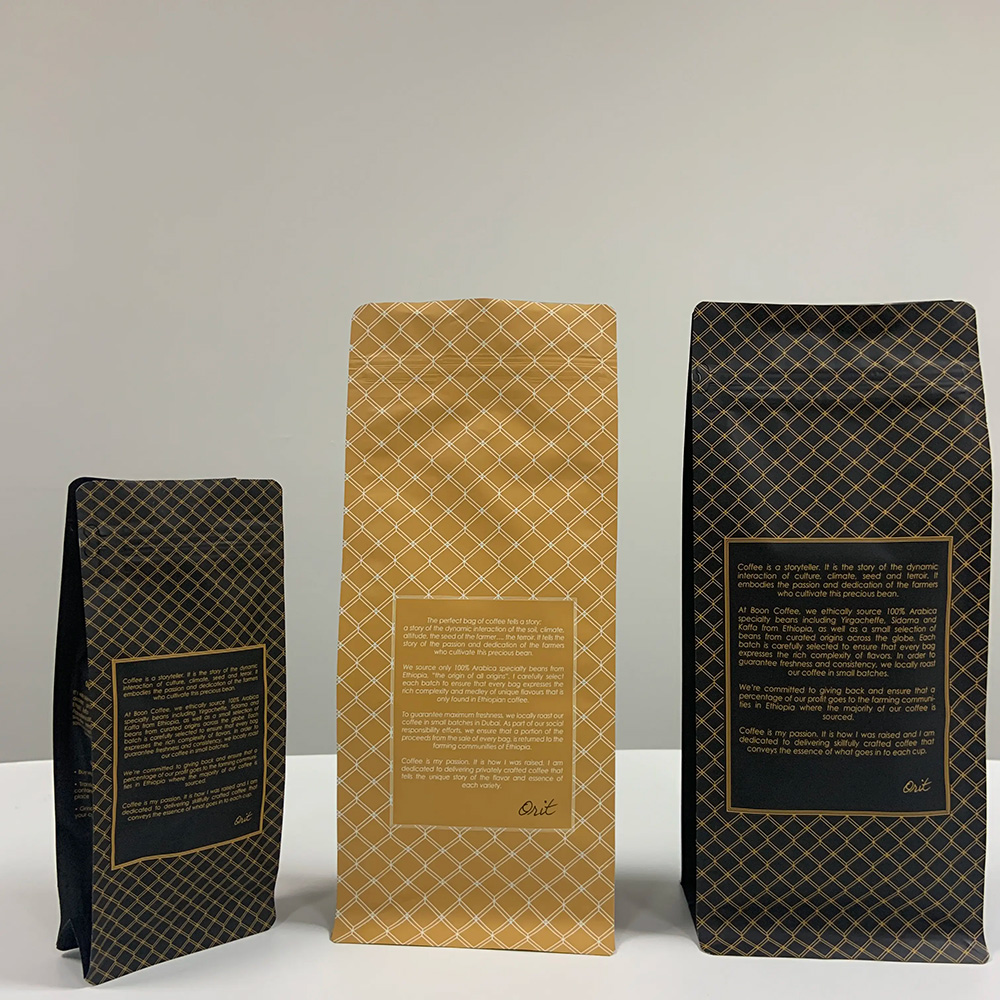
Branding on a valved coffee bag has to work around a functional component instead of a blank canvas, so print layout planning happens before valve position is finalized. Full-coverage designs are adjusted so ink doesn’t sit over the valve seat, since ink buildup there can interfere with the flap’s seal. Kraft, white, and metallized film bases all take flexographic or digital printing well, with spot color placement commonly used to frame the valve rather than hide it. Brands running seasonal or roast-specific labels often keep the base bag consistent and vary only the panel, an approach used on our Black Coffee Pouches range.
- Digital printing suits small-batch or roast-specific label runs without new plate costs
- Flexographic printing remains more cost-effective at higher volumes with one to three spot colors
- Valve cutouts are positioned during file setup, so print registration doesn’t drift onto the seal zone
- Matte and soft-touch laminate finishes are available without affecting valve function or reseal strength
- Private label runs are supported from lower minimum order quantities, comparable to the approach used for our child-resistant Bags
Hale Path Packaging Tests Every Coffee Valve Before a Bag Ships
Hale Path Packaging fits and pressure-tests every degassing valve in-house, on FDA food-contact compliant film, before a printed run is approved for dispatch. MOQs start from 100 units, turnaround runs 7 to 14 working days, backed by the same domestic production behind our flat-bottom pouch with zipper and sustainable coffee bag printing lines. One roaster’s bags shipped fine in dry conditions but began puffing up during a humid summer run; the valve’s filter mesh was trapping bean oil and clogging under humidity. Switching to a wider-mesh valve resolved it without changing the film.
Explore more of our products from Hale Path Packaging:
Frequently Asked Questions
Why do coffee bags require a valve at all?
Freshly roasted beans remove carbon dioxide for days after burning. Without a one-way valve, a sealed bag would increase under pressure or require remaining unsealed, exposing beans to oxygen.
How long after roasting does a coffee bag require its valve to work?
CO2 release happens within the first 24 to 72 hours post-roast, though a properly functioning valve continues covering the bag for its full frame life.
Round valve or flap valve: which performs better on coffee bags?
Flap-style valves reseal more invariably under repeated pressure cycles than simple round valves, making them the more standard choice for coffee bags that are opened and resealed often.
Kraft film or metallized film affect valve performance?
Valve function is independent of the outer film choice; kraft, white, and metallized films all accept a fitted valve well, so film selection comes down to barrier performance and print look instead.
Can I obtain a sample of a valve coffee bag before ordering in bulk?
Sample bags with the specified valve type, film, and print finish are available before a full production run, so valve function and print quality can be checked firsthand.
Do coffee bags with a valve require FDA compliance to sell in the USA?
Any packaging in direct contact with food, including coffee, requires the use of FDA food-contact compliant materials, which spreads to both the film and the valve component.
Do US retailers require any specific labelling for valve coffee bags?
Beyond standard food-contact and ingredient labelling, US retailers do not mandate valve-specific labelling, though roast date and CO2 off-gassing guidance are standard industry practice.
Does adding a valve construct a coffee bag less sustainable?
The valve is a small component compared to the film itself, and its function honestly extends frame life, which can decrease product waste from stale beans.