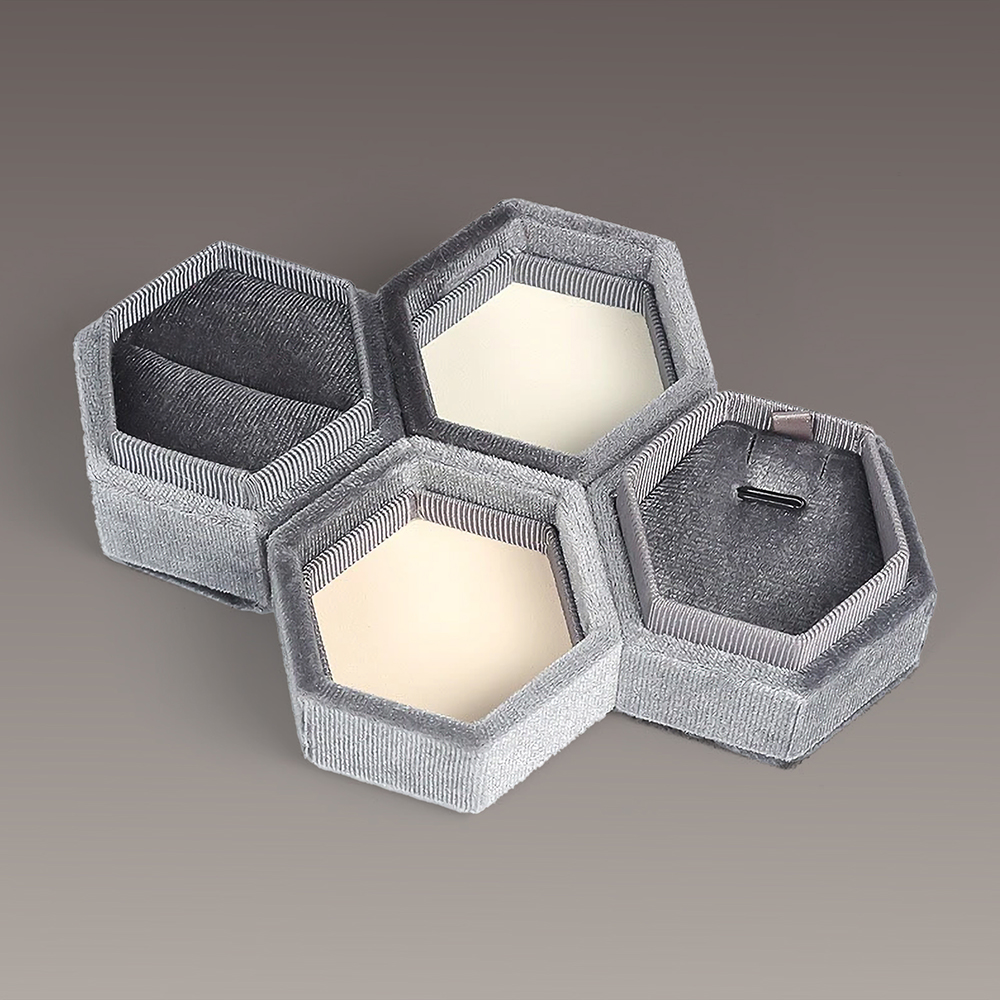



Rigid Hexagon Boxes
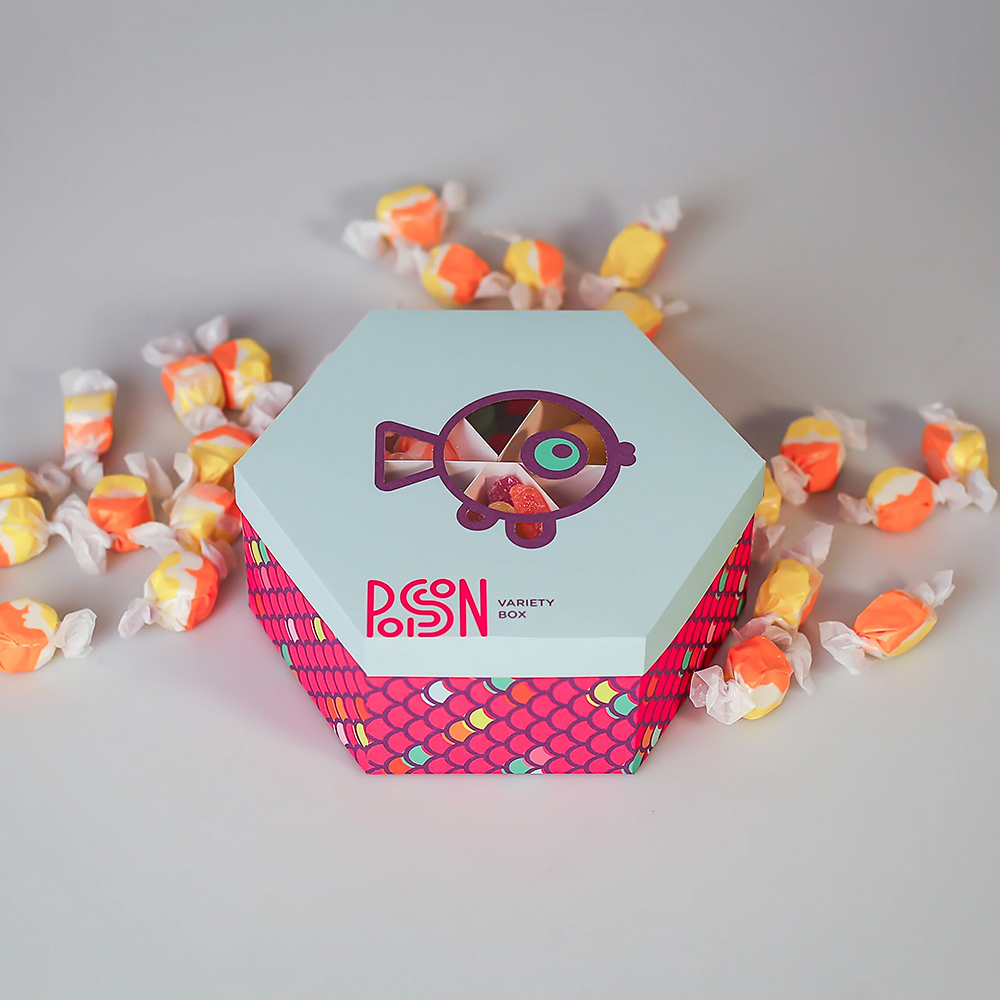
A hexagon box does not fail the way a rectangular box fails. Four corners under load behave predictably. Six do not, and a joint that would sit fine on a standard box can bow under the exact same weight once it is one of six angled panels instead of four square ones.
Rigid Hexagon Boxes Gallery
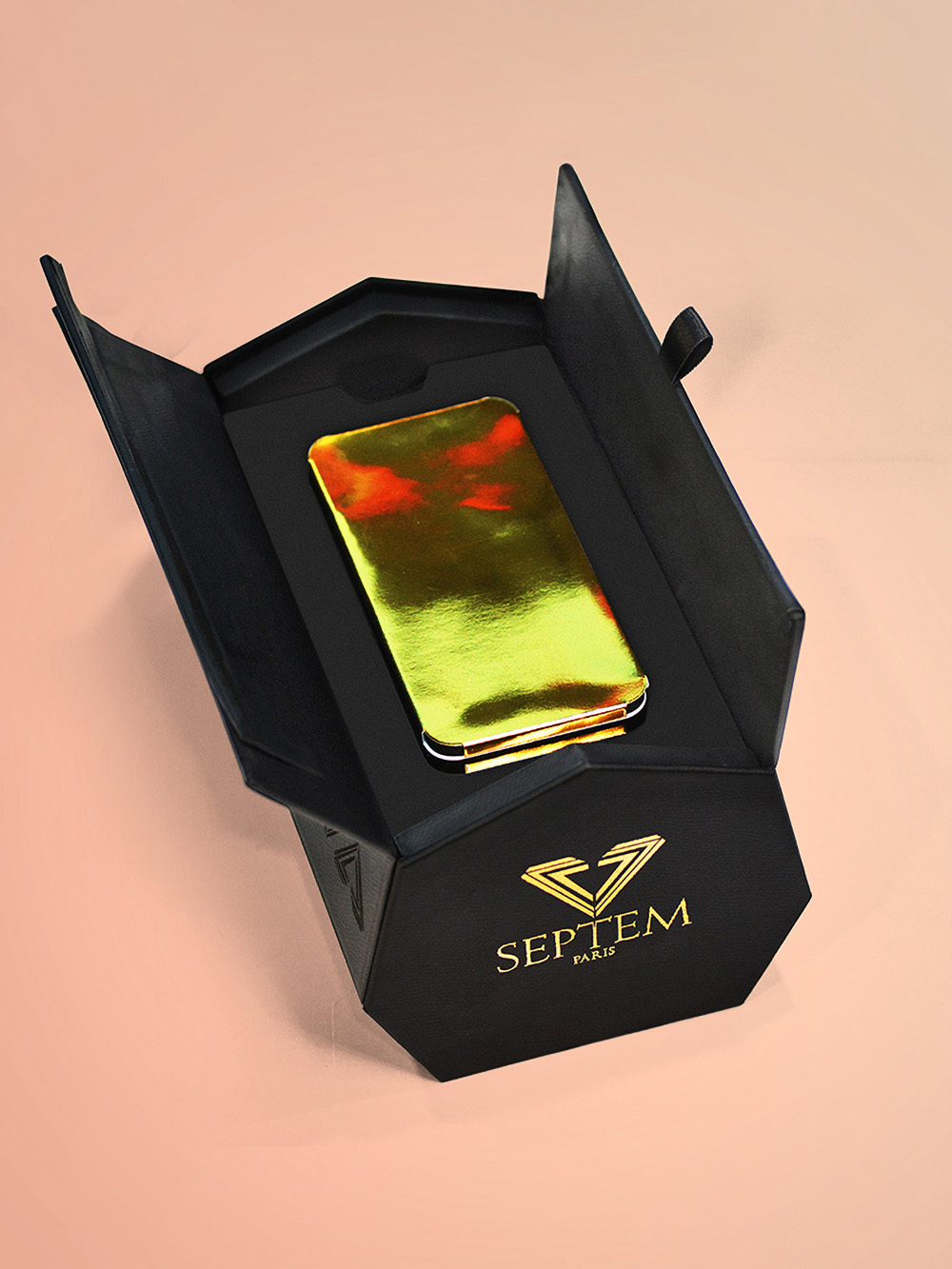

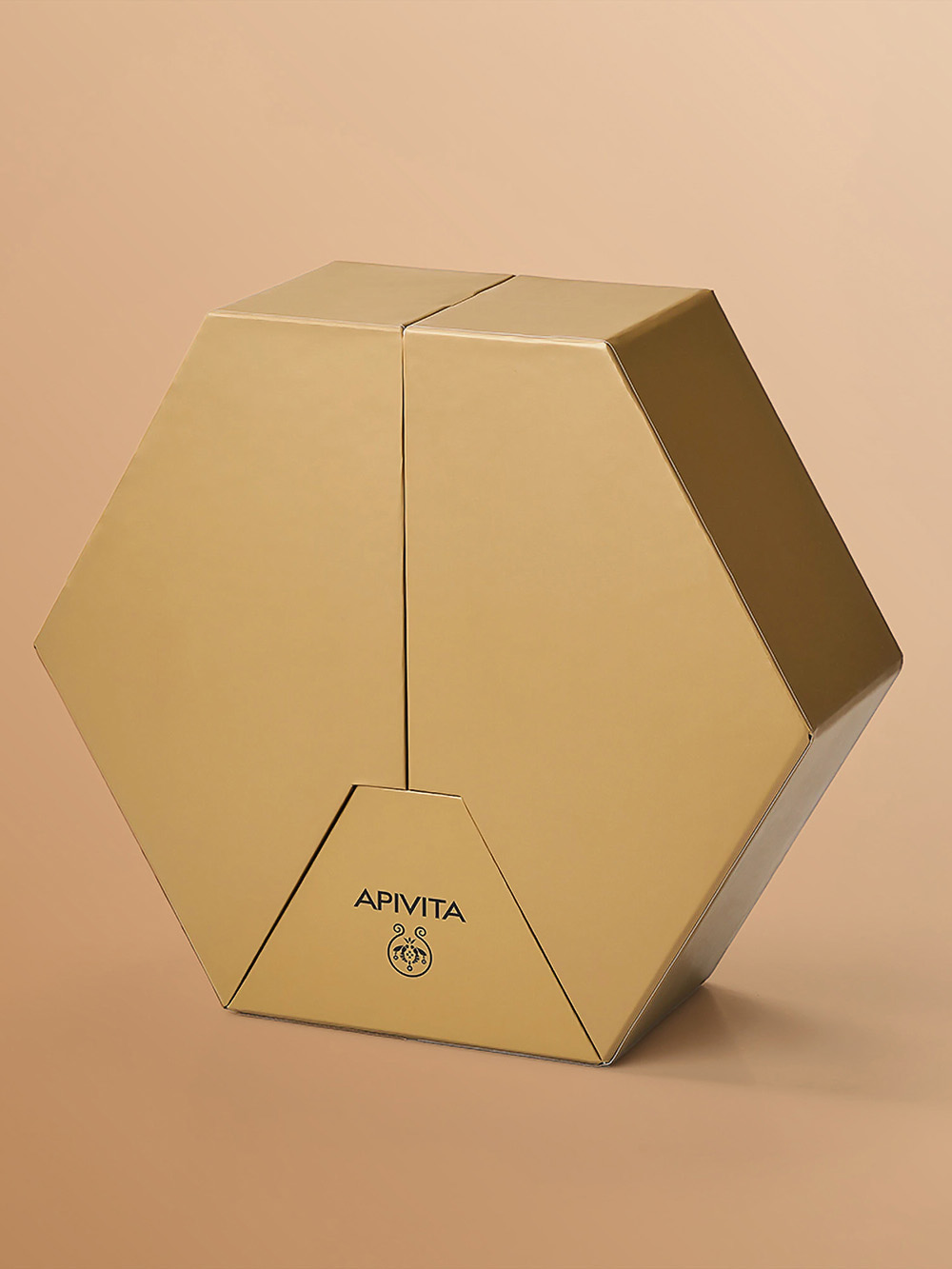
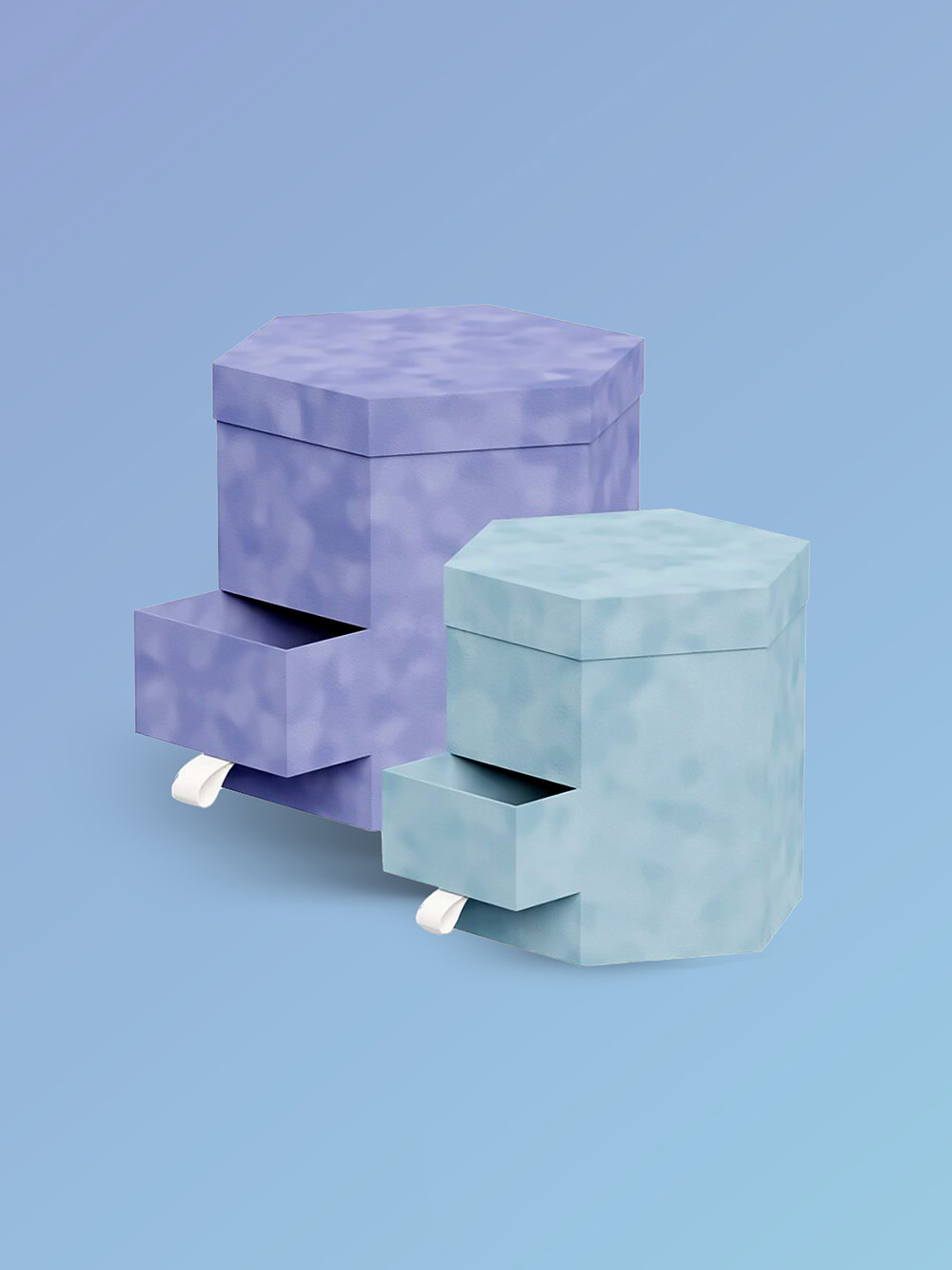
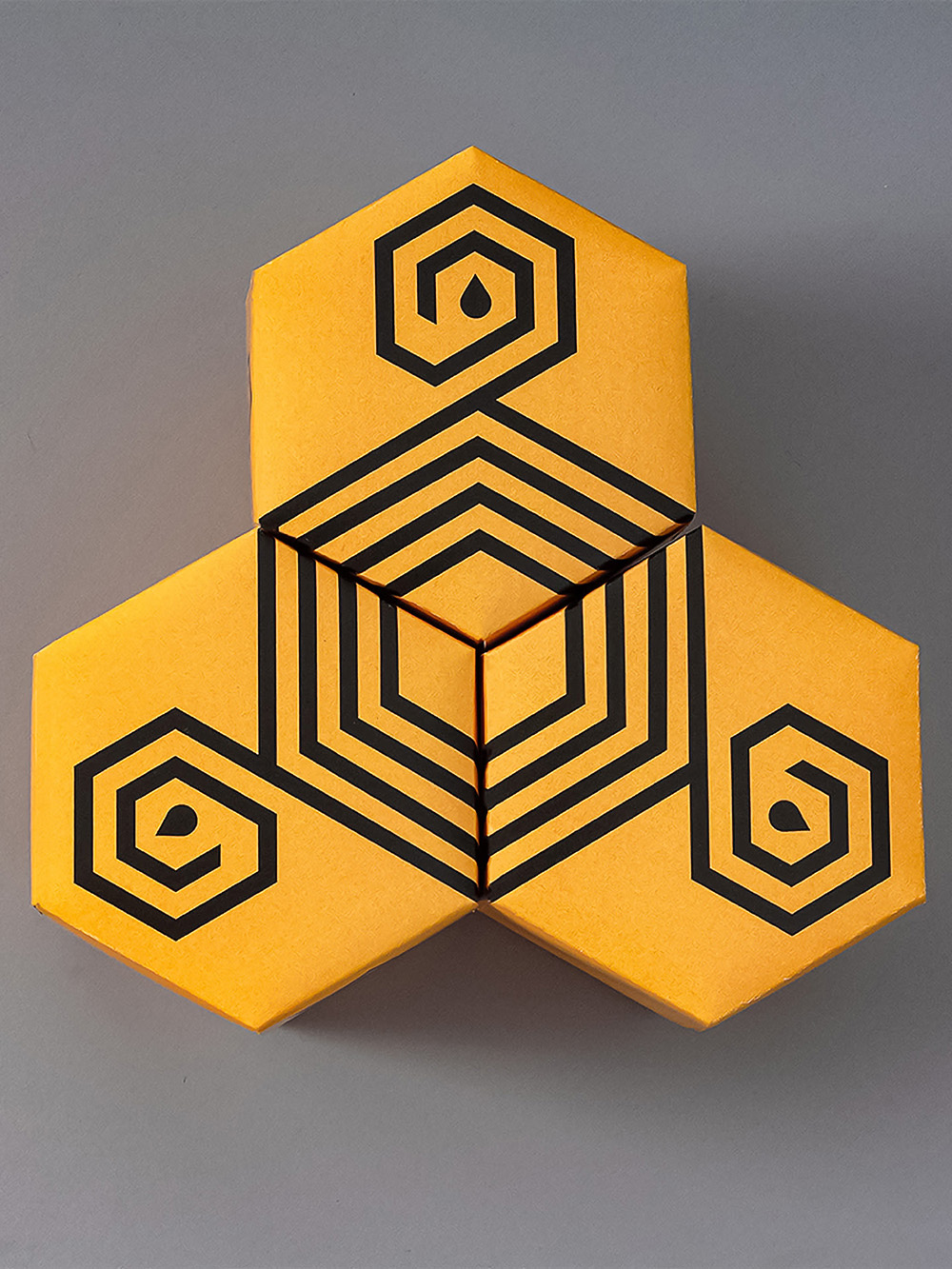

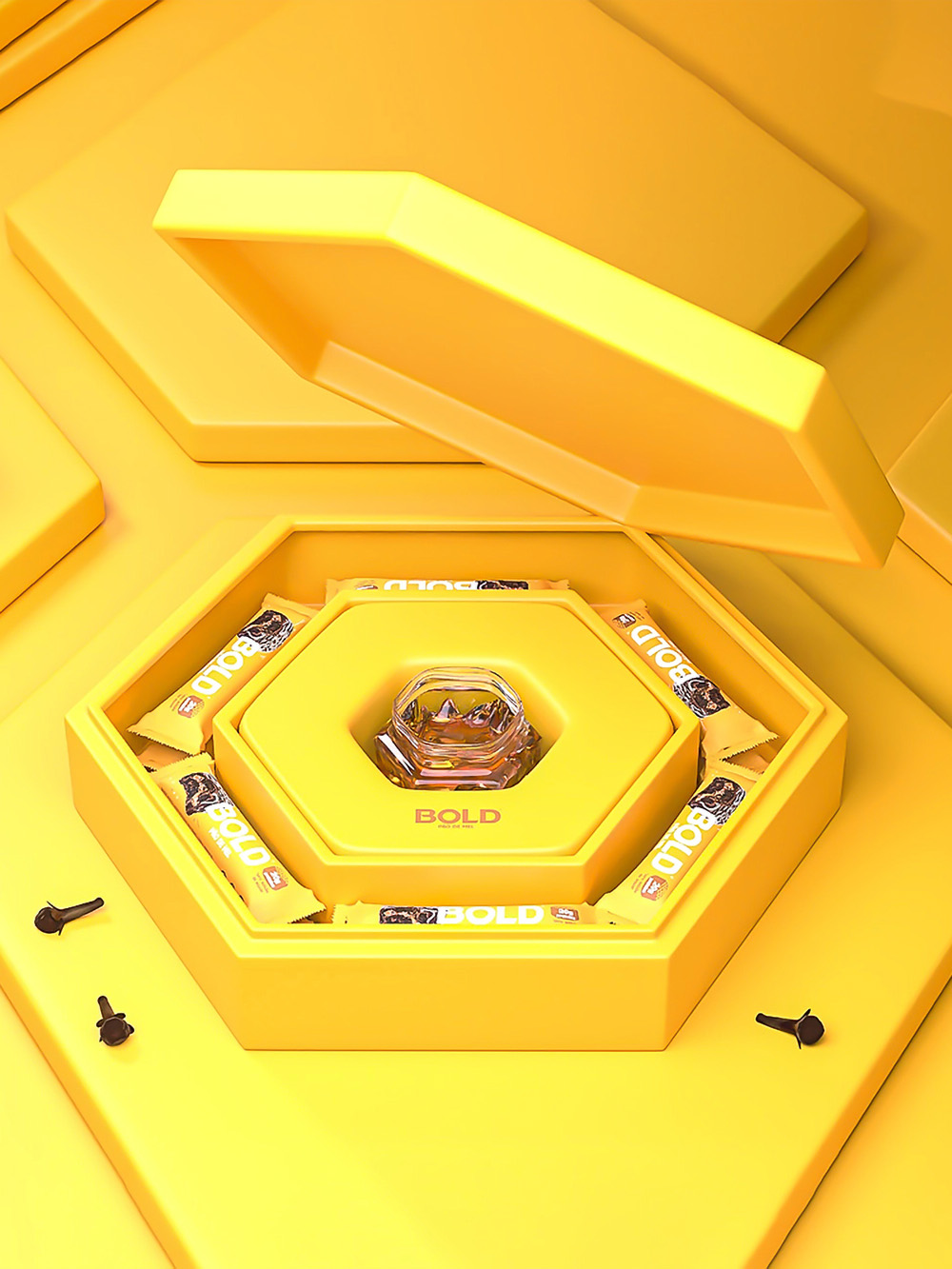
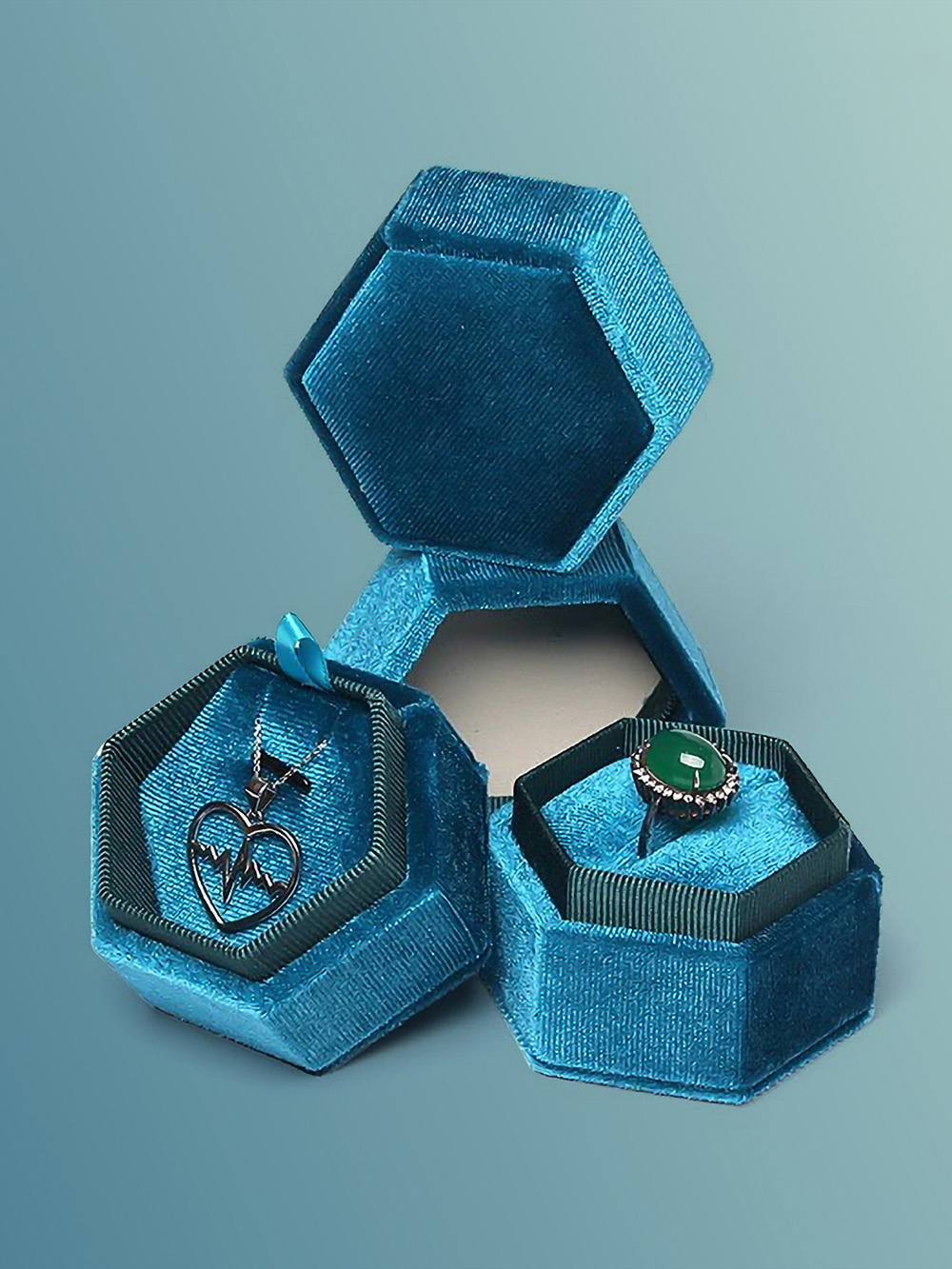
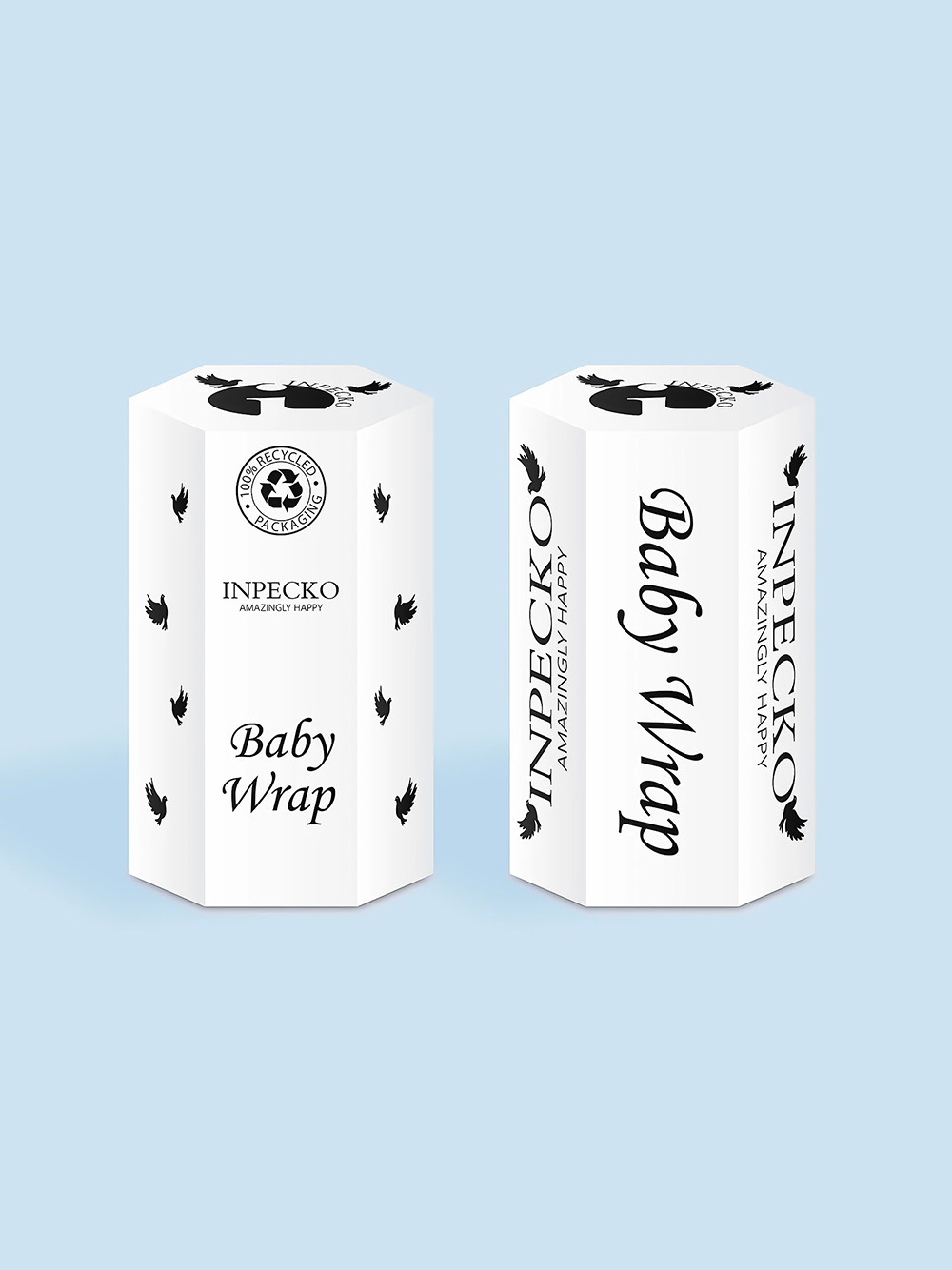
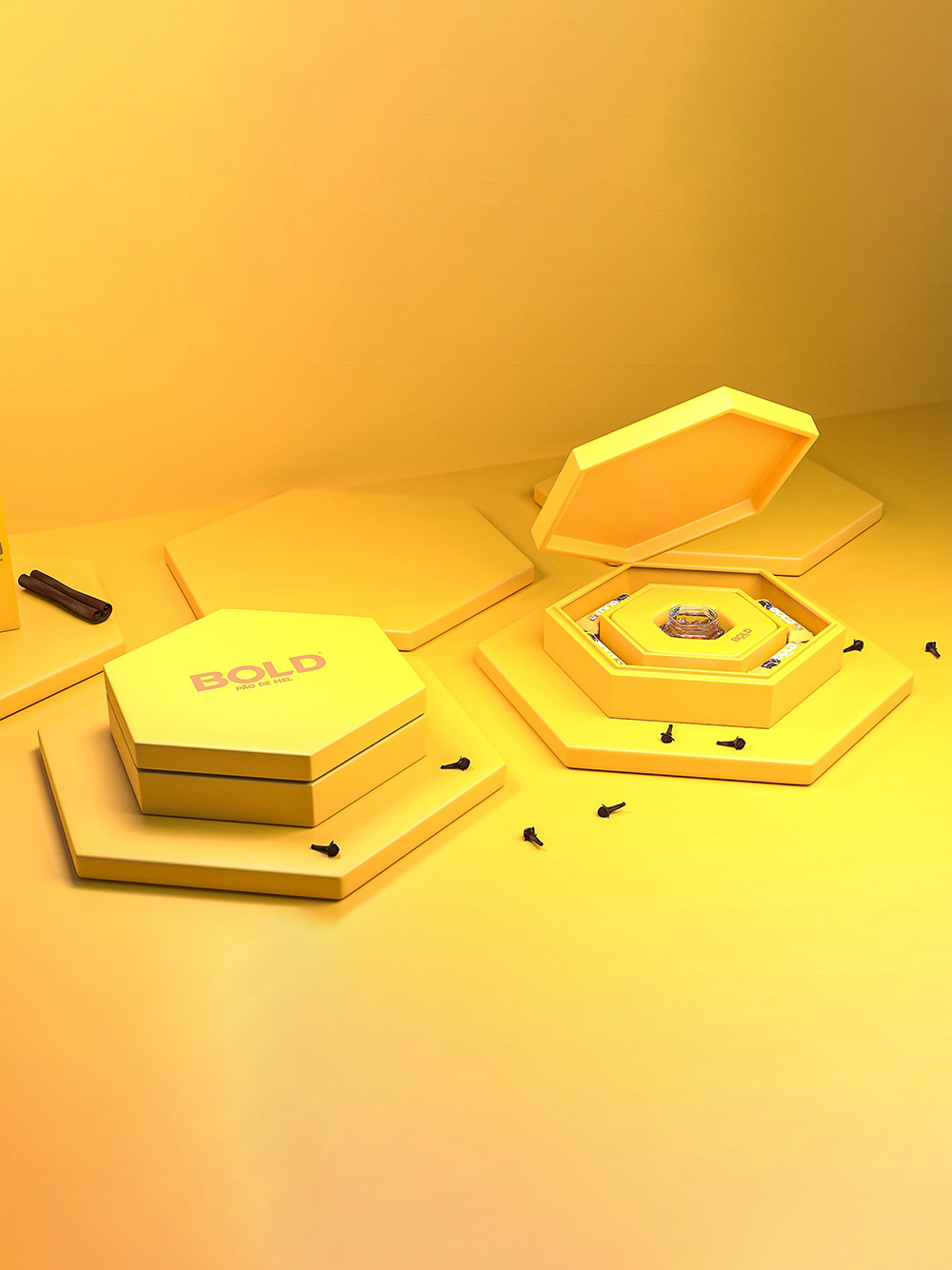

What Makes a Hexagon Box Structurally Different From a Rectangular Rigid Box?
A rectangular rigid box distributes structural load across four corners. A hexagon spreads that same pressure across six panel walls, which can actually improve stability for the right product weight once the board caliper is matched correctly. The risk is not the shape itself, it is treating a hexagon like a rectangular box that happens to have two extra sides. Every rigid hexagon box we build starts with structural prototyping through CAD sampling, letting the panel alignment and corner tension get checked digitally before a physical sample is built. This catches a joint that would bow under product weight before it turns into a costly reprint on a full production run.
Why Precision Matters More on Six Panels Than Four
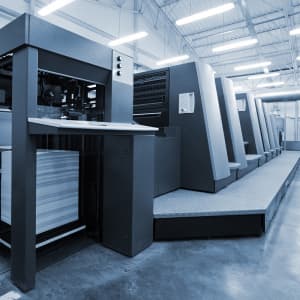
Precision die-cutting keeps all six panels meeting at consistent angles, since even a small measurement error compounds visibly across a six-sided structure in a way it never would on a rectangular box. A quarter-degree error on one panel is invisible. The same error repeated across six joints is not.
How Do You Stop Six Corners From Warping or Bowing Under Weight?
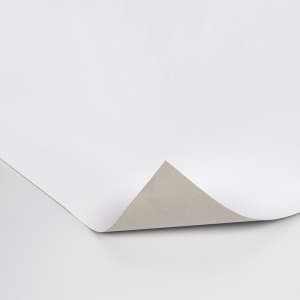
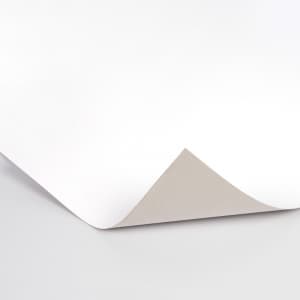
Board choice is the real lever here, more than anything else in the build. Greyboard in the 1200 to 1800 micron range, wrapped in printed art paper, gives the structure enough weight to hold six distinct corner joints stable under normal handling. Duplex board is a lighter, more economical alternative for smaller, lower-weight items where full greyboard would be over-specified. Underspecifying board thickness to cut cost is the single most common reason hexagon corners soften or bow over time, and it is worth confirming against your product’s actual weight rather than assuming a hexagon needs the same spec as whatever rectangular box you used previously.
Inserts Built for the Geometry, Not Retrofitted Into It
Jewelry, candles, and fragile gift items need inserts calibrated to the hexagon’s internal angles specifically. EVA foam cut to a rectangular template and forced into a six-sided cavity leaves gaps at the angled corners, exactly where a product is most likely to shift and get damaged in transit. We calibrate inserts to the hexagon’s actual internal geometry rather than adapting a stock rectangular insert.
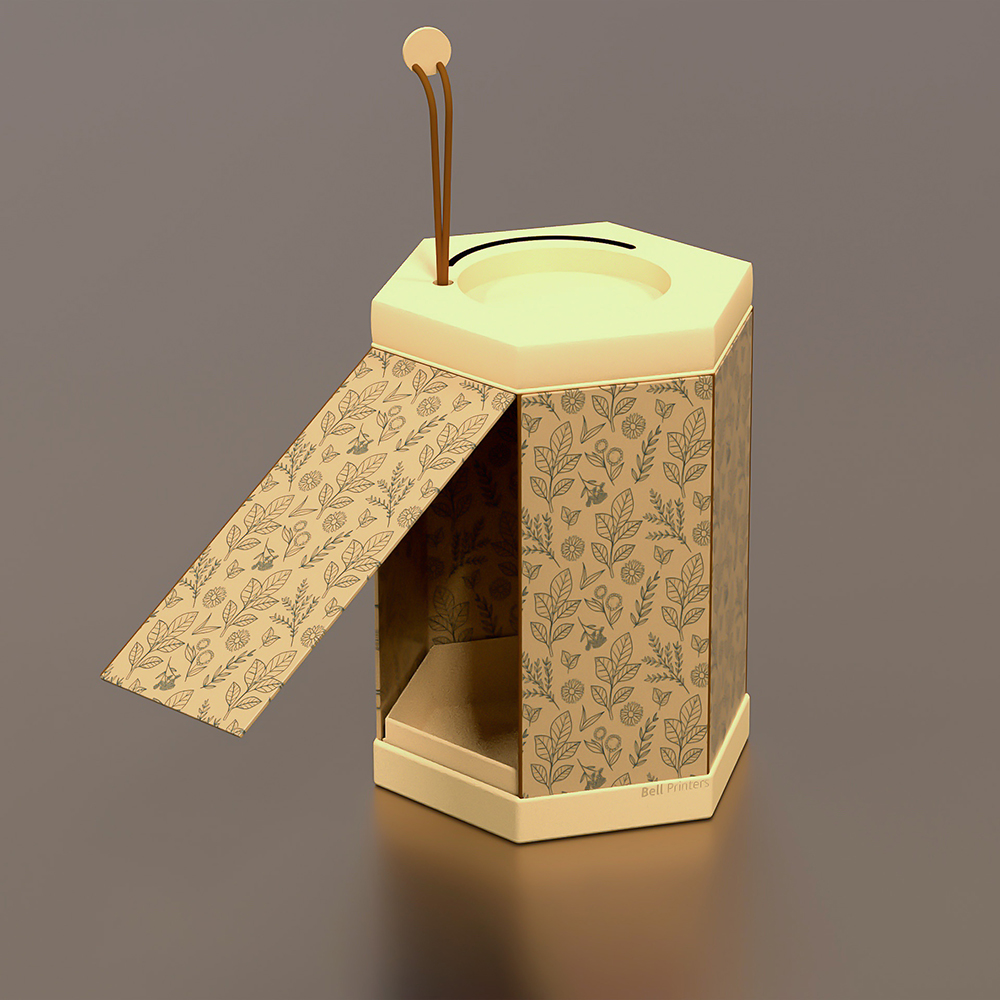
Does the Hexagon Shape Cost More to Produce and Ship Than a Standard Box?
Two real cost factors are worth knowing upfront, and neither one is about the printing or the branding. Hexagon boxes generally ship constructed rather than flat, since the six-panel structure does not collapse the way a simple rectangular box does, which means they occupy more cubic freight volume per unit than a collapsible alternative. This is a real freight cost difference worth planning for, not a surprise on your first invoice.
The second factor is waste. Right-sizing the box to your product’s exact dimensions, rather than defaulting to an oversized standard hexagon template, reduces board waste per unit across a production run, which matters both for cost and for sustainability reporting if that’s part of your brand positioning.
Sourcing and Compliance Worth Knowing About
States with extended producer responsibility laws, California among them, are pushing brands toward recyclable greyboard over composite or plastic laminated rigid structures. Certified greyboard is available for brands that need verified sourcing documentation for retail or corporate sustainability reporting, which is increasingly a real requirement rather than a nice-to-have for brands selling into larger retail accounts.
What Does a Rigid Hexagon Box Cost, and How Fast Can You Get One Made?
Pricing depends on greyboard caliper, insert complexity, print finish, and volume. We confirm exact minimums and turnaround against your specific product dimensions and weight during the quote process, since a hexagon box’s real cost driver is the structural spec, not just the size.
Every hexagon order includes CAD-based digital sampling before a physical sample is built, automated panel wrapping to keep all six corners sharp and consistent across a production run, and in-line quality checks that catch panel misalignment or board warping before boxes reach final packing. The shape itself does real branding work for gift-set, candle, and jewelry brands, since a hexagon on a shelf full of rectangular boxes signals something different before a customer even reads the label, but that only holds up if the structural spec underneath actually matches the product’s real weight and handling. If your line also needs a standard rectangular rigid option alongside the hexagon, our rigid paper boxes and cosmetic gift boxes pages cover that structure separately.
Frequently Asked Questions
What is a 6-sided box called?
A hexagon box, sometimes called a hexagonal rigid box when built from rigid greyboard rather than a folding carton.
How is a hexagon box structurally different from a rectangular rigid box?
A rectangular box distributes load across four corners. A hexagon spreads that same pressure across six panel walls, which requires tighter die-cutting tolerance since a small measurement error compounds visibly across six joints instead of four.
What board thickness holds a hexagon box's corners stable?
Greyboard in the 1200 to 1800 micron range is standard for holding six corner joints stable under normal handling. Duplex board works for lighter, smaller items where full greyboard would be over-specified.
Does a hexagon box cost more to ship than a standard rectangular box?
Often yes, since hexagon boxes typically ship constructed rather than flat, occupying more cubic freight volume per unit than a collapsible rectangular alternative.
Can inserts be custom fitted to a hexagon box's shape?
Yes, and this matters more than it would on a rectangular box. Inserts calibrated to the hexagon's actual internal angles prevent gaps at the corners where a rectangular-template insert would leave a product free to shift.
Is Certified board available for hexagon boxes?
Yes, for brands that need verified sourcing documentation for retail or corporate sustainability reporting.
Why did my hexagon box's corners start bowing after a few weeks?
Almost always underspecified board thickness for the product's actual weight, treating the hexagon like a rectangular box spec rather than confirming caliper against real load.
How can brands reduce material waste on a hexagon box order?
Right-sizing the box to the product's exact dimensions rather than defaulting to an oversized standard hexagon template reduces board waste per unit across a production run.