The Ultimate Christmas Chocolate Box Packaging Guide for 2026: Sizes, Styles & Finishes
The Ultimate Christmas Chocolate Box Packaging Guide for 2026: Sizes, Styles & Finishes
Packaging sells the first one. Pick up any bar or box on a shelf, and the decision happens before a single ingredient gets read, somewhere in the half-second it takes to register weight, print quality, and finish under the fingers. Getting that instant right matters as much as anything in the recipe behind it.
Chocolate is also one of the least forgiving categories to get wrong. A bar that arrives even just softened, or a rigid box with a foil finish that looks thin next to the one beside it on the frame, undoes weeks of recipe work in the time it takes to open a box. Custom chocolate packaging has to look right on frame, survive transport without melting or chipping, and always feel excellent enough to justify the price on the sticker. As 2026 buyers become selective about both quality and sustainability, a handful of practical conclusions separate a premium chocolate box technique that works from packaging that just looks good in a mockup. Here’s what honestly belongs in a chocolate packaging brief, department by department.
- The structural, finish, and compliance conclusions that affect how chocolate performs on the frame and in transit
- Where most brands get the finish versus structure sequence wrong
- What to check before locking in a design for a full production run
Structure and Tray Fit
A tray cavity that is a couple of millimetres too shallow or too loose for the actual product does. Trays get reused across product sequences to save on tooling, and that shortcut is exactly where turning and chipping start. A tray produced within 1- 2 mm of true product height stops movement without forcing pieces into place, and that small tolerance constantly does more for damage rates than upgrading the outer box.
PET Trays vs Pulp Trays
Developed pulp trays cost less to tool for smaller runs, reclaim easily, and appeal to brands leaning into a natural or sustainable positioning, though they show less crisp cavity detail than a formed plastic tray. For brands building their own tray specification rather than using a standard mould, our cosmetic rigid boxes guide covers cavity tolerance and material choice in more depth.
Why Sampling Matters Before Full Production
A tray spec should never go straight from a drawing to a full production run. Our packaging development team runs this check as standard on any new chocolate packaging supplier brief, since a spec that looks correct on paper does not always match how the product actually sits once moulded or coated.
Sizing for the Format You’re Actually Selling
A box sized for one chocolate format rarely works for another without real adjustment, and getting this wrong is a common source of wasted tooling. The right starting point depends on whether you are packaging bars, individual pralines, a mixed assortment, or a seasonal format like an advent calendar. Our Bakery & Confectionery range covers each of these formats if a size or tray style below doesn’t match what’s already tooled.
| Format | Typical internal depth | Tray style | Common finish |
| Chocolate bar sleeve | 8-12mm | Flat card sleeve, no tray | Foil wrap under printed sleeve |
| Praline/truffle box (single layer) | 25-35mm | Fitted cavity tray | Window or fully enclosed lid |
| Assortment box (multi-layer) | 45-70mm | Stacked or divided tray | Ribbon closure, rigid lid-and-base |
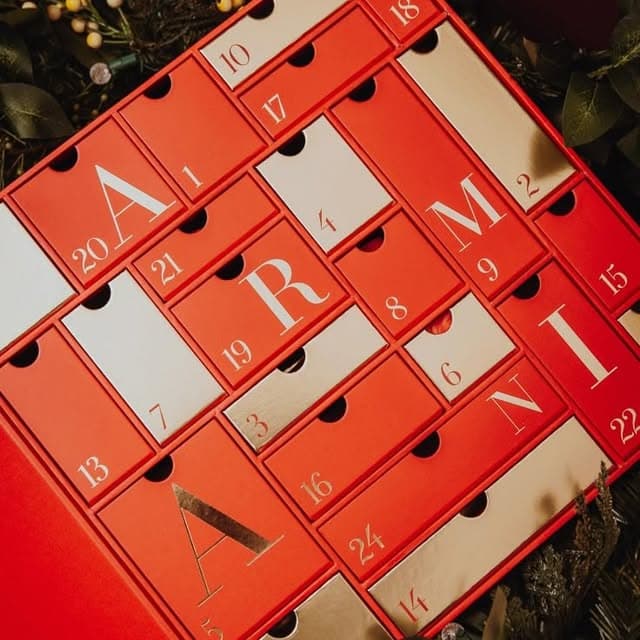
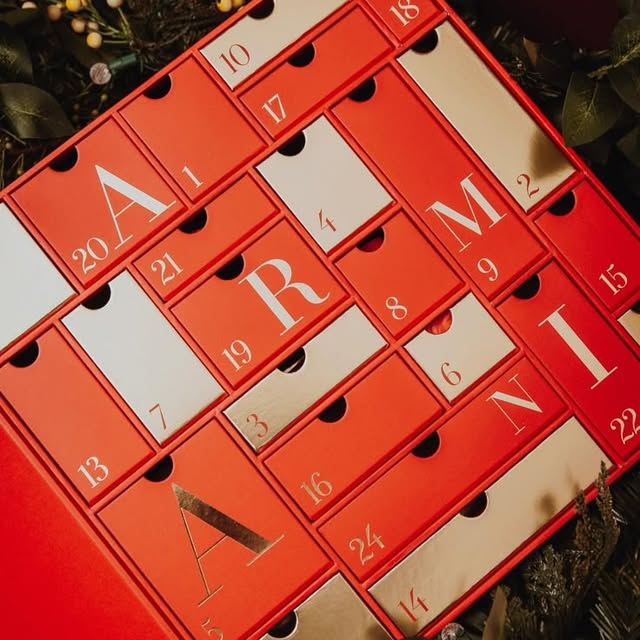
| Advent calendar | 15- 25 mm per door | Individual door cavities | Printed front panel, foil-backed doors |
Assortment Boxes Need a Cavity-by-Cavity Check
Assortment boxes carry the most risk of tray-depth mismatch simply because they hold more than one product shape in a single tray, so each cavity needs its own clearance check rather than one blanket tolerance applied across the whole layout.
Board Weight and Price Perception
Standard SBS or FBB folding carton stock, 280 to 350gsm, suits everyday and mid-tier ranges without adding excessive unit cost. Rigid greyboard, 1200 to 2000gsm, is what gives White Rigid gift Boxes their weight and slow lift feel. Selecting rigid for a product priced like a folding carton wastes budget, and choosing folding carton for a flagship gift line undersells it before the box is even opened. Brands unfamiliar with how these weights are measured can check our conditioner boxes guide for the terminology behind the numbers.
Where the Perception Line Sits
That shift tends to happen once board weight crosses into rigid greyboard territory, somewhere around 1200gsm and up, where the box no longer folds flat and carries real heft in the hand. Below that line, even a well-printed 350gsm folding carton reads as standard retail packaging, however good the finish looks. Pricing a range above what its packaging weight communicates tends to create hesitation at the shelf, even when the chocolate inside is worth every penny.
What Chocolate Packaging Actually Costs in 2026
Price perception only means something once it’s checked against real numbers, and this is where a lot of briefs stall. Chocolate box wholesale costs vary far more by tray complexity than by board weight alone, which is why a like-for-like comparison needs to sit tray, closure, and finish against volume together, not board grade in isolation.
| Format | Order volume | Typical unit cost |
| Folding carton sleeve, no tray | 500 units | £0.45-£0.85 |
| Praline box, fitted cavity tray | 250 units | £1.20-£2.40 |
| Rigid assortment box, ribbon closure | 100 units | £3.50-£6.80 |
| Advent calendar, individual door cavities | 500 units | £2.20-£4.10 |
What Drives the Price Range
The gap between the low and high end of each row is almost always tray complexity, not the outer board itself, which is worth checking before assuming a rigid box is automatically the expensive option. Our biodegradable Mylar bags guide breaks down how minimum order volume shifts these figures further, since unit cost drops fastest between the first and second pricing tiers.
Finish and Frame Context
Foil stamping can look thin against a strong matte rival unless it is paired with an extended or debossed element underneath. Spot UV works best on a single logo or instead of a full board; large glossy areas show fingerprints fast under normal handling. The same finish can read as gratuity or cheap depending entirely on context, so testing a sample against a real shelf set beats judging it in isolation. Our retail Cardboard boxes guide breaks down which print process suits each of these finishes.
| Finish | Best for | Watch out for |
| Gold/silver foil | Dark board colours, festive ranges | Looks thin against a strong matte rival without added texture |
| Matte lamination | Premium, understated positioning | Can look flat without a contrasting gloss or foil accent |
| Spot UV | Single logo or motif | Shows fingerprints fast if used across a large panel |
| Soft-touch coating | Tactile, high-end gift boxes | Adds cost that only pays off on premium-tier pricing |
Combining Finishes for Better Shelf Impact
Connecting two of these, a matte base with a foil or spot UV accent, tends to outperform any single finish used on its own across a full board.
Heat and Humidity Protection
Heat and humidity cause two different kinds of damage, and treating them as one combined risk misses half the problem. Both need their own spec check before a box goes into production.
Packaging can not fully solve this, but structure still matters. A snug-fitting tray reduces how much a softened piece can shift and deform. A loose one makes a heat problem visibly worse the moment the box is opened. A technique that looks flawless in a studio shoot can always arrive damaged if heat exposure was not part of the brief from the start.
Why Heat Risk Changes by Season
Heat risk isn’t constant across the year or across a delivery network. A parcel sitting in a hot delivery van during a summer heatwave faces a very different risk profile from the same product shipped in December. Brands selling eco-friendly chocolate packaging year-round, rather than just at Christmas, often need two slightly different packaging specs, one with tighter tray tolerance and more insulating void-fill for summer months, and a standard spec for the cooler seasons where heat exposure is less of a factor. The same seasonal split applies to chocolate boxed inside a wider gift set, and our Christmas boxes guide covers the same heat window for hampers that combine chocolate with candles or other temperature-sensitive items.
Sequencing: Structure Before Finish
Brands often choose a finish, like foil or a window aperture, before confirming whether a folding carton or rigid box suits the product and price point. That gets the decision backwards. Structure determines how the product ships and holds its shape. Finish determines how it looks once that decision is already made. Getting the order wrong usually means going back for a fresh set of samples once the mismatch becomes obvious, on top of whatever’s already been spent on the first round.
A Real Example of Getting the Order Wrong
A returning client came to us having already approved a gold foil finish across a full rigid box panel for a new premium range, based on a single printed sample. Once the structural spec was confirmed, the box needed a magnetic closure that overlapped part of the foiled panel, and the foil didn’t sit cleanly around the magnet housing. Anyone specifying a closure like this from the outset can avoid the same rework by checking our Magnetic closure rigid Boxes guide before finish artwork is locked in. Reworking the artwork after tooling was already committed added both cost and a delay to the launch. Confirming the closure mechanism and full structure before finalising the foil placement would have avoided the rework entirely.
Sustainability Considerations
Mono-material construction, where the box, tray, and any window film all reclaim via the same stream, is increasingly worth the layout compromise over a mixed material form that looks slightly more attractive but reclaims poorly. Pulp trays are more useful than PET trays for brands and an eco-conscious message, even though PET always gives a sharper observable presentation for window front boxes.
The Trade-Off With Foil and Lamination
Foil and heavy lamination finishes complicate recyclability more than most brands expect, since they are difficult for standard recycling streams to separate from the base board. A brand leaning heavily into sustainability messaging should weigh a foil-heavy premium finish against that trade-off directly, rather than treating recyclability and premium finish as automatically compatible. Our flat-bottom pouches with zipper guide covers show how these finish choices also feed into EPR fee banding, which is a separate cost layer on top of the material itself.
Allergen and Ingredient Labelling
Packaging design gets most of the attention, but the labelling on top of it is where legal risk actually sits. Under Natasha’s Law, any chocolate packed for direct sale on the same premises where it is sold, think an independent chocolatier boxing pralines in-store, must display a full ingredients list with all 14 major allergens clearly emphasised, usually in bold. This applies even to small-batch and artisan ranges that might assume the rule is only for large manufacturers.
Making Label Space Part of the Structural Brief
Label placement also has to work with the box design, not fight it. A cover around the label or a printed board requires adequately flat, uninterrupted space to hold a full ingredients list at a legible size, with a minimum text height of around 1.2mm.
Questions Worth Asking Before You Order
Does chocolate need different packaging for summer shipping? A parcel travelling in a hot delivery van during summer faces a higher softening risk than the same product shipped in December, so it is worth constructing a tighter cavity spec and a proper allowance into any run going out over warmer months, rather than using one spec year-round.
Can chocolate packaging be fully recyclable and always look premium? It can, but foil and heavy lamination work against it. A mono-material shape with a pulp tray obtains closer to full recyclability than a mixed PET and board construction. However, it means giving up some of the sharp, observable clarity a plastic tray provides.
Common Mistakes Brands Still Make
A handful of avoidable errors show up across chocolate packaging briefs more than any others. Reusing a tray spec across product lines to save tooling cost is the most common, and it is the direct cause of most transit damage covered above; our custom candle boxes with insert guide covers what a proper cavity spec should look like instead. Choosing a finish before structure is a close second, and it almost always costs more to fix after the fact than it would have to sequence correctly from the start.
Underestimating heat exposure during design, instead of just during final testing, is another recurring gap. A box tested in a controlled studio environment tells a brand very little about how it performs after six hours in a warm delivery van.
Getting It Right for 2026
What trips brands up is treating packaging as a finishing step instead of part of the product spec from the start. Our packaging development team walks chocolate brands through structure and finish together, rather than one after the other, precisely because that sequencing is where most avoidable mistakes happen.
Hale Path Packaging builds folding carton, rigid, and window-tray chocolate gift box ranges from 100 units, with turnaround typically 7 to 14 working days. If you’re specifying MOQ requirements alongside a new chocolate line, our custom storage boxes guide covers how that minimum applies across formats, and our two-piece candle boxes guide is worth checking if a seasonal launch is part of the plan.