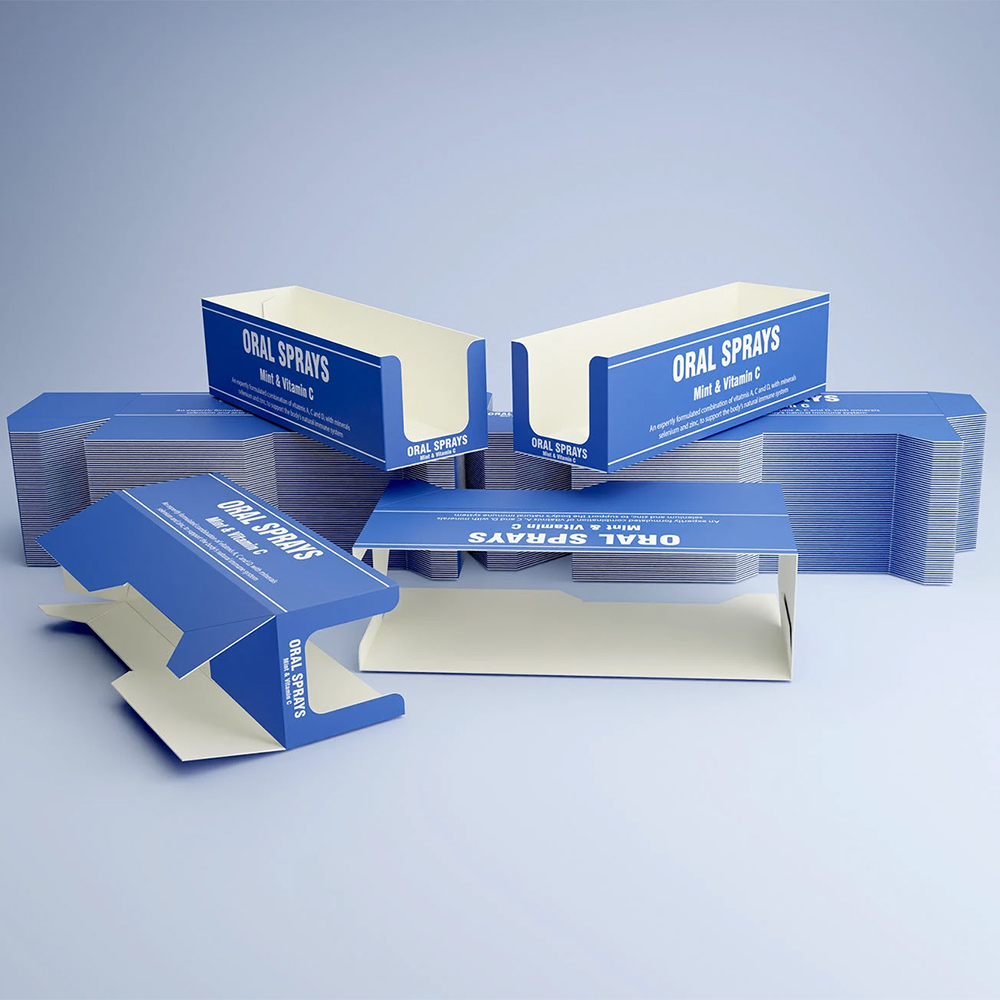
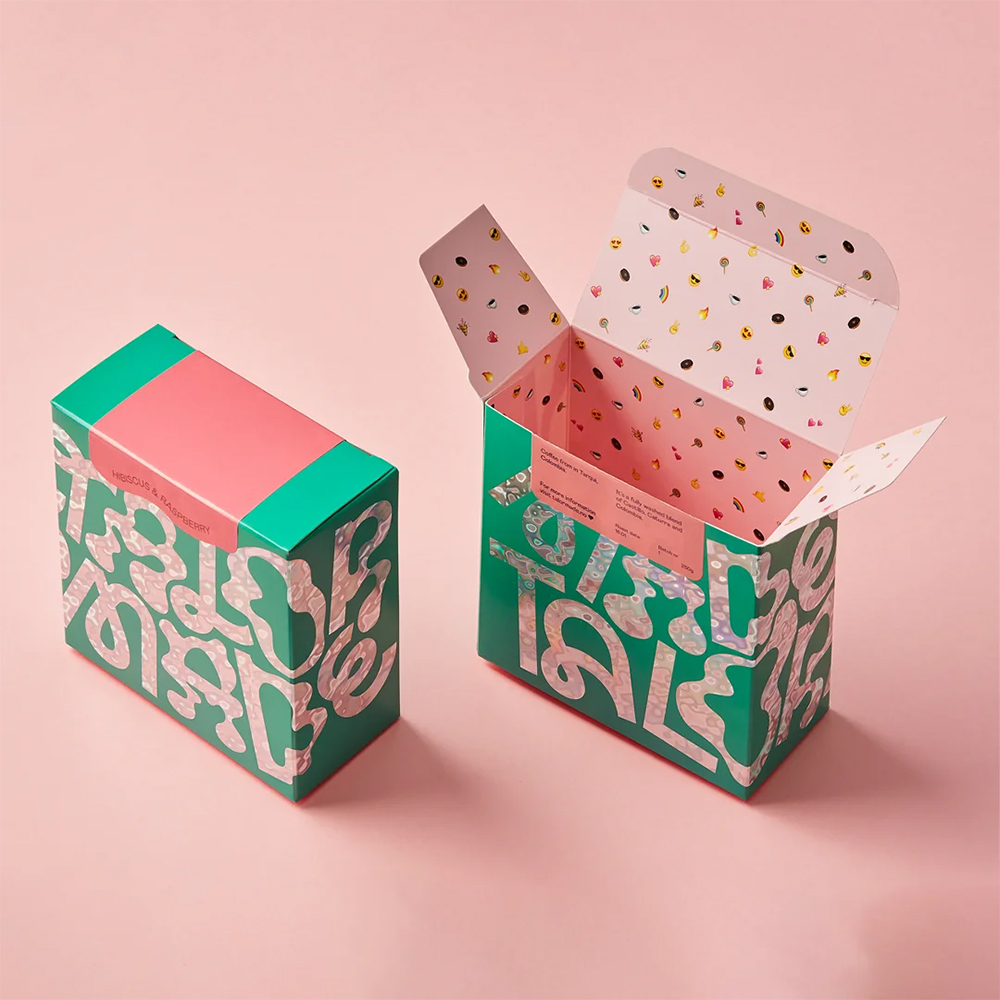

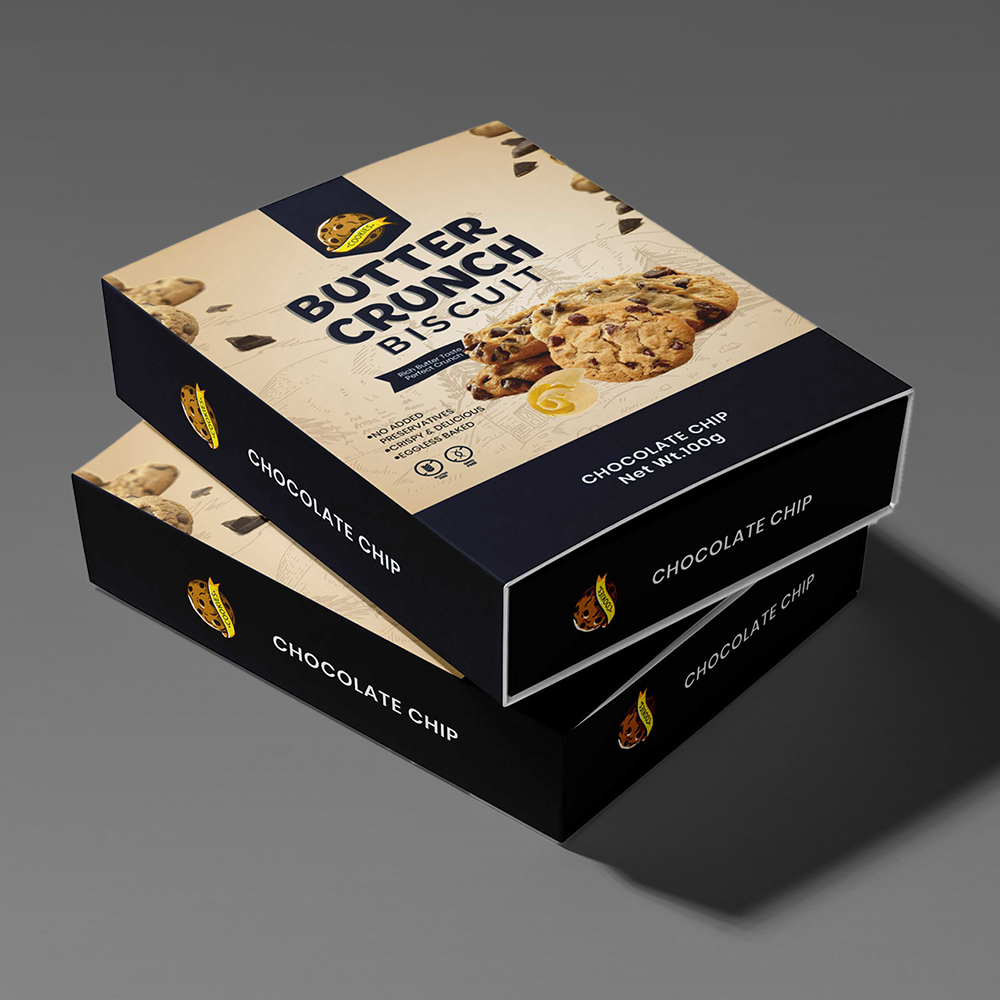


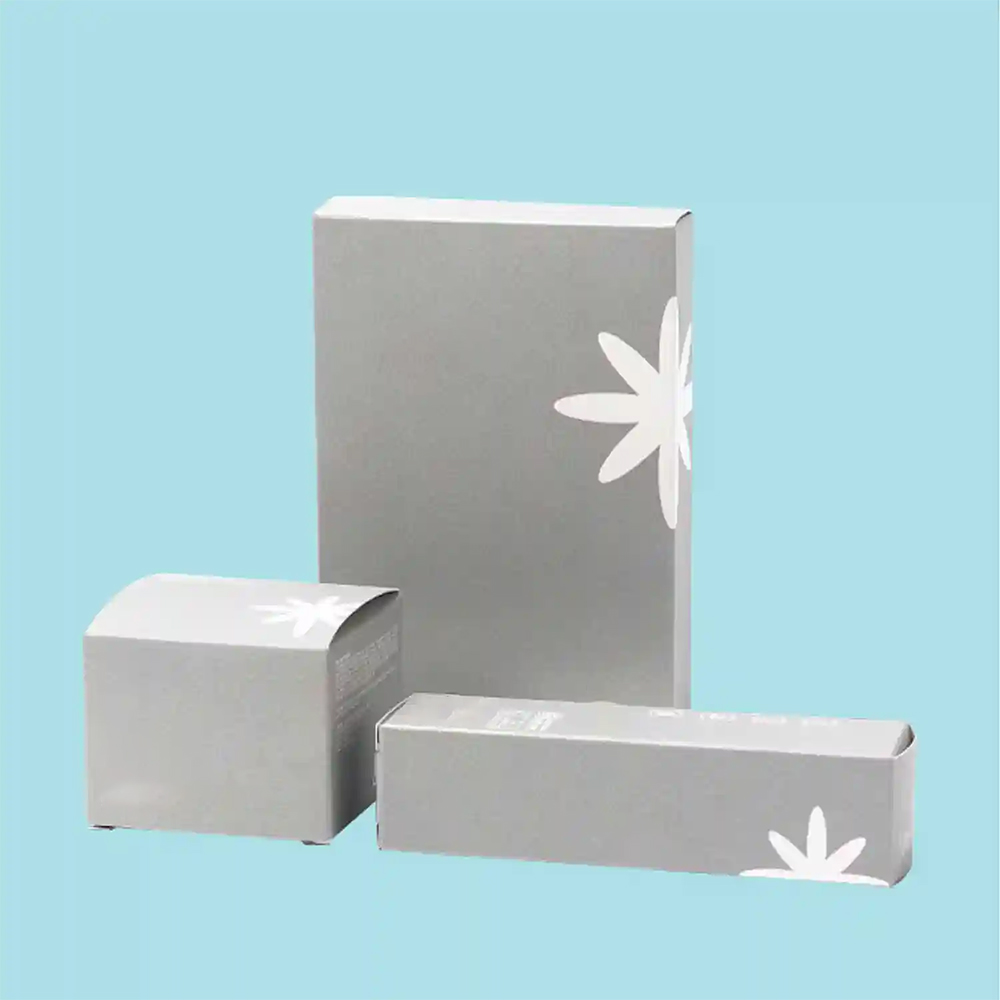
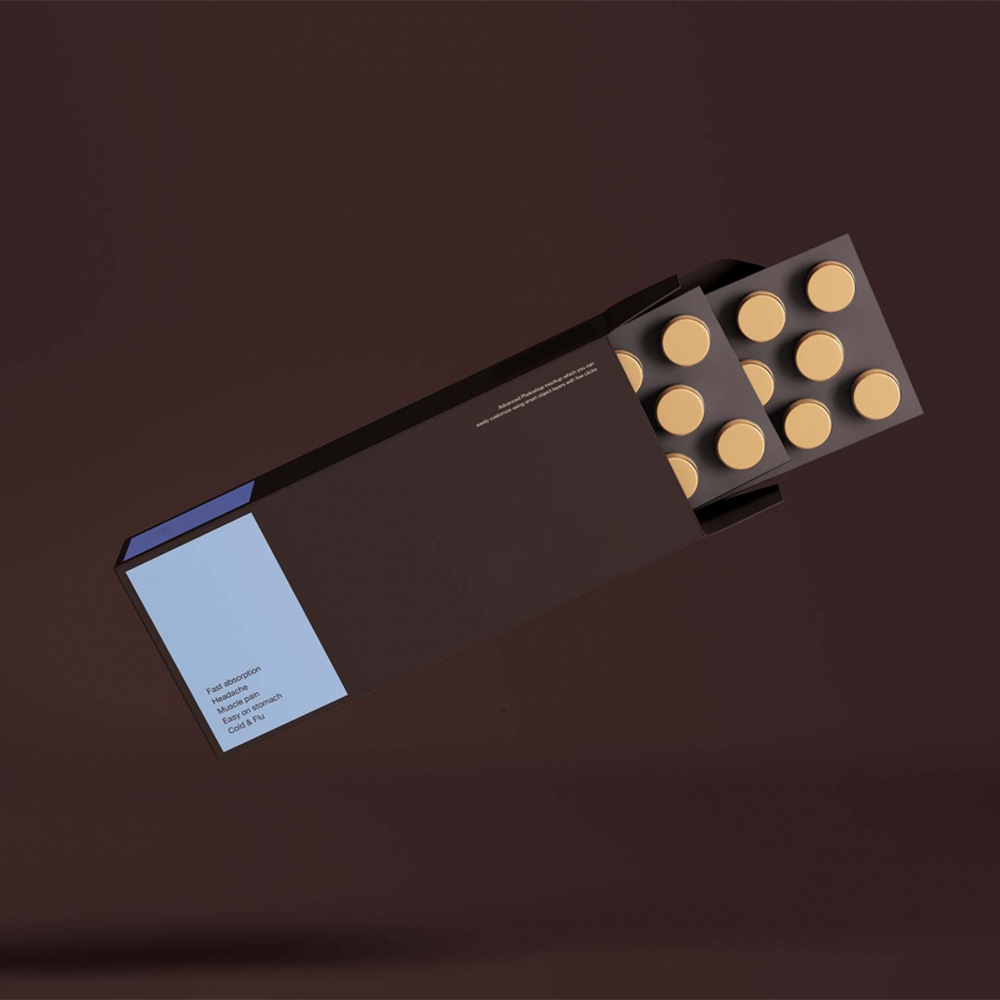
SEAL END BOXES
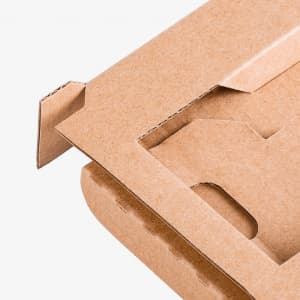
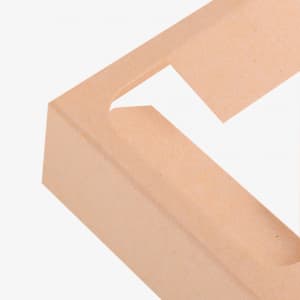
A seal end box uses permanently glued end panels instead of a tuck flap, and that single structural difference is what gives it tamper resistance and line packing speed that a tuck end box cannot match.
SEAL END BOXES Gallery
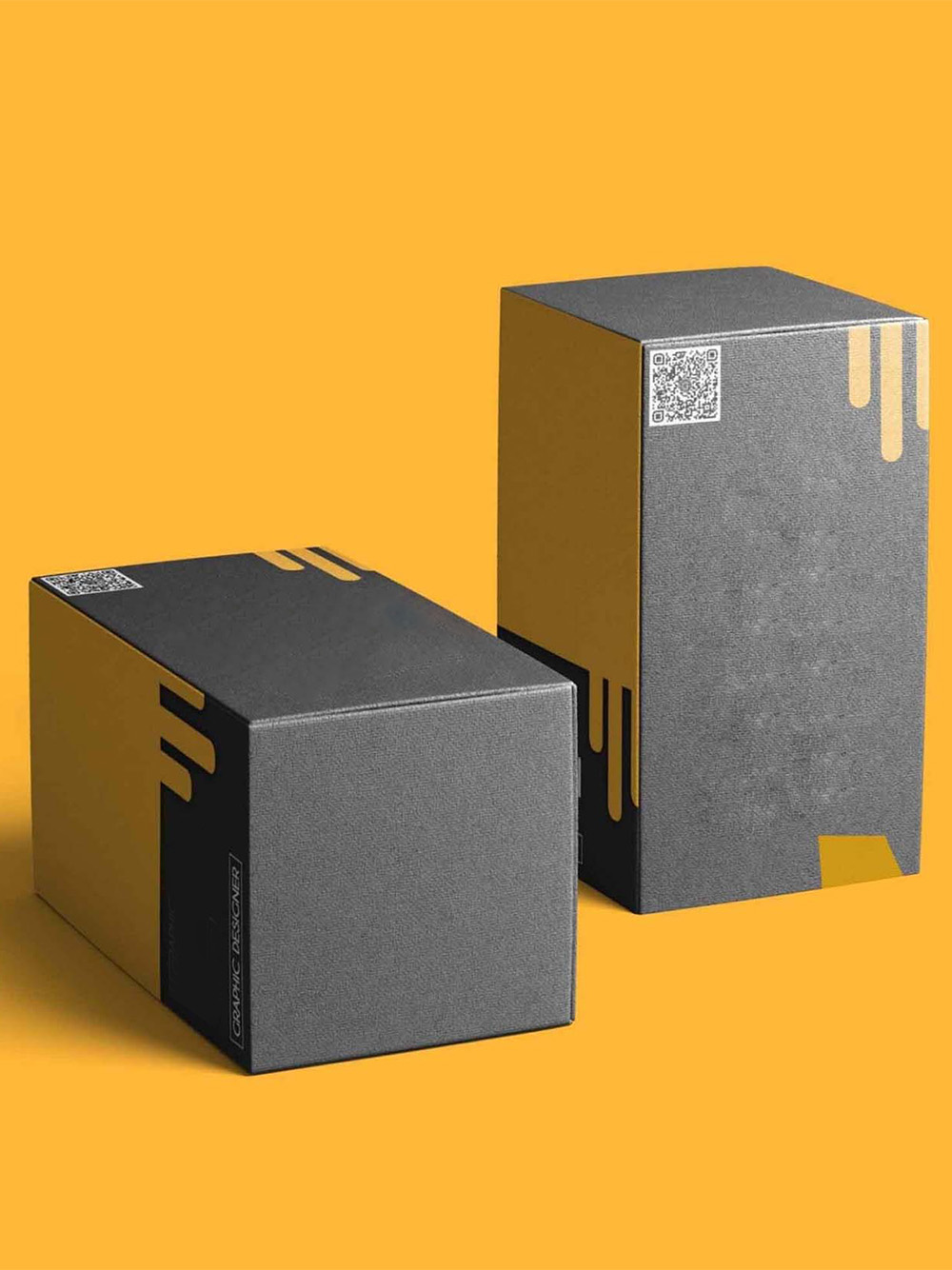
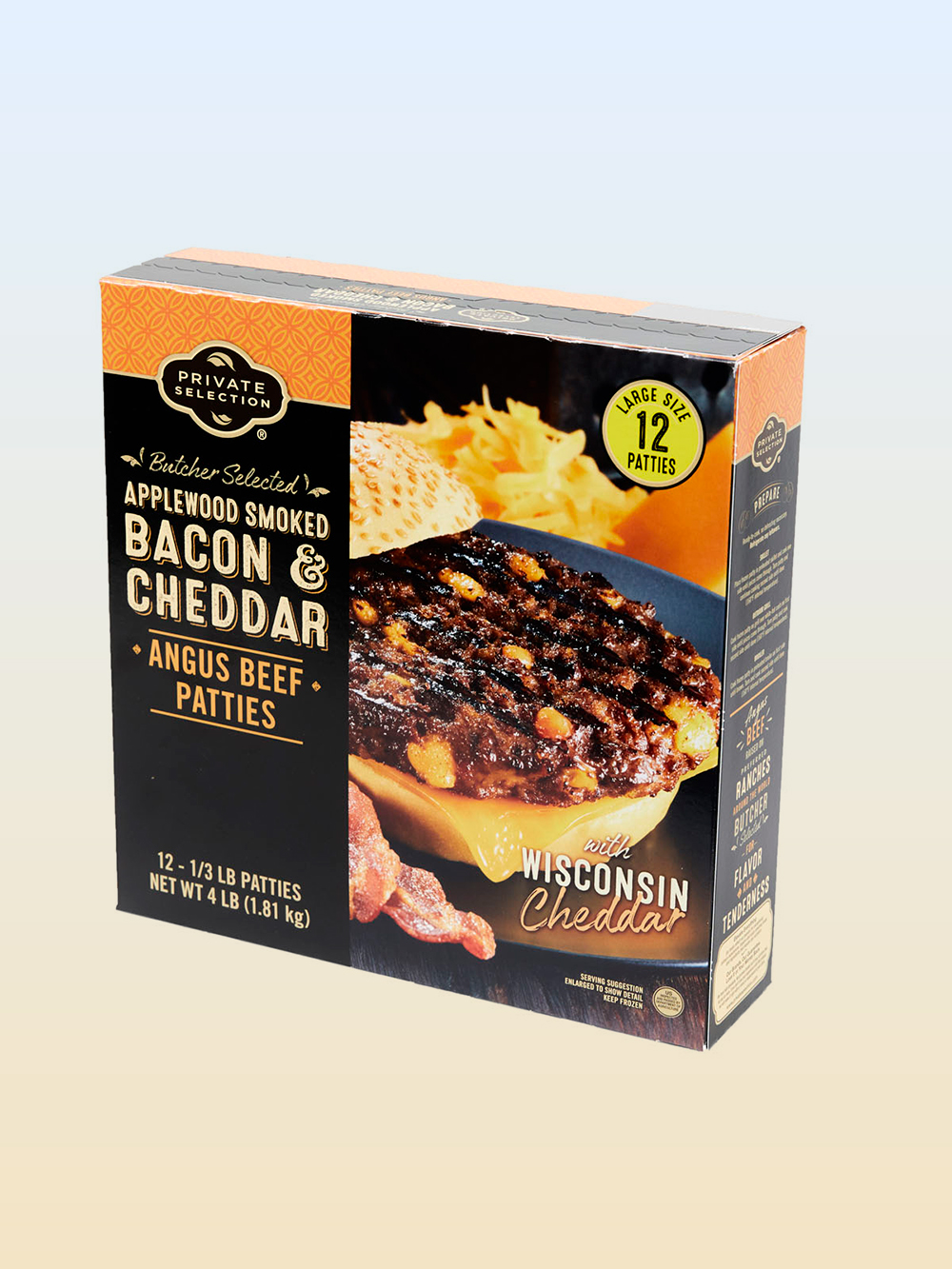
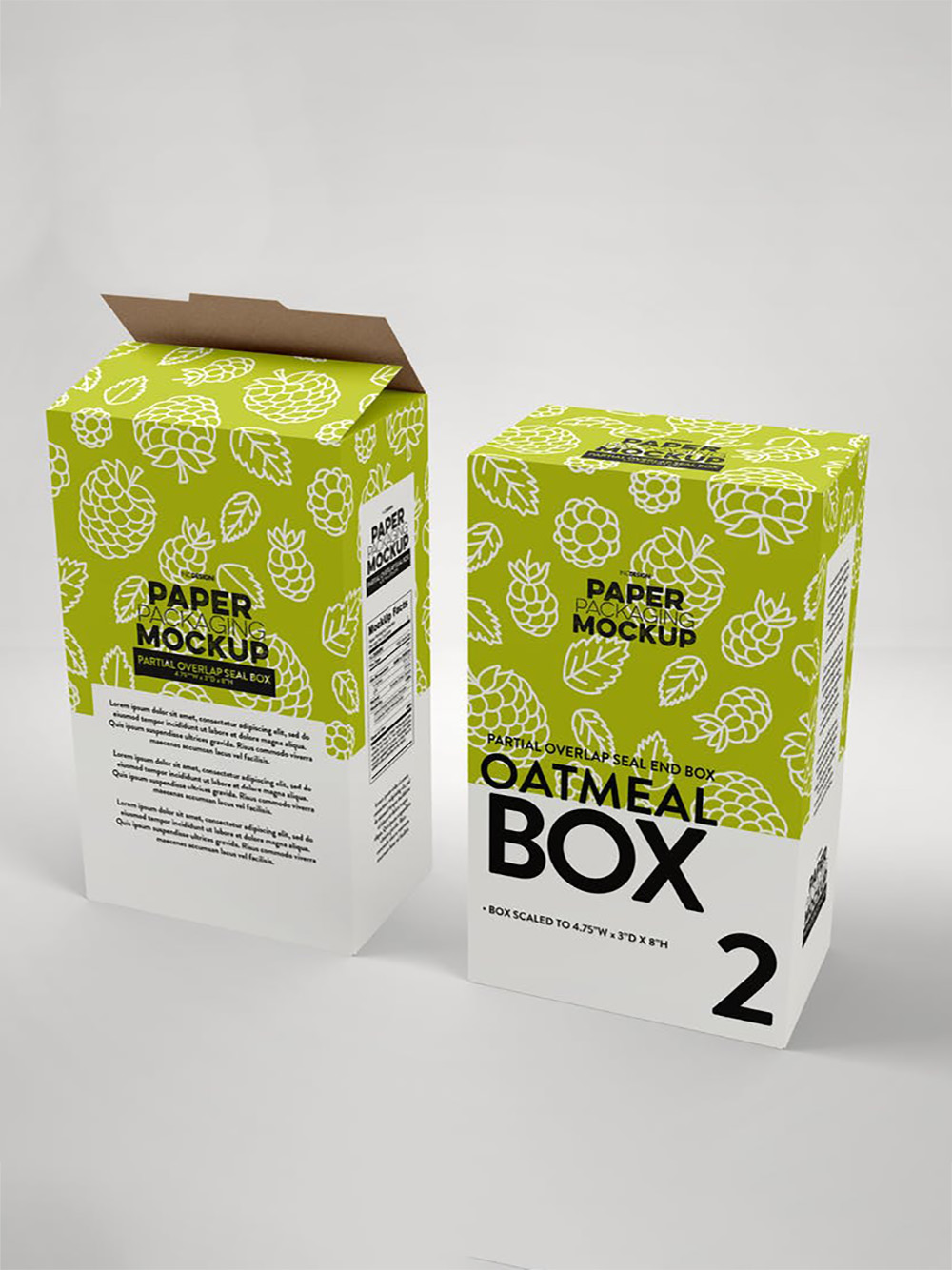
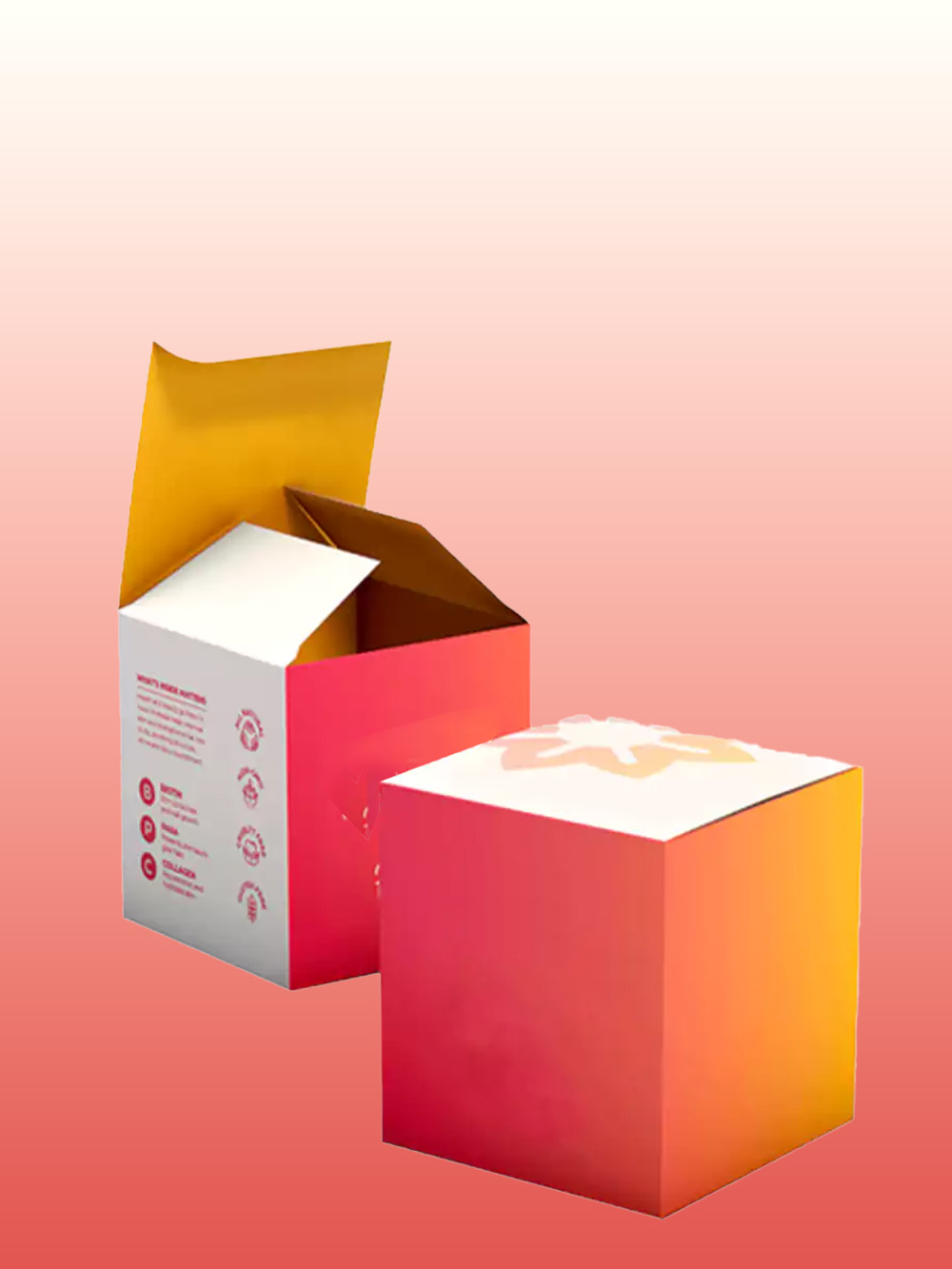
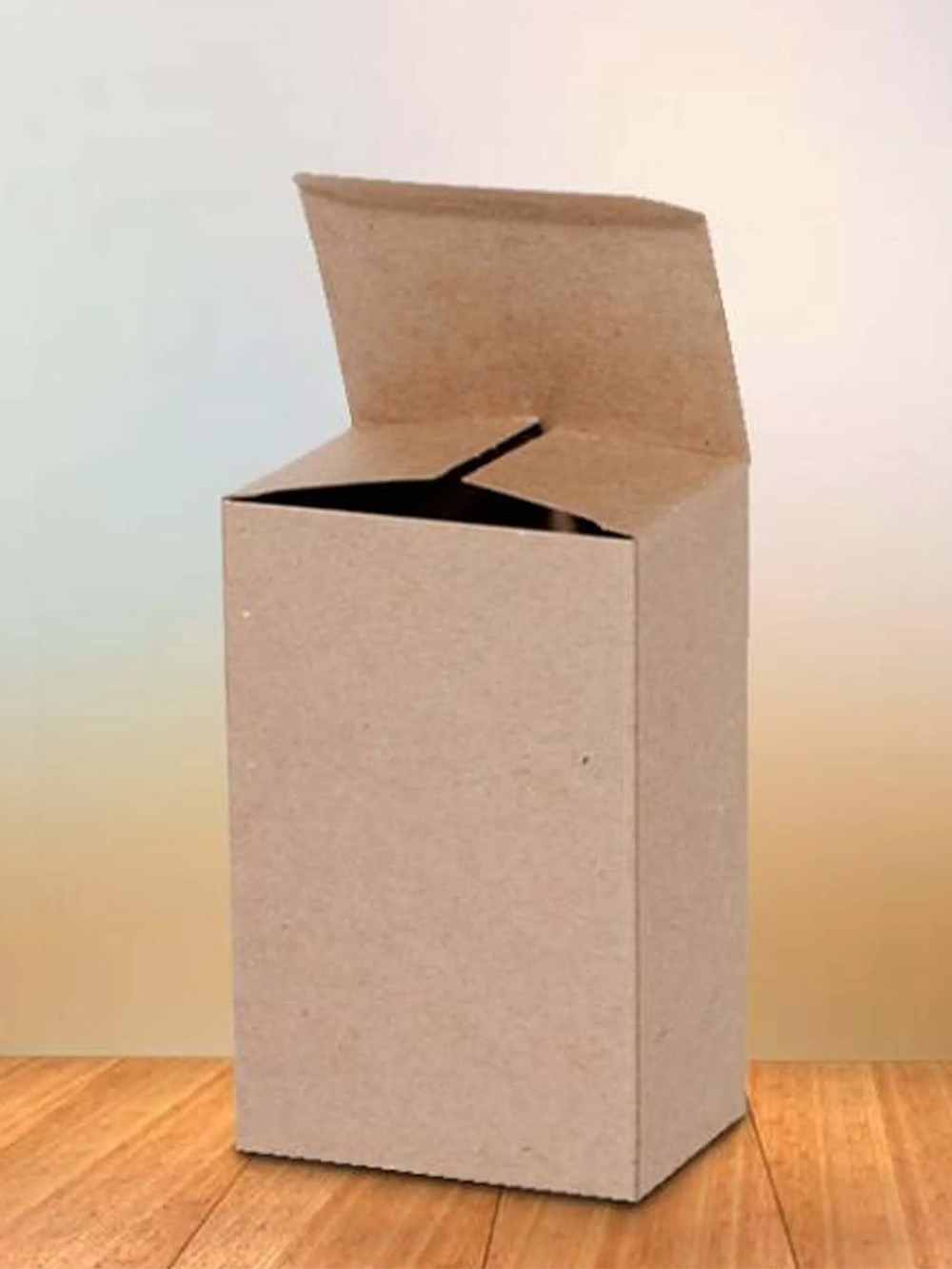
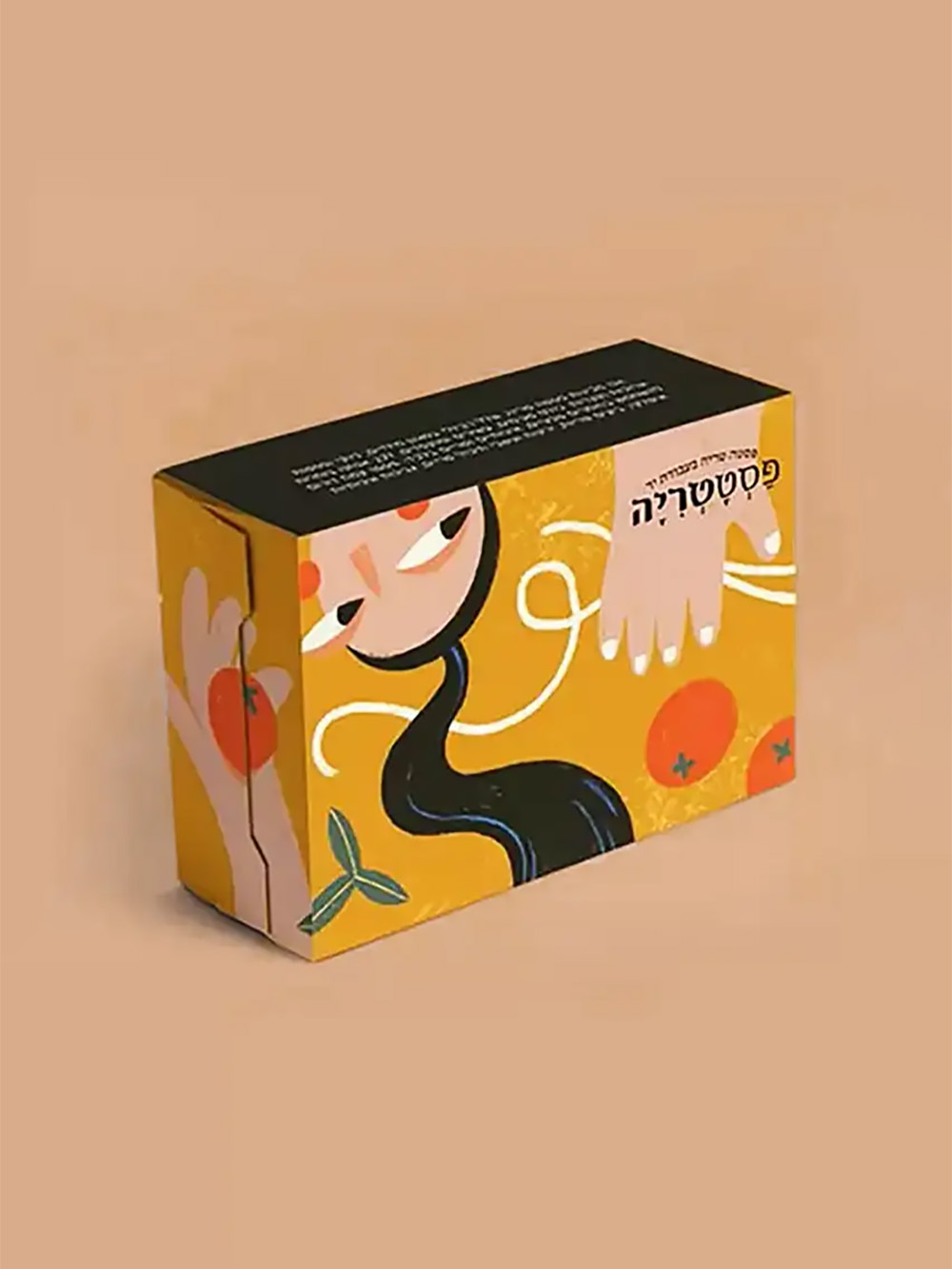

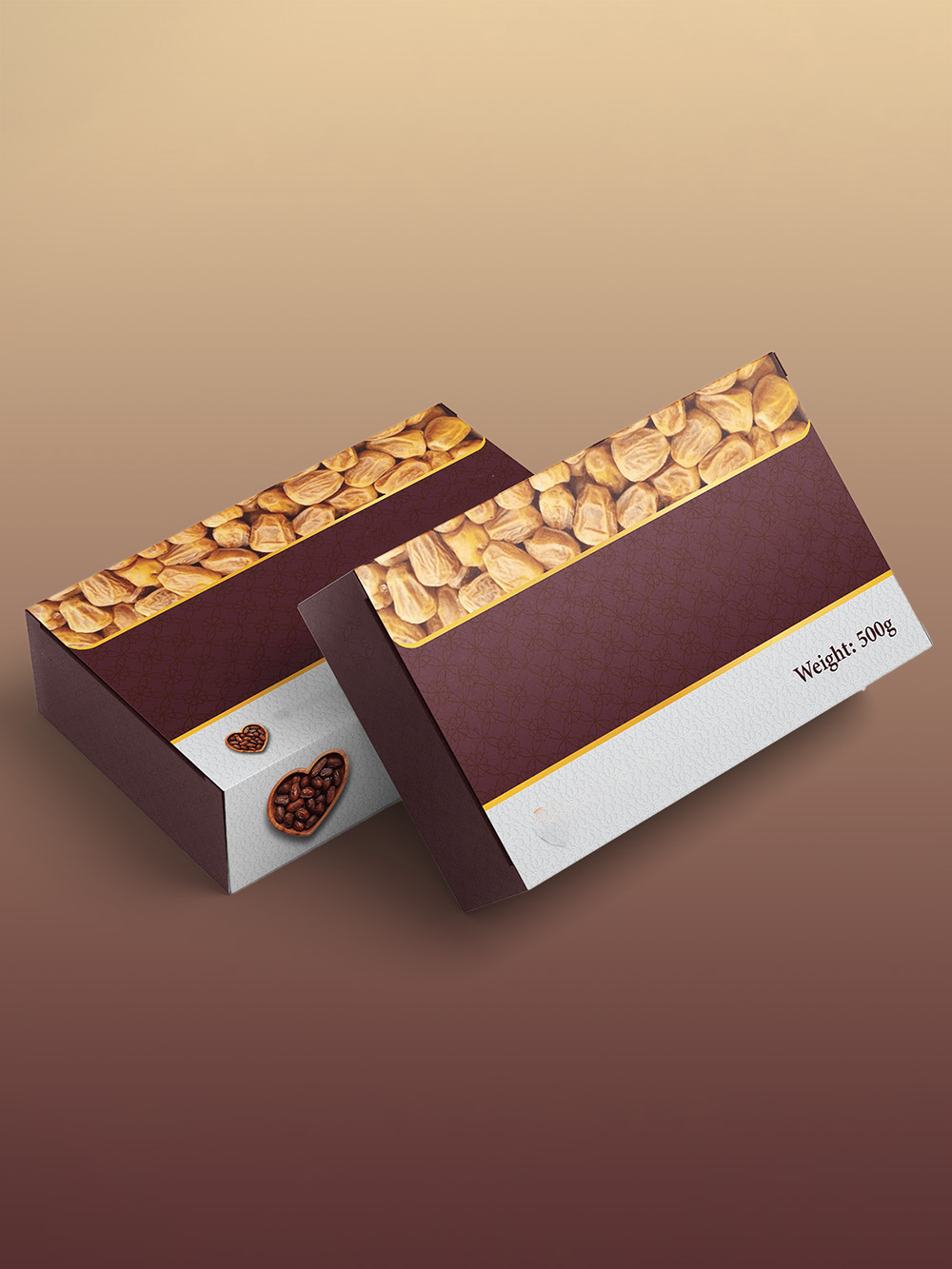

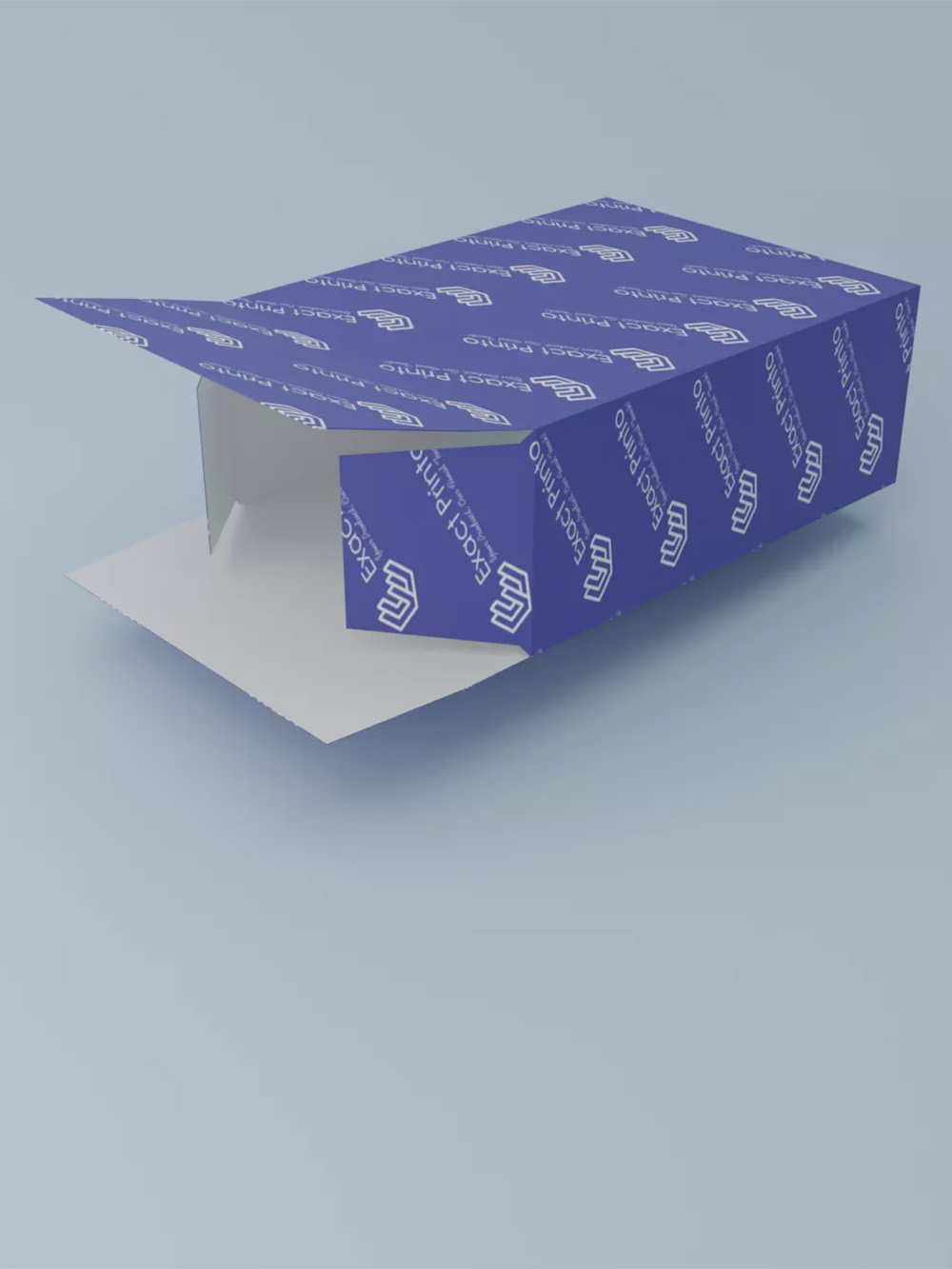
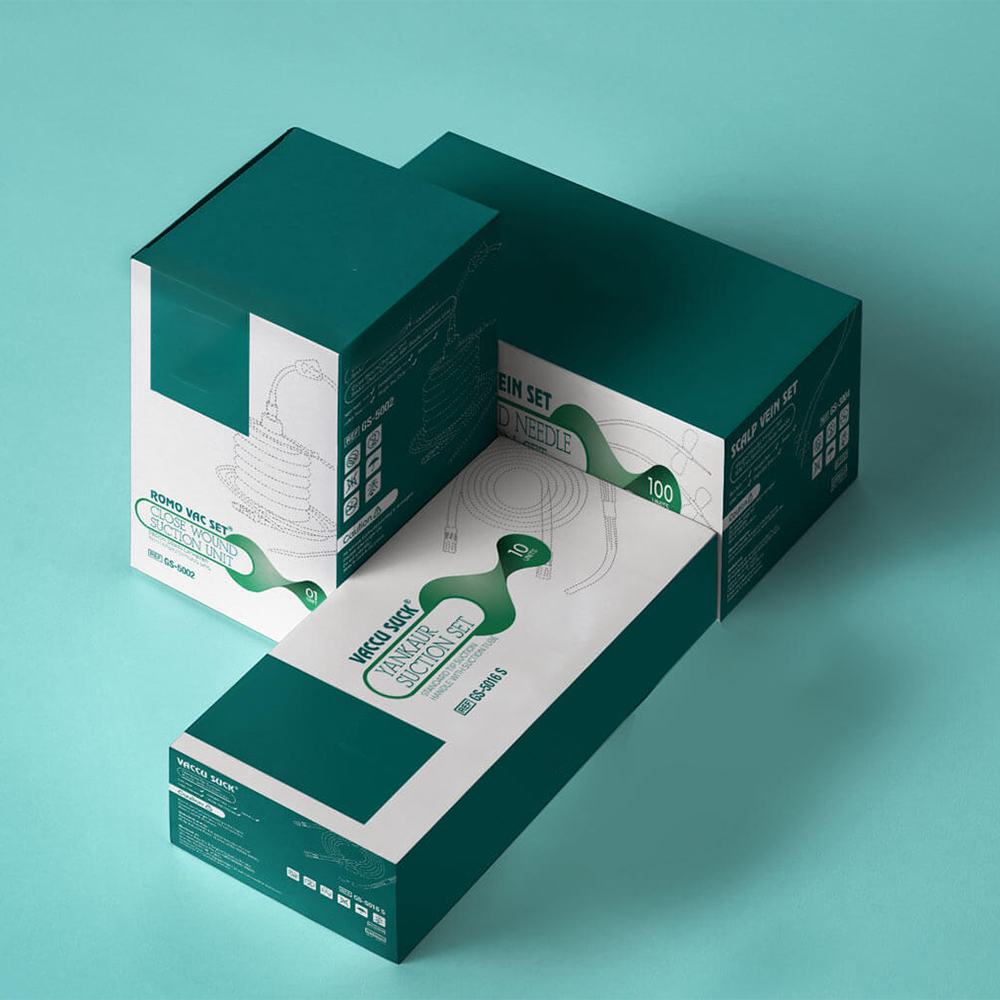
What Is a Seal End Box, and How Is It Different From a Tuck End Box?
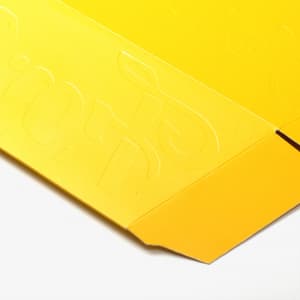
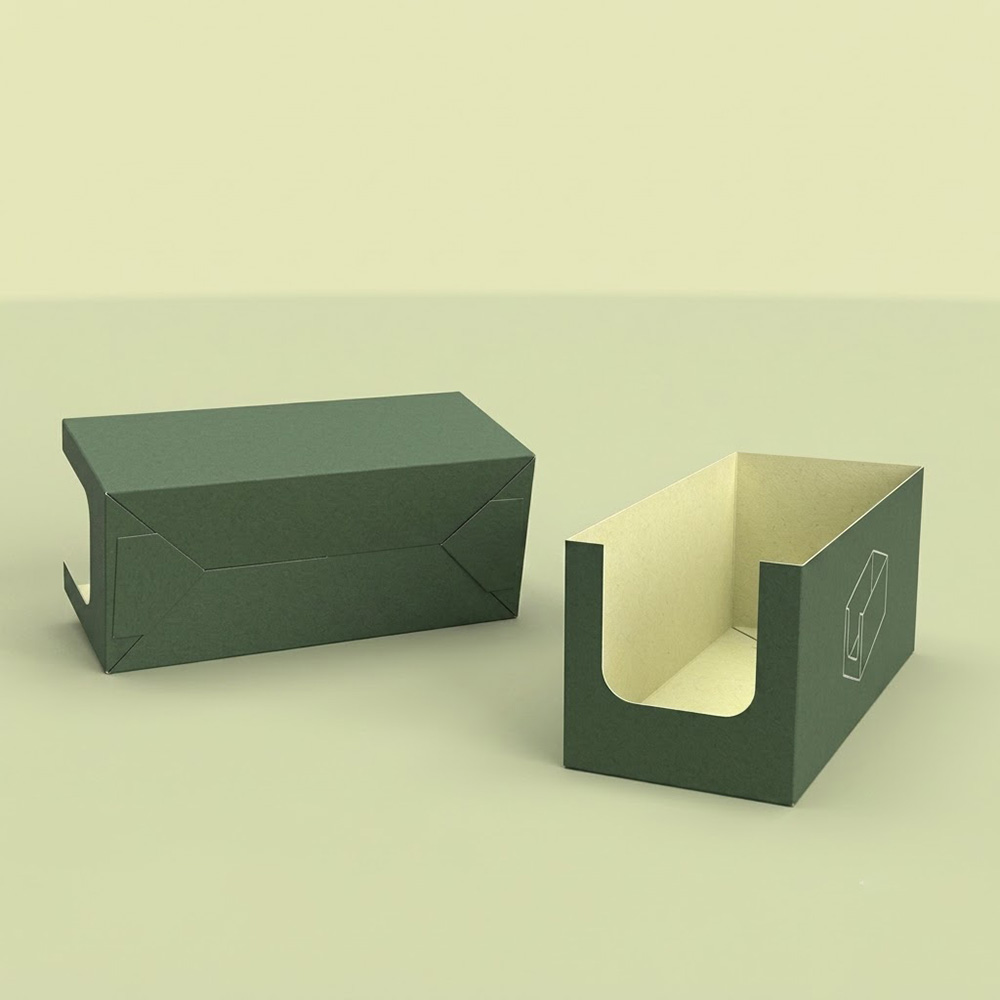
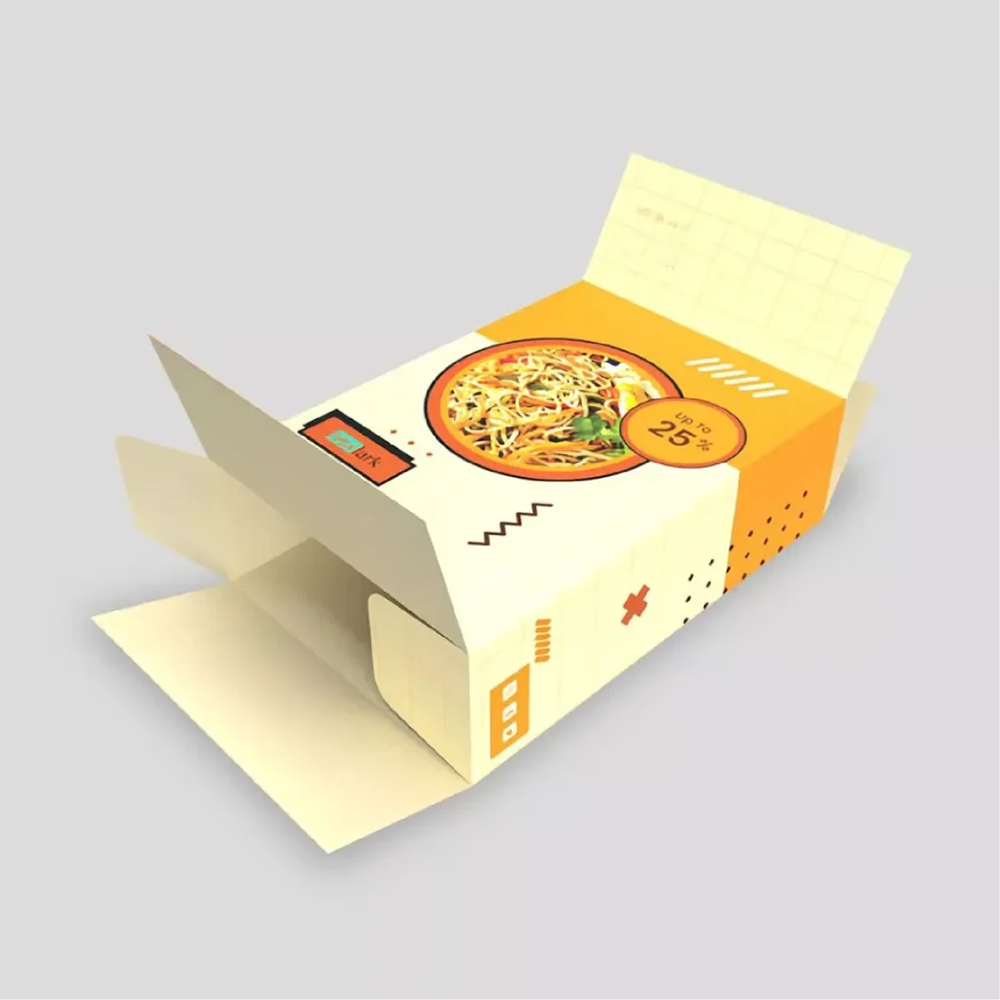
Both are folding cartons, but they close differently. A tuck end box uses a flap that tucks into a slot, so it can be opened and reclosed by hand. A seal end box uses dust flaps that fold in first, followed by overlapping closure panels that get permanently glued shut, generally on packaging equipment rather than by hand for any real volume. That glued seal is what makes a seal end box the stronger choice when a product needs to stay closed through shipping, storage, and retail handling without the risk of a flap working loose.
This distinction answers a real, common point of confusion. A seal end box is not simply a sturdier version of a tuck end box, it is built for a different job, permanence over reusability.
What Material and Board Grade Actually Holds Up in Transit?
Seal end boxes are commonly built from SBS paperboard, kraft board, or recycled paperboard, and the right choice depends on product weight, moisture exposure, and how much stiffness the closure needs. SBS gives the sharpest print result for retail facing graphics. Kraft and recycled board suit a more natural finish and lean into sustainability positioning where that matters to the brand. For anything shipping rather than just sitting on a shelf, our shipping cardboard boxes page covers the outer carton separately, since a seal end box protects the product itself but is not always the outermost layer in transit.
Our material guide breaks down how these grades compare if you are specifying board for the first time rather than working from an existing spec.
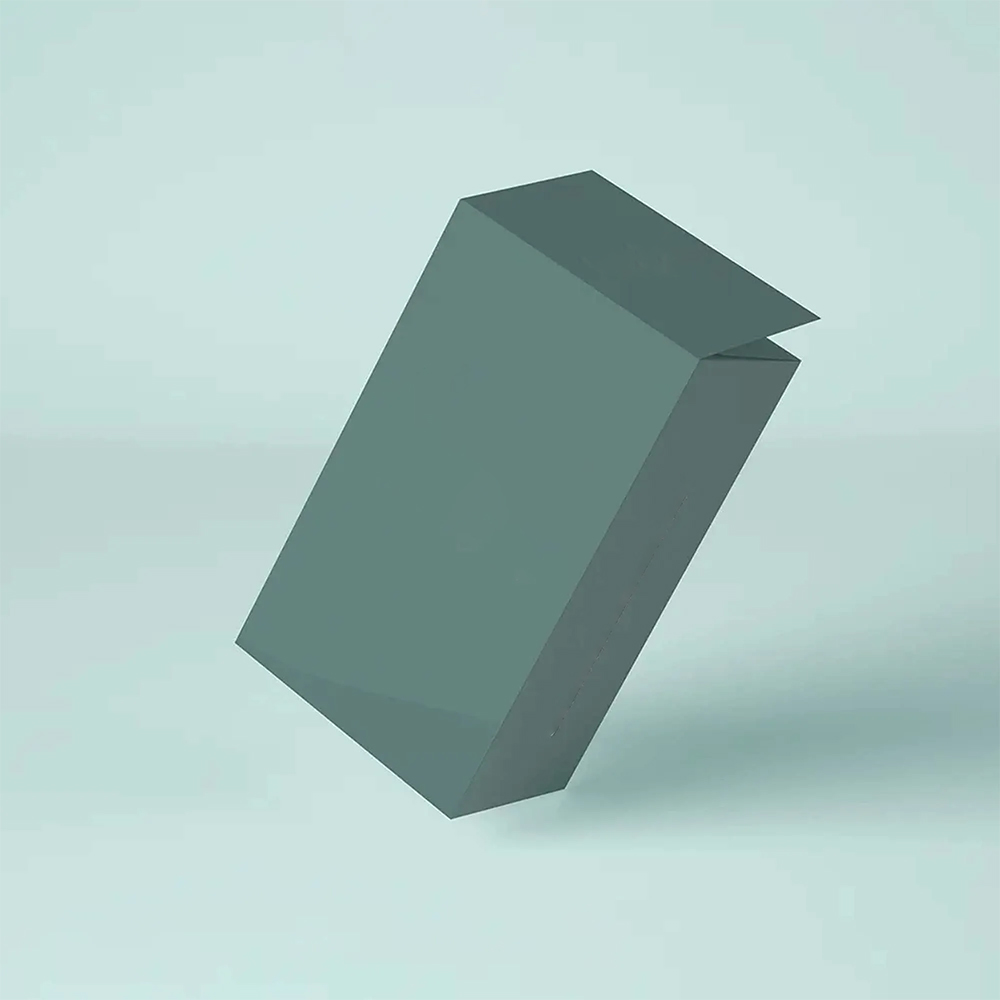
Can Seal End Boxes Be Hand Assembled, or Do You Need a Glue Machine?
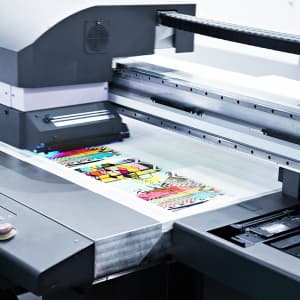
For a handful of units, yes, hand assembly works fine. Past a few hundred units, hand gluing becomes impractical, and most suppliers run seal end production on automated packaging lines where the adhesive seal is applied consistently at speed. This is worth confirming before committing to a large custom order, since it affects both cost and how quickly a batch can move from proof to finished product. Printing and branding are unaffected either way, full color CMYK or single color logo work runs the same across our custom printed cardboard boxes line regardless of assembly method.
A die cut window or perforation for easy opening can be added without changing the sealed-end structure, and our die cut cardboard boxes process handles that customization directly.
What Does a Seal End Box Cost, and How Fast Can You Get One Made?
Pricing depends on board grade, size, print complexity, and volume. Our minimum order is 100 units, with turnaround running 7 to 12 business days from proof approval. Seal end boxes suit food, cosmetics, electronics, and retail products broadly, and for anything going onto a physical shelf rather than shipping direct, our retail cardboard boxes and cardboard display boxes pages cover that shelf facing side of packaging separately. Our full cardboard packaging range covers every box style if a seal end closure is not the right fit for your product.
Frequently Asked Questions
What is a sealing box?
A folding carton with dust flaps and overlapping end panels that are permanently glued shut, rather than a tuck flap that opens and recloses by hand.
What's the difference between a seal end box and a tuck end box?
A seal end box is permanently glued shut for tamper resistance and speed on packaging lines. A tuck end box uses a flap that can be opened and reclosed by hand, which suits products that need repeat access.
What are the different types of packaging seals?
Broadly, folding tabs and tucks, adhesive or glued seals like a seal end box, and mechanical locks such as a snap or crash lock bottom. Each trades off ease of opening against closure strength.
What are the different types of packaging boxes?
Common folding carton styles include tuck end, seal end, snap lock bottom, and auto lock bottom, alongside rigid, corrugated, and die cut custom shapes for products that need a specific structure.
Is a seal end box tamper evident?
Yes. The permanently glued end panels mean the box cannot be reclosed invisibly once opened, which is why it is a common choice for food, pharmaceutical, and retail products where tamper evidence matters.
Can seal end boxes be assembled by hand, or do they need a glue machine?
Small quantities can be hand assembled. Larger production runs typically move to automated packaging equipment, since hand gluing does not scale efficiently past a few hundred units.
What industries commonly use seal end boxes?
Food and beverage, pharmaceuticals, electronics, cosmetics, and general retail all use seal end construction regularly, largely because the permanent closure suits products that need to stay sealed through shipping and shelf handling.
What's the minimum order for a custom seal end box?
100 units, with turnaround running 7 to 12 business days from proof approval.