

Soap Sleeve Boxes
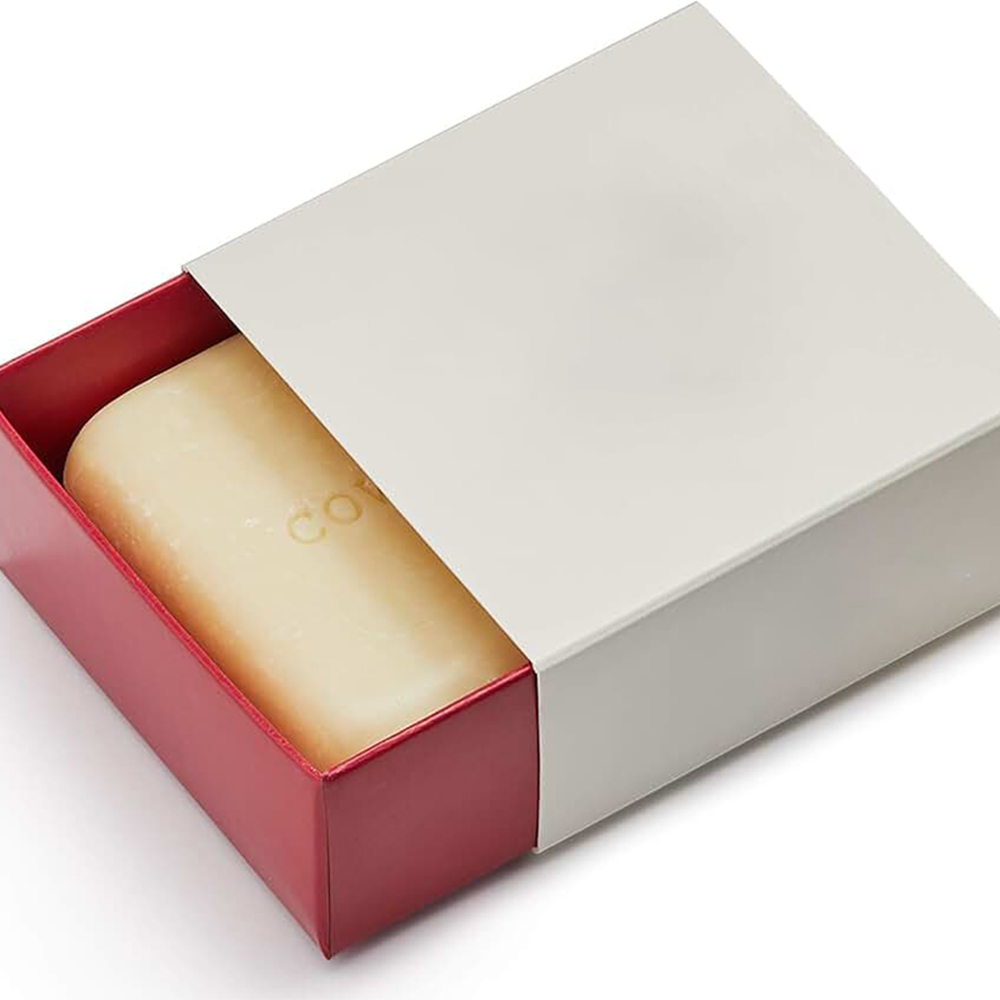
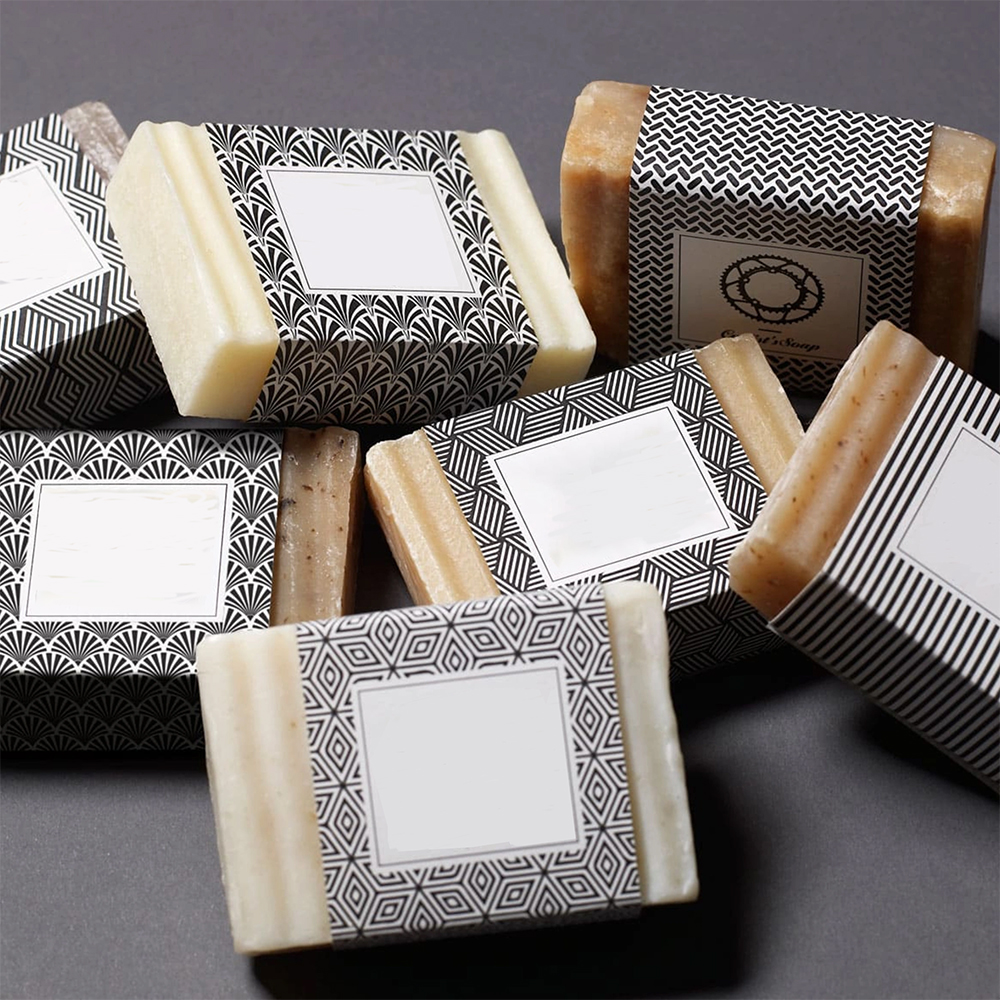
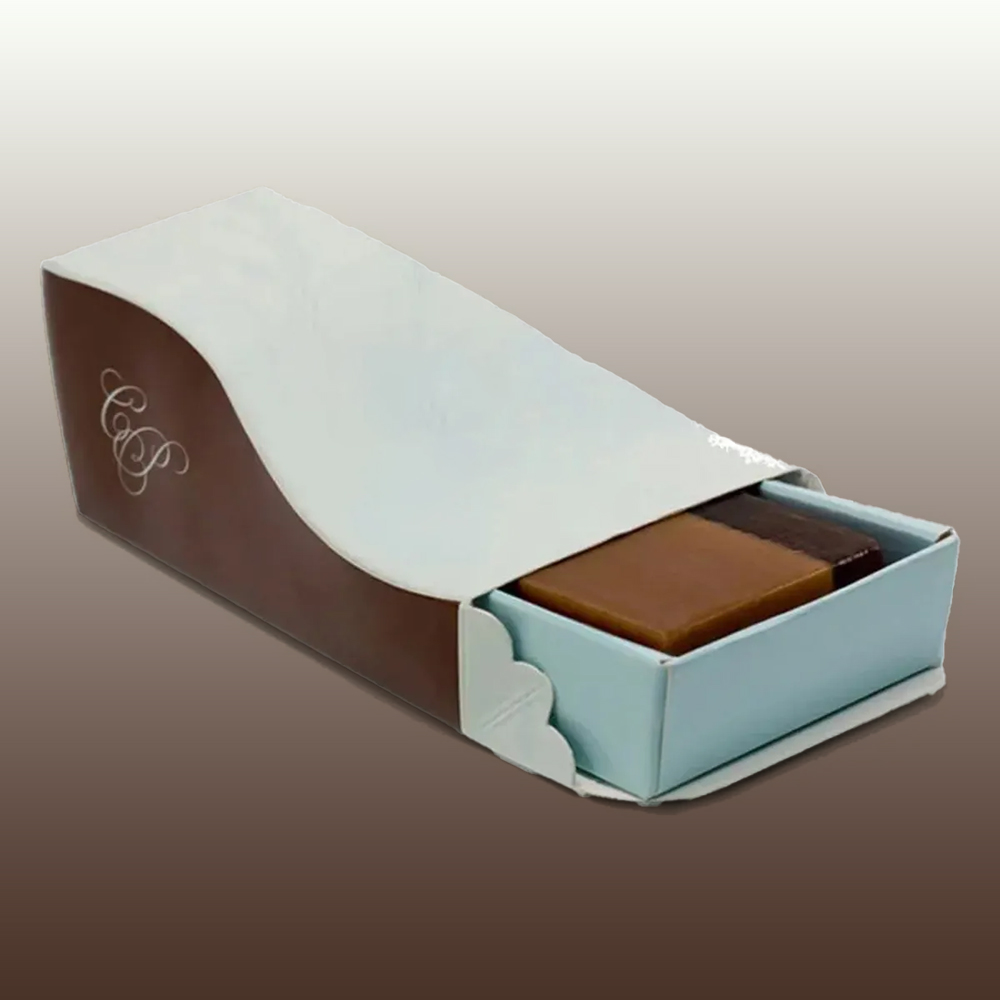
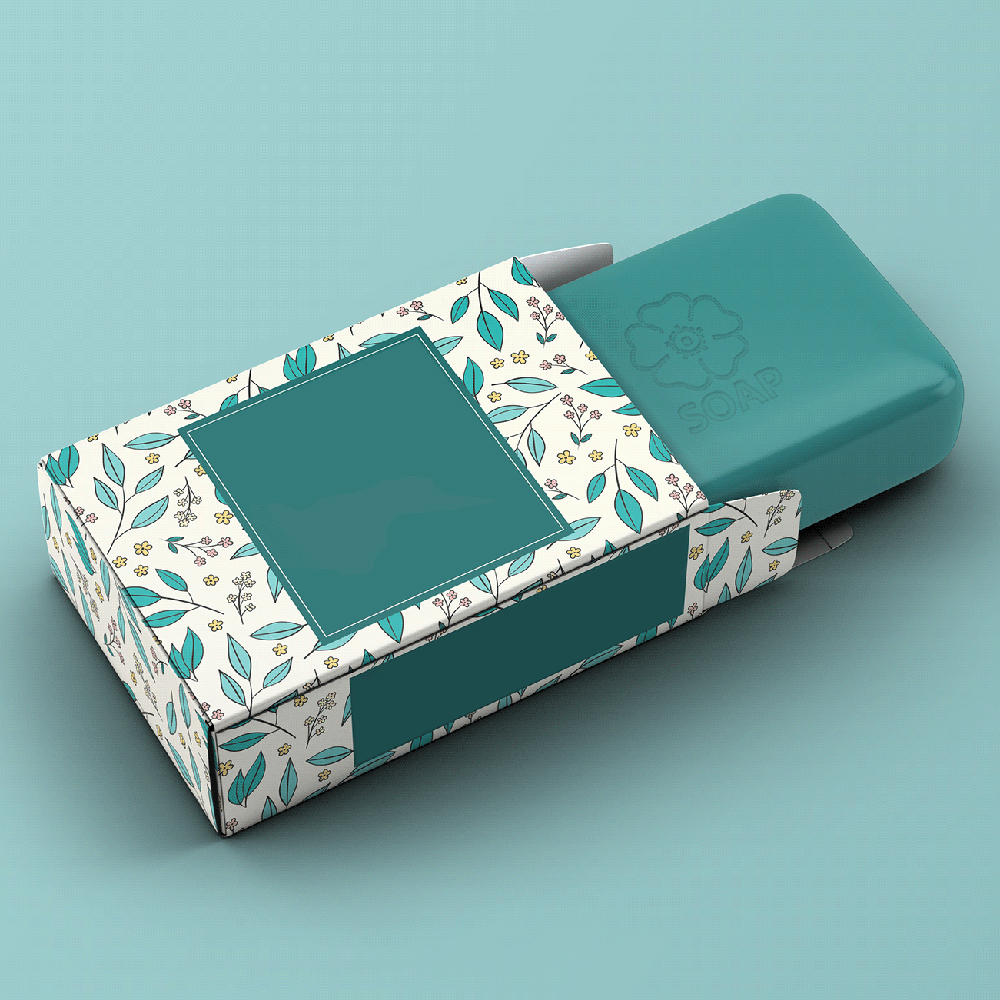
A soap sleeve box wraps around part of a bar instead of sealing it completely, and that partial coverage is not just a style choice. Handmade soap keeps losing moisture and curing long after it leaves the mold, and packaging that traps that moisture against the bar changes how it ages.
Soap Sleeve Boxes Gallery


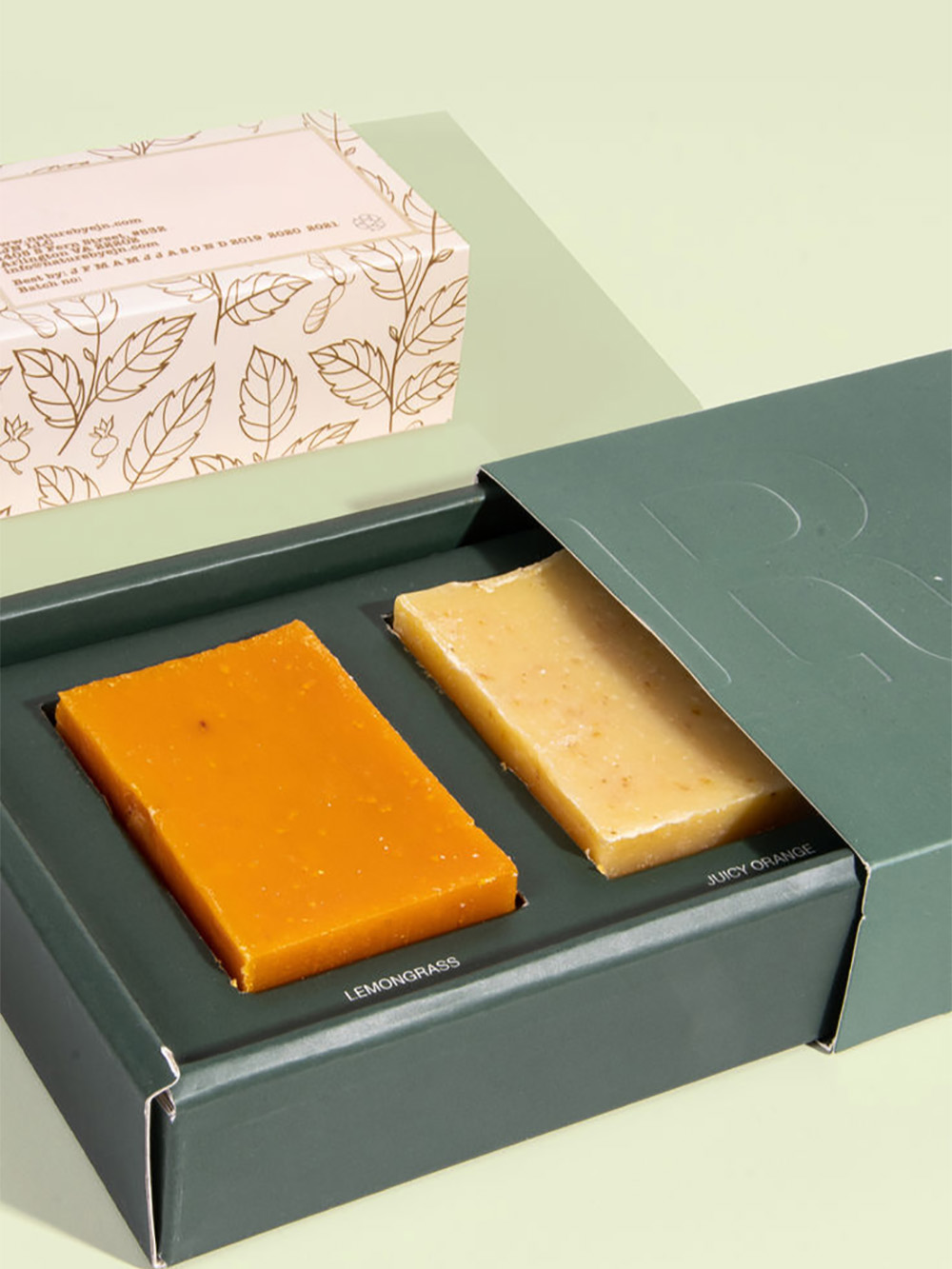

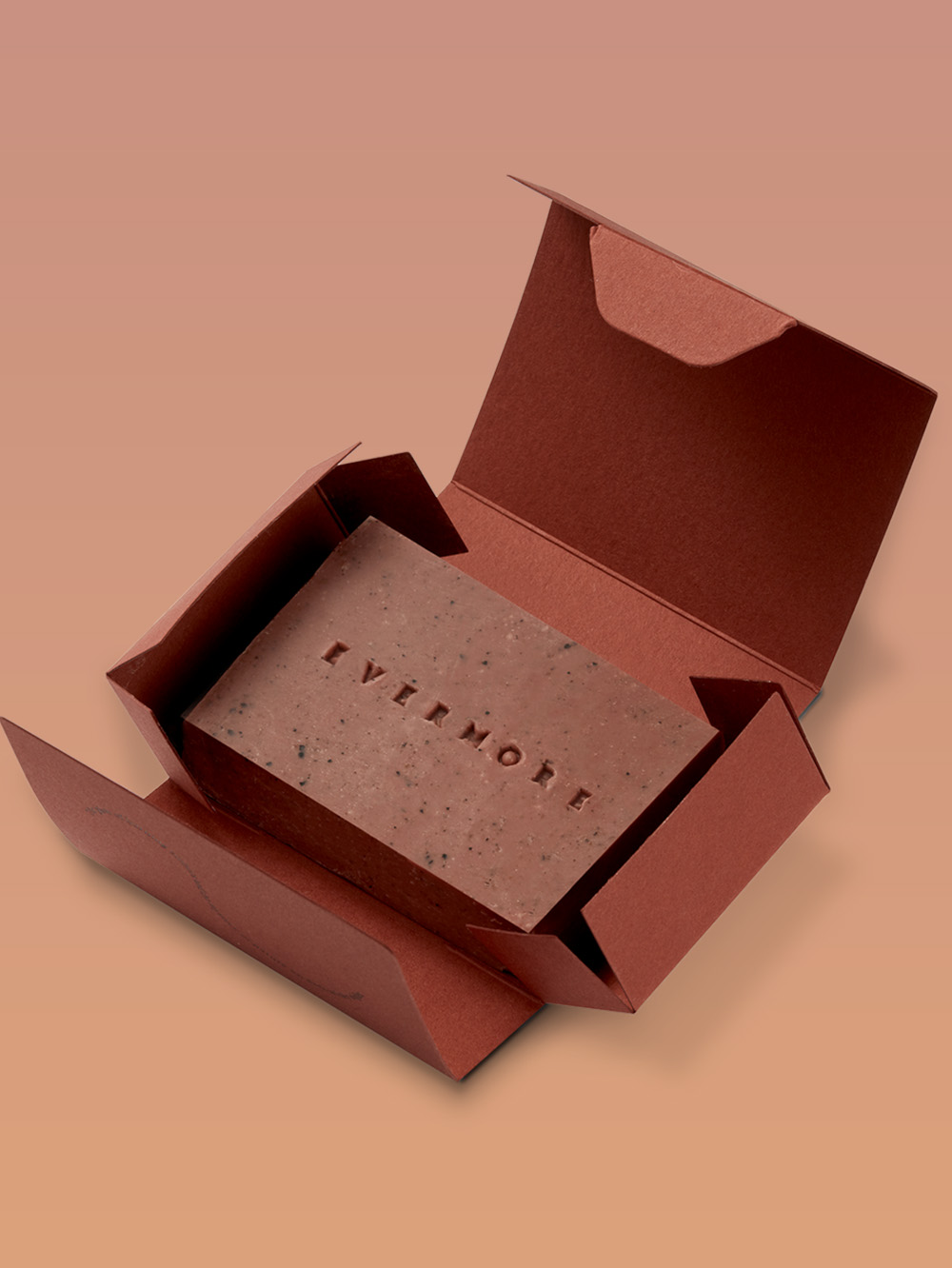
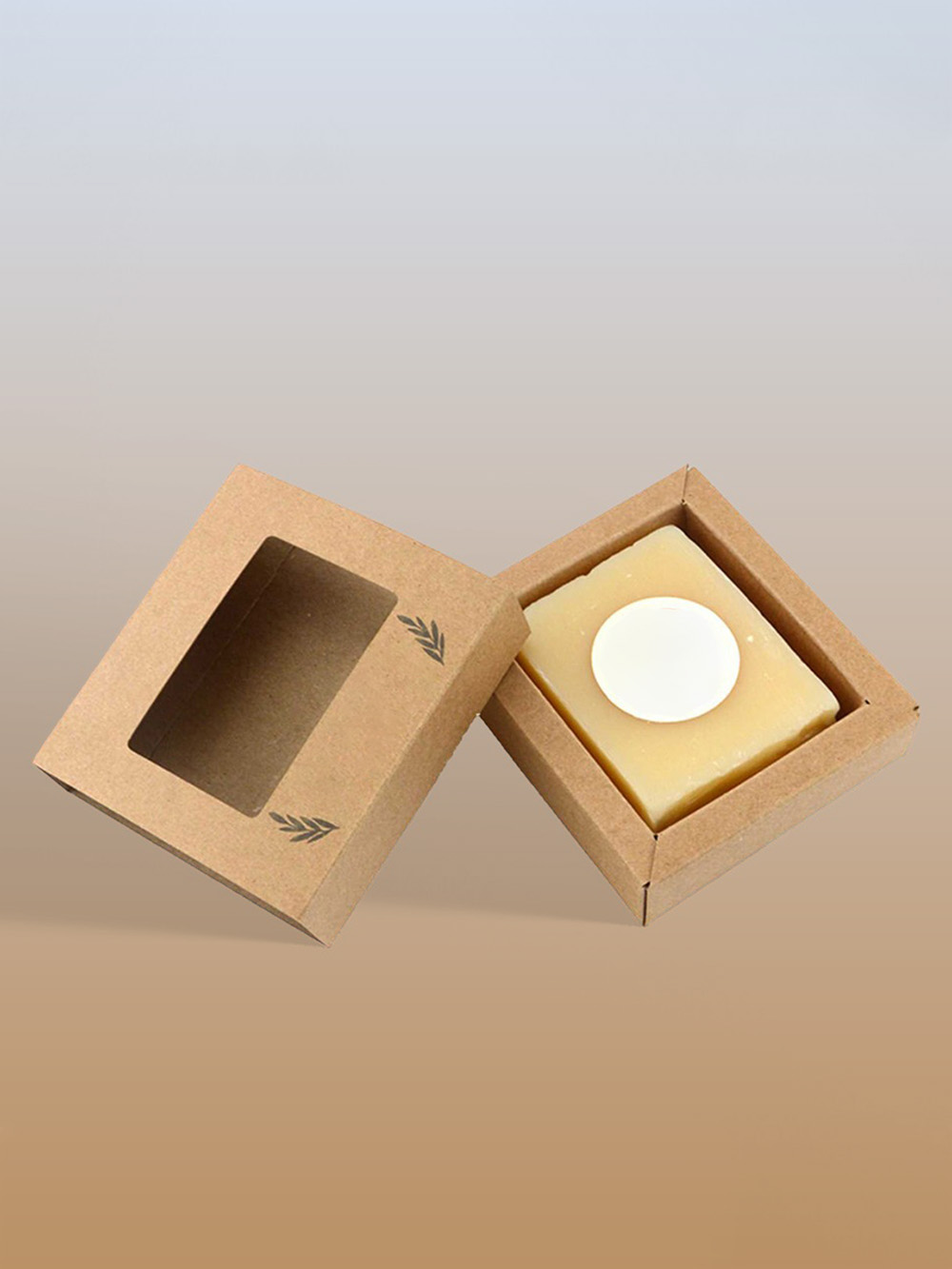

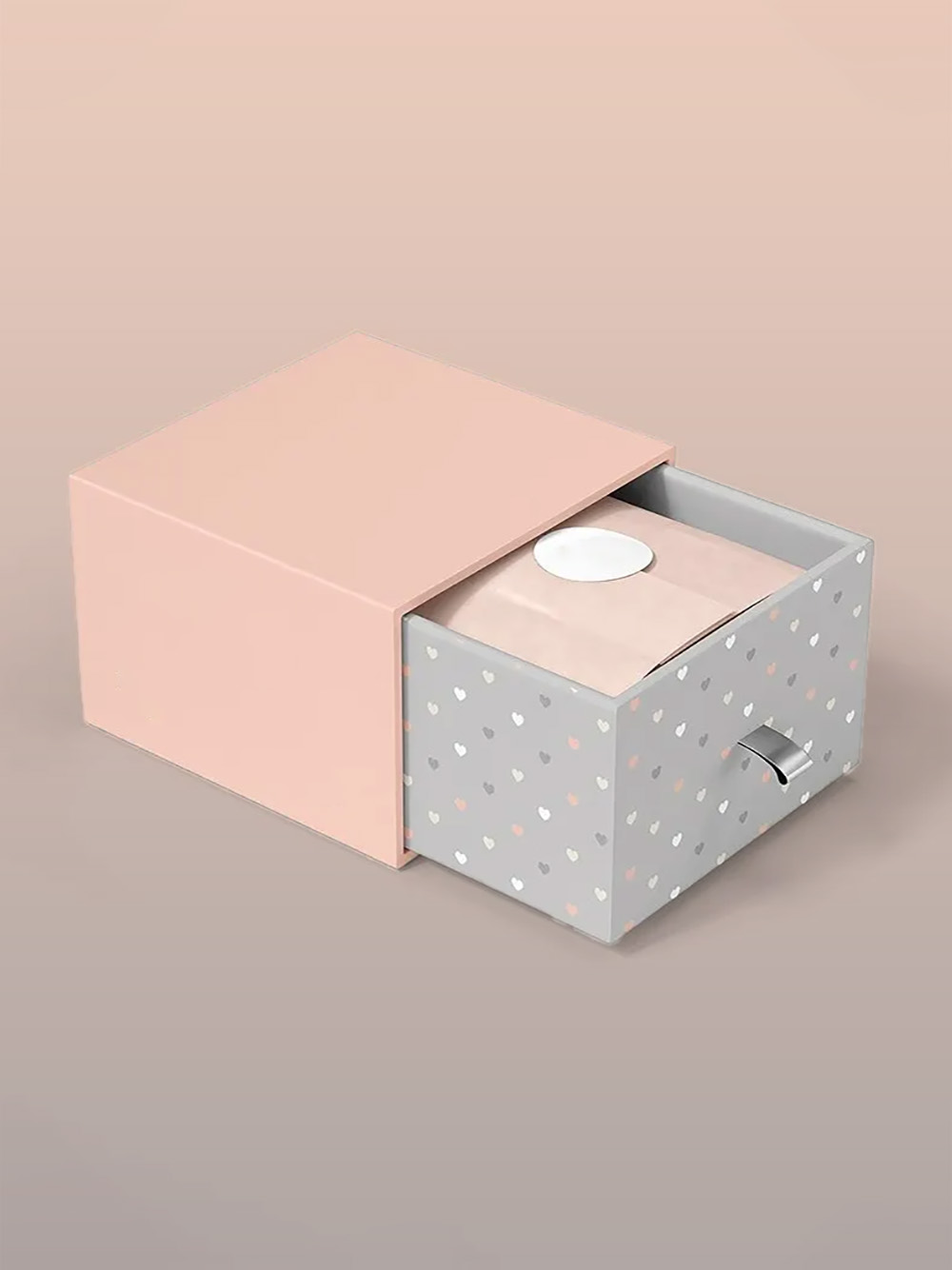

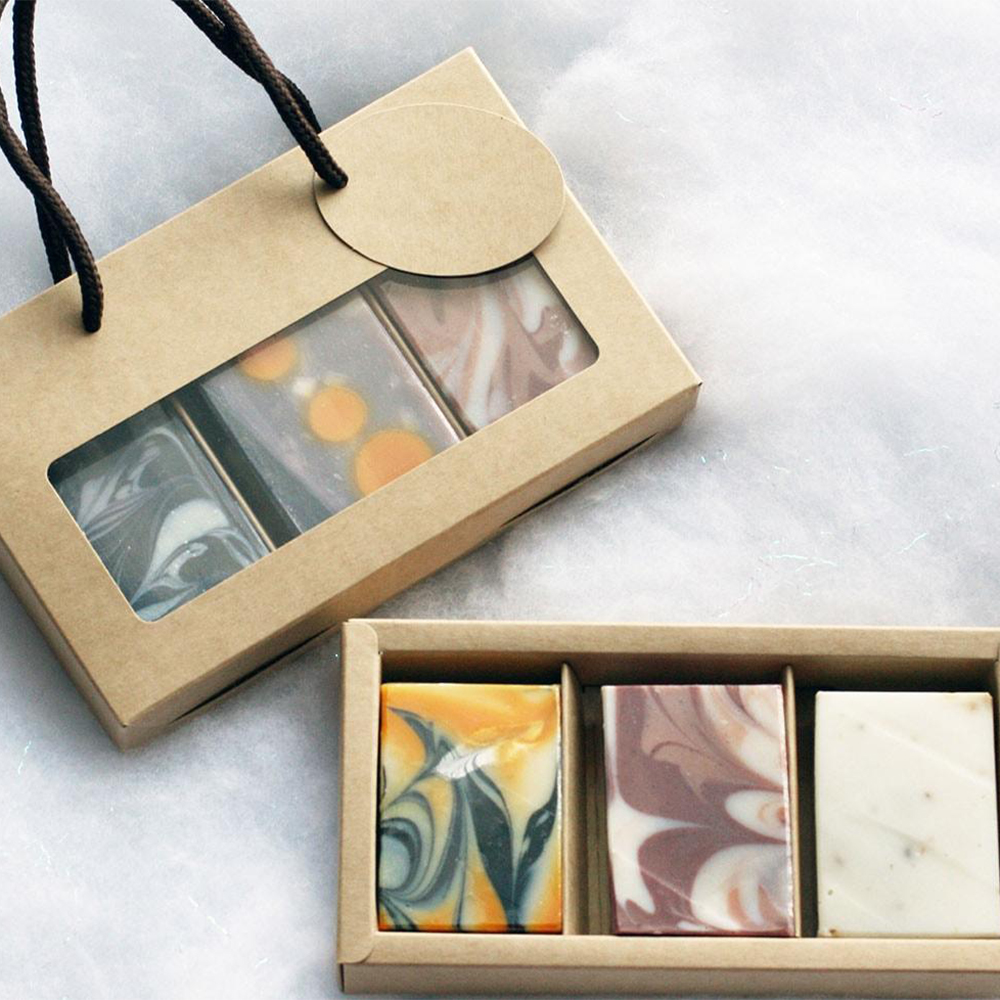
What Is a Soap Sleeve Box, and Why Does Partial Coverage Matter More Than Style?
Soap making forums are full of the same debate: full plastic wrap versus paper. The reason so many small soap makers land on paper sleeves instead of sealed boxes or shrink film comes down to one thing, cold process and handmade soap continues to lose water and cure for weeks after it is unmolded. A fully sealed wrap holds that moisture against the bar, which can soften it or change its texture. A sleeve leaves part of the bar exposed on purpose, so air keeps moving even after the packaging is on.
This is the detail most soap sleeve boxes competitors skip entirely. They describe sleeves as a budget or branding choice. It is also a functional one.
What Material Actually Protects a Handmade Bar Without Trapping It?
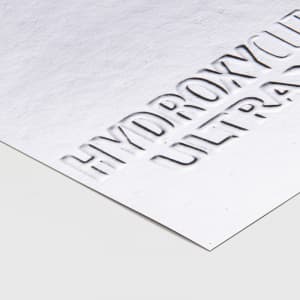
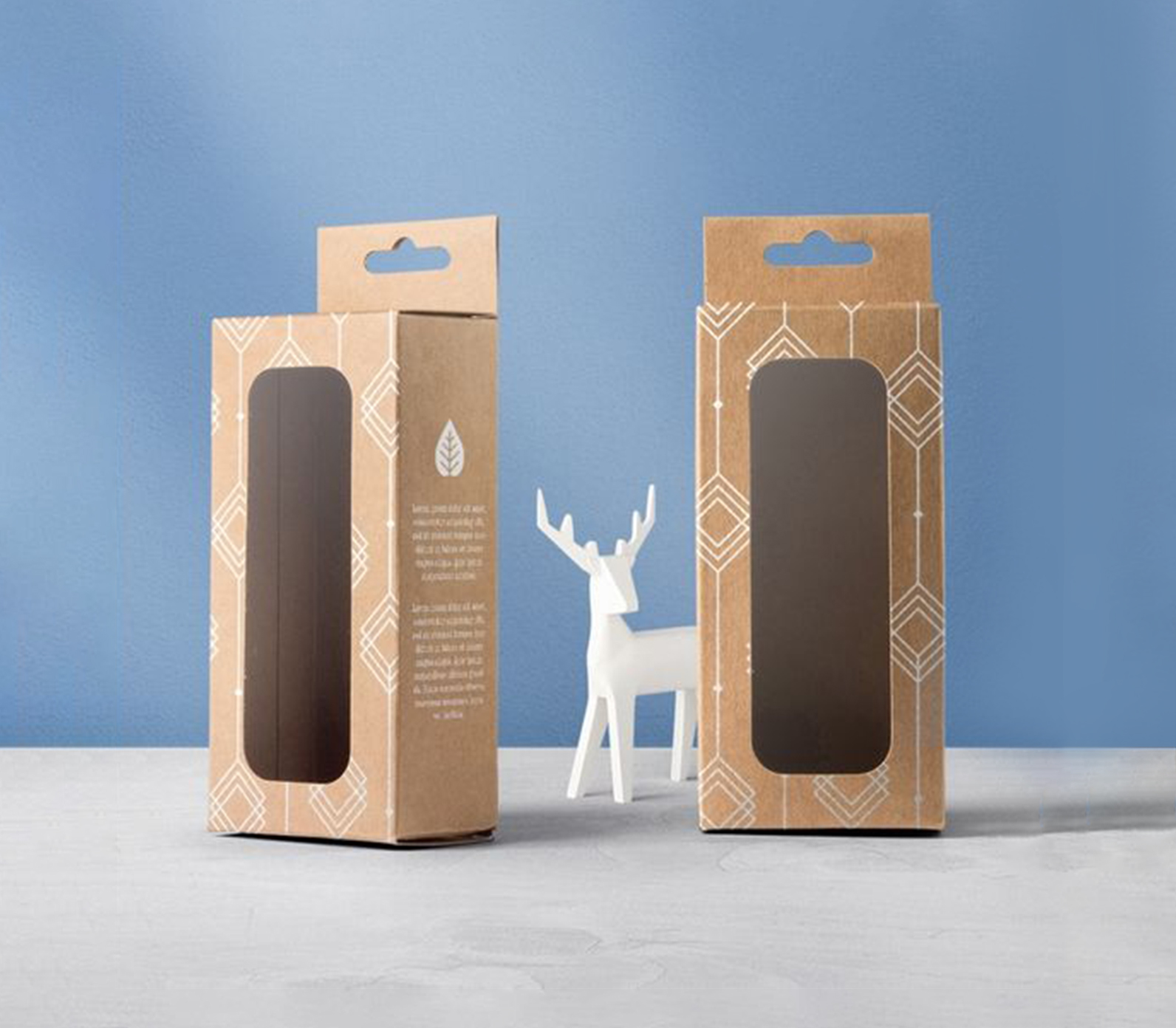
Kraft paper and uncoated paperboard are the standard choices here, since both let some air and moisture pass through the fiber rather than sealing it like a laminate would. Board weight should scale with the bar itself. A dense, oil-heavy bar needs sturdier stock than a lightweight glycerin bar, and bars with a higher oil content benefit from a light interior coating so oils do not bleed through the sleeve over time, a real complaint among sellers of heavily oiled bars.
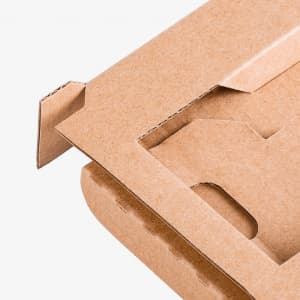
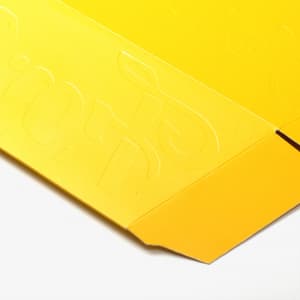
For custom shapes, our die cut cardboard boxes process cuts sleeves to the bar’s actual dimensions rather than a standard commercial size, which matters since handmade batches rarely come out perfectly uniform. A die cut window adds visibility without switching to a different material entirely.
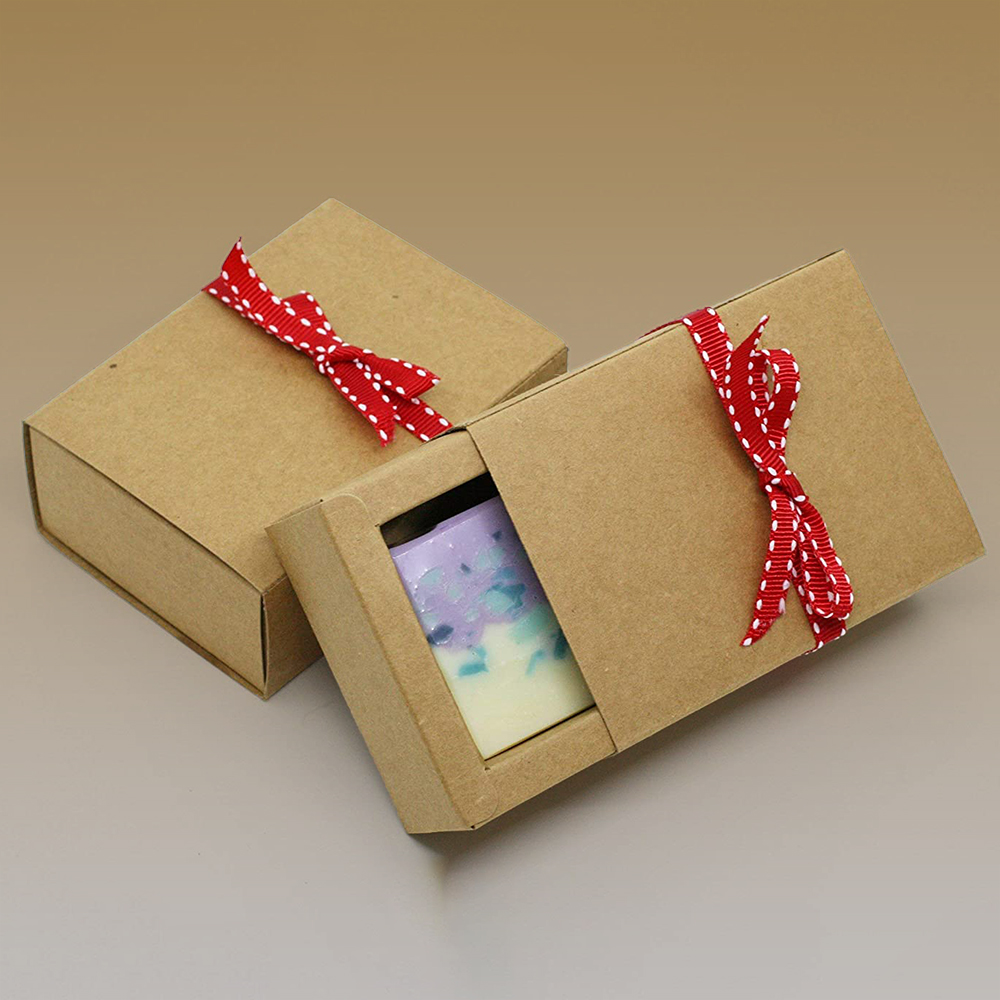
Should You Choose a Sleeve or a Full Soap Box?
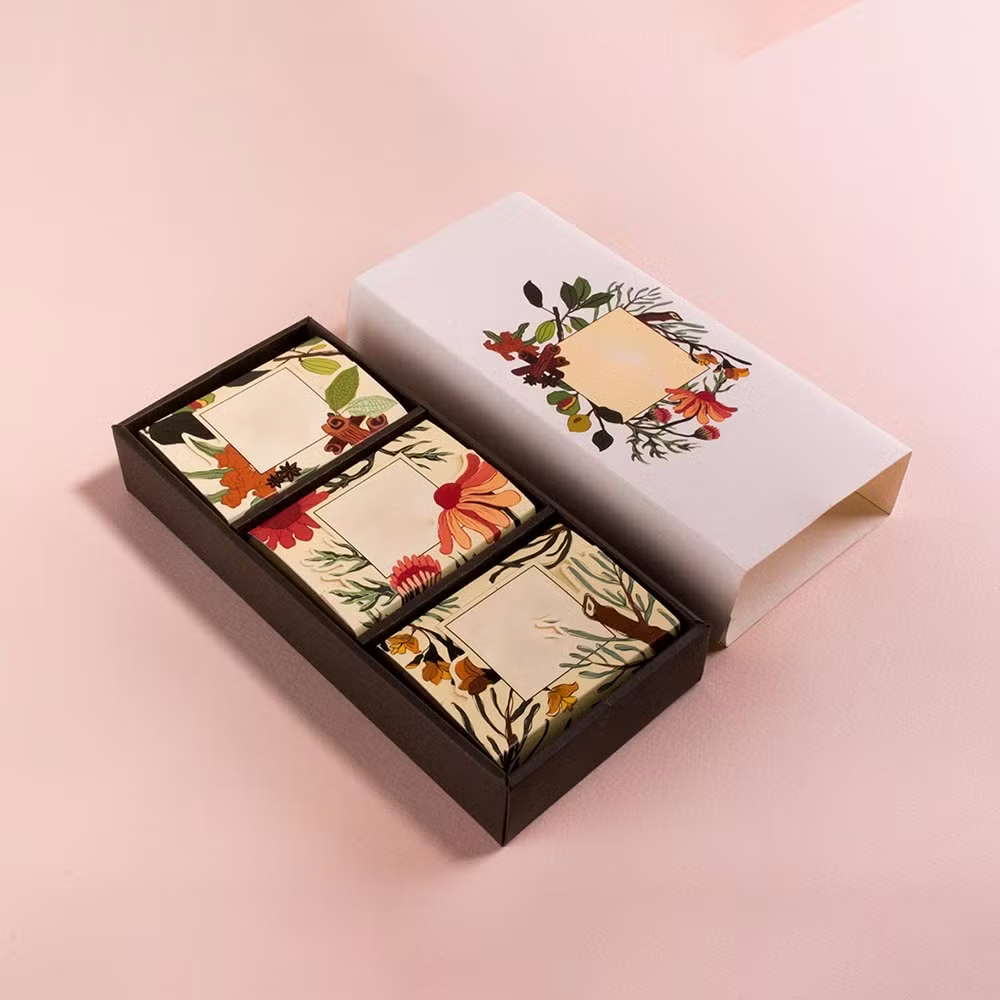
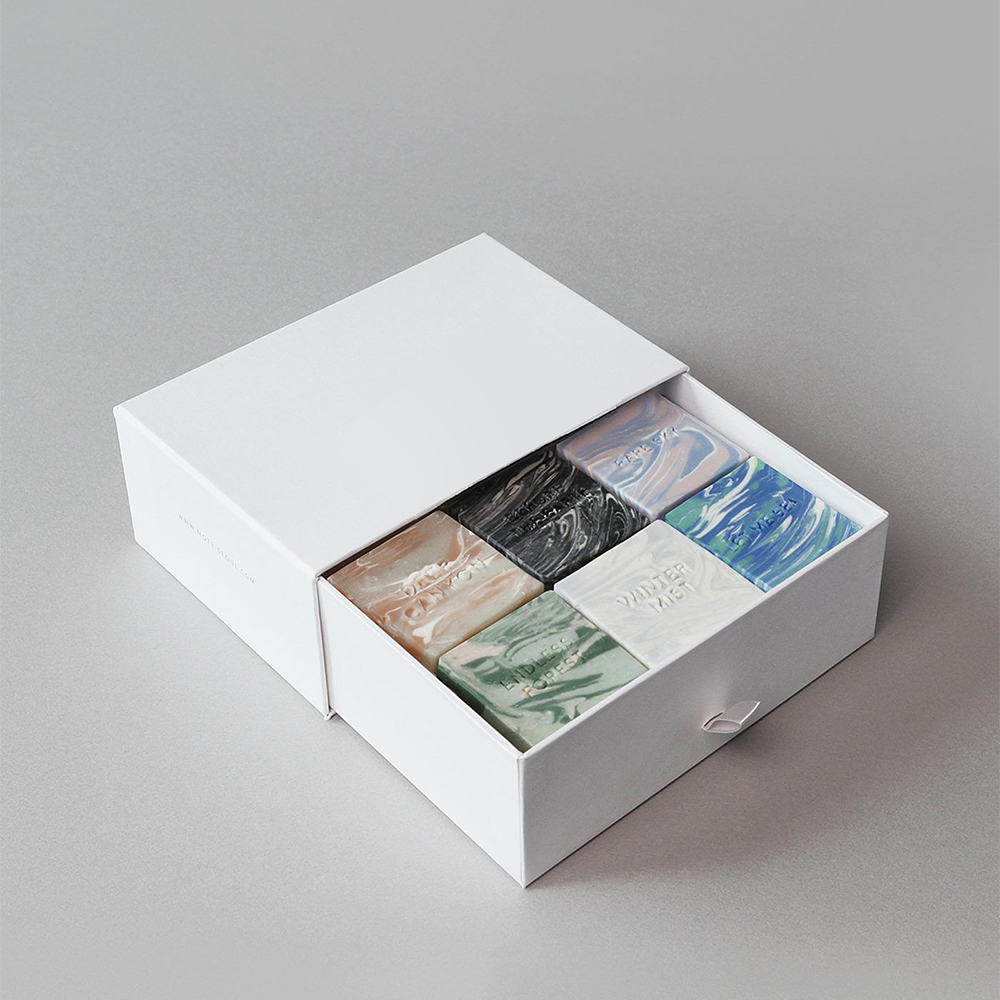
This depends on what the packaging needs to do. A sleeve suits a bar that benefits from continued airflow and a retail display where customers want to see, touch, or smell the product before buying. A fully enclosed box makes more sense for gifting, shipping over long distances, or bars that are already fully cured and stable. If your line includes both handmade bars and finished retail soap, our retail cardboard boxes page covers the shelf-facing side of that decision separately.
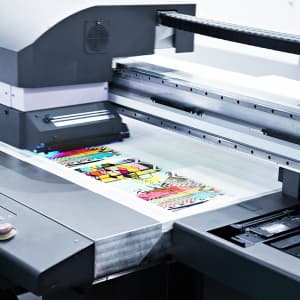
Printing works the same either way. Full color CMYK or single color branding runs across our custom printed cardboard boxes line, and a sleeve’s smaller surface area means the logo and ingredient copy need to be planned tightly rather than assumed to fit.
What Does a Soap Sleeve Box Cost, and How Fast Can You Get One Made?
Pricing depends on board weight, sleeve size, print complexity, and volume. Our minimum order is 100 units, low enough for a small batch or home studio brand’s first real production run. Turnaround runs 7 to 12 business days from proof approval. If your bars are shipping directly to customers rather than selling in person, our shipping cardboard boxes page covers the outer carton separately, since a sleeve protects the bar’s surface but is not built to survive transit on its own.
For brands scaling from farmers markets into retail, our cardboard display boxes and wider cardboard packaging range cover the counter and shelf side of that growth, and our full material guide explains how kraft and paperboard grades compare if you are specifying stock for the first time.
Frequently Asked Questions
What does a soap sleeve do?
It wraps around part of a soap bar rather than sealing it fully, protecting it from handling and dust while still allowing airflow, which matters for bars that are still curing after being unmolded.
What is the best packaging for handmade soap bars?
For bars still curing, a breathable sleeve in kraft or uncoated paperboard is generally better than a sealed box or plastic wrap, since sealed packaging can trap moisture against the bar.
Why does handmade soap need to breathe after it is packaged?
Cold process and handmade soap continues losing water and curing for weeks after unmolding. Sealed packaging traps that moisture, which can soften the bar or change its texture over time.
What is the best way to store soap bars for a longer shelf life?
Keep them somewhere dry with airflow rather than sealed in plastic. A breathable sleeve supports this during retail display, while fully cured bars intended for long storage can move to sealed packaging once curing is complete.
Can soap sleeves be sized for irregular handmade bars?
Yes. Handmade batches are rarely perfectly uniform, so sleeves are cut to the bar's actual dimensions through our die cut process rather than forced into a standard commercial size.
Is soap sleeve packaging eco-friendly or recyclable?
Kraft paper and uncoated paperboard are both recyclable and commonly chosen by sustainability-focused soap brands, since neither requires the plastic laminates that some sealed packaging depends on.
Do oily or glycerin soaps need a different sleeve than a standard bar?
Bars with higher oil content can bleed through uncoated stock over time, so a light interior coating is worth specifying for oil-heavy or glycerin bars specifically.
What's the minimum order for custom soap sleeve boxes?
100 units, sized for a small batch or home studio brand's first real production run rather than a wholesale-only minimum.