Cardboard vs Rigid Candle Boxes: Where the Cost Difference Actually Buys You Something
Cardboard vs Rigid Candle Boxes: Where the Cost Difference Actually Buys You Something
There is no doubt that packaging plays a major role in how customers perceive a candle brand. Whether you sell affordable soy candles or valuable gift sets, your box displays almost as much about your product as the candle inside it. Today, competition has escalated, and buyers feel a brand within seconds of seeing the packaging. You cannot just pick out any random box and accept the risk of making your candles look cheap, or your excellent candles look ordinary. Are you confused between cardboard and rigid boxes for candles? Please do not stress yourself out. This blog is an excellent guide that will assist you in making the most informed packaging decision. So, stay with us as we delve into the details of cardboard and rigid candle boxes.
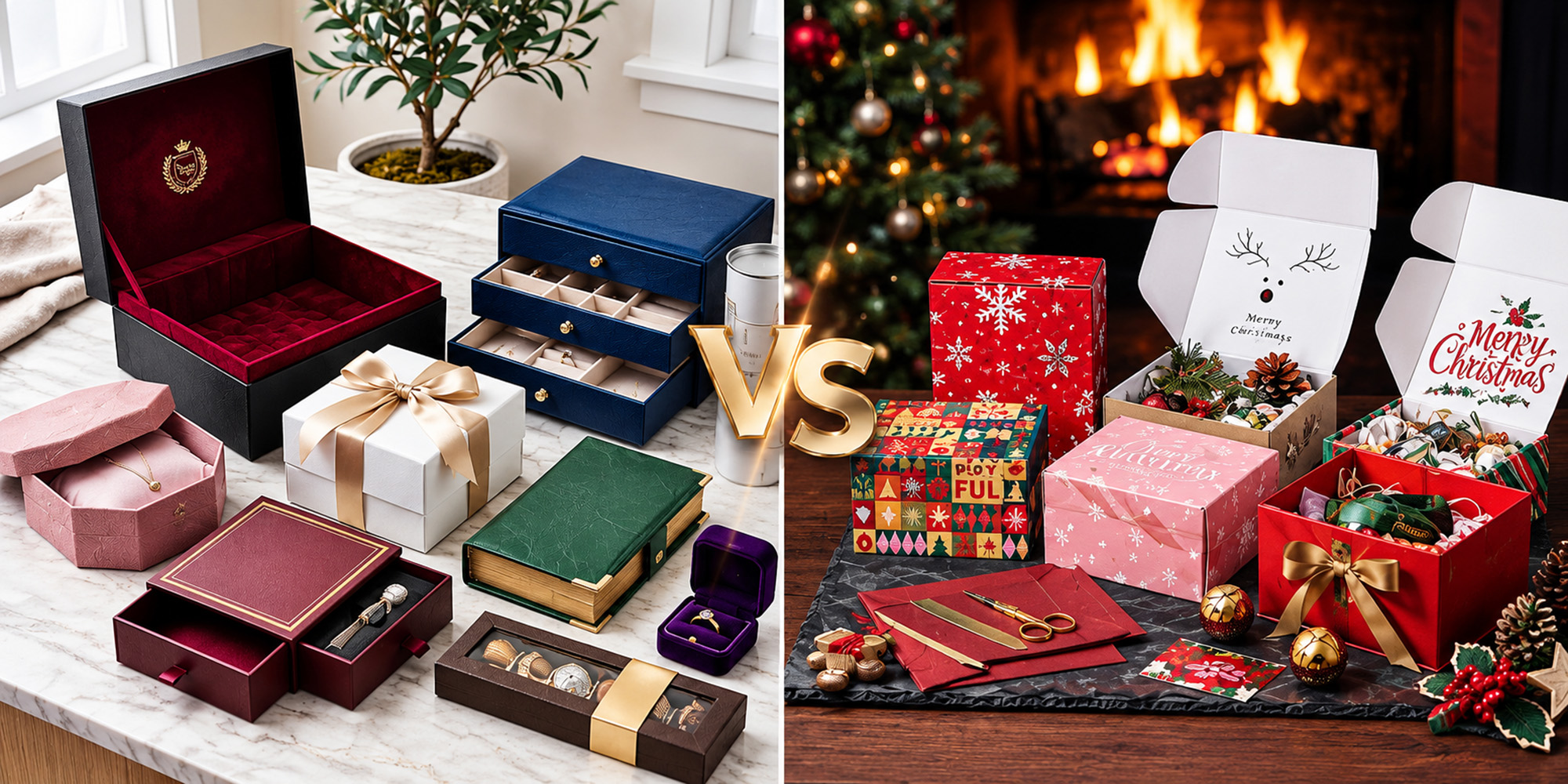
Though rigid and cardboard boxes are both excellent solutions for candle packaging, each has its own characteristics that set it apart. Let us take a glance at them.
What Actually Separates Cardboard from Rigid Candle Boxes
Let us be honest, most candle brand owners simply see two prices on a quote sheet and never stop to ask why they are so different. But there is a real story behind that number. These two materials are not just different price points sitting side by side. They are built in completely different ways, and once you understand that construction, the cost gap you see in any candle box pricing guide will finally make sense.
Material and Build
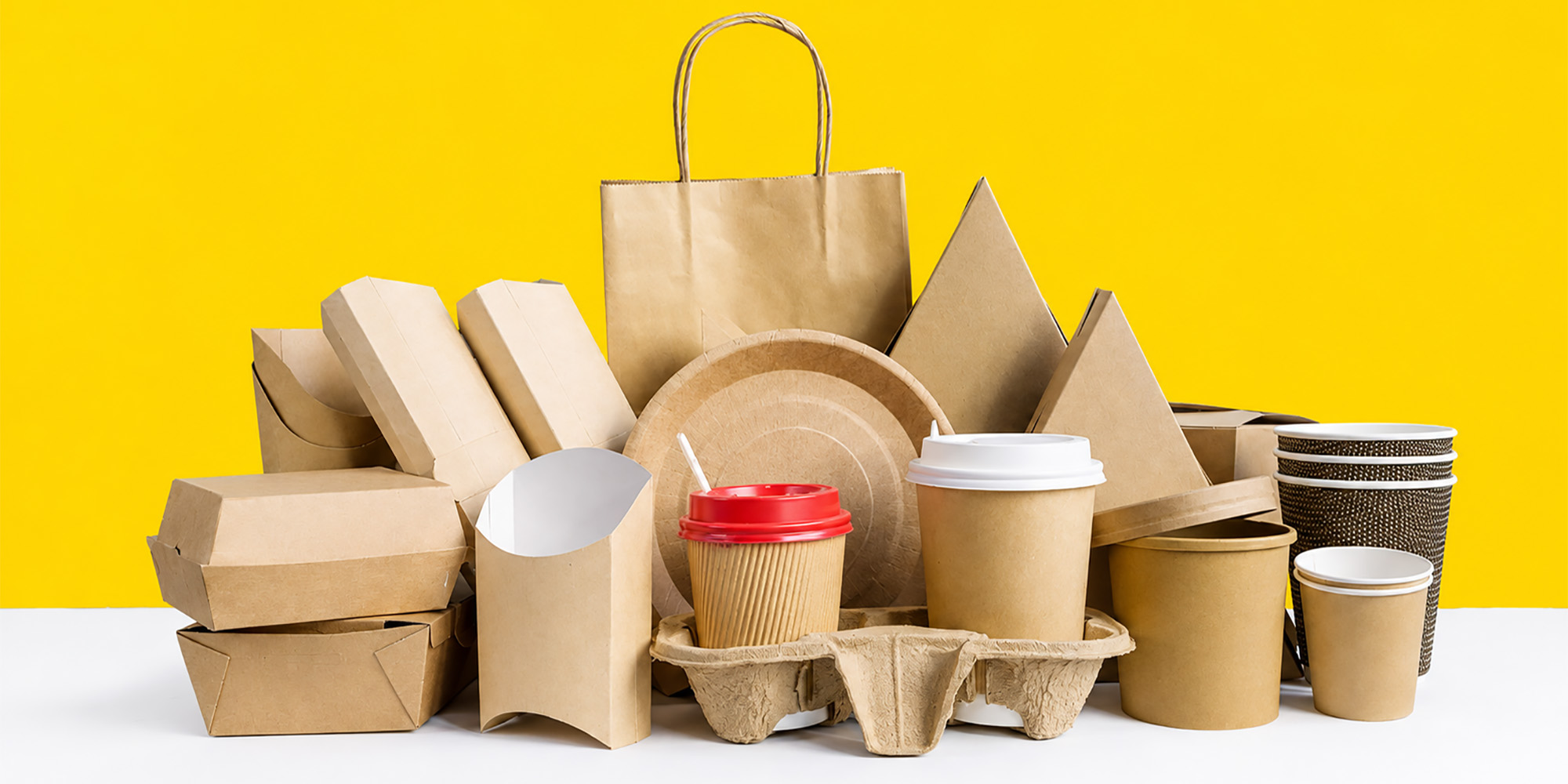
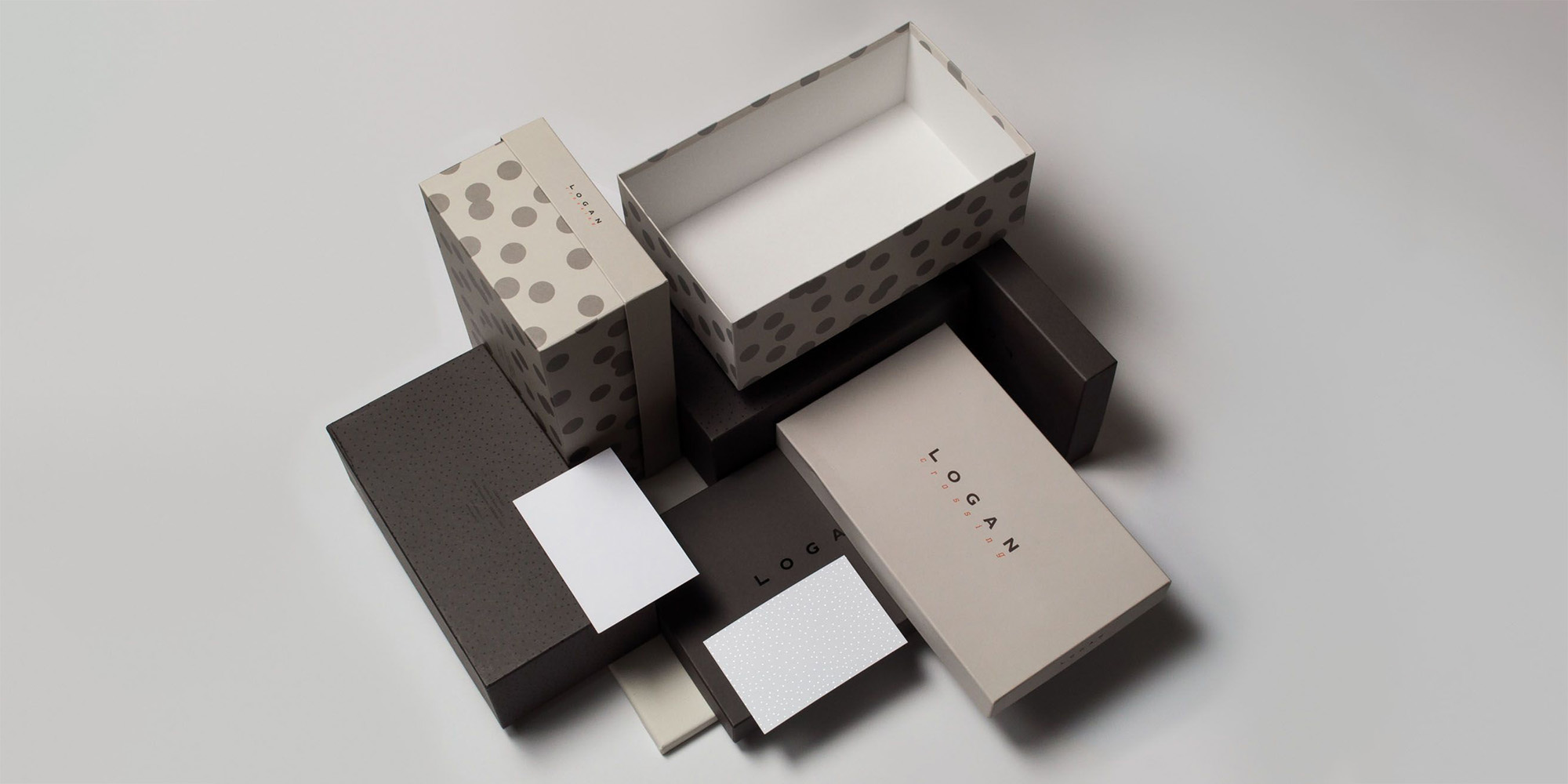
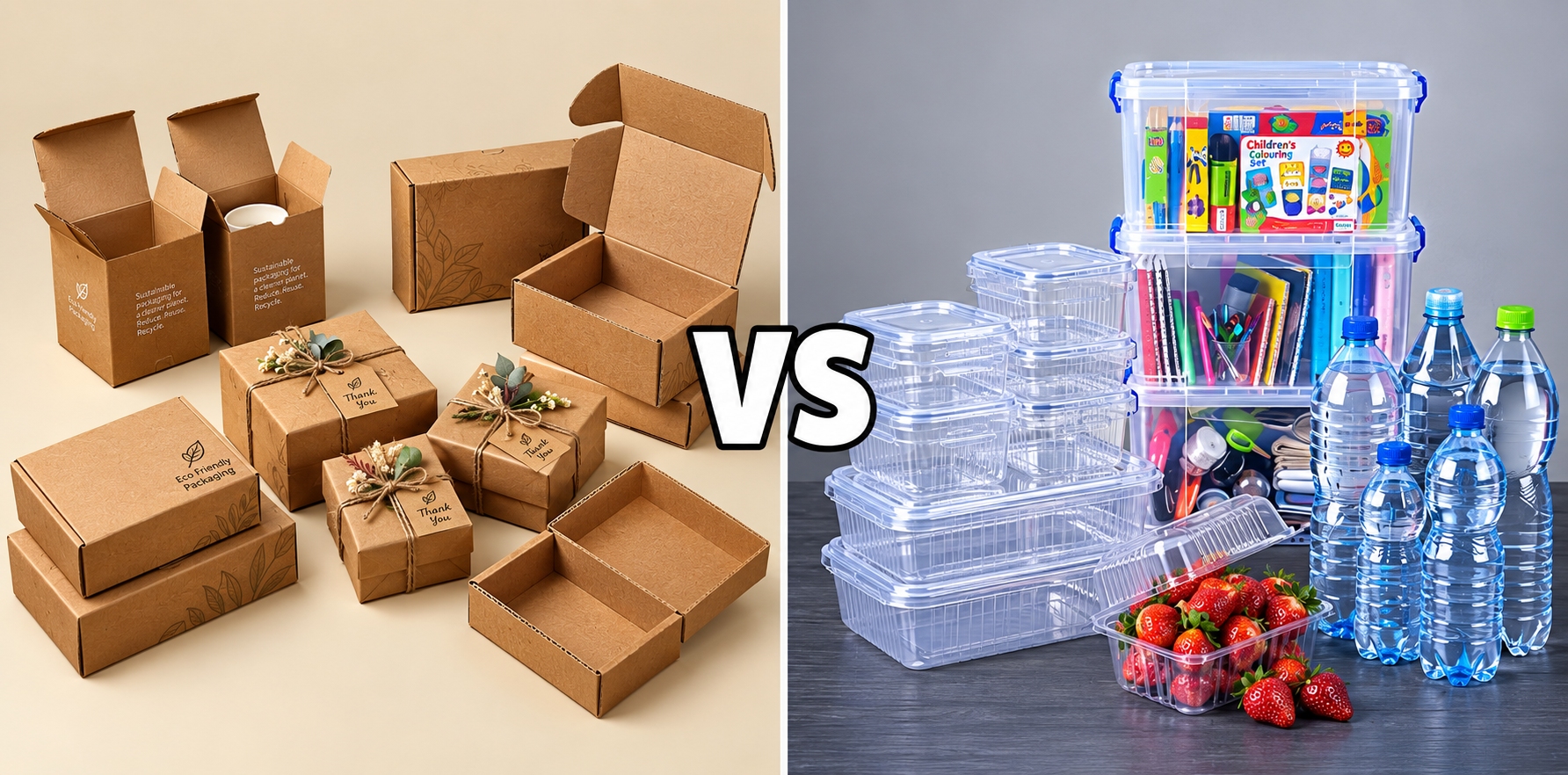
Cardboard candle boxes, sometimes called folding cartons, are made from a single sheet of paperboard that is scored, cut, and folded into shape. Nail art kit boxes with a fluted layer add cushioning for products that need to survive shipping. Rigid boxes, on the other hand, are a different story altogether.
- Made from thick, dense chipboard, usually four to six times heavier than folding carton stock
- Covered in a separate decorative paper, with a matte or gloss laminate
- Assembled as a two-piece structure with a separate base and lid that always stays rigid
- Hold their shape permanently and do not fold flat for storage
- Feel noticeably heavier and sturdier the moment a customer picks one up
How They’re Made
Cardboard boxes are die-cut from flat sheets, printed, and folded on the same production line, quickly and efficiently from start to finish. Rigid boxes ask for a lot more patience, which is part of why so many people search for a rigid box vs folding carton breakdown before they commit to one or the other.
- Chipboard is cut to size, and corners are notched by hand or machine
- Decorative paper is wrapped and glued around the chipboard shell
- The box is pressed and dried before it can be shipped or used
- Printing usually happens on the paper wrap before it is applied, not on the box itself
- Assembly is done ahead of time, so rigid boxes arrive ready to use, not flat-packed
Where the Price Difference Comes From
Once you see everything that goes into making a rigid box, the price gap starts to feel a lot more reasonable. This is not a markup dreamed up to squeeze more money out of you. Every added dollar traces back to a real production step, which is exactly the kind of thing brands ask about when they search for how much custom candle boxes cost.
Small batch orders show the difference most clearly, since rigid boxes do not benefit from scale the same way cardboard does. Place a larger order, and the gap does narrow somewhat, but rigid packaging never really catches up to cardboard on a per-unit basis, no matter how many wholesale candle boxes you order at once.
| Order Size | Cardboard or Kraft Boxes | Rigid Boxes |
| 50 units | 2.00 to 3.00 per box | 5.00 to 8.00 per box |
| 100 units | 1.50 to 2.50 per box | 4.00 to 6.00 per box |
| 500 units | 0.80 to 1.50 per box | 3.00 to 5.00 per box |
Printing and finishing add cost on top of these base numbers for both materials. Foil stamping, embossing, and window cutouts increase the price whether the box underneath is cardboard or rigid, though the increase tends to feel smaller on rigid boxes; the base price is already higher.
The Hidden Factor: Tooling
There is also a quieter factor at play here, and that is tooling. Folding carton plants run standard die-cutting equipment that most manufacturers already have on hand, so setup stays cheap, and orders move fast through the line. Rigid boxes are a separate story. They require a separate cover print plus a manual or semi-automated wrapping stage, and all that extra machine time is baked into every single unit instead of spreading out a big run. That is the real reason the price gap slightly closes even when you order in bulk. Picture it this way: a folding carton plant is set up to crank out thousands of units on the affordable side, making rigid boxes remain labour-intensive no matter how big your order is.
What Rigid Boxes Honestly Buy You Beyond the Price Tag
So does that extra spend actually buy you anything real, or is it just for show? Fair question. The truth is, it changes how your product survives the trip to your customer and how it feels the moment they open it, which is the whole point behind candle box protection for shipping.
Protection and Structure
Rigid chipboard does not compress under weight the way folding carton stock can. If your candles are stored in glass jars, this counts more than you probably think.
- Thick walls withstand crushing when boxes are stacked in a storage or delivery van
- Moulded pulp or foam divider options support glass jars from shifting during transit, similar to what you would find in our rigid slipcase boxes line
- The lid stays rigid instead of sagging, which protects any printed artwork on top
- Heavier candles are less likely to shift and crack their container during shipping
- The box itself can be reused by the customer, which folding cartons rarely survive
Perceived Value and Unboxing
Here is something worth admitting: a good part of the rigid box premium is really a perception premium. And for candle brands selling at a higher price point, that perception does real work for you, especially when it shapes the candle unboxing experience your customer remembers and shares.
- The weight and rigidity of the box tell a customer this is quality before the lid even comes off
- Closure styles like our rigid hexagon boxes or a snug-fitting lid slow the customer down and make opening it feel like an event
- Foil stamping and soft touch lamination just look better on a rigid surface than they do on cardboard
- Customers hold onto and reuse a rigid box far more often, which keeps your brand in front of them long after the sale
- The format matches what shoppers already expect from higher-priced candle brands
When Cardboard Is Actually the Smarter Choice
Does this mean every candle brand should be rushing toward rigid boxes? Not at all. For plenty of businesses, cardboard is not a compromise you settle for. When brands ask us how to choose candle packaging, cardboard genuinely turns out to be the better decision more often than people expect.
Growing or Testing Brands
Still finding your footing with customers? Tying up cash in premium packaging right now can slow you down more than it helps.
- Lower per-unit cost frees up budget for product development or marketing
- Small test batches are far more affordable in cardboard than in rigid stock
- The beauty boxes and simple kraft cartons still photograph well for social media and online listings
- Easier to update the packaging design as your branding evolves in the early stages
- Lower financial risk if a candle scent or line does not sell through as expected
- A strong fit for brands actively searching for eco-friendly candle packaging, since cardboard recycles more easily than rigid stock
Shipping and Storage Considerations
Rigid boxes take up meaningfully more space, and you feel that cost even before the box reaches a customer.
- Cardboard ships flat and folds up on site, saving warehouse space
- Lower shipping weight on cardboard reduces freight costs on large orders
- Corrugated stock offers strong protection for candles shipped directly to consumers
- Rigid boxes arrive pre-assembled, which means they bring up their full volume from day one
- Storage costs for rigid packaging add up quickly for brands without a large storage facility
Matching the Box to the Candle
Here is the honest answer nobody likes hearing: neither material is universally adequate. A twelve-dollar soy candle sold at a farmers market and a sixty-dollar hand-poured candle sold as a gift are simply not competing for the same customer, so why should their packaging be treated the same way?
Everyday and Affordable Candles
If your candles are positioned as an affordable, everyday purchase, a well-printed cardboard box with a clean design does the job without adding cost that your customer will never even notice. The savings go straight back into your margins or your marketing budget, which matters far more at this price point than a heavier box would.
Gift and Premium Candles
If your candles are marketed as gifts or premium home goods, the calculation flips. A rigid box with two-piece candle boxes to hold the jar steady, paired with finishing like foil stamping, earns back its cost through higher perceived value and fewer damaged returns. This is constantly the deciding factor for brands weighing the best candle box material for gift boxes. Customers paying an excellent price expect the packaging to be handled as part of what they are paying for.
Splitting the Difference
Some brands choose not to pick one material for everything. Instead, they use rigid boxes only for their flagship or gift sets while keeping the core line in cardboard. Pairing either style with the right candle accessories boxes for wicks, matches, or trimmers can round out a gift bundle without pushing every product into the higher-cost tier. Brands that ship regularly also lean on our custom stand-up mailer box options to get finished sets safely out the door.
Timing It Right
Timing counts here too, around the holidays. A brand launching a holiday gift set has a strong case for rigid packaging, since the customer is already primed to pay more and expects the box itself to feel like part of the gift. That same brand’s everyday, year-round scents rarely require that treatment, since repeat customers are buying for the candle itself instead of the unboxing moment. Reviewing your packaging choices product by product, instead of applying one material across your entire catalogue, tends to protect your margins far better than a blanket decision either way.
Straight Answers From Candle Brands Weighing This Decision
Before you make a final call, it helps to see the questions other candle brands have already asked us. Here are the honest answers, without the sales pitch. Is a rigid box actually worth the extra cost for a small candle brand?
It Comes Down to Price Point, Not Brand Size
Honestly, it comes down less to brand size and more to what you charge and where you sell. Say you are a small brand selling a ten- to fifteen-dollar candle at a farmers market or via a local grocery store. You will infrequently earn back the extra two to five dollars a rigid box tack on each unit, since your customer is not paying excellent prices in the first place. Now flip that around. A small brand selling a forty or fifty-dollar candle straight to consumers online, as a gift, constantly sees that money come back. Rigid packaging cuts down on crack claims for those pricier glass jars, and a memorable unboxing tends to bring people back and get them talking, the kind of thing that never shows up as a line item but quietly moves your retention numbers over time.
Test Before You Save
If you are always unsure, the safest approach is to test with a small rigid box run on a single flagship product instead of converting your entire catalogue overnight. That limits your financial exposure while still letting you measure whether customers actually respond to the upgrade. Watch your return and damage rates alongside repeat purchase rates over a few months before deciding whether to expand rigid packaging further into your line.
Does rigid packaging honestly reduce candle damage during shipping?
Especially for candles in glass jars. That thicker chipboard just does not crush under stacked weight the way thinner folding carton stock sometimes does, and that is why rigid box damage protection supports coming up when people compare shipping reviews.
Can cardboard candle boxes always look excellent?
A matte laminate, some foil accents, or a window cut-out goes a long way. The material itself is cheap, but it is the finishing that customers honestly notice first, which is why so many brands dig into excellent cardboard box finishes before reporting cardboard off absolutely.
What is the minimum order for rigid candle boxes?
Minimums vary from supplier to supplier, but rigid boxes come with less quantity flexibility than mass-produced cardboard, just because each one is partly hand-assembled. Brands exploring candle box minimum order quantity before placing their first order always run into this question.
Is corrugated cardboard the same as a folding carton?
Corrugated board has a fluted middle layer produced for extra cushioning and shows up most on shipping boxes; a folding carton is just a single layer of paperboard, typically used for retail-facing packaging.
Which material recycles more easily?
Cardboard and folding cartons go through most standard reclaimed programs without issue. Rigid boxes are trickier; the paper cover and chipboard core are glued together, and a lot of facilities just cannot pull them apart.
Should every candle in a product line use the same box material?
Plenty of brands stick with cardboard for their everyday smells and save rigid boxes for limited editions, gift sets, or whichever items hold the highest price tag, which supports their broad packaging spend, covered up with what each product honestly contains.
Conclusion
At the end of the day, selecting between cardboard and rigid candle boxes is not about picking the fancier preference. It is about knowing just what your candle is worth to your customer and packaging it to match. Cardboard holds your costs low and your margins healthy for everyday scents, while rigid boxes turn your excellent and gift candles into an experience worth remembering. The smartest brands do not force one material across their entire line; they let each product’s candle packaging cost per unit and purpose decide the box that suits it best. With years of hands-on experience serving candle brands of every size, our team at Hale Path Packaging knows what it takes to get this decision right. If you are still weighing your options or searching for a trusted custom candle packaging supplier, we are here to guide you through it, and our folding carton boxes line is worth a look for anyone exploring premium finishes further.