First Time Ordering Custom Christmas Packaging? Here’s Exactly What to Expect
First Time Ordering Custom Christmas Packaging? Here’s Exactly What to Expect
A first custom Christmas packaging order typically runs $200-$400 for a small batch, takes three to six weeks from quote to delivery, and moves through four stages: quote, proofing, a physical sample, then production. Most first-time disappointment comes from skipping the sample stage or missing a cost that wasn’t in the original quote – not from the supplier doing anything wrong.
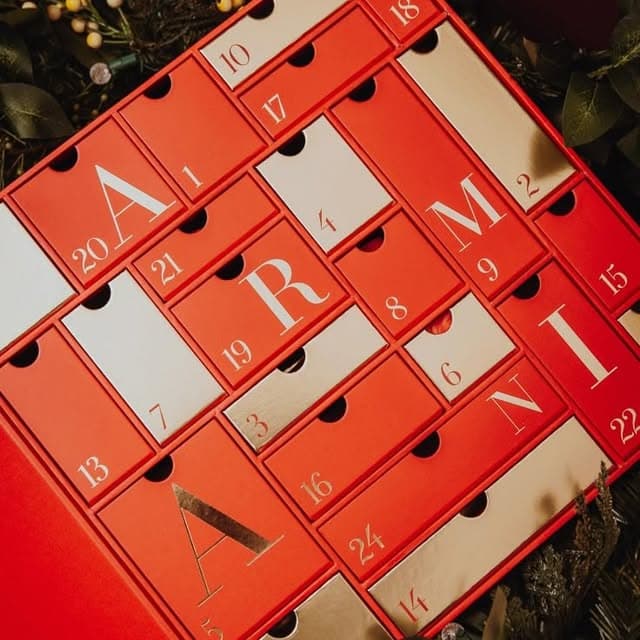
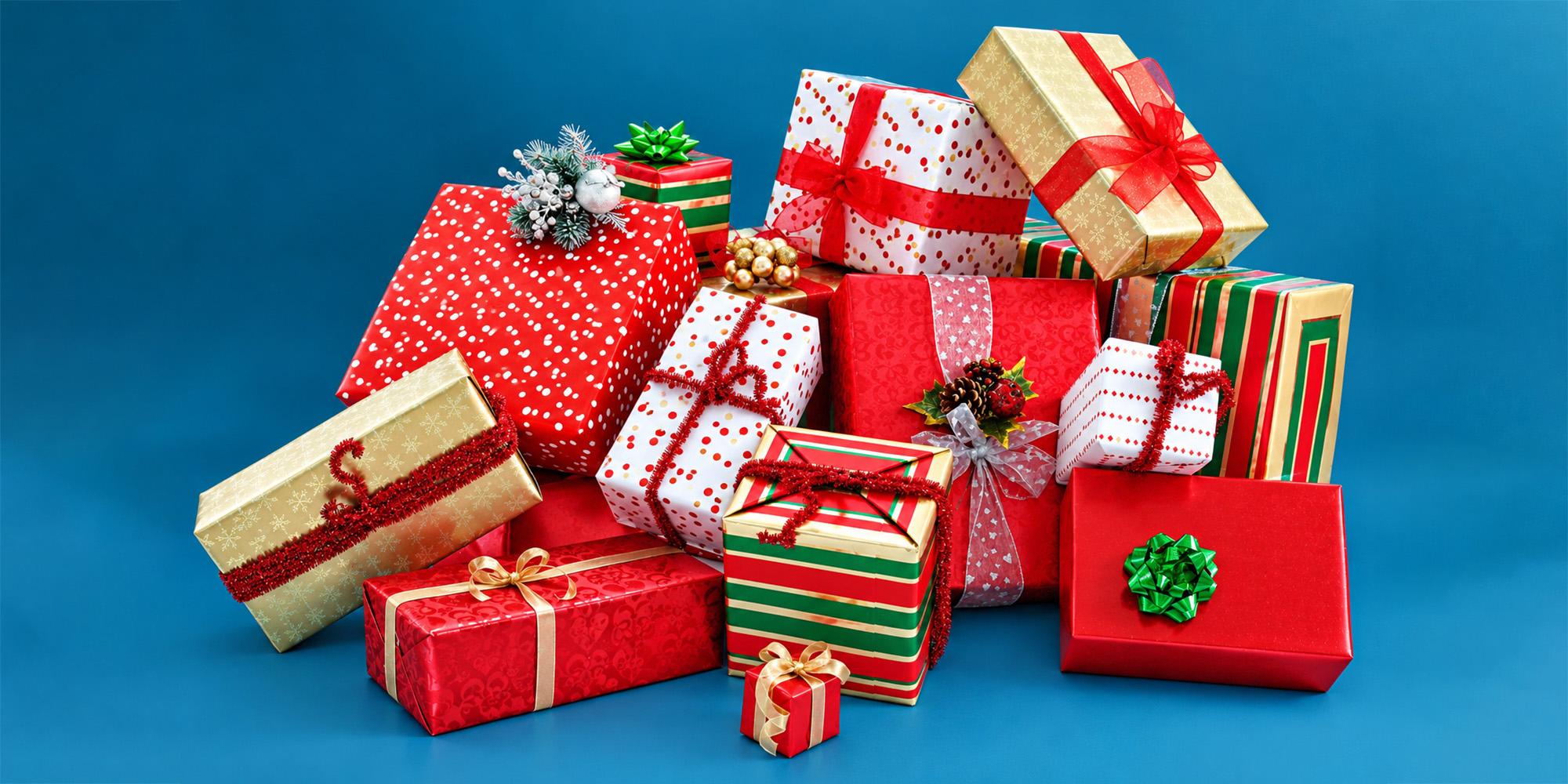
Someone spends three weeks hunting for the right gift. They wrap it carefully. Then they hand it over and watch the moment it gets opened – that’s really what Christmas runs on. What most brands miss is how much custom Christmas packaging shapes that exact moment. A plain product in a box built for the occasion suddenly feels worth keeping. A gable box, a magnetic closure, a ribbon tie, a well-placed die-cut window – these small details are what make a purchase feel like part of the celebration rather than just a transaction. Explore the full Christmas box range to see the formats available.
But ordering custom Christmas boxes for the first time is a different experience entirely from choosing them. Nobody explains what actually happens between placing an order and boxes showing up at your door weeks later – sometimes exactly right, sometimes not quite what you pictured.
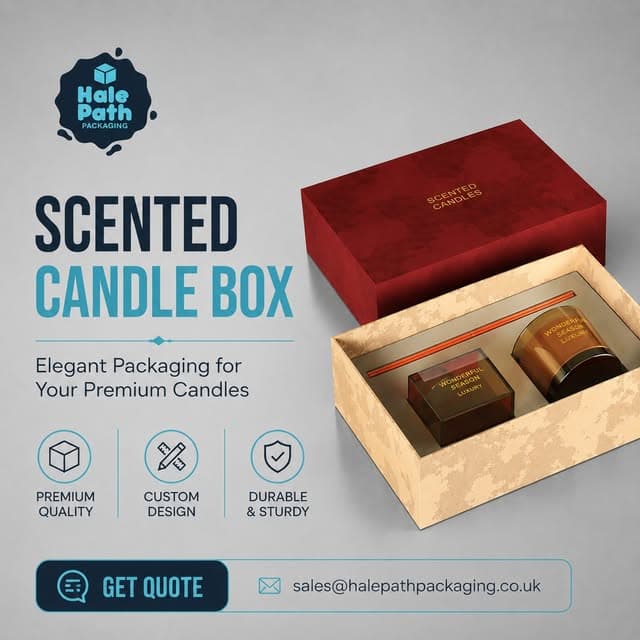
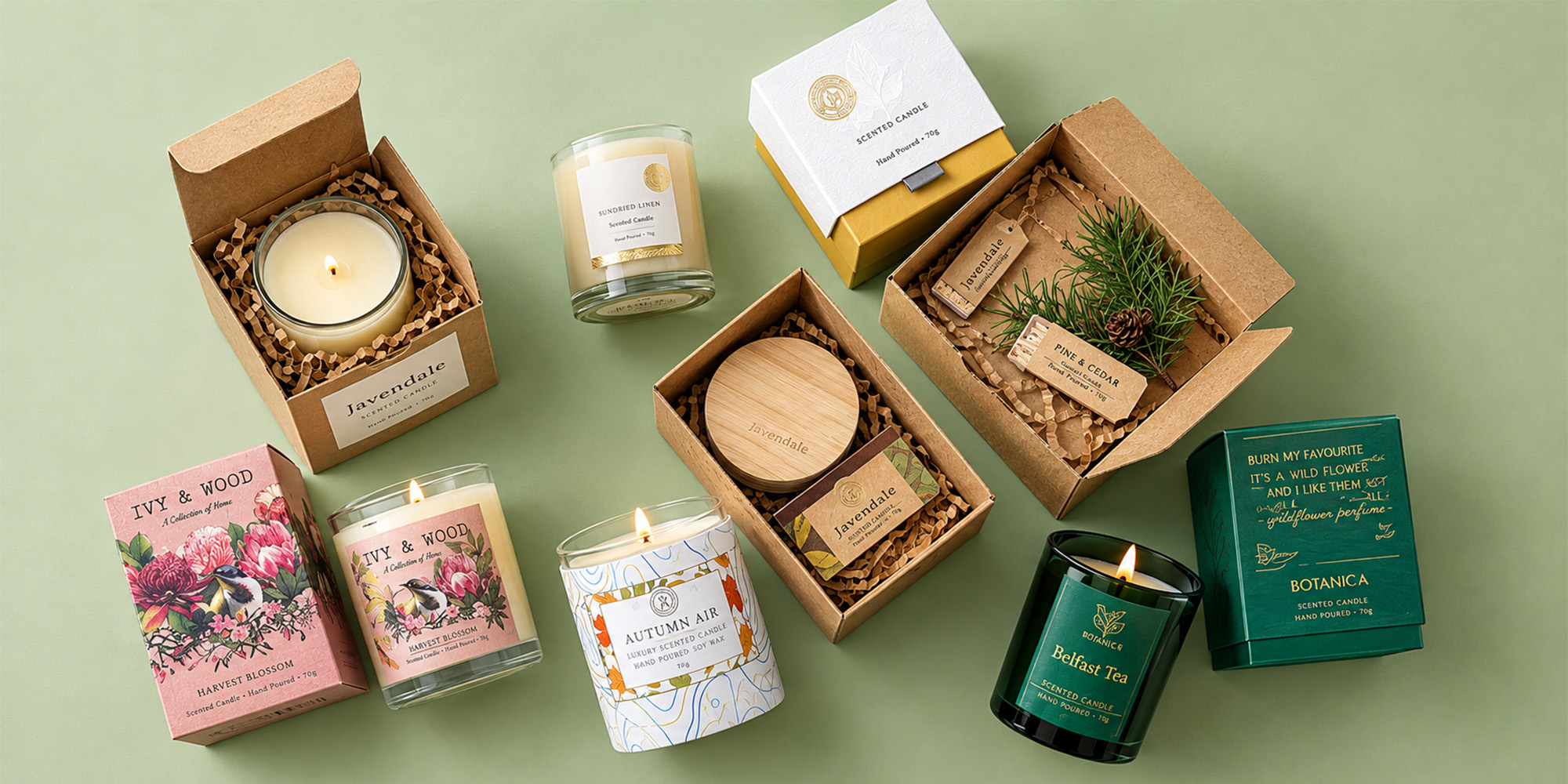
An illustrative example (a composite of a pattern we see regularly, not a single named client): a first-time candle brand assumes “custom” means she’ll see and approve everything before it prints. That’s not always true unless you specifically ask – something brands often learn the hard way when a first run arrives with a logo sized differently than pictured, right in the thick of the busiest month of the year. Pairing a candle gift set with a reusable jar candle box is one of the most common first-timer Christmas orders we see, which is exactly why this stage trips people up so often.
This is what actually happens, step by step, so you’re not caught off guard when your own first custom Christmas packaging order rolls in ahead of the holiday rush.
Does the First Quote Actually Cover the Whole Price?
A first quote almost always covers the box itself at a given quantity. What it often leaves out: setup fees, shipping, and sometimes the cost of a physical sample separate from the production run.
What’s typically missing from a first custom packaging quote? Setup or plate fees, freight, and sample costs are the three most commonly left out. Ask directly what’s included before comparing prices between suppliers – freight in particular is the biggest surprise, since it’s easy to price-compare boxes without realizing shipping wasn’t in either number.
It’s also worth asking whether a supplier keeps your dieline and printing plates on file for next time, since some waive the setup fee entirely on a repeat order once that groundwork’s done.
As a rough reference point, a first custom printed Christmas box run for a small brand tends to land somewhere in the $200 to $400 range, whether that’s a run of a couple hundred custom mailer boxes or a smaller box order paired with printed tissue and stickers. This is Hale Path’s own pricing pattern based on real first orders, not a third-party industry average – confirm current figures against your actual spec.
What Happens During the Artwork and Proofing Stage?
Once pricing’s confirmed, and a deposit’s down, most suppliers send a digital proof – a flat mockup showing exactly how your artwork sits on the box template. This is where sizing, color, and placement problems need to get caught, because fixing them gets harder and pricier the further production goes.
Why does the box color look different once it’s printed? Color trips up more first-timers than anything else, because what’s on your screen rarely matches what prints – screens display in RGB, while most print runs use CMYK or Pantone matching. A supplier willing to send a physical swatch or a small printed proof before the full run, not just a digital mockup, is worth the extra day or two if your brand colors actually matter to you.
MOQ, and Why It Doesn’t Move Much
MOQ is short for minimum order quantity – the smallest run a supplier will produce – and it exists because setup costs, plates, tooling, and machine changeover don’t shrink just because your custom Christmas packaging order does.
Can I negotiate a supplier’s MOQ down for a first order? Rarely on the number itself. What actually moves is the format: switching from a fully custom die-cut shape to a stock shape with custom print, or from offset to digital printing, brings the real minimum down without you having to haggle over a number the supplier usually can’t change. (We covered this negotiation approach in more depth in our guide to negotiating a low-MOQ trial order.)
A lot of suppliers now start their minimums around 100 units for common formats, with some going lower for basic styles and higher for more complex ones – which is why Christmas gift boxes wholesale buyers often plan volume around that threshold from the start.
The Sample Stage Nobody Should Skip
Any supplier worth using should offer a physical sample – sometimes a full structural prototype – before committing to the full run, whether you’re ordering standard cardboard stock or luxury Christmas gift boxes with foil detailing. This is the one step worth insisting on even if it adds a few days.
Skipping this to save time is the single biggest reason first orders disappoint, since a fix that takes a day at sample stage can take weeks and real money once a full run’s already printed.
Production, Shipping, and the Timeline Gap Nobody Warns You About
Once the sample’s approved, production starts – and this is where the Christmas calendar starts working against first-timers if they’re not planning around it.
How long does a first Christmas packaging order actually take? Standard production takes seven to fourteen business days once artwork’s approved – longer for bigger or complex jobs, shorter for a simple stock-shape run. Production and shipping aren’t on the same clock: two weeks to build plus a week to ship is three weeks total, and forgetting that math is how deadlines sneak up. For the full week-by-week countdown, see our Christmas gift box ordering timeline.
A few things worth planning around specifically:
- The holiday rush slows everyone down. Every small brand ordering seasonal packaging is competing for the same production slots at the same time, right alongside a supplier’s regular non-holiday customers who don’t ease up either.
- September is the safe window for fully custom first orders – it leaves room for a delay, a reprint, or a shipping snag before November hits. (Our companion timing guide puts the general safe window at 10-12 weeks before Christmas for returning buyers; first-timers should budget extra buffer for the learning-curve issues covered in this piece.)
- Watch your carrier’s size cutoffs. A box a fraction of an inch too big can bump you into a pricier shipping tier without warning.
- Budget for higher holiday shipping rates, since most carriers charge more than usual this time of year – better to plan for that than find out on the first invoice.
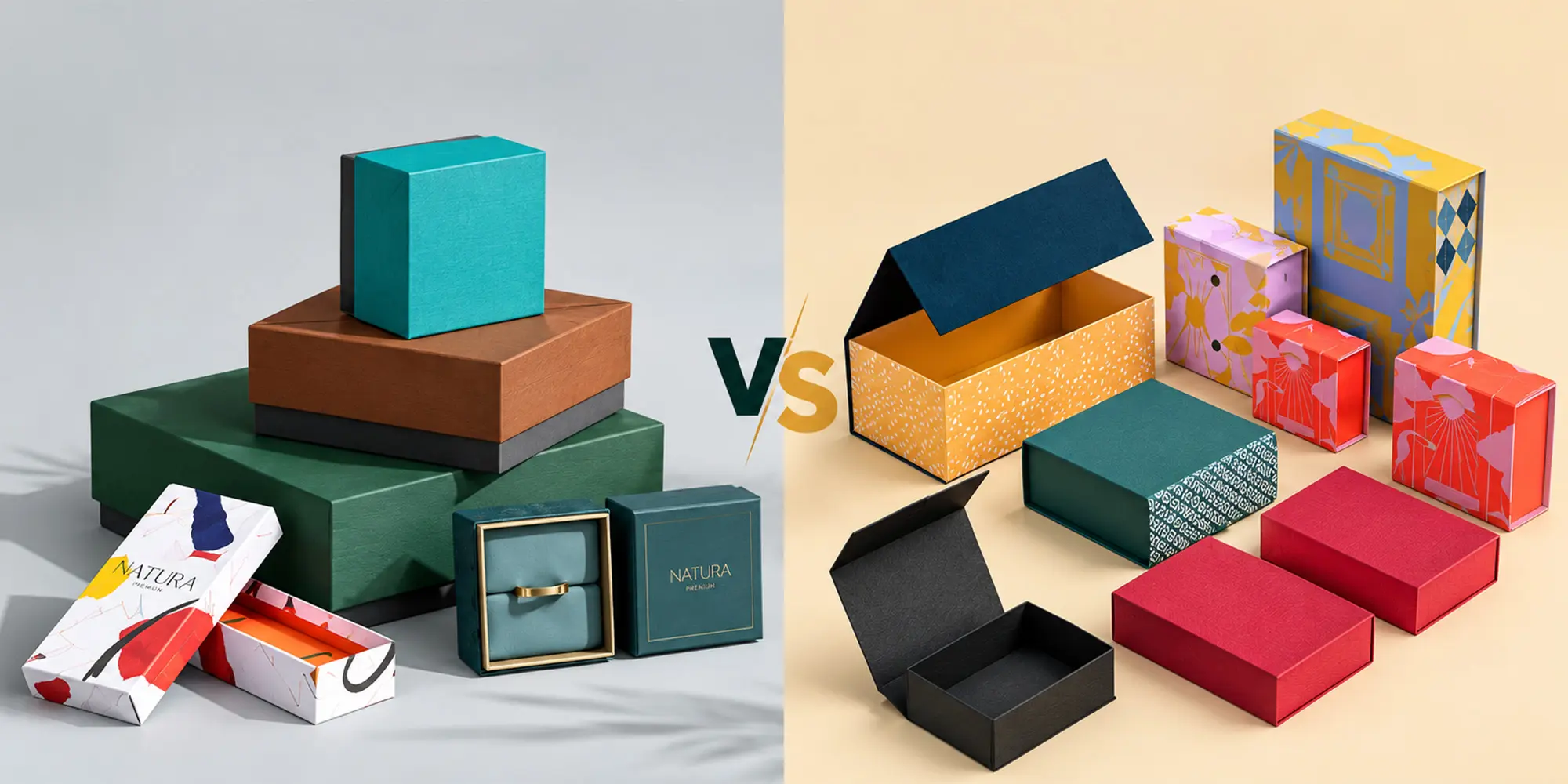
Five Christmas Box Styles Worth Considering for a First Order
Once you’ve got a handle on the process, the fun part is actually choosing a style.
| Style | Best For | What Makes It Work |
| Surprise-style blind boxes | Perfume samples, mini cosmetics, small toys, gift-set buyers | Every box hides a different print – the not-knowing is part of the appeal |
| Two-tone gable boxes | Baked goods, candles, in-person gift pickup | Handle-top design in two contrasting colors adds visual interest without an illustrated print |
| Angled shoulder boxes | Accessories, cosmetics | Tapered lid over a wider base reads as considered, especially in deep red or green with gold foil |
| House-shaped novelty boxes | Candy, small confectionery | Playful roofline shape; mixes well alongside standard rectangular boxes in a matching palette |
| Foil-detailed premium boxes | Above-entry-level holiday lines | Metallic foil stamping plus a ribbon reads as genuinely premium on a shelf or counter, similar to a telescopic lid box presentation upgrade |
For sets bundling a few different items – a chocolate gift box alongside individually wrapped chocolate bars, for instance, or a candle paired with a corrugated outer box for shipping protection – mixing a couple of these styles in a coordinated palette gives a gift-set look without forcing every box into the same shape. A magnetic closure is worth the small upgrade cost on anything meant to be handed over in person rather than shipped, since the unboxing moment carries real weight for a gift.
Seasonal Theme or Neutral Winter Design?
A first-time Christmas order often runs into a design decision nobody warns you about: whether to go fully seasonal – snowflakes, holly, a Christmas-specific color palette – or use a more neutral winter design that can carry over into January and beyond.
Should my first Christmas packaging be fully seasonal or neutral? It depends on how much leftover risk you can absorb. Going fully seasonal sells harder in the run-up to December 25th, but leftover stock is dead weight once the holiday ends – a “Merry Christmas” box can’t just get reordered in January. A neutral winter look (deep greens, gold accents, no explicit Christmas theme) holds up better since it still sells the season without expiring after six weeks. Kraft or eco-friendly stock does this well, since the natural base already feels warm and seasonal on its own without needing a fully seasonal print.
Larger first runs need extra care here – buyers ordering more to hit a lower per-unit price should weigh the seasonal-versus-neutral trade-off before committing to fully seasonal branding on a bigger quantity. Ask about a sampler run too: some suppliers offer a smaller seasonal print run specifically for first-time holiday orders, since so many first-timers are unsure how much genuinely Christmas-themed stock they’ll sell through before the season ends.
What a Realistic First Order Actually Costs and Takes in 2026
| Cost or timeline item | Typical range |
| Setup or plate fees | $100-$500, usually one-time, sometimes waived on repeat orders |
| Physical sample | $50-$150 for a small batch, occasionally credited against the full order |
| Digital print, low volume | $0.50-$2.00 per unit, dropping at higher volumes |
| Total timeline, quote to delivery | 3-6 weeks in a normal season, longer heading into the holidays |
Order enough to cover roughly one to three months of typical shipping volume for a first run, rather than guessing at a much bigger number. It’s easier to reorder once you know your real usage than to sit on a large stock of packaging you overestimated.
The figures above reflect Hale Path Packaging’s own pricing patterns for first-time orders – not a third-party industry average. Confirm current numbers against your specific spec before budgeting.
Questions Worth Asking Before You Place a First Order
Does the quote include setup fees, shipping, and sample costs, or will those show up separately later?
How many rounds of proof revisions come included before extra fees kick in?
Will you get a physical sample before the full run, and does its cost come off the total if you go ahead?
Does the supplier keep your dieline and plates on file, so a reorder later doesn’t mean paying setup fees twice?
Conclusion
A first custom packaging order goes smoothly when you know the shape of the process going in: the quote isn’t the final price, proofing catches cheap problems before production makes them expensive, MOQ rarely moves but format sometimes does, and a physical sample is worth insisting on every time. Add real shipping time and a holiday buffer to whatever timeline gets quoted.
Ask about every cost, every proofing round, and every real lead time before putting down a deposit, not after. That’s really the whole difference between a smooth first order and one that shows up looking nothing like what you pictured – whether it’s a small trial batch or a full custom holiday packaging rollout for the season.
Written by the Hale Path Packaging team, packaging specialists with over a years of experience guiding first-time buyers through custom packaging orders for small brands and boutique makers across the United States, working directly with clients on proofing, sampling, and realistic production timelines. This guide reflects the process and pricing patterns Hale Path controls directly – actual search visibility also depends on factors outside this article, including domain authority, technical site health, and indexing time.