FDA Food-Contact Packaging Rules for Small Cereal and Snack Brands: What Actually Applies to Cardboard
FDA Food-Contact Packaging Rules for Small Cereal and Snack Brands: What Actually Applies to Cardboard
Worried your cereal or snack packaging might not actually meet FDA requirements? You’re not alone, and it’s a smart thing to be checking before a first production run, not after. A lot of small brands assume FDA rules are only about ingredients, not the box or bag the product ships in, right up until a supplier asks whether the board needs to be FDA food-contact packaging. That’s usually when the questions start piling up fast: does cardboard even need FDA approval, does the answer change if there’s a plastic liner involved, and what actually happens if a brand gets this wrong?
This guide walks through what genuinely applies to cardboard for cereal and snacks, where the line sits between brand and supplier, and where smaller brands tend to trip up, so an order gets placed with confidence instead of a guess.
Does the FDA Even Regulate Cardboard Packaging?
Yes, just not how most people picture it. There’s no FDA approval stamp for a specific box design the way there might be for a drug. What actually gets regulated is any material classified as a food contact substance (FCS), covering anything that touches food directly or indirectly, under Title 21, specifically Parts 174 through 186, which deal with indirect food additives, packaging included.
Plain cardboard is generally recognised as safe for food contact once it meets certain purity and contaminant thresholds. Add inks, coatings, adhesives, and plastic liners into the mix, though, and things get a lot more detailed. A kraft box holding sealed snack pouches sits in a completely different regulatory category than a box where food actually touches the printed or coated interior, similar to the direct-versus-indirect question that comes up with a Flip Top Rigid Boxes USA format, too.
Direct Contact vs. Indirect Contact Changes Everything
Understanding this one distinction matters more than almost anything else when picking food contact materials.
Indirect food contact is what applies to most cereal and snack situations. The food itself sits inside a plastic liner, a bag, or a sealed pouch, with the cardboard box serving purely as the outer structural layer. Since the board never comes into contact with the food, it usually doesn’t need to meet any food-contact standards at all. That job falls to the inner liner or bag instead.
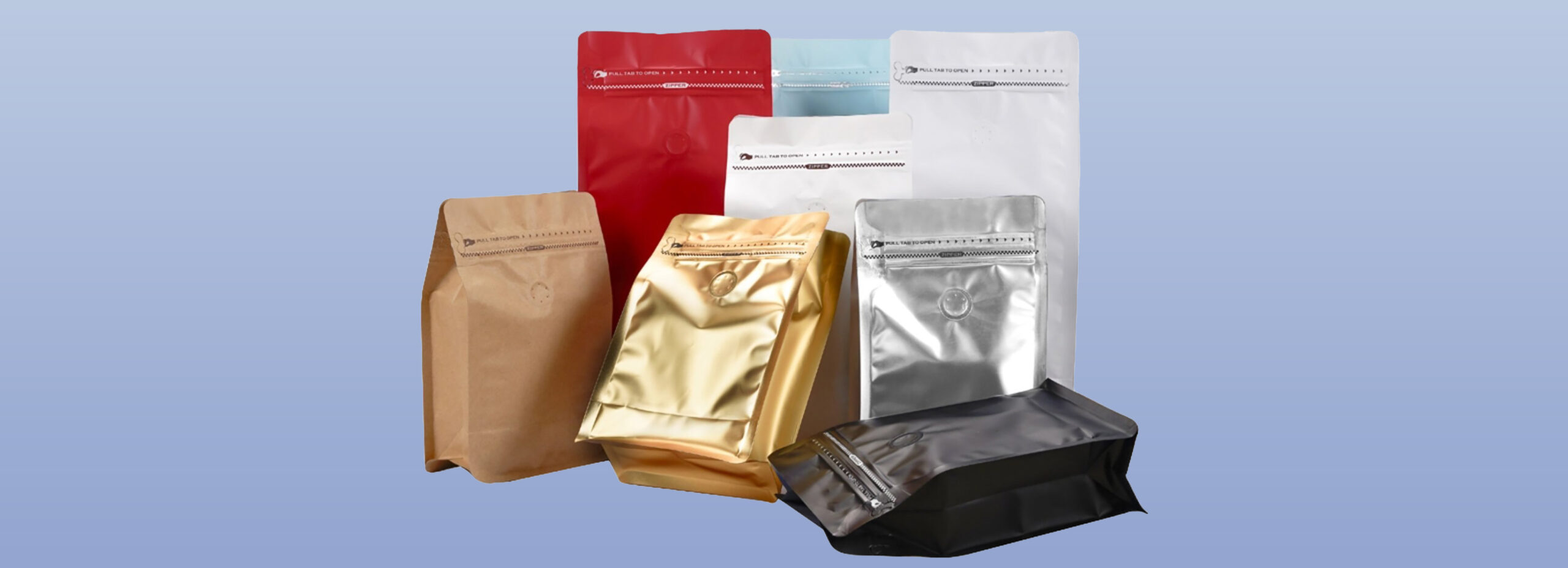
Direct food contact kicks in when the product touches the cardboard surface itself, no liner, no bag, no barrier layer. This is less common for cereal and typical snack products but does show up in some bakery-adjacent snack categories, unlined cracker boxes, some cookie packaging, and any format where crumbs or oils could migrate directly into the board. Direct contact packaging must meet a meaningfully higher bar, since the board, any coating on it, and any ink used all become potential sources of chemical migration into the food itself, the same concern that shapes barrier requirements for a Flat Bottom Coffee Bags USA format.
Key FDA Packaging Standards Buyers Should Check
21 CFR 176.170 and 176.180 cover components of paper and paperboard used in food packaging, part of the broader category of indirect food additives, including the specific substances allowed in coatings and treatments applied to the board. These sections matter most for any packaging where the board has direct food contact.
21 CFR 175.300 covers resinous and polymeric coatings, relevant wherever cardboard packaging includes a plastic-based coating or liner bonded directly to the board, common in grease-resistant snack packaging.
The FDA’s Food Contact Substance Notification (FCN) system is what a supplier should be able to point to if a specific coating, adhesive, or ink has actually been cleared for food-contact use. A supplier who can’t point to an FCN number or a relevant CFR section for a direct-contact material is a signal to ask more questions before ordering.
GRAS status (Generally Recognised As Safe) applies to certain packaging components separately from the FCN system, and it’s worth understanding that GRAS and FCN aren’t interchangeable; a material can hold one status without automatically holding the other.
A brand doesn’t need to become a regulatory expert to order FDA-compliant packaging, but knowing these terms means a supplier’s claims can actually be checked rather than taken purely on faith- the same standard we hold when specifying board for a Rice Packaging Bags USA order.
Specify Intended Use Before Selecting Materials
Skip this step, and problems show up later, not now. A supplier can’t pick the right material blind. They need to know how the product will actually sit against the packaging first.
A brand should have real answers to these before choosing a material:
- Contact type: direct against the cardboard, or is a liner, bag, or pouch doing the separating?
- Product condition: oily, greasy, or wet enough to be a migration risk on untreated board?
- Heat exposure: Will the box sit somewhere hot during transit, storage, or on a shelf?
- Does any interior printing sit where the food could actually touch it?
Answer these before a design ever reaches a supplier, and the right material gets picked the first time. Skip them, and a first production run can end up needing a direct-contact-grade board nobody specified going in, the same upfront planning that matters for a Custom Pet Treat Bags USA order where product oil content varies widely by formula.
Where Small Brands Most Often Get This Wrong
Assuming all cardboard is automatically food-safe. Standard corrugated board used for shipping cartons isn’t necessarily held to the same purity standards as food-contact-grade board, since shipping cartons are rarely designed for direct product contact in the first place.
Not asking about interior coatings on unlined boxes. An unlined cracker or cookie box needs a proper grease-resistant, food-contact-approved coating inside; a nice print job on the outside doesn’t cover that. That question gets skipped more than almost any other, and it’s exactly where what a brand assumes and what a supplier actually delivers tend to part ways.
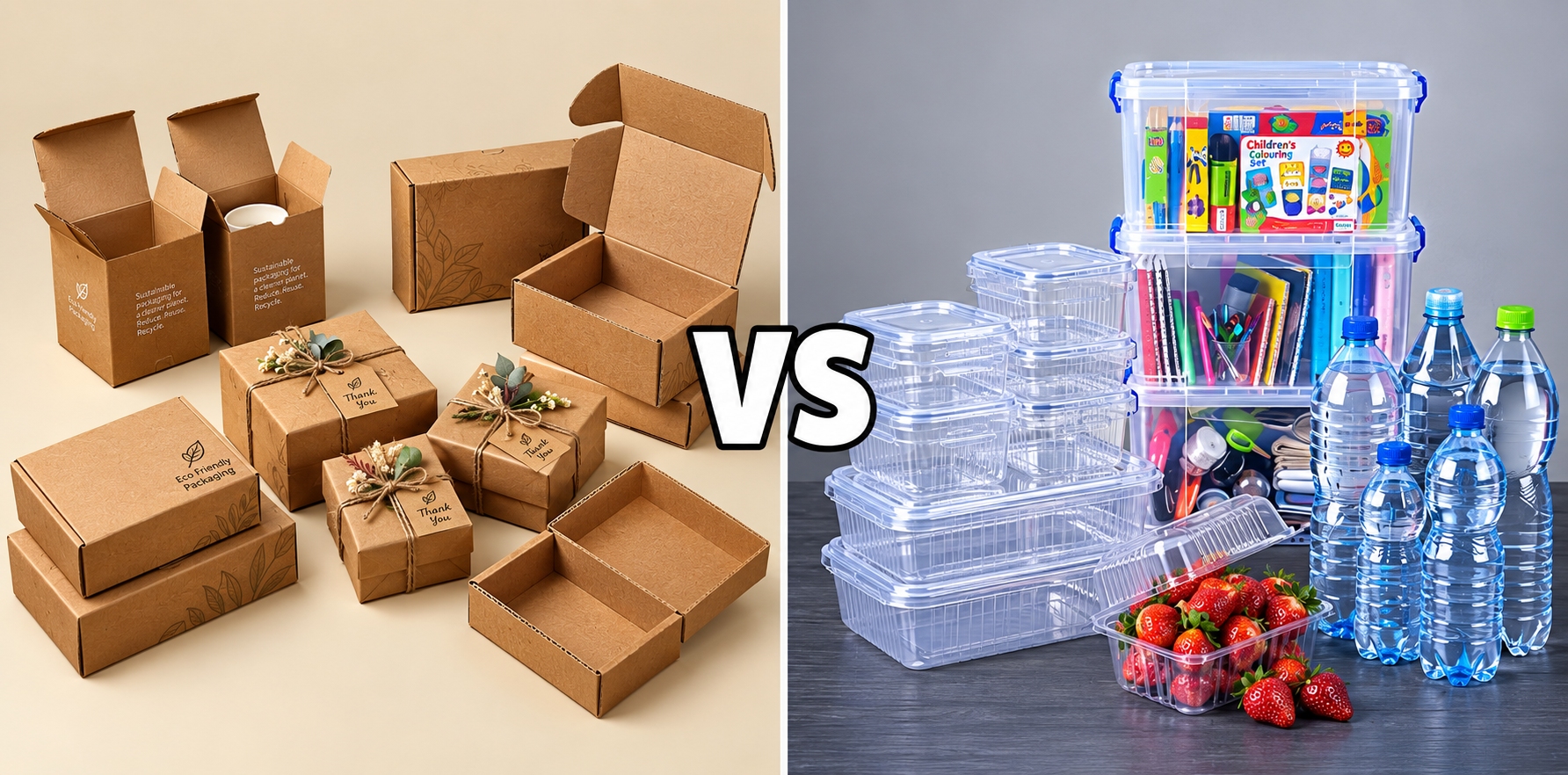
Overlooking recycled content restrictions. Recycled paperboard can carry contaminants from whatever it held before, ruling it out for direct food contact unless it’s been specifically processed and certified as food-grade. A brand going after a sustainable, recycled-content box still has to confirm the board is actually rated for food contact, rather than treating “recycled” as automatically “safe”, the same certification-first approach covered in our sustainable holiday packaging guide.
What This Looks Like for Snack Packaging Specifically
Snack categories vary enormously in their contact requirements, and choosing food-safe packaging materials correctly depends on knowing which category a product falls into. A sealed bag of chips inside an outer box follows the same indirect-contact logic as cereal. An unlined cracker box, a bakery-style cookie box, or any snack sold with direct cardboard contact needs the higher direct-contact standard applied to the interior surface, coating, ink, and adhesive alike.
Brands packaging into a Popcorn Packaging Bags USA style format should confirm grease-resistance compliance specifically, since popcorn’s oil content makes it one of the more demanding direct-contact scenarios in the snack category. The same applies to brands using a Christmas Boxes USA format where the product sits closer to the packaging surface than a fully separate liner would allow.
Questions Worth Asking a Packaging Supplier
Is this board rated for direct or indirect food contact, and which CFR section or FCN covers the specific coating or treatment applied?
If the box has recycled content, has that material actually been certified as food-grade, or is it standard recycled stock never meant for food contact?
If there’s interior printing, does it use food-contact-approved ink, and does that approval cover the specific colours and coverage on this order?
Has this exact material and coating combination been used in FDA-regulated food packaging before, or is this a new combination that hasn’t been verified for this specific use case? The same due diligence question is worth asking about any Candle Shipping Boxes USA liner material, too.
Getting It Right Without Becoming a Regulatory Expert
A small brand doesn’t need in-house regulatory counsel to order FDA-approved food packaging. What it does need is to ask the right questions and expect specific answers, not general reassurances. A supplier who can cite the relevant CFR sections, confirm FCN status where applicable, and clearly explain whether a given order involves direct or indirect food contact is doing the actual compliance work a brand is paying for. A supplier who simply says “it’s food-safe” without further detail hasn’t actually answered the question, the same standard of specificity we apply to every Liquid Pouches USA order, too.
Recycled Plastics vs. FDA Rules: Meeting the Standards for Sustainability
Sustainability goals and FDA compliance can coexist fine; they just need extra care wherever they overlap, particularly with any liner or plastic component paired alongside cardboard. A few things small brands should know before settling on a recycled-content liner.
- Recycled plastic used in food contact faces its own regulatory scrutiny, separate from the cardboard question already covered above.
- The FDA’s Post-Consumer Recycled (PCR) content review process is what recycled plastics actually go through, checking how the material was sourced, decontaminated, and reprocessed before it ever gets near food.
- Not all recycled plastic clears this bar. Passing this review depends entirely on the sourcing and decontamination process, not just the fact that the material is recycled.
- Recycled content can meet food-contact standards, but only when it comes from a closed, food-grade recycling stream and gets decontaminated through an FDA-recognized process.
- Pull the same material from mixed post-consumer waste, and it usually can’t clear that bar, whatever the marketing calls it, “recycled” or “sustainable.”
- “Recycled” alone answers nothing. The word doesn’t say whether that specific batch cleared food-contact review.
Frequently Asked Questions
Does cereal packaging need FDA approval? Not the box, in most cases. A plastic liner sits inside the cereal box, and that liner carries the food-contact burden, not the cardboard wrapped around it.
Is recycled cardboard automatically unsafe for food contact? Not automatically unsafe, but not automatically safe either. Recycled board can carry contaminants left over from its prior use unless it’s been specifically processed and certified as food-grade recycled material. Always confirm certification rather than assuming recycled content is fine by default; the same check is worth running on any Coffee Bags One Way Valve and zipper in the USA using recycled materials.
Does interior box printing need special ink? Only if the ink is on a surface the food could actually touch, whether through direct contact or migration near seams and ventilation holes. Exterior printing generally doesn’t carry the same food-contact ink requirements as interior printing on an unlined or partially lined box.
Can a small brand verify compliance without hiring a regulatory consultant? Yes, in most cases. Get a supplier to cite the specific CFR section or FCN number for a material, and confirm whether an order involves direct or indirect food contact, and that covers most of what a small brand needs to check; no formal regulatory counsel required.
Conclusion
It really comes down to one distinction: does the food touch the board directly, or is there a liner, bag, or pouch between them? Indirect contact, the category most cereal and snack products fall into, carries lighter material requirements than direct contact, where the board, coating, ink, and adhesive all have to clear food-contact standards under Title 21, with new materials cleared through a food-contact notification (FCN) where needed. Brands that nail down their exact use case early, push suppliers for specific regulatory references instead of general claims, and double-check recycled content and interior coatings sidestep the costly rework that shows up when a compliance gap surfaces after a production run’s already printed — the same upfront-planning approach we bring to every Popcorn Packaging Bags USA order.
Written by the Hale Path Packaging team, packaging specialists with over a decade of experience supplying compliant food-contact packaging to cereal, snack, and bakery brands across the United States, working directly with clients on material selection.